The list of 6,451 cards reported stolen from a FedEx truck while in transit from PSA has understandably drawn attention for its biggest names. Collectors scanning the inventory have quickly focused on elite cards tied to stars such as Michael Jordan, Babe Ruth, and Shohei Ohtani, along with autograph cards, Superfractors, and other obvious high-dollar pieces.
But the published inventory tells a broader story about what was actually lost.
Buried across the 93-page list are dozens of cards that would never lead a headline on value alone: player checklists, role players, vintage entertainment issues, and cards that many hobby participants would consider unusual grading submissions. Those entries may not command the same spotlight as modern grails, yet they may represent some of the most difficult losses to replace.
That is what makes this theft resonate beyond the total number of items involved. It is not only a story about expensive cards disappearing. It is also a reminder that card collecting has always been personal, and the cards a collector values most are not always the ones that carry the highest published prices.
For more collector background, read PSA Deactivates Stolen Slabs After FedEx Truck Theft Hits Collectors for More Than $100,000.
The stolen inventory includes far more than star power
Any theft tied to PSA submissions is going to generate immediate attention because graded cards often represent a meaningful financial commitment before a grade is ever assigned. The stolen inventory includes major names and premium material, but it also contains cards that point to a very different side of the hobby.
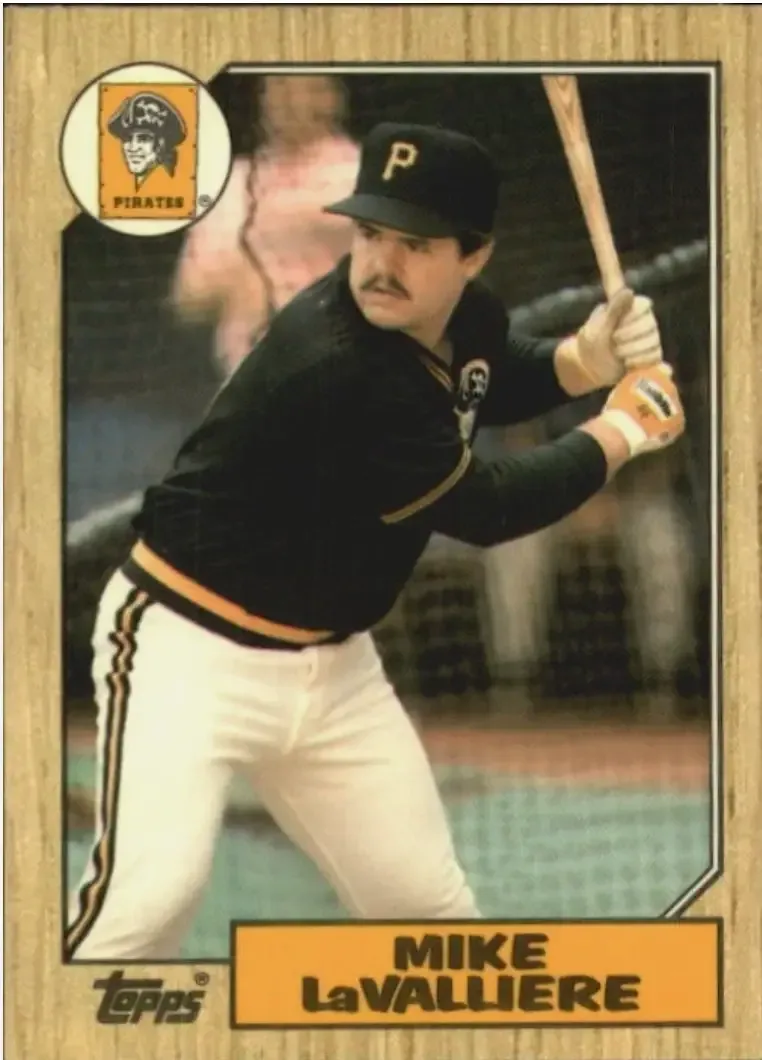
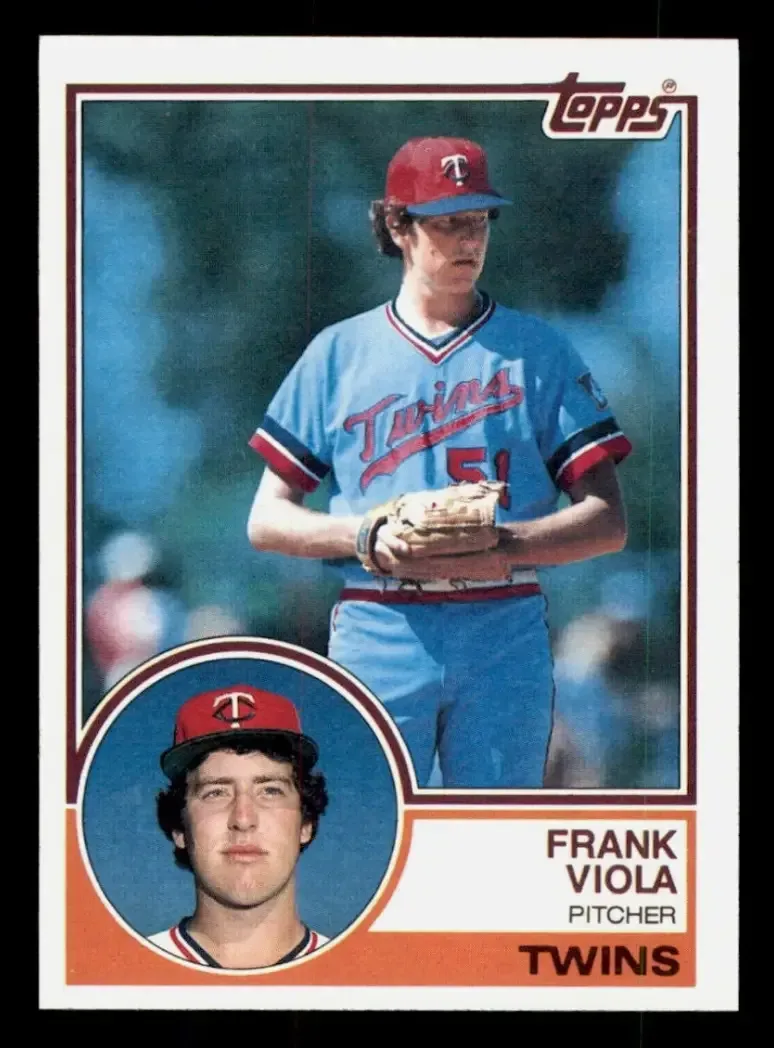
Among the more unexpected entries are about 30 cards featuring Frank Viola, including 1983 Topps #586 and a 1989 Upper Deck #691 Twins checklist. There are also Mike LaValliere cards on the list, including 1987 Topps Traded Tiffany #61T and a 1992 Upper Deck #113 Gold Hologram variation.
None of those cards automatically fits the stereotype of a grading submission built strictly around resale upside. That does not mean they lack value. High-grade examples of seemingly ordinary cards can be tough to find, and condition scarcity can transform a common issue into a serious challenge for player collectors, registry participants, and set builders.
It also matters that PSA grading is not a trivial expense. As of October 2026, PSA’s lowest available service level is listed at $59.99 per card, while Value options are temporarily paused as the company works through a reported 7.2 million-card backlog. Even if some of the stolen submissions were sent at older rates, grading multiple lower-profile cards still represents a meaningful investment of money, time, and intent.
That is why cards like a Frank Viola checklist stand out. Someone chose to submit them. Someone believed they were worth protecting, preserving, authenticating, or slotting into a larger collecting goal.
Why lesser-known cards can matter the most
Collectors often talk about value as if it begins and ends with auction results, but collecting motives are far more varied than market conversations suggest. A submission can reflect nostalgia, a long-running player project, a near-finished registry set, a favorite team, or a hard-to-upgrade vintage example that took years to locate.
In many cases, lower-profile cards are submitted because they are the missing pieces that complete something larger. A star rookie might be easy to identify as important, but a checklist, variation, or fringe player can be the hardest card to replace in matching condition. That matters especially for collectors building uniform graded runs or chasing high-grade set completion.
For that reason, the emotional toll of this theft likely extends well beyond the cards that would headline an insurance claim. The market may place one number on a card, but a collector may attach an entirely different kind of value to it based on how it was found, how long it took to acquire, or what part of a collection it represented.
That distinction is especially important with cards that appear ordinary at first glance. A common card in a PSA holder is not always about flipping profit. It may be about preserving a childhood favorite. It may be about upgrading a personal collection. It may be about finally finding a clean copy of a card that usually surfaces off-center, chipped, or poorly printed.
When those cards vanish in transit, replacing them is rarely as simple as opening a marketplace app and buying another copy.
Oddball basketball and vintage non-sports entries stand out
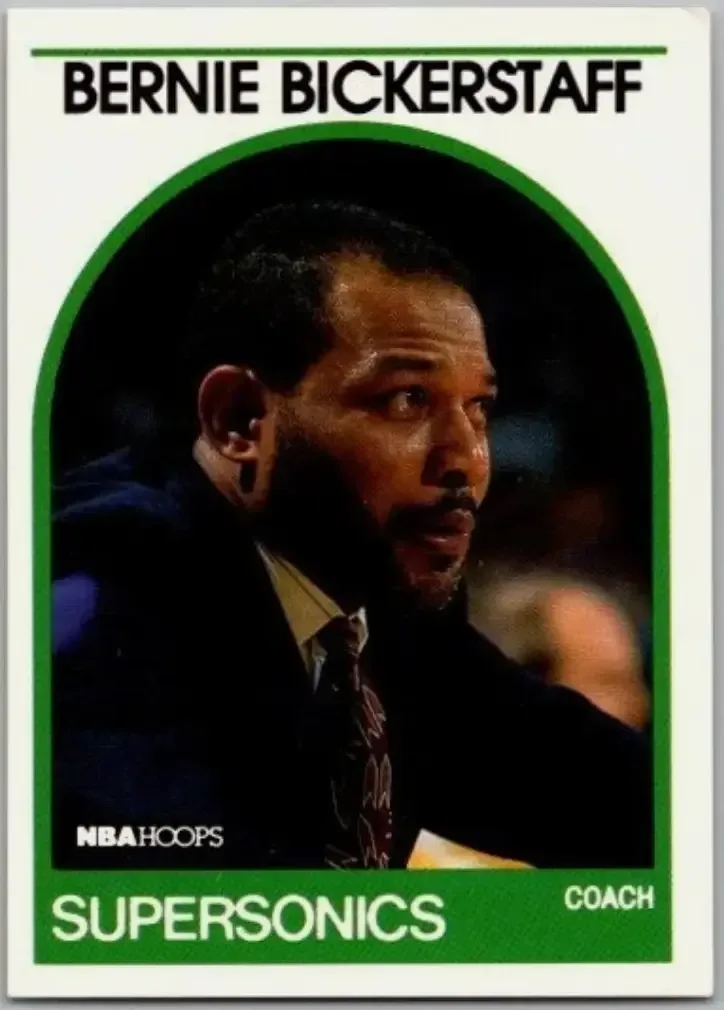
The stolen-card list also illustrates how wide the hobby really is. Beyond baseball submissions, the inventory includes cards such as 1989 Hoops #269 Bernie Bickerstaff and 1989 Hoops #82 Dan Schayes. Those are not the cards most people think of first when discussing that set, which is usually anchored by its Hall of Fame rookie content and star power.
Still, seasoned set collectors know a truth that casual observers often miss: the marquee cards are not always the hardest cards to locate in top condition. Centering, print quality, edge wear, and surface defects can turn an overlooked base card into a major obstacle for anyone trying to build a high-grade set. A common is still a key card if it is the one a collector cannot find in the quality they need.
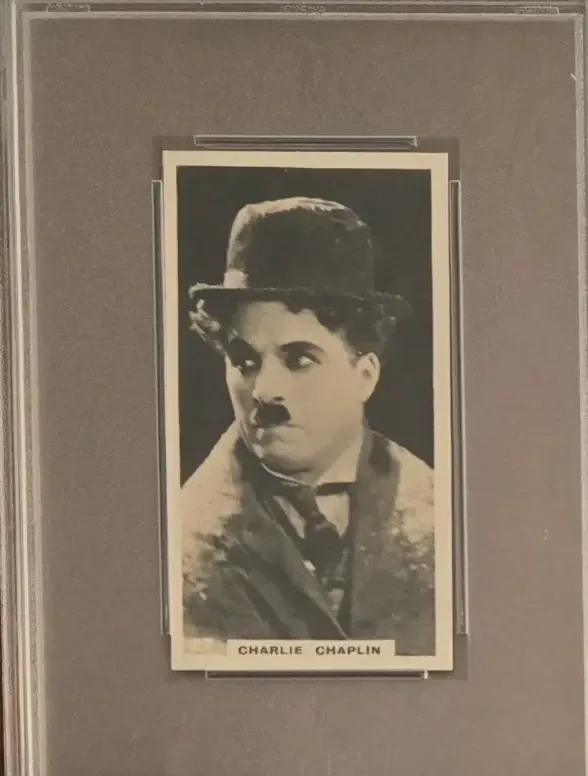
The non-sports entries may be even more revealing. The inventory includes roughly 20 Charlie Chaplin cards, among them 1926 Lambert & Butler #27 Type 2 and 1934 Wills Famous Film Stars #71 in small format. Those cards point to a part of the grading world that often sits outside the modern spotlight but remains deeply important to specialists.
Vintage entertainment and tobacco-era style issues carry their own collecting culture, one built around scarcity, paper preservation, eye appeal, and historical interest. A century-old card is not easy to replace in the first place. Replacing one with comparable centering, color, wear, and overall presentation can be substantially harder.
That is part of what makes losses in categories like vintage non-sports so frustrating. The card may not carry a five-figure value, but finding another example that feels like the same card to the owner can be a real challenge.
What the theft says about grading behavior in 2026
This incident also provides a snapshot of how collectors are using grading services in the current market. Despite higher submission costs and a massive reported backlog, collectors are still sending in an enormous range of material. The 6,451-card list is not just a roll call of blue-chip assets. It is evidence that grading remains central to how collectors organize and legitimize their collections across multiple categories.
That includes stars, commons, checklists, variations, oddball issues, and vintage non-sports cards. Some submissions are clearly made with resale in mind. Others are better understood as archival decisions. A holder can provide protection, standardization, and peace of mind even when the owner has no plan to sell.
The published inventory makes that diversity impossible to ignore. In one place, it brings together superstar cards that would dominate any conversation about value and modest cards that only make sense if you understand the collector behind them. That contrast is exactly why the theft has struck such a nerve across the hobby.
It also underscores a difficult reality for grading customers. Once cards leave a collector’s hands and move through shipping networks, they enter a chain of custody where a single breakdown can affect thousands of items at once. In a case like this, the impact reaches collectors with very different budgets and goals, but the sense of loss can be equally sharp.
Notable categories and examples from the stolen list
- Star-driven headline cards: The list includes cards associated with major names such as Michael Jordan, Babe Ruth, and Shohei Ohtani, along with premium autographs and Superfractors.
- Unexpected baseball submissions: About 30 Frank Viola cards appear on the inventory, including 1983 Topps #586 and 1989 Upper Deck #691 Twins checklist.
- Player-collector targets: Mike LaValliere entries include 1987 Topps Traded Tiffany #61T and 1992 Upper Deck #113 Gold Hologram variation.
- Basketball commons and set pieces: 1989 Hoops #269 Bernie Bickerstaff and 1989 Hoops #82 Dan Schayes show that not every graded submission is built around stars.
- Vintage non-sports material: Roughly 20 Charlie Chaplin cards are listed, including 1926 Lambert & Butler #27 Type 2 and 1934 Wills Famous Film Stars #71.
The replacement problem is bigger than price guides suggest
Price guides, recent sales, and insurance estimates can help establish a market number, but they do not solve the replacement problem. That is especially true for cards with unusual collecting context.
A collector who loses a modern serial-numbered star card may face a high-dollar problem. A collector who loses a checklist, a low-pop common, or a century-old non-sports card may face a different problem: finding the same card again at all, then finding one with the same presentation and appeal. The latter can take months or years, particularly for niche categories.
Even when another copy exists, it may not satisfy the same purpose. A registry collector may need a certain grade. A set builder may want visual consistency. A player collector may have been chasing a specific variation for a long time. A vintage specialist may have selected one example over several alternatives because of eye appeal that a numeric grade does not fully capture.
That is why the stolen list has sparked so much discussion beyond the obvious top-end names. It reflects the deeply individual nature of collecting. The same inventory can contain a card valued primarily for liquidity and another valued almost entirely for personal meaning.
As the hobby watches for updates and hopes for recoveries, the most visible losses will continue to attract the biggest headlines. Yet the full inventory shows that some of the hardest losses to measure may be the obscure ones: the checklist that completed a run, the common that was nearly impossible in gem condition, or the vintage Charlie Chaplin card that took years to find in the right shape.
Those are the kinds of cards that remind collectors why theft stories hit differently when they involve submission orders. What disappears is not just cardboard with a market value attached. In many cases, it is time, intent, and pieces of collections that may not be easily rebuilt.
Photo Gallery