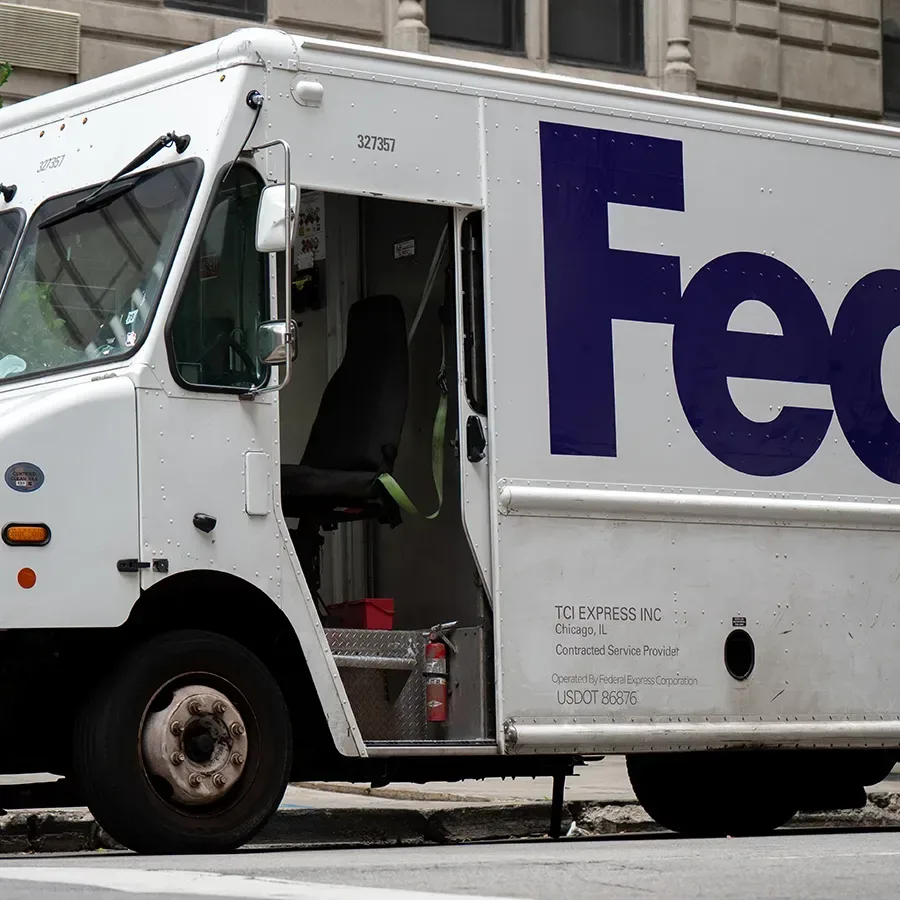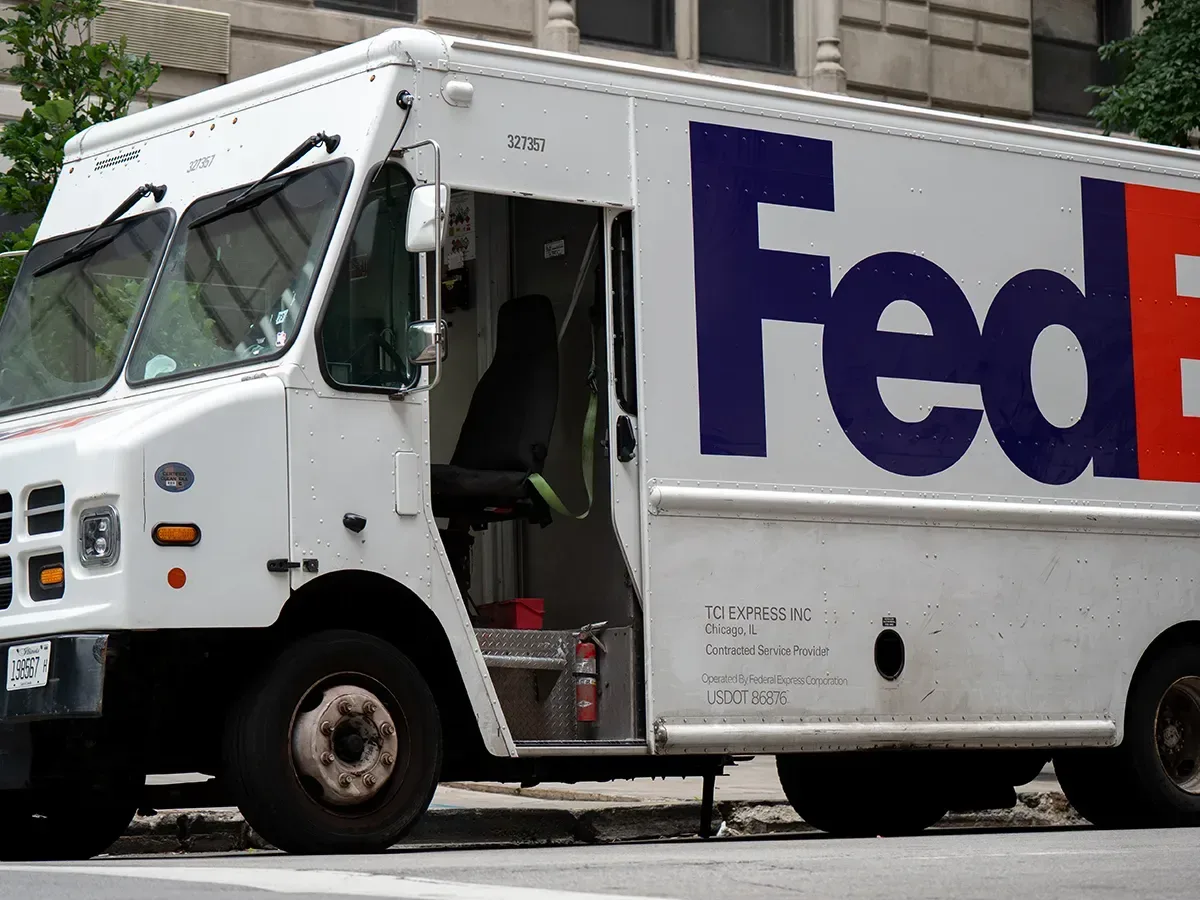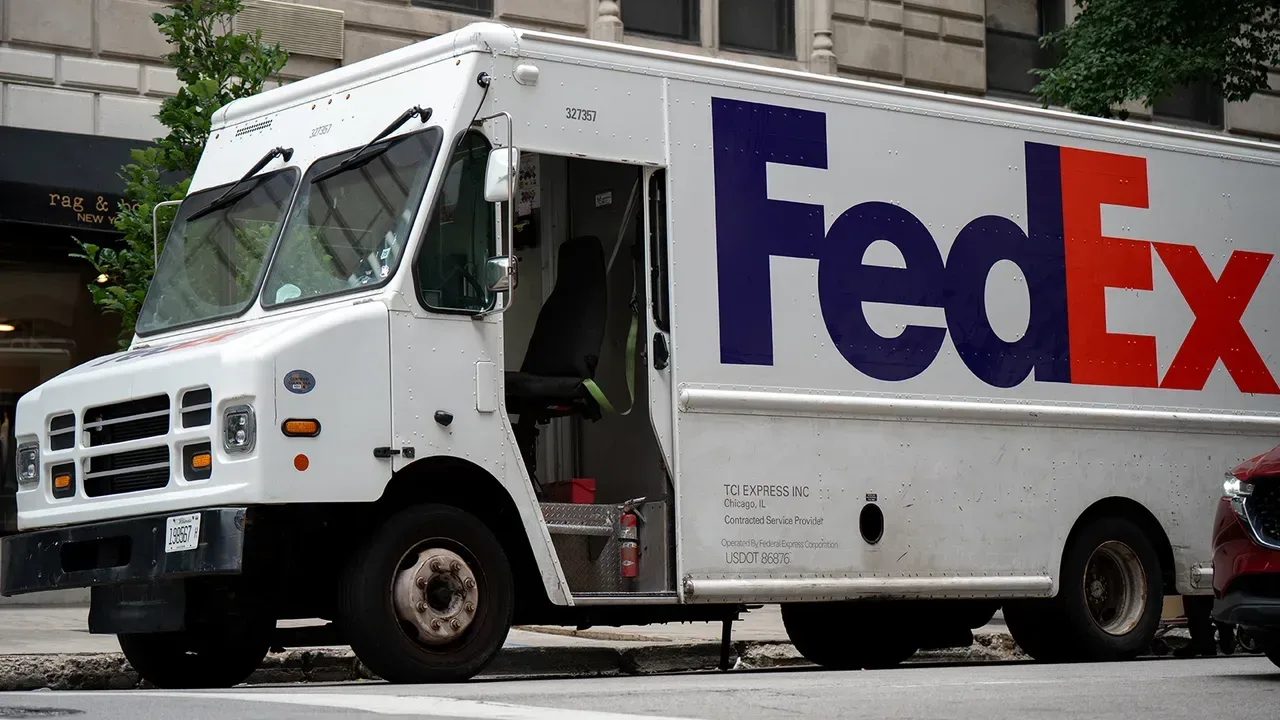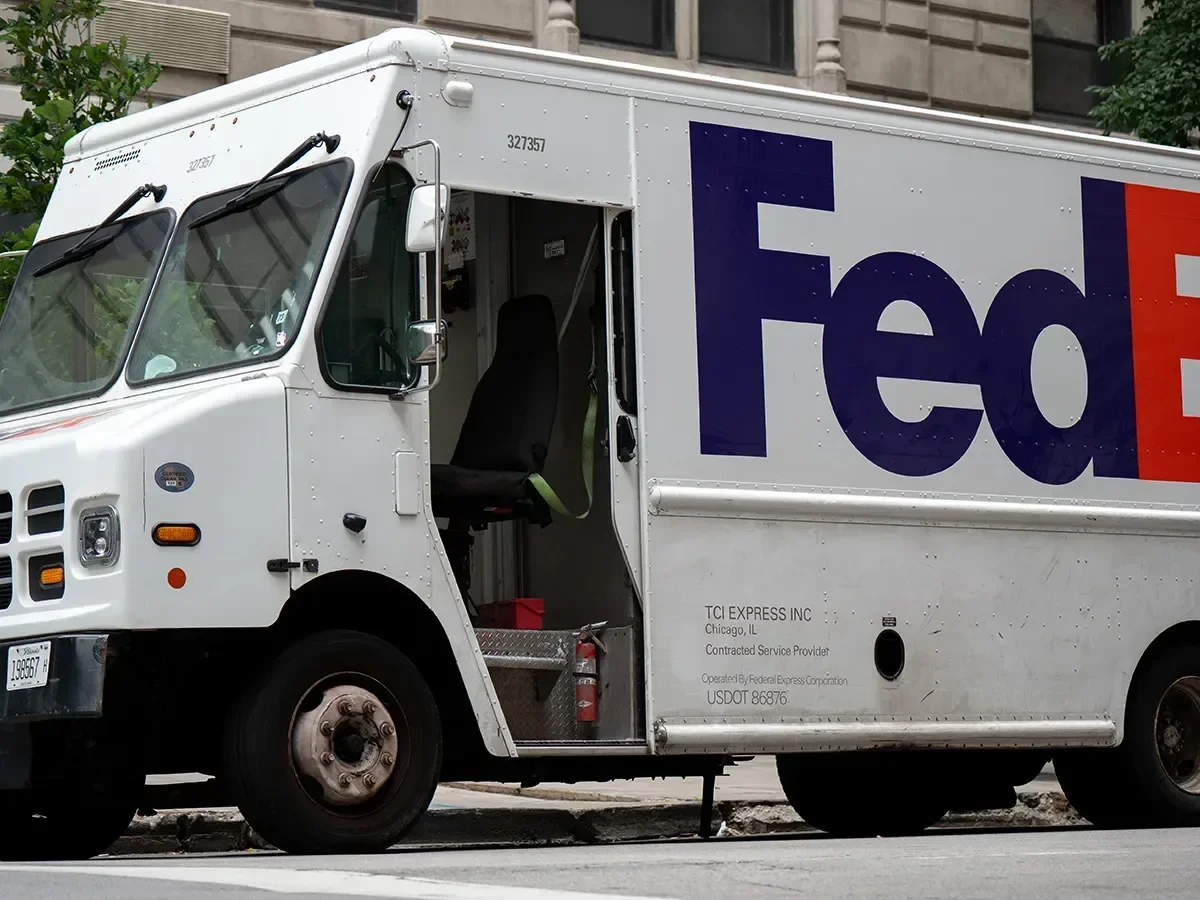
A theft involving a third-party shipping vehicle has sent a shock through the card market after hundreds of PSA-graded items were reportedly taken in transit. The loss appears to stretch well beyond a single order, with collectors and dealers now trying to determine the full value of missing cards and what recovery options remain.
At the center of the incident is a collector who said a 104-card submission worth more than $100,000 was stolen after leaving a Southern California facility. The cards had reportedly been built over a period of more than two years, turning the case into more than just an insurance dispute for the owner. In the high-end hobby, many collections include cards that are difficult or impossible to replace, even if a payout is eventually made.
PSA has confirmed that it is aware of the theft and says it is working with law enforcement and the carrier while the investigation continues. The company also says it has already taken several steps designed to make the missing slabs harder to move through the marketplace.
What PSA says it has done so far
One of the biggest immediate developments is PSA's decision to deactivate the certificates tied to the stolen graded cards. In practical terms, that means the affected certification numbers have been flagged, which can help marketplaces, dealers, and buyers identify cards connected to the theft if they surface for sale.
For more collector background, read Yankees Memorabilia Auction Opens With Aaron Judge, Derek Jeter, Mickey Mantle and More.
PSA also says it has notified marketplace partners so they can watch for rare and serialized items that may have been part of the stolen shipment. That step matters because many of the most desirable cards in the hobby are traceable through serial numbering, public scans, and population data, making them easier to identify than raw, ungraded cards.
The company has also begun contacting impacted customers directly. PSA says compensation is being arranged based on fair market value, up to the maximum insured value selected for each item at submission. That policy language is likely to become a major point of focus as affected customers compare declared values, current market prices, and the true replacement cost of scarce cards.
A collector says 104 cards were taken
The most detailed public account so far comes from a collector using the name SKY-B, who said PSA informed him by email that the FedEx truck carrying his order had been burglarized. He stated that his shipment contained 104 cards and that the value of the order exceeded $100,000.
He also said the cards were hand-delivered for grading at the National in July, meaning the collection had already cleared the grading process before the theft occurred during transit. For collectors, that timeline adds to the frustration. Once cards have been authenticated, graded, and slabbed, the expectation is that the riskiest part of the process is over. Instead, the loss appears to have happened at the final stage, while the items were on the way back.
In discussing the missing order publicly, the collector described the cards as irreplaceable and said the emotional blow was just as severe as the financial one. That reaction will resonate with many hobby participants, especially those who build long-term collections around specific players, sets, or niche grails rather than easily replaceable inventory.
Insurance value may become a major issue
Another key part of this story is how submitted value and insurance limits may affect any payout. The collector said he spent roughly $8,000 on grading fees for the order and listed a maximum insurance value totaling $156,000. He also claimed that some cards in the shipment may have been worth more than the assigned maximum value and expressed concern that reimbursement could come in below what the cards would actually bring in today's market.
That concern highlights a long-running issue in grading and consignment: declared value is not always the same as true market value at the time a claim is processed. Card prices can move quickly, especially for low-population pieces, serial-numbered modern cards, and vintage items with limited public sales history. If a card becomes more valuable between submission and shipment, or if the market for a particular issue is thin, calculating fair compensation can be complicated.
For higher-end collectors, this incident may prompt renewed attention to submission paperwork, declared values, and shipping practices. Even when a reimbursement process exists, it may not fully address the loss of cards that took years to locate and secure.
The number of affected cards may be much larger
The theft does not appear to be limited to one package. A hobby personality known as Boston Card Hunter said he was told by a major PSA dealer that customers may have lost about $500,000 in declared value tied to the same truck theft. While that figure has not been independently verified in the available information, it points to the possibility that multiple shipments were impacted.
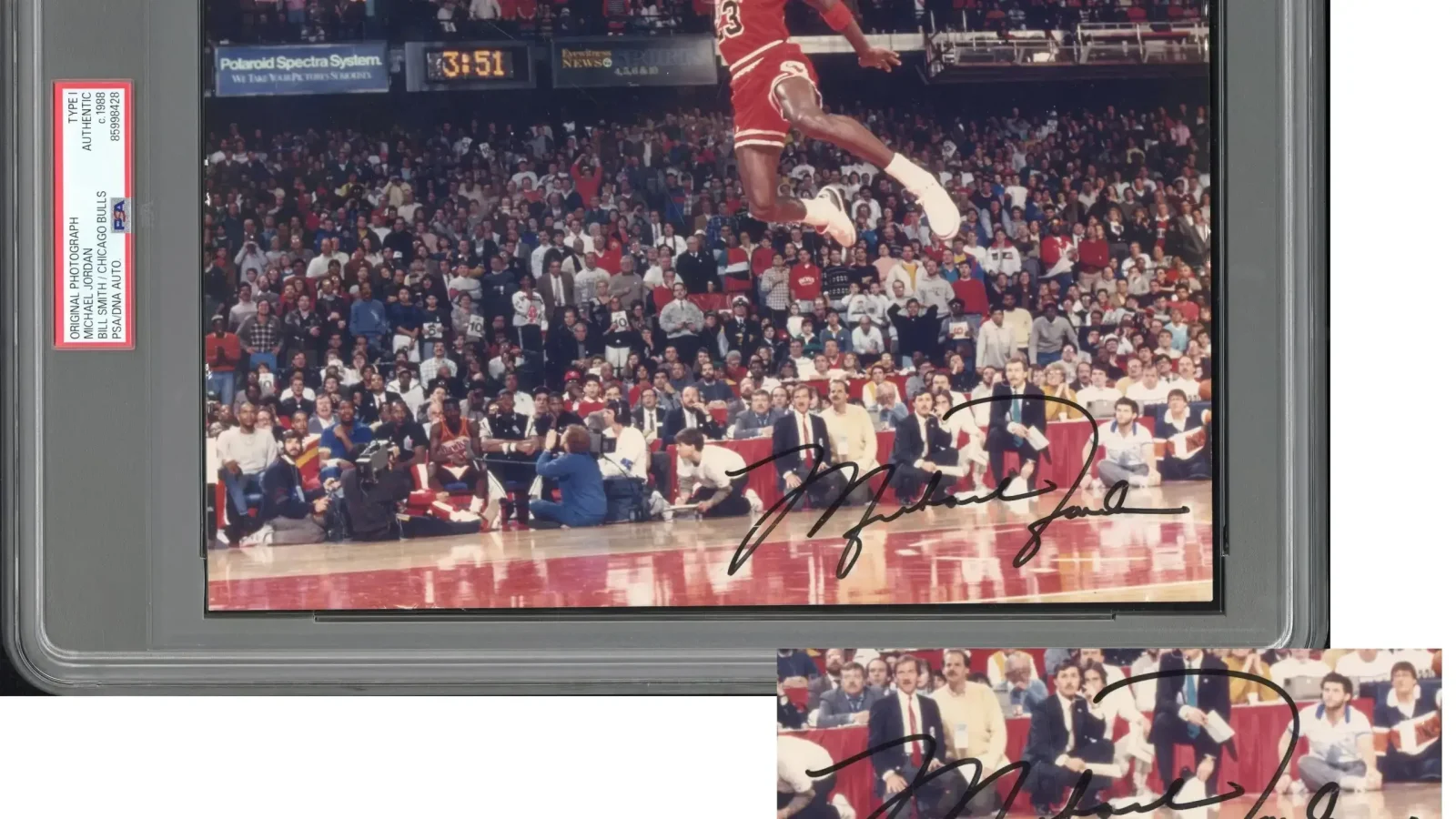
He also compiled a list of 383 serialized cards that were allegedly part of the stolen load. Among the examples mentioned were a 1995 Upper Deck 23K Gold Michael Jordan 50,000 Print Run card and a 2024 One Piece Simplified Chinese 1st Anniversary Set Nami. The broader list reportedly includes cards from sports, anime, and trading card game categories, suggesting the affected packages were not limited to a single lane of the hobby.
If more cards from that list begin appearing in private deals, online marketplaces, card shows, or social media sales posts, certificate deactivation and collector vigilance could become the most effective tools for limiting resale opportunities.
Why deactivated PSA certs matter in the secondary market
In a theft case like this, PSA's certification database becomes one of the hobby's most important safeguards. Once a slab's cert is flagged as stolen, potential buyers have a way to check whether the card is tied to the incident. That does not guarantee recovery, but it can reduce liquidity for stolen items and make it more difficult for bad actors to sell them openly through reputable channels.
This is especially significant for rare and serialized cards. Unlike mass-produced base cards, premium cards tend to leave a clearer trail. Serial numbers, scans, auction archives, grading histories, and social media posts can all help connect a physical slab to a known missing item.
Collectors looking at high-value PSA slabs in the coming days and weeks may want to take extra care before buying. Checking cert numbers, requesting clear slab photos, comparing serial details, and reviewing provenance could help buyers avoid unknowingly purchasing an item linked to the theft.
More collectors say they were affected
Public discussion around the incident has widened beyond the first known account. Other collectors have claimed online that their cards were also part of the stolen shipment. One reported that a PSA 9 Smaug the Magnificent card from Magic: The Gathering was taken.
Those additional claims reinforce the idea that this was not an isolated loss. If the truck carried a mix of returns from PSA across several categories, the impact could spread across multiple collector communities at once, including sports cards, Pokemon, Magic: The Gathering, One Piece, and other trading card segments.
That crossover matters because stolen inventory can move in different ways depending on the category. Some cards may be shopped to established hobby buyers, while others may be offered in less visible collector groups, local deals, or quick-flip online listings aimed at buyers who do not check cert details.
What this could mean for grading returns and shipping practices
The theft is also sparking discussion about whether current return-shipping methods for high-value grading orders offer enough protection. Some collectors and dealers are now openly questioning whether relying on standard carrier movement for premium returns creates too much risk, especially when packages may contain six-figure value in graded inventory.
There is already speculation that some larger submitters could explore more direct handling options for expensive orders, including tighter chain-of-custody procedures or pickup arrangements when possible. That may not be practical for every customer, but incidents like this tend to push the hobby toward more cautious shipping behavior.
For collectors, the lesson is immediate: keep complete records of submissions, scans, serial numbers, declared values, and communication related to return shipments. In any theft or insurance situation, having a clear paper trail can make a major difference when trying to establish what was lost and what the market value should be.
PSA's current position
PSA says it is taking the matter seriously and remains focused on supporting affected customers. The company says it is continuing to work with law enforcement and the carrier while also alerting marketplace partners and arranging compensation tied to fair market value within the insured limits selected for each order.
For now, the biggest unanswered questions are how many total cards were taken, how much aggregate value is involved, and whether any of the missing slabs will surface quickly enough to be recovered. In the meantime, collectors shopping for rare PSA-graded cards, particularly serialized examples, may want to scrutinize listings closely as the hobby watches for any sign of the missing inventory.
Photo Gallery