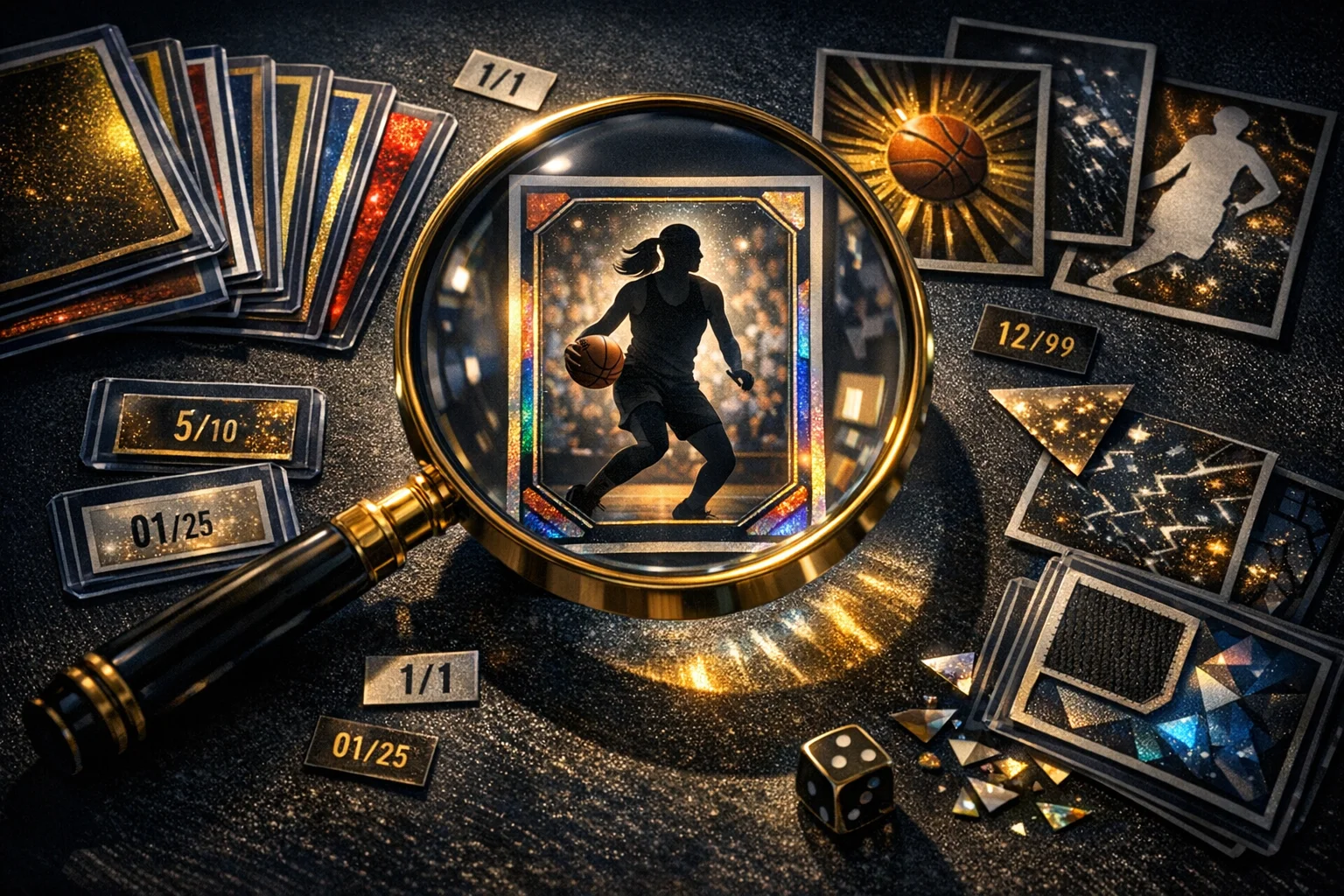
WNBA Card Parallels, Serial Numbers, Inserts, and Real Scarcity: A Collector’s Practical Guide
A practical guide to reading WNBA parallels, serial numbers, inserts, and licensing claims so you can tell documented scarcity from colorful noise.
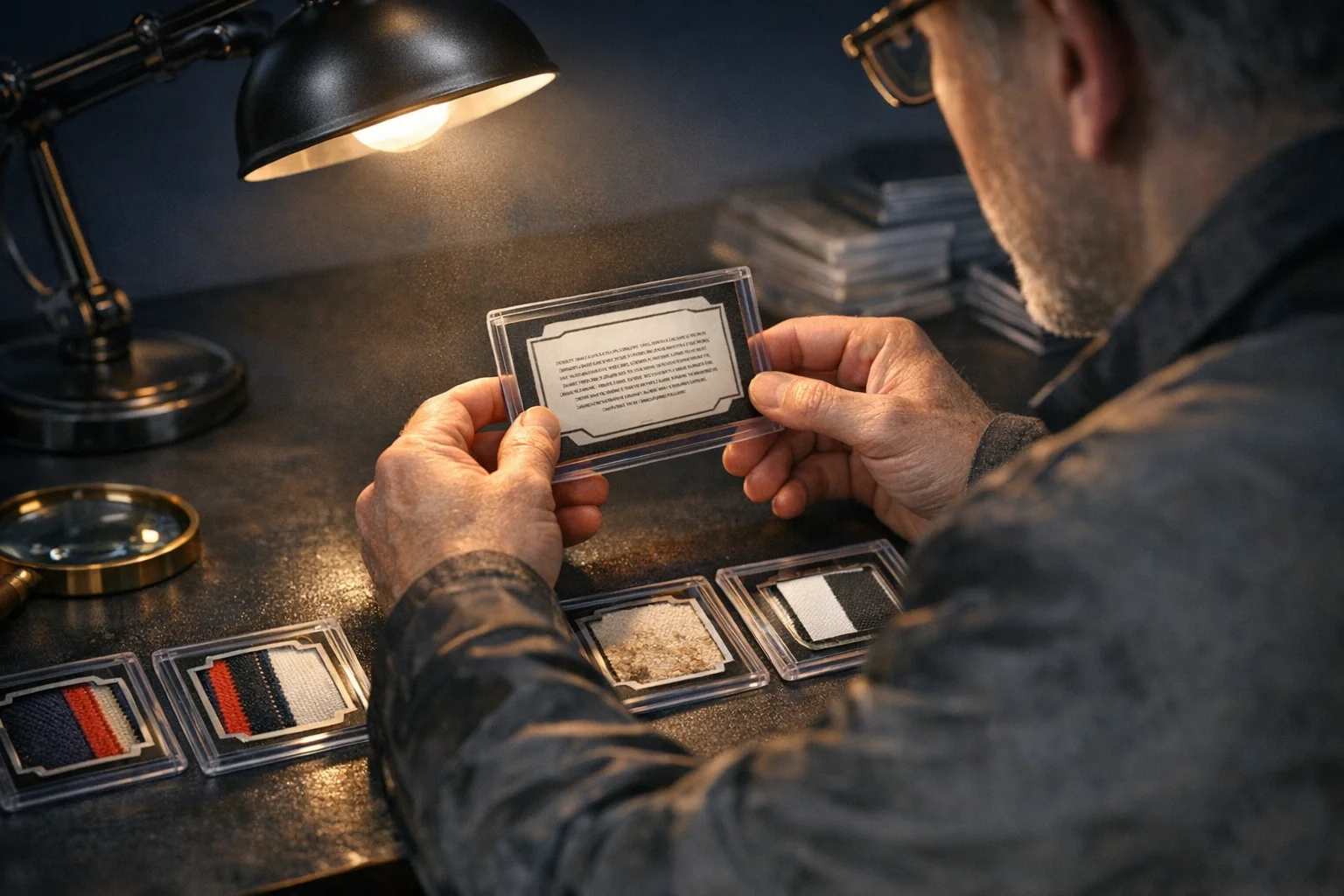
How to Read Patch Card Provenance: Game-Used, Player-Worn, Event-Worn and Manufactured Relics Without Guesswork
A practical guide to reading patch and relic card backs so you can separate game-used claims from player-worn, event-worn and manufactured inserts.

Tennis Card Collecting in 2026: When a Player-Focused Collection Beats Set Building, and When a Set Still Makes More Sense
Modern tennis cards often reward player-focused collecting, while set building works best with tight boundaries. Here’s how to choose the format that fits your budget and collecting habits.
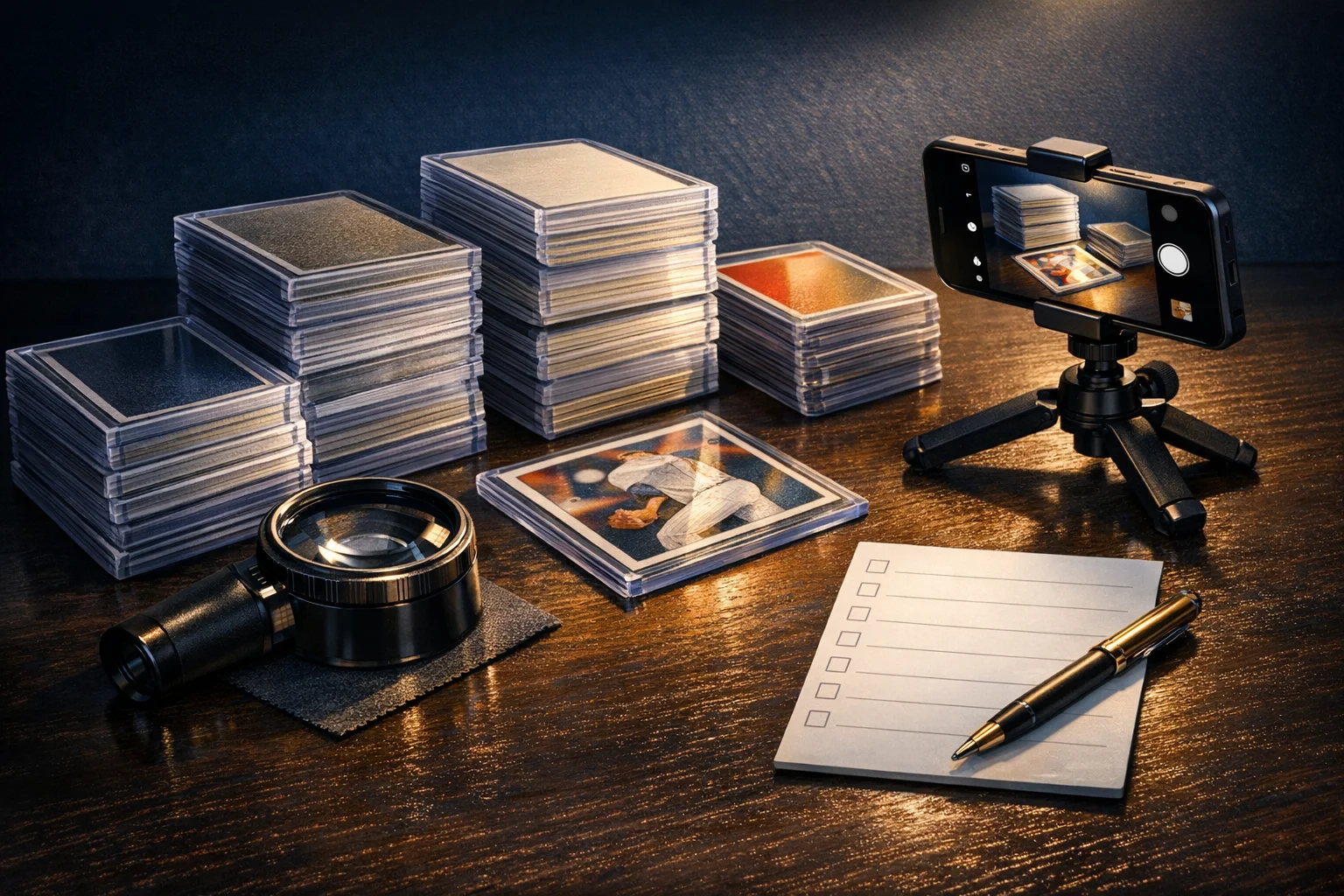
How to Prepare a Sports Card Collection for Sale: Smarter Sorting, More Honest Descriptions, and Photos Buyers Can Actually Trust
A practical guide to getting sports cards ready for sale with better sorting, defect-based descriptions, and cleaner photos that match the actual item.
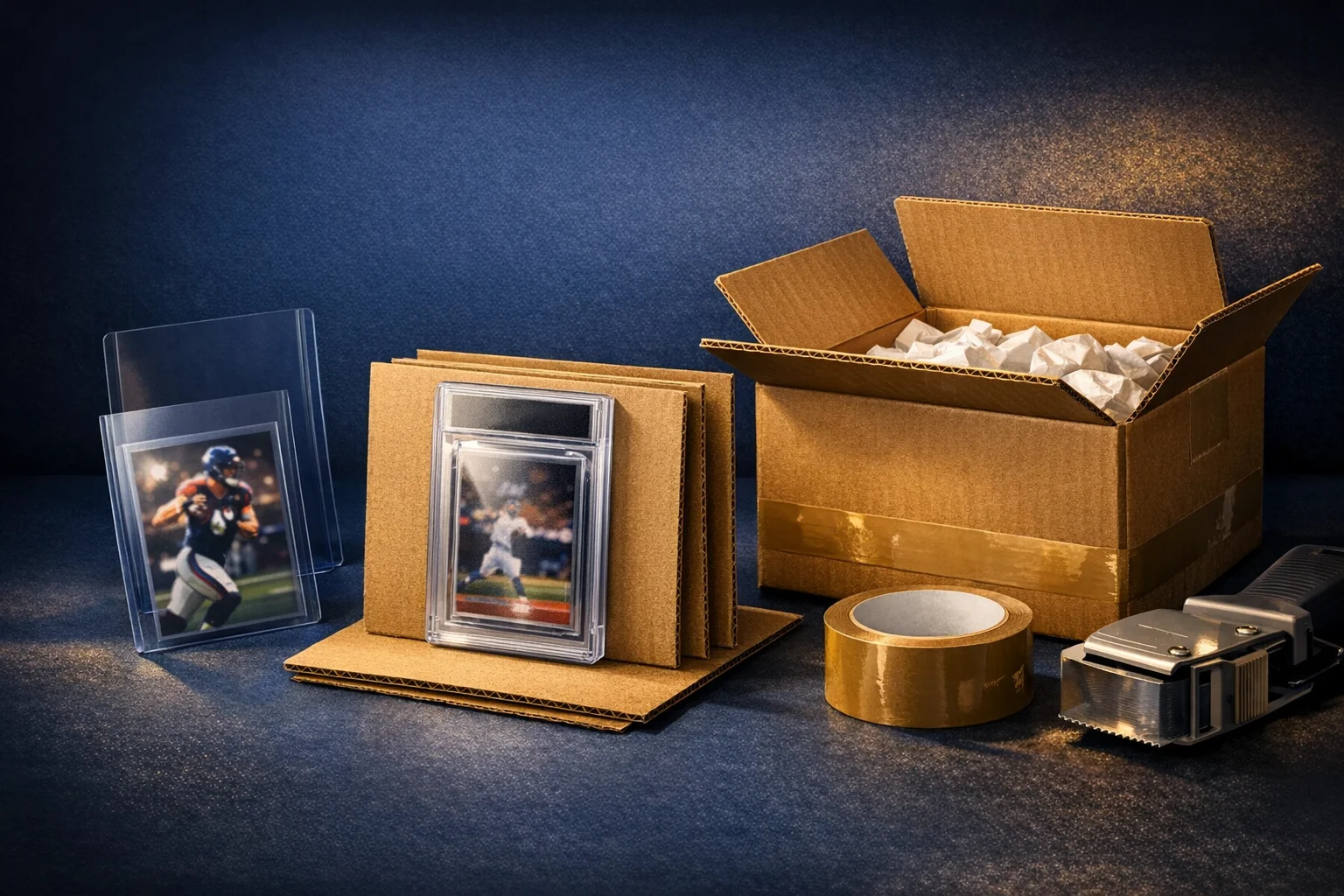
How to Pack and Ship Raw Cards and Slabs Without Adhesive Damage
A practical guide to shipping raw cards and graded slabs with less residue risk, better support, and fewer avoidable packing mistakes.
How Upper Deck Hockey Licensing Really Works, and What It Means for Young Guns, Future Watch, and Rookie Redemptions
A practical collector’s guide to Upper Deck’s NHL licensing structure, product families, rookie timing rules, and how to read Young Guns, Future Watch, and redemption-based releases.
A Collector’s Guide to Older Hockey Cards: Eras, Condition Traps, and Smarter Research Before You Buy
Older hockey cards reward careful collectors. Learn how to sort the main eras, separate Topps from O-Pee-Chee, spot condition traps, and research vintage and early premium issues more confidently.
First Bowman vs. Rookie Cards: How to Tell Prospect Cards, RC Logos and True Rookie Priorities Apart
A practical guide to the difference between 1st Bowman cards and rookie cards, how RC logos work, and how collectors can choose which lane fits their goals.

How to Build a Women’s Sports Card Collection in 2026 Without Getting Lost in Licensing
A practical guide to collecting women’s sports cards across WNBA, soccer, tennis and multi-sport releases by understanding leagues, competitions and licensing lanes.
3 Baseball Prospects Card Collectors Should Research Next: Jesús Made, Leo De Vries, and Sebastian Walcott
These three MLB Pipeline prospects stand out for collectors to research now because they pair current official rankings with clear card-trail clues and very different risk profiles.