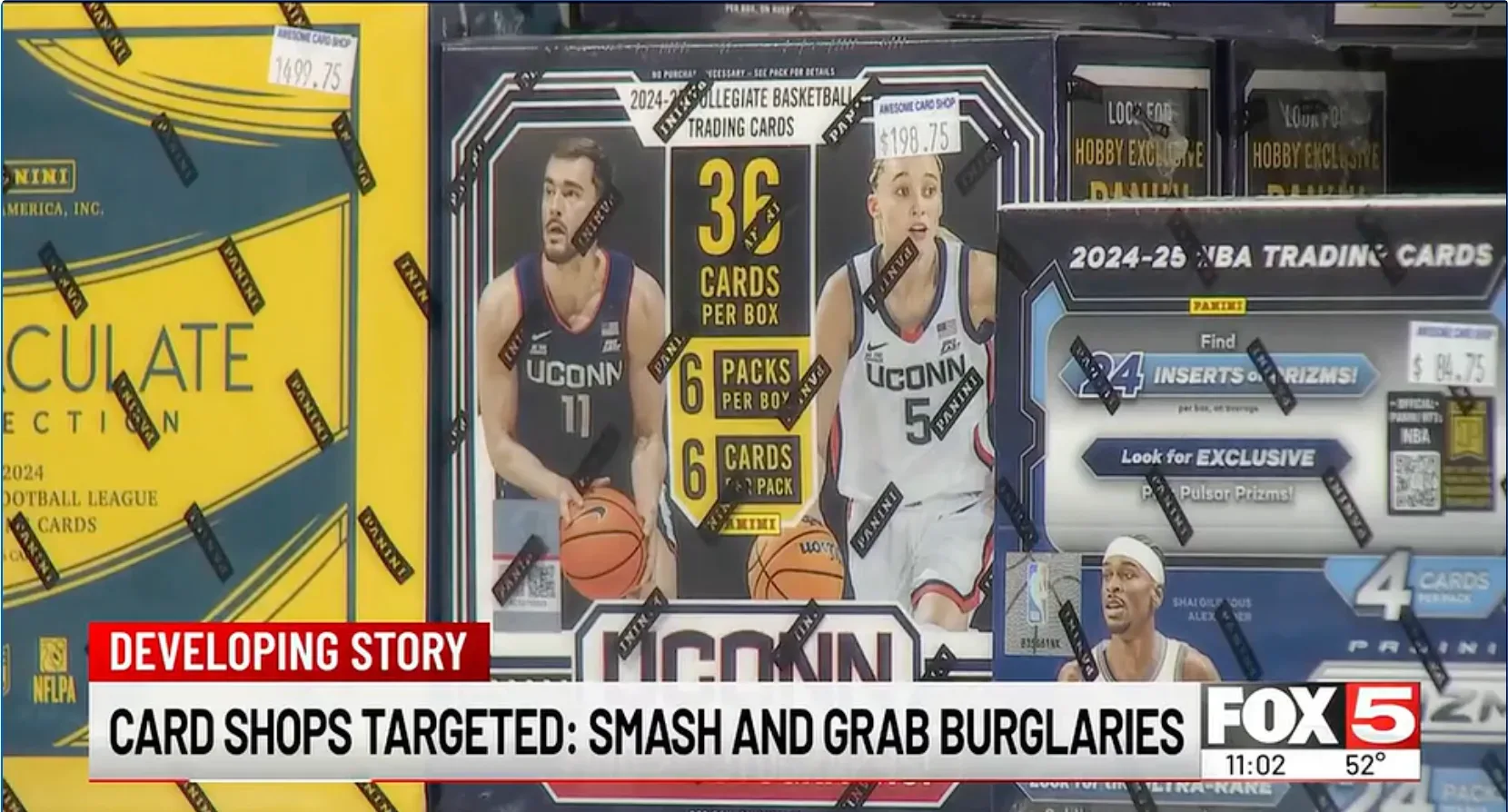
As sports card values continue to climb, security has become a bigger part of everyday collecting. What used to be a concern mostly for large dealers or shop owners now applies to nearly anyone with a valuable collection, a full show case, or a social media presence that makes their inventory easy to identify.
The recent wave of thefts, break-ins and hobby scams has pushed more collectors to think beyond buying, selling and grading. Protecting cards now means thinking about where transactions happen, how inventory is stored, what gets shared publicly, and how much attention is drawn to cash and high-end items in public spaces.
For many hobby participants, the strongest defense is not one big move. It is a series of smaller habits that reduce exposure and make a collector or dealer a harder target.
Why hobby security is getting more attention
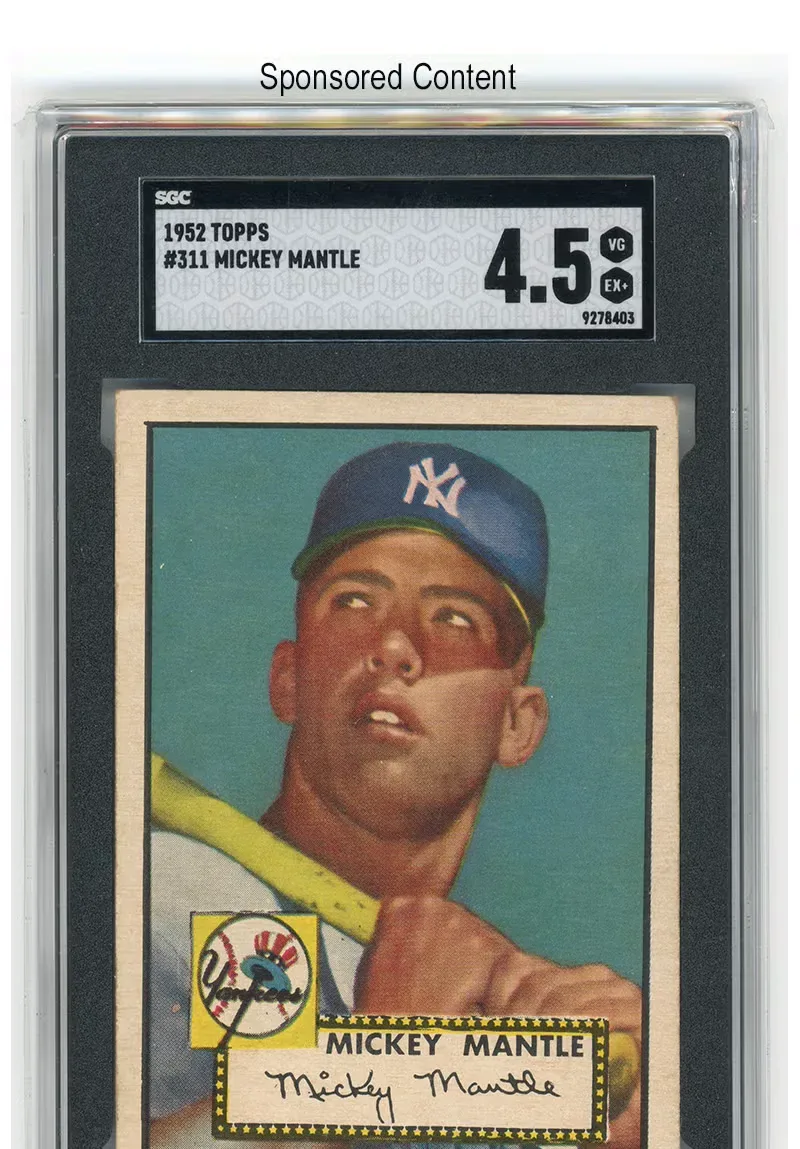
High-dollar cards are portable, easy to conceal and often simple to resell if a thief moves quickly. That combination creates obvious risk at shows, trade nights, shops, parking lots and even private homes. A collection does not have to be legendary to attract the wrong kind of attention. A case full of vintage stars, a stack of graded rookies or a few rare autographs can be enough.
For more collector background, read How Vintage Card Collectors Can Help the Next Generation Enter the Hobby.
One of the biggest shifts in recent years is that vulnerability is no longer limited to business settings. Home collections have become a concern too, especially when people publicly reveal what they own or make it easy to connect valuable inventory with a residential address.
That reality has changed how many collectors approach privacy. The more strangers know about what is in a home, where it is stored and when the owner is likely to be away, the greater the risk. Hobby visibility can be fun and useful for networking, but security starts to erode when exposure goes too far.
Protecting your home collection
For collectors who keep significant value at home, discretion matters. Broadcasting expensive cards, sealed wax or large purchase hauls can create unnecessary risk if those posts can be linked back to a specific address. Even casual conversations can reveal more than intended when details about storage, travel schedules or home routines start to stack up.
For another perspective on this story, read How Card Collectors Can Reduce Theft Risks at Home, Shows and Trade Nights.
A strong safe remains one of the most practical steps for anyone storing valuable cards on the premises. It will not solve every problem, but it creates a meaningful barrier and can limit losses in the event of a break-in. Collectors with especially important pieces may also want to consider a bank safe deposit box for their highest-value items, particularly cards that are not handled regularly.
Household awareness matters too. Family members should understand that a collection is not something to advertise casually to friends, online followers or visitors. The fewer people who know the scale and location of the collection, the better.
Simple physical organization also helps. If valuable cards are scattered across rooms, closets and desk drawers, it becomes harder to secure them consistently. Centralizing important inventory in a monitored, controlled area reduces both day-to-day risk and the chance of overlooking something after a show or a buying trip.
Safer habits for local buying and selling
In-person deals remain a major part of the hobby, especially when collectors are buying small collections or meeting for larger private transactions. But meeting the wrong person in the wrong place can create obvious safety issues.
Many experienced hobby participants prefer public meeting spots unless they know the other party extremely well. A visible location with people nearby is usually safer than inviting a stranger to a home or meeting in an isolated area. If a deal involves meaningful value, planning the location with security in mind is not paranoia. It is basic risk management.
Collectors should also think about what they bring to a meetup. Carrying only the cards or cash necessary for the transaction can reduce exposure. The same applies to communication. Keep arrangements specific, direct and limited to what is needed to complete the deal. There is no benefit in sharing extra information about your collection, your schedule or your storage setup.
When possible, digital payments can reduce the need to carry large amounts of cash. Payment platforms such as PayPal, Venmo, Cash App and Zelle are frequently used in the hobby, and some buyers prefer credit cards where accepted. That said, cash is still common, and some sellers insist on it. Anyone relying on an ATM at a show or venue should remember that withdrawal limits may not line up with a larger purchase.
Card show security starts with awareness
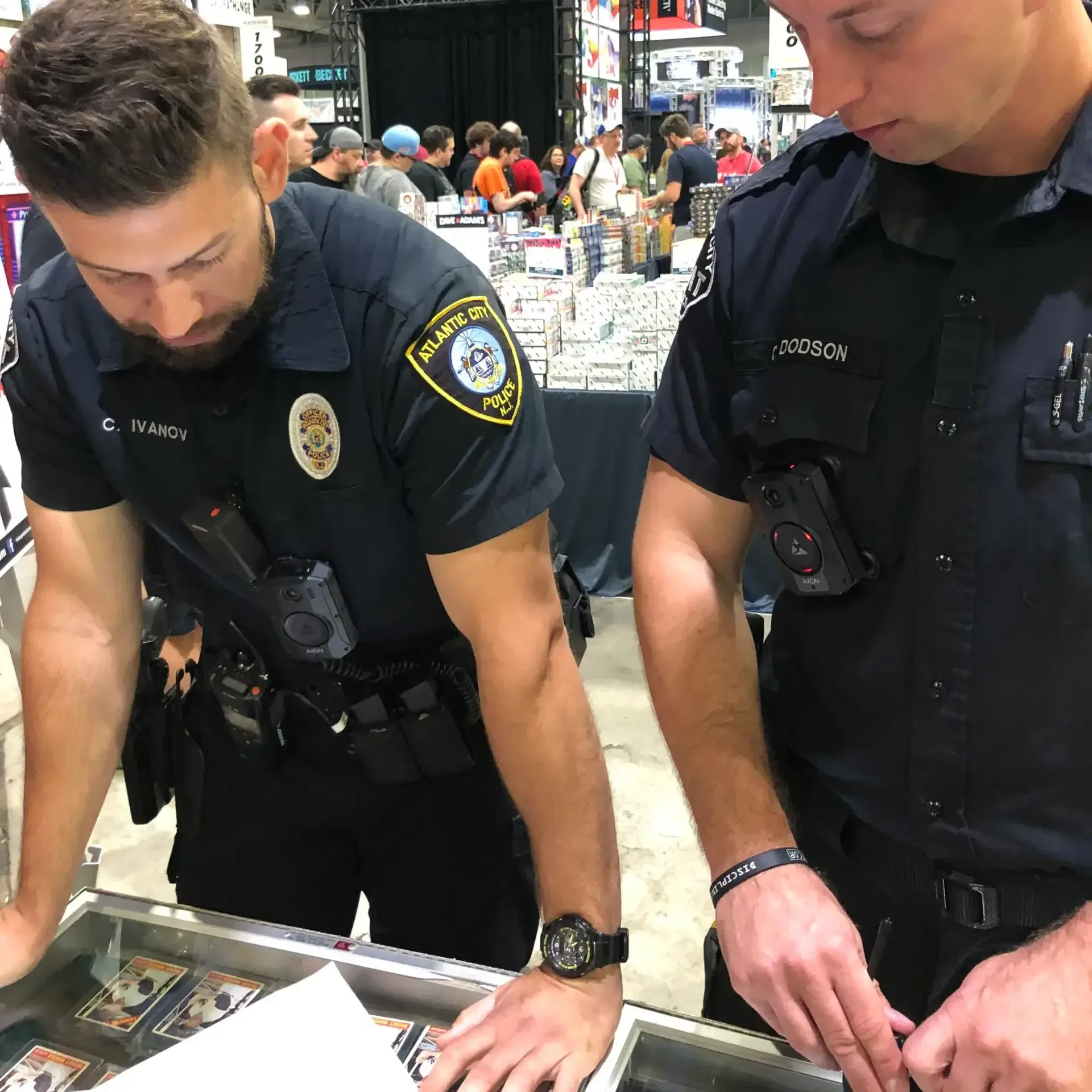
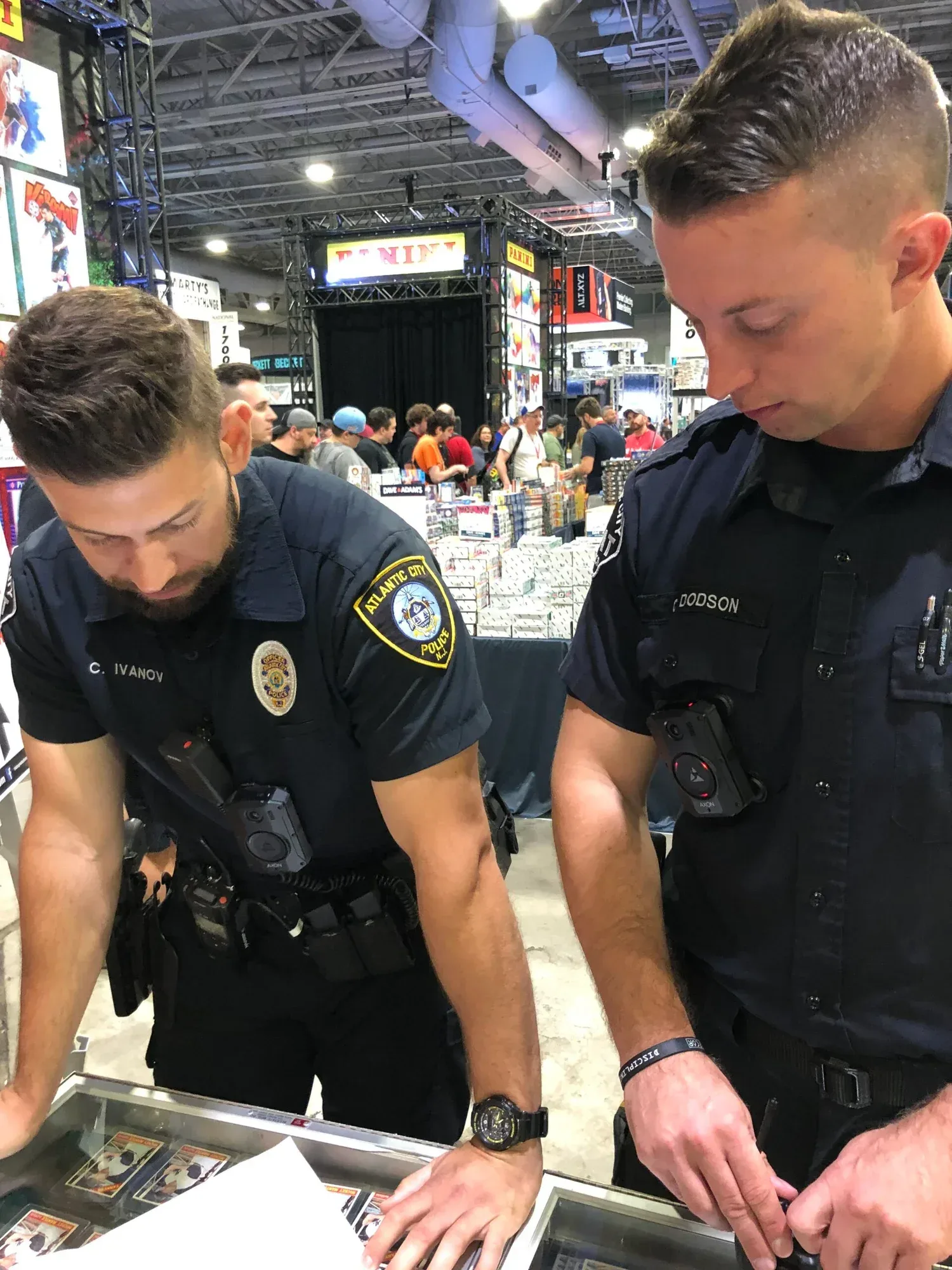
Card shows are built for movement. Buyers circulate constantly, dealers multitask, and high-value items change hands quickly. That pace is part of the appeal, but it also creates openings for theft and distraction.
One of the simplest rules is also one of the most important: always know where your card case is. A momentary lapse is often all it takes. Setting a case down, leaving it behind a table, or turning away for a conversation can give a thief the chance they need.
Cash management matters as much as inventory management. Flashing a large amount of money or counting bills in the open draws attention fast. A more secure approach is to keep cash in a bag worn close to the body and only remove what is needed at the moment of purchase. That reduces visibility and makes it harder for someone to size up what you are carrying.
There is also safety in numbers once the show ends. Leaving with friends rather than walking out alone can lower risk, especially after major regional events where buyers and sellers may be carrying inventory or cash to nearby parking areas or hotels.
Best practices for dealers working a show floor
Dealers face a different layer of exposure because their inventory is on display for hours at a time, often in crowded rooms filled with browsing traffic. Convenience can easily become the enemy of security.
Locked showcases remain one of the clearest deterrents. They slow access, reduce impulsive theft opportunities and force interactions to happen on the dealer's terms. Opening a case only when necessary and locking it again immediately may add a little friction to the sales process, but it also cuts down on the chance that cards disappear in a busy moment.
Leaving cases unlocked may feel faster, especially during rush periods, but it also makes inventory more vulnerable to quick grabs and sleight-of-hand tactics. In a crowded aisle, even a few seconds of inattention can be enough.
Having a second person at the table can make a major difference. An extra set of eyes helps track customer traffic, watch the showcases, manage conversations and notice suspicious behavior. For dealers handling larger inventories or steady crowds, that support can be one of the most effective loss-prevention tools available.
Some dealers also use video cameras as both a deterrent and a review tool if something goes missing. Footage can be useful after an incident, but its presence may also discourage opportunistic behavior before it happens.
Trade nights bring different risks
Trade nights are often more casual than formal show floors, and that relaxed environment can create a false sense of security. Cards come out of boxes, binders and backpacks quickly. People gather in tight circles. Items move around from hand to hand. All of that can make it harder to track what belongs to whom.
If there is no showcase or secured display, it is smart to limit what is put out at one time. Only display as many cards as you can actively monitor. Spreading too much inventory across a table or shared area makes it easier to lose track of an item, whether through theft or simple confusion.
Cash discipline matters here as well. Pulling out thick rolls of bills in a packed trade room sends the wrong signal. Keeping transactions discreet and measured lowers visibility and helps reduce unwanted attention.
Scams are not always physical theft
Not every loss in the hobby comes from a break-in or a stolen case. Scams can happen digitally, socially and transactionally. A rushed payment request, pressure to move off a protected platform, a deal that seems unusually favorable, or inconsistent identity details should all raise concern.
While common sense is often cited, that phrase matters because scams frequently rely on urgency and distraction. The more a buyer or seller feels pressured to act immediately, the easier it becomes to miss warning signs. Slowing down can be one of the best protective moves available.
At shows and in private deals, scammers may also use confusion as a tactic. That can include swapping cards during review, creating distractions while inventory is exposed, or exploiting moments when a seller is juggling multiple customers at once. Good organization and disciplined handling procedures help reduce those openings.
A practical hobby security checklist
Keep your home address and collection details as private as possible.
Store valuable cards in a strong safe, and consider a safe deposit box for major pieces.
Meet unfamiliar buyers or sellers in public settings.
Carry only the cards and cash needed for a specific transaction.
Use digital payments when appropriate, but be prepared for cash-only situations.
Keep your card case in sight and in hand at shows.
Do not flash large amounts of cash in crowded hobby spaces.
Lock showcases whenever inventory is not actively being accessed.
Work with a second person at dealer tables when possible.
Use cameras or surveillance tools if your setup allows it.
At trade nights, display only what you can fully monitor.
Leave venues with others when carrying inventory or cash after an event.
Small habits can prevent big losses
Most hobby theft prevention does not come down to a single expensive upgrade. It comes from repeating secure habits until they become routine. Lock the case. Watch the bag. Limit what is shown. Control the meeting place. Keep the home setup private. Avoid giving strangers a roadmap to your inventory.
As the hobby continues to attract stronger money and broader attention, collectors and dealers who treat security as part of the process will be in a better position to protect both their cards and themselves. The goal is not to make the hobby fearful. It is to make smart decisions before a bad situation forces them.
Photo Gallery