Vintage sports card collecting has always carried a different rhythm than the modern side of the hobby. It is often slower, more research-driven, and deeply connected to history. For many longtime collectors, that is exactly the appeal. The cards are not just pieces of cardboard. They are artifacts tied to athletes, eras, and memories that still resonate decades later.
That slower pace also makes vintage one of the most rewarding areas for bringing in newer collectors, especially younger family members. One veteran hobby voice, Nate of Rough Cuts: Vintage Hobby Talk, has built much of his approach around that idea. His view of vintage collecting centers on learning, curation, patience, and the kind of connection that makes the hobby meaningful across generations.
His perspective offers a useful roadmap for collectors who want to help new hobbyists find their footing without getting overwhelmed by rising prices, hype cycles, or the pressure to chase only the biggest cards.
Why vintage collecting feels different
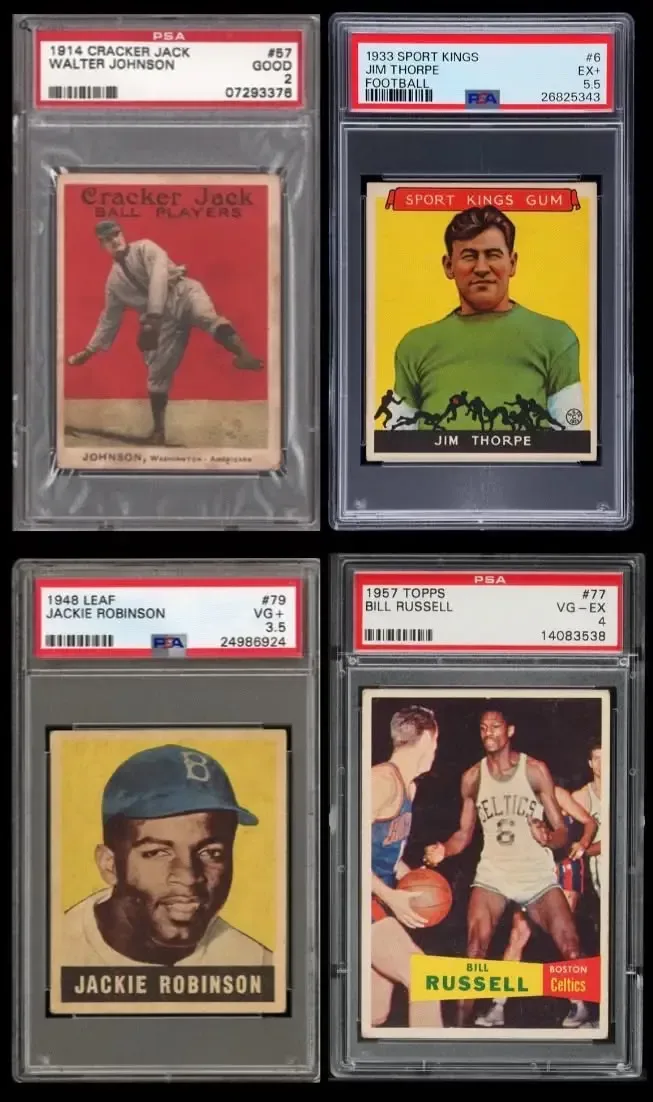
Vintage cards tend to invite a different mindset than ultra-modern products and prospect-driven speculation. Instead of chasing the newest release or reacting to the latest breakout game, collectors in the vintage space often spend time studying sets, comparing eye appeal, learning print quirks, and building collections with a longer time horizon.
For more collector background, read Roger Staubach Top 3 Vintage Football Cards Collectors Still Chase.
That slower approach is part of what keeps vintage appealing. A collector may spend months deciding between examples of the same card, weighing centering, color, registration, surface quality, and overall presentation. In many cases, the process is as satisfying as the purchase itself.
Nate describes the appeal in terms that many vintage collectors will recognize: holding a piece of art and history, something that carries stories and memories. That outlook shifts collecting away from pure transaction and toward stewardship. For newer hobbyists, especially kids, that can be an important lesson. A card does not need to be the hottest item on the market to matter.
The role of hobby content and community
Rough Cuts: Vintage Hobby Talk has become part of that educational side of the hobby. Nate launched the show with fellow collectors Jonathan and Matthew after first appearing as a guest on other hobby programs. A few Instagram Live conversations eventually grew into a YouTube Live and podcast format, with Jonathan and Nate currently continuing the project while Matthew is on a break.
For another perspective on this story, read Why Vintage Card Collecting Works Best as a Long Game, Not a Price Chase.
The show is not built around volume. Nate has said the goal is quality over quantity, with roughly 10 episodes a year fitting the balance of family life, work, and other obligations. That deliberate pace mirrors the collecting philosophy behind it. Episodes are planned carefully, with a focus on delivering real value for listeners rather than simply adding more noise.
That matters for anyone entering vintage. New collectors do not just need inventory to browse. They need context. They need voices that explain why a 1967 Mickey Mantle might appeal to one person, why a 1961 Fleer Bill Russell might be a smart entry point for another, and why collecting decisions should be grounded in knowledge rather than impulse.
For parents, mentors, and experienced collectors, quality hobby content can serve as an on-ramp. It gives beginners language, history, and confidence before they make bigger purchases.
Rising prices have changed the vintage entry point
One of the biggest challenges facing newer vintage collectors is price. The vintage market has seen major appreciation in recent years, with many in-demand cards jumping well beyond their old price ranges. In some cases, cards that once felt achievable have doubled or tripled, while a few have climbed even more sharply.
That kind of movement creates mixed emotions. Existing collectors may be happy to see their holdings gain value, but steep price increases can make it harder to keep building. A longtime grail that once lived in the realm of possibility can suddenly move out of reach.
Nate's preferred market environment is much more measured. Instead of explosive spikes, he favors steady annual growth in the 5% to 10% range. That kind of increase offers more stability and predictability while keeping more collectors engaged. It also allows newcomers to learn and plan without feeling like they need to buy immediately or be left behind.
That is an especially important point when teaching younger collectors. If the first lesson they absorb is that every meaningful card is becoming unattainable, the hobby can feel closed off. If the lesson is that there is always a smart place to start, the experience becomes much more inviting.
A practical way to start in vintage
For beginners, Nate's advice is clear: learn first, connect with other collectors, and ease into the space. That means finding friends and mentors in the hobby, listening to informative content, and buying with intention instead of urgency.
It also means resisting the temptation to jump immediately to the most expensive vintage rookie cards. A new collector does not need to begin with a six-figure icon or even a major four-figure target to understand what vintage is about. Sometimes a better starting point is a card with strong visual appeal, a compelling player, and a manageable price point.
Nate points to examples such as a 1967 Mantle or a 1961 Fleer Bill Russell as cards that can help a collector feel out the vintage experience before making larger commitments. That advice reflects an important collecting principle: your first vintage purchase should teach you something. It should help you understand condition, aesthetics, market behavior, and your own preferences.
For some collectors, that first step may confirm that vintage is where they want to focus. For others, it may simply add a new branch to a broader collection. Either result is healthy, because it comes from experience rather than hype.
What veteran collectors can teach younger hobbyists
The next generation does not just need access to cards. It needs guidance in how to approach them. Vintage collectors are in a strong position to provide that, because the best habits in the vintage space translate well across the hobby.
Patience matters
Vintage collecting rewards patience. Waiting for the right copy, the right price, or the right fit is often better than forcing a purchase. Younger collectors who learn patience early are less likely to chase every trend and more likely to build collections they truly enjoy.
Knowledge protects collectors
Research is essential in vintage, where small differences in condition and eye appeal can have a major impact. Learning how to evaluate a card beyond the label helps collectors make better decisions and avoid buying purely on impulse.
Personal taste should lead
Vintage collectors often talk about collecting what you like, but the strongest version of that advice includes education. Buy what speaks to you, but understand why it speaks to you. That blend of taste and knowledge creates confidence.
History adds depth
A vintage card can open the door to learning about teams, leagues, design eras, cultural moments, and the careers of athletes who shaped the sport. That historical element makes the hobby richer for younger collectors who may know current stars but not the full lineage behind them.
Collecting as a family experience
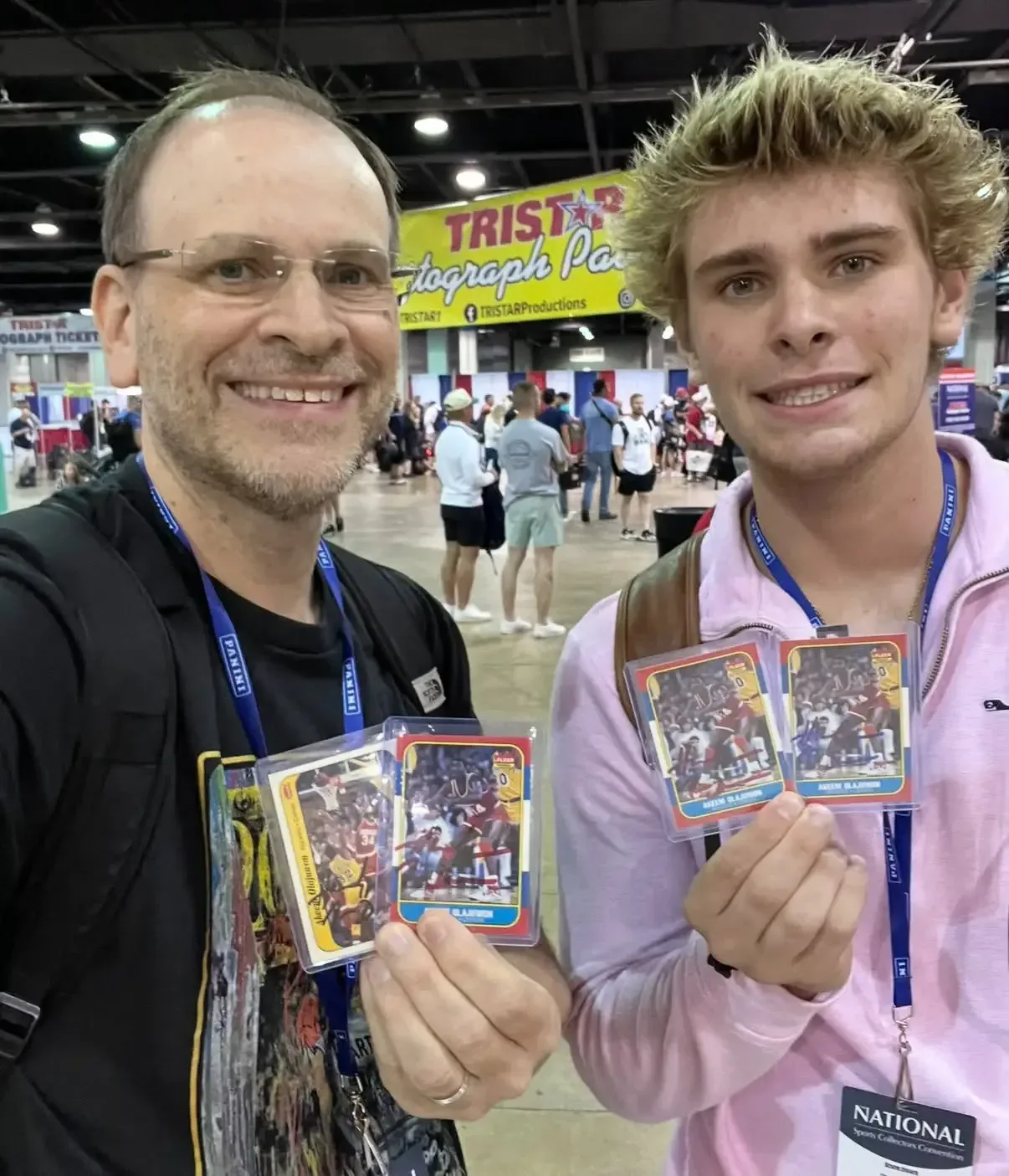
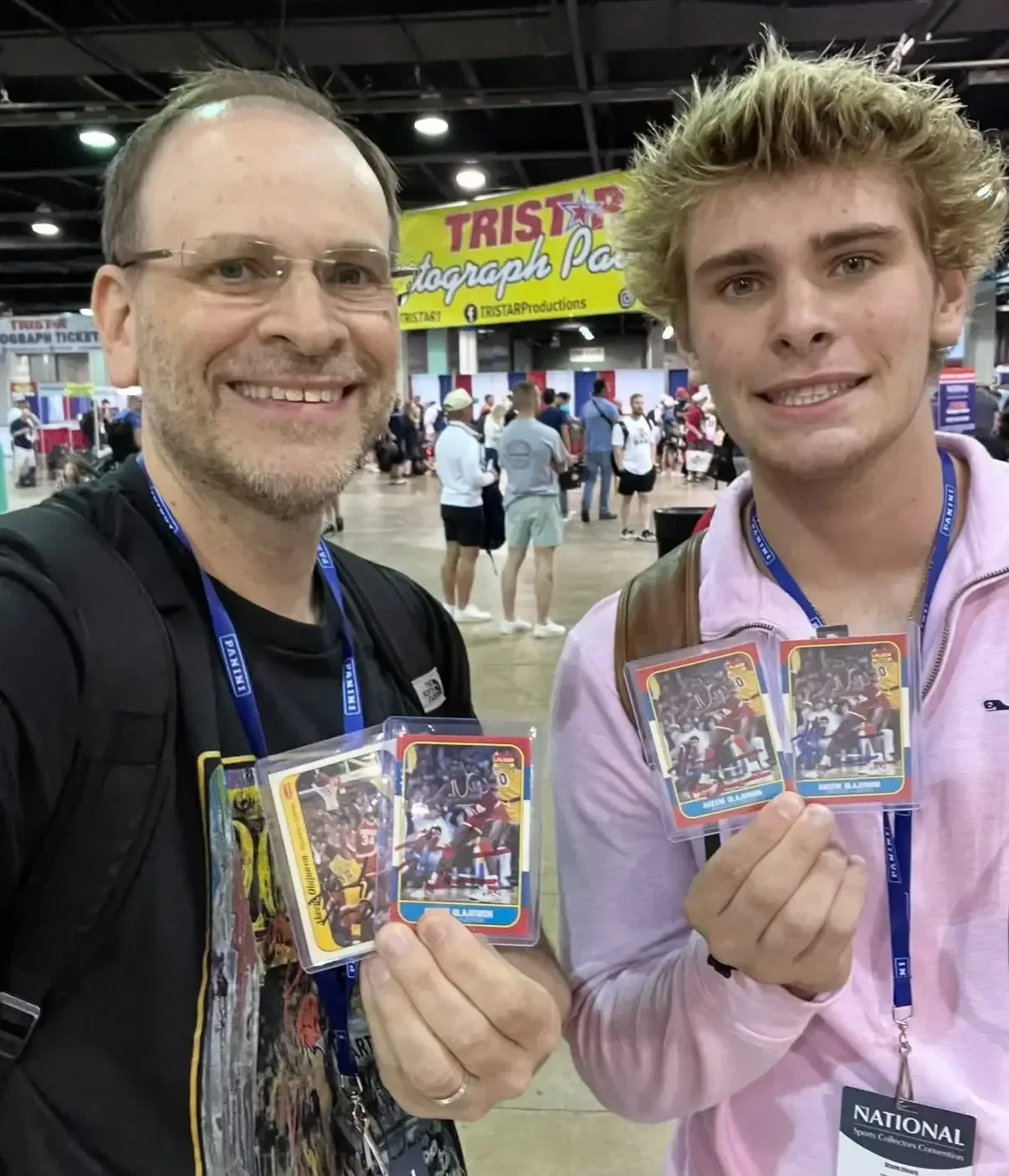
One of the strongest themes in Nate's perspective is how much the hobby gains when it is shared with family. Collecting with his son has made the experience more rewarding, not just because of the cards themselves, but because of the time spent together and the memories built around the search.
That may be one of vintage collecting's greatest strengths. Unlike high-speed breaking culture or release-day rushes, vintage often creates space for conversation. A parent and child can sit with a card and talk about the player, the set design, the sport at the time, and why the item has endured. The card becomes a starting point for storytelling.
For younger collectors, that kind of connection can make a lasting impression. The hobby becomes less about flipping and more about relationships. It becomes a place where collecting knowledge is passed down along with the cards themselves.
Nate's philosophy reflects that long view. He sees vintage cards as cultural treasures that move from one generation to the next. That sense of continuity gives the hobby emotional weight. A collection is not just assembled. It is curated, lived with, and eventually shared.
How new collectors can avoid common mistakes
Entering vintage can be intimidating, but a few basic principles can make the process smoother.
- Start small: Choose a card with historical appeal and manageable cost before chasing major grails.
- Build a knowledge base: Learn set history, player significance, and condition standards.
- Use trusted relationships: Mentors and collector friends can help with perspective and decision-making.
- Do not overextend: Budget matters, especially when the market has already seen major price jumps.
- Think long term: Buy cards you will still enjoy years from now, not just cards that feel urgent today.
Those ideas are simple, but they are powerful. They can keep new collectors grounded in a market that sometimes moves too fast.
The long-term health of the vintage hobby
If vintage collecting is going to keep growing in a healthy way, its most experienced collectors will play a major role. Not by gatekeeping, but by teaching. Not by pushing newcomers toward the biggest purchases, but by showing them how to appreciate the category one card at a time.
That means emphasizing stable collecting habits over fear of missing out. It means introducing beginners to the joy of card design, historical context, and patient curation. It means reminding them that a meaningful collection does not have to begin with a headline purchase.
In a market where certain iconic cards have become far more expensive, that message matters more than ever. The future of vintage collecting will not be shaped only by auction results or price charts. It will also be shaped by how effectively current collectors pass along the values that made them fall in love with the hobby in the first place.
For many, the best entry into vintage still starts with a conversation, a bit of study, and one well-chosen card that feels special the moment it is in hand.
Photo Gallery