Wrestling card products can look confusing fast. A shiny card may be a parallel, an insert, a short print, a case hit, or just a different finish with no stated print run at all. If you collect WWE or AEW cards, those distinctions matter because two cards that look equally flashy can have very different supply.
The simplest way to stay grounded is to ignore hobby shorthand at first and read the product structure the same way the manufacturer lays it out. Ask what kind of card it is, whether it is serial-numbered, whether odds are published, and whether the card belongs to the full base set or a smaller chase subset. That process will not remove every gray area, but it will keep you from treating every colorful card as if it has the same scarcity.
Start with the plain-English definitions
Collectors often use parallel, insert, and serial interchangeably in casual conversation, but they are not the same thing. An insert is a separate chase card placed into packs alongside the regular set. A parallel is another version of a card with the same core identity but a different treatment, such as a different color, finish, or pattern. A serial-numbered card is a card with a manufacturer-declared production limit such as /399, /99, /10, or 1/1.
Those definitions are more useful than they sound because they force you to sort cards by structure before you sort them by desirability. A green version of a base card can be a parallel. A themed mini-set with its own design can be an insert. Either of those can also be serial-numbered, but neither term automatically means numbered. That is why the slash number itself is a separate fact, not just a synonym for rare.
For beginners, one good habit is to identify a card in three steps instead of one. First ask, what is this card family: base, insert, autograph, memorabilia, or something else? Next ask whether it is a parallel of that family. Then ask whether the specific version is serial-numbered. That keeps you from listing or buying a card based on a color name alone.
This approach also helps when you catalog your collection. Instead of writing something vague like blue refractor, you can record a fuller identity such as base parallel, Blue /150. That level of detail matters when you later compare copies, evaluate grading candidates, or decide whether a purchase actually fills a gap in your wrestler PC.
- Parallel: same core card, alternate version
- Insert: separate chase set seeded into packs
- Serial-numbered: manufacturer-declared limit for that specific version
- A card can be both an insert and serial-numbered, or a parallel and serial-numbered
Why parallel does not automatically mean scarce
In wrestling cards, parallel usually tells you that the card is an alternate version, not how many exist. That distinction matters because some parallels are unnumbered while others carry a stamped limit. The visual difference can be dramatic, but the supply difference is only clear when the product details say so.
A useful WWE example is 2025 Topps Chrome WWE. Its odds sheet lays out a full parallel ladder that includes unnumbered refractor-style versions alongside numbered colors such as Magenta /399, Blue /150, Green /99, Gold /50, Red /5, and Superfractor /1. That single product shows why collectors should stop treating the word parallel as a scarcity verdict. The category is broad; the supply varies wildly inside it.
AEW offers the same lesson in a different structure. Upper Deck’s 2025 AEW checklist includes parallels such as High Gloss /10, Exclusives /100, Gold Speckle Foilboard /52, and Printing Plates with four copies per card. All of those are parallels, but they are not remotely equal in scarcity. The label on the front may catch your eye; the checklist tells you what it actually means.
The practical mistake to avoid is paying a premium for a parallel simply because it has a dramatic color or pattern name. A buyer who sees two similar cards should not ask which one looks rarer. The better question is which one has a declared run, and what is that run. When a manufacturer gives you that answer directly, do not replace it with guesswork.
- Same word, different supply tiers
- Unnumbered parallels can still be desirable, but their ceiling is less defined
- Numbered parallels provide a harder scarcity signal than color names alone
Serial numbers matter more than the rainbow
A color rainbow is fun to chase, but the serial number is usually the most concrete supply clue on the card. Gold, red, black, shimmer, wave, and speckle are design languages. A stamp like /50 or /10 is a stated production boundary for that version. If you want a cleaner handle on scarcity, always prioritize the number over the color name.
That sounds obvious until you compare cards across products. In one release, a blue parallel might be /150. In another, blue might mean something completely different or might not be numbered at all. The same is true for gold. Many collectors carry assumptions from other sports or brands into wrestling products, but color conventions are not universal enough to rely on blindly.
You should also look at the denominator in context. A High Gloss /10 AEW parallel is materially scarcer than an Exclusives /100 of the same subject because the declared run is ten times smaller. Likewise, a Gold Refractor /50 in Topps Chrome WWE tells you more about supply than the word Gold ever could. If two sellers describe cards with equally excited language, the slash number is still the clearer fact.
A practical buying routine is simple. Read the exact parallel name. Confirm whether the card is numbered. Verify the denominator. Then check whether that numbering applies to the whole base set, a subset, or a separate insert family. Doing those four things will prevent a lot of bad assumptions, especially when listings are incomplete or imprecise.
- Do not assume the same color means the same scarcity across products
- A serial number is stronger evidence than visual flash
- Record both the parallel name and the denominator when inventorying cards
Inserts are a different chase path, not just another parallel
One of the easiest ways to misread a wrestling card is to see a non-base design and assume it is simply a colorful version of the base set. Manufacturers usually separate inserts from parallels for a reason. Inserts are their own chase sets with distinct names, themes, and pull structures. They are not merely alternate finishes of the base card.
Topps’ Cosmic Chrome WWE structure is a useful example. The product is described with a 200-card base set plus named chase inserts such as Galaxy Greats and Galactic Showdown, along with rare case-hit style content like Light Years, Cosmic Dust, Hyper Nova, and Geocentric. That layout shows multiple lanes of scarcity inside one release. Some cards are base parallels. Some are inserts. Some are rare insert hits. Those are different categories, even before you consider serial numbering.
Upper Deck’s 2026 AEW product description makes the same separation by listing base-set parallels apart from inserts such as Dazzlers, Ring Masters Autographs, and Toni’s Timeline. For collectors, that matters because the question is not only how hard a card was to pull, but also what kind of card it is. A tough insert and a numbered base parallel can both be legitimate chase cards while appealing to different collectors.
In practical terms, if you are sorting cards after a break, do not create one catch-all pile labeled hits. Split them first into base, parallels, inserts, autographs, memorabilia or tech cards, and any obvious case-hit style cards. That gives you a cleaner way to research what you actually have. It also helps you decide what kind of collector you are. Some wrestler PCs favor every major insert appearance. Others care far more about the base rainbow.
- Insert scarcity and parallel scarcity are different concepts
- A case-hit insert may be rare without being serial-numbered
- A numbered parallel may be scarcer on paper than a common insert even if the insert looks bolder
What genuine scarcity looks like when the numbers are real
The strongest scarcity evidence usually comes from one of four places: a serial number on the card, published pack or box odds, a clearly stated case-hit style ratio, or a fixed-copy format such as printing plates. Those signals are valuable because they put some boundary around supply instead of asking you to infer everything from appearance or seller language.
Numbered cards are the easiest example. If a WWE parallel is stamped /50, that version has a declared ceiling of fifty copies. Printing plates offer another straightforward format. Upper Deck’s AEW checklist states printing plates as quantity four per card, which gives collectors a direct structural reason to treat them as scarce. Whether you personally love plates is a separate question, but their copy count is not guesswork.
Published odds can also matter, especially for unnumbered inserts or parallels. If a manufacturer tells you a specific card type falls at a certain pack or box frequency, you at least have a distribution clue. That is not identical to a hard print run, but it is far stronger than the word rare with no support attached. In contrast, an unnumbered parallel with no print run and no odds may still be desirable, but its supply is simply harder to quantify.
The tradeoff is important. Collectors sometimes dismiss unnumbered cards too quickly, and that can be a mistake. Unnumbered does not mean common. It means unquantified unless odds or another print-run clue is available. If you keep that wording in mind, you can stay honest about what you know and what you are only inferring.
- Strong scarcity clues: serial number, odds, case-hit ratio, fixed-copy formats
- Unnumbered can still be scarce; it is just less precisely measured
- Ask for the evidence type before accepting a rarity claim
Why the checklist should outrank hobby slang
Hobby slang is useful shorthand, but it often hides important distinctions. Short print, SSP, case hit, insert, parallel, variation, and hit can blur together when collectors talk casually. The problem is that those words do not always tell you the same thing from one product to the next. The checklist usually does.
Upper Deck’s 2025 AEW checklist is especially instructive because it breaks content into categories like Auto, Mem/Tech, Serial #’d, SPs, and Stated Odds. That structure lets you separate several ideas collectors often mash into one sentence. A card can be a short print without being serial-numbered. A case-hit style card may be difficult to pull but not stamped with a slash number. An autograph can be scarce for reasons beyond print run. Each is its own variable.
For set builders, the checklist is also how you avoid false completion. If you only track card numbers and ignore category notes, you can easily think you own the whole set while missing a parallel family, an SP run, or a separate insert chase. For wrestler collectors, a checklist tells you whether your favorite talent appears only in base and parallels or also in inserts, autographs, memorabilia cards, and specialized subsets.
A practical habit is to save or screenshot the official checklist or odds sheet when you buy into a product. When you later sort singles or consider a trade, you will not need to rely on memory or on a seller’s vague description. If the checklist says a card is serial-numbered, hard-signed, or part of a smaller subset, that is the language you should trust first.
- Checklist categories explain what a card is before you decide what it is worth to you
- SP, case hit, insert, and parallel are not interchangeable terms
- Using the official checklist helps prevent mistaken set completion
Licensing tells you the brand, not every autograph
Licensed status matters in wrestling cards because it determines whether a company can produce cards with league branding and current talent under that license. As of the research date, Topps states that it holds the official licenses for WWE and UFC, and it is actively selling WWE-branded card lines. Fanatics had previously announced in 2022 that Fanatics Collectibles would become the exclusive provider of licensed WWE physical and digital trading cards under the Topps brand once existing rights expired over the following years.
That information is useful, but collectors should not stretch it further than it goes. Licensed trading-card rights are not the same as universal autograph rights for every wrestler in every product. Even when a company has the wrestling-card license, autograph content remains product-specific and signer-specific. The best evidence is always the checklist or product description for that exact release.
Upper Deck’s 2025 AEW product page underlines the point from the other side. It says AEW Autographs appear in flagship AEW product for the first time and that those cards are hard-signed. That tells you autograph access can change by product and over time. It is not automatic just because a company produces licensed cards for the promotion.
For buyers, the practical lesson is to stop assuming. If you want a particular wrestler’s autograph, do not infer its existence from the logo on the box. Check whether that signer appears in the autograph checklist for that release. If you care about on-card versus sticker-style execution, check the product description for that too. Licensing answers who can make the cards, not every detail of what ended up inside them.
- As of 2026, Topps states it has the official WWE license
- Licensed card rights do not guarantee every wrestler signs for every release
- Autograph presence and format should be verified product by product
A collector’s workflow for judging any wrestling card in under two minutes
When you have a card in hand or on a listing screen, a fast evaluation routine can save money and reduce confusion. Start by identifying the card family. Is it base, insert, autograph, memorabilia or tech, printing plate, or something else? Product pages and checklists usually answer that immediately, and the category shapes every step that follows.
Next decide whether the card is a parallel of that family or a separate subset. A Gold /50 base parallel and a rare named insert are both chase cards, but they belong to different structures. Then look for a serial number. If the card is unnumbered, search for published odds or any stated pull ratio. If neither exists, treat scarcity claims more cautiously and describe the card honestly as unnumbered rather than pretending the exact supply is known.
After that, ask whether the card applies to the whole set or a smaller subject pool. This is analysis rather than a published manufacturer quote, but it is an important one. A /50 within a tiny insert group is not automatically equivalent to a /50 drawn from a much larger base checklist. The denominator matters, yet the breadth of the subject pool can matter too when you think about how many comparable cards exist for collectors chasing the same wrestler or subset.
Finally, separate scarcity from personal taste. Design preference is subjective. You may prefer a loud cosmic insert to a cleaner low-numbered base parallel, or a hard-signed autograph to a printing plate even if the plate has only four copies. That is a collecting choice, not a factual error. The goal is not to remove taste from wrestling cards. It is to keep taste from masquerading as hard evidence about supply.
- Step 1: Identify card family
- Step 2: Determine whether it is a parallel or separate insert/set
- Step 3: Check for serial numbering
- Step 4: If unnumbered, look for odds or case-hit language
- Step 5: Consider the size of the subset or subject pool
- Step 6: Separate your design preference from the evidence of scarcity
How to buy smarter without pretending every scarce card is the same kind of scarce
The biggest upgrade most wrestling collectors can make is not finding a secret parallel. It is learning to describe cards precisely. When you know whether a card is an insert, a parallel, a serial-numbered version, a printing plate, or a hard-signed autograph, you become much better at deciding what deserves your budget.
If you are a wrestler-focused collector, consider making a want list by category instead of by hype. You might decide to chase one clean numbered base parallel, one major insert, and one autograph type for a favorite performer rather than every shiny version. If you are a set builder, you may choose the opposite path and ignore many inserts in favor of a specific parallel tier you can actually complete. Either way, the checklist and odds sheet help you set realistic goals.
When reviewing listings, ask a few simple questions. Does the seller name the exact parallel correctly. Is the serial number visible. Is the card being described as an insert when it is actually a parallel, or vice versa. If the card is unnumbered, is the rarity claim based on published odds or just on appearance. Those questions are not cynical; they are basic product literacy.
Real scarcity in wrestling cards is usually knowable to a point, but not everything can be reduced to one number. Some cards have hard limits. Some have odds. Some remain less quantifiable. The wise approach is to use the strongest evidence available, admit what remains uncertain, and collect the versions you actually enjoy rather than the ones that merely sound rare in a title.
- Build want lists by card type, not only by wrestler name
- Use official product structure to set a budgetable chase plan
- Treat unsupported rarity language with caution
- Collect with clear terminology and you will make fewer avoidable mistakes
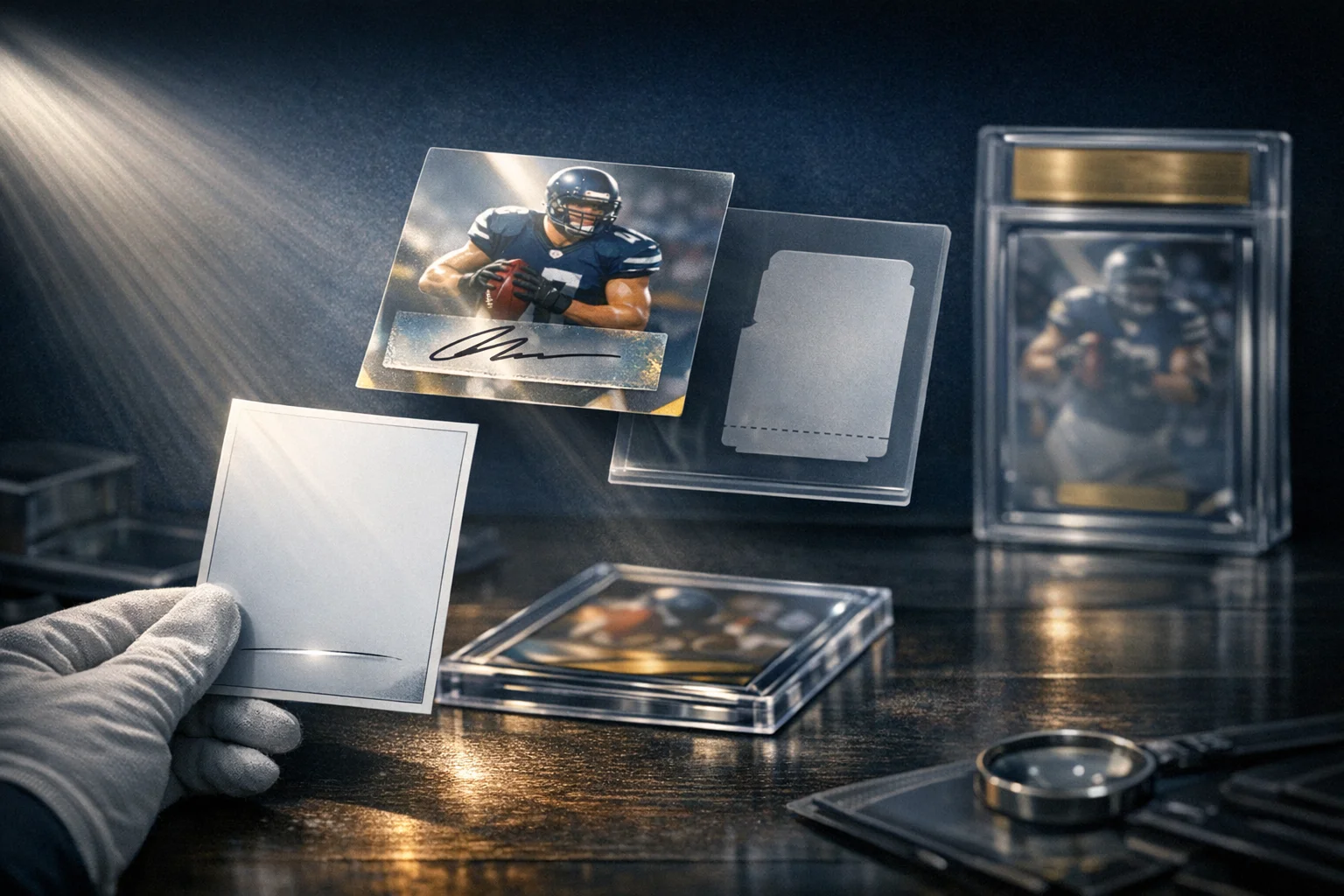
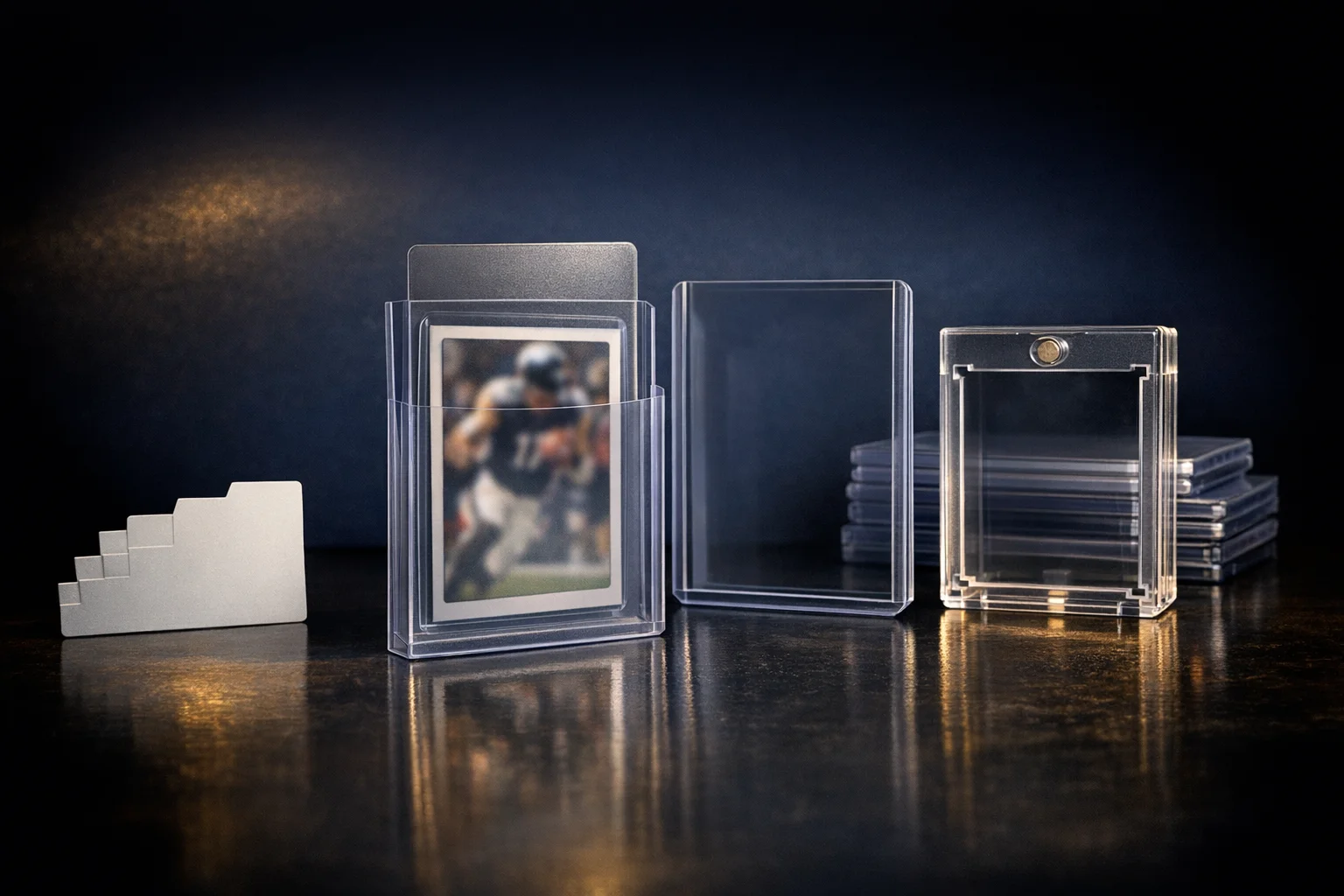
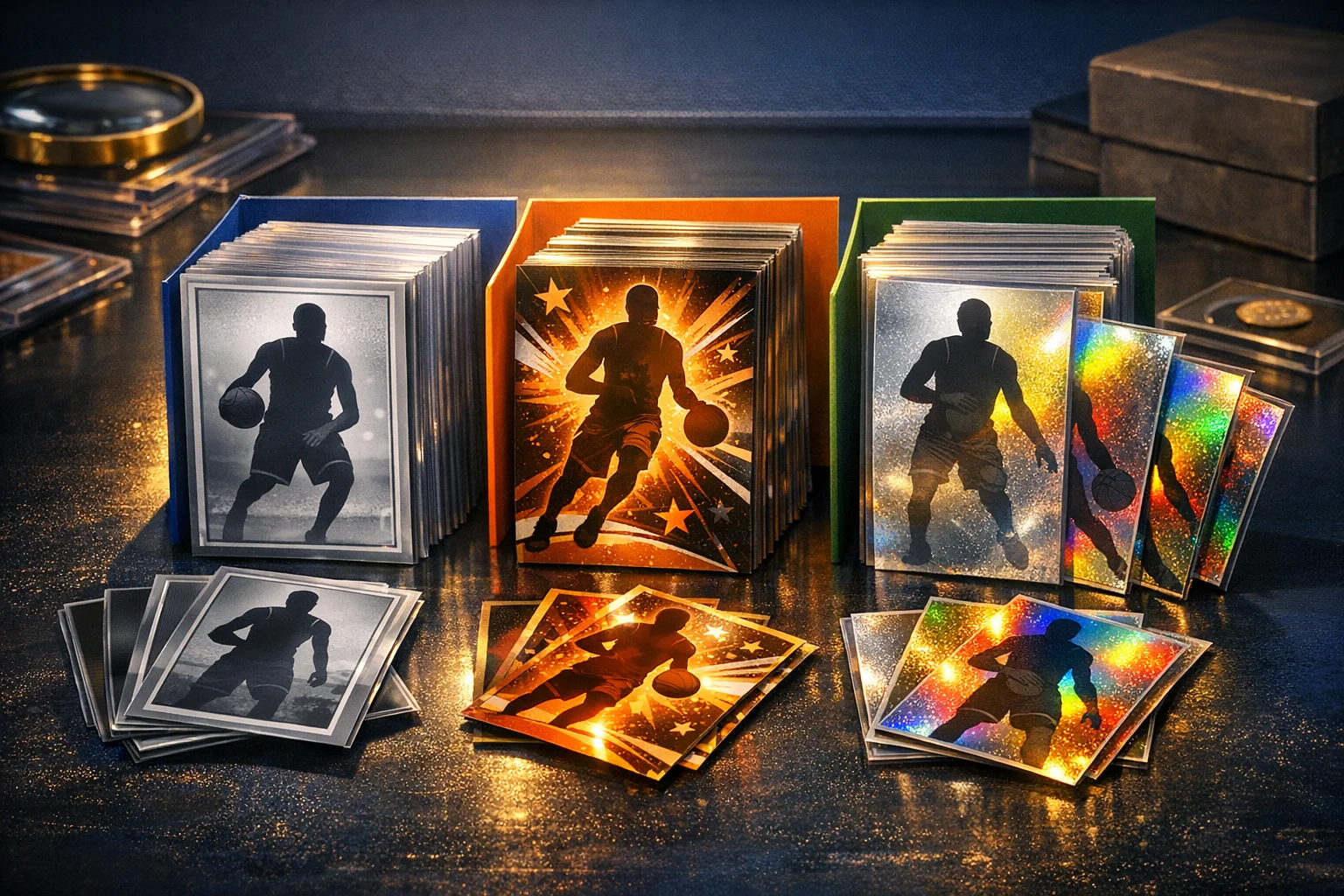
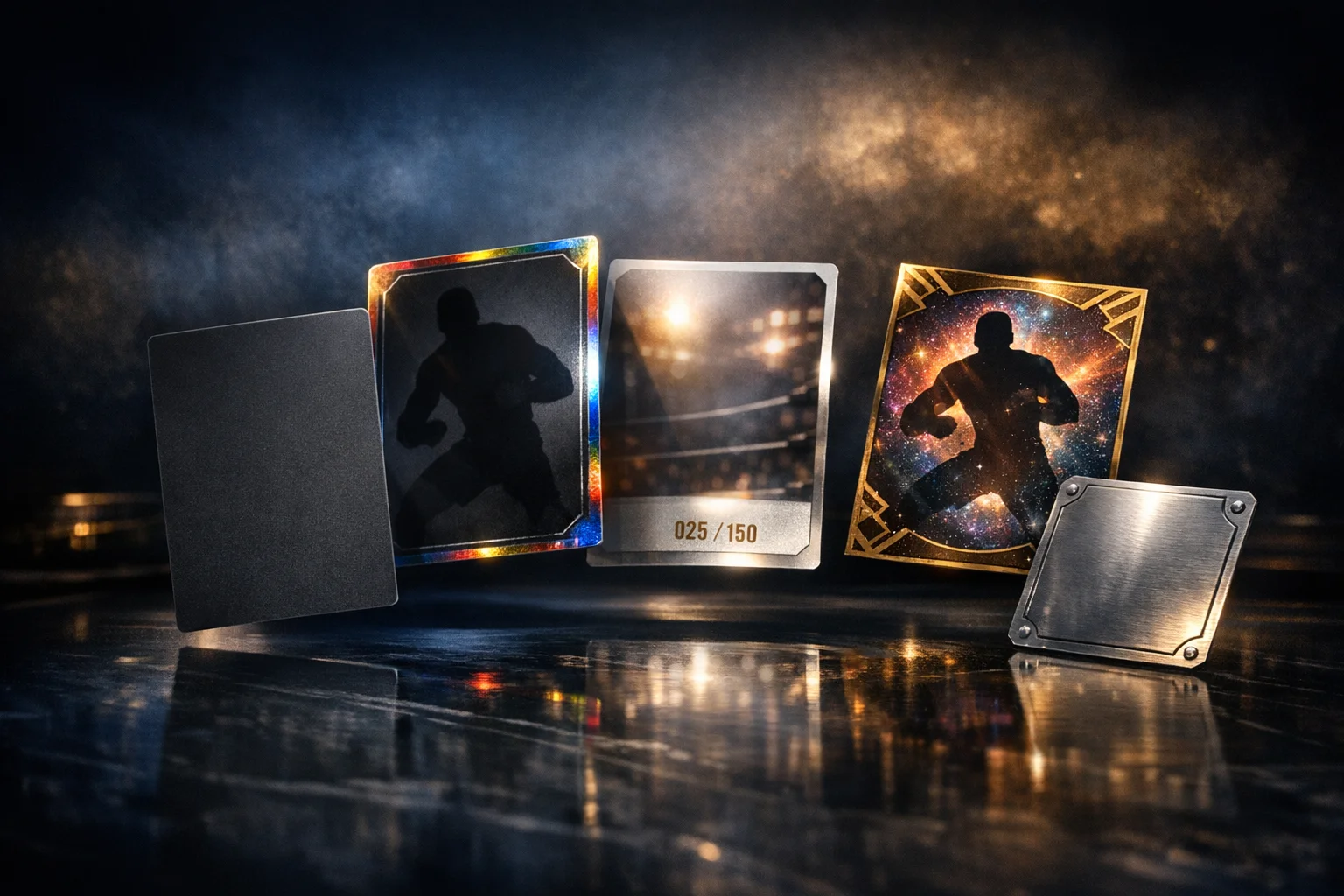
Illustration generated for this guide; not a photograph of an actual card, product or event.
Photo Gallery