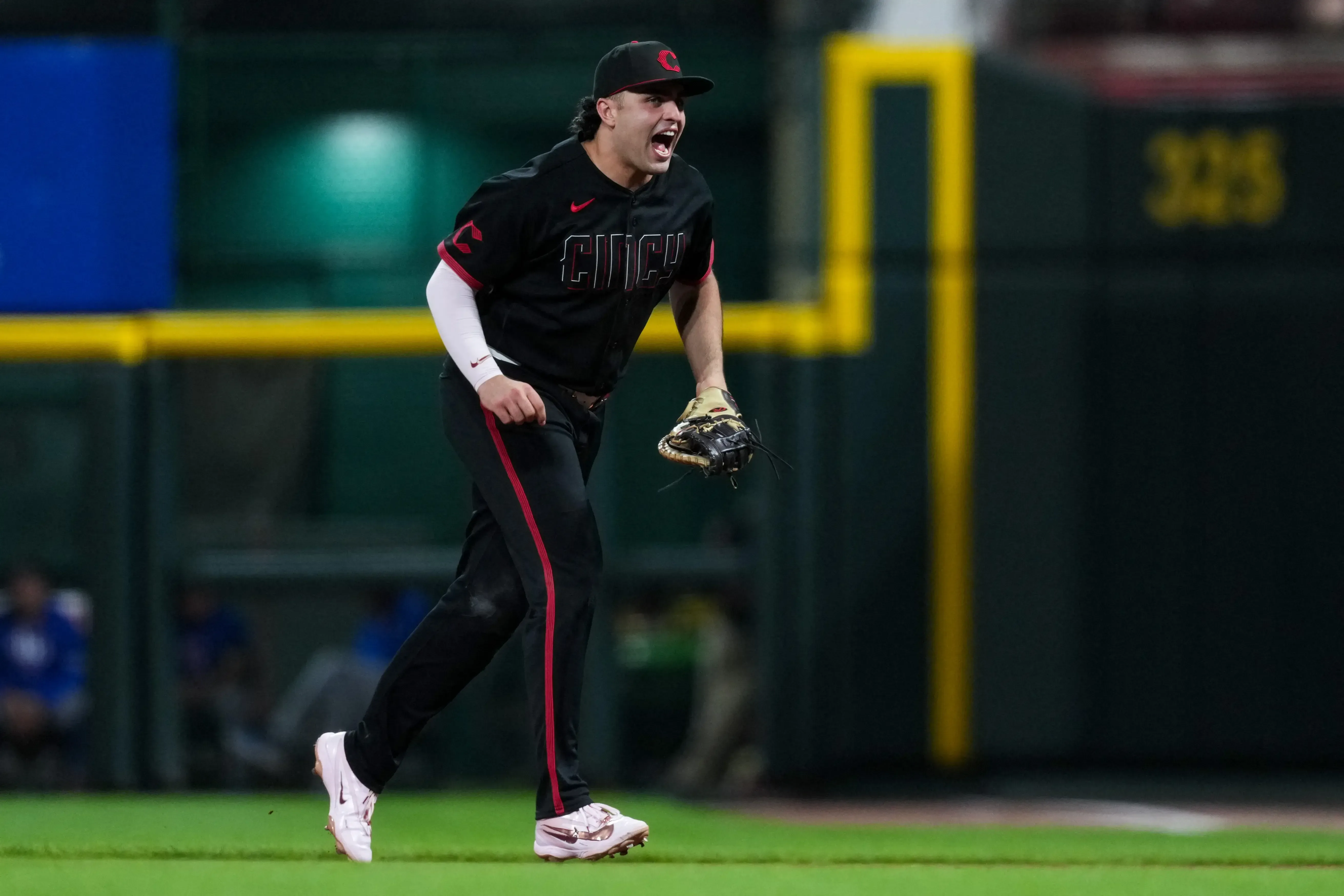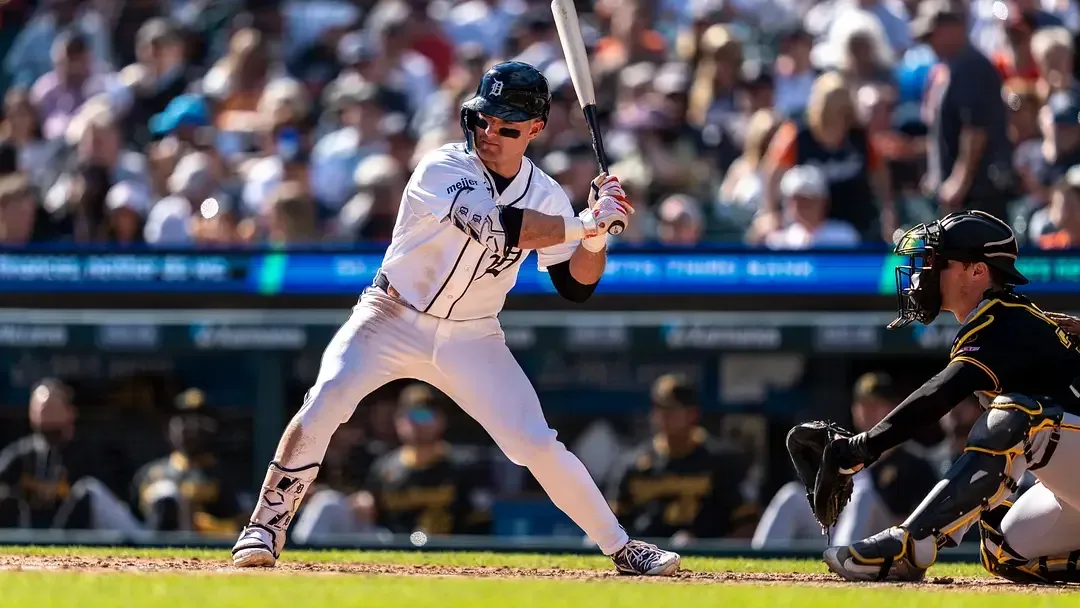
Bowman Red Rookie collectors have two fresh decisions to make after the 2026 Rookie of the Year awards. Reds infielder Sal Stewart took the National League honor, while Tigers infielder Kevin McGonigle won in the American League. That matters beyond the trophy case because both players now qualify for the Bowman Chrome Red Rookie Redemption buyback.
For collectors holding one of those red-logo rookie cards, the choice is straightforward on paper but trickier in practice. A qualifying card can be redeemed now for $100 in Fanatics FanCash, or it can be held in the hope that the player builds enough of a resume to unlock more value later through the program.
The key question is not whether Stewart and McGonigle had strong rookie seasons. They did. The real question is whether their long-term award and legacy outlook makes holding more appealing than taking the guaranteed return now.
Why the Rookie of the Year results matter for Bowman Red Rookie cards
The Bowman Red Rookie program gives certain cards a defined path to immediate collector value if a player reaches major career milestones. Rookie of the Year is one of the first major checkpoints, and that threshold has now been met by both Stewart and McGonigle.
For more collector background, read How to Use Sports Card Checklists to Identify Sets, Verify Parallels, and Find What’s Really Missing.
That creates two different kinds of collector decisions. One is practical: lock in the guaranteed $100 value now. The other is speculative: keep the card and bet on future awards, a bigger hobby profile, or an eventual all-time résumé.
Not every Rookie of the Year winner becomes a perennial MVP candidate, and not every hot young star keeps climbing at the same rate. Because of that, the best move can vary from player to player even when they have reached the exact same buyback trigger.
Sal Stewart's case points more toward redeeming
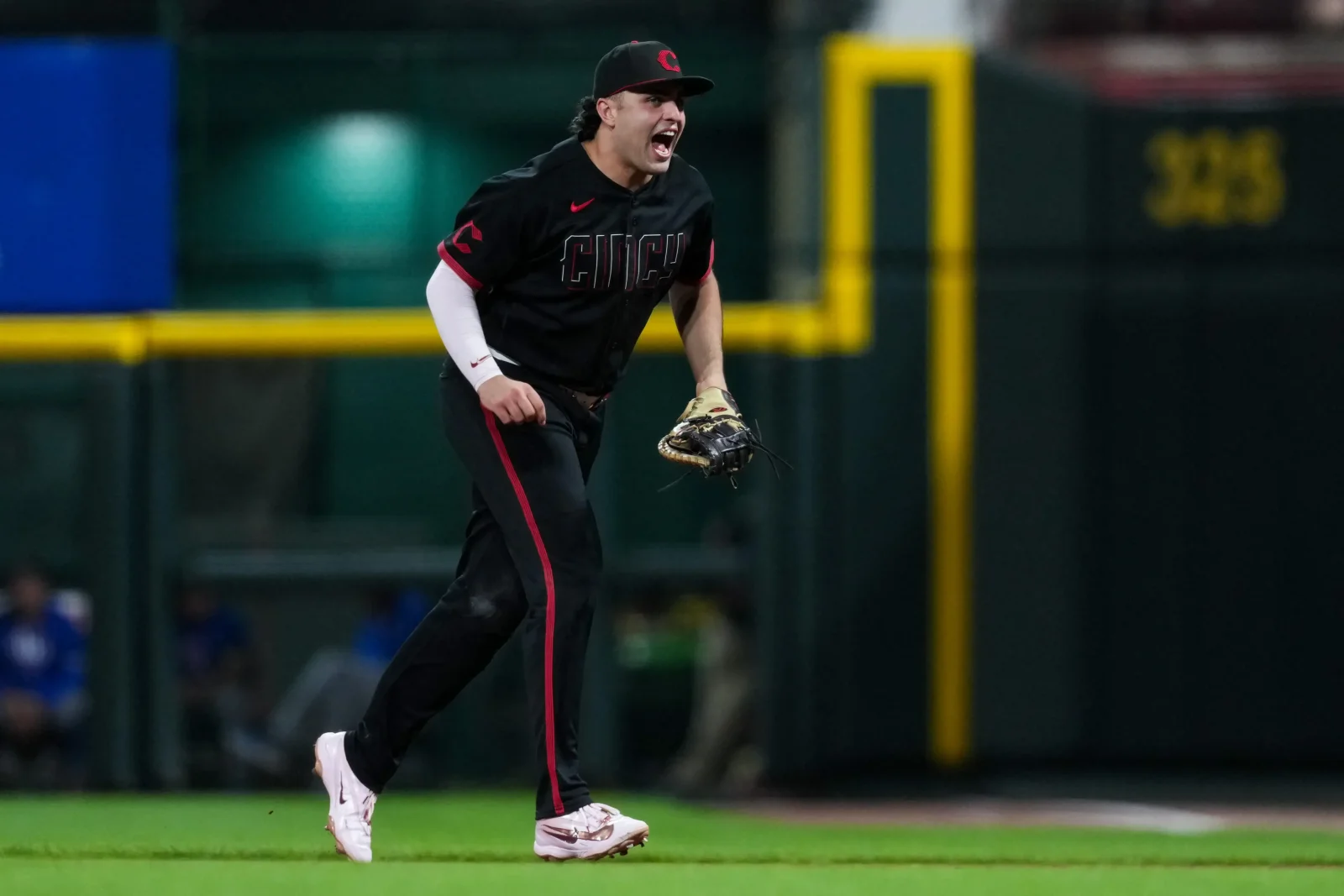
Stewart earned his Rookie of the Year award with a season strong enough to push past a competitive National League field. He entered the year as a real contender, even if he was not viewed as the runaway favorite. By season's end, he had built a résumé that included an All-Star appearance and the kind of offensive output that put him in line for major recognition beyond the rookie race.
From a baseball standpoint, Stewart looks like a player who can remain productive for a long time. From a Bowman Red Rookie hold-versus-redeem standpoint, the issue is whether his future path includes the kind of elite, league-defining peak that would make patience the better play.
That is where the case gets tougher.
Stewart's profile appears relatively established already. That is not a criticism. In many cases, becoming a polished, dependable middle-of-the-order hitter this early is a major positive. But collectors looking for upside beyond the current buyback threshold usually want a player who still feels like he has another gear to unlock. If Stewart is already near his most realistic form, then he may continue piling up very good seasons without necessarily reaching the singular heights that dramatically reshape a card's long-term outlook.
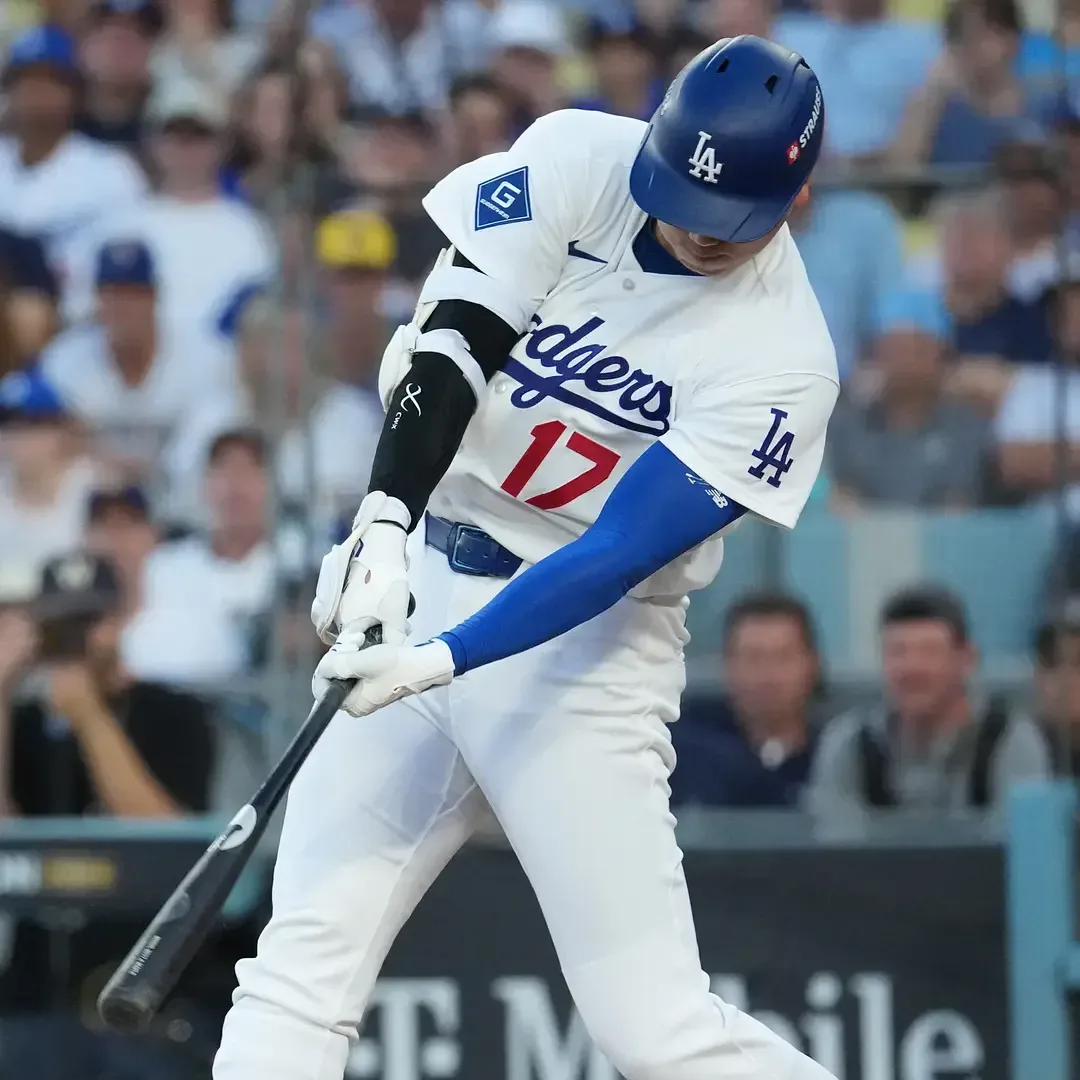
The other challenge is the league environment. National League MVP races are not won in a vacuum. As long as Shohei Ohtani remains healthy and productive with the Dodgers, the award picture stays crowded at the top. Even star-level seasons can be overshadowed when a generational player is in the same league putting together MVP-caliber campaigns on a regular basis.
For that reason, Stewart's Bowman Red Rookie card may be one of those situations where the guaranteed value is especially attractive. Collectors are not deciding whether Stewart is a good player. They are deciding whether the chance of a future award jump is strong enough to justify passing on a locked-in $100 today. Based on the current landscape, redeeming looks like the cleaner play.
What helps Stewart as a hold candidate
There is still a case for keeping Stewart if your collecting style leans toward patience. Rookie of the Year winners carry a certain historical standing in the hobby, and continued All-Star appearances could keep Stewart visible and relevant. If he becomes a cornerstone player for Cincinnati and adds big postseason moments, his cards could retain strong collector interest even without a future MVP award.
Team context also matters. If Stewart becomes one of the defining faces of a contending Reds club, that can keep demand steady. Long-term collectors who prefer player attachment over program strategy may also simply want to keep a card tied to a major award season rather than convert it into FanCash.
Still, that is a different argument from saying the hold is the best value play. Stewart can remain an excellent major leaguer and still profile as a stronger redeem candidate than hold candidate within this specific program.
Kevin McGonigle has the better argument for holding
McGonigle's case is more compelling if the goal is to swing for future upside. He entered 2026 with significant expectations after climbing the Tigers system behind a hit tool built on advanced strike-zone judgment and growing power. Those strengths translated quickly in the majors, and his rookie season ended with the American League Rookie of the Year award after he posted 5.1 WAR and earned an All-Star selection.
That foundation matters. Plate discipline tends to age well, and players who already control at-bats this early often give themselves multiple pathways to future stardom. If the power continues to tick up as he matures, McGonigle could shift from outstanding young player to true MVP-level threat.
That possibility is what separates him from Stewart in this conversation.
McGonigle still appears to have room for growth. He is not being evaluated only on what he already did as a rookie, but on what his underlying profile suggests he could become. When a player combines early major league production, strong on-base skills, and the chance for more game power, collectors have a rational reason to think the best version may still be ahead.
The American League landscape also looks more favorable for future award chasing. There is no direct equivalent to Ohtani blocking the path every season in the same way. Aaron Judge remains a towering force when healthy, but age and recent injury history make the long-term AL MVP picture feel more open than the one in the National League.
For Bowman Red Rookie holders, openness matters. A buyback card becomes more interesting to stash when there is a believable route to higher career milestones. McGonigle has that route.
What makes McGonigle worth the gamble
Collectors deciding to hold are effectively betting on trajectory. McGonigle gives them more than one reason to believe. His rookie season already checked major boxes: impact production, a high-value overall game, and recognition on the All-Star stage. Just as important, none of it reads like a fluke built on one unsustainable heater.
Players with mature offensive approaches often avoid some of the dramatic swings that can derail hobby confidence. Even if the home run total takes time to climb, the floor can remain useful because the at-bat quality is already there. That kind of stability gives a hold strategy more breathing room.
There is also a simple collector psychology angle. When the hobby sees a young infielder who wins Rookie of the Year, makes an All-Star team, and still has visible developmental upside, excitement tends to last. That does not guarantee another major award, but it can keep anticipation alive for several seasons, which is exactly what patient Bowman Red Rookie holders want.
How collectors can think about the decision
The right choice depends on what kind of collector you are.
If you prioritize certainty, Stewart is the cleaner redeem candidate and McGonigle still has a defensible redemption case as well. Guaranteed value is guaranteed value, and prospecting on future awards always carries risk. Injuries, league changes, roster context, and normal performance volatility can all interrupt a promising career arc.
If you prioritize upside, McGonigle is the stronger hold. His profile offers more room for growth, and his league path appears less congested at the very top. Stewart can certainly keep building an impressive résumé, but the bar for bypassing a guaranteed redemption return should be higher when the path to MVP-level recognition looks narrower.
If you collect emotionally rather than strictly by expected value, then the answer may be simpler. Fans of the Reds or Tigers may prefer to keep the card tied to a major milestone season. Award-linked cards often become personal collection pieces, especially when they mark the moment a young player truly arrived.
Best play for each Bowman Red Rookie redemption
For Sal Stewart, the strongest collector play is to redeem. He already turned the card into a qualifying asset, and the present value looks more dependable than the odds of a major future jump. Stewart can keep producing at an All-Star level and still not clear the kind of award hurdle that changes this calculation.
For Kevin McGonigle, the stronger play is to hold if you are comfortable with risk. His 5.1 WAR rookie season, All-Star selection, advanced plate discipline, and remaining power upside make him the better bet to keep building toward a higher-tier hobby profile.
That split decision is what makes these two cards so interesting. They reached the same buyback checkpoint, but they did not arrive there with the same long-term shape. Stewart looks like the safer time to take the guaranteed return. McGonigle looks like the one worth tucking away to see what the next few seasons bring.
What to watch next for both players
The next step for Stewart is whether he can turn rookie-year momentum into repeat top-tier offensive production. Another All-Star season would reinforce his standing, but collectors holding out for more would want to see evidence that he can force his way into the middle of an NL MVP conversation despite the star power around him.
For McGonigle, the focus is on power growth and sustained impact. If he follows up his rookie season with another year that combines on-base skill, strong overall value, and increased slugging output, the hold case gets stronger very quickly. That is the profile that starts to move from promising star to serious annual award threat.
For now, the most sensible collector approach is simple: redeem Sal Stewart if your goal is to secure the guaranteed value, and give Kevin McGonigle a longer runway if you are chasing the bigger upside tied to future honors.
Photo Gallery