Collectors love the idea of a clean “first card,” but international releases make that idea much messier and much more interesting. A player can show up in a licensed global competition, a junior series, or a national-team product before many U.S.-based collectors ever notice them.
That does not mean every early overseas card is automatically the rookie card that matters most. It means you need a sharper way to read what kind of first appearance you are actually buying. The real edge comes from separating terminology, licensing, and sport-specific eligibility instead of forcing one label onto every early card.
First appearance and rookie card are not the same thing
The most useful place to start is with language. Collectors often talk as if “first appearance” and “rookie card” mean the same thing, but they do not. A first appearance can simply mean an early recognized card showing a player in an official product. A rookie card, by contrast, sits inside a narrower hobby conversation about a player’s first card year, and even then there may be more than one candidate.
That difference matters because it gives you a cleaner way to describe international issues. An early UEFA card, an F2 card inside the Formula 1 license, or a national-team hockey card might be a meaningful first licensed appearance without being the only rookie-era card collectors will ever care about. Once you accept that, a lot of false either-or arguments disappear.
For practical collecting, precision beats bravado. If you know a card is the earliest official appearance you can confirm in a specific licensed property, say that. If it is the player’s first pack-issued card in a global competition, say that. If it is part of the player’s first card year but not the only recognized rookie candidate, say that instead of trying to win a debate with one loaded label.
This matters when you buy, catalog, insure, or sell. Vague rookie claims can create confusion later, especially when the buyer thinks you are describing a settled hobby consensus. Clearer wording protects everyone. It also makes you a better researcher, because the act of naming the card correctly forces you to identify what you actually know.
- Use “first appearance” for early official cards when the rookie label is debatable.
- Use property-specific wording such as “first licensed UEFA card” or “early official F2 appearance” when that is the real point.
- Treat “the rookie” as a conclusion to be earned, not a shortcut to be assumed.
Why official international products deserve serious attention
International issues are not automatically side quests. In many sports, global competitions and cross-border development systems are central to the athlete’s story, not peripheral to it. When a card is produced under a documented official license for that property, it becomes part of the real card timeline, not a novelty to be dismissed just because it did not debut through a familiar U.S. release pattern.
That does not mean every official international card becomes the market favorite. Legitimacy and market preference are different questions. A documented official product tells you the card belongs in the athlete’s cardboard history. It does not promise that the hobby will value it above every later domestic release, autograph, or flagship design. But it does establish that the card matters enough to be compared seriously.
This distinction is useful because collectors often overreact in both directions. Some assume overseas equals obscure and therefore unimportant. Others assume earlier equals superior and therefore definitive. Neither shortcut is reliable. The smarter view is that official international products can create important early anchors in a player collection, especially when they predate the broader hobby’s attention.
If you collect by player rather than by a single domestic flagship set, those anchors can be especially valuable. They may show the athlete in the competition where their reputation was actually forming. For some collectors, that context is more appealing than waiting for a later card that fits a U.S.-centric rookie script. That preference is analysis, not universal law, but it is a coherent collecting strategy.
- Ask whether the product belongs to an officially licensed competition or development ladder.
- Separate card legitimacy from later market hierarchy.
- Do not confuse “international” with “unlicensed” or “official” with “most important.”
Soccer is the cleanest example of rookie hunting beyond the U.S. release mindset
If you want the clearest evidence that international products can drive rookie-era collecting, soccer is the best case study in this group. Official UEFA-licensed Topps products explicitly market rookie content. That matters because it shows the manufacturer itself is presenting these sets as places where collectors should expect rookie chasing, not as retroactive hobby reinterpretations imposed later.
For collectors, the lesson is straightforward. A player’s meaningful early card may appear in a UEFA club competition product before any U.S.-based collector habit decides the athlete has had a mainstream hobby debut. In a global sport, that is perfectly logical. The player’s rise may be tied more closely to elite club competition than to any domestic American release framework.
The practical appeal of UEFA issues is that they can combine timing and context. An early card in a major club competition says something about where the player was competing when collectors first had access to official cardboard. That can matter as much as simple chronology. For a young star attached to a major club, the competition logo and club context may be part of what makes the card feel foundational.
At the same time, do not overclaim what the product pages prove. They support that officially licensed UEFA products are valid rookie-era hunting grounds. They do not settle which single card will become the long-term hobby favorite for every player. A base flagship-style issue, a chrome parallel, and a premium autograph may all appeal to different buyers for different reasons.
A simple buying scenario helps. Imagine you are choosing between an early UEFA base card and a later, more expensive card from another release. If your goal is earliest official club-competition cardboard, the UEFA card may be the smarter fit even if it is not the flashiest. If your goal is a premium centerpiece, you might still prefer the later autograph or patch-auto style card. The key is matching the card to the collecting question.
- In soccer, verify the exact competition and product line before calling a card a first.
- Distinguish between “earliest official UEFA appearance” and “most desirable rookie-era card.”
- When comparing options, decide whether context or card format matters more to you.
Formula 1 shows how global licenses can create official cards before a mainstream rookie debate even starts
Formula 1 changes the timeline in a different way. The documented license structure covers more than the top series alone. Formula 1 announced an exclusive global Topps licence in 2020, later announced a multi-year renewal in 2024, and the current product scope includes F1, F2, F3, and F1 Academy. That means official cards can exist across a full ladder system, not just at the moment a driver becomes a familiar Formula 1 name.
For collectors, that is a major conceptual shift. In many U.S. sports conversations, rookie-card talk begins once the athlete reaches the top league or at least approaches a flagship major-league release. In Formula 1, official cardboard can arrive earlier inside the same global ecosystem, while the driver is still building a career in junior categories. So the earliest official card and the most widely recognized top-level card may be different things.
This creates a useful split between two collecting goals. One goal is to own the earliest official cardboard for a driver, regardless of whether it comes from F2, F3, or F1 Academy. The other is to own the card most likely to align with later top-series recognition once the driver becomes established at the highest level. Both approaches make sense, but they should not be confused.
Here is a practical way to think about it. If you are prospect-minded and enjoy identifying drivers before the broader market catches up, junior-series cards inside the official F1 umbrella may be exactly what you want. If you are more interested in collecting cards that connect directly to top-level race recognition, you may intentionally wait for a later card tied more clearly to F1 status. That is not inconsistency. It is simply choosing a different definition of importance.
The mistake would be claiming that one answer must govern every collector. The documented license proves that official first appearances can happen early in the ladder. It does not impose a universal hobby rule about which of those appearances becomes the canonical rookie card years later.
- Check whether the card comes from F1, F2, F3, or F1 Academy.
- Choose between “earliest official card” and “top-level recognition card” before spending.
- Do not assume a junior-series card settles the entire rookie debate for a driver.
Hockey is the cautionary example: earlier official does not automatically mean NHL rookie
Hockey gives collectors the clearest warning against turning every earlier licensed card into a rookie trump card. Upper Deck explains that the NHLPA rule prevents a player from appearing on an NHL trading card until he has played in an official NHL game. That is a strong eligibility gate. It means the flagship NHL rookie ecosystem begins only after a specific on-ice threshold is reached.
Now compare that with Upper Deck’s USA Hockey licensing. Upper Deck also launched a first-ever USA Hockey trading card set under a long-term license with USA Hockey. Together, those facts show how a player can have an earlier official national-program card while still not having an NHL rookie under the Young Guns framework. The earlier card is real. It is licensed. It may even become highly appealing to player collectors. But it does not erase the NHL-specific debut condition.
This is where many collectors can improve their card descriptions. Instead of trying to force equivalence, build a layered timeline. A player may have a first licensed national-team card, a first NHL-eligible card, a first flagship rookie, a first autograph, and later a first premium patch-auto. Those are all valid milestones. The problem starts when sellers blur them together for a stronger headline.
The tradeoff is worth understanding. Buying the earlier national-program card may get you a scarcer or more historically interesting first appearance, especially if you enjoy following player development. Waiting for the NHL-rookie window may give you the card type most likely to align with the established tradition of that sport. Neither approach is wrong, but they serve different collecting goals.
Hockey therefore offers a rule you can use elsewhere: if a sport has a documented flagship rookie gate, respect it. You can still value earlier international or national-program cards, but describe them for what they are.
- Ask whether the card is a national-program issue or an NHL-eligible issue.
- Do not describe a pre-NHL national-team card as if it automatically replaces a Young Guns rookie.
- Use milestone-based notes when tracking a player across different properties.
Learn the four rights buckets before you decide what a card really represents
Modern card licensing is easiest to understand when you break it into parts. The four buckets that matter most for this topic are league or team visual rights, player-group rights, autograph rights, and timing within a product era. Collectors often treat those as one giant stamp of legitimacy, but they can be bundled together or separated in ways that affect what a card actually is.
The 2026 Fanatics Collectibles, NFL, and NFLPA announcement is useful because it spells out a broad rights package. It explicitly covers official team logos, names, marks, helmet designs, uniforms, and league branding for cards and packaging. That tells you the visual presentation layer is part of the deal, not just the ability to depict athletes in some abstract sense.
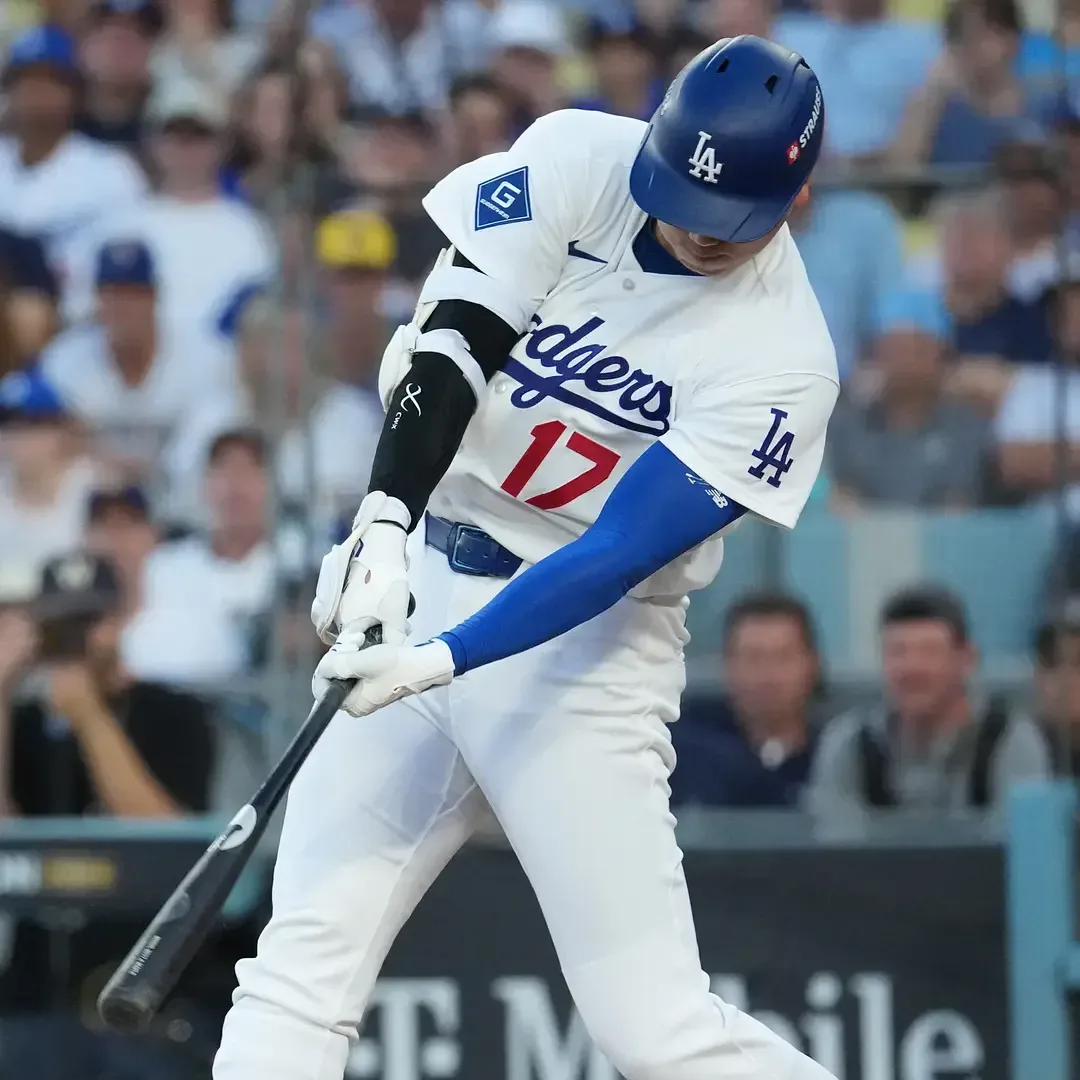
The Shohei Ohtani announcement from 2026 proves a different point. That agreement is specifically about an exclusive long-term global trading-card deal that includes autographs and game-used memorabilia cards across both U.S.- and Japan-based products. In other words, athlete-specific autograph and memorabilia rights can have their own scope and geography. They are not identical to broad league-logo rights.
Why does that matter for international first appearances? Because collectors often overread what they see. A card may be fully tied to a licensed competition but not carry every kind of autograph access. Another may become special because an athlete-specific autograph deal supports it, even if other licensing layers are separate issues. If you do not sort those buckets, you can misjudge why a card is appealing or assume two cards are comparable when they really are not.
A useful buyer question is this: what exactly am I paying for here? Is it the earliest official licensed visual presentation? The first card with authenticated autograph content under a separate athlete deal? A card released during a new licensing era? Once you answer that, comparisons become much more honest.
- League and team branding rights are different from autograph rights.
- An athlete-specific deal can make a card notable without deciding the rookie conversation.
- When comparing cards, identify which rights layers each one actually reflects.
Dates and licensing eras can change what “first” really means
Collectors frequently use “first” as if it were self-explanatory, but rights eras can complicate that word quickly. A card may be first for a brand returning to a sport, first under a new exclusive deal, or first in a relaunched product line without being the first official card overall. If you skip the rights-era timeline, you may end up comparing two cards that answer different questions.
The dated announcements around basketball and football show why this matters. As of the research date, the NBA and NBPA announced Topps’ return as exclusive trading-card licensee in October 2025, with 2025-26 Topps Basketball releasing worldwide soon after. The NFL, NFLPA, and Fanatics Collectibles announced Topps’ return in April 2026, with 2025 Topps Chrome Football releasing that same month. An older NFLPA announcement established Panini as the sole NFLPA-licensed manufacturer beginning with the 2016 NFL season. Those dates define rights regimes, not just product hype.
For international-first-appearance research, the implication is simple. If you compare an international card to a later domestic release, confirm who held which rights when each product was issued. Otherwise, “first” may only mean first within the subset of products you already know. That can still be useful, but it is a smaller claim than many sellers make.
A practical routine helps. Step one: date the card itself. Step two: identify the property shown on it. Step three: verify which company held active rights for that property at the time. Step four: note whether the card is first overall, first in that property, or first within a new licensing era. That habit will not end all rookie arguments, but it will keep your own language grounded.
This is especially important when a familiar brand returns after an absence. A comeback release can feel like a new beginning and still not wipe out earlier licensed cards from a different rights period. Knowing the era keeps you from overstating the significance of either one.
- A brand comeback is not automatically the same as a player’s first official card.
- Always place the card inside its rights era before calling it a first.
- Compare like with like: first overall, first in property, or first in a new license regime.
A practical checklist for buying or listing international first appearances
When you are evaluating a card, start with your collecting goal. Are you trying to own the earliest official card you can document? The earliest card in a specific competition? The first card with a major autograph? Or the card most likely to fit a sport’s traditional rookie framework? If you skip this step, you can end up buying a perfectly good card that does not actually solve the problem you cared about.
Next, verify the property. Read the product description and identify the licensed competition, league, or development ladder. In soccer and Formula 1, the property itself often explains why the card matters. In hockey, the property may also tell you why the card should not be confused with the flagship rookie system of another league.
Then separate the rights layers. Does the card have league or competition branding? Does the underlying product clearly involve player rights? Is autograph content part of the appeal, and if so, is that likely tied to a broader set license or an athlete-specific arrangement? These questions can sound technical, but they stop you from paying premium prices for a claim that collapses multiple ideas into one.
After that, write your own description before you buy. For example: “earliest official UEFA club-competition appearance I can verify” or “official F2-era Topps card before top-level F1 recognition.” If that sentence sounds weak compared with the seller’s “true rookie” headline, that is useful information. It means the seller may be leaning on ambiguity more than evidence.
Finally, think about tradeoffs honestly. Earlier is not always better if the card comes from a context the broader collector base does not prioritize. But later is not always stronger if your main goal is a player timeline built around genuine first appearances. A disciplined collector can prefer either path, as long as the card is being judged for the right reason.
- Define the collecting question before evaluating the card.
- Verify property, timing, and rights instead of relying on seller language.
- Write a one-sentence description of what the card actually is.
- If your own description sounds less absolute than the listing title, pause before buying.
The smartest conclusion is usually the narrow one
The biggest temptation in this area is to turn a strong early card into a universal verdict. Usually, the facts support a narrower and more useful conclusion. An international issue can be an important first appearance. It can be officially licensed. It can predate a more familiar domestic release. In some sports, it can be central to rookie-era collecting. But none of that automatically proves it is the one rookie card that every collector must rank above all others.
That restraint is especially important because the evidence differs by sport. Soccer and Formula 1 provide strong support for official rookie or prospect hunting in global properties outside a U.S. domestic framework. Hockey shows why a separate flagship rookie gate can remain decisive even when earlier licensed cards exist. Football and basketball licensing timelines show how rights eras can reshape what collectors mean by “first.” Baseball, in this evidence set, supports cross-border autograph and product rights through Shohei Ohtani’s global deal, but not a broad rule for non-U.S. baseball rookie-card claims. Saying less there is more responsible than stretching the analogy too far.
Collectors often fear nuance because it sounds indecisive. In reality, nuance is what keeps you from paying for slogans. A careful label such as “first licensed international appearance” or “earliest official card in this global property” is not weaker than “true rookie.” It is usually stronger because it tells the buyer exactly what they are getting.
If you adopt that approach, international issues become easier to appreciate. You do not need them to defeat every domestic card in order for them to matter. You only need to understand where they sit in the athlete’s card timeline, what rights support them, and which collecting goal they actually satisfy. That is how you move from hobby argument to useful judgment.
- Avoid absolute rookie claims when the evidence only supports a narrower first-appearance statement.
- Let each sport’s structure guide your terminology.
- A precise description is often more persuasive than a louder one.
Illustration generated for this guide; not a photograph of an actual card, product or event.
Photo Gallery