A collector remembered through the hobby he loved
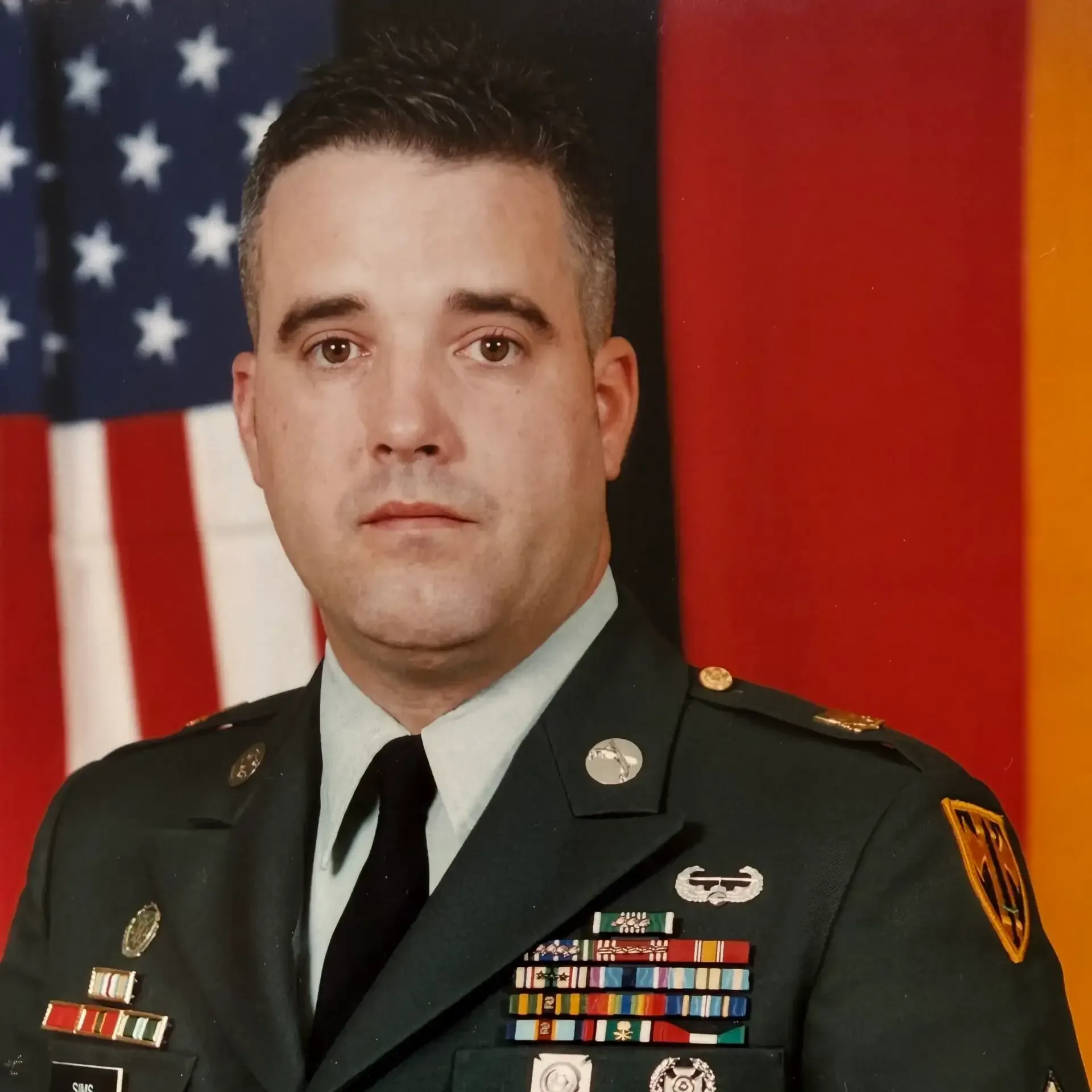
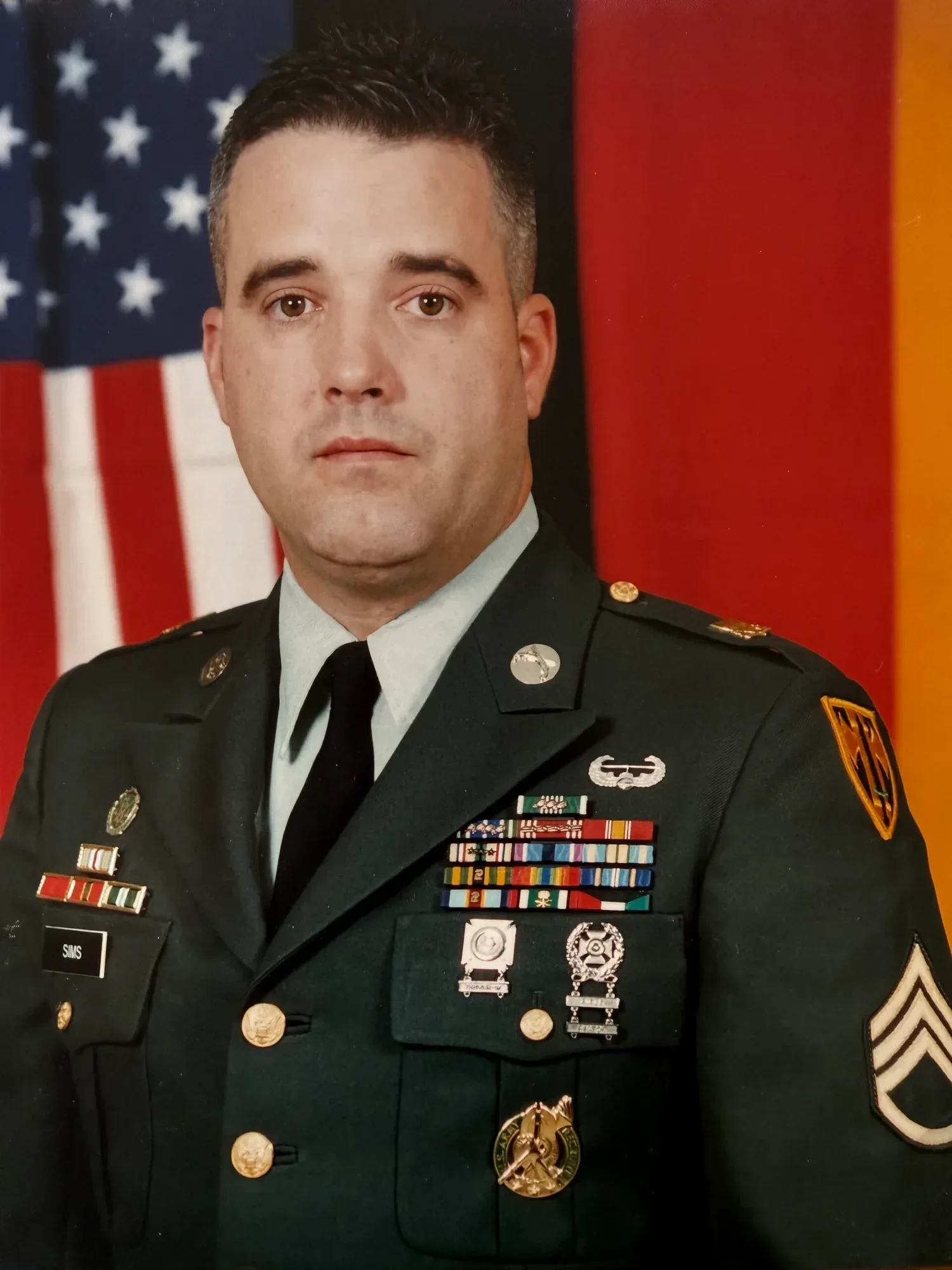
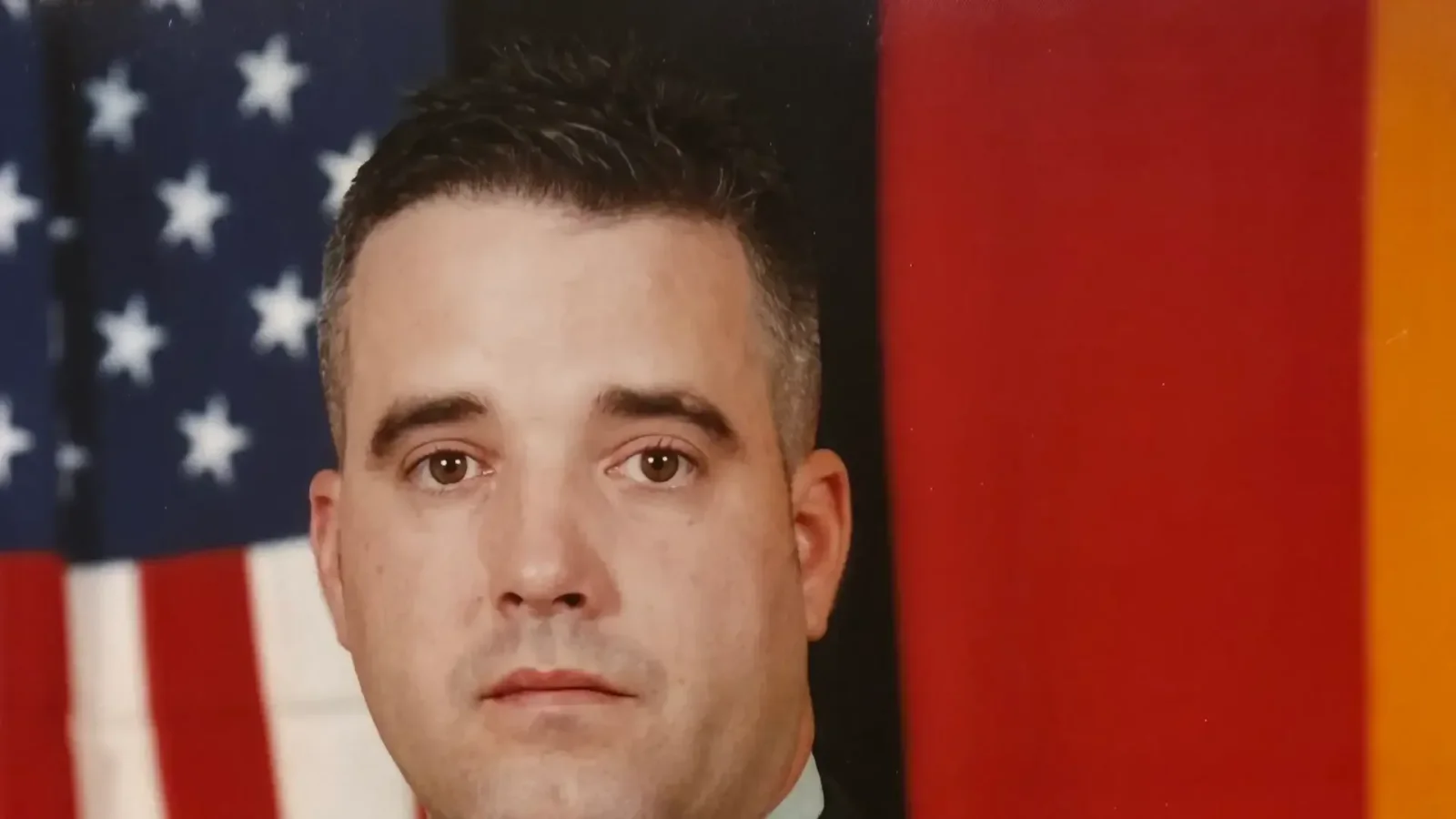
Donald “Billy” Anthony Sims II built a life around service, family, and collecting. After his unexpected passing in August at age 60, the sports memorabilia collection he spent decades assembling has become a powerful way for loved ones to remember him.
For Sims’ family, the collection is more than shelves of signed helmets, jerseys, footballs, artwork, and cards. It is a record of his personality, his discipline, and the joy he found in the hobby. As relatives work through the collection, they are seeing just how much care he poured into every item and how closely collecting was tied to the relationships he built over the years.
Sims was remembered as a devoted husband, a proud Army veteran, and someone who welcomed others into the hobby. That passion made a lasting impression on younger members of the family, especially the nieces and nephews he brought to card shops and shows. In that way, his legacy extends beyond the collection itself and into the next generation of collectors.
How his collecting journey began
Like many longtime hobbyists, Sims started young. Growing up in Pittsburgh, he was drawn to the teams that shaped the city’s sports identity, particularly the Steelers and Pirates. Cards were part of that early fandom, and players such as Mickey Mantle, Hank Aaron, Roberto Clemente, and Dick Groat were among the names represented in his childhood collection.
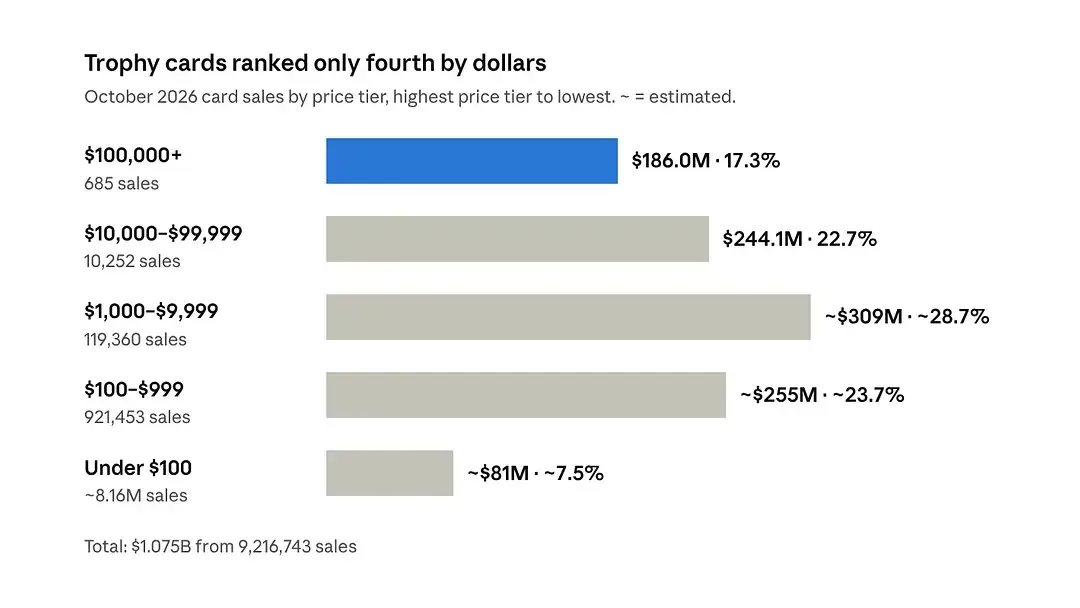
For more collector background, read October’s $1.075 Billion Card Market Shows Where the Hobby’s Money Really Comes From.
That original collection did not survive. After high school, Sims entered the Army, and when he later went looking for the cards he had saved, he found they were gone. For many collectors, a loss like that would have marked the end of the hobby. For Sims, it became part of the motivation to keep going.
He rebuilt over time, not by chasing a single lane, but by following the parts of sports history that meant the most to him. Pittsburgh roots remained central, but his interests expanded into football, baseball, autographs, signed display pieces, and notable athletes whose significance went beyond team loyalty alone.
A military life that ran alongside the hobby
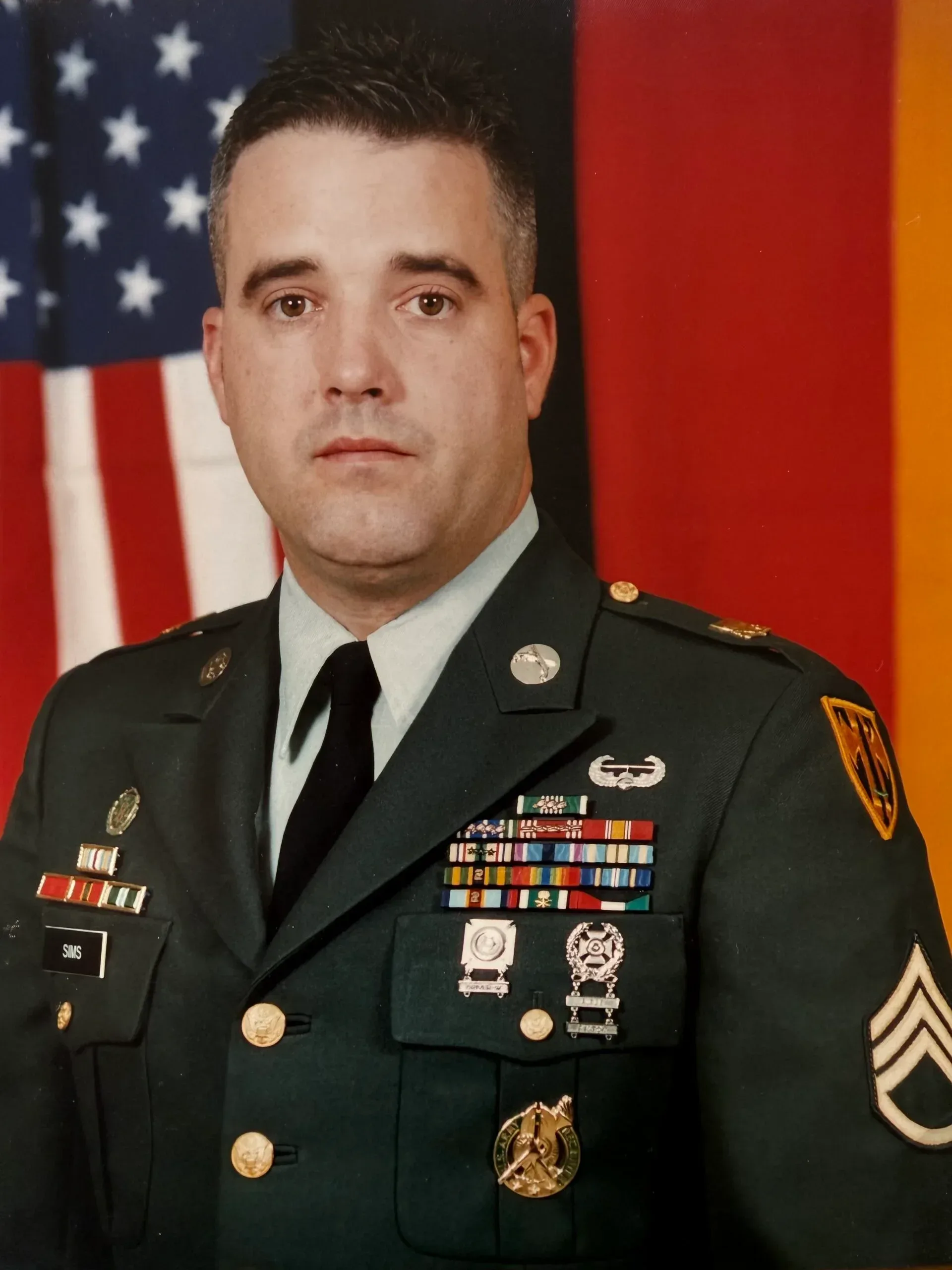
Sims served 20 years in the United States Army as a Military Policeman. His service included deployments to Germany, Kosovo, Operations Desert Storm and Desert Shield, and Iraqi Freedom. After retiring from active duty, he continued working for the Army at Fort Meade for another 20 years as a civilian contractor while living in Laurel, Maryland.
For another perspective on this story, read Sgt. Billy Sims’ Sports Collection Leaves a Family Archive of Cards, Autographs and Pittsburgh Pride.
That military background shaped the way he collected. Family members described him as exceptionally organized, and the same structure that defined his professional life appeared in the way he tracked memorabilia. He documented signed items, kept charts and photos, and marked details to identify who had signed specific pieces. Even while stationed overseas, he looked for opportunities to add to the collection or arrange signings.
His family said he would sometimes obtain autographs in person and, at other times, coordinate with others when he could not attend an event himself. That combination of patience, planning, and persistence helped him build a collection that was both broad and deeply personal.
Steelers items sat at the heart of the collection
If there was one team that anchored Sims’ collecting life, it was the Pittsburgh Steelers. His connection to the franchise ran deep, and some of the most meaningful pieces in the collection reflect that lifelong loyalty.
Among the standout Steelers-related items are a signed “Steel Curtain” jersey and helmet, a Jack Lambert-signed jersey, an autographed team football from the franchise’s early Super Bowl era, and an autographed Ben Roethlisberger card. Those pieces trace multiple eras of Steelers history, from the dynasty years through the modern period.
He also owned multiple items signed by Terry Bradshaw. One story shared by those close to him involved an opportunity to meet the Hall of Fame quarterback at Ramstein Air Force Base while Sims was serving in Germany through a USO-related appearance. For a Steelers fan and collector, moments like that carry a different kind of meaning. They are not just about ownership, but about memory and access to a player tied to a lifelong passion.
The Steelers portion of the collection illustrates something many advanced collectors understand well. The most treasured items are often the ones that combine team significance, player history, and the personal story of how the piece was obtained.
A signature baseball artwork piece stood above the rest
Among everything Sims assembled, one item was described as especially important to him: a one-of-a-kind baseball artwork piece carrying around 75 signatures gathered over the years. Many of those autographs came from Hall of Famers, turning the display into a remarkable blend of sports art and signature collecting.
The list of names on the piece includes Ted Williams, Hank Aaron, Pee Wee Reese, Stan Musial, Frank Robinson, Carlton Fisk, and Mickey Mantle, among others. It was the kind of item that required long-term vision. No collector builds a piece like that quickly. It takes years of planning, access, and determination to chase that many major signatures on a single presentation piece.
In 2014, Sims brought the artwork to an appearance on the television program “Antique Roadshow,” where it received an estimated value of about $100,000. Family members said he added more signatures after that point, making the piece even more distinctive.
For collectors, an item like this represents more than appraised value. It reflects the older style of autograph collecting, where relationships, mail-ins, live appearances, travel, and years of effort all combine into something that cannot easily be duplicated.
His memorabilia tastes reached well beyond one team
Even though Pittsburgh remained central to his collection, Sims’ interests were wide-ranging. The family’s early review of the collection has already revealed items tied to football legends, baseball stars, and even golf history.
Among the notable pieces are autographed jerseys from Pittsburgh-area quarterback greats Joe Namath, Johnny Unitas, and Joe Montana. There is also a batting helmet signed by Dick Groat, one of the more beloved names in Pirates history and an athlete whose appeal crossed both baseball and basketball.
Other football memorabilia includes Heisman Trophy and Pro Football Hall of Fame helmets signed by multiple players, a Washington Redskins helmet signed by Hall of Famers and Super Bowl MVPs Doug Williams and Mark Rypien, and a University of Oklahoma mini-helmet signed by Heisman winner Steve Owens.
One especially meaningful item is a University of Tennessee football signed by Reggie White. Family members said Sims admired White not only as a player, but also as a person. That kind of connection says a lot about the way Sims collected. He did not just gather names. He sought athletes whose character, legacy, or story meant something to him.
The collection also includes a signed Joe DiMaggio artwork piece and a Jack Nicklaus Masters flag. Even without being a golfer, Sims appears to have recognized the historical weight attached to Nicklaus. Collectors often branch into pieces that represent greatness itself, even outside their primary sports, and that seems to have been part of his approach.
The card collection still holds more to uncover
While signed memorabilia formed a visible part of Sims’ hobby, his family has indicated that the card collection remains a major area still to be explored. There are boxes and groupings they had not fully gone through, suggesting that more significant finds may still be waiting.
What is already known points to some strong modern material. Among the signed cards is a Patrick Mahomes rookie autograph memorabilia card numbered to 50, a piece the family believes Sims pulled from a pack himself. There is also a card featuring the signatures of the Watt brothers.
Those details show that Sims stayed engaged with the modern card side of the hobby rather than focusing only on vintage autographs and display memorabilia. Many longtime collectors eventually narrow their interest to one area. Sims appears to have done the opposite, continuing to enjoy cards, autographs, historical display pieces, and team-focused memorabilia all at once.
That breadth is one reason his collection carries such emotional weight now. Every section reflects a different era of his life as a collector. Some items tie back to childhood fandom. Others connect to military service, travel, card shows, local shops, and personal admiration for certain athletes.
A collector who shared the hobby with family
One of the strongest parts of Sims’ story is not just what he collected, but how he shared the hobby. Family members recalled that he regularly took younger relatives to card shops and shows, giving them firsthand exposure to the fun and community that come with collecting.
That matters because the hobby is often handed down through experience as much as through objects. A collector can leave behind cards and memorabilia, but the bigger gift is often the memory of sorting cards together, talking to shop owners, walking show floors, and learning why certain players or pieces matter.
For Sims, a local card shop in Laurel was a favorite stop, and it played a role in his routine as a collector. Time spent there was about more than buying. It was about conversation, discovery, and being around others who understood the same passion.
His family says those experiences had a lasting impact. The hobby continued for at least one younger relative who is still collecting today, carrying forward a connection that started with Uncle Billy’s guidance.
Organization, patience, and purpose shaped the collection
As the family has started sorting through everything, one detail keeps standing out: how carefully Sims managed his memorabilia. He documented pieces, labeled them, and tracked who signed what. That level of structure is not unusual among serious autograph collectors, but it becomes especially meaningful after a collector is gone because it helps preserve both authenticity and story.
Many collections lose context over time. A signed helmet can remain impressive, but its full value to a family is greater when they know when it was signed, why it mattered, and what effort went into obtaining it. Sims appears to have understood that. His notes and organization gave loved ones a roadmap into the collection he spent years building.
That kind of planning also highlights an important truth in the hobby. Great collections are rarely just the result of spending. They are often built through patience, networking, knowledge, and consistent follow-through. Sims’ collection reflected those traits in full.
Why stories like this resonate in the hobby
Collectors often talk about value, scarcity, and condition, but stories like Sims’ are a reminder that the hobby’s deepest meaning usually lives somewhere else. A signed jersey can be a centerpiece. A Mahomes rookie autograph can be a major card. A multi-signed Hall of Fame artwork piece can draw six-figure attention. Yet what gives those items their lasting significance is the life behind them.
Sims’ collection captured a lifetime of interests: Pittsburgh sports, football history, baseball legends, military discipline, and the thrill of the chase. It also captured his generosity. He did not keep the hobby at a distance from family. He invited them into it.
As his relatives continue working through the collection, they are preserving more than memorabilia. They are preserving the habits, preferences, and passions of a collector who never stopped building, even after losing the cards from his childhood. In that sense, the collection remains active, still teaching the people closest to him what mattered most and why each piece found its place.
Sims was laid to rest at Chattanooga National Cemetery with full military honors, and the collection he left behind continues to tell the story of a man whose love for sports memorabilia was matched by the care he showed in building it.
Photo Gallery