High-end trading card game sales settled into a more familiar rhythm this week, but the top of the market still delivered some major results. The three biggest sales from October 31 through November 7 were all Pokémon cards, with a combined total of $1,467,000.
What stands out is the variety within those three results. One sale came from the early e-Card era, another from one of the hobby’s most historically important tournament issues, and the third from the always popular EX-era Gold Star lineup. Taken together, the week’s top sales show that collectors continue to pay premium prices for rarity, grade, and cards tied to key moments in Pokémon history.
Top 3 TCG Sales of the Week
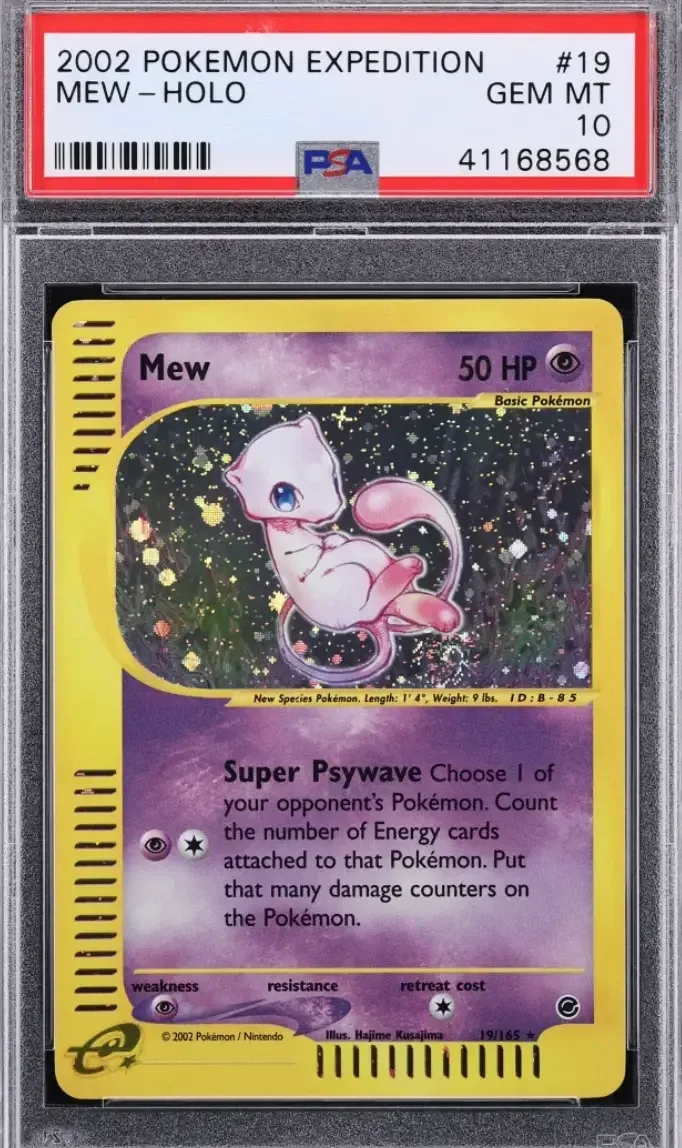
1. 2002 Pokémon Expedition Holo Mew #19 PSA 10: $529,000
The top sale of the week was a 2002 Pokémon Expedition Holo Mew #19 in PSA 10, which brought $529,000 on November 1. That result put it firmly at No. 1 for the period and gave Mew a comfortable lead over the rest of the field.
Expedition Base Set holds a special place in the Pokémon market because it was the first English e-Card expansion. The set marked a visual and structural shift for the brand, and high-grade holos from that release have long attracted serious interest. Mew, of course, adds another layer of demand. It remains one of the franchise’s most iconic mythical Pokémon, and that popularity tends to translate especially well when early-set cards surface in elite condition.
For more collector background, read Top 3 Tom Brady Football Card Sales of the Week Led by a 2000 Donruss Elite Status /10.
PSA 10 examples from Expedition are not simply about nostalgia. Collectors often chase them because they blend several important hobby traits at once: age, major character appeal, a landmark set, and true condition sensitivity. The e-Card era has a distinct look that many collectors strongly associate with early 2000s Pokémon, and cards from that run continue to command attention when top grades become available.
The $529,000 price also says something broader about the market. Trophy and ultra-limited cards often dominate conversations at the top end, but this sale showed that a mainstream set card can still take the weekly crown when the subject, set, and grade line up at the right level. Mew did exactly that here.
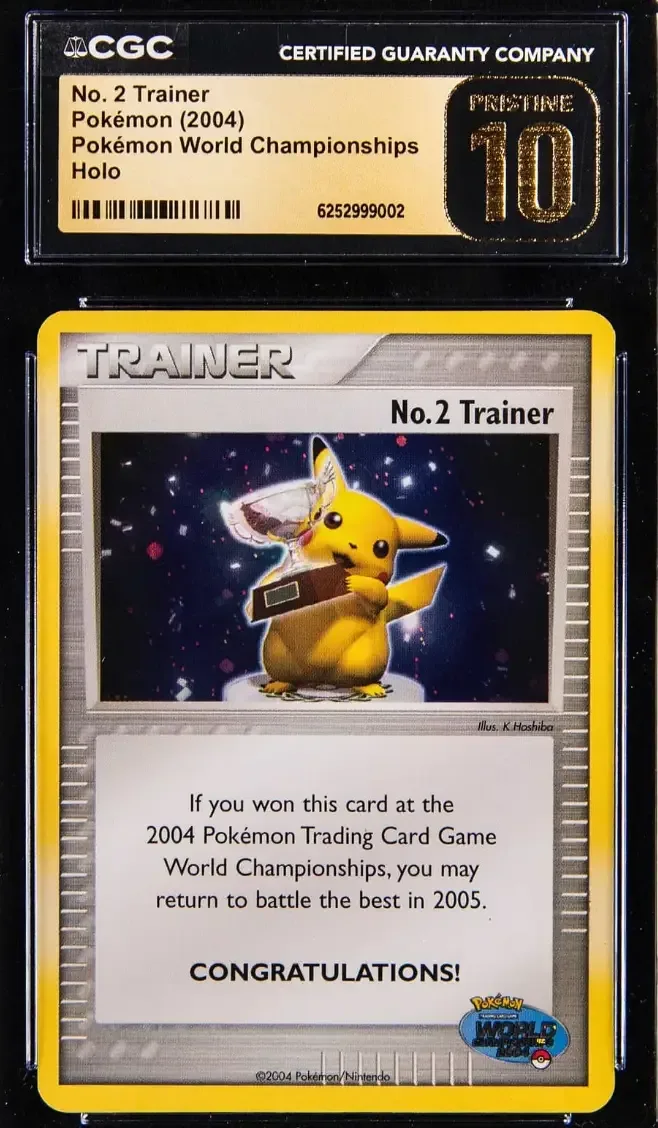
2. 2004 Pokémon World Championships No. 2 Trainer Trophy Pikachu CGC Pristine 10: $488,000
Right behind Mew was one of the most historically significant Pokémon cards to sell this week: a 2004 Pokémon World Championships No. 2 Trainer Trophy Pikachu in CGC Pristine 10. The card sold for $488,000 on November 1.
Unlike standard pack-issued cards, trophy cards occupy a different tier of scarcity. They were awarded to top-performing competitors, which means their supply starts out far below even the rarest traditional chase cards. That alone makes them a centerpiece category for advanced collectors. When the card is tied to the first Pokémon World Championships, the historical importance grows even more.
The 2004 World Championships represent a foundational moment in organized Pokémon competition. Cards connected to that event carry significance that goes beyond character popularity or set demand. They are tangible pieces of the game’s competitive history, and that kind of provenance can drive aggressive bidding when one appears in the market.
This particular example also stood out because of the grade. It carried a CGC Pristine 10, making it the only card among the week’s leading sales that was not in a PSA holder. In the trophy card segment, where even tiny differences in condition can influence already massive values, a top-tier grade can be a major part of the story. The nearly half-million-dollar result reflects the strength of that combination: Pikachu, world championship significance, trophy-card scarcity, and an elite slab.
There is also an important market lesson in this sale. While character-driven cards often attract the most mainstream attention, event-issued pieces continue to prove that collectors place enormous value on cards with a direct connection to the game’s competitive legacy. This Pikachu is one of the clearest examples of that principle.
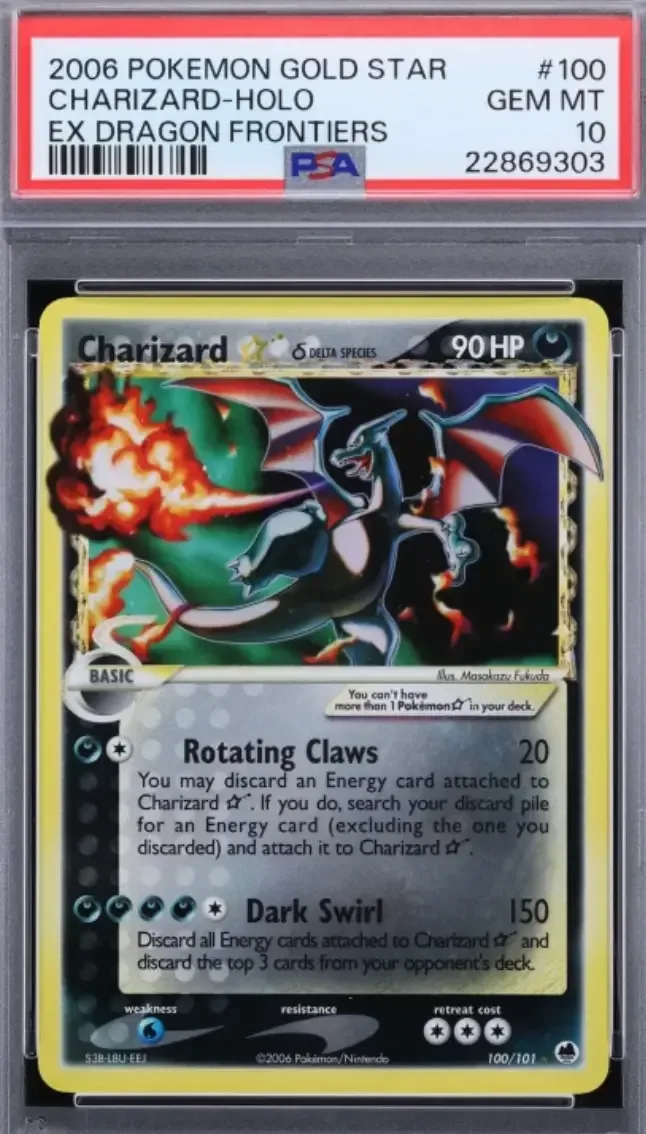
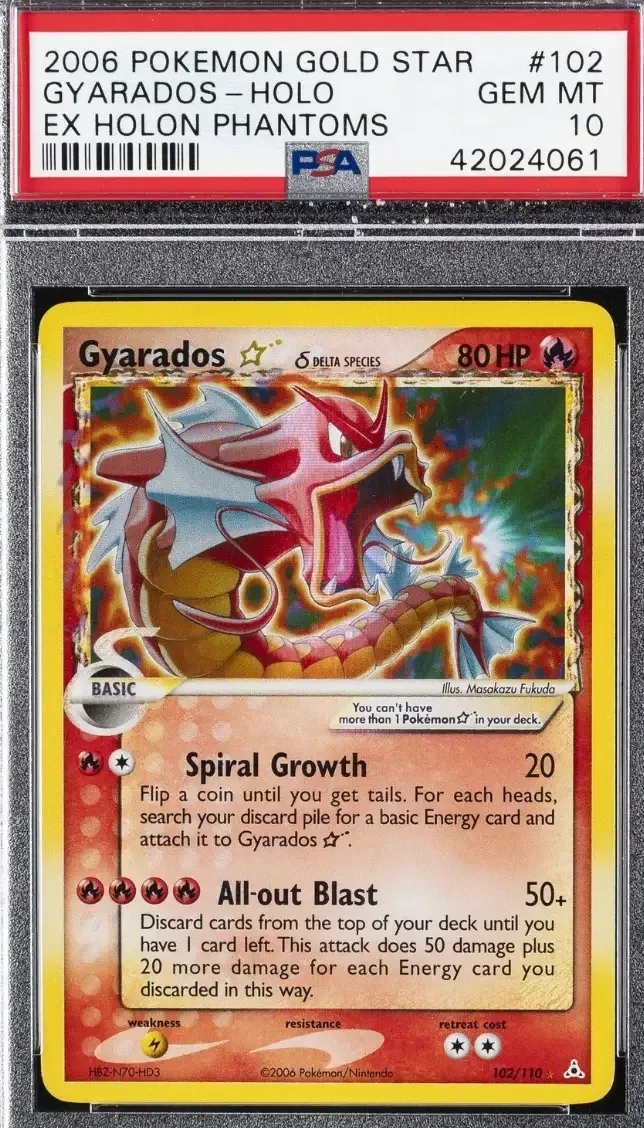
3. 2006 Pokémon EX Holon Phantoms Gold Star Gyarados #102 PSA 10: $450,000
The third-biggest TCG sale of the week was a 2006 Pokémon EX Holon Phantoms Gold Star Gyarados #102 in PSA 10, which sold for $450,000 on October 31.
Gold Star cards remain one of the most coveted subsets in the Pokémon hobby, and EX Holon Phantoms is one of the era’s standout releases. These cards have built lasting demand thanks to their low pull rates, distinctive artwork, and strong connection to a period of Pokémon collecting that many hobby veterans view as one of the most important modern foundations of the market.
Gyarados may not always command the same mainstream spotlight as a few of the franchise’s most recognizable names, but high-end collectors have consistently shown that Gold Star demand goes well beyond the usual headliners. A PSA 10 example of a major EX-era chase card can compete at the very top of the market on its own merits, and this sale reinforced that in a big way.
What helps set this card apart is the overlap of several premium categories. It is a Gold Star. It comes from a respected EX-era release. It features one of Pokémon’s most popular evolution-line stars. And it is preserved in PSA 10 condition, which is especially meaningful for cards from this period because mint examples can be difficult to secure at the highest levels.
The $450,000 result confirms that collector confidence in top-end Gold Stars remains extremely strong. Even in weeks where trophy cards and early vintage-style standouts appear, the best EX-era cards can still hold their own and command major prices.
What This Week’s Top 3 Says About the TCG Market
The biggest takeaway from this week’s top three is that elite Pokémon demand is not concentrated in a single lane. The market rewarded three very different kinds of cards.
- Set landmark appeal: Expedition Mew showed the power of a beloved character from a pivotal early-2000s release.
- Historical scarcity: Trophy Pikachu proved that tournament-issued cards tied to major events remain among the hobby’s most important assets.
- EX-era premium demand: Gold Star Gyarados highlighted the continuing strength of one of Pokémon’s most chased modern-era subsets.
That mix matters because it suggests the upper end of the TCG market is broad rather than narrow. Collectors are still willing to spend at an elite level, but the cards earning those dollars are coming from different corners of the hobby. Character popularity still matters, yet it is being matched by context, scarcity, and era significance.
The combined $1.467 million total for these three cards also underscores how much separation exists between ordinary collectible demand and true top-tier hobby material. These are not just desirable cards. They are category leaders within their respective niches, and each has a clear case for long-term relevance among advanced Pokémon collectors.
Why Grade and Context Continue to Drive Prices
Each of the top three sales shared one crucial trait: condition mattered. Two of the cards were PSA 10s, and the Trophy Pikachu carried a CGC Pristine 10. At this level of the market, buyers are not just chasing rarity. They are competing for the best available combinations of rarity and presentation.
Context also played a major role in all three results. Mew benefited from Expedition’s importance as the first English e-Card set. Trophy Pikachu drew strength from its direct tie to the first World Championships. Gyarados brought EX-era prestige and Gold Star scarcity. That combination of grade plus hobby significance is often what separates a strong sale from a truly headline-level one.
For collectors watching the market, these results offer a useful reminder. When prices climb into six figures, the story behind the card usually matters as much as the card itself. Set history, release method, competitive relevance, and grading all help shape how the market responds when elite examples become available.
Sales Snapshot
- 2002 Pokémon Expedition Holo Mew #19 PSA 10 - $529,000
- 2004 Pokémon World Championships No. 2 Trainer Trophy Pikachu CGC Pristine 10 - $488,000
- 2006 Pokémon EX Holon Phantoms Gold Star Gyarados #102 PSA 10 - $450,000
Collectors tracking the top of the TCG market this week saw three different paths to elite value: iconic character appeal, tournament history, and EX-era rarity. That is a useful signal for anyone following where the strongest money continues to land in premium Pokémon cards.
Photo Gallery