Sports magazines spent decades in a strange spot within the hobby. They were widely available, usually inexpensive, and often treated as something to read and discard rather than preserve. That perception is changing quickly as collectors take a closer look at iconic covers, certified populations, and the visual impact magazines bring to a display.
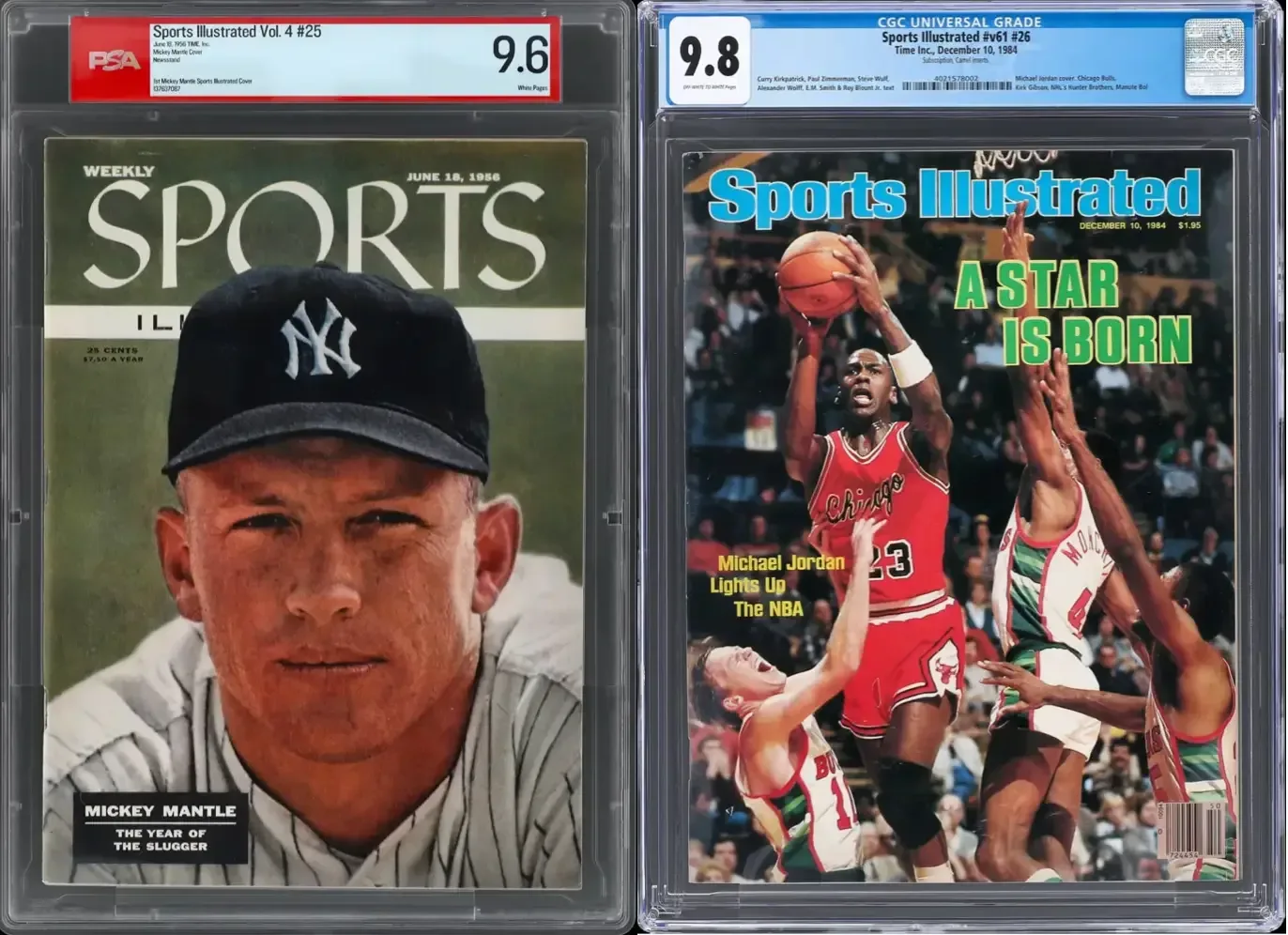
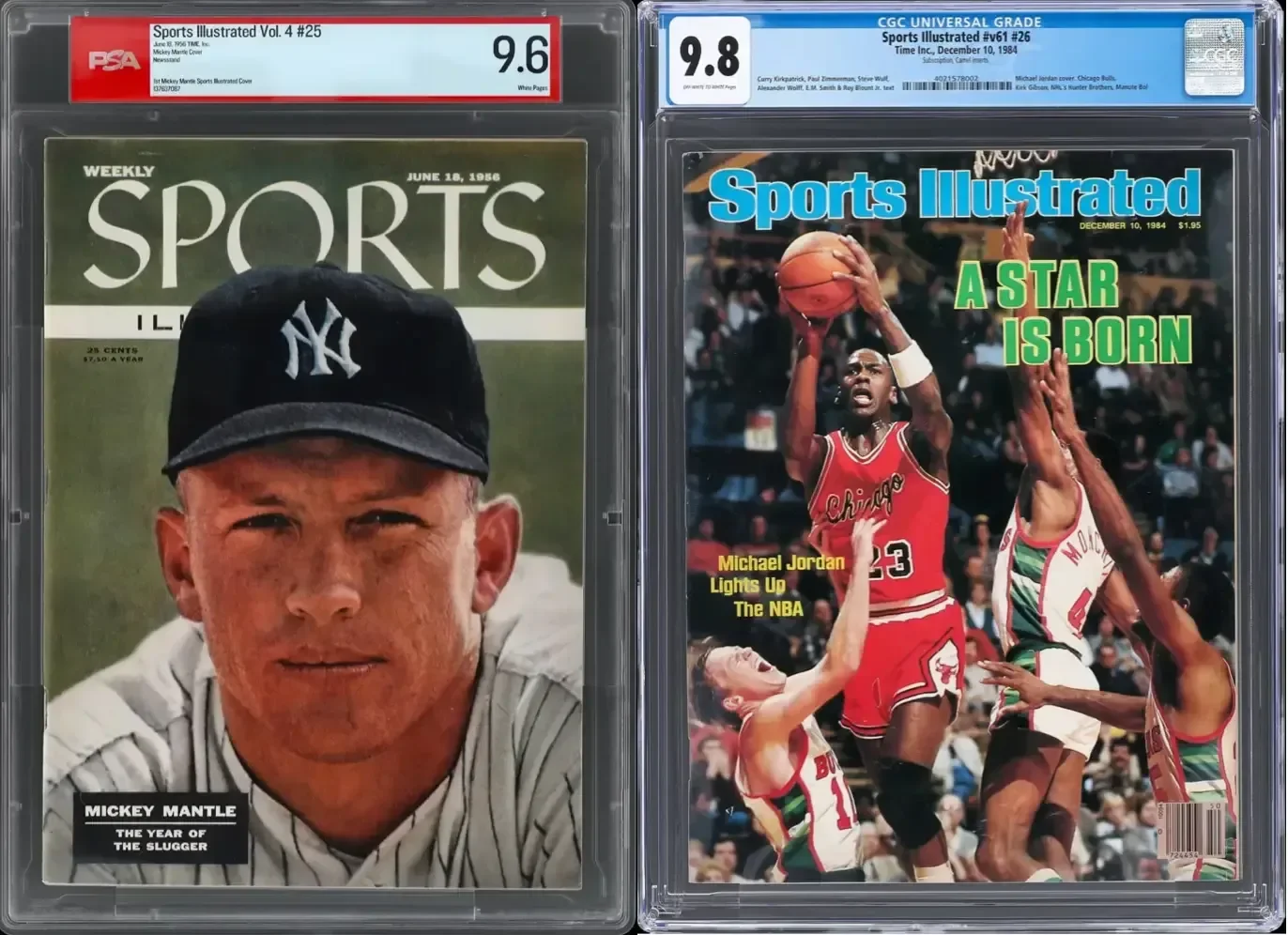
The biggest headlines have come from elite examples of landmark issues. A 1956 OTIA Sports with Mickey Mantle on the cover sold for $328,180 in June, and a 1984 OTIA Sports featuring Michael Jordan later topped that mark at $378,200 in September. Those sales helped push graded magazines into a much larger conversation among collectors who already chase key rookie cards, game-used memorabilia, and autographs.
Not every old magazine is worth four or five figures, and most are not. But top-condition copies of culturally important issues are beginning to separate themselves in a way that feels familiar to seasoned card collectors. The difference is that magazines remain a less crowded, less overproduced lane, especially when the conversation turns to first covers, newsstand scarcity, and low certification totals.
Why the market is paying attention now
High-grade sports magazines can be surprisingly scarce. Unlike trading cards, magazines have spines, larger surfaces, more edges, and much more exposure to wear from normal handling. They were folded, stacked, read repeatedly, and stored without much long-term care in mind. That makes sharp copies, especially older newsstand editions, genuinely difficult to find.
For more collector background, read Sports Card Break Formats Explained: How to Read Pick-Your-Team, Random-Team, and Break Rules Before You Buy a Spot.
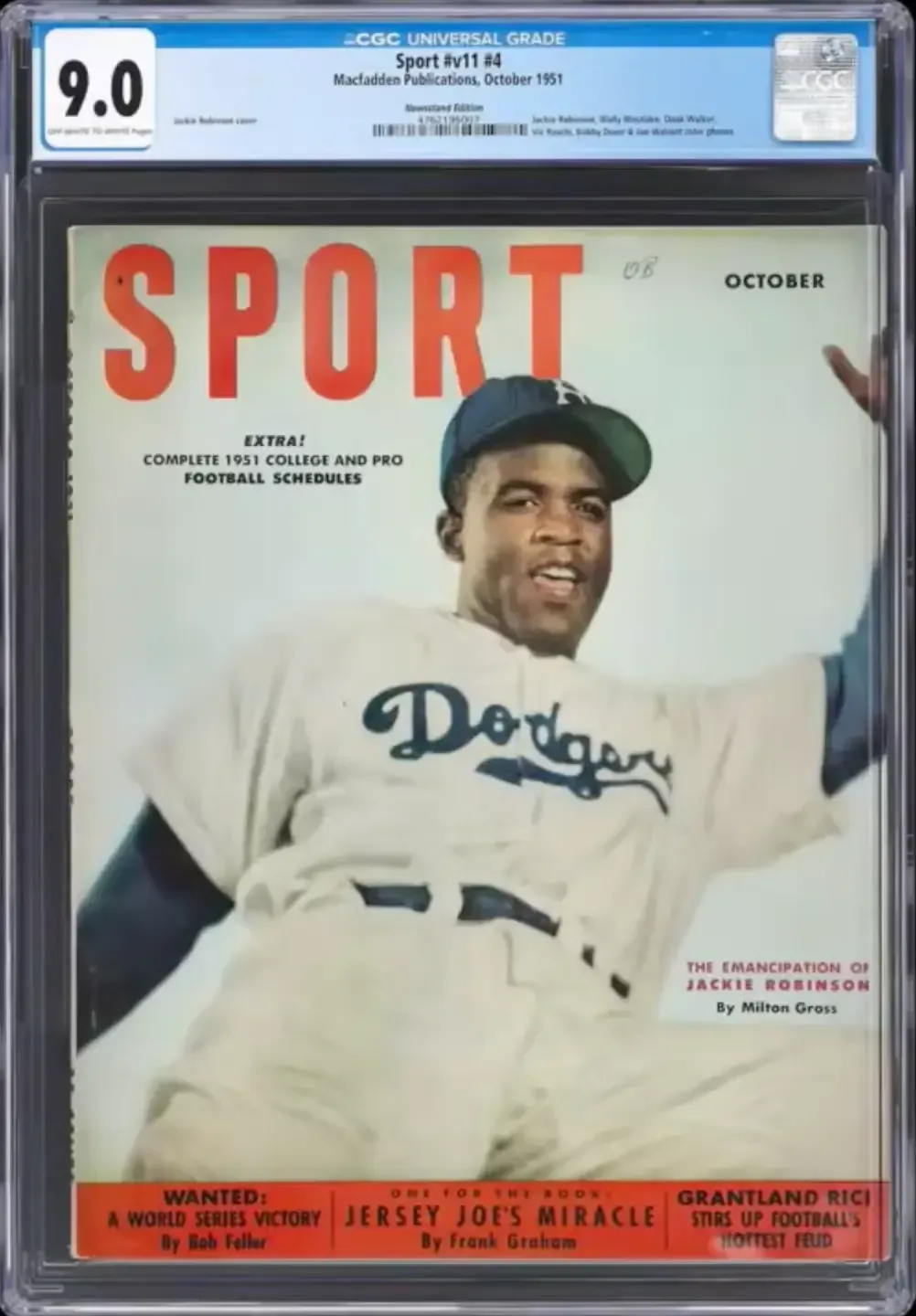
The recent market activity reflects that reality. Beyond the Mantle and Jordan records, other issues have also posted strong numbers. A CGC 9.2 copy of Larry Bird's first OTIA Sports cover from 1977 sold for $21,960 in September. A CGC 9.6 example of a 1996 issue of The Fan featuring Kobe Bryant brought $11,950 that same month. An October 1951 SPORT magazine with Jackie Robinson on the cover, graded CGC 9.0 in newsstand form, sold for $5,185.
Those results do not mean every athlete cover has become a major investment piece. What they do show is that the market is rewarding a combination of athlete importance, cover significance, grade, and scarcity. In many cases, collectors are not just buying a publication. They are buying a first major cover, a recognizable image, and a display item that captures a moment in sports history.
Low population counts are a major part of the story
One of the strongest arguments for collectible magazines is how their graded populations compare with the most famous cards of the same athletes. Sports cards have been graded on a large scale for decades. Magazine grading arrived much later, and magazines were never saved in the same way cards were. As a result, the certification gap can be dramatic.
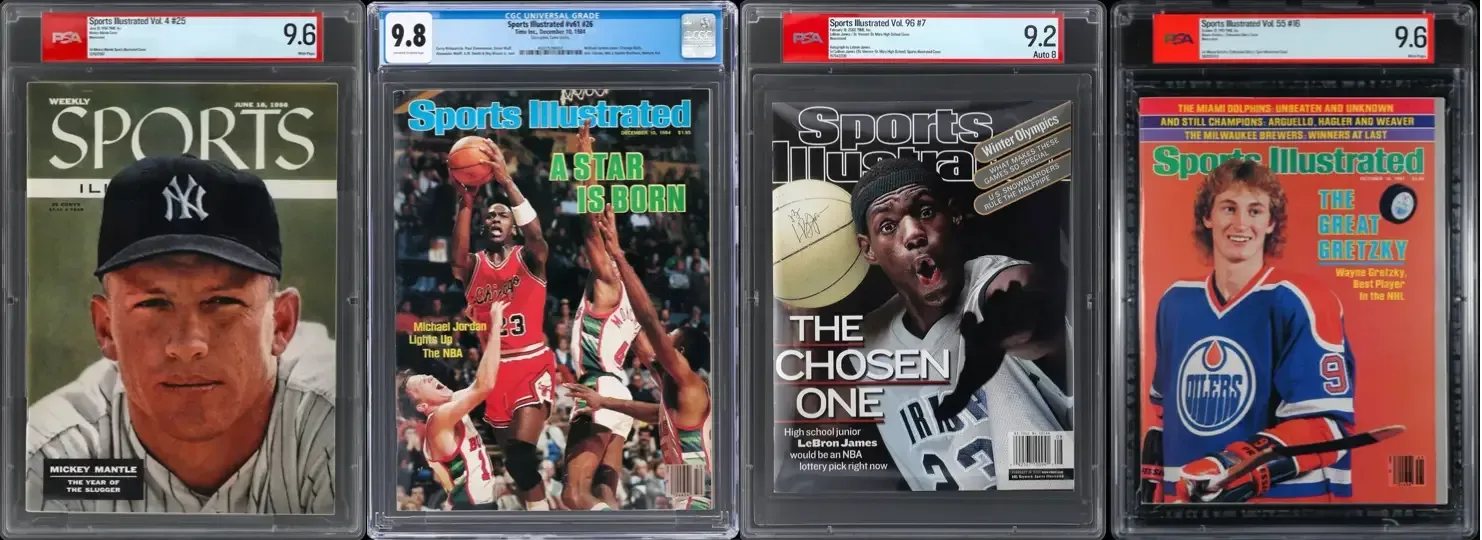
For several iconic athletes, their key first OTIA Sports covers trail their best-known cards by a massive margin in graded totals.
| Athlete | Iconic Card Population | First OTIA Sports Cover Population |
|---|---|---|
| Michael Jordan | 51,612 for 1986 Fleer | 1,113 total, including 187 newsstand |
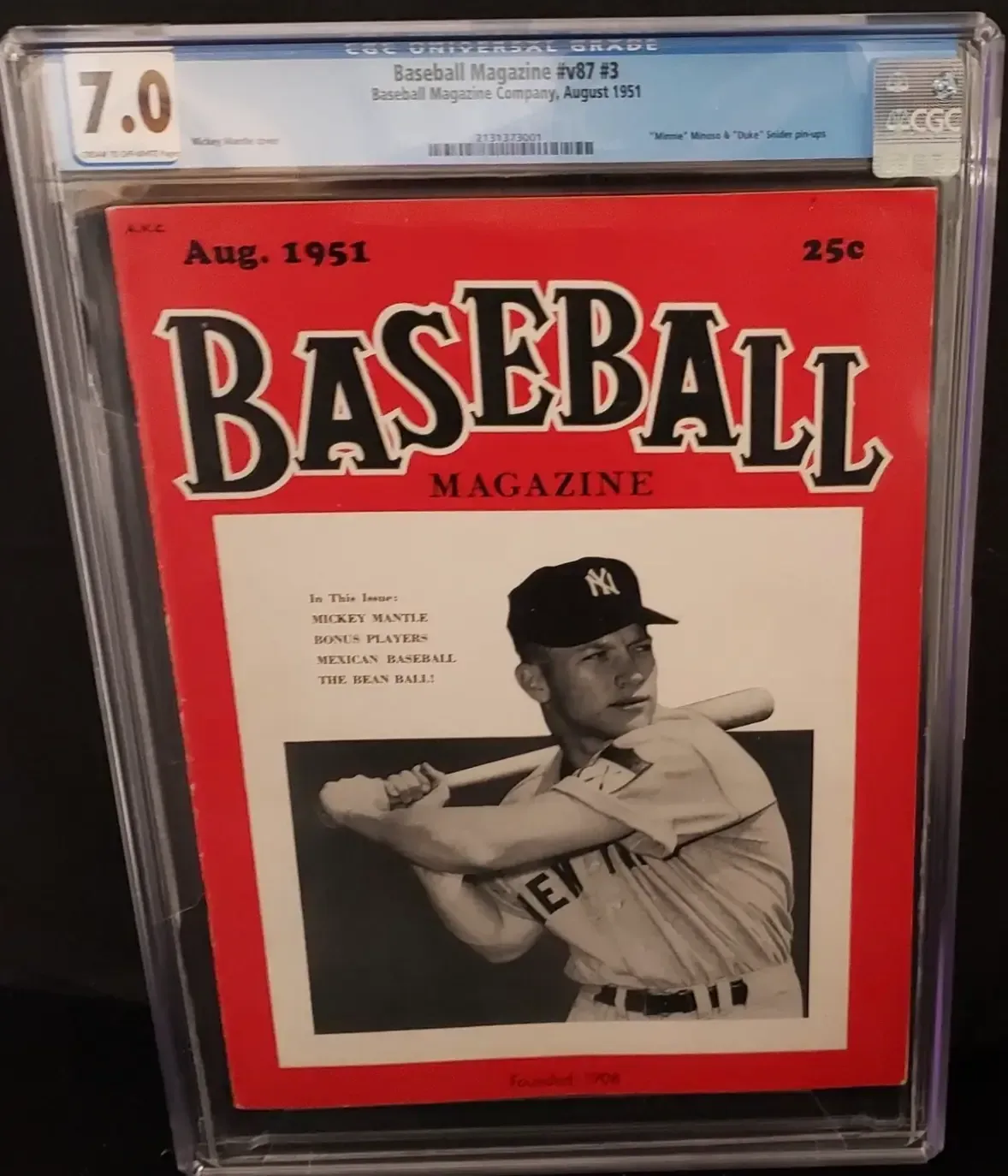
| Mickey Mantle | 3,038 for 1952 Topps | 137 total, including 81 newsstand |
| LeBron James | 21,070 for 2003 Topps Chrome | 829 total, including 503 newsstand |
| Wayne Gretzky | 23,056 for 1979 O-Pee-Chee | 451 total, including 151 newsstand |
Those card populations include PSA, CGC, OTIA, and SGC totals, while the magazine counts combine PSA and CGC. Even allowing for the fact that many magazines remain ungraded, the gap is still striking. The core idea is simple: collectors can identify historically important issues without sorting through dozens of rookie-year parallels, inserts, or serial-numbered variants.
That simplicity has become part of the appeal. A superstar may have hundreds of recognized cards from a period that collectors call his rookie season, but he may have only one true first major national cover. For hobbyists tired of ever-expanding card checklists, magazines can feel refreshingly direct.
Why newsstand copies matter so much
Within magazine collecting, the difference between newsstand and subscription editions matters. Newsstand copies are generally considered the scarcer and more desirable format, especially in higher grades. Estimates cited by longtime collectors place newsstand distribution at roughly 3 percent of total print runs for some publications.
That distinction becomes especially important when comparing population reports. A magazine may appear obtainable if total graded numbers are grouped together, but the supply can shrink quickly once the focus narrows to newsstand copies in upper grades. For collectors who prize original off-the-rack versions, that scarcity adds another layer to the chase.
It also helps explain why top-condition newsstands can command such aggressive prices. The larger format and fragile spine make condition-sensitive magazines difficult enough to preserve. Once the pool is narrowed to an already limited newsstand run, true premium copies become rare collectibles even before star power enters the picture.
Magazine grading has grown, but the market is still young
Certified magazine collecting remains much younger than card grading. Magazine grading through CGC began in 2009, a timeline that leaves a relatively short runway compared with the sports card market. That means population reports are useful, but they do not represent the full surviving universe of any issue.
Even so, recent submission growth suggests more hobby attention is flowing into the category. Roughly 13,000 OTIA Sports issues were graded by CGC from 2009 through 2022. From 2023 through 2026, that total jumped by another 36,000. That kind of acceleration points to stronger awareness among collectors, dealers, and submission groups.
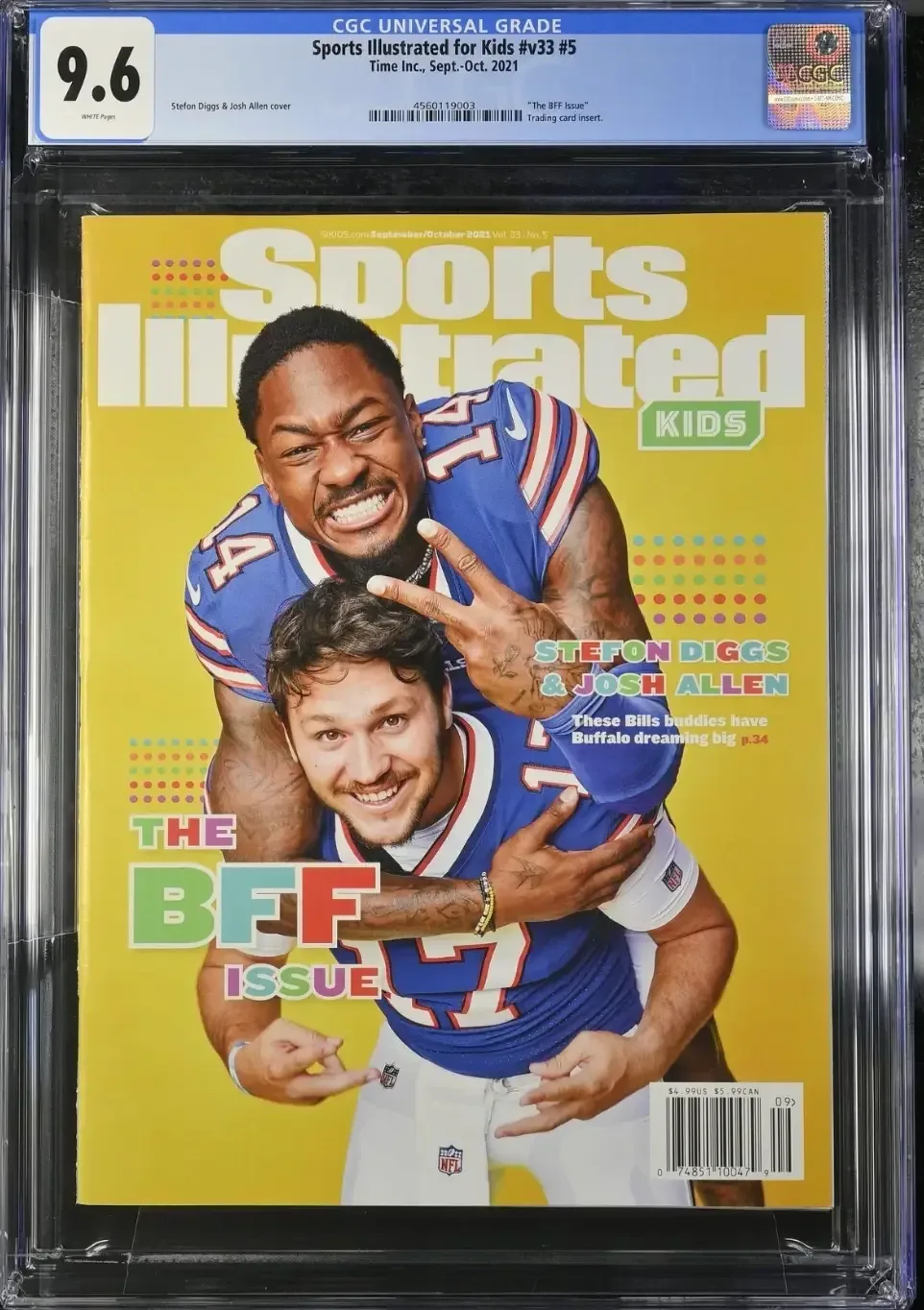
Modern titles also show just how low some counts still are. OTIA Sports for Kids has gained momentum because of nostalgia, memorable covers, and crossover appeal to card collectors. Some modern athlete issues remain certified only a handful of times, a reminder that low pops are not limited to pre-war or mid-century material.
That does not automatically make every low-pop magazine valuable. Demand still matters, and so does historical significance. But the certification data shows there are still corners of the market where collector awareness has not caught up with scarcity.
Display appeal gives magazines an edge
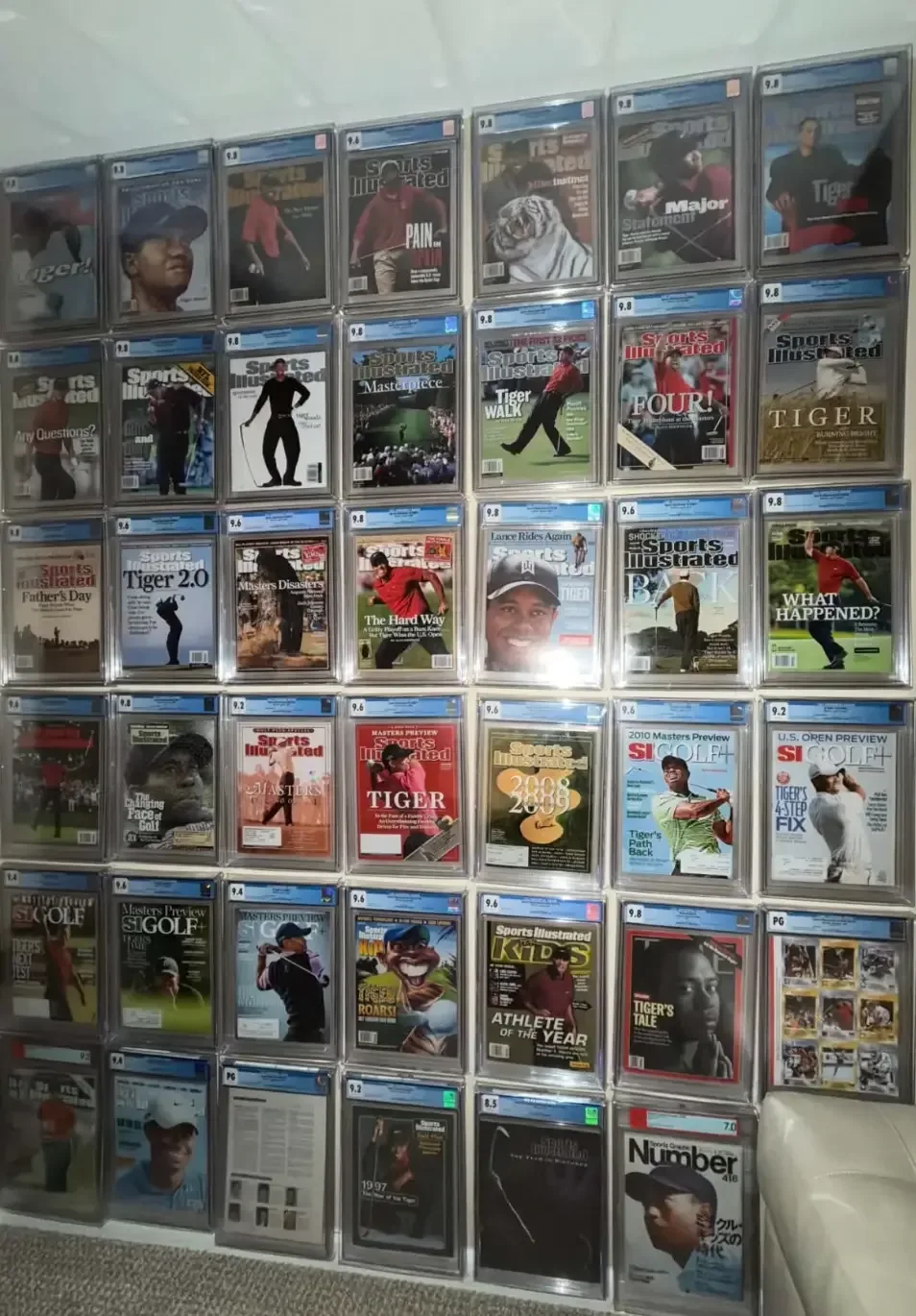
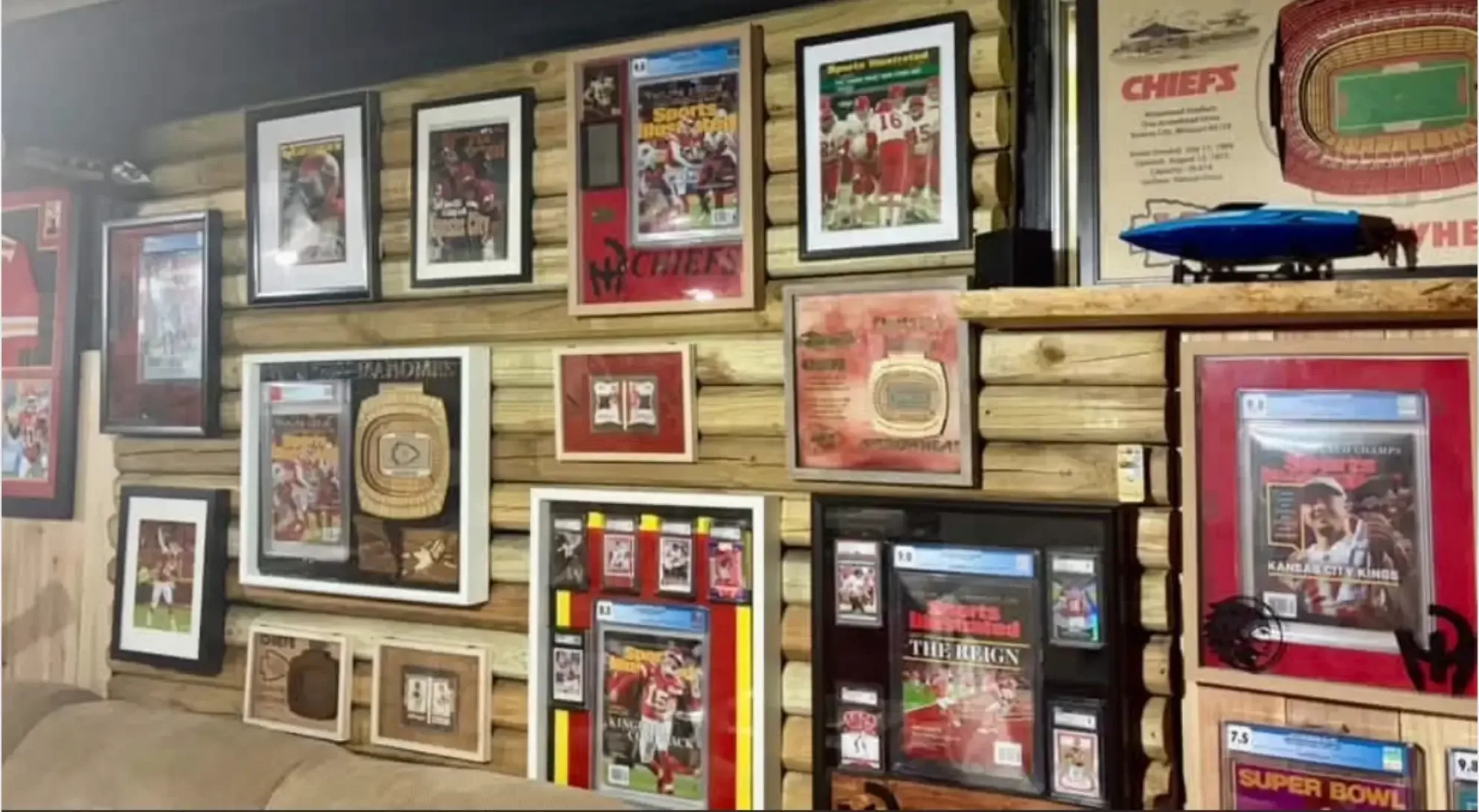
The case for magazines is not built only on sales records or population reports. Graded magazines are also standout display pieces. Their larger format lets collectors enjoy the full image, typography, and cultural context of a moment in ways that cards often cannot match.
A key cover can function like a poster, a photograph, and a historical document all at once. A famous athlete portrait paired with a memorable headline gives the item presence on a shelf or wall display. For collectors who already own key cards of the same player, a graded magazine offers a different visual experience without losing the importance of the athlete or era.
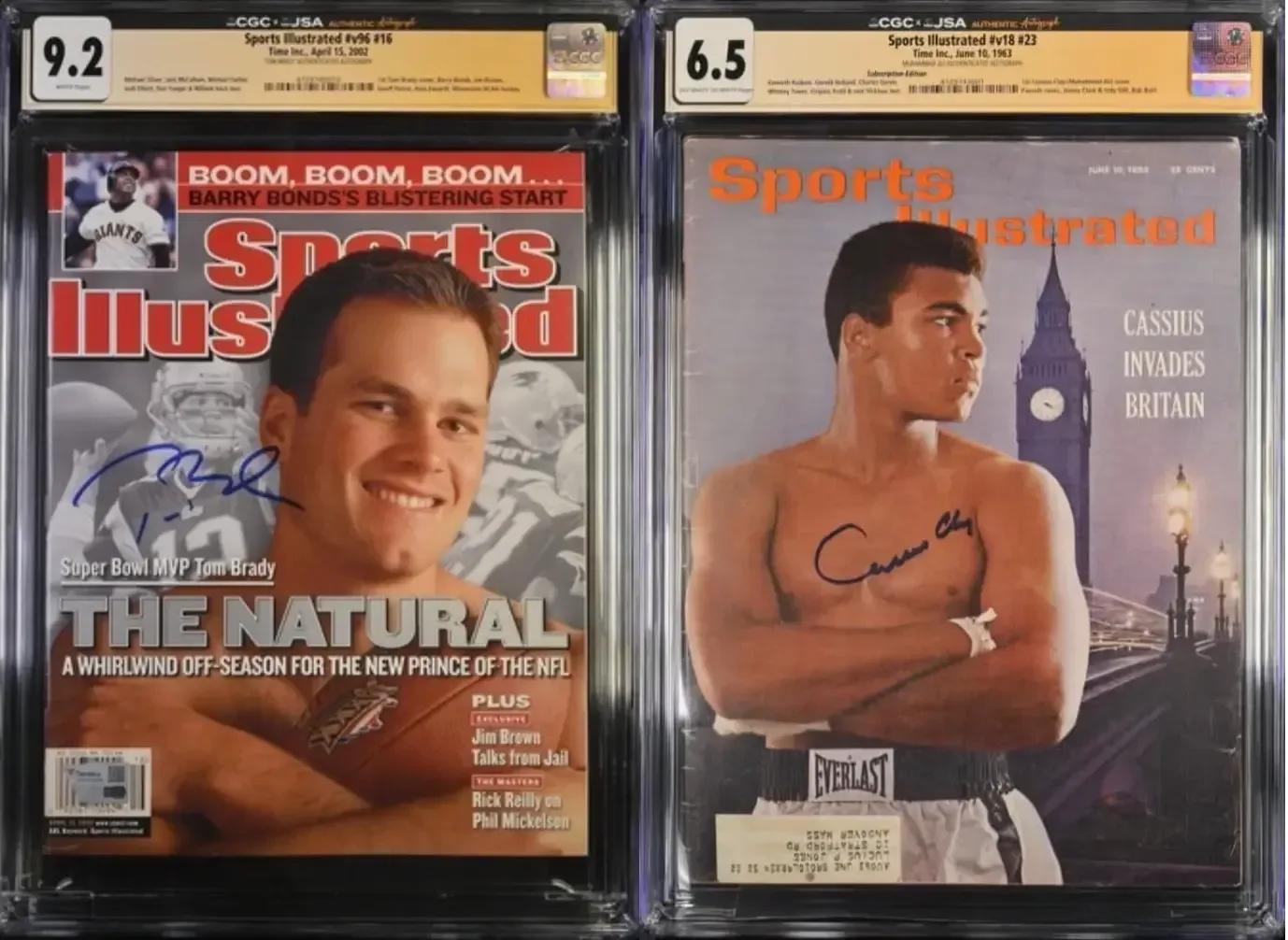
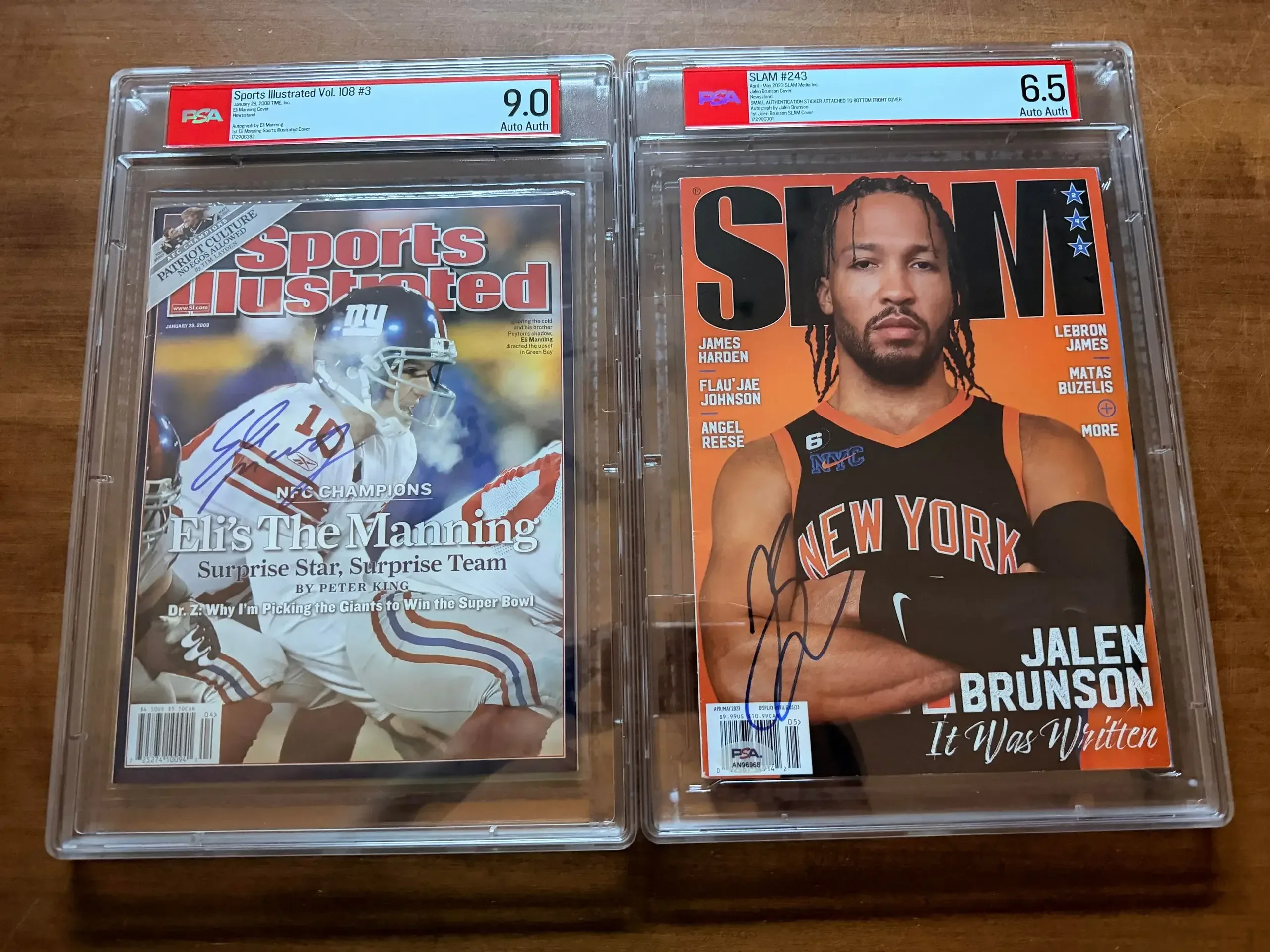
Autographed magazines add yet another dimension. The larger surface creates space for bold signatures that can become a central part of the presentation. For athletes whose most iconic images came through major magazine shoots and cover features, signed issues can deliver a stronger visual impact than many signed trading cards.
Raw copies still have a place as well. Unslabbed magazines offer something that cards generally cannot: the full reading experience. Collectors can flip through original stories, study period advertising, and see how a publication framed an athlete at the time. That historical immersion is part of the charm, especially for vintage baseball, boxing, basketball, and multi-sport titles.
Three under-the-radar issues gaining collector respect
While the hobby naturally gravitates toward the most famous covers, several overlooked issues stand out for a mix of historical relevance, scarcity, and affordability compared with marquee grails.
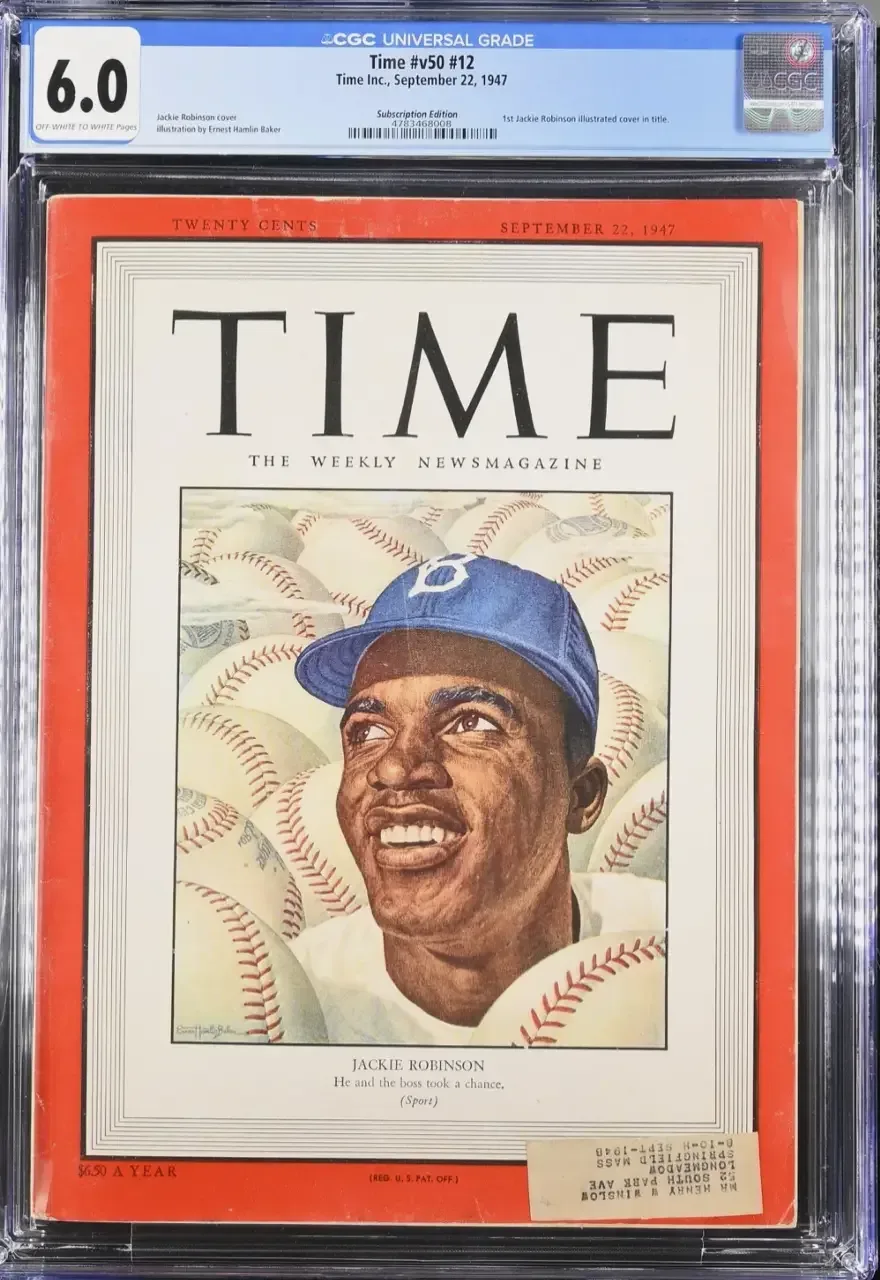
1947 Time Jackie Robinson, September 22, 1947
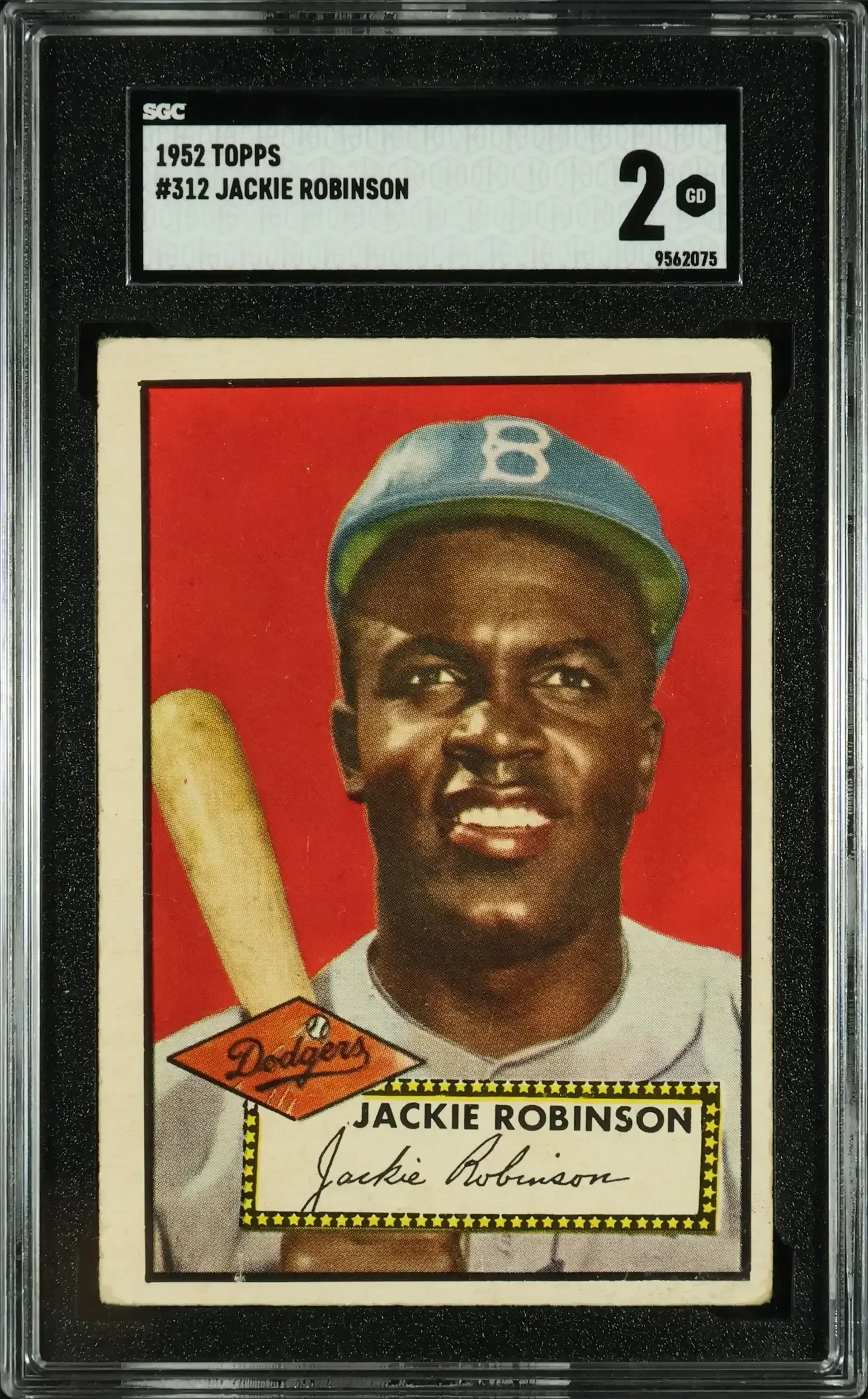
This issue dates to Robinson's barrier-breaking rookie season with the Brooklyn Dodgers and carries enormous historical significance. Population figures cited for certified examples show 43 CGC newsstand copies and 12 subscription copies, along with three PSA newsstand copies and six PSA subscription copies. A CGC 4.5 sold for $995 on September 2, 2026.
For collectors who prioritize social and sports history together, this is the kind of issue that can sit in an important niche between sports memorabilia and Americana.
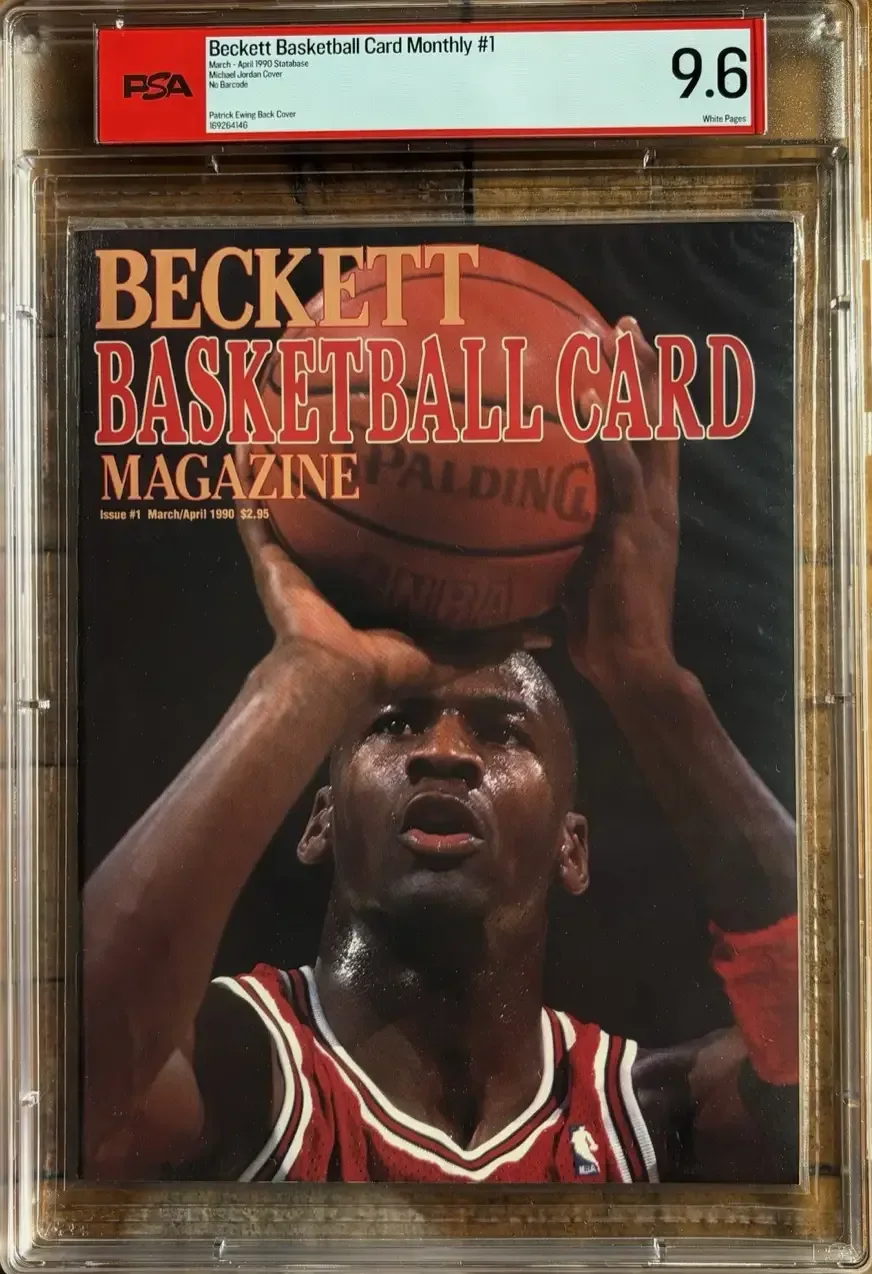
OTIA Basketball #1 Michael Jordan, March 1990
For collectors raised on the price-guide era, the debut OTIA Basketball issue featuring Jordan has a strong nostalgia case. Population data listed for the issue shows 60 CGC newsstand copies and 1,720 CGC subscription copies, plus 22 PSA newsstand examples and 355 PSA subscription copies. Recent sales include $339 for a PSA 9.6 on October 21, 2026, and $223 for a CGC 9.6 on November 2, 2026.
Unlike a one-off mainstream magazine cover, this issue taps directly into hobby memory. For many longtime collectors, OTIA was a monthly ritual, which gives the first basketball issue a built-in audience.
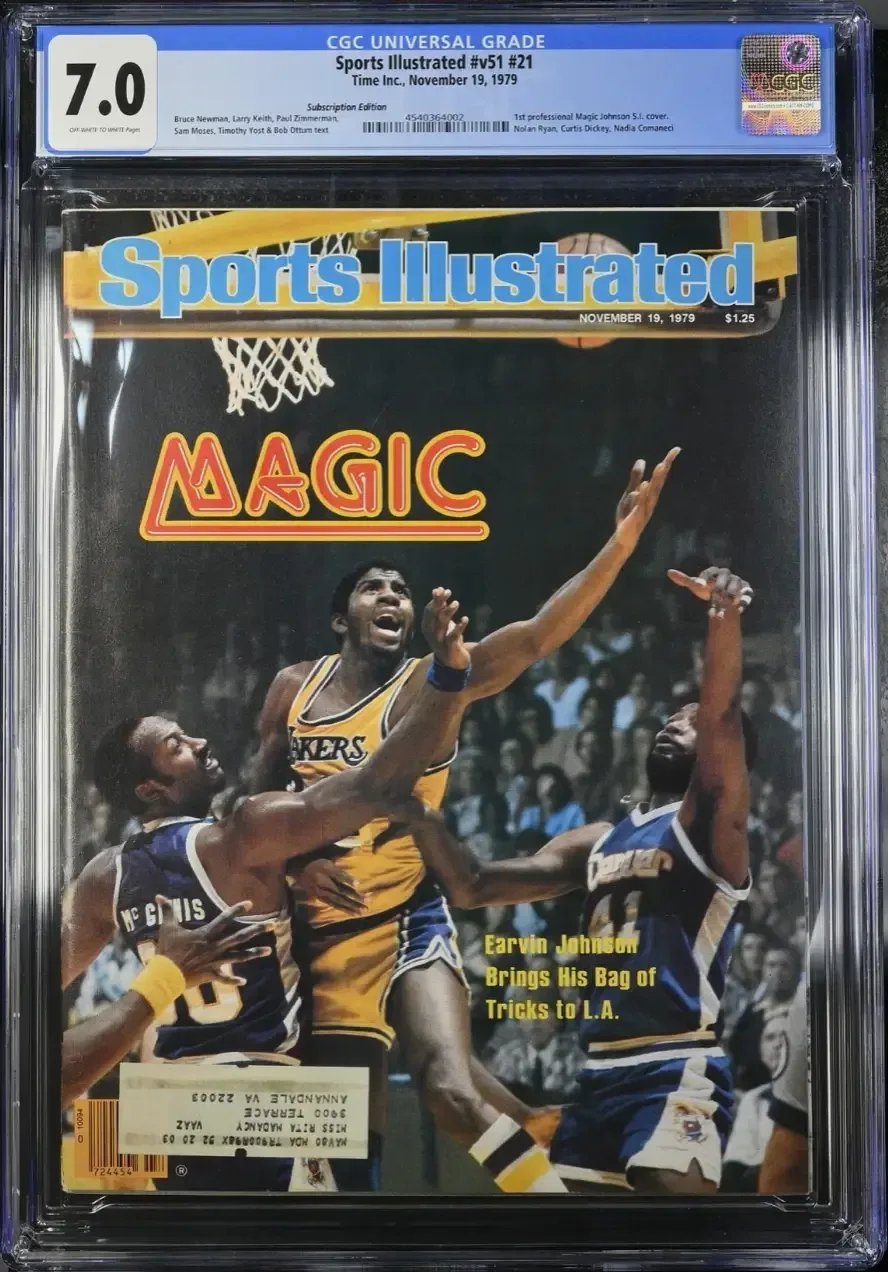
OTIA Sports, November 19, 1979, Magic Johnson first NBA cover
Magic Johnson's first NBA OTIA Sports cover remains accessible compared with the prices attached to many elite basketball cards. Recent reported sales include $150 for a CGC 7.5 on November 6, 2026, and $250 for a CGC 8.0 on September 20, 2026. Population figures listed for the issue show 21 CGC newsstand copies and 65 CGC subscription copies, plus 23 PSA newsstand copies and nine PSA subscription copies.
That total is tiny when compared with the graded population of Magic's famous 1980 Topps rookie card shared with Larry Bird and Julius Erving. For collectors who want a significant Magic item without jumping to a major card budget, this issue stands out.
An early magazine grail that rarely surfaces
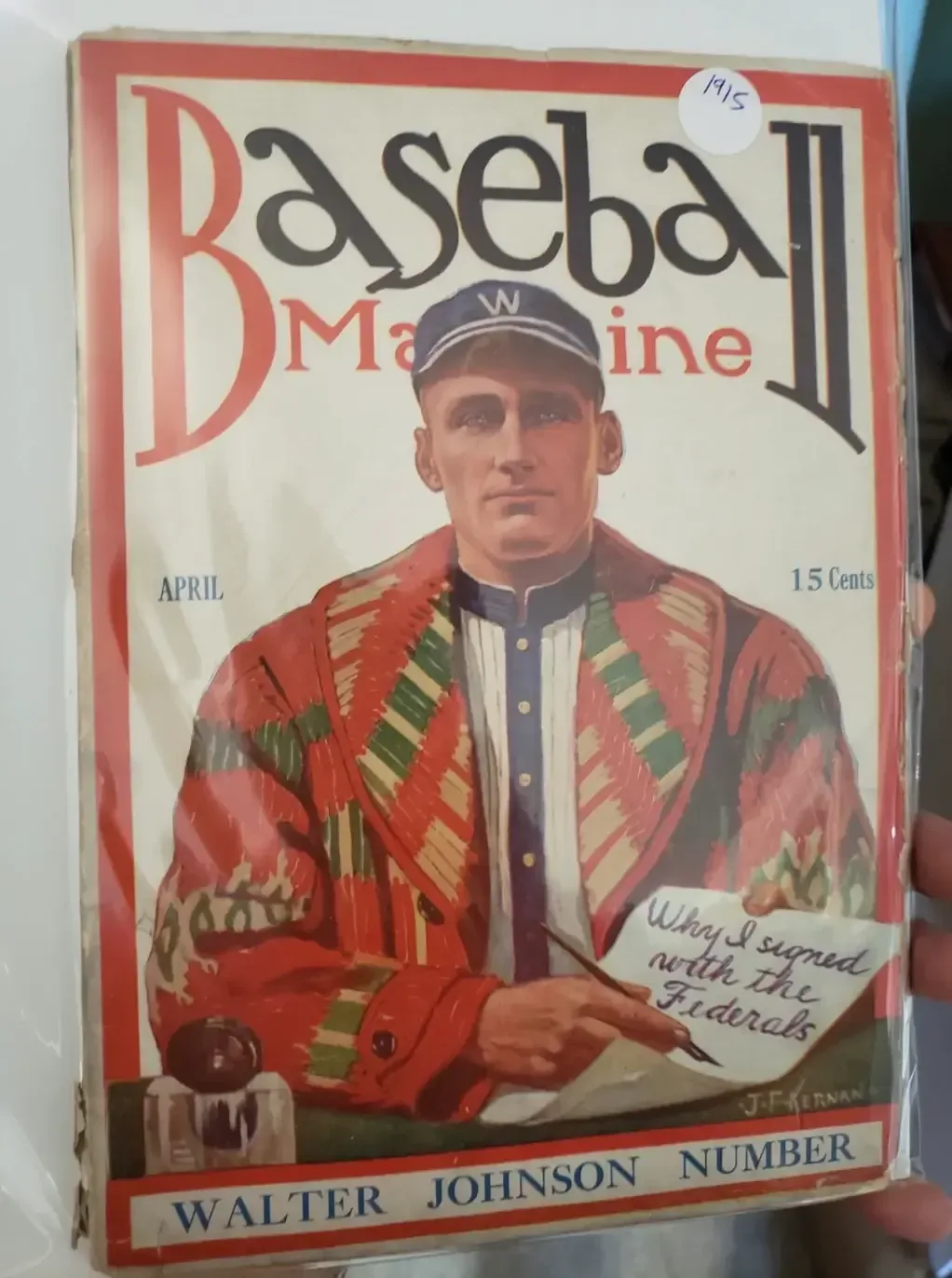
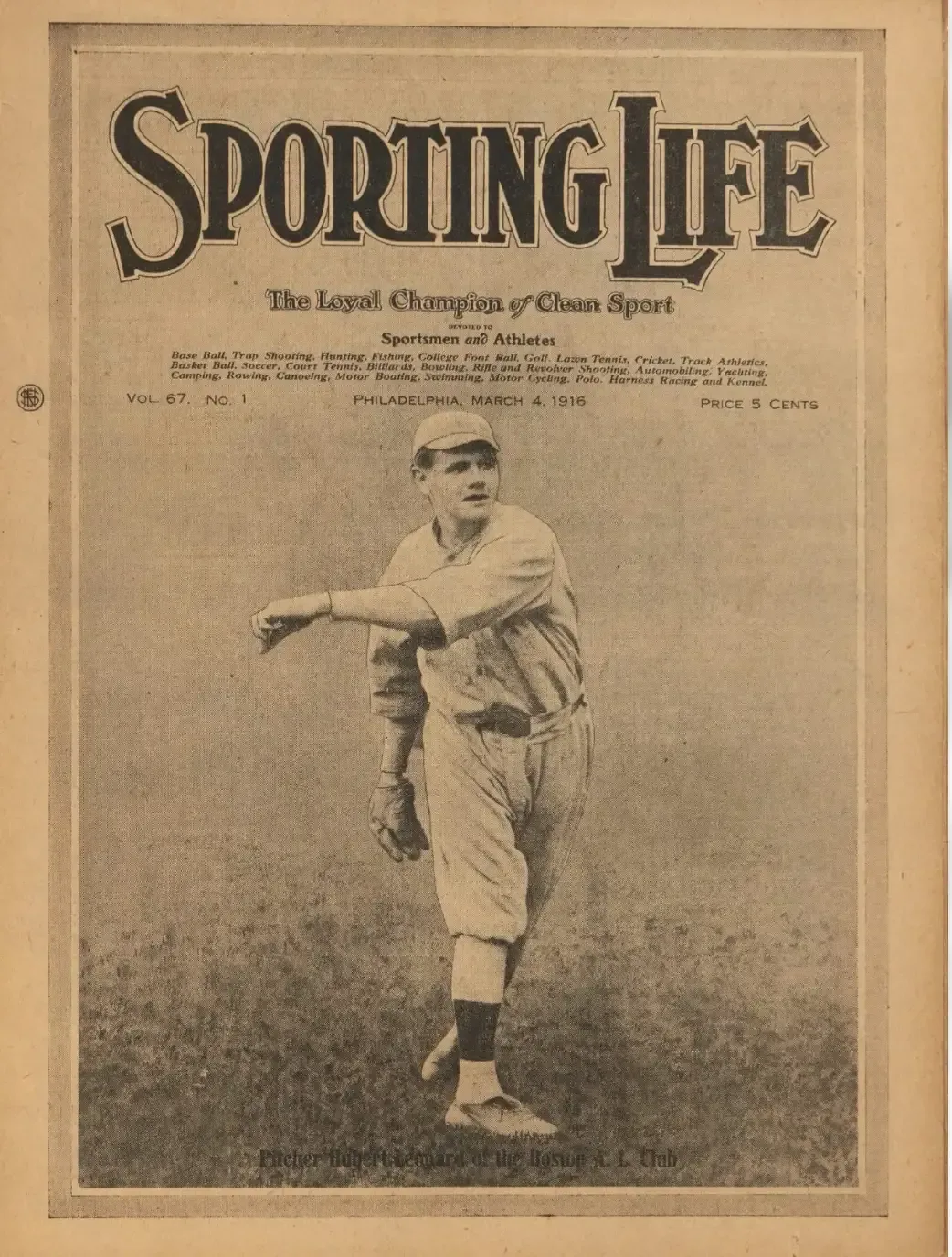
Some of the toughest magazine targets sit far outside the usual mainstream titles. One striking example is the March 4, 1916 issue of Sporting Life featuring a young Babe Ruth during his pitching days with the Boston Red Sox. The issue is especially notable because Ruth is mistakenly identified as teammate Dutch Leonard.
That kind of publication falls into true grail territory for advanced baseball collectors. It connects to Ruth before his transformation into the sport's defining home run legend and comes from an era when survival rates for paper items are naturally low. In long-term collecting circles, examples such as this are valued not only for athlete significance but also for how infrequently they appear.
Pieces like the 1916 Sporting Life issue show how broad the magazine category can be. The hobby is not limited to OTIA Sports or modern glossy covers. It stretches from early baseball periodicals to hobby magazines, from crossover publications like TIME to basketball-focused titles like SLAM.
What collectors should watch next
The graded magazine market is still developing, which creates both opportunity and risk. Record sales attract attention, but the healthiest part of the category may be the middle ground: historically important issues with low certified populations that remain affordable in collector grades. First covers, rookie-season appearances, landmark championship issues, and newsstand editions are likely to stay at the center of that demand.
Collectors entering the space should pay close attention to edition type, page quality, centering, spine wear, staples, and restoration concerns, along with the usual grading label details. As with cards, eye appeal matters. A technically lower-graded magazine with strong color, cleaner staples, and a sharp display presence may be more attractive than a higher-grade copy with distracting flaws.
There is also room for different collecting styles. Some hobbyists will pursue pristine slabbed examples of iconic covers. Others will target raw reading copies, signed issues, or niche themes such as championship seasons, hometown stars, or athlete first appearances across multiple publications. That flexibility is part of what makes the category interesting right now.
For collectors willing to look beyond traditional cardboard, sports magazines offer a mix of rarity, history, nostalgia, and presentation that is becoming harder to ignore. The combination of low populations, memorable imagery, and a still-maturing market is giving old magazines a place in the modern hobby that they never fully had before.
Photo Gallery