Start with the object, not the signature
A signed Funko Pop is not one transaction. It is a product, a signing, and possibly an authentication record bundled into one acquisition. Before bidding or buying at OTIA, identify the underlying Pop: character, box number, exclusive sticker, event or retailer designation, condition, and whether the item is current, vaulted, or part of a convention checklist.
Funko’s catalog has included standard Pop listings at posted prices such as $14.99, while its convention pages identify shared exclusives, event stickers, unique item codes, and set sizes. A 2026 San Diego Comic-Con checklist, for example, covers 20 shared collectibles; the 2026 New York Comic Con checklist covers 18. Those are product facts, not proof that an autograph is genuine or that a signed example has a particular resale value.
For additional terminology and market context, see this collector’s guide to signed Funko Pops.
Packaging verification is not autograph authentication
Inspect the box as two separate evidence systems. Funko describes packaging features such as the window, insert, UPC, exclusive stickers, unique item codes, and Octane5 verification for certain 2026 convention products. These features can help establish what the product is and where its packaging belongs. They do not authenticate ink placed on the box.
A genuine convention-exclusive Pop can carry an unauthenticated signature. Conversely, an ordinary retail Pop can carry a witnessed signature. Do not treat an event sticker, a micro-optic feature, or a matching product code as evidence that a particular person signed the item.
Read the signing terms literally
Autograph pricing varies by guest, event, item, and package. FAN EXPO Dallas published a Joe Quesada example with $30 for one autograph, $50 for one CGC/CBCS-witnessed autograph, $99 for a four-autograph package, and $149 for the witnessed version. The page states that applicable fees and taxes are extra. The packages also include non-autograph benefits, so their full totals should not be divided into assumed per-signature rates.
Admission and autograph access may be separate. A FAN EXPO policy example says one autograph ticket covers one signature and that event admission is separately required; selfies are not included. Other conventions use different systems. WonderCon’s Autograph Area guidelines state that participants may not charge there, while high-demand signings can use random drawings. San Diego Comic-Con describes a mixed structure involving coordinator-managed paid signings, free signing requirements in specified circumstances, and ticket or wristband drawings. Treat every rule as event- and year-specific.
Witnessed, authenticated, graded: three different records
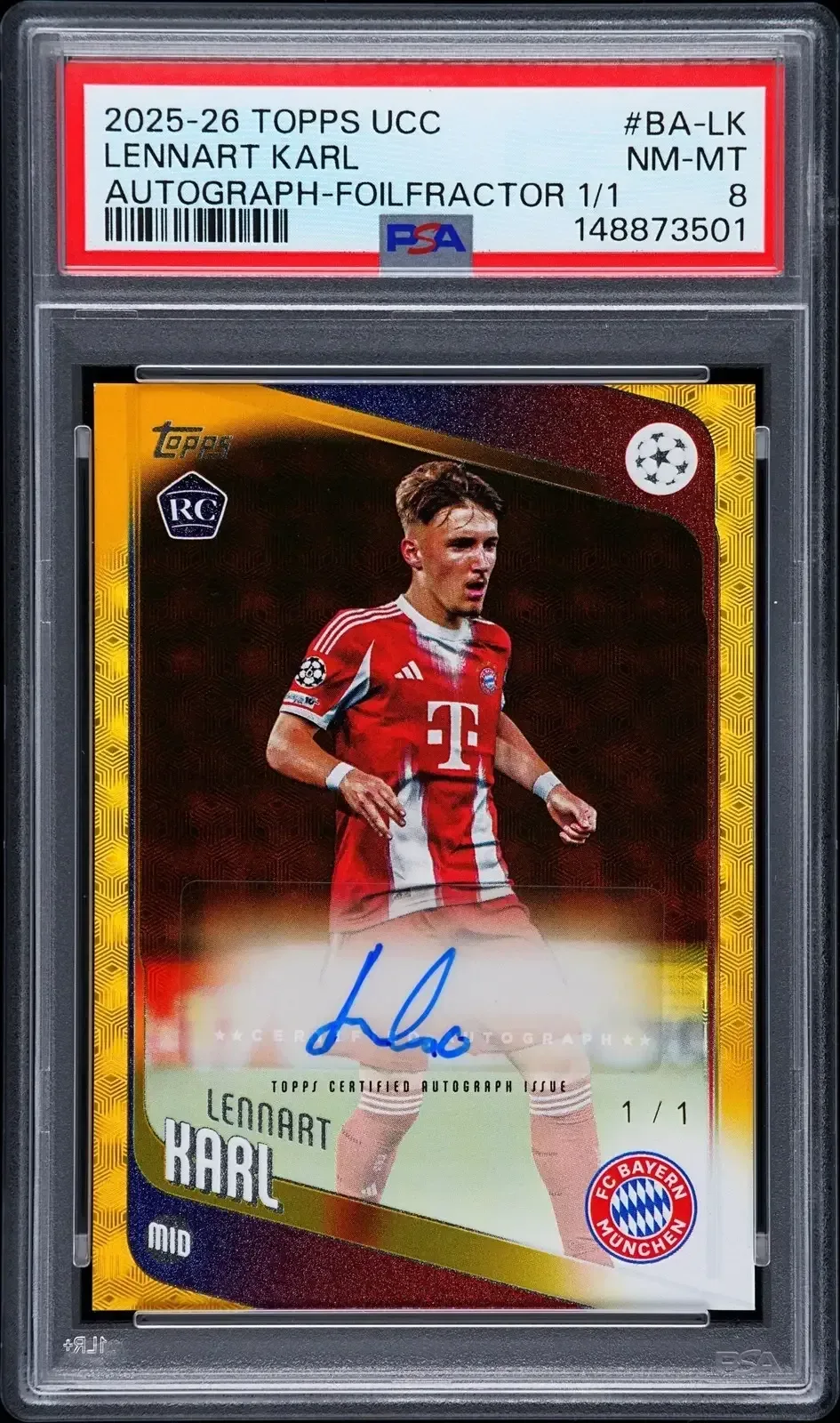
A witnessed signing documents that an authorized representative observed the signature being made. Beckett’s Witness Certification program, for example, describes representative presence, a tamper-evident sticker, and a database record. That answers an evidence question about the signing event.
Post-signing authentication is different. PSA/DNA evaluates a completed autograph under a signer-specific pricing schedule. PSA also lists possible upgrades such as premium-letter review, autograph grading, declared-value charges, and shipping considerations. CGC’s JSA service information likewise separates authentication, grading, and encapsulation, and its displayed tiers do not automatically establish eligibility for every Funko Pop format.
Do not call a witnessed item “authenticated” unless a separate service has actually performed that service. Do not call a slab “graded” when it only contains an authentication result. Neither route guarantees a resale premium.
Build the cost stack before deciding
Use this formula for the lot worksheet: Pop purchase, autograph fee, witness or authentication fee, grading or encapsulation, admission, taxes and service fees, shipping and insurance, local transport, lodging, food, and protection or storage. Mark each line as posted, calculated, or unknown.
One controlled example is a hypothetical Elena Park buying a $14.99 current Pop and the $50 CGC/CBCS-witnessed Joe Quesada option. The calculated subtotal is $64.99 before applicable fees and taxes. It is a witnessed-signing model only. It does not include post-signing authentication, grading, encapsulation, admission, travel, or shipping.
If Elena later wants PSA authentication, the correct ledger entry is not an invented flat amount. It should record the signer tier, number of signatures, desired service, declared value, holder, destination, and return shipping. Until those inputs are verified, the authentication line remains conditional.
Admission can outweigh the Pop
Regional comparisons need dates. NYCC’s posted 2026 all-in daily prices were $103.98 Thursday, $109.42 Friday, $114.86 Saturday, and $109.42 Sunday, with autographs and photo opportunities additional. NYCC also used random reservations for Funko exclusives and selected private autographing; selection did not guarantee an award.
SDCC’s posted 2027 adult prices were $67 for Sunday, $88 for Thursday through Saturday, and $67 for Preview Night, plus a $15 handling fee per member. Preview Night was not a standalone purchase. A one-member Sunday badge therefore calculates to $82 before other expenses. Thursday through Sunday plus Preview Night calculates to $413, including the handling fee. ECCC’s posted 2027 prices included fees and Washington’s 5% sales tax, with a four-day price of $166.94. These figures are dated admission examples, not complete trip budgets.
Inspect the lot and document the decision
At OTIA, photograph the front, back, top, bottom, side panels, stickers, item codes, signature, inscription, certificate, witness sticker, and any encapsulation label. Record visible box wear, window separation, crushed corners, marker bleed, signature placement, and whether the autograph crosses a seam or glossy surface. Compare the signer’s name, item description, certification number, and date across every document.
For a hypothetical lot labeled “Marcus Bell—signed animation Pop,” the ledger should state exactly what is present: product identity, seller’s description, stated signer, signing venue if documented, autograph fee if known, witness status, authentication company, certification number, purchase total, and date inspected. Separate seller claims from verified records. If the lot lacks a named authentication service, treat the signature as unauthenticated rather than filling the gap with a generic certificate claim.
The strongest purchase record is not the most enthusiastic one. It is the one that preserves what the object is, what each fee purchased, which evidence was supplied, and which uncertainties remained when the decision was made.