Start with the specific retail object
A boxed retro game is not defined by its title alone. Identify the platform, region, publisher, product code, release or revision information, and package format before judging completeness. A Japanese Famicom release, a North American NES release, and a later reissue may share a title while representing different physical products. Nintendo’s historical material explicitly warns that release dates, prices, specifications, and other details can differ by market.
“CIB” is a marketplace description, not a universal factory specification. The contents associated with a CIB listing must be verified title by title, including platform, region, production variant, bundle status, and the seller’s stated condition. Treat the label as a starting point for inspection rather than proof that every expected component is present.
Record the exterior before opening the lot
Photograph the front, back, spine, top, bottom, flap, labels, and any seals before moving the contents. Note whether the package is a cardboard box, sleeve, longbox, jewel case, or later plastic case. Record printed language, ratings marks, copyright lines, barcode, product number, country-of-origin wording, price stickers, distributor information, and visible revision markings.
Inspect for crushed corners, split seams, detached flaps, fading, water staining, tape residue, sticker removal, writing, and replacement artwork. A ruler or other scale is useful when documenting dents or tears. If the seller describes a copy as first production, Rev-A, or a particular regional variant, ask what physical evidence supports that description. A hangtab, sticker, or missing country-of-origin statement may be relevant to one documented object without establishing a universal production rule.
Inventory contents separately
Lay out the components and create a simple inventory with the headings present, absent, uncertain, reproduction suspected, and not applicable. Depending on the documented edition, possible categories may include the game, box, manual, map, registration card, catalog, poster, warranty document, tray, protective insert, disc, cover art, or second disc. These are conditional inspection categories, not a standard contents list for every release.
Use the relevant manual, package scan, manufacturer documentation, or identified lot description to establish what belongs with a particular edition. Nintendo’s current manual repository demonstrates that product documentation can be preserved separately from a physical package; it does not prove that a specific historical release included every document now associated with the title.
Compare paper items with the package rather than judging them in isolation. Check language, product code, ratings information, print quality, paper stock, fold pattern, and wear. An authentic manual can still belong to another region or revision. Promotional publications such as Nintendo Power and regional Nintendo newsletters show that game-related print material circulated through different channels. Their existence does not prove that a particular issue or advertisement was packed inside every retail box.
Examine the game and its relationship to the package
For a cartridge, photograph the front and rear labels, edge, shell, screws, and connector area without opening it unless permission and circumstances make that appropriate. For an optical disc, record the label, inner-ring markings, number of discs, case configuration, and visible surface condition. Matching title names on a cartridge, box, and manual establish a coherent presentation, but they do not independently prove that those pieces left the factory together.
Optical-disc packages need their own edition-specific assessment. Nintendo identifies GameCube as its first Nintendo system to use optical discs instead of cartridges for its games, but disc-era packaging still varied by title, region, bundle, and production. A case, tray, insert, memory-card notice, manual, or second-disc holder should be counted only when the applicable product documentation or lot description establishes its relevance.
Separate observations from seller claims
Make an acquisition record before deciding. Divide it into four sections: the seller’s claims, your direct observations, unanswered questions, and substitutions or restoration concerns. Translate “complete” into testable statements: original box appears present; manual is included; map is present; registration card is absent; region matches; authenticity has not been independently established.
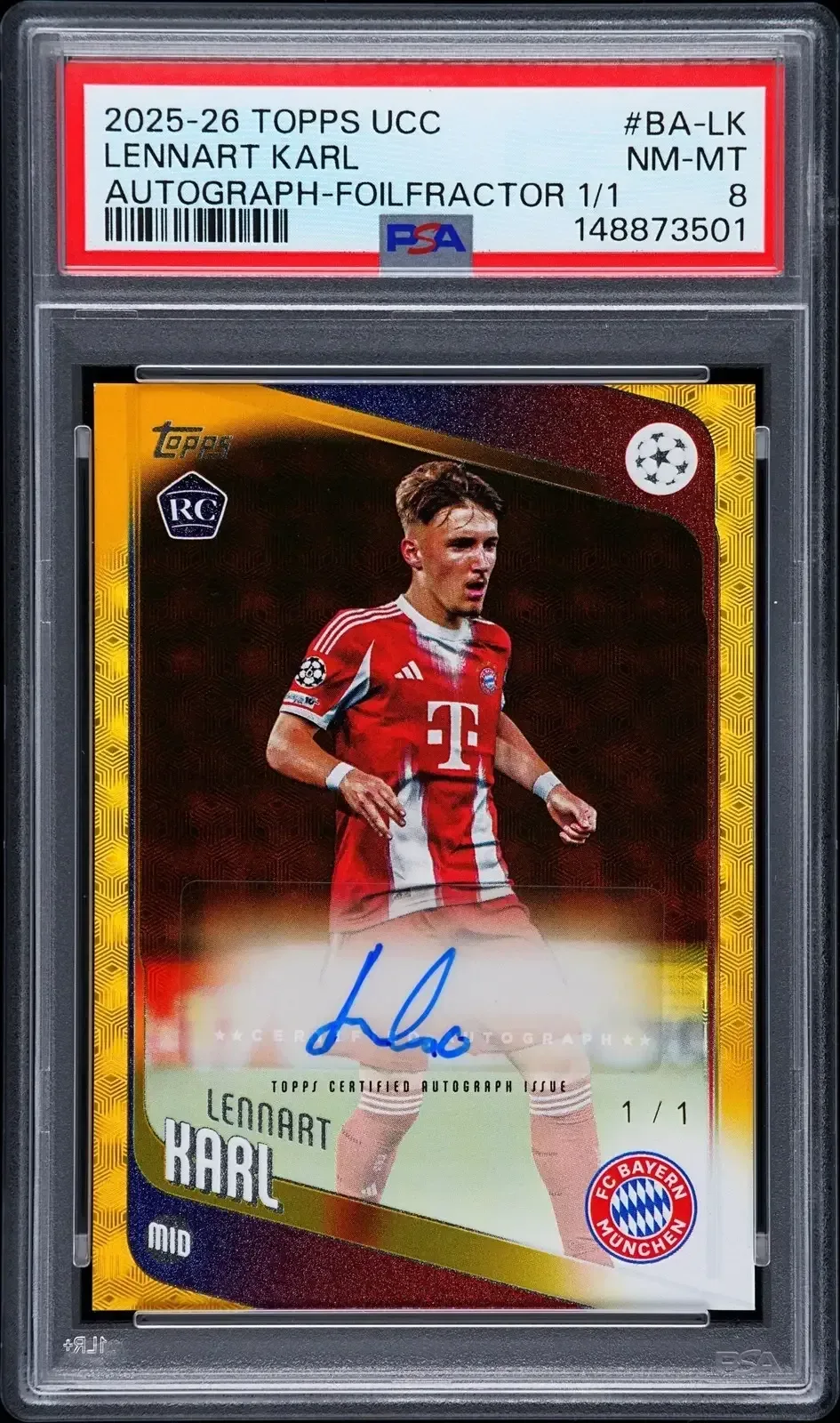
For graded material, record the grading company, grade, certification number, and exact wording on the holder. “CIB” on a label describes that particular graded object; it is not a universal definition of what every copy of the game should contain. Save listing photographs, correspondence, the final invoice or receipt, and your own inspection images. Use filenames containing the title, platform, region, seller, and date so the evidence can be retrieved later.
Read completed sales at lot level
A completed sale can document how one physical configuration was described and what one buyer paid under particular auction conditions. Record the auction house, auction number, lot number, sale date, title, platform, region, condition designation, grade, production notes, and price basis. Keep sealed, graded CIB, ungraded CIB, cart-only, bundle, and promotional results in separate groups.
Heritage’s auction 312628 provides a useful example of the required precision. Lot 67021, Wrecking Crew for NES, was identified as Wata 8.0 CIB and realized $600. Lot 67020, Trojan for NES, was identified as PSA 9.4 CIB and realized $1,093.75. The displayed figures were realized prices including the applicable 25% buyer’s premium, not hammer bids. They are documented outcomes for two graded CIB objects, not an average, price floor, or prediction for an ungraded copy.
For a broader explanation of physical-edition terminology and component identification, consult this guide to what boxed retro-game editions include, then return to the lot-level evidence in front of you.
Finish with an auditable conclusion
End your notes with four plain statements: what is confirmed, what is likely, what is missing, and what remains unknown. A boxed game can be historically important and enjoyable without every uncertainty being resolved. The disciplined collector does not treat a marketplace label, a matching set of components, or a completed sale as more evidence than it actually provides.