PSA has released a major update after a shipment of cards being returned to collectors was stolen in transit, publishing a complete list of the 6,451 missing items and outlining how affected customers will be compensated while the search continues.
The update provides the clearest picture yet of the scope of the theft. It also gives collectors, dealers, marketplaces, and auction houses specific tools to identify any item that may surface for sale, including PSA certification numbers and serial numbers for serialized cards.
For impacted submitters, the news is significant on two fronts. First, law enforcement involvement remains active, with both local and federal authorities investigating. Second, PSA says customers will not have to wait for that investigation to end before the claims and payment process moves forward.
What PSA released in the latest update
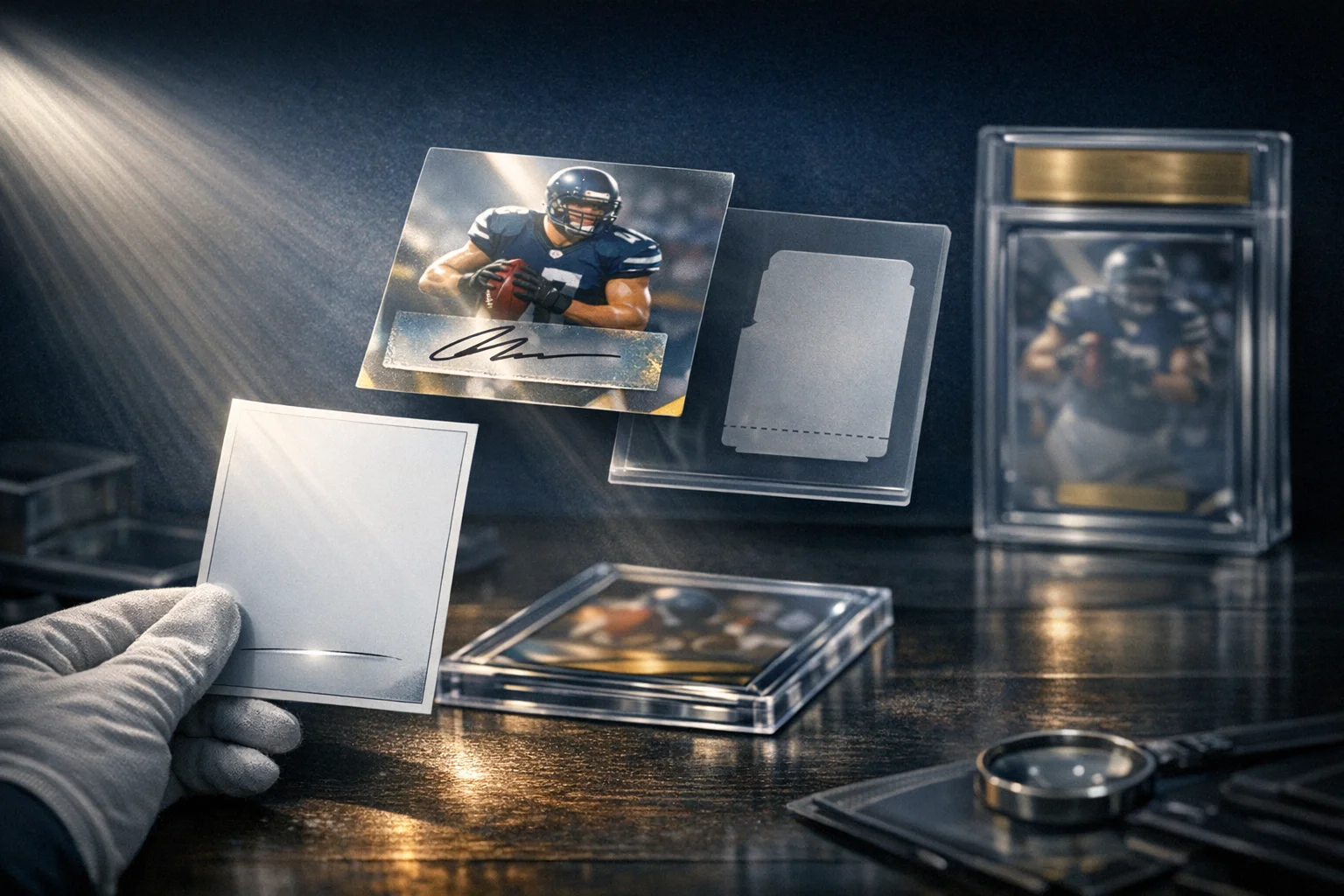
The centerpiece of the update is the publication of a full inventory of the stolen cards and collectibles. PSA says the list includes all 6,451 stolen items, along with the identification details needed to track them in the secondary market.
For more collector background, read PSA Deactivates Stolen Slabs After FedEx Truck Theft Hits Collectors for More Than $100,000.
That means collectors now have a reference point if they are concerned about a specific submission, and buyers have a way to verify whether a card might be connected to the theft before making a purchase.
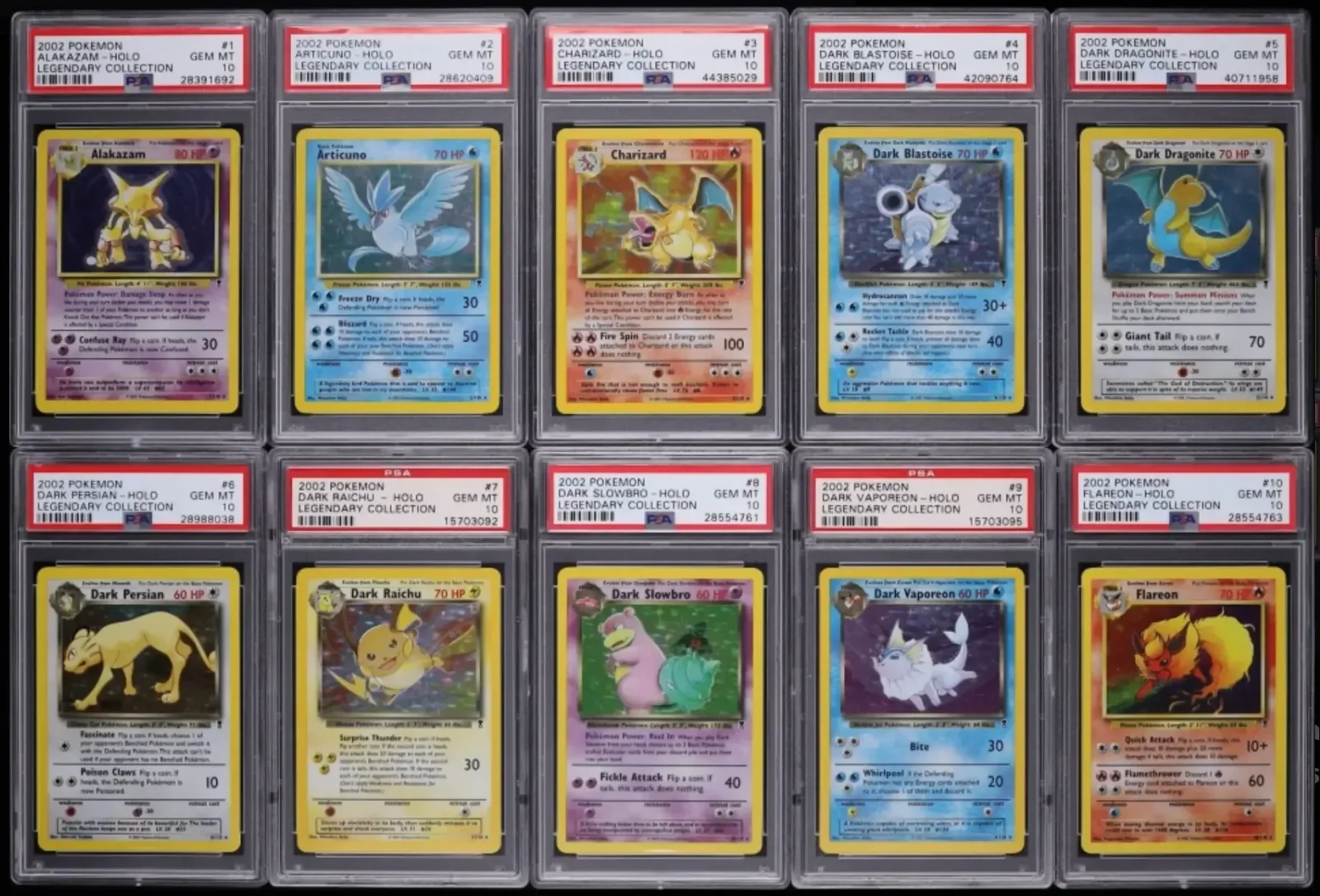
PSA also stated that it has deactivated the certification numbers tied to every stolen graded item. In practical terms, that creates an immediate red flag if one of those certs appears in the marketplace. The company has also shared the full list with marketplace sellers, auction houses, and digital commerce platforms so those businesses can actively monitor listings and help stop stolen material from circulating unnoticed.
This step matters because high-end cards and even mid-range slabs can move quickly through online marketplaces, private sales, and hobby events. By circulating a complete item-level list and disabling certs, PSA is attempting to limit the ability of bad actors to sell the stolen inventory as if nothing happened.
For another perspective on this story, read PSA Publishes 6,451 Stolen-Item Records, Deactivates Certifications and Starts Compensation.
Investigation involves Santa Ana Police and the FBI
PSA says the theft is being investigated by both the Santa Ana Police Department and the FBI. The company has indicated that it is working closely with law enforcement and providing support as the case develops.
Among the materials already turned over are video footage, shipment manifests, and item-level records. PSA also says investigators have been briefed in person at its facility and that contact with law enforcement is continuing on a daily basis.
That level of detail suggests the case is being treated as a serious and active investigation rather than a routine shipping loss. With thousands of individually identified collectibles involved, the paper trail and documentation may become central to any recovery effort.
Collectors who believe they may have information relevant to the theft are being directed to contact the FBI. In a case of this scale, community awareness can be important, especially if identifiable slabs or serialized cards begin appearing in unusual sales channels.
Why publishing the item list matters to the hobby
Rumors spread quickly when a theft involves graded cards, especially when a large shipment is involved. By publishing the complete list, PSA is trying to replace speculation with documented facts.
For the hobby, transparency is critical for several reasons:
- Collectors can confirm whether their own cards were part of the stolen shipment.
- Buyers can screen suspicious listings against known stolen cert numbers.
- Dealers and show organizers can watch for flagged cards entering circulation.
- Auction houses and marketplaces have direct item data to support takedowns or holds.
- Serialized cards can be matched not only by slab information but also by their unique print-run numbering.
This kind of visibility is especially important in a market where cards can change hands across multiple platforms in a short window. Even if a slab is cracked, serial-numbered cards and detailed submission records can still help connect an item back to the theft.
How compensation will work for affected customers
One of the biggest questions after any incident like this is whether collectors will be left waiting while insurers, carriers, and investigators sort through responsibility. PSA says that will not be the case here.
The company has begun contacting affected customers and has already refunded all grading fees tied to impacted orders. PSA says those fee refunds are separate from compensation for the stolen items and will not reduce what customers may receive for the actual cards.
For customers whose orders shipped on a PSA return label, PSA says its insurance applies and the compensation process can begin immediately. Payments are already being issued in some cases.
For customers who used their own return label, PSA says it will work directly with them on their orders. And for submissions made through a dealer, customers are being told to contact that dealer regarding next steps on the order.
How PSA says card values will be determined
Valuation is often the most contested part of any claim involving sports cards, particularly when rare items have limited sales history or when market prices have moved significantly. PSA says compensation will be based on fair market value, up to each card's declared Maximum Insured Value, or MIV, for customers who used return shipping and insurance under PSA's process.
To determine that fair market value, PSA says it uses multiple forms of public market information, including:
- Comparable sales
- Realized auction prices
- Assigned grade
- Population reports
- Other relevant market data
For rarer items with few recent sales, PSA says it broadens the review to include older comparables and wider market trends. The company also says it shares those valuations and the supporting information directly with customers while working toward a resolution.
That detail is important because many collectors with premium submissions will want to know exactly how values are being established, especially for low-pop cards, vintage material, or modern serial-numbered cards with infrequent public sales.
Accepting compensation does not end recovery efforts
One notable part of the update is PSA's position on what happens if stolen items are found after a customer has already been paid.
The company says recovery efforts will continue regardless of whether the owner has accepted compensation. If an item is recovered in the future, the customer will be given a choice: keep the compensation already received or take the card back.
That point matters because many collectors have sentimental attachments to specific cards or built submissions around long-term personal collections rather than pure resale value. While a fair market payout may resolve the financial side of the loss, some collectors would still prefer to recover the original item if possible.
What collectors should watch next
The next stage of this story will likely unfold on two tracks at once. On one side is the investigation, with law enforcement working through shipment records, video, and item data. On the other is the hobby's own monitoring process, as marketplaces, dealers, auction houses, and collectors keep watch for any of the listed cards turning up for sale.
Collectors with potentially impacted orders should review communications from PSA carefully and keep submission records, declared values, and any related shipping details organized. Anyone buying slabs in the near term should also take an extra moment to verify certification numbers, especially if a listing seems rushed, underpriced, or vague about provenance.
With a full list now public and cert numbers deactivated, the hobby has a much stronger framework for identifying these missing items if they reappear. For affected customers, the immediate focus now shifts to claim resolution, while the broader market watches to see whether any of the 6,451 stolen cards can be traced and recovered.