Early-season quarterback injuries are already creating movement in the NFL card market, and for collectors, that usually means one thing: pricing inefficiencies start to appear. When a young quarterback gets sidelined, panic selling can drag values lower in the short term, even if the long-term outlook has not changed much.
That does not automatically make every dip a buying opportunity. Some injuries create a clean entry point. Others signal that patience is the better play. In a market driven by weekly performance, injury timelines, team context, and expected return dates all matter just as much as raw talent.
Three names stand out right now as collectors try to decide whether to buy, hold, or stay patient: Jaxson Dart, Caleb Williams, and Jayden Daniels. Each case looks different, and the market reaction has not been uniform.
Why quarterback injuries can reshape the hobby quickly
Quarterbacks carry an outsized share of the modern football card market. They command the biggest rookie card premiums, attract the most speculative money, and often see the fastest value swings when news breaks. A strong Sunday can lift prices within hours. An injury update can reverse that momentum just as fast.
For more collector background, read NFL Rookie Card Market Watch After Week 4: Carnell Tate Surges as Quarterback Hype Stalls.
For collectors looking for value, these pullbacks can be useful, but only when they are viewed in context. A small dip on a player expected back soon can disappear quickly if he returns and produces. A larger dip on a player facing a lost season may still have room to fall if interest dries up during the offseason.
That is why timing matters. Buying too early can leave collectors catching a falling knife. Waiting too long can mean missing the best entry point once optimism returns.
Jaxson Dart looks more like a hold than a buy
Jaxson Dart's market has slipped 5.71% over the last two weeks, but that decline may not be finished. With Dart out for the year, his cards are now dealing with one of the hardest market setups a young quarterback can face: no immediate path to rebuilding momentum on the field.
For another perspective on this story, read Injured NFL Quarterbacks Put Card Collectors at a Decision Point.
That kind of injury absence usually changes the rhythm of a player's market. Instead of reacting to game-by-game results, buyers shift into a longer-term evaluation mode. Some collectors will use the drop as a reason to take a shot, but others will likely wait for a deeper discount once attention moves elsewhere during the season.
For current holders, selling into weakness is rarely ideal unless there is a pressing reason to exit. The sharper issue is whether this is the right time to start buying. At the moment, the better answer appears to be no. Even with long-term upside still in place, there is little near-term catalyst to force a rebound.
That leaves Dart in a fairly straightforward category: hold if you already own him, but waiting for further softness makes more sense than buying aggressively today. The market often drifts lower on injured young quarterbacks when collectors know there will not be a quick return to headline-generating performances.
Collectors who still believe in Dart's talent may eventually get a better entry point later in the season or during a quieter portion of the offseason. That is often when patience pays off most on players with a future-oriented hobby case.
Caleb Williams is trending toward a wait-and-see buy window
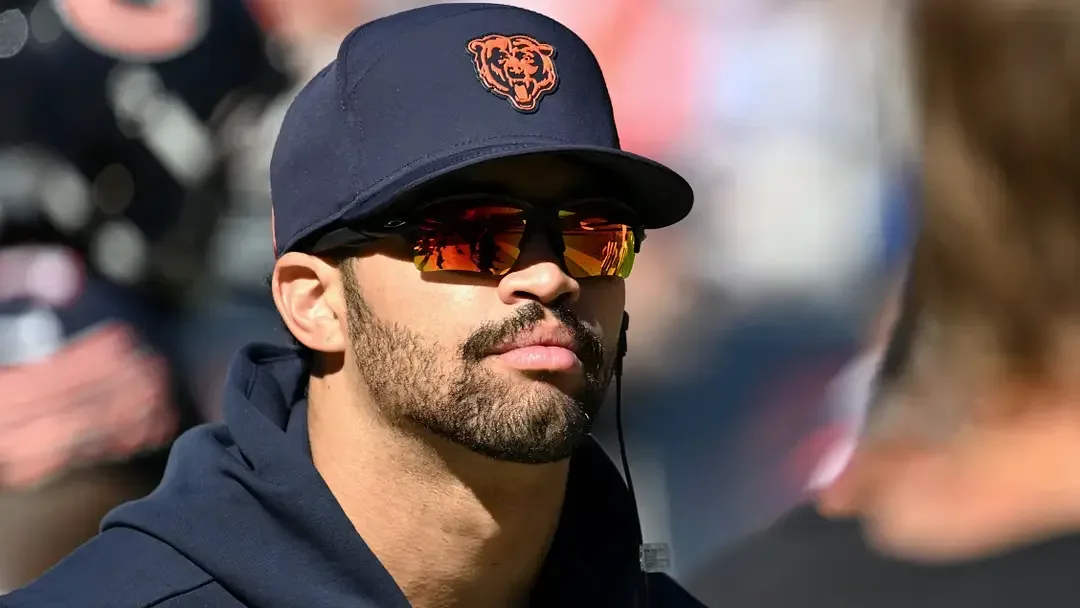
Caleb Williams has seen his market fall 5.09% over the last two weeks, and the timing of any purchase may come down to how long his absence lasts. He has already been ruled out for Week 5, and the current outlook suggests his timeline could stretch at least another couple of weeks.
That uncertainty matters. When a star young quarterback has a short-term injury but remains central to his team's long-range offensive plans, the hobby usually treats the dip as temporary. The only real question is when the lowest point hits. In Williams' case, that floor may not have arrived yet.
There is still a strong long-term hobby foundation here. Williams entered the season with premium demand, and the Bears remain one of the league's most watched teams. If he returns to a productive offense and starts stacking numbers again, prices can recover quickly. Quarterback markets do not need months to bounce back when collectors believe the ceiling is still intact.
There is also the statistical upside that keeps Williams attractive. If Chicago gets him back on the field and the offense opens up, his cards should benefit from the kind of week-to-week production that drives modern quarterback demand. Wins help. Big passing totals help. National attention helps even more.
For that reason, Williams does not look like a player to avoid. He looks more like a player to time carefully. If a card you have been targeting shows up at a favorable number now, there is a reasonable case for acting. But for collectors without a specific target, waiting a bit longer may offer a cleaner buying window if his timeline extends and the market softens again.
The key difference between Williams and Dart is that Williams still has a plausible in-season rebound path. That gives buyers a reason to stay engaged, even if the best move right now is selective patience rather than an all-in approach.
Jayden Daniels may be the strongest current buy
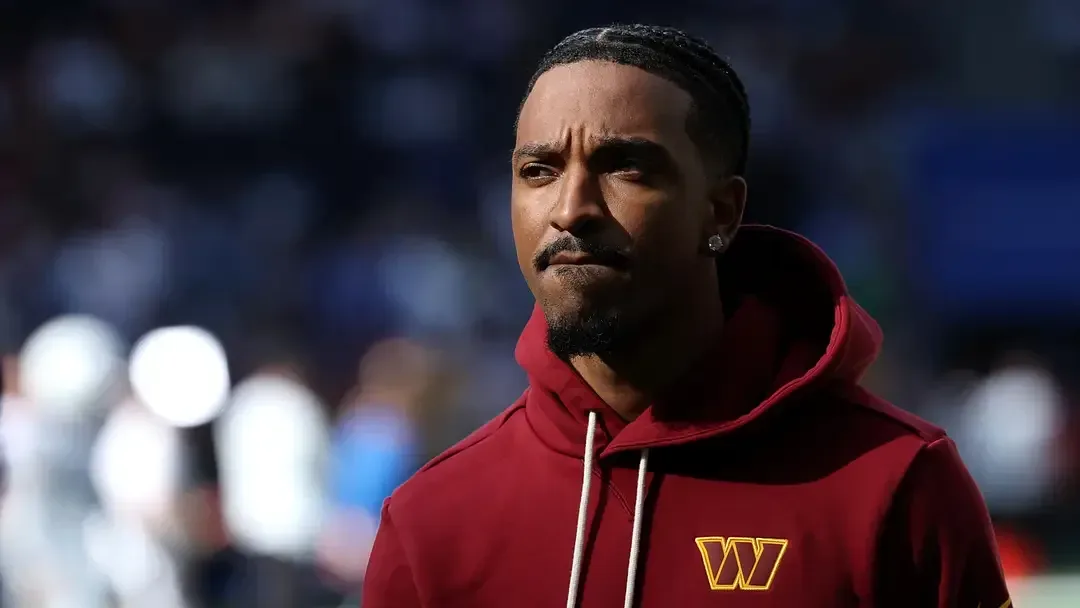
Jayden Daniels has dropped 6.33% over the last month, but among the injured quarterbacks in this group, he stands out as the most compelling active buying opportunity. Unlike a player dealing with a season-ending absence, Daniels still appears to have a realistic chance to return soon, and that compresses the discount window.
The appeal here is simple. Before the injury, Daniels had already shown the type of playmaking ability that can carry both a team and a card market. Dual-threat quarterbacks with star flashes tend to regain hobby momentum quickly because collectors are constantly looking for the next breakout stretch. Daniels has already shown enough to keep that belief alive.
There are still legitimate concerns around his environment. Washington's offensive line remains a point of concern, and the supporting cast is not so overwhelming that it erases risk. But from a card market perspective, those issues may already be baked into the current pricing more than they were before the injury.
The biggest factor is timing. Daniels' market has already started to rebound over the last week, which suggests some buyers are moving before an official return creates a stronger run-up. That is often how these windows close. The best values appear when injury uncertainty is highest, and once the market senses a return is near, prices begin climbing before the player actually steps back on the field.
If Daniels does return this weekend, the buying opportunity could tighten fast. A favorable matchup would only add to the possibility of an immediate spark. In that scenario, collectors waiting for perfect clarity may find that the discount has already narrowed.
Among the three quarterbacks here, Daniels looks like the one where present uncertainty and near-term upside are most attractive together. That makes him the clearest buy of the group right now.
How collectors can approach these dips strategically
Injury-related drops can tempt collectors into making broad decisions too quickly, but quarterback markets usually reward a more targeted approach. Rather than buying every dip, it makes more sense to separate players by catalyst strength.
For a player with no near-term return, like Dart, the focus should be preservation and patience. Holders can wait for sentiment to stabilize, and prospective buyers can monitor whether the market keeps drifting lower.
For a player with high-end long-term appeal but an unclear short-term timeline, like Williams, selective buying can work, especially on cards that rarely surface. Still, waiting for a slightly better entry may be the sharper move if the absence stretches longer than expected.
For a player with visible talent and a potentially short runway back to action, like Daniels, buying before full confidence returns can be the sweet spot. That does not eliminate risk, but it is often where the strongest upside relative to price appears.
Collectors should also keep card type in mind. Ultra-premium rookie autos, low-numbered parallels, and key flagship rookies do not always behave the same way during injury dips. The best cards tend to recover first once momentum shifts, while less essential issues can stay soft longer. That can make quality just as important as timing.
Where the market stands right now
The early injury wave at quarterback has not created one universal hobby answer. It has created three different lanes. Jaxson Dart looks like a hold while the market searches for a bottom. Caleb Williams looks like a wait-for-the-right-moment target with long-term strength still intact. Jayden Daniels looks like the most actionable buy if collectors want exposure before a possible return closes the window.
As the season moves forward, these markets will keep reacting to injury reports, return dates, and on-field production. For now, the best opportunities are not just about who is down the most. They are about which quarterback still has the clearest path to turning a temporary dip back into hobby momentum.
Photo Gallery