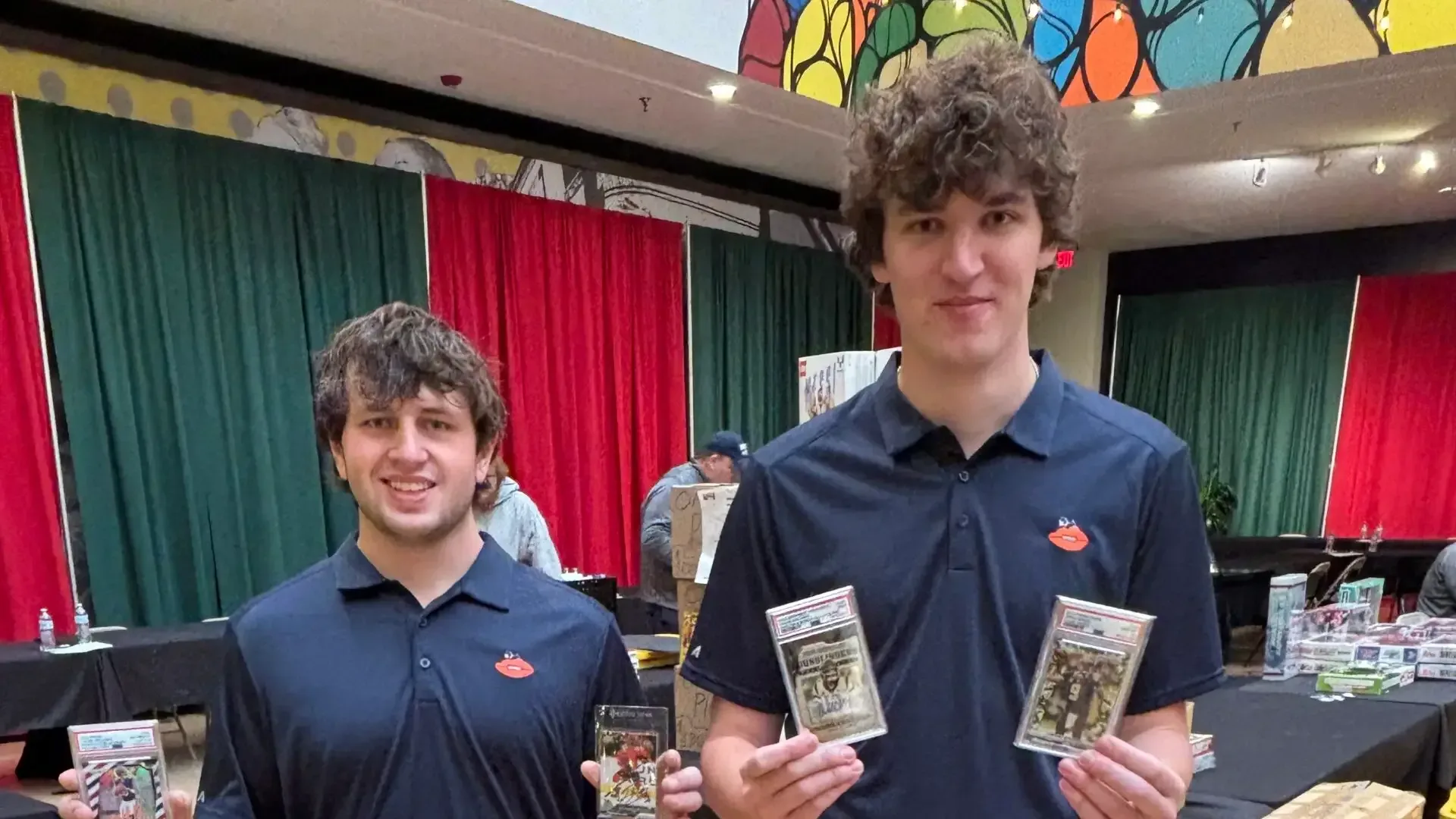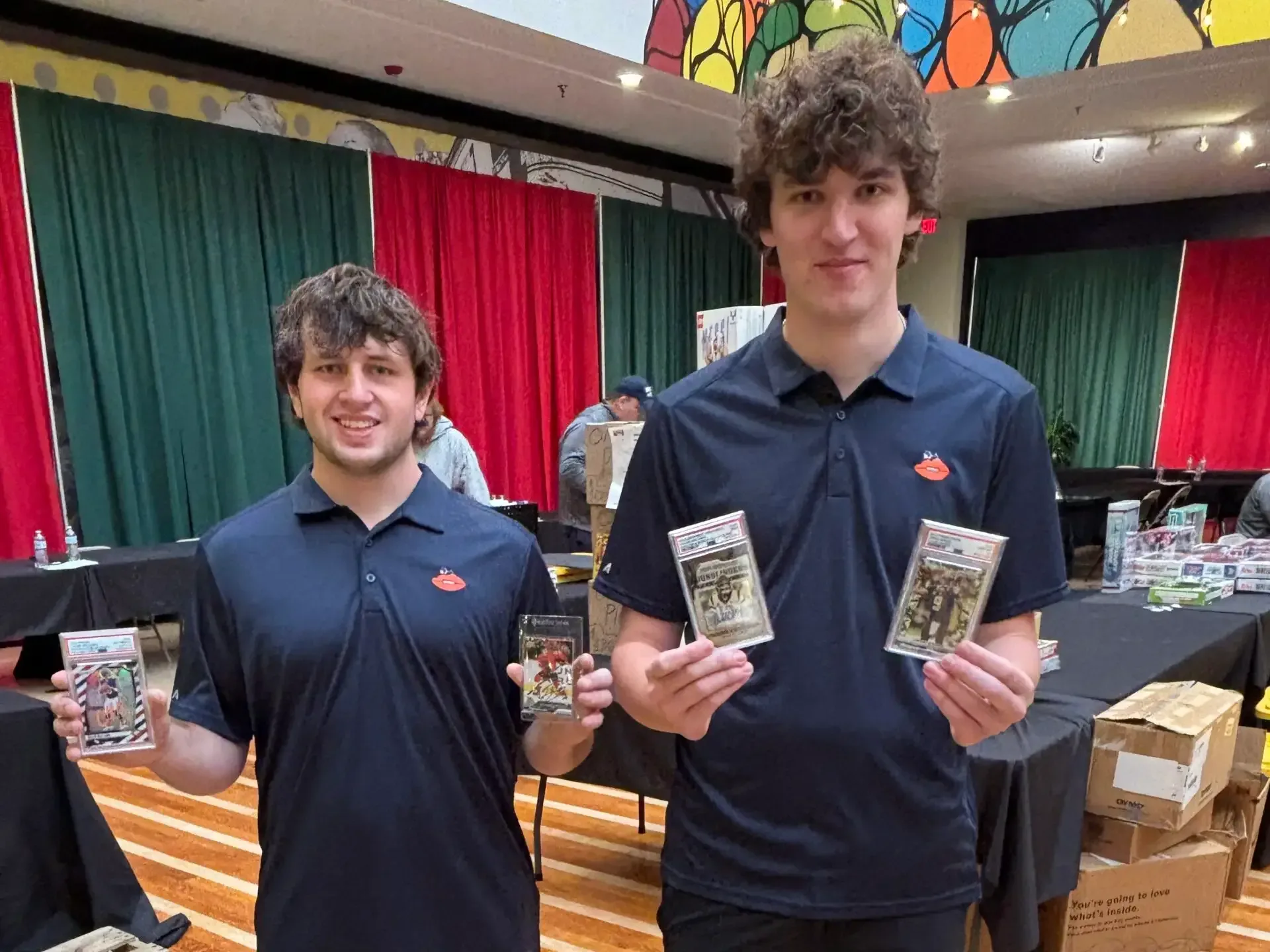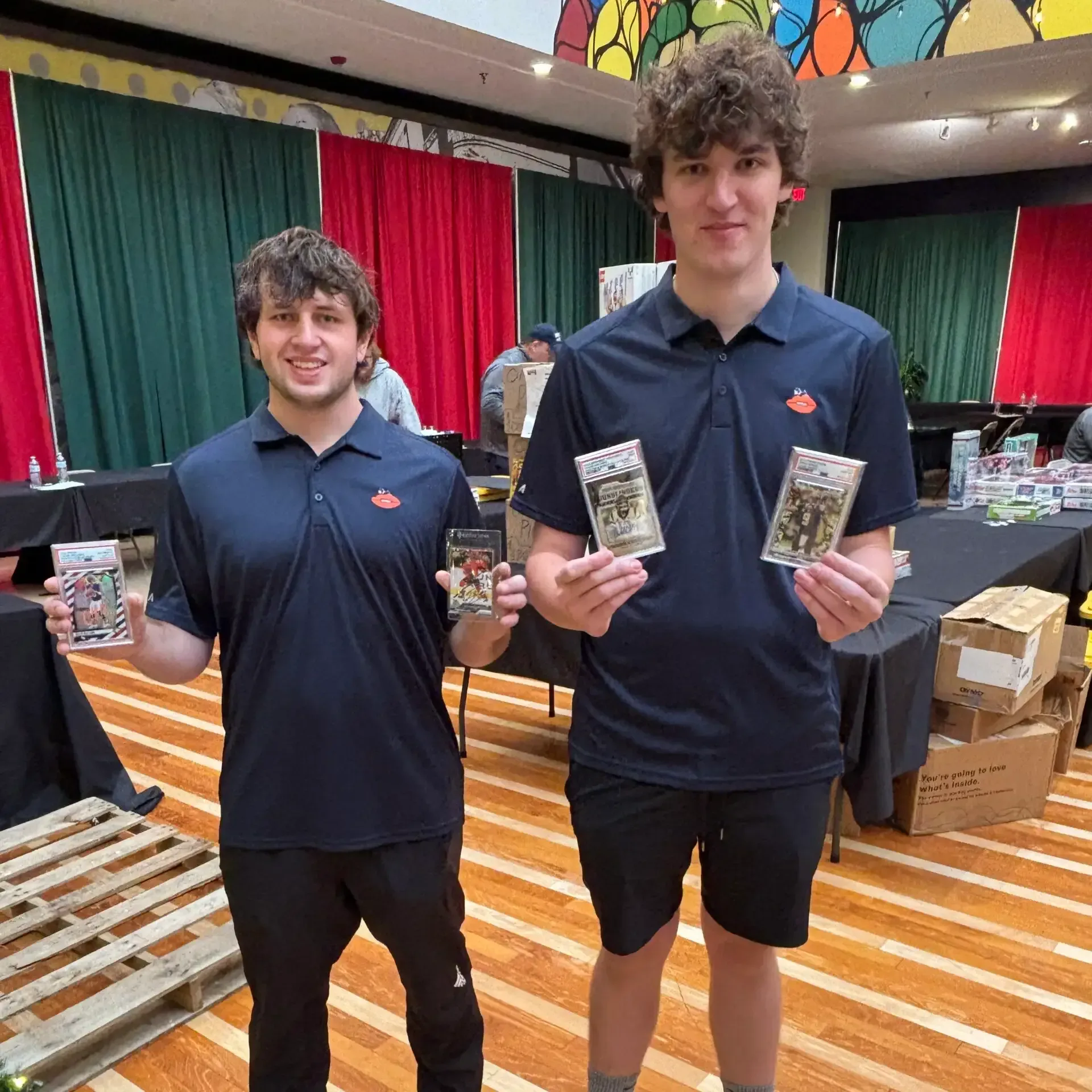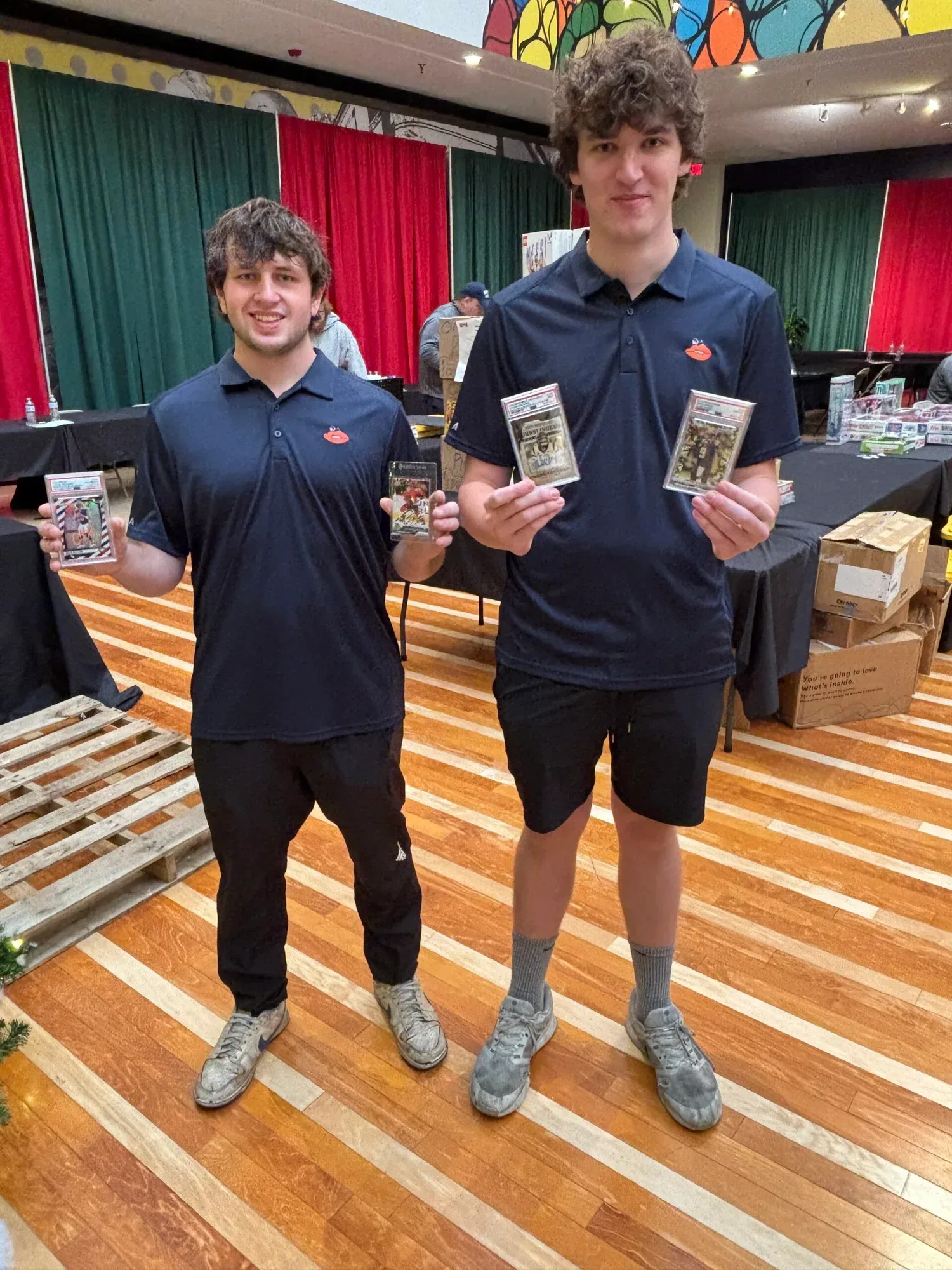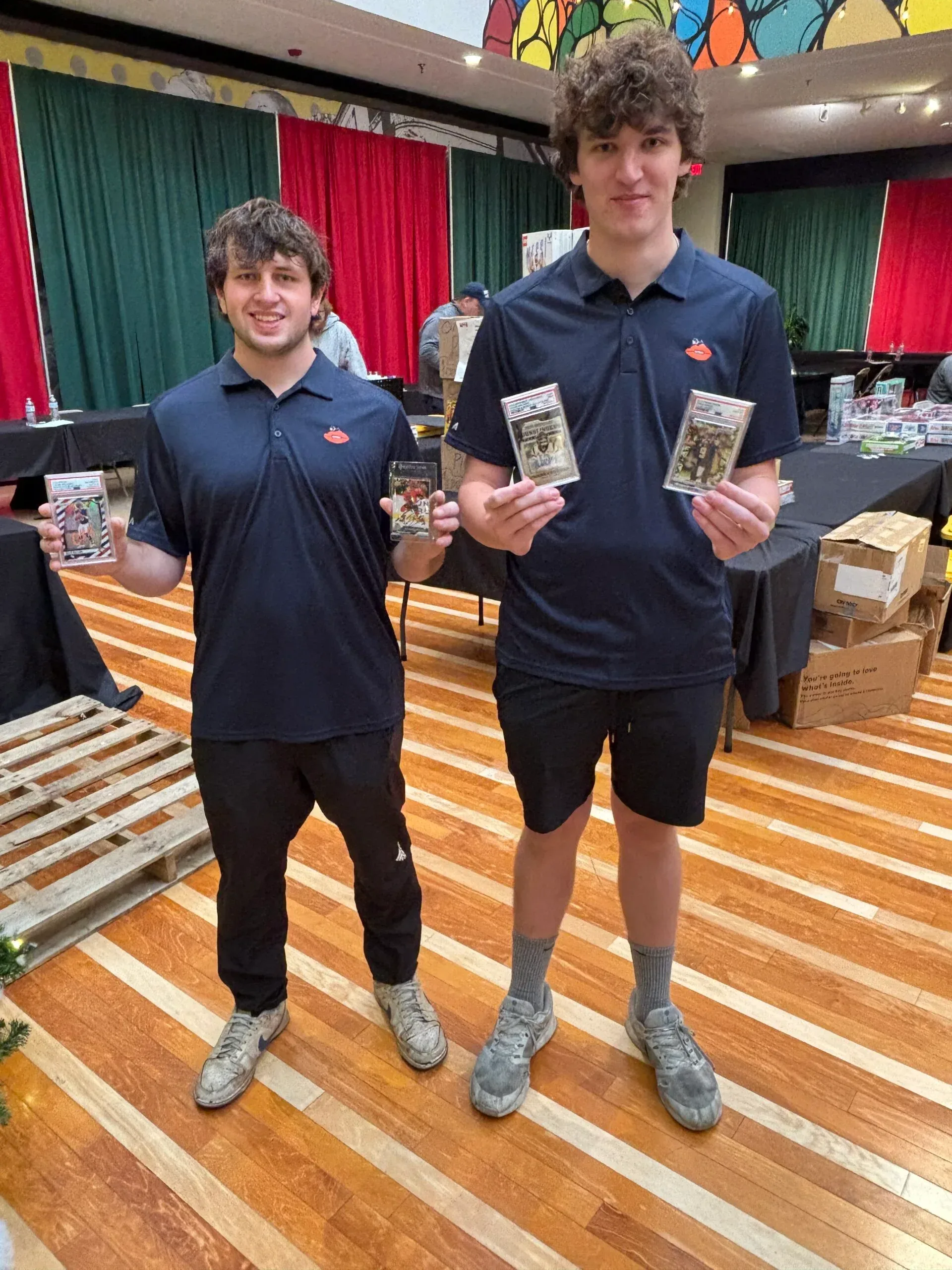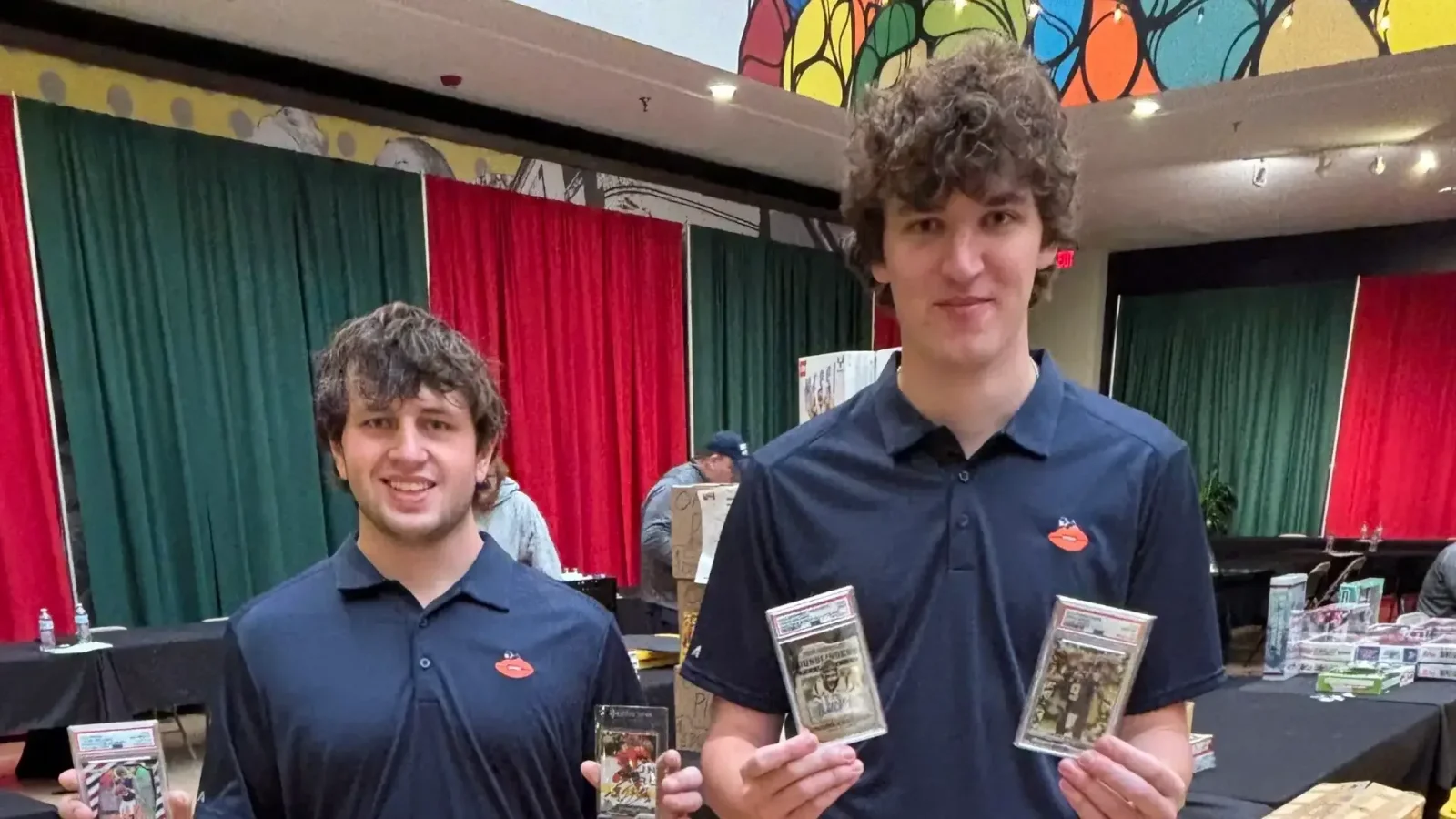
Two Illinois State University students are proving that a sports card hobby can become much more than a side interest. Andrew Baker and Tyler Thorby, both juniors and roommates at ISU, have spent the past two years building BGE Cards into a growing card show business that now reaches central Illinois and the Chicago suburbs.
What started with a shared interest in collecting has grown into a weekend operation that serves dealers, collectors, and trading card game fans across multiple markets. With more events already lined up and bigger venue ambitions for 2027, BGE Cards has quickly become one of the more notable young show-promoting operations in Illinois.
How BGE Cards Got Started
Baker and Thorby met before their freshman year through an Illinois State roommate connection platform. After getting to know each other, they realized they had more in common than college housing. Both had collected from a young age and were drawn toward sports cards after earlier interests in other collectibles.
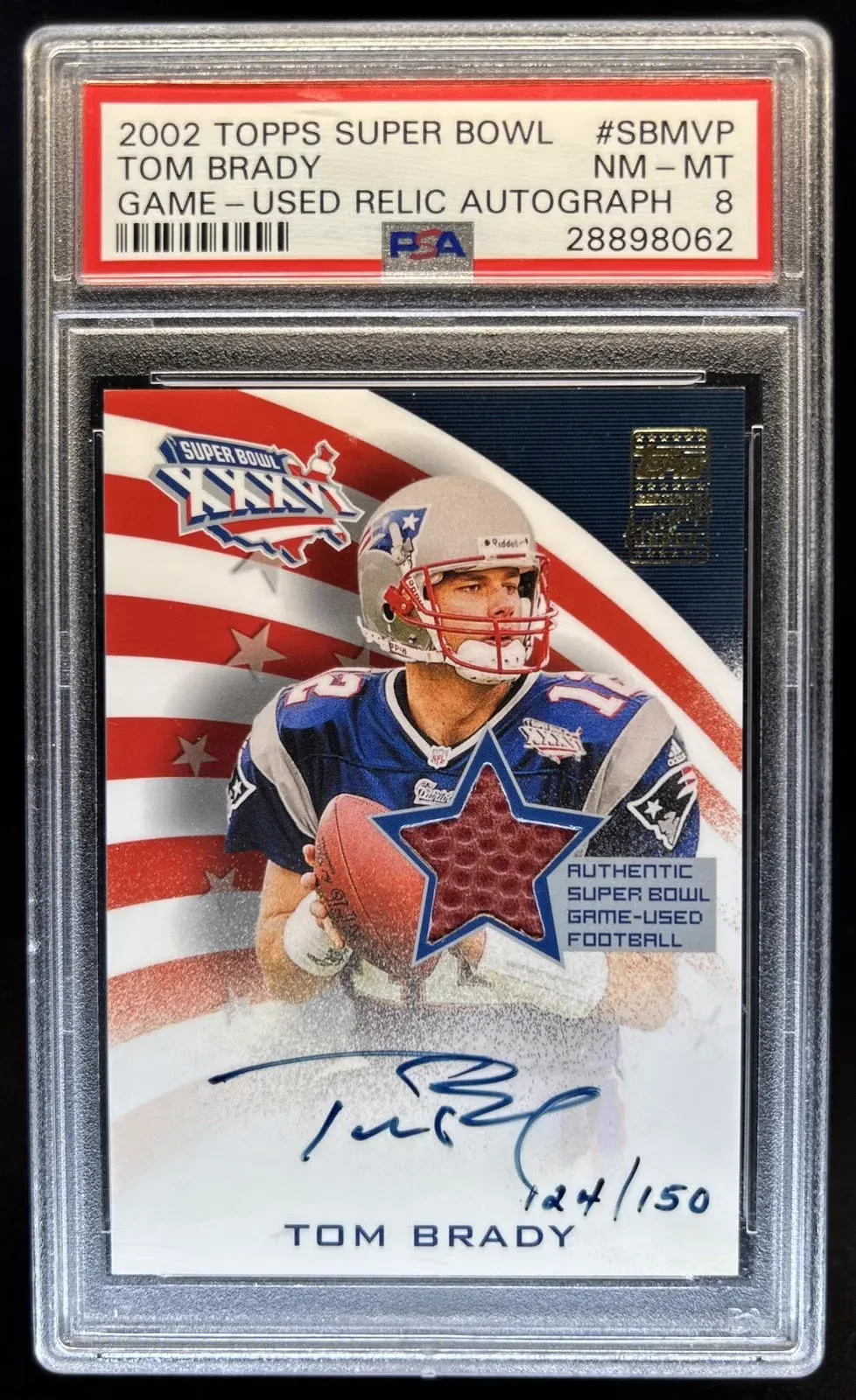
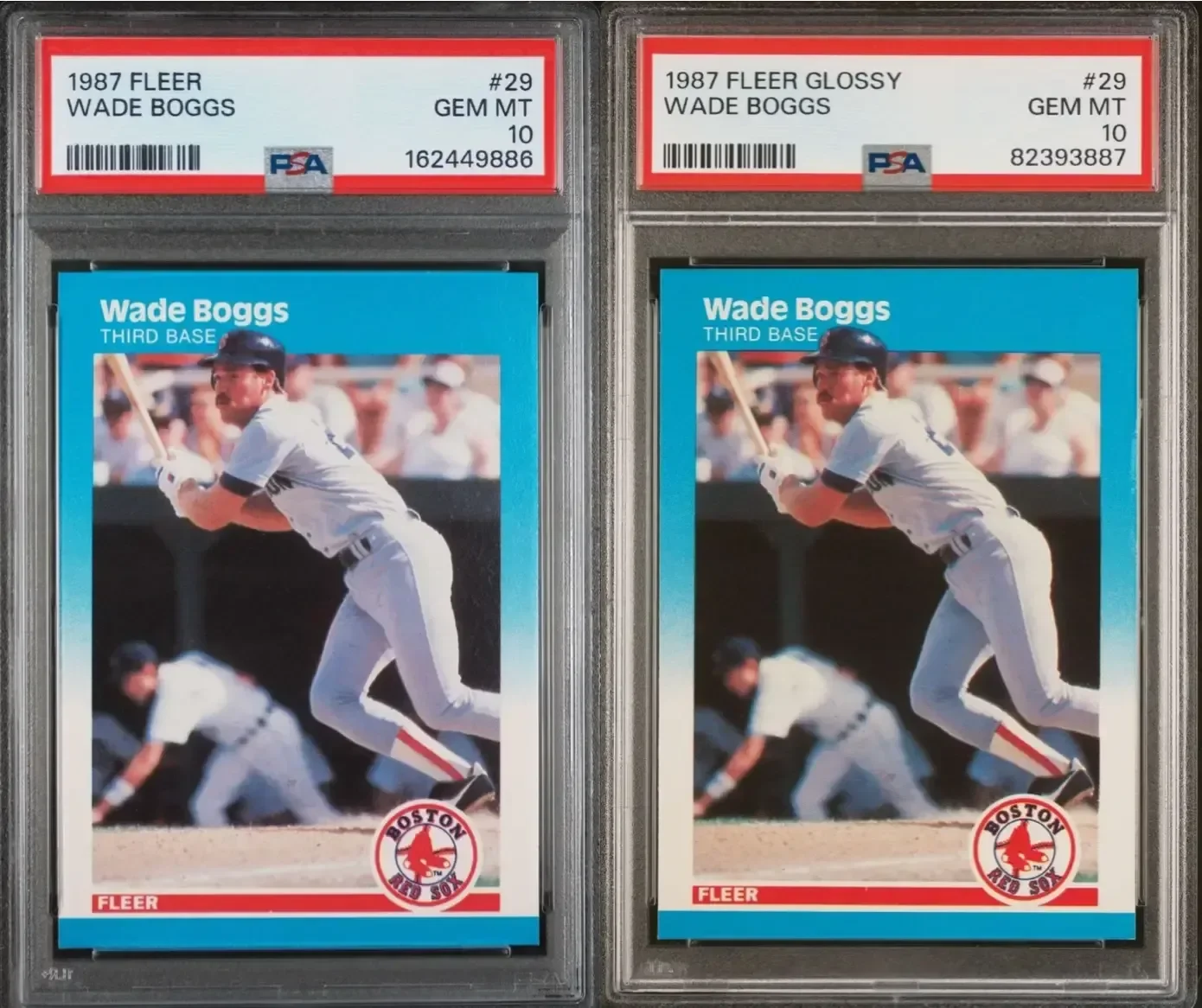
That common interest eventually turned into a business idea. The pair launched BGE Cards in August 2025 with their first show at the Illinois State student center in Normal, Illinois. The company name comes from the initials of Brady, Gronkowski, and Edelman, a nod to the New England Patriots trio that helped define a championship era.
For more collector background, read Sgt. Billy Sims’ Lifelong Passion for Sports Collecting Lives On Through Family and a Remarkable Memorabilia Collection.
Despite that inspiration, both promoters are Chicago-area sports fans, and their personal collections lean heavily toward modern local stars. Names such as Caleb Williams and Connor Bedard are part of the appeal that helped shape their interest in the current hobby landscape.
Finding an Opening in the Illinois Card Show Market
One of the smartest parts of the BGE Cards approach has been identifying where demand exists outside the most crowded parts of the market. Chicago remains a major hub for card shows, but it is also highly competitive. In one example from early November, seven different card shows were taking place in the Chicago area on the same day.
Instead of trying to force their way into an already saturated environment, Baker and Thorby focused on central Illinois while still selectively expanding into suburban Chicago. That mix gave them room to grow while still reaching strong hobby populations.
For another perspective on this story, read BGE Cards Builds Illinois Card Shows While Balancing College.
Over roughly 15 months, BGE Cards expanded from its first college-area show into events held in other downstate Illinois cities, Aurora, and Vernon Hills. That geographic spread has allowed the business to serve both longtime collectors and newer hobby customers who may not want to travel into larger metro events.
It also gave them a chance to build a recognizable identity in markets where collectors appreciate consistency, accessibility, and a more organized event feel.
Balancing Classes and Card Shows
What makes the story stand out even more is that Baker and Thorby are still full-time students. Baker is pursuing an accounting degree, while Thorby is studying marketing. During the week, school remains the priority. On weekends, they switch into event mode.
That means handling promotion, logistics, vendor communication, and show-day execution while also keeping up with coursework, exams, and campus life. They have also helped organize a collector club in Bloomington-Normal to strengthen the local hobby network and improve awareness for their events.
The business has become meaningful enough that show revenue helps cover essentials such as food and rent while they are in school. For many college students, a side hustle might mean a part-time campus job or gig work. For Baker and Thorby, it means running organized collectibles events with dozens, and sometimes hundreds, of dealer tables.
Their operation also appears to benefit from a strong support system. Family involvement, even in small ways like helping distribute flyers, can make a difference for grassroots event promotion, especially in regional markets where community visibility matters.
What Makes BGE Cards Shows Different
In the card show business, details matter. Space layout, vendor comfort, foot traffic, signage, and presentation all influence whether dealers return and whether collectors view a show as worth attending regularly.
BGE Cards has gained attention by putting extra care into those details. Dealers at their events receive simple but appreciated amenities such as black tablecloths, bottled water, pens, and wipes. Those touches may sound minor, but vendors often notice when promoters make an effort to improve the setup and day-to-day experience.
The company has also separated sports cards and trading card games at certain events rather than blending them together across one floor. At a major Fox Valley Mall show in Aurora, the sports side was set up on the first floor and TCG tables were placed on the second level. That kind of layout can improve navigation for attendees and create a cleaner experience for both categories of customers.
Vendors have also praised the presentation of the table layouts themselves. A more uniform look can make a regional show feel sharper and more professional, which in turn can help attendance, table retention, and future expansion.
Vendor Response Has Been Strong
Dealer feedback has been one of the clearest indicators that BGE Cards is doing something right. Vendors who work multiple Midwest circuits have pointed to the company's organization, work ethic, and attention to presentation as meaningful differentiators.
That matters because experienced dealers have options. They can choose among shows across Illinois, Iowa, Indiana, and surrounding states. When they commit to repeat appearances, it suggests confidence in promoter reliability and customer turnout.
One dealer who has worked about 10 BGE Cards events noted that the promoters take care of vendors in ways not always seen at typical shows. Another longtime participant from Bloomington has said he has performed well at each event and believes the visual presentation and social media awareness have helped drive traffic.
For any show promoter, vendor trust is one of the hardest things to earn and one of the easiest things to lose. BGE Cards appears to be building that trust early, which could be a major factor in how quickly it grows from smaller regional events into much larger productions.
A Big Pull Helped Spotlight the Business
Card shows often get remembered for one standout moment, and BGE Cards already has a notable one on its resume. At a Bloomington show, a collector pulled a 1-of-1 Victor Wembanyama card that later sold for about $60,000.
Moments like that can energize local hobby communities. They create buzz, boost social engagement, and give collectors one more reason to show up in person rather than only buying online. A memorable pull does not define an event business, but it can help establish a show as a place where meaningful hobby action happens.
As live events continue to compete with online marketplaces, those in-person experiences remain one of the strongest advantages a regional promoter can offer.
Fox Valley Mall Show Marked Another Step Forward
One of the more important milestones for BGE Cards came with its show at Fox Valley Mall in Aurora. The event featured 150 tables and represented the company's first booking at that venue.
That matters for a few reasons. Aurora is a sizable market, and mall-based shows can introduce the hobby to both dedicated collectors and casual walk-up traffic. They also bring added visibility compared with some traditional event spaces, especially when layout and signage are handled well.
For Baker, the event had added personal significance because the venue sits just minutes from where he grew up. For the business, it served as proof that BGE Cards could stage a larger-format show in a bigger suburban market while maintaining the organized presentation that dealers have come to expect.
What Is Next for BGE Cards in 2026 and 2027
BGE Cards still has two more shows scheduled before the end of 2026, including a sports card-specific event set for Dec. 20 in Bloomington. That alone would be a solid pace for student promoters balancing academics and business growth.
But the bigger story may be what is already on the calendar for 2027. The company has 10 events booked for next year, a sign that its expansion is no longer just experimental. The schedule suggests a more established operating model with repeatable demand and growing venue relationships.
The most ambitious possibility on the horizon is a planned event at an expo center in East Moline, pending a signed contract. If finalized, Baker and Thorby hope to fill 80,000 square feet with 500 tables in the Quad Cities market.
That would be a substantial leap from their current scale and would place BGE Cards in a much larger event category. Moving from college-based and regional suburban shows into a 500-table expo environment requires more than enthusiasm. It requires dealer confidence, operational discipline, audience development, and enough local demand to support a major weekend event.
Even being in position to pursue that kind of show says a lot about how quickly the business has grown.
Long-Term Plans Include a Card Shop
The current focus remains on show promotion, but Baker and Thorby are thinking beyond weekend events. Their long-term goal is to open a retail card shop after graduation in 2028.
That next step would be a natural extension of what they are already building. Running shows teaches many of the same fundamentals needed for store ownership: customer service, inventory awareness, hobby trend tracking, local market knowledge, and community-building.
It also keeps them closely connected to the people who would likely support a future storefront, including dealers, regular collectors, and families entering the hobby through local events.
For now, the strategy appears measured. Finish school, keep expanding the event calendar, lock down more venues, and work toward monthly shows where the market supports them. In a hobby that often swings between hype cycles and concern about sustainability, that kind of disciplined growth could prove valuable.
Why Their Rise Matters in the Hobby
BGE Cards reflects an important part of the modern hobby ecosystem. Not every meaningful card business starts with a national brand, a major convention hall, or decades of infrastructure. Sometimes it starts with two collectors who recognize a gap in their local market and are willing to do the work to fill it.
The Illinois show scene remains active, but success still depends on execution. Collectors want a good mix of inventory, clean layouts, and a worthwhile in-person experience. Dealers want traffic, professionalism, and promoters who respect the vendor side of the business. BGE Cards appears to be checking those boxes while still operating at a relatively early stage.
With two students driving the company forward, the business also highlights how younger hobby entrepreneurs are shaping the next phase of live events. Social media fluency, presentation standards, and community-based growth are becoming more important for regional shows, and BGE Cards has leaned into those strengths.
If the 2027 calendar performs well and the larger East Moline concept comes together, BGE Cards could move from promising regional upstart to one of the more closely watched independent show operators in the Midwest card scene.
Photo Gallery