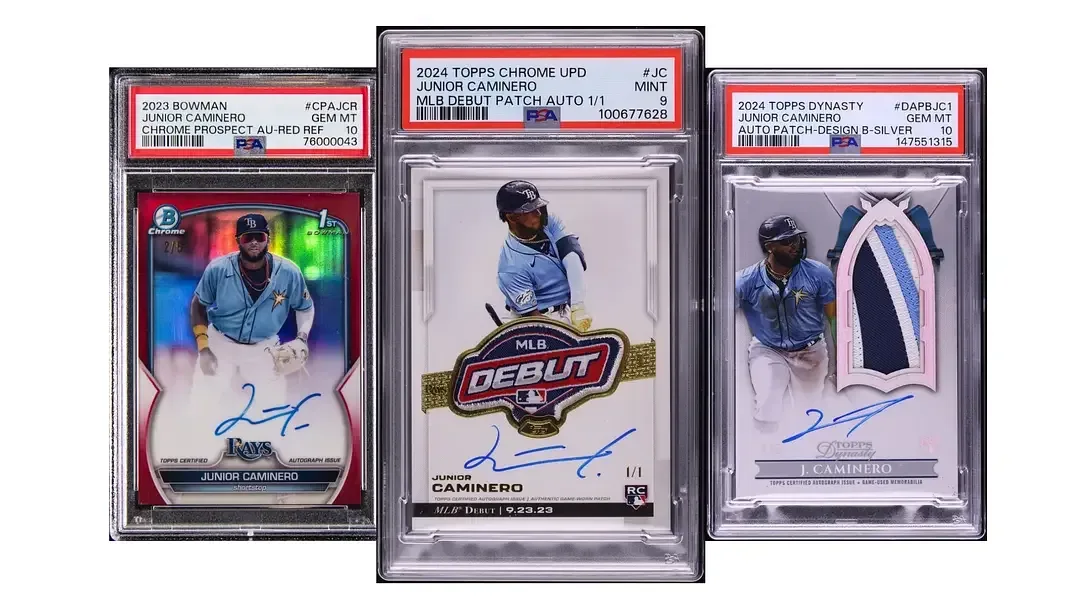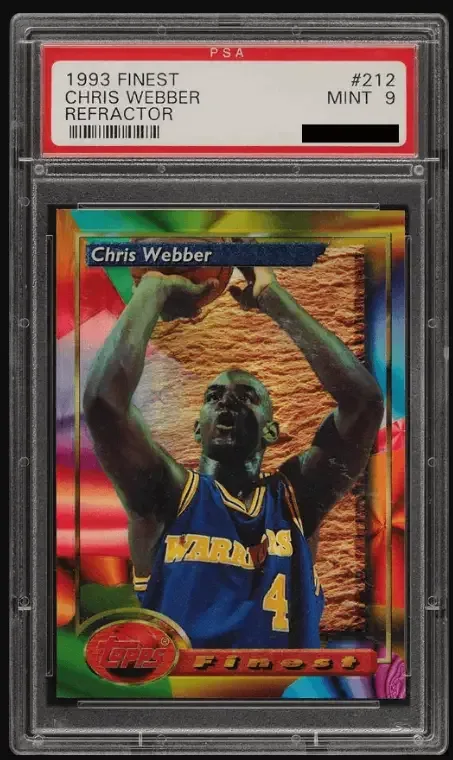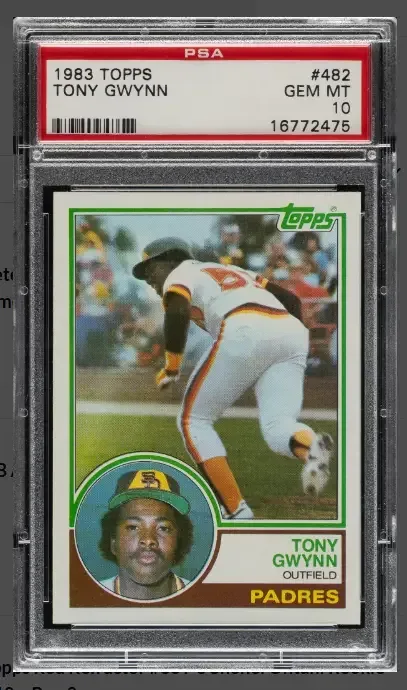
Baseball autograph cards invite fast opinions. Collectors often default to simple rules: on-card is better, stickers are compromises, redemptions are headaches, and holograms settle everything. Those shortcuts are easy to remember, but they are not precise enough to help you buy intelligently.
A more useful approach is to break the card into separate questions. What exactly was signed? What rights does the manufacturer appear to hold? If the autograph was not packed live, what does the redemption process actually promise? And who is authenticating which part of the item: the card maker, MLB on certain memorabilia components, or an outside grading company?
Once you separate those layers, the category gets much easier to navigate. You do not need a hobby slogan. You need a repeatable way to read the card in front of you.
1. Start with the autograph format, because not every signed card is built the same way
The cleanest first distinction is the one Topps itself makes between sticker autos and on-card autographs. In Topps’ glossary, a sticker auto is not signed directly on the card. The player signs a sticker, and that signed sticker is later applied to the card. That definition matters because sellers and collectors often say “auto” as if every autograph card were produced through the same process.
Topps also gives a current baseball example of explicit on-card language. Its 2026 Topps Museum Collection Baseball page advertises on-card autographs in named formats inside that release. For collectors, that is stronger evidence than hobby shorthand. If a maker says a product includes on-card autographs, you can treat that as a verified feature of that product line as of the research date.
The practical lesson is simple: if the product page, checklist, or manufacturer description clearly says on-card, that is meaningful. If it only says autograph card, do not assume the signature is hard-signed directly on the card. A desirable card can still be a sticker auto, but you should know which object you are paying for before deciding what premium, if any, makes sense.
- Look for exact terms such as “on-card autographs” instead of relying on seller shorthand.
- Treat “autograph card” alone as neutral wording unless the manufacturer says more.
- Use the insert or subset name to confirm format if a release appears to mix autograph styles.
2. On-card ink can be appealing without being the only thing that matters
Many collectors prefer on-card autographs for understandable reasons. The ink sits on the card itself, which can make the signature feel more integrated with the design. For display collectors, that visual unity is often the whole point. It is a legitimate preference, and manufacturers clearly market it when they think it adds value to a release.
But preference is not the same as a universal rule. A collector focused on one player across multiple eras may reasonably choose a sticker auto if the set matters more than the signing format. A prospect collector may care more about timing, image selection, or the importance of the release within a player’s early cardboard history. Even within on-card products, signatures vary. A rushed or poorly placed on-card autograph is not automatically more attractive than a clean sticker autograph on a better-designed card.
The sensible middle ground is to decide how much format matters to you before shopping. If your goal is a premium centerpiece, explicit on-card releases may deserve extra attention. If your goal is broader player coverage or set completion, autograph format may be one factor among several. The mistake is not buying a sticker auto. The mistake is paying for an on-card expectation that was never actually verified.
- Analysis example: a collector building one signed card per flagship-era design may accept stickers if the set identity matters most.
- Analysis example: a collector focused on a display shelf may choose fewer cards and concentrate on products explicitly marketed as on-card.
3. Redemptions make more sense when you treat them as a process, not a rumor
Redemptions have a bad reputation largely because collectors discuss them emotionally. The current Topps redemption information is more useful when read as operating procedure. Topps says collectors should submit the 10-digit code through their redemption account and allow 15 weeks for processing and shipping. That timeline does not promise a perfect experience, but it gives you a stated baseline.
Topps also posts periodic redemption reports covering recently completed redemptions. Those reports do not guarantee your specific card will be next, yet they do show that redemption fulfillment is handled as an active program rather than as an invisible afterthought. If you are considering an unredeemed autograph, the right question is not only whether the code exists. It is whether you are comfortable entering a fulfillment pipeline that may take time and may be governed by terms you should read in advance.
Support details matter too. Topps’ current support flow notes that a Fanatics Collect account is required to vault cards, and eligible shipping preferences can be managed during the redemption process. That may not change whether you want the card, but it does affect how you prepare if you plan to redeem rather than resell the code or leave it unused.
- Before buying an unredeemed card, confirm whether the code is unused and transferable in practical terms.
- Build the stated 15-week processing and shipping window into your expectations.
- Check account requirements and delivery options before redeeming.
4. The key redemption question is not just fulfillment, but remedy
Collectors often focus on whether a redemption will be filled, but the more important reading is what happens if it is not. Topps’ Redemption and Authenticity Protection Program says that if leading grading companies will not authenticate an unaltered Topps autograph card, Topps may remake the card, provide a substitute card of equal or higher value, or provide Topps.com credit valued at 200 percent of current market value, as determined by Topps. That is meaningful protection language, but it is not the same thing as a guarantee that the exact originally intended card will always arrive.
Current Topps terms also contemplate situations in which a redemption cannot be fulfilled because of circumstances beyond Topps’ control. In that kind of case, substitution or credit remedies may come into play. For a collector, that creates a very different risk profile from buying a live autograph already in hand. A redemption is not only a future card. It is a future claim governed by company terms.
That does not mean redemptions are bad buys. It means they should be priced and evaluated differently. If you would still be satisfied with a substitute or with store credit, a redemption may fit your collecting plan. If you only want the exact named card and nothing else, then the uncertainty matters more. The useful habit is to decide in advance which outcomes you would accept instead of assuming the best one will occur.
- Read current protection terms before paying a premium for an unredeemed autograph.
- Ask yourself whether substitute cards or store credit would still serve your goals.
- Compare the price gap between a live card and the unresolved redemption risk.
5. Authentication has three separate layers, and collectors get in trouble when they merge them
One of the biggest sources of confusion in baseball autograph cards is the word authenticated. In practice, you may be dealing with at least three different systems: issuer certification from Topps, MLB authentication for eligible memorabilia items or components, and independent review from a third party such as PSA. Those systems can overlap, but they do not answer the same question.
On the issuer side, Topps says its preferred practice is in-person signings with a Topps representative. When a representative is not present, Topps says it will certify using industry standard means of authenticity. For a pack-issued autograph card, that manufacturer certification is the starting point. It tells you the company stands behind the signed card as issued.
PSA serves a different role. PSA says its autograph authentication process can include ink analysis, autograph structure analysis, object evaluation, side-by-side comparisons, and possible use of a video spectral comparator. For autographed sportscards submitted through PSA’s card-plus-autograph route, PSA says the card and the autograph must both pass its process for encapsulation. That makes PSA an independent later review, not a restatement of what Topps already printed on the back of the card.
The useful question to ask every time is: authenticated by whom, and for what? The card as issued? The autograph as later reviewed? Or a memorabilia component embedded in the card? Once you ask that precisely, vague listing language loses a lot of its power.
- Topps certification refers to the pack-issued autograph card it made.
- PSA review is an independent opinion that may affect encapsulation and resale comfort.
- A later third-party review is not identical to original manufacturer certification.
6. MLB holograms matter, but only when you know what they actually cover
MLB’s authentication program is about memorabilia authentication, using tamper-evident holograms with searchable serial numbers in MLB’s database. MLB also warns that some MLB-licensed holograms are not authentication holograms and will not appear in the authentication lookup. That distinction is critical for autograph-card buyers, especially when relic cards enter the conversation.
In other words, an MLB-branded hologram is not automatically proof that MLB authenticated the autograph card itself. It may refer to a memorabilia element, or it may not be an authentication hologram at all. This is where sellers sometimes blur licensing and provenance. The two are related, but they are not interchangeable.
Topps has pointed collectors toward this component-level distinction in product-specific contexts. A Rookie Debut Patch Autograph FAQ visible in search results instructed collectors to use the MLB authentication hologram code to learn the patch’s story. Even taking that page as weaker evidence because the full page was not open, the concept matches MLB’s own system: a memorabilia component can carry separate MLB-authenticated provenance inside a card that is also Topps-certified as an autograph issue.
For buyers, the practical move is straightforward. If a listing highlights an MLB hologram, ask where it is and what it applies to. If it is tied to a memorabilia component, use MLB’s database. If it is merely a licensed-product cue, do not treat it as more than that.
- Search the hologram code in MLB’s authentication database when a relic component is involved.
- Do not assume every MLB-looking hologram is a searchable authentication record.
- Separate relic provenance from autograph-card certification.
7. Licensing tells you what kind of baseball card you are actually buying
Licensing is easy to ignore until it changes what appears on the card. As of October 1, 2026, Topps’ baseball page describes Topps as the official MLB trading card partner and says it holds the exclusive license to produce flagship MLB sets. Topps’ legal page also separates rights layers, showing distinct references to MLB trademarks and copyrights and to MLB Players, Inc. group player rights for active players. For MiLB, the legal language separately references Minor League Baseball trademarks used with permission of MLB plus MLB Players, Inc. rights.
That split matters because collectors sometimes act as if one agreement automatically covers logos, team identities, player likenesses, and signatures in one bundle. The available legal language suggests otherwise. League and team marks are one rights bucket. Player group rights are another. For prospect and minor-league cards, those distinctions can materially change how a card looks and how you should describe it.
The clearest current example is Panini’s September 28, 2026 announcement of a non-exclusive, multi-year agreement with MLB Players, Inc. covering active MiLB players, with products beginning in November 2026. That is important for prospect-card collectors because it expands the field of player-rights-based minor-league cards. But the announcement alone does not prove MLB-logo usage on Panini baseball cards. You still need to inspect the actual product and its stated licensing.
That is why collectors should not casually lump prospect autograph cards, MiLB cards, and MLB rookie autograph cards into the same category. They may all matter for the same player, but they are not identical products from a rights standpoint.
- Check whether a card’s appeal comes from MLB logos, player rights, MiLB context, or some combination.
- Do not assume a player-rights deal automatically proves MLB team-mark rights.
- Keep prospect cards and MLB rookie-card discussions separate when evaluating significance.
8. A practical inspection routine beats hobby instinct almost every time
When you are standing at a show table or scrolling an auction listing, a fixed sequence helps. Start with the exact card, set, and insert name. Then look for official product information that states whether the autograph is on-card or not. If you cannot verify that point, treat it as unknown rather than filling in the blank with assumption.
Next, check the licensing context. Is this a contemporary MLB product with MLB and MLB Players, Inc. language, or a prospect or MiLB issue operating under a different rights structure? After that, decide whether the card is live or a redemption. If it is a redemption, compare the asking price with the stated Topps timeline and available remedy structure instead of viewing it as identical to a fulfilled copy.
If memorabilia is involved, inspect any MLB hologram claim carefully and verify it through MLB’s database when possible. Then decide whether independent third-party review such as PSA matters for your purpose. A personal collection card you understand clearly may not need immediate submission. A higher-dollar piece you may later sell may justify the extra scrutiny.
This method is not glamorous, but it is efficient. It converts a crowded category into a checklist: what was signed, who issued it, what rights seem to be in play, what exactly is certified, and what happens if the card is still waiting to be fulfilled. That is how collectors avoid paying premium prices for features that were only implied, not proven.
- Identify the exact set and autograph subset first.
- Verify on-card wording through official product information when available.
- Read redemption terms before treating a code card like a live autograph.
- Use MLB and PSA tools for the specific questions they are designed to answer.
9. The smartest buyers pay for evidence, not for shorthand
The most reliable mindset for baseball autograph cards is a literal one. If a product page says on-card, great. If Topps defines a sticker auto as a signature not signed directly on the card, use that definition. If Topps says to allow 15 weeks for processing and shipping on a redemption, expect a wait. If MLB says some licensed holograms are not authentication holograms, stop treating every hologram as equal proof. If PSA says both the card and autograph must pass for certain encapsulation routes, understand that independent review can diverge from manufacturer certification.
This evidence-first approach is especially useful because modern autograph cards sit at the intersection of manufacturing, licensing, fulfillment, memorabilia provenance, and third-party review. Any one of those layers can be clear on its own while still being misused in a sales pitch. “Licensed” does not automatically mean MLB-authenticated relic provenance. “Autograph” does not automatically mean on-card. “Guaranteed” does not automatically mean exact original fulfillment. “Hologram” does not automatically mean searchable authentication.
That may sound like complication, but it is actually good news. You do not need secret access or inside lore to buy more carefully. You need a habit of asking narrower questions and verifying the exact feature being advertised. That discipline will not remove every risk, but it does make you much less likely to overpay for a vague description or a misunderstood card type.
- Favor exact manufacturer language over broad hobby assumptions.
- Treat licensing, autograph format, redemption status, and authentication as separate checkpoints.
- Pay premiums only when the premium feature is clearly verified.
Illustration generated for this guide; not a photograph of an actual card, product or event.
Photo Gallery