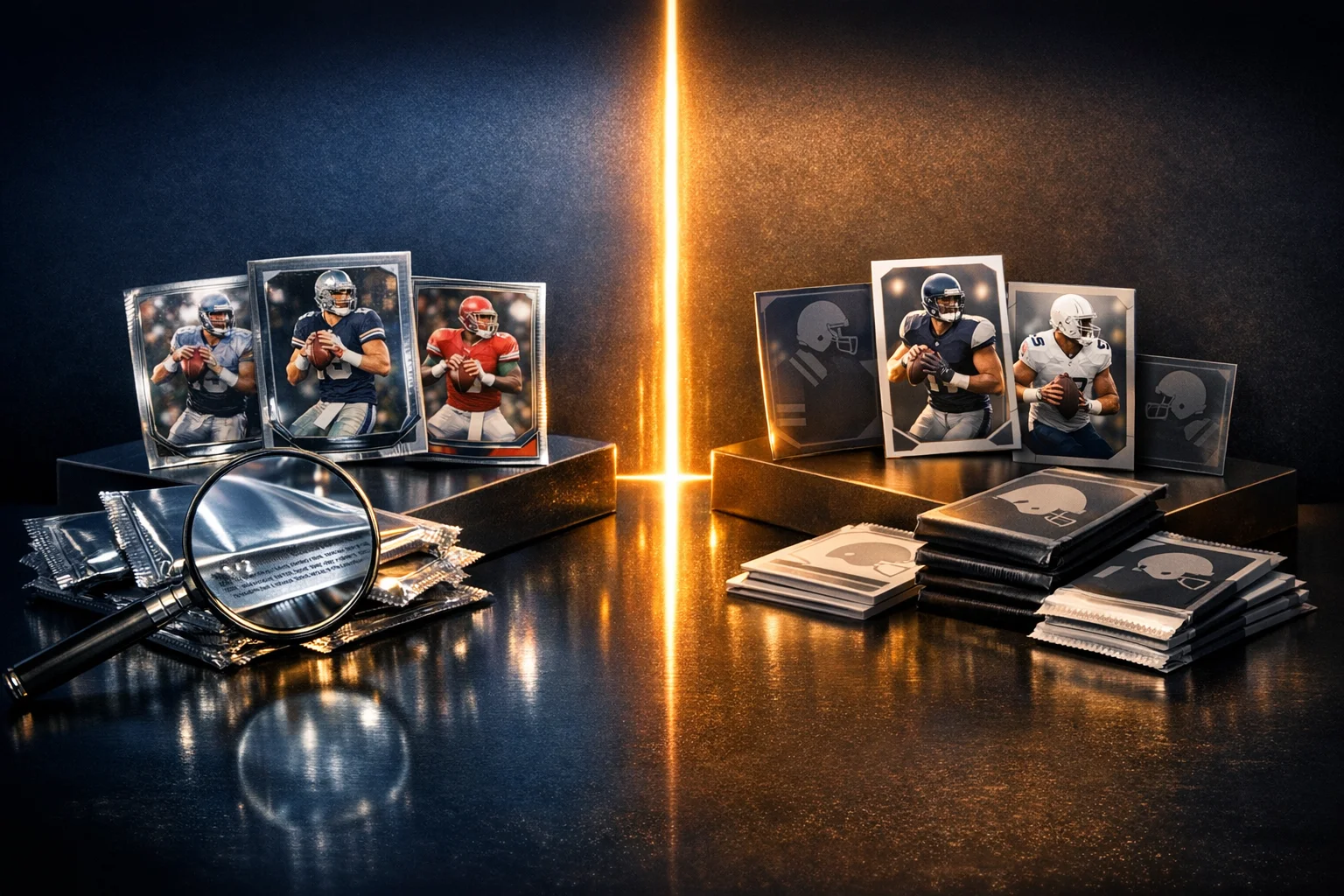
Fantasy football has added a new layer to the way many people collect NFL cards. Instead of building around a favorite team, Hall of Famers, or the hobby’s most established stars, more collectors are now chasing the players on their fantasy rosters, including rookies, backup tight ends, waiver-wire running backs, and little-known breakout names.
That shift is showing up in card shops, where interest no longer stops with franchise quarterbacks and nationally known stars. A strong fantasy week can turn an overlooked player into a short-term hobby target almost overnight, and the effect is changing how some collectors buy, trade, and track cards throughout the NFL season.
Fantasy rosters are becoming collecting lists
For many football fans, fantasy leagues create a direct personal connection to players they otherwise might never follow closely. A collector who drafts a receiver in the middle rounds or grabs a reserve running back off waivers suddenly has a reason to watch every snap, root for every touchdown, and search for that player’s cards.
Shop owners say that dynamic becomes especially obvious at the start of fantasy season, when customers begin asking for cards of players far outside the hobby’s traditional headline group. In earlier eras, demand often centered on hometown stars and the biggest names in the league. Now, fantasy players can make almost anyone relevant to a collector for a week, a month, or an entire season.
For more collector background, read Top 3 College Football Players Card Collectors Should Watch in 2026.
The result is a broader map of demand. Collectors are not just buying cards because a player is a long-term hobby cornerstone. They are also buying because that player is helping them win a fantasy matchup, filling a key lineup spot, or emerging as the latest sleeper with upside.
Why the overlap makes sense
The relationship between fantasy football and collecting is rooted in the same basic instinct: building a roster of players you believe in. In fantasy, managers assemble a team they think will outperform expectations. In the hobby, collectors often do the same with cards, targeting players they expect to break out, gain attention, or rise in value.
That overlap helps explain why fantasy football has become such a natural gateway into collecting. Fantasy players spend hours researching depth charts, usage trends, injuries, touchdown opportunities, and rookie potential. Collectors do much of the same homework, even if the final goal is different.
There is also an emotional element that connects the two. Once a player helps deliver a fantasy win, that player can quickly become more appealing in the card market to the people who rostered him. Likewise, pulling an autograph or rookie card can make a collector pay closer attention to a player’s role, usage, and outlook, which may then influence fantasy decisions.
That two-way relationship is especially strong with young players and unproven talent. Fantasy managers are trained to look ahead, identify opportunity, and take late-round chances. Modern collectors often approach current-year products with a similar mindset, searching for future growth rather than focusing only on established historical greatness.
Fantasy football helped widen football’s hobby audience
Fantasy football has been one of the biggest engagement engines in sports for decades. Roughly 40 million Americans play annually, and major fantasy platforms have reported massive user totals in recent seasons, including 14 million users on ESPN for the 2025 season and an estimated seven million on Yahoo.
That scale matters for the hobby. The more people who follow individual players across the league, the more likely it becomes that some of them will buy singles, open wax, or start collecting in a more focused way. Fantasy football does not turn every participant into a card collector, but it does deepen familiarity with players far beyond a fan’s local market or favorite team.
For collectors who already have that instinct, fantasy creates more reasons to stay engaged. It encourages more game watching, more player research, and more emotional investment. Those are the same forces that often drive card demand, especially during football season when the market reacts fast.
The hobby impact has been building since the 1990s
The connection between fantasy football and cards is not brand new. Shop owners who were around during the hobby’s growth in the 1990s remember fantasy football becoming increasingly influential as the game became easier to play.
Before the internet streamlined league management, fantasy football required a lot more manual work. Scores were tracked by hand, box scores had to be checked manually, and local leagues relied on committed commissioners and patient participants. As fantasy tools became automated in the late 1990s, the game became far more accessible, and participation surged.
That wider access helped push football fandom toward individual player tracking in a way that naturally fed the card market. Once more fans were actively monitoring stats every week, more of them started caring about players outside the traditional hobby hierarchy. The collecting base for football expanded with it.
Some longtime shop owners also remember hosting in-person fantasy drafts during that earlier period, when the social side of the game was more local and hands-on. Today, most drafts happen online, but the appetite for an in-person experience has not disappeared. In fact, hobby shops may become a more visible part of that ritual again.
Card shops could become fantasy draft destinations
There is growing interest in combining fantasy football drafts with card shop events. Collectors have already begun asking stores about hosting league drafts on-site, and the concept fits naturally with football product releases, break nights, and singles inventory.
The appeal is easy to understand. A league can draft its teams, rip wax, trade cards, and shop for players who just landed on newly built rosters, all in the same setting. That creates a live bridge between fantasy fandom and collecting behavior, especially at the start of the season when enthusiasm is highest.
There is also industry momentum behind the idea. Fanatics and Topps have been mentioned as brands that could help normalize fantasy draft parties in hobby spaces over the next few years. If that happens, stores may gain a new annual event model that blends community, retail activity, and season-opening football excitement.
For local shops, that could be meaningful. Draft day already carries a reunion feel for many leagues, with friends getting together to catch up, talk strategy, and enjoy the ritual. Bringing that event into a card shop creates a direct opportunity to convert football attention into hobby activity.
Weekly performance now moves cards even faster
The NFL card market has always been sensitive to player performance, but fantasy football sharpens that effect. Because the regular season is only 17 games, every week carries outsized importance. A huge Sunday from a running back, receiver, or tight end can quickly lead to rising search activity, increased sales, and fresh interest in singles by Monday or Tuesday.
That kind of movement is not exclusive to fantasy, but fantasy makes individual stat lines matter to a much larger group of people. A player does not necessarily need to become a true franchise face to generate buzz. Sometimes a two-touchdown game, a breakout target share, or a surprise start is enough to send collectors looking.
The modern marketplace makes those reactions more immediate than ever. With so many platforms available for buying and selling collectibles, price changes and demand spikes can happen in real time. Strong performances are reflected faster, and fantasy players are part of the audience helping create that urgency.
Shop owners say the pattern repeats itself weekly during the season. One player erupts, interest jumps, cards sell, and then the market shifts again after the next slate of games. In that sense, fantasy football has reinforced a shorter-cycle, more reactive style of collecting for many NFL buyers.
Position value works differently in fantasy and the hobby
One of the most interesting parts of this trend is that fantasy football and card collecting do not always value the same positions the same way.
In the card market, quarterbacks remain the clear centerpiece. They are still the position most closely tied to long-term hobby strength, headline auction results, and mainstream collector demand. Even when other positions get hot, quarterbacks usually set the tone for football cards.
Fantasy football works differently. In many league formats, especially PPR setups, running backs and wide receivers can be more essential than quarterbacks. Managers often wait on quarterbacks because the scoring gap between the top and middle tier is manageable, while elite running backs and receivers can be much harder to replace.
That creates a disconnect. A running back can be one of the most important fantasy assets in the game while still trailing quarterbacks in hobby prestige. The fantasy world may treat him like a first-round cornerstone, but the card market may still give the long-term premium to passers.
Even so, fantasy success can lift attention on non-quarterbacks in ways that matter. If enough managers are winning with a player, discussing him all week, and chasing his upside, that can create a temporary or even sustained boost in card demand.
Running backs are back in the fantasy spotlight
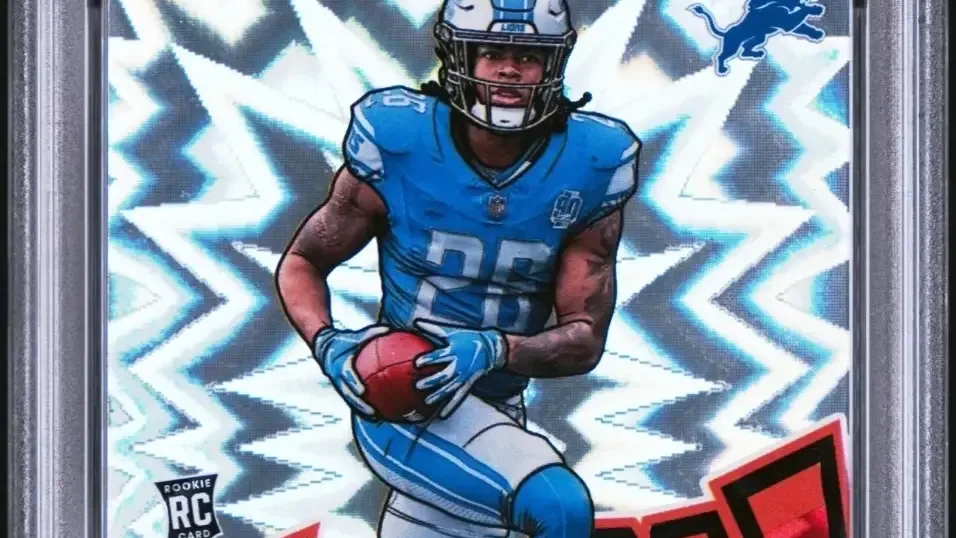
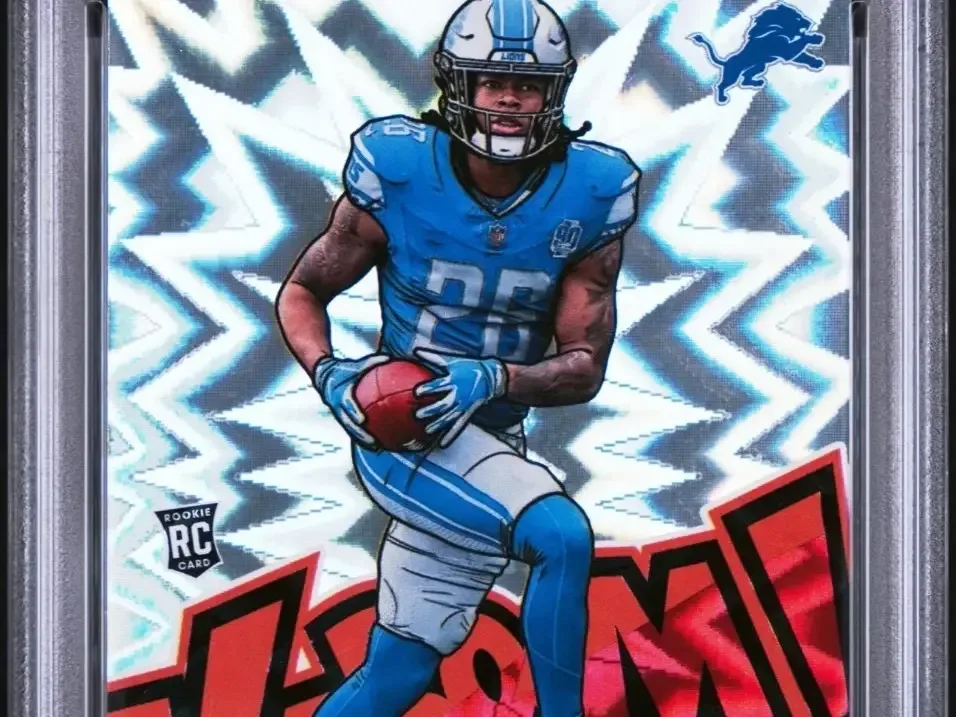
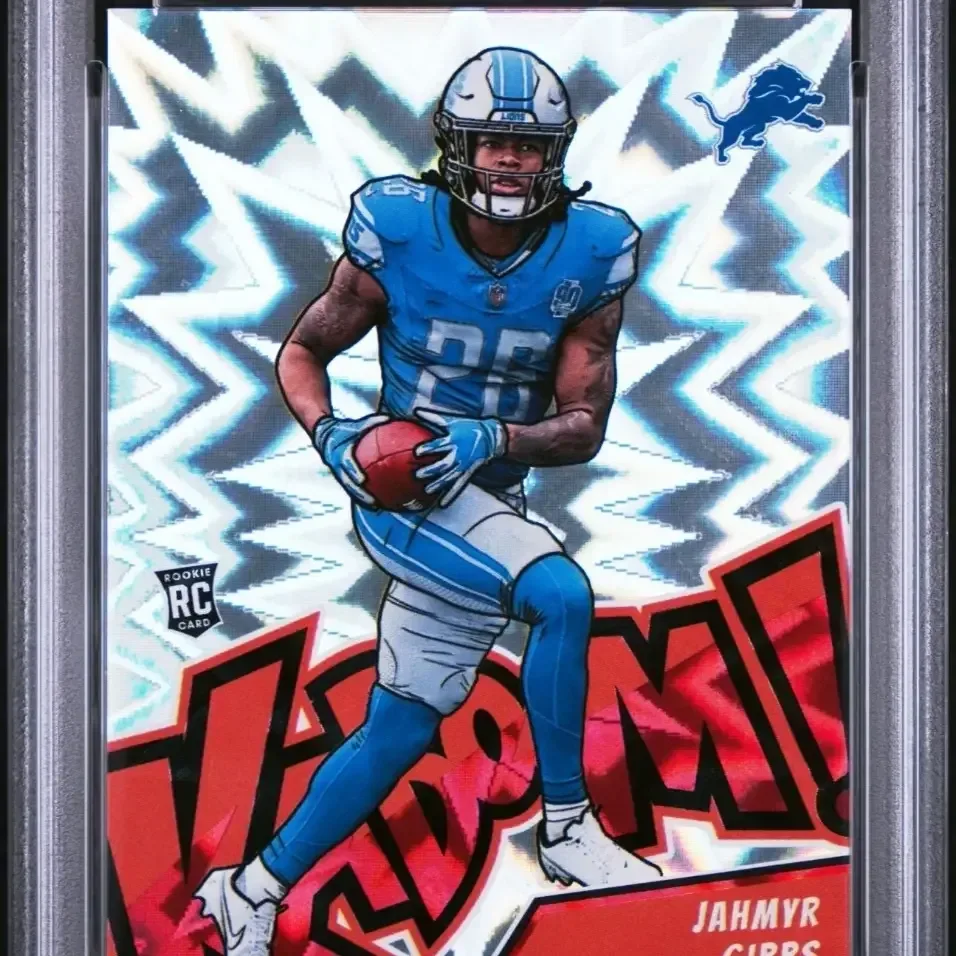
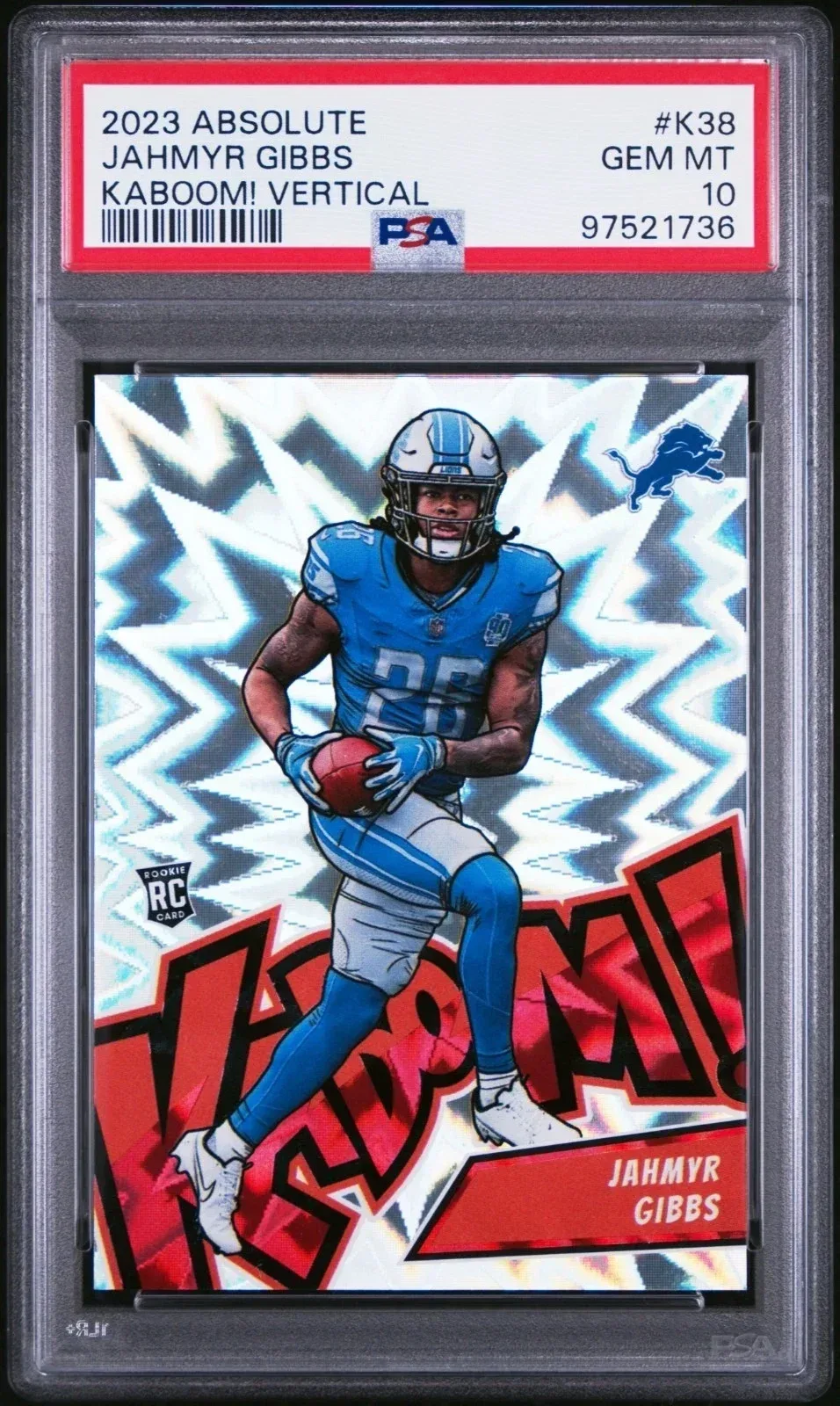
The current fantasy landscape has given renewed attention to running backs. Entering 2026, Jahmyr Gibbs of the Lions and Bijan Robinson of the Falcons were widely viewed as two of the top names on PPR draft boards after strong 2025 seasons.
That matters because hobby interest often follows the players fantasy managers value most intensely. If running backs are returning to the top of drafts, they may also get a stronger push in weekly card demand, especially among collectors who are buying with their fantasy teams in mind.
Still, not every productive fantasy running back gets the same hobby treatment. Players can put up strong numbers without becoming major card-market stars, and name recognition, draft pedigree, team profile, and quarterback-driven hobby habits still influence prices. A productive season may boost attention, but it does not automatically place a running back on equal footing with premium quarterbacks.
That split helps explain why fantasy football can create short-term buying waves without fully rewriting the hobby’s long-standing position hierarchy.
From Barry Sanders to Peyton Manning, the pattern has history
The fantasy-card connection is easier to spot today because the market moves so quickly, but there are earlier examples of star players benefiting from the overlap between on-field production and fantasy relevance.
Barry Sanders is one of the clearest. His 1989 rookie card arrived just as fantasy football was becoming more prominent, and his elite production made him a natural target for both fantasy managers and collectors. His cards reflected that interest then and continue to hold strong attention now.
Brett Favre was another major name in the fantasy era, and Peyton Manning entered the league at a time when fantasy participation was booming. As fantasy football became more mainstream, collectors had more reasons to care about the players who consistently delivered points every week.
Long before modern PPR leagues and app alerts, great running backs also shaped the way football fans connected with players statistically. Walter Payton, Franco Harris, Earl Campbell, Tony Dorsett, Bo Jackson, and Emmitt Smith all carried that kind of appeal in different stages of football fandom and collecting culture.
Sleepers, deep cuts, and the new kind of football collector
One of the clearest signs of fantasy football’s effect on the hobby is the rise of obscure player demand. Collectors are not just asking for MVP candidates. They are hunting for bench players, late-round rookies, speculative tight ends, and end-of-draft flyers.
That type of buying says a lot about how football collecting is evolving. It is more fluid, more personal, and more tied to active roster management than it used to be. A collector might buy into a player because of a prospecting angle, a fantasy stash, a sudden role increase, or even because of a card they pulled that changed how they viewed that player.
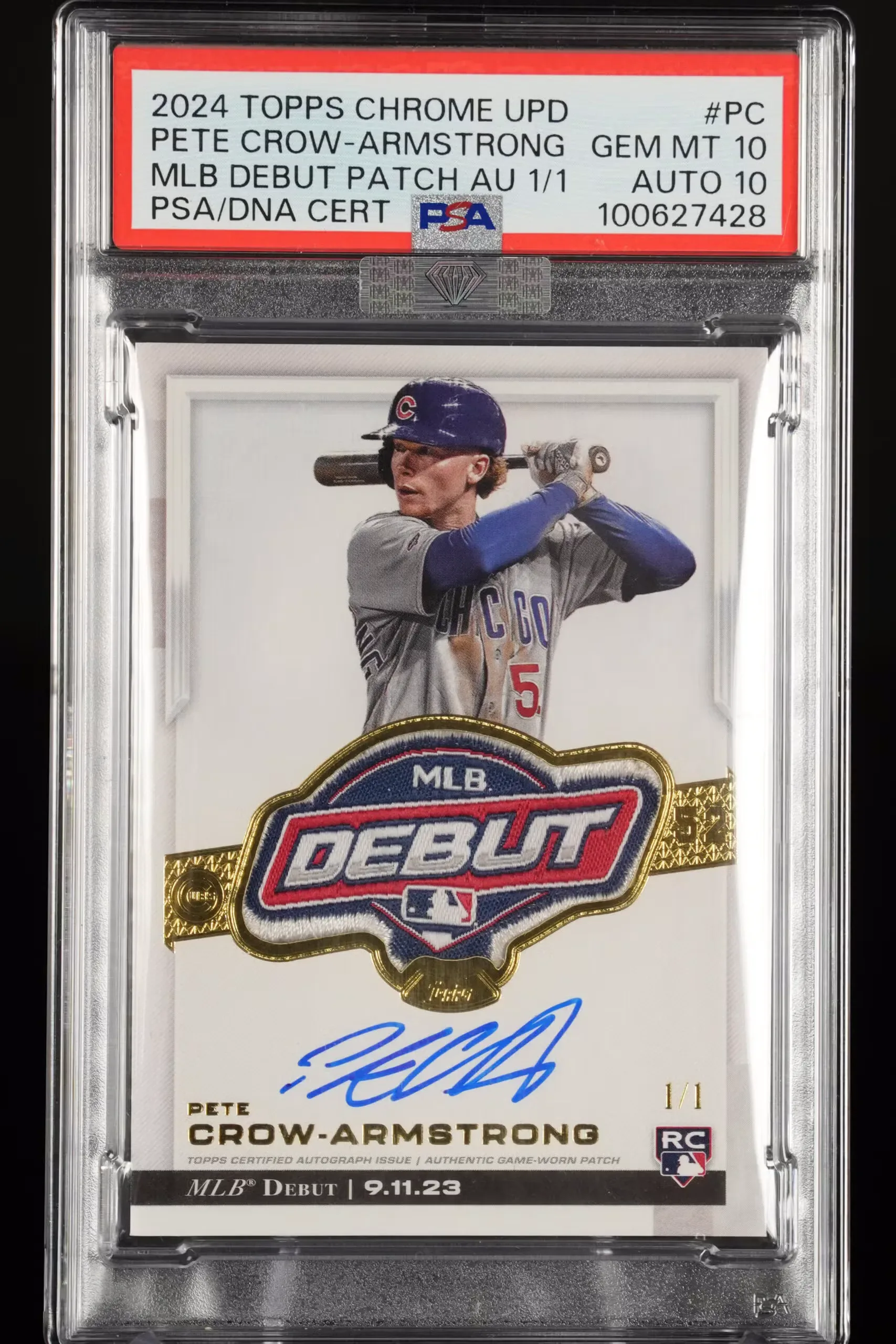
Kenyon Sadiq of the Jets was cited as the kind of player who can enter that cycle. Pull an autograph, do some research, notice a possible opportunity, then decide he is worth a late fantasy pick or a cheap hobby hold. That is the kind of crossover behavior fantasy football now creates regularly.
For card shops and online sellers, this means more inventory depth can matter. The customer walking in during football season may not be asking for the obvious superstar. He might be searching for the player who just got promoted up the depth chart and could catch six passes next Sunday.
What this means for the season ahead
As fantasy football keeps expanding and the card market remains tightly linked to weekly performance, the overlap between the two will likely keep growing. More collectors are treating fantasy rosters like player checklists, more fans are discovering cards through fantasy engagement, and more obscure names are getting their turn in the spotlight.
The NFL hobby still runs through quarterbacks at the highest levels, but fantasy football has broadened the field of relevant players. It has made Sundays matter to more collectors, made waiver-wire names more visible in the market, and created a reason to care about cards far beyond the usual stars. For shops, sellers, and football collectors, that means every big week can create a new chase by the time Monday arrives.
Photo Gallery