Building a meaningful baseball card collection does not always require a four-figure budget. Some of the hobby’s most recognizable names, important rookie cards, and memorable inserts can still be found for $500 or less, especially when collectors are willing to shop lower grades, overlooked sets, or niche formats with strong visual appeal.
That approach matters even more in a market where condition-sensitive modern cards and prospect-driven prices can swing quickly. Vintage and semi-vintage material often gives collectors a different kind of value: Hall of Fame names, historic set designs, and established hobby relevance without the same dependence on the next hot streak.
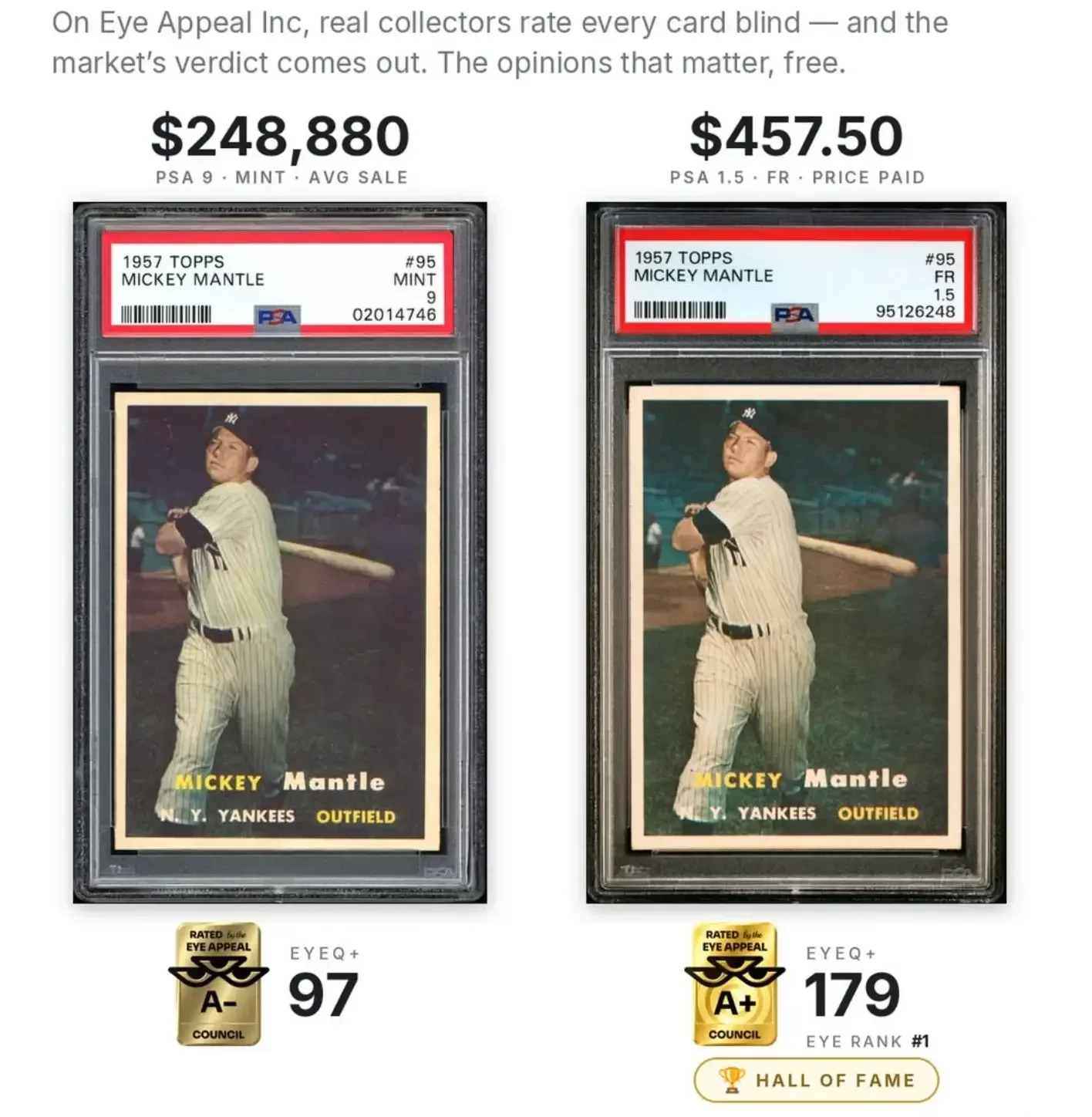
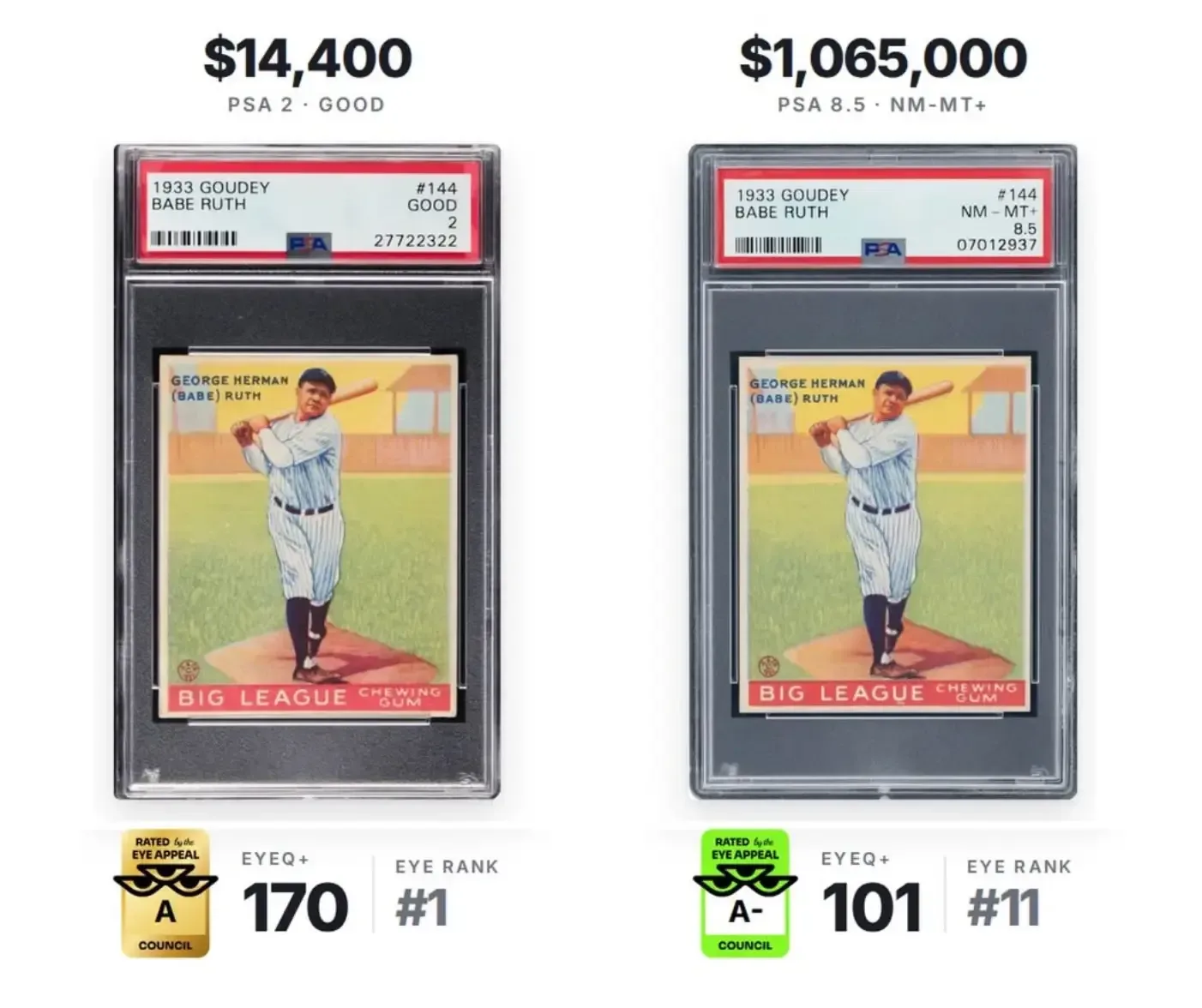
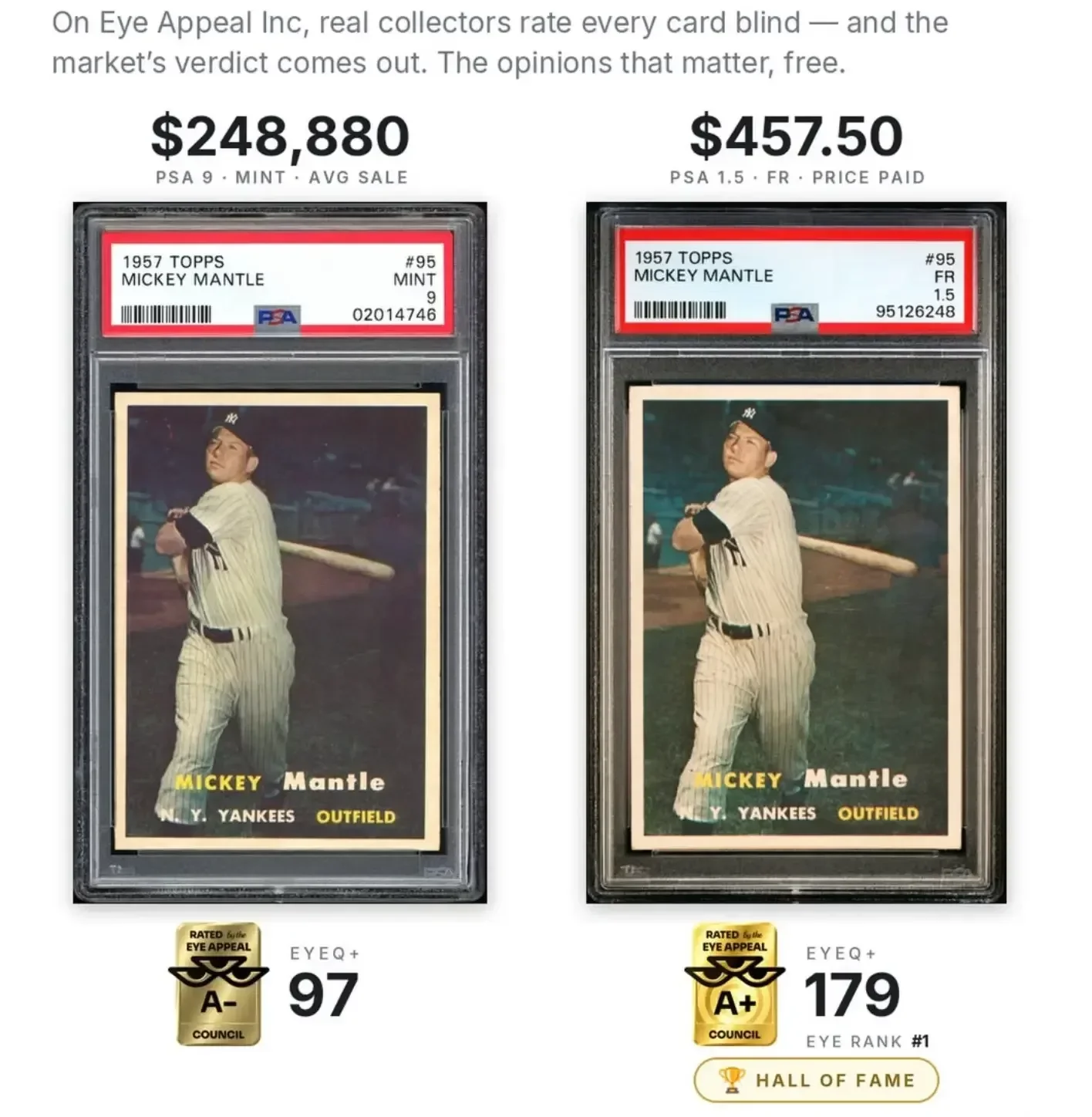
Another factor worth remembering is that eye appeal and grade are not always the same thing. Lower-grade vintage cards with strong centering, clean color, and attractive presentation can sometimes offer a better collecting experience than a technically higher-grade copy with distracting flaws. For budget-minded collectors, that opens the door to cards that might otherwise feel out of reach.
Here is one standout baseball card from every decade, from the 1910s through the 2010s, that fits within a $500 budget based on the supplied pricing examples, along with notable honorable mentions for each era.
For more collector background, read The Best Baseball Rookie Card From Every Decade, Plus Budget Alternatives for Collectors.
1910s Best Baseball Card Under $500
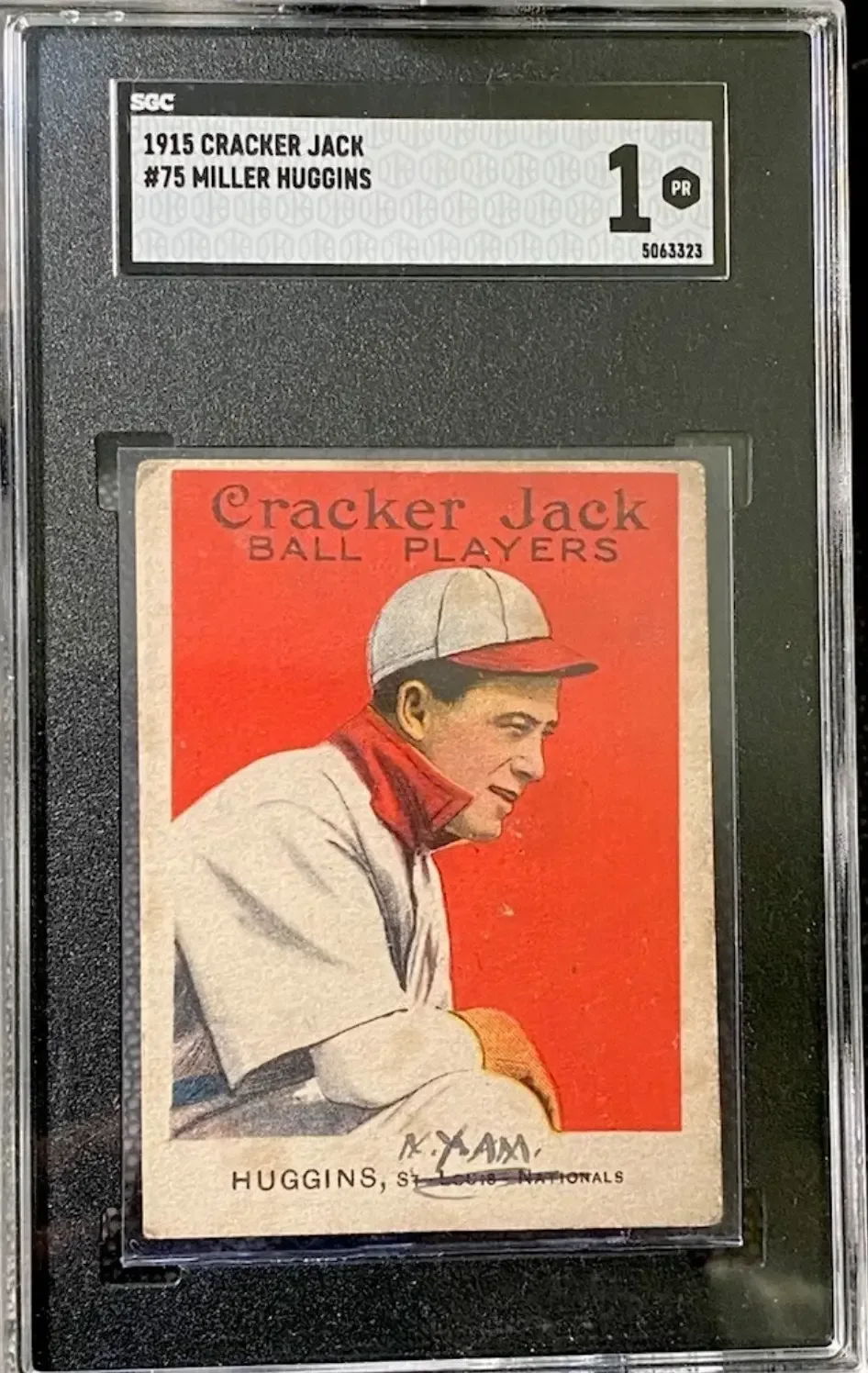
Best pick: 1915 Cracker Jack #75 Miller Huggins SGC 1, $270
The 1915 Cracker Jack set remains one of the signature issues of the pre-war hobby, and that alone gives this Miller Huggins card strong appeal. The red-background Cracker Jack design is instantly recognizable, and even lower-grade examples carry plenty of visual presence. At $270 in the cited example, it also leaves room in the budget for a second card from the period.
Huggins is a significant baseball figure beyond simple Hall of Fame status. He managed the Yankees during the rise of Babe Ruth and Lou Gehrig and led New York to three World Series titles. His place in franchise history was later cemented with a monument at Yankee Stadium, making this a card that connects directly to the early formation of the Yankees dynasty.
For another perspective on this story, read Baseball Card Collecting on a $500 Budget: Standout Picks From the 1910s to the 2010s.
Honorable mentions:
- 1911 T205 Gold Border Closed Mouth Eddie Collins PSA 2.5, $475
- 1914 Cracker Jack #12 Connie Mack BVG 3, $480
1920s Best Baseball Card Under $500
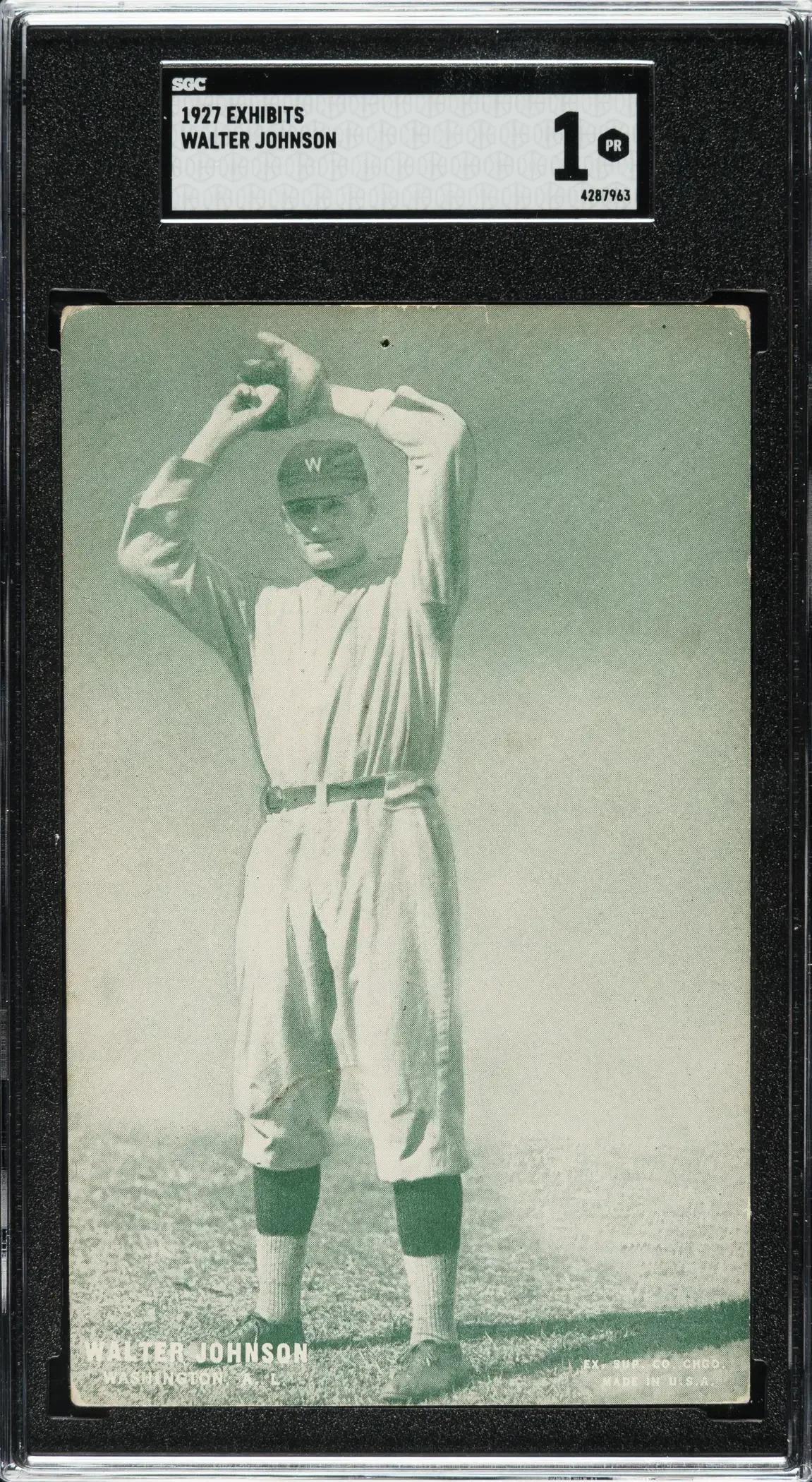
Best pick: 1927 Exhibits Walter Johnson SGC 1, $489
Exhibit cards remain one of the hobby’s more interesting value pockets. Distributed through vending machines rather than packed with candy or tobacco, they have a very different feel from standard tobacco-era issues. Their oversized format can make them a little less convenient to store, but that same size adds display appeal and may help keep prices lower than collectors expect for all-time great players.
Walter Johnson brings elite historical weight to this decade’s choice. “The Big Train” won 417 games and captured two American League MVP awards, cementing his place among the greatest pitchers the sport has ever seen. For collectors who want a true inner-circle legend without moving well past $500, this is a strong blend of player quality, scarcity feel, and old-school presentation.
Honorable mentions:
- 1923 W515-1 #55 Rogers Hornsby Hand Cut Strip Card PSA 3, $420
- 1929 W553 Lefty Grove SGC Authentic, $300
1930s Best Baseball Card Under $500
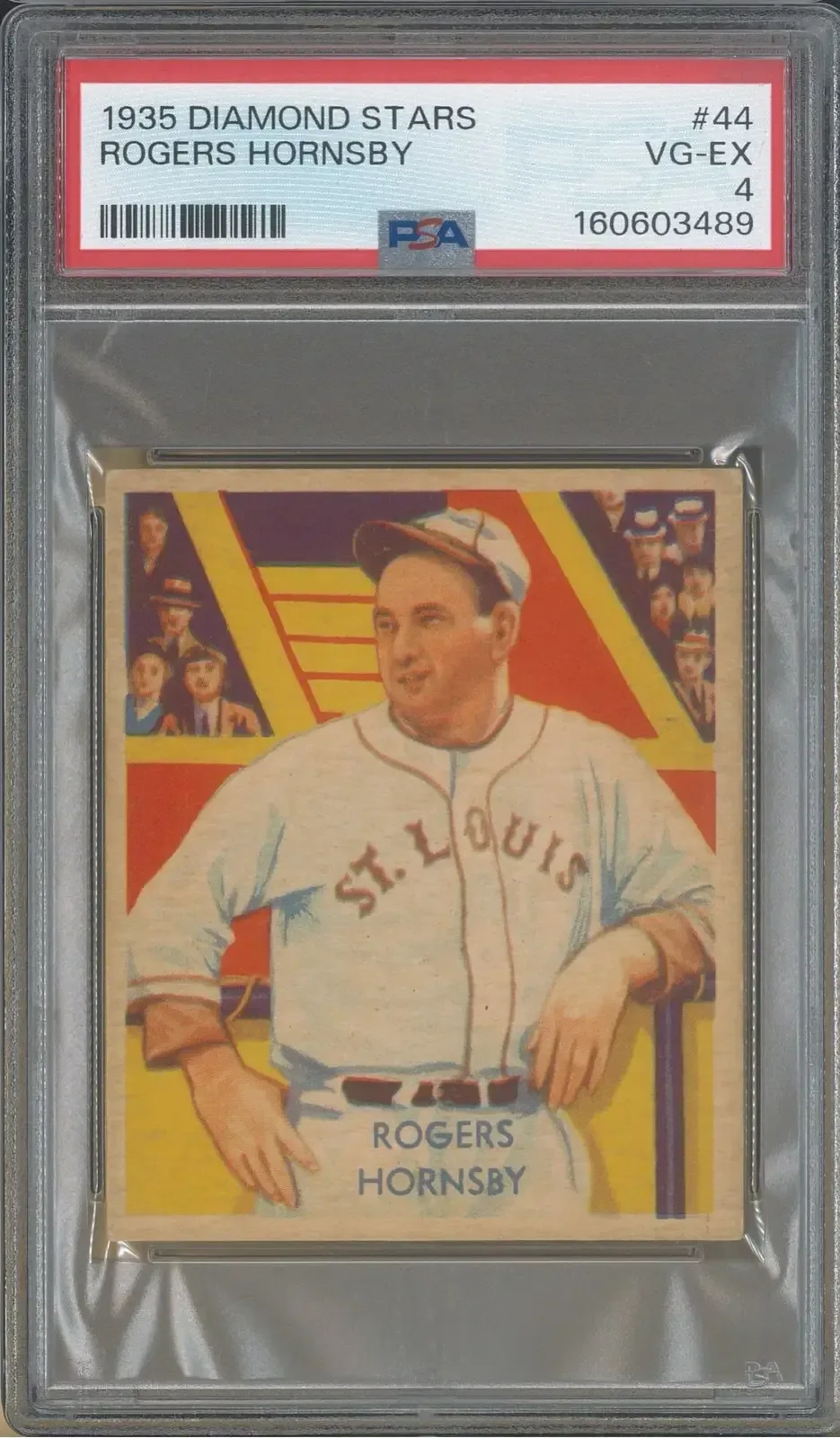
Best pick: 1935 Diamond Stars #44 Rogers Hornsby PSA 4, $473
The Diamond Stars issue is one of the most artistic baseball sets ever produced, with bold colors and a stylized look that stands apart from many other 1930s releases. It does not command the same universal attention as 1933 Goudey, partly because it lacks Babe Ruth and Lou Gehrig, but it remains a favorite among collectors who appreciate set design.
Hornsby gives the card elite baseball substance to match the visual appeal. He finished with a .358 career batting average, won seven batting titles, claimed two Triple Crowns, and added two MVP awards. A PSA 4 example at $473 lands in a sweet spot where collectors can still get a respected Hall of Famer from a beautiful pre-war set without stretching the budget into luxury territory.
Honorable mentions:
- 1933 Goudey #154 Jimmie Foxx, $440
- 1933 Goudey #207 Mel Ott SGC 3.5, $491
- 1934-36 Diamond Stars #74 Tony Lazzeri SGC 5, $439
1940s Best Baseball Card Under $500
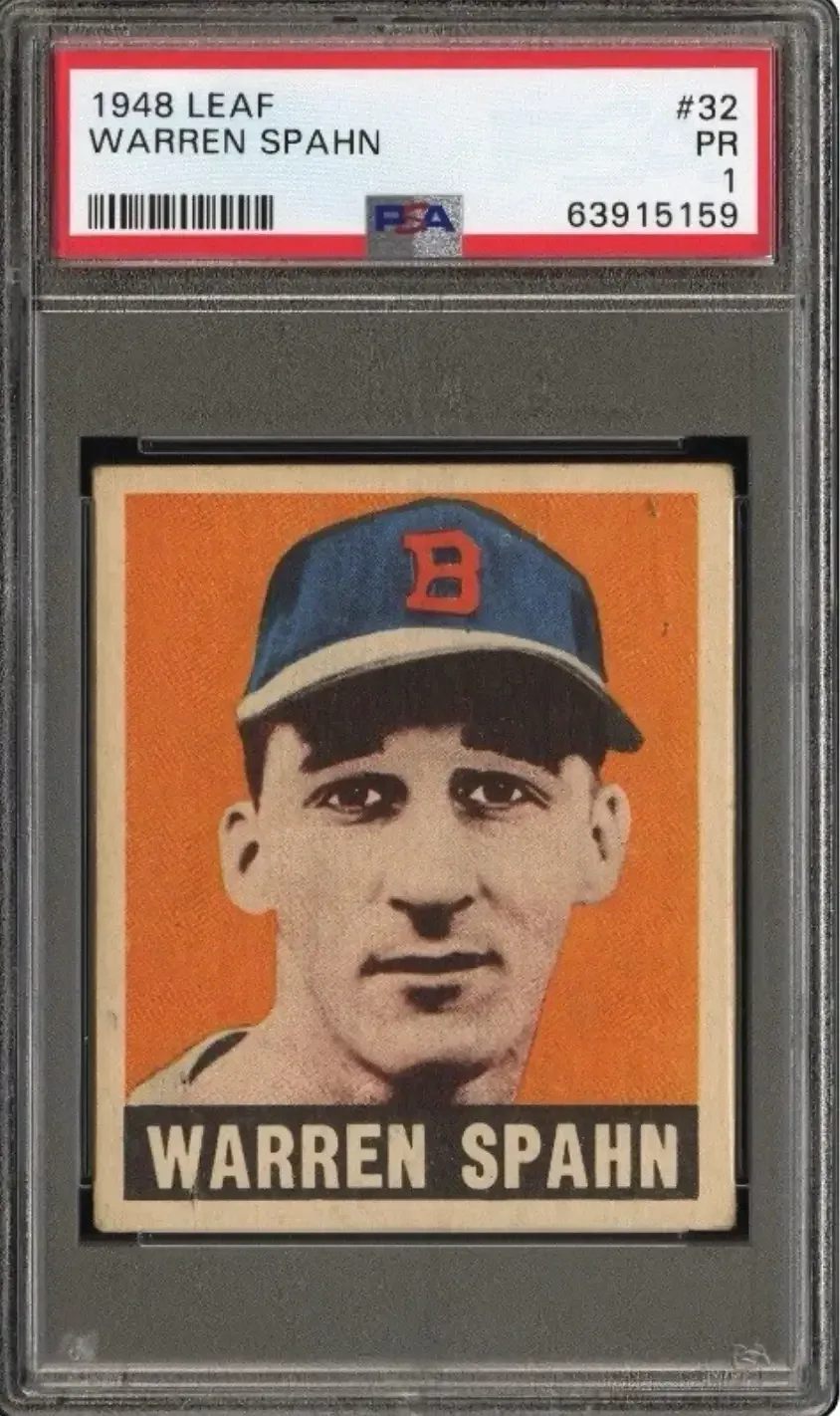
Best pick: 1948 Leaf #32 Warren Spahn Rookie Card PSA 1, $450
The 1948 Leaf set is one of the most popular post-war baseball releases, known for its bright colors and unmistakable design. For many collectors, it is one of the defining vintage sets, which gives even low-grade examples broad hobby liquidity and recognition.
Spahn’s rookie carries real historical weight. He remains the winningest left-handed pitcher in Major League Baseball history with 363 victories. Because card production paused during World War II, his first major cardboard appearance did not arrive until 1948 despite a debut in 1942. That delayed cardboard start adds another layer of interest for vintage collectors, especially those who focus on true rookie cards of legendary players.
Honorable mentions:
- 1941 Play Ball #54 Pee Wee Reese Rookie PSA 1, $355
- 1948 Bowman #8 Phil Rizzuto Rookie PSA 1, $450
1950s Best Baseball Card Under $500
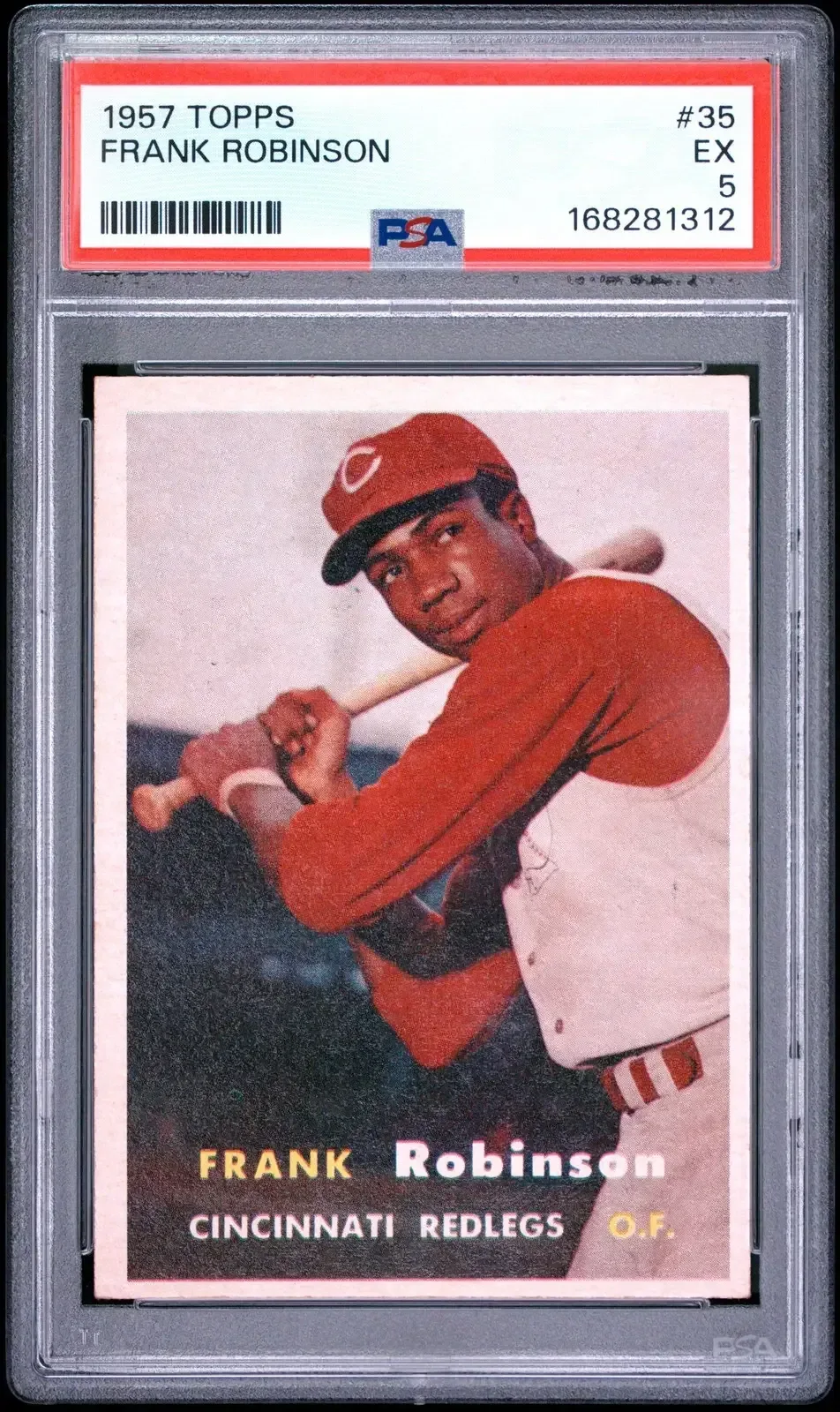
Best pick: 1957 Topps #35 Frank Robinson Rookie Card PSA 4.5, $365
The 1957 Topps release changed the hobby in a lasting way by introducing the now-standard 2.5 by 3.5 inch card size. It also stands out for its clean layout and strong color photography, making it one of the foundational sets for post-war collectors.
Frank Robinson’s rookie is especially compelling at this price level because of how much career accomplishment it packs into one card. Robinson hit 586 home runs, won MVP awards in both the American and National Leagues, and later became Major League Baseball’s first Black manager. A PSA 4.5 example at $365 looks like a major bargain relative to his place in baseball history.
Honorable mentions:
- 1950 Bowman #46 Yogi Berra PSA 3, $500
- 1957 Topps #407 Mickey Mantle and Yogi Berra PSA 5, $425
1960s Best Baseball Card Under $500
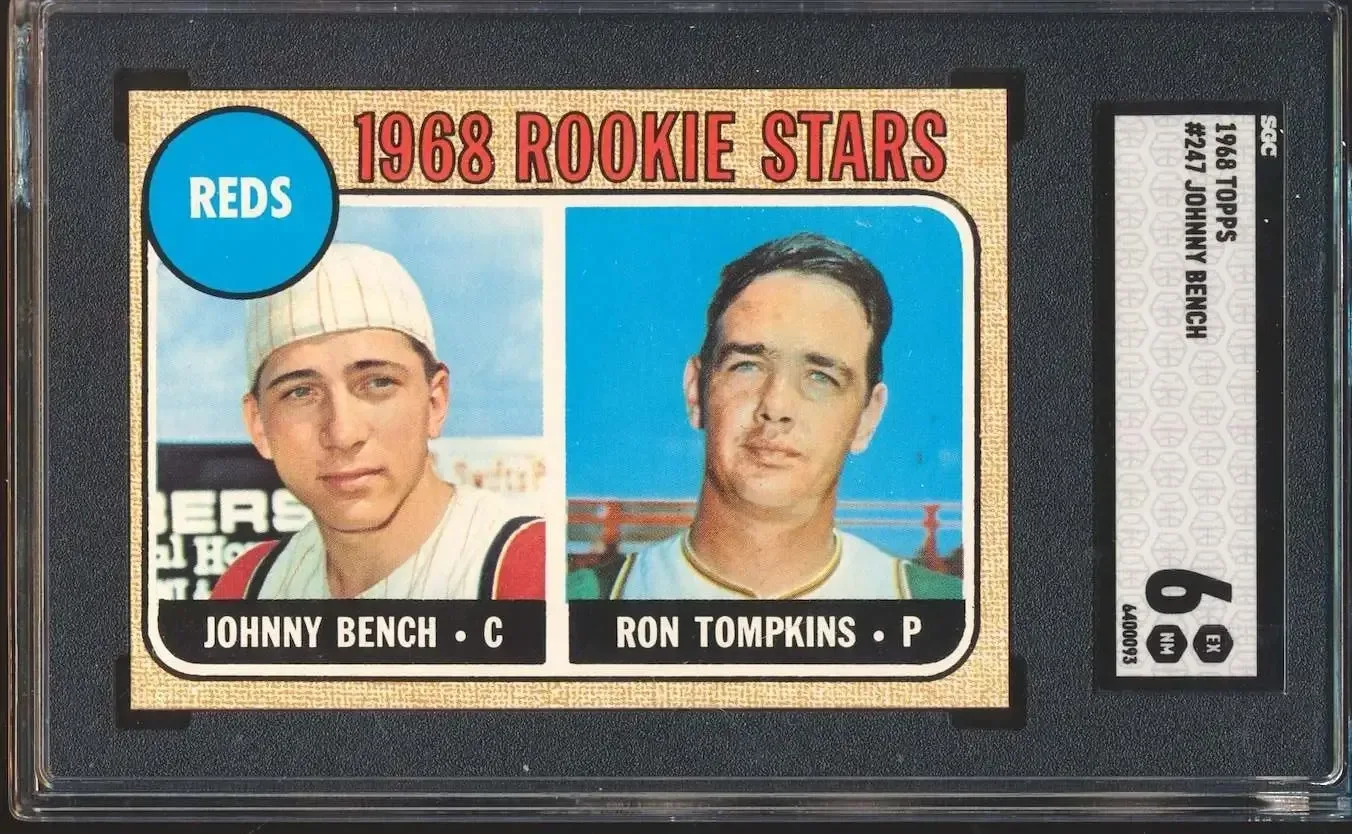
Best pick: 1968 Topps #247 Johnny Bench Rookie Card SGC 6, $425
There are not many easier Hall of Fame rookie recommendations under $500 than Johnny Bench in mid-grade. Bench is widely regarded as the greatest catcher in baseball history, and his resume backs that up with two National League MVP awards, 10 Gold Gloves, and two World Series titles as a cornerstone of Cincinnati’s Big Red Machine.
The 1968 Topps design has a loyal following, and Bench’s rookie remains one of the most important cards in the set. An SGC 6 example for $425 offers a lot of quality for the money, especially when compared with the cost of many marquee rookie cards from the decade.
Honorable mentions:
- 1960 Topps Rookie Card #148 Carl Yastrzemski SGC 6, $494
- 1960 Topps Rookie Card #316 Willie McCovey SGC 6, $495
1970s Best Baseball Card Under $500
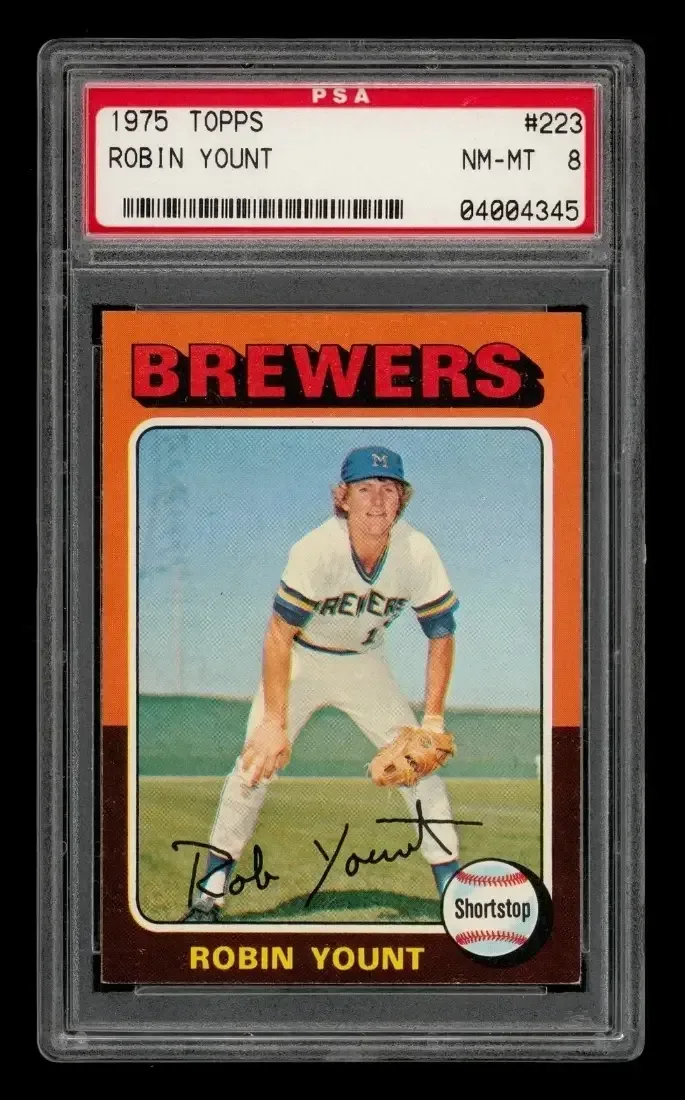
Best pick: 1975 Topps #223 Robin Yount Rookie Card PSA 8, $444
One reason this card stands out is simple: Robin Yount gets his own rookie card rather than sharing space on a multi-player rookie panel. For collectors who prefer clean, single-player key rookies, that matters. It also comes from the colorful and instantly recognizable 1975 Topps set, one of the defining visual issues of the decade.
Yount spent his entire 20-year career with Milwaukee, won two MVP awards, and collected 3,142 hits. A PSA 8 for $444 makes this one of the stronger combinations of grade, player stature, and mainstream hobby familiarity on the entire list.
Honorable mentions:
- 1974 Topps Rookie Card #456 Dave Winfield PSA 8, $360
- 1976 Topps #599 Rookie Pitchers Ron Guidry PSA 9, $450
1980s Best Baseball Card Under $500
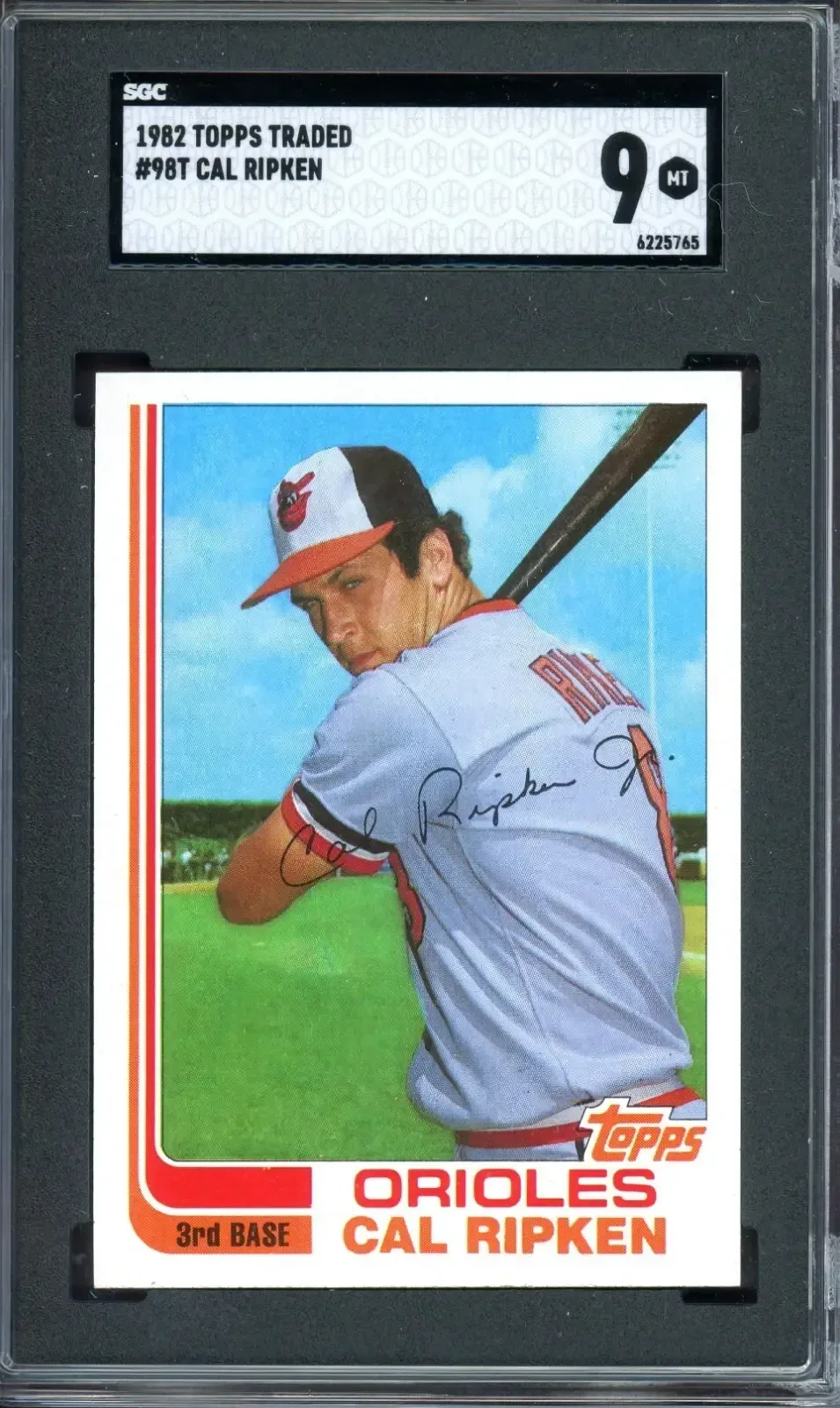
Best pick: 1982 Topps Traded #98T Cal Ripken Jr. Rookie Card SGC 9, $485
Cal Ripken Jr. has a regular 1982 Topps rookie appearance on a multiplayer Future Stars card, but the Topps Traded issue gives collectors his first solo card. That distinction helps separate it within the market, and the fact that it came in the 132-card boxed traded set rather than general wax pack circulation adds another layer of appeal.
Ripken’s place in hobby history is secure. “The Iron Man” played 2,632 consecutive games and won two American League MVP awards. At $485 for an SGC 9, this card offers a premium grade of an iconic 1980s star without crossing into more expensive flagship rookie territory.
Honorable mentions:
- 1984 Donruss #248 Don Mattingly Rookie Card PSA 9, $385
- 1987 Topps #320 Barry Bonds Rookie Card PSA 9, $380
1990s Best Baseball Card Under $500
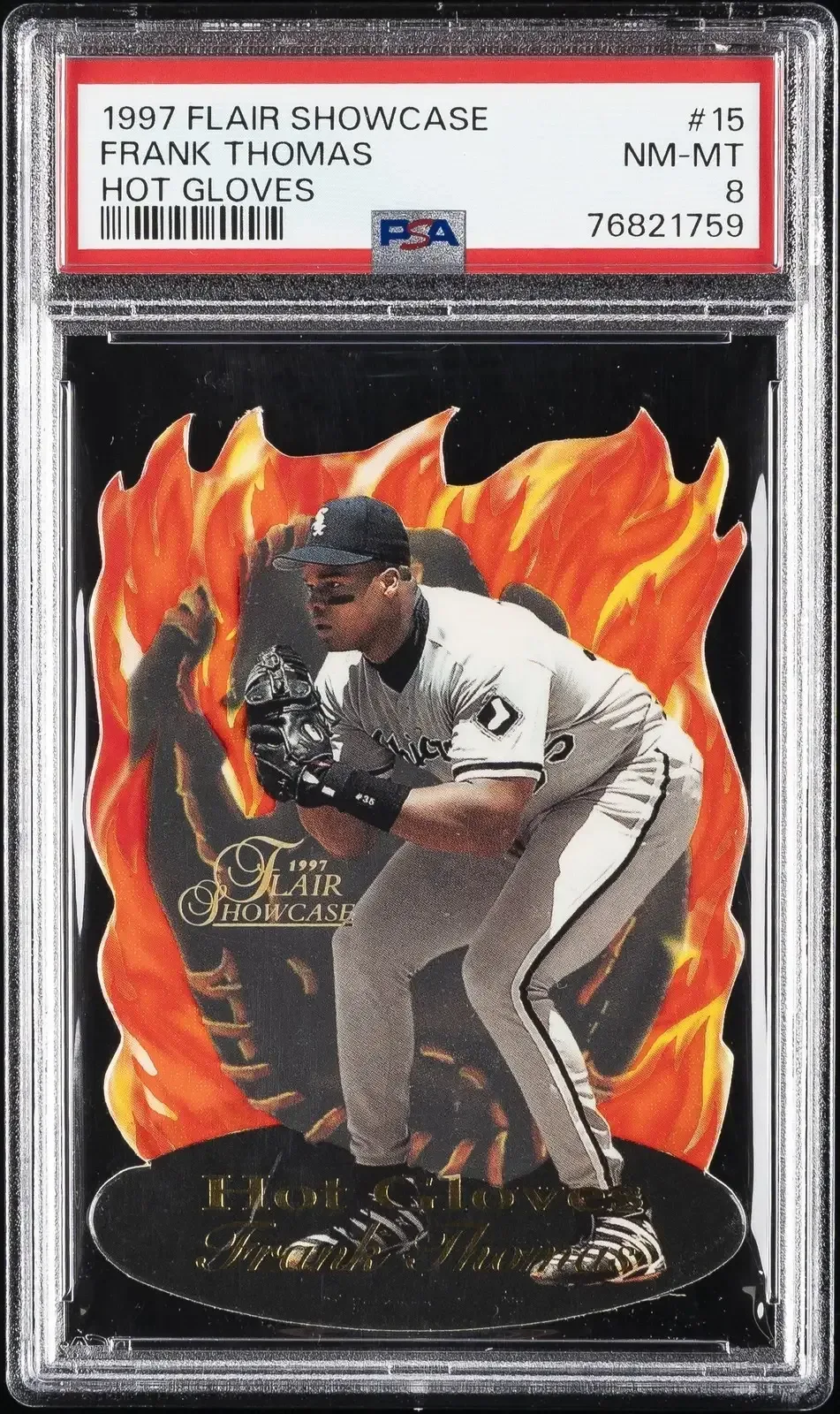
Best pick: 1997 Flair Showcase #15 Hot Gloves Frank Thomas PSA 8, $470
The 1990s produced some of the hobby’s boldest inserts, and Hot Gloves remains one of the era’s most memorable designs. The visual concept is dramatic, unmistakably of its time, and still appealing to collectors who enjoy late-1990s creativity more than plain base-card minimalism.
Frank Thomas brings Hall of Fame credentials and a strong collector base to the card. “The Big Hurt” won two MVP awards, six Silver Sluggers, and entered Cooperstown as a first-ballot Hall of Famer. With just 51 graded by PSA in the provided example, this particular card also carries a level of scarcity that gives it more intrigue than many mass-produced 1990s issues.
Honorable mentions:
- 1993 Topps Finest #85 Greg Maddux PSA 10, $490
- 1998 Topps Finest #TM10 The Man Refractor /75 Alex Rodriguez PSA 8, $420
2000s Best Baseball Card Under $500
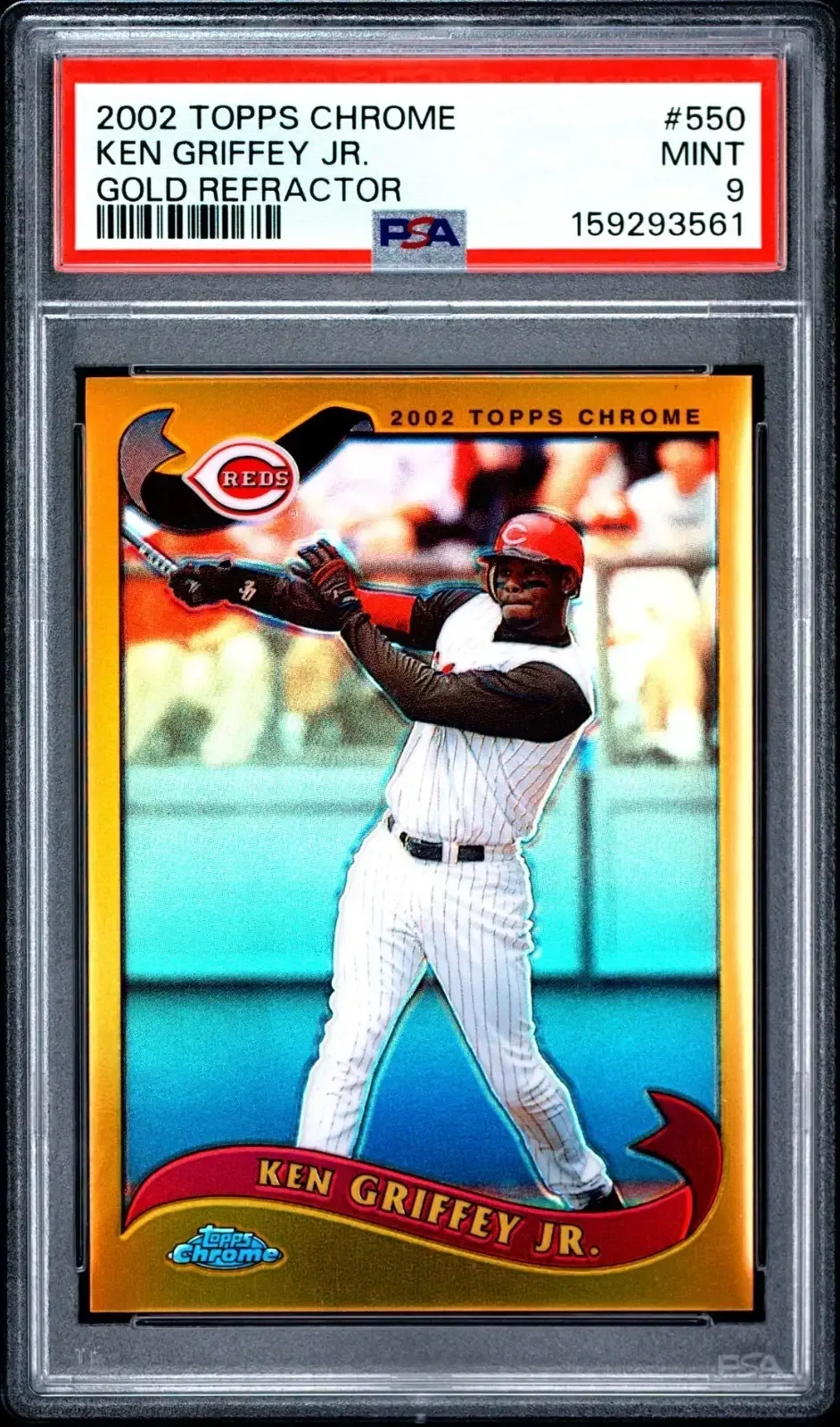
Best pick: 2002 Topps Chrome #550 Gold Refractor Ken Griffey Jr. PSA 9, $450
Gold Refractors have become one of the most respected parallel types in the modern hobby, and that status lifts the appeal of this Griffey card well beyond a standard base issue. Collectors chasing iconic modern-era parallels often start with refractors, and gold versions remain especially desirable.
Pairing that format with Ken Griffey Jr. creates a card that checks several boxes at once: star power, hobby legacy, strong eye appeal, and a print run feel that is much tighter than ordinary flagship material. The supplied population note of 71 graded by PSA adds to the appeal for collectors who want something recognizable but not overly common.
Honorable mentions:
- 2002 Bowman Chrome #391 Joe Mauer Rookie Card Autograph SGC 9.5, $450
- 2001 Topps Traded #T99 Rookies of the Year Gold /2001 Albert Pujols/Ichiro SGC 7, $492
2010s Best Baseball Card Under $500
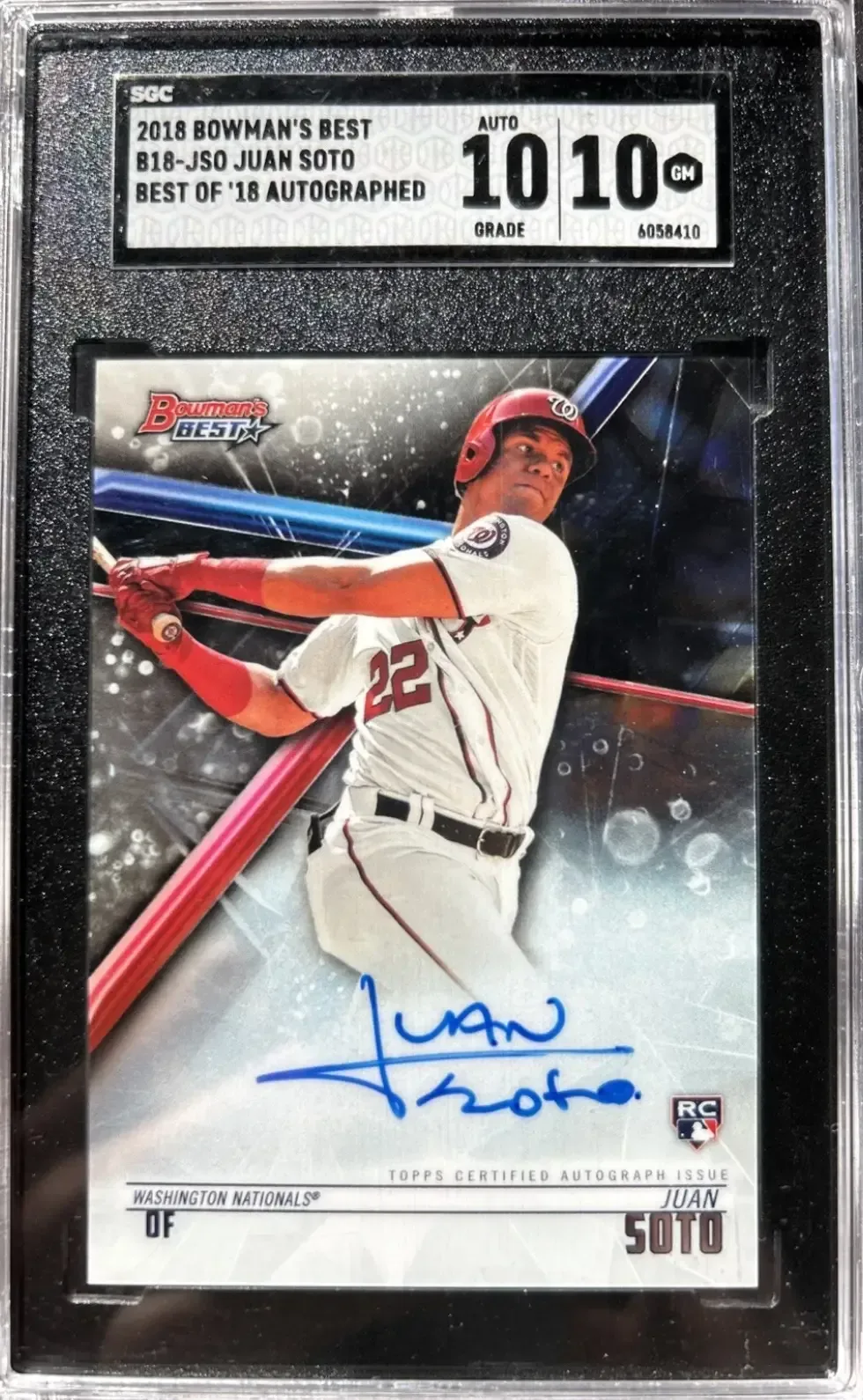
Best pick: 2018 Bowman's Best #B18-JSO Best of 2018 Autographs Juan Soto SGC 10, $455
The modern end of this list closes with a format many collectors prioritize first: an on-card rookie autograph of a superstar-level talent. That alone makes the Juan Soto selection stand out against many other sub-$500 modern cards that are either sticker autos, non-rookies, or lower-tier parallels.
Soto’s early-career resume already includes six Silver Sluggers, and the supplied note highlights that he passed Mickey Mantle for the all-time MLB record in career walks before age 28. For collectors who still want a modern centerpiece under $500, this is one of the cleanest combinations of autograph format, player quality, and long-term relevance on the board.
Honorable mentions:
- 2010 Topps Heritage #ROA-BP Real One Autographs Red Ink /61 Buster Posey PSA 9, $449
- 2018 Topps Chrome #193 Blue Refractor /150 Ronald Acuna Jr. BGS 9.5, $480
What This List Says About the Baseball Card Market
The strongest lesson from these decade-by-decade picks is that collectors still have real flexibility at the $500 level. In vintage, lower-grade examples from elite sets can open doors to Hall of Famers and historically important cardboard that many assume is unaffordable. In modern, the best values often come from choosing a premium parallel, a standout insert, or an on-card autograph rather than chasing only the most expensive flagship rookies.
It also highlights how much context matters. A PSA 1 from a legendary set can be a better collecting buy than a technically sharper but less important card. A solo rookie card can carry more hobby appeal than a shared rookie panel. A rare parallel or iconic insert can matter just as much as a base rookie when the player and design are strong enough.
Collectors shopping in this range should pay close attention to eye appeal, originality, centering, color, and whether a specific card has a meaningful place within its set or era. Those details often determine whether a sub-$500 purchase feels like a placeholder or a true collection anchor.
Photo Gallery