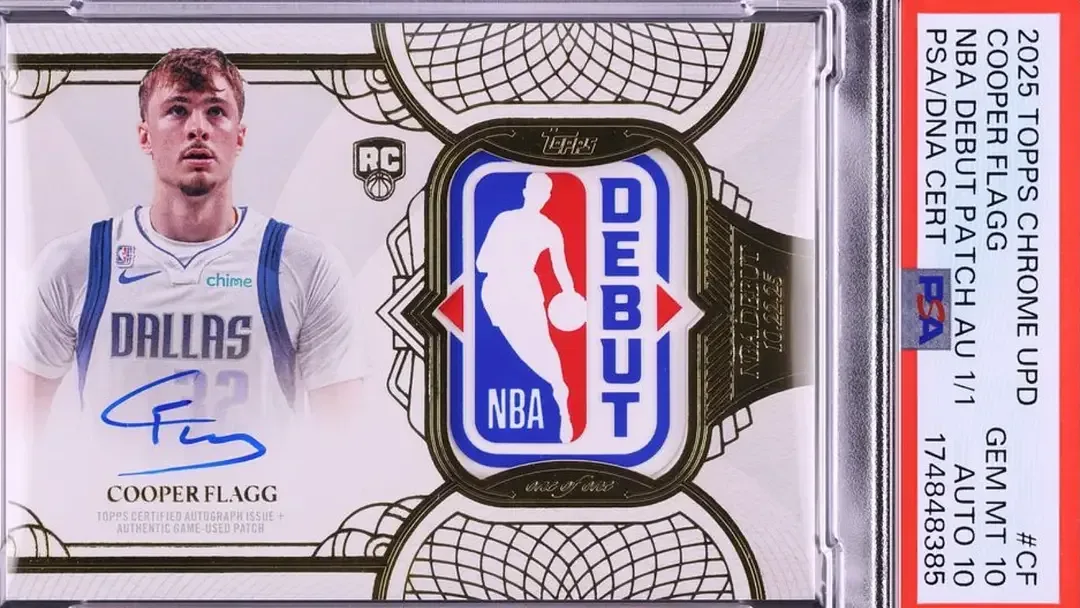
The market for elite sports collectibles has moved into a new era where a single athlete moment can turn into an eight-figure conversation almost overnight. A game-used patch from a player’s debut, a one-of-one Logoman, or a historically significant jersey is no longer just a rare item. It is a branded event, a global marketing story, and in many cases a competition among auction houses to prove they can create the biggest stage for the sale.
That shift is changing how premier auction platforms operate. For years, top-end houses relied on a familiar mix of catalogs, private client relationships, email lists, and traditional promotion. Those tools still matter, but they are no longer enough when the collectible itself is tied to a modern media cycle, instant social attention, and buyers who expect speed, trust, and high-visibility presentation.
As newer grails enter the market, auction houses are evolving from simple transaction venues into full-scale marketing engines. The battle is not just about seller fees or cash advances anymore. It is about who can tell the strongest story, create the widest reach, and make a singular item feel like a cultural moment.
Why the modern grail market looks different
Historically, the most coveted game-used items in sports collecting were photo-matched jerseys and equipment with clear provenance. In the card world, Logoman patches became one of the defining grail categories because they combined player appeal, visual impact, and ultra-limited supply.
For more collector background, read Four High-Grade Mickey Mantle Cards Head to Auction With Fresh Market Comps in Focus.
Now the category has expanded again. New formats such as debut patches and Gold Logoman-linked memorabilia have introduced another layer of scarcity. These items are tied not just to a player, but to a specific first, whether it is a first game, a first appearance, or a first use of a notable on-uniform element. That makes them easy to market because the narrative is built directly into the collectible.
For collectors and investors, that kind of story matters. A one-of-one item with a clean, documented milestone can often generate demand beyond the usual championship or career-accomplishment framework. In other words, the market has shown that a player does not necessarily need an MVP trophy, a title, or a record to produce a multimillion-dollar collectible. If the item captures a major career moment and is packaged effectively, it can still command extraordinary prices.
Big sales are forcing auction houses to adapt quickly
The latest wave of headline sales has made it clear that modern grails can reshape the auction business. One of the biggest examples came with the 2025-26 Topps Chrome Update NBA Rookie Debut Patch Autograph 1/1 of Cooper Flagg, which sold for $8.04 million on September 25, 2026 through Fanatics Premier. The card, tied to Flagg’s first NBA game, vaulted instantly into the highest tier of modern basketball collectibles.
That same sale event also produced major results for other rookie debut patch cards. Dylan Harper’s card reached $2.88 million, while Kon Knueppel’s realized $2.34 million. Those numbers underscored how powerful the debut patch concept has become, especially when paired with aggressive visibility, buyer confidence, and a highly streamlined selling process.
The implications go far beyond a few isolated results. These transactions created fresh liquidity in the high-end market and showed consignors that an auction platform can offer more than a place to list an item. The right platform can help create urgency, educate bidders, and amplify the importance of the collectible before the auction even closes.
That is the new competition. Sellers of major grails want to know not only what an auction house will charge, but also how it plans to position the item, how quickly it can move, and whether it can attract crossover buyers from sports, culture, and luxury collecting.
Fanatics and the appeal of a full-cycle ecosystem
One reason the debut patch market has accelerated so quickly is the strength of the ecosystem around it. In the case of the Flagg, Harper, and Knueppel cards, the platform involved was operating within a full cycle that connected product creation, product distribution, and eventual marketplace presentation.
That structure can be powerful in a modern collectibles environment. It keeps the storytelling consistent, gives buyers a direct line to what the item represents, and can reduce friction for both consignors and bidders. In a category where timing matters and attention spans are short, the ability to move quickly while maintaining confidence is a major advantage.
For buyers, the attraction is also simple. Debut patch cards are easy to understand, visually distinctive, and undeniably scarce. For sellers, they offer the possibility of immediate global attention if the player is already carrying star-level expectations. The auction house that can best convert that attention into bidding energy is often the one that wins the consignment.
The Realest is leaning into story-driven presentation
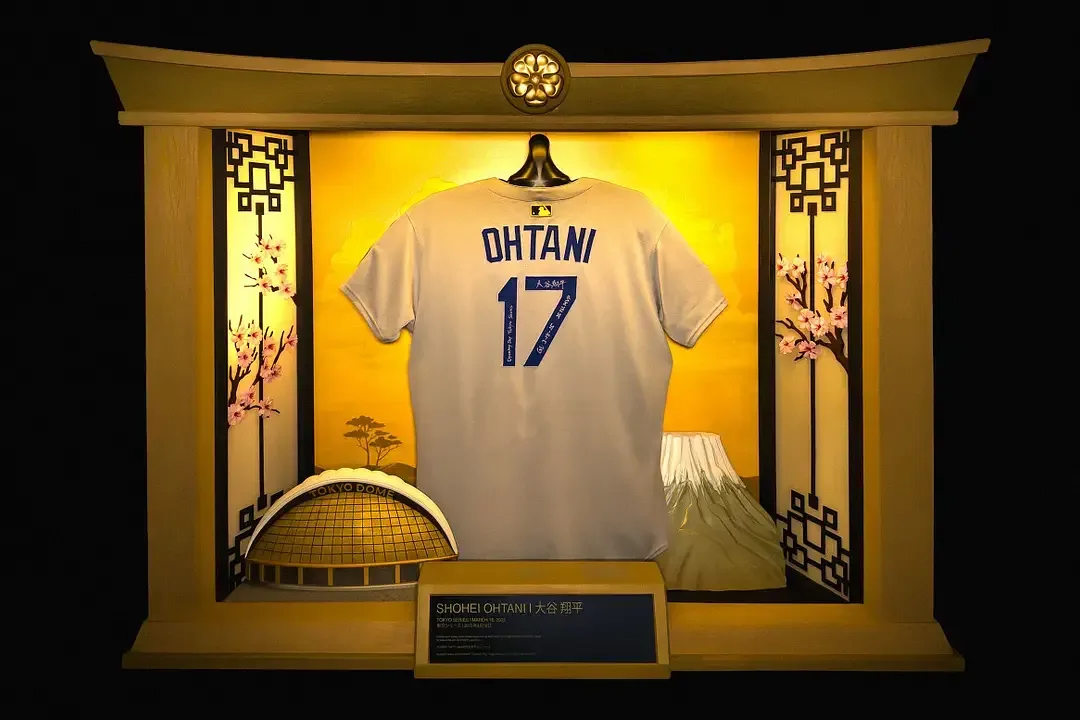
Another example of the changing playbook can be seen in the handling of Shohei Ohtani’s signed Dodgers road gray jersey from the 2025 Tokyo Series. The piece carries several compelling layers of significance. It was worn during the first MLB game in Japan of the 2025 season, it marked the first time the Gold Logoman was worn in an MLB game, and it was signed by Ohtani in both English and Kanji.
That combination gives the jersey multiple points of entry for buyers. It is not only a game-worn Ohtani item. It also connects to international baseball history, uniform innovation, and one of the most marketable athletes in the world. In a market increasingly obsessed with firsts, the jersey presents several at once.
Rather than rely solely on a listing and standard promotion, the sale has been supported by broader engagement tactics, including a global marketing tour ahead of its October 17 close and the return of a “Guess the Price” contest. Those moves reflect a wider industry trend: turning the sale of a grail item into an event that can travel beyond the core hobby audience.
That type of campaign aims to do more than collect bids. It builds cool factor, increases social circulation, and strengthens the emotional connection between the collectible and the audience. For a singular item, that emotional layer can be just as important as scarcity and provenance.
JOOPITER shows how cultural framing can change a sale
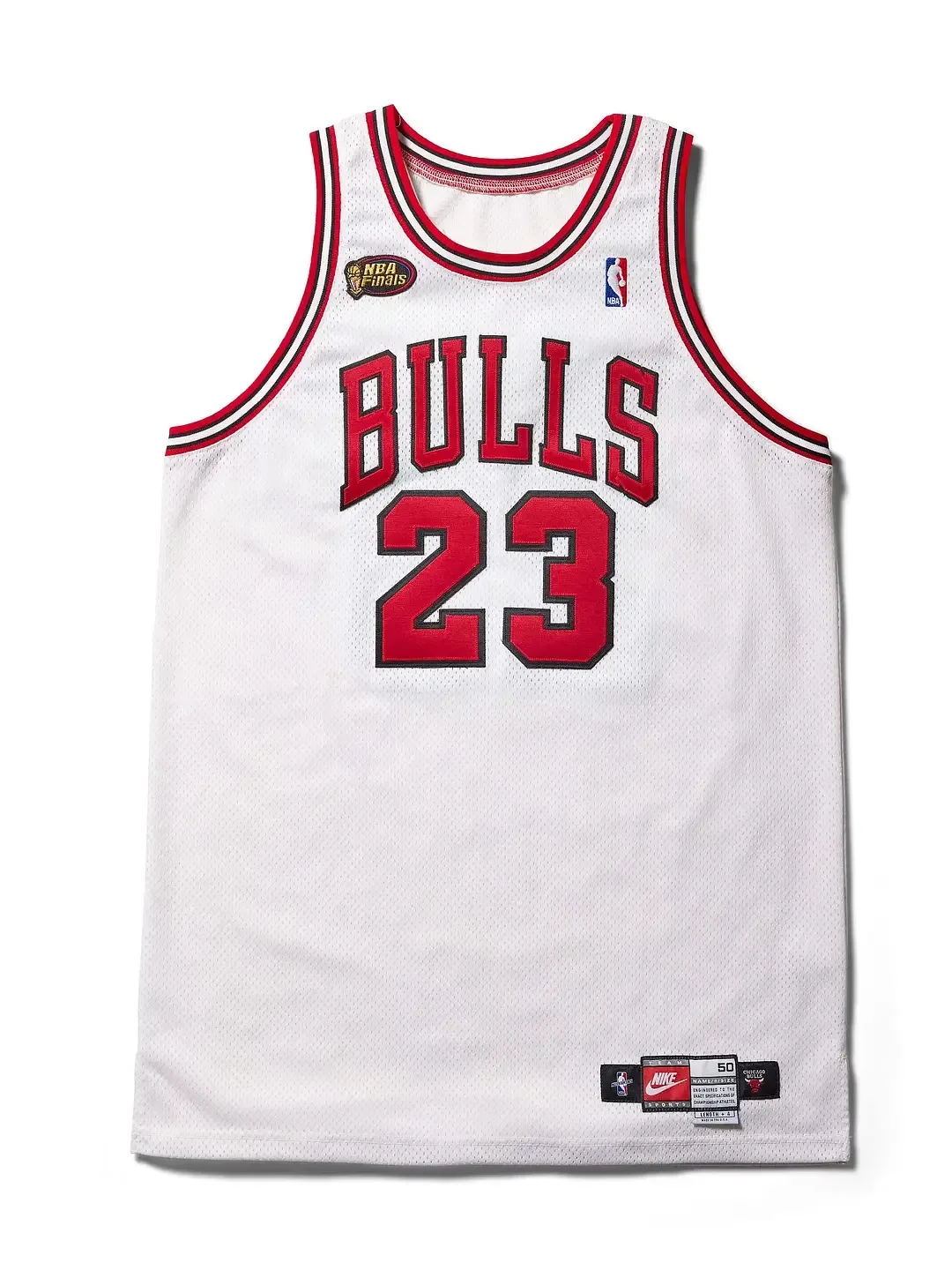
The evolution is not limited to card-focused or hobby-native brands. JOOPITER demonstrated the power of an alternative presentation style when Michael Jordan’s white Chicago Bulls jersey from Game 3 of the 1998 NBA Finals sold for more than $10 million on the platform.
The result set a record for a Michael Jordan jersey, but the platform choice itself also drew attention. In a category long dominated by established memorabilia channels, using a culturally connected auction house signaled that top consignors are increasingly open to partners who can position sports artifacts as pieces of broader cultural history.
That matters because today’s ultra-high-end buyer pool is not limited to traditional collectors. It includes buyers who move across sports, art, fashion, watches, and luxury categories. Presenting a legendary Jordan jersey as more than memorabilia and instead as an object that sits at the intersection of sport and culture can widen the audience dramatically.
For auction houses, that means marketing language, photography, event strategy, and brand identity all play a larger role than they once did. A platform does not just need credibility in authentication and client service. It also needs to show it can frame a grail item in a way that matches the expectations of modern high-net-worth bidders.
What consignors want now
The changing auction landscape has effectively raised the standard for how major collectibles are sold. Consignors holding elite items now expect more than a reserve discussion and a fee schedule. They want a clear strategy.
That strategy usually includes several key elements:
- Speed to market: The ability to capitalize on current player momentum or news-cycle relevance.
- Trust and transparency: Strong provenance, clear presentation, and confidence in the transaction process.
- Global reach: Access to buyers beyond the traditional hobby network.
- Creative storytelling: A campaign that explains why the item matters and why it is different from everything else available.
- Cultural positioning: Presentation that can connect with collectors, investors, and luxury buyers alike.
Those expectations are especially important for one-of-one pieces tied to modern player milestones. Because many of these items are new to the market, valuation is still being formed in real time. The way they are introduced to bidders can influence not only one sale, but how the entire category is understood going forward.
Why firsts are becoming the centerpiece of modern demand
One of the clearest themes in recent grail sales is the power of the word “first.” First game. First patch. First Gold Logoman use. First debut-linked card. These milestones create an easy narrative hook, and narrative has become a critical driver of value.
That does not mean traditional standards like eye appeal, condition, player quality, and provenance have disappeared. They still matter enormously. But in today’s market, the collectible that best condenses a story into a single object often has the strongest upside.
That is why debut patches and milestone-worn memorabilia have captured so much attention. They are simple to understand, easy to promote, and naturally suited for social media and event-based marketing. They also appeal to a newer generation of collectors that values immediacy and iconic imagery as much as long-established hobby conventions.
What this means for the next wave of grails
The recent run of major sales suggests that auction houses are still in the early stages of this shift. As more licensed products introduce milestone-based memorabilia elements across sports, more grail-caliber items are likely to hit the market. That means competition for consignments should intensify even further.
The likely winners will be the platforms that can combine three things consistently: airtight trust, fast execution, and memorable marketing. A house that can do all three stands the best chance of turning a rare collectible into a major event.
For collectors watching the market, the takeaway is that value is increasingly being built before the first bid is placed. Presentation, context, and visibility are becoming part of the asset itself. In this environment, the next multimillion-dollar sports collectible may come not only from a legendary career achievement, but from a perfectly packaged moment that captures scarcity, timing, and story in one piece.
As debut patches, Logomans, and landmark game-worn items continue to define the upper end of the hobby, auction houses are no longer just selling grails. They are competing to create the stage on which those grails become history.
Photo Gallery