Topps Chrome Football returns on November 18, 2026 with the kind of build-up that usually signals a major hobby release. The product has premium inserts, high-end case-hit style chases, major star power, and several features aimed directly at modern collectors who chase both sealed wax and singles. On paper, it looks like one of the strongest football launches of the year.
What makes this release especially important is the timing. The football card market is still capable of producing headline-grabbing sales and packed show floors, but there are also signs of pressure underneath the surface. Prices on some marquee cards have cooled, some breaks have become harder to fill, and the usual seasonal softening late in the year remains part of the equation. That puts 2026 Topps Chrome Football in a unique position. It is not just another product release. It could become an early test of how much real demand exists for premium modern football cards right now.
Why 2026 Topps Chrome Football Is Getting So Much Attention
There are several reasons this product has generated strong anticipation heading into release day. Topps has stacked the checklist with eye-catching chase elements that appeal to both player collectors and investors chasing scarce modern grails.
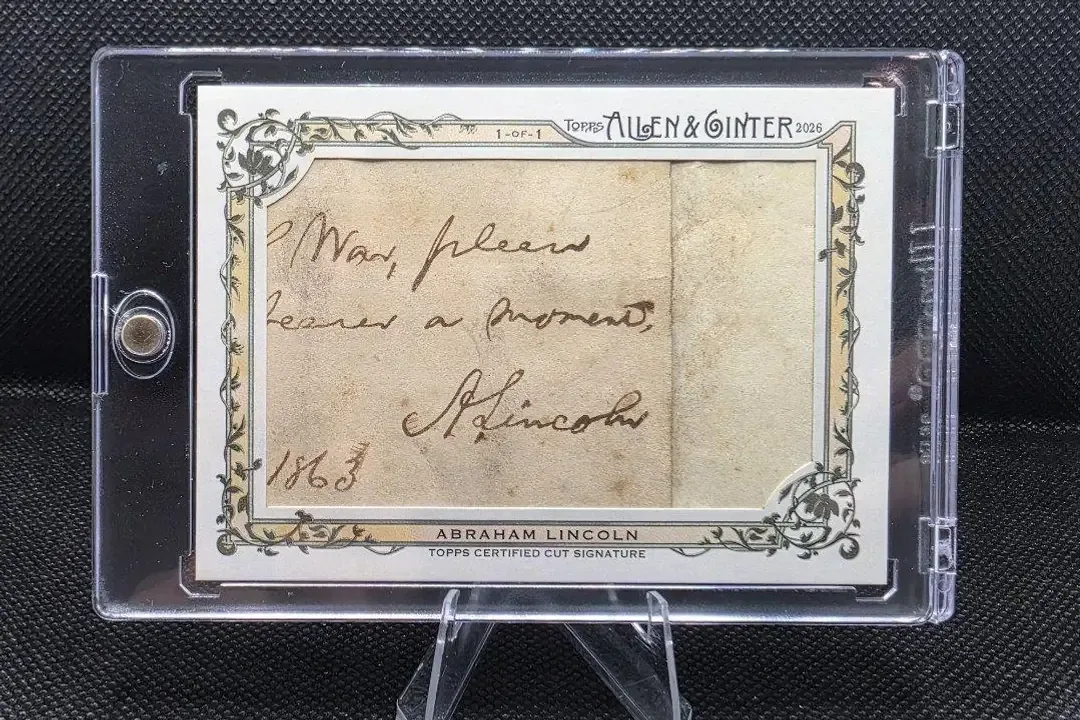
Among the names drawing the most hobby attention are Helix, Kaiju, and Topps Superfractors. Those are the kinds of cards that can define a product in the first days and weeks after launch, especially when they feature elite quarterbacks and headline-level veterans. The product also reaches into the high-end patch category with Debut Patch and Gold Shield cards, both of which are the kind of premium content collectors closely track in the secondary market.
For more collector background, read 2026 Topps Chrome Football Adds PREM1ERE Patch Autographs From the 2023 and 2024 Rookie Classes.
Topps has also added another major talking point by confirming that PREM1ERE Patches from 2023 and 2024 will be part of the release. That gives the product an extra layer of chase value beyond the usual base, autos, parallels, and inserts. For collectors who prioritize unique memorabilia-driven cards, that inclusion raises the ceiling on what can emerge from sealed product.
There is also added incentive tied to Topps increasing redemption values for the MVP Buyback Program. Moves like that matter because they can improve collector confidence and create a stronger perceived floor for key cards. In a market where buyers are becoming more selective, every extra incentive helps.
The Product Looks Strong, but the Market Is More Complicated
A loaded checklist does not always guarantee sustained heat. That is the key question surrounding this release.
The sports card market has shown two very different realities at the same time. On one hand, online card sales have remained enormous, with October surpassing $1 billion in online sales. Big card shows continue to draw crowds, and many events are still seeing heavy vendor demand. The live hobby experience remains healthy in many parts of the country, and football still tends to command some of the strongest attention in the modern market.
On the other hand, not every signal has been positive. Certain iconic cards have pulled back sharply from their highs. The market has also shown stress in break demand for some categories, and late-year softness remains a familiar pattern. That creates a tougher backdrop for a premium release, especially one carrying major expectations.
Sealed wax can open hot on excitement alone, but lasting strength usually depends on the singles market. If the top rookie cards, star autos, and short prints do not hold value after the initial rush, confidence can fade quickly. That affects more than just breakers and wax buyers. It also impacts dealers, show activity, grading submissions, and the willingness of collectors to keep buying into the next wave of releases.
Why Early Sales Matter More Than Usual
The first few days of 2026 Topps Chrome Football will be watched closely because this product sits at the intersection of hype and market reality. If hobby boxes move fast, breaks fill easily, and top singles post strong public sales, it will reinforce the idea that football remains one of the hobby's strongest engines even in a more selective buying environment.
If the opposite happens, collectors may start reading the result as a broader warning sign. A slow start for a product with this much promotion and this many chase elements would raise fair questions about current appetite for premium football wax. It would suggest that buyers are becoming more cautious not just about weaker products, but even about flagship-style chromium releases with major built-in appeal.
That is what makes this launch so important. This is not a product lacking star power or obvious chase cards. If demand comes in softer than expected, the conversation likely shifts away from the product itself and toward the wider health of the modern football card market.
Comparing It to 2025 Topps Chrome Football Is Tricky
One of the most common ways collectors judge a new release is by looking at the previous year, but 2025 Topps Chrome Football came with special circumstances that make it difficult to use as a straight benchmark.
The 2025 edition benefited from being the first Topps Chrome football release in a decade. Nostalgia played a major role, and collectors had already formed strong positive associations with the brand. That kind of return-to-market energy can create inflated launch demand that is hard to repeat in year two.
It also had a rookie quarterback angle that helped drive early excitement, with first cards of Cam Ward, Jaxson Dart, and Tyler Shough adding fuel to the chase. That matters because quarterback demand remains one of the most powerful forces in football cards. When a release features fresh rookie QB content with upside, the market often responds quickly.
In other words, 2025 had novelty and rookie momentum on its side. The 2026 product may still be excellent, but it does not enter the market with exactly the same built-in advantages.
What 2025 Prices Already Showed About Volatility
Last year's release also provided a clear reminder of how quickly modern football prices can move after launch week. A 2025 Josh Allen Kaiju reportedly sold for $10,000 during release week, then dropped to $2,000 a little more than a week later. A PSA 10 public sale has not moved back above that initial $10,000 level since.
That price path is important because it highlights a familiar pattern in ultra-modern cards. Early sales often reflect fear of missing out, limited supply in the first wave, and aggressive bidding from collectors who want to be first. Once more product gets opened and more examples surface, prices can settle fast.
The same trend showed up in a Josh Allen Blue /150 autograph, which sold for $7,500 during release week before later selling for under $2,500 just weeks after. Those are not minor fluctuations. They are the kind of swings that shape collector behavior around future releases.
When buyers remember that kind of slide, they may become more cautious on day one pricing. That could reduce the explosive launch premium that some collectors now expect from major chromium football products.
The Rookie Quarterback Question Still Matters
Every football release eventually circles back to the same issue: who is carrying the quarterback chase?
The 2026 conversation includes uncertainty there as well. Fernando Mendoza is one of the names attached to the rookie discussion, but the market may be asking more from star veterans and established quarterbacks this time around. That shifts the burden of demand. Instead of relying heavily on fresh rookie upside, the release may need strong participation from collectors chasing names like Josh Allen and Joe Burrow, plus any other established stars on the checklist.
That can work, but it changes the way a product performs. Veteran-driven demand often behaves differently than rookie speculation. It can be steadier in some cases, but it can also lack the explosive upside that turns a release into an immediate frenzy. If the rookie class does not create enough urgency, the product may depend more heavily on ultra-short-print hits and premium patch content to maintain momentum.
What Collectors Should Watch After Release Day
The first indicator will be break activity. If group breaks fill quickly at expected price levels, that is usually a sign of confidence in the checklist and near-term singles potential. If breakers start discounting spots early or struggle to close rooms, that can be an early warning.
The second indicator will be the strength of the very best singles. Collectors should watch public sales for top autos, case hits, rare inserts, and premium memorabilia cards. It is not just about one massive sale. It is about whether prices hold after the first few waves of product are ripped.
The third indicator is how broad the demand looks. If only a handful of cards perform while the rest of the checklist feels soft, the product may produce highlights without delivering broad market strength. If multiple stars, rookies, and premium inserts all see healthy sales, the hobby will likely read that as a much stronger signal.
Another area worth monitoring is grading behavior. Premium modern releases often feed directly into grading volume. If collectors quickly decide that key 2026 Topps Chrome Football cards are worth rushing into slabs, that can reinforce confidence in long-term value and liquidity.
What a Slow Start Would Really Mean
If sales come out of the gate slower than expected, it would not automatically mean the product failed. Launch timing, pricing, allocation, and normal seasonal softness all matter. Some releases take time to find their level, especially when buyers are wary of overpaying in the first week.
Still, a muted opening for a product this loaded with chase content would be difficult to ignore. It would suggest that hobby demand is becoming more disciplined, and that strong branding alone is no longer enough to guarantee a big wax win. It could also signal that collectors are putting more emphasis on proven singles performance before committing heavily to boxes and cases.
That would have ripple effects across the football category. Dealers, breakers, and flippers often use a major flagship-style launch to gauge how aggressive they should be with future product. If 2026 Topps Chrome Football does not hit with immediate force, the market could respond with a more cautious tone heading into the next stretch of releases.
A Key Release for the Modern Football Card Market
Few products arrive with this combination of hype, premium chase cards, and broader market importance. 2026 Topps Chrome Football has Helix, Kaiju, Superfractors, Debut Patch cards, Gold Shield cards, PREM1ERE Patches from 2023 and 2024, and stronger MVP Buyback redemption values. It has nearly every ingredient collectors would point to when describing a major modern football release.
That is exactly why the opening response matters so much. If the release launches hot and holds up in the singles market, it will strengthen the case that premium football remains one of the hobby's most resilient categories. If it stalls despite all of those advantages, the market may have to take a harder look at whether modern football wax is entering a more demanding phase where only the best cards, at the right prices, can sustain real momentum.
For collectors, breakers, and dealers, November 18 will be about more than a checklist. It will be one of the clearest early reads yet on how much conviction the market still has in premium modern football cards.