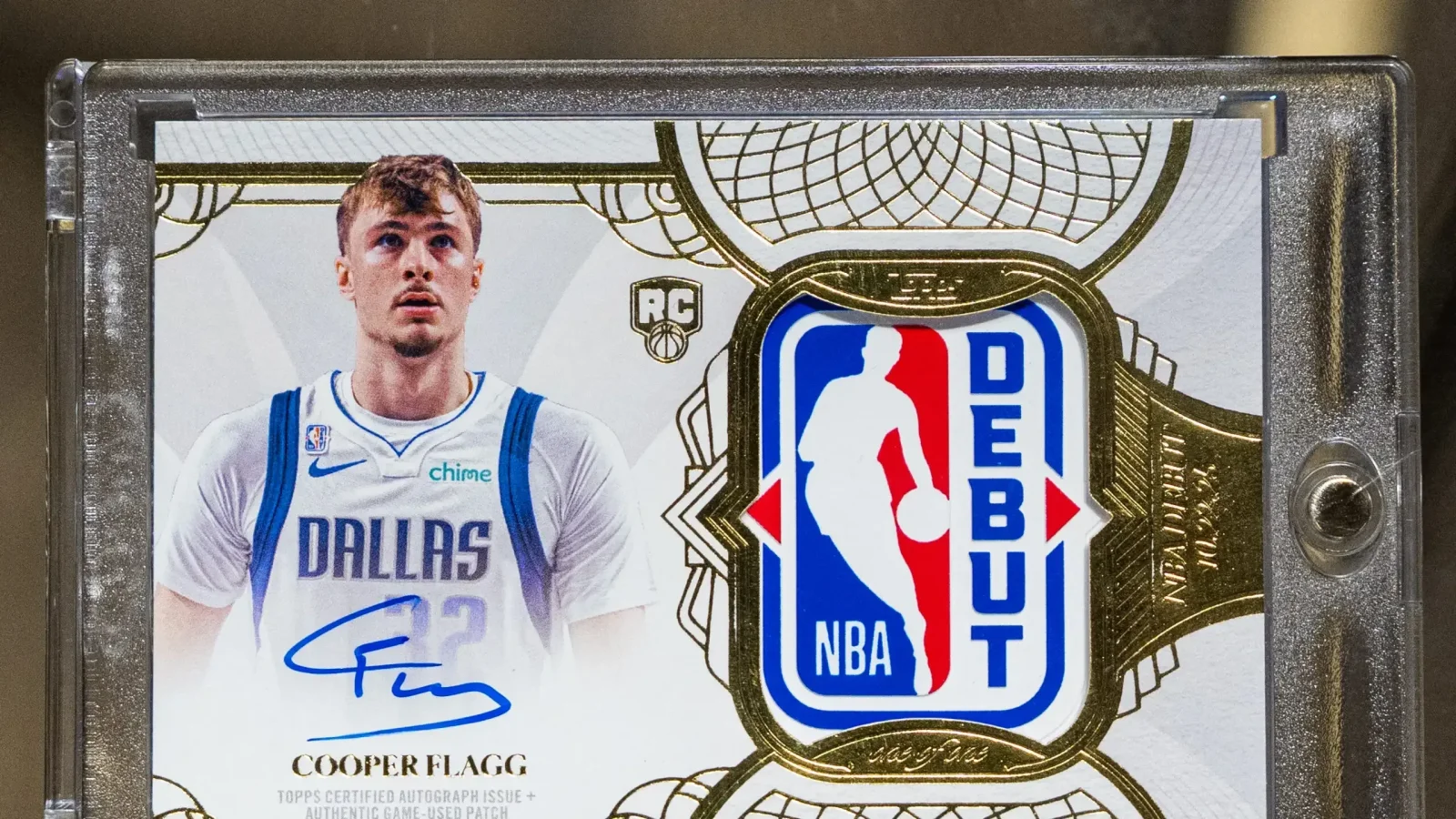
The first few games of the 2026-27 NBA season have already started to reshape the rookie card conversation. A handful of first-year players have turned early opportunity into production, while others are still waiting for either a bigger role or a healthier start. For collectors, that makes opening week one of the most important checkpoints of the year. Prices can move quickly when the hobby sees box-score production, viral highlights, and signs that a rookie is earning real minutes.
This early report is not about long-term ceilings alone. It is about what the market has learned in the opening stretch and how that information may affect rookie card demand right now. Some names are already pushing higher because of strong all-around stat lines. Others are becoming affordable upside plays because their market has stayed quiet despite encouraging flashes.
Yaxel Lendeborg has seized the early spotlight
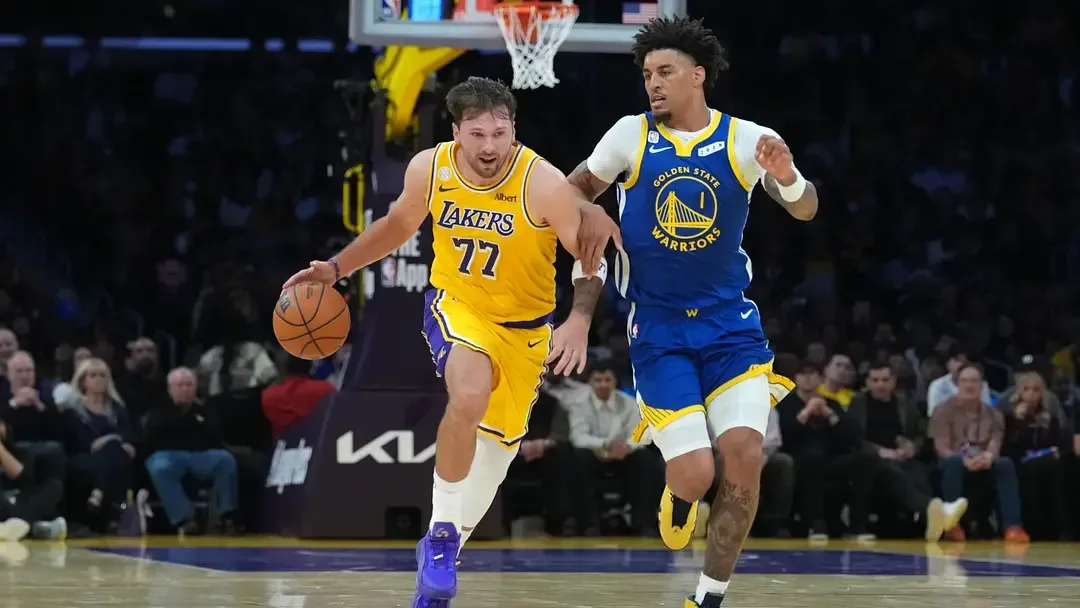
No rookie generated more immediate attention in the season's opening week than Yaxel Lendeborg. Part of that came from personality. Part of it came from production. In his debut, he drew extra eyes after getting into it with Luka Doncic during Golden State's game against the Lakers. That kind of moment can push a player into the mainstream fast, especially when it happens under the brightest lights.
What matters more for collectors is that Lendeborg followed the buzz with real on-court substance. He posted an 18-point, 13-rebound double-double against Memphis, then nearly reached the 30-point mark with 26 points and nine rebounds against Phoenix. That combination of edge, visibility, and stat production is exactly what can turn a rookie from a watch-list name into a market driver.
For more collector background, read NFL Rookie Card Stock Watch After Week 6: Carnell Tate Climbs as 2026 Top 20 Takes Shape.
For card buyers, Lendeborg checks several important boxes early. He is playing meaningful minutes, he is producing across multiple categories, and he is giving people memorable moments to talk about. Those factors do not guarantee a long-term hobby star, but they do create strong short-term demand. In the first week of a season, attention matters, and very few rookies matched the amount of conversation that followed Lendeborg.
Cameron Boozer and Caleb Wilson look like the strongest early performers
If opening week is judged strictly by all-around performance, Cameron Boozer belongs near the top of the class. The No. 3 pick posted averages of 16.0 points, 12.0 rebounds, and 5.5 assists. Those numbers stand out because they show more than scoring. Boozer has already looked like a player capable of affecting every part of a game, and collectors usually respond well to that kind of complete profile.
His rebounding and assist numbers have been especially impressive among the rookie group, and that versatility tends to give a player more staying power in the hobby. High scorers can see quick spikes, but players who stuff the stat sheet often hold collector interest through slower shooting stretches. Boozer's start suggests he has a strong chance to be one of the most stable rookie card names in the class if this level continues.
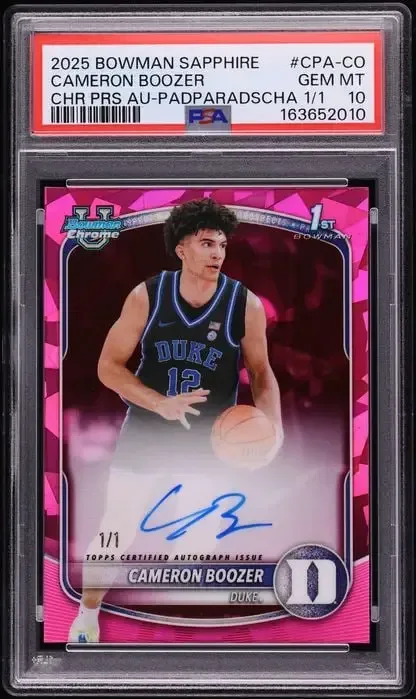
The market has already shown signs of confidence. A 2025 Bowman Chrome University Sapphire Padparadscha 1/1 autograph of Boozer recently sold for $18,300, setting a new high-water mark for one of his cards. Big sales do not tell the whole story, but they do reveal where advanced collectors are willing to invest early. Premium buyers appear comfortable betting that Boozer's opening-week production is meaningful.
Caleb Wilson has made his case in a different way. He has been one of the best pure scorers in the rookie class out of the gate, averaging 22.3 points per game. He also broke through with a 30-point performance against Washington, adding 14 rebounds for his first double-double. That sort of scoring punch is often the fastest path to hobby traction, especially when it comes from a rookie capable of headline games.
Wilson's appeal is simple to understand. Buckets sell. A rookie who can threaten 30 points in the opening week will immediately draw interest from both player collectors and speculators looking for quick momentum. If he keeps pairing volume scoring with the occasional strong rebounding night, he should remain one of the most discussed names in this class.
Darius Acuff Jr. and Trevon Brazile offer two different types of upside
Darius Acuff Jr. has put up points in a hurry. He leads the rookie class in scoring at 22.5 points per game, and his 33-point outing in just his second NBA game is the highest single-game scoring total by any rookie so far. For collectors who prioritize offensive upside, there is a lot to like about that start.
The caution point is efficiency. The scoring is real, but the overall profile still needs refinement. That matters because the hobby can be forgiving of inefficient volume scoring for a while, but not forever. Still, early scoring leaders almost always command attention, and Acuff has done enough already to keep his name active in rookie card discussions.
One intriguing part of his market is that it has not exploded in the same way as some of the more heavily chased names. His biggest cards have generally remained in the low four-figure range, and there was not an obvious post-opener surge tied directly to his first regular-season games. That may make him appealing to collectors who believe the production will continue and want exposure before a broader price jump.
Trevon Brazile is a very different prospecting case. He has averaged 10.5 rebounds per game through Denver's first two contests, trailing only Boozer among rookies in that category. Rebounding alone does not always light the hobby on fire, but it can signal a role player with room to become more if the minutes and offense expand.
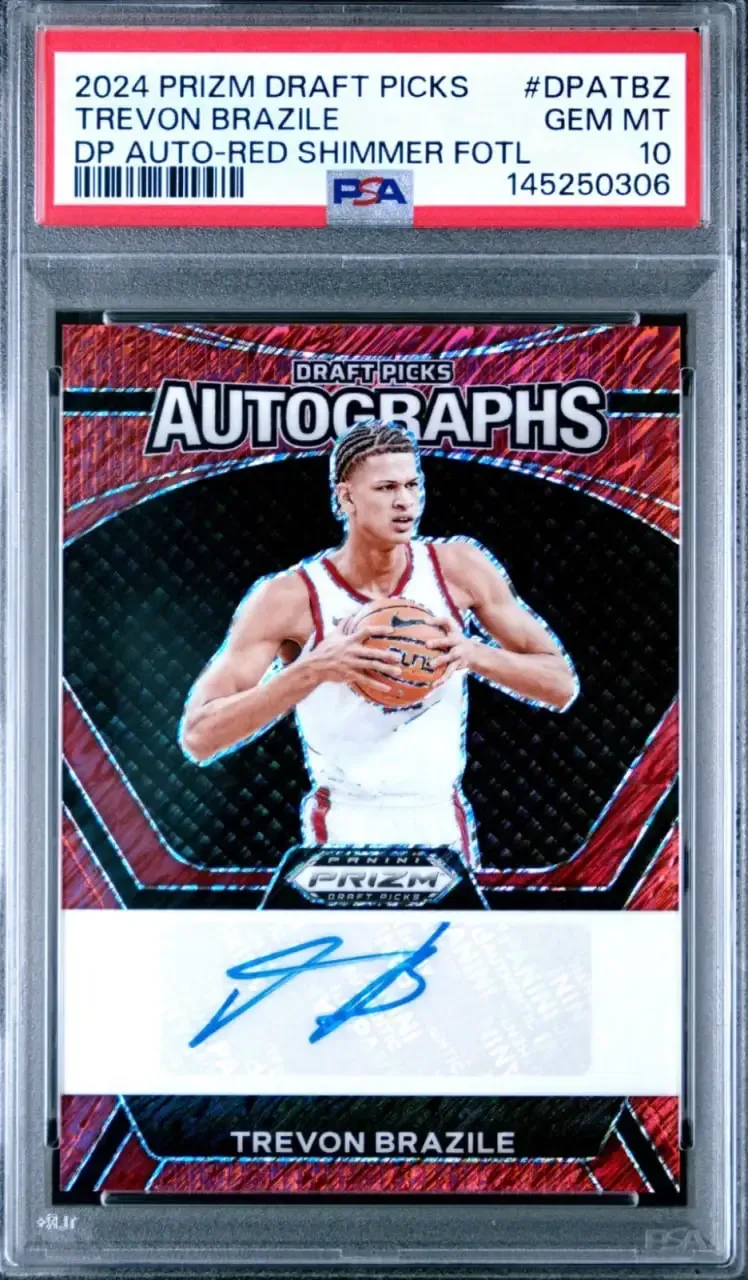
Because Brazile entered the league as a second-round pick, he has not carried the same level of pre-draft hype or early hobby pressure as lottery selections. That can be useful for collectors. Lower expectations often mean lower entry prices, and lower entry prices can create some of the best risk-reward opportunities. A 2024 Prizm Draft Picks Red Shimmer FOTL /11 PSA 10 of Brazile sold for $600, a level that shows how accessible his market still is compared with more celebrated rookies.
For collectors who like affordable upside rather than headline chasing, Brazile is one of the more interesting names from the first week. If the rebound numbers hold and the role grows, the current price points could look modest later.
Darryn Peterson and Keaton Wagler remain on the watch list
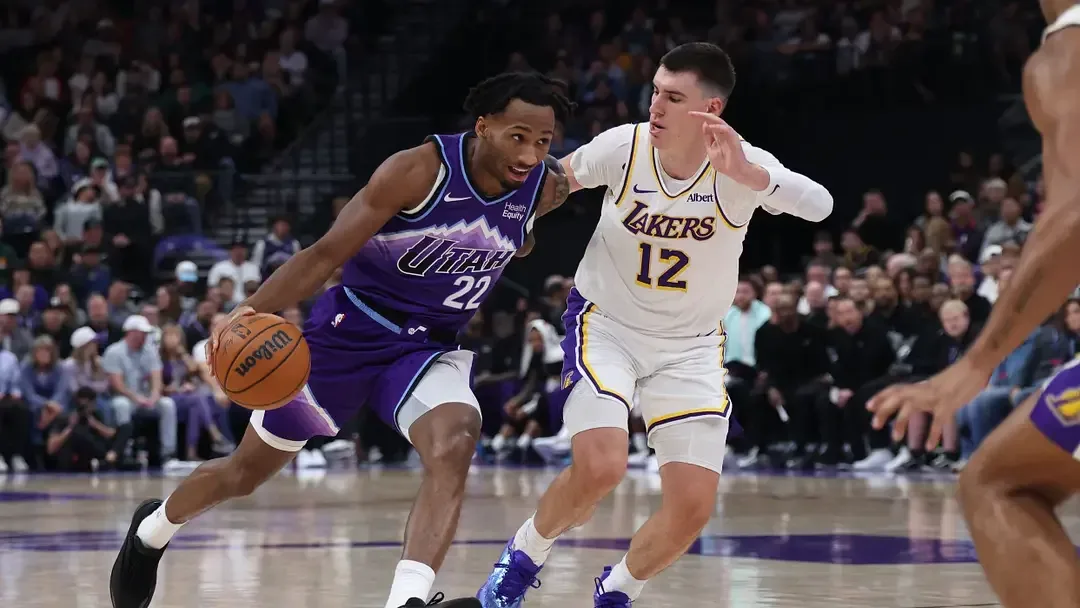
Darryn Peterson entered the season with major expectations after being selected No. 2 overall by Utah, but his first few NBA games have not delivered the kind of instant breakout many collectors hoped to see. Through three contests, Peterson has averaged 12.0 points, 3.5 rebounds, and 2.0 assists. Those numbers are not alarming in a long-term sense, but they are underwhelming when measured against top-of-the-draft hype.
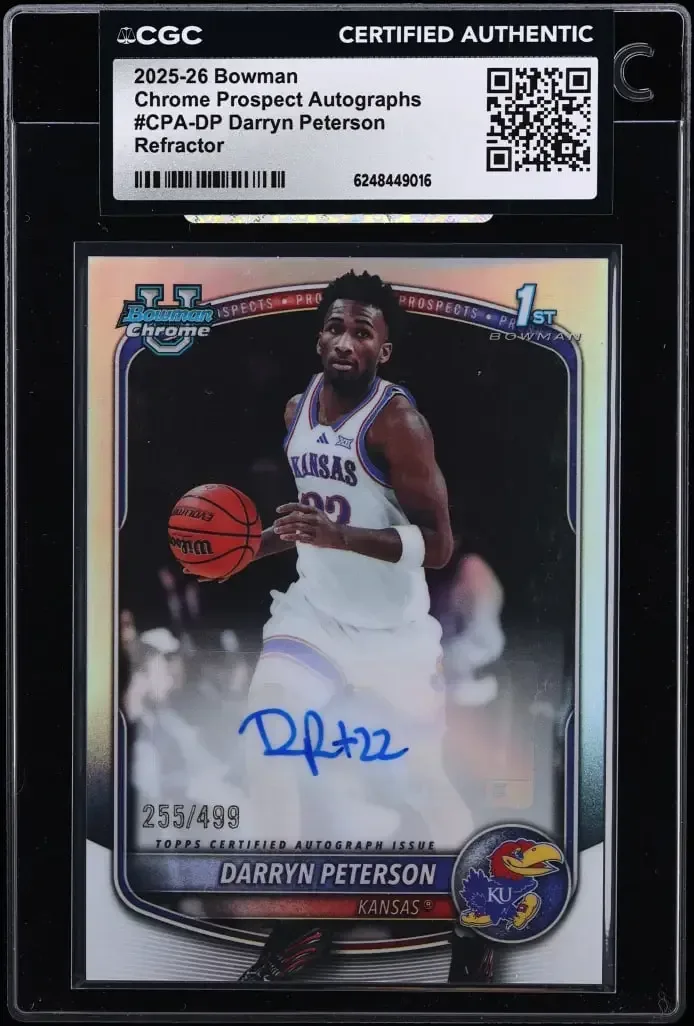
His best scoring night came in a win over New Orleans, while the losses to Memphis and the Lakers were quieter outings. That uneven start has kept his market from accelerating. A 2025 Bowman Chrome Refractor on-card auto /499 sold for $126, a result that illustrates how cautious buyers have been so far.
That hesitation could create a buy-low window for patient collectors. Elite draft status still matters, and a slow first week does not erase long-term upside. But for now, Peterson sits in a prove-it stage from a hobby standpoint. Collectors want to see more consistency before paying premium prices again.
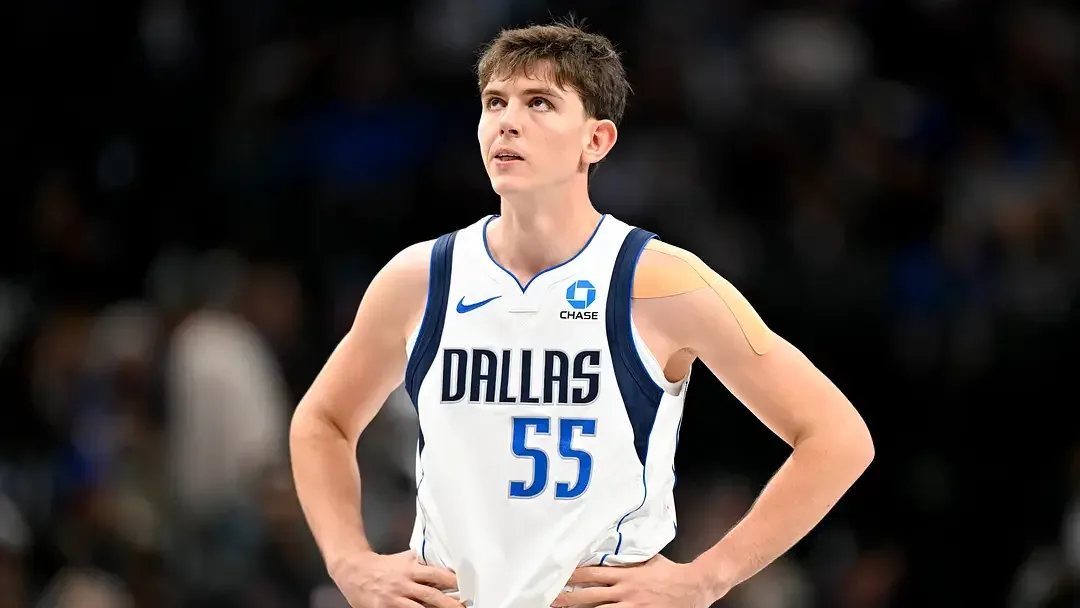
Keaton Wagler falls into a similar early category, although for different reasons. His play has been solid enough, but it has not featured one defining performance or signature stat line that forces the market to react. That makes him harder to classify after the first week, yet it also keeps him from becoming overpriced too early.
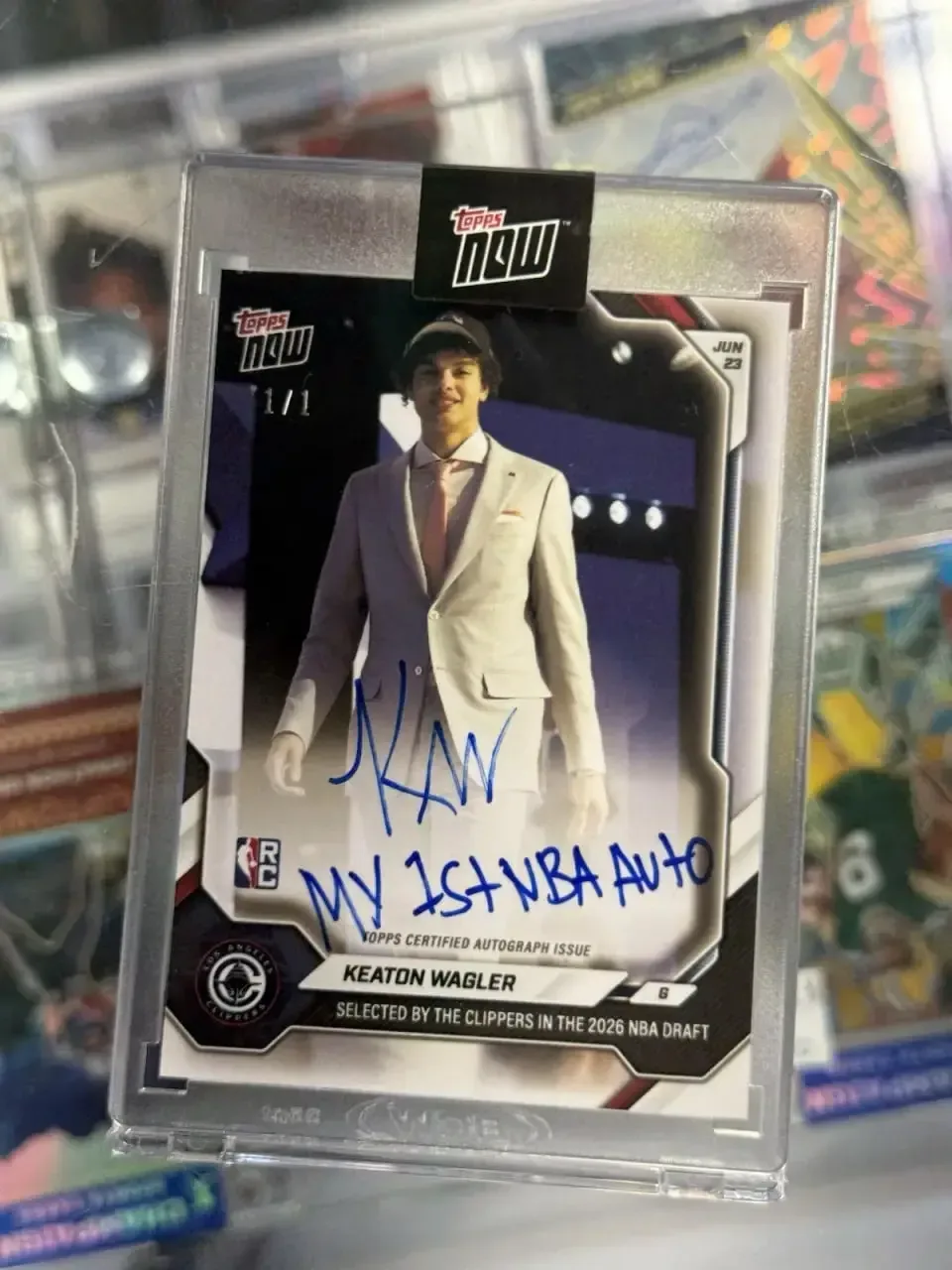
Wagler's market has been fairly quiet outside of a major sale for his first autographed card, a 2026 Topps Now Rookie Draft Day 1/1 that brought $7,750 two months ago. Beyond that headline piece, there has not been much urgency around his cards. For team collectors or buyers looking for a top-five pick without the steepest week-one premium, that can be a positive.
Sergio de Larrea and Brayden Burries need expanded roles
Some of the most interesting rookie card opportunities come from players who have shown flashes but have not yet received stable minutes. Sergio de Larrea fits that description well. He played only seven minutes against Houston and less than a minute against Indiana, scoring zero points in both games. Then his role expanded against San Antonio, and the results changed immediately.
In 33 minutes against the Spurs, de Larrea scored 21 points while shooting 60 percent from the field. That game was a reminder that small early samples can be misleading, especially for rookies whose playing time has not settled. Collectors looking only at averages might miss the larger point. When de Larrea actually got the opportunity, he produced.
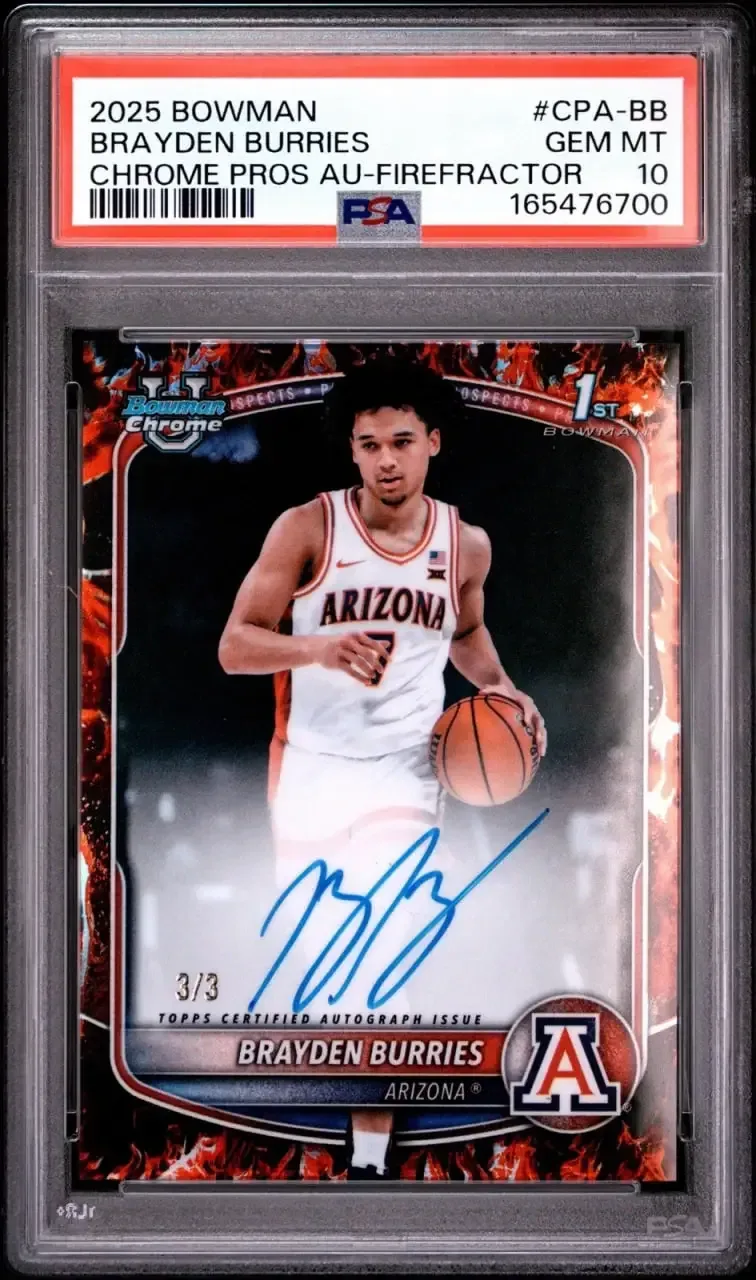
Brayden Burries is in a similar spot. He scored 12 points with five rebounds in 16 minutes against Washington, then followed that with 10 points and five rebounds in 17 minutes against Philadelphia. Those are efficient, encouraging contributions in limited court time. He may not have the spotlight yet, but the productivity per minute gives collectors a reason to monitor him closely.
From a market perspective, both de Larrea and Burries remain accessible. Their cards are still priced in a range that makes them realistic targets for collectors who prefer buying before a role change, not after. That approach carries risk, since more minutes are never guaranteed, but week one did provide evidence that both players can capitalize if the opportunity grows.
AJ Dybantsa remains a premium hold despite not debuting
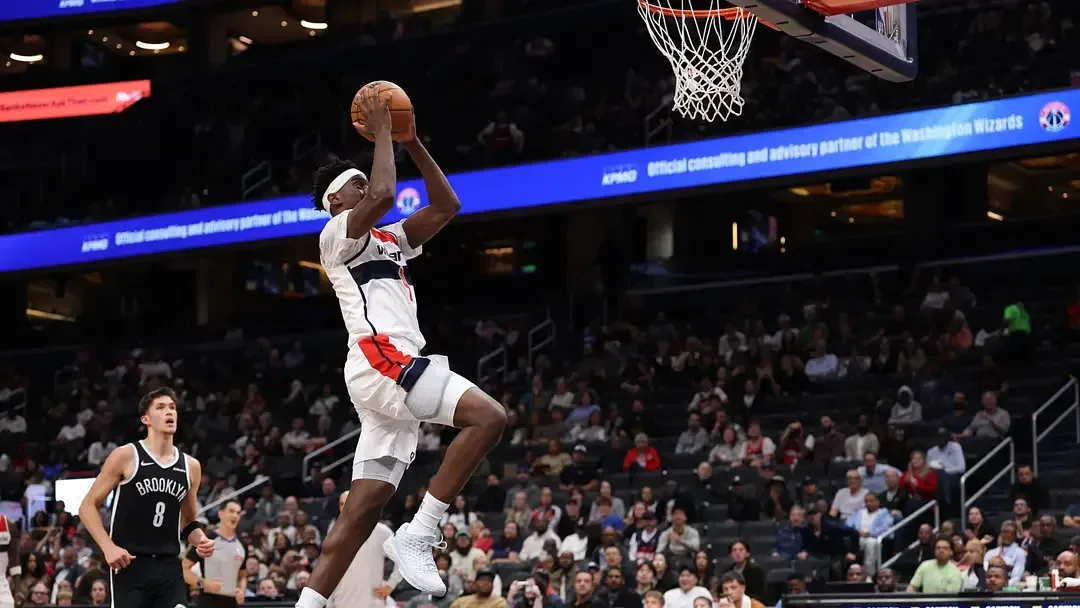
AJ Dybantsa is one of the most fascinating names in the class because his market is still strong even though he has yet to appear in a regular-season game. An ankle sprain delayed his start, but the injury has not seemed severe enough to trigger a broad sell-off. That resilience says a lot about how highly collectors still regard his talent.
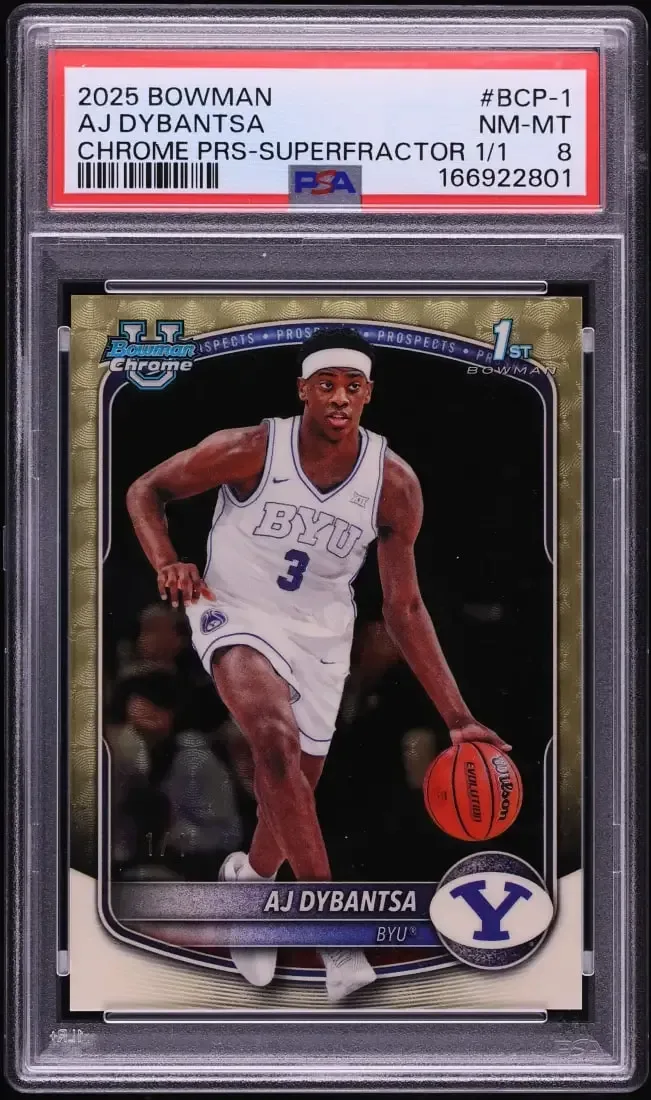
One example of that confidence is a 2025 Bowman Chrome Superfractor 1/1 that sold in PSA 8 condition. High-end Dybantsa cards continue to command serious attention, which shows that many buyers are viewing the missed games as a temporary speed bump rather than a long-term concern.
Still, there is risk in any market that remains hot before a player logs professional minutes. If Dybantsa returns and performs immediately, the confidence will look justified. If the absence lingers or if his start is uneven, collectors may become more selective about where they are willing to buy in. His market is strong, but it is also more sensitive than it looks because it is still built on projection rather than NBA production.
What collectors should watch next in the rookie market
The next phase of the 2026-27 rookie card race will likely be shaped by three things: role stability, efficiency, and headline moments. Lendeborg has already shown how much momentum a rookie can generate by combining personality with production. Boozer and Wilson have put up the type of numbers that can attract both long-term believers and short-term buyers. Acuff has proven he can score in bunches, while Brazile has emerged as one of the better under-the-radar rebounders in the class.
At the same time, there are clear monitoring plays. Peterson remains talented enough to rebound in a hurry if the box scores improve. Wagler still has draft pedigree on his side. De Larrea and Burries are the type of cheaper bets that can move fast if rotations shift. Dybantsa continues to sit in a unique tier, with his card market staying strong even before an official debut.
For now, the safest early signals belong to rookies who are already producing in visible roles. The most interesting value plays are the players whose markets have stayed relatively calm despite real flashes on the court. As more games build a larger sample, those two groups may start to separate more clearly, and that is when opening-week prices can either look sharp or suddenly feel like missed opportunities.
Photo Gallery