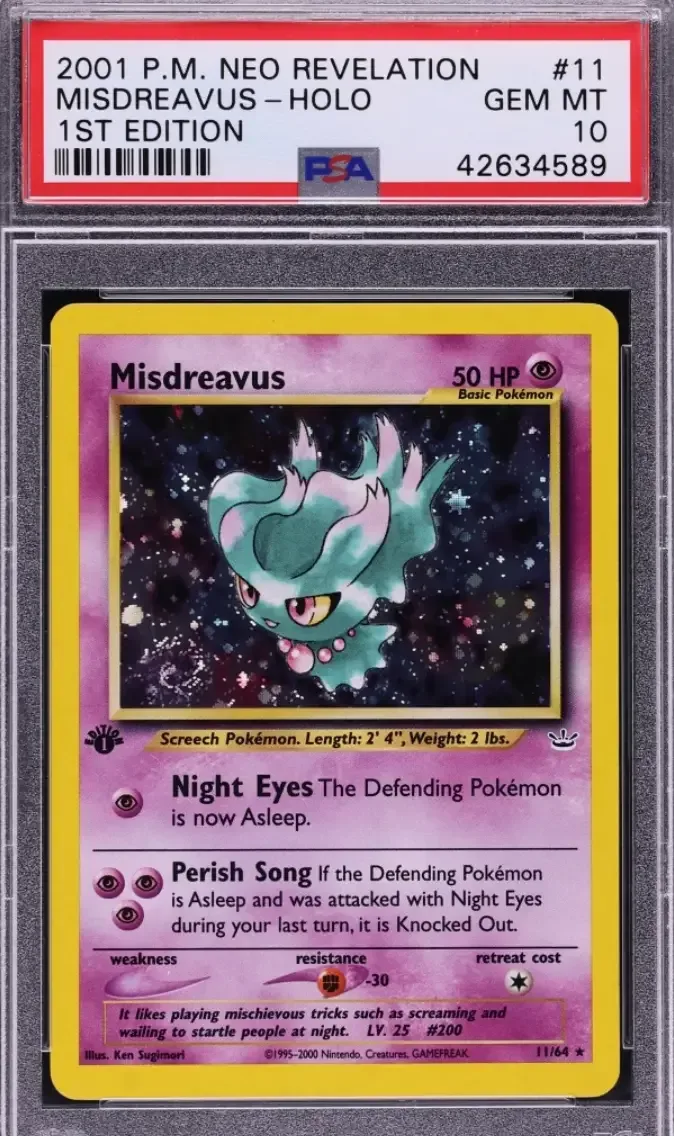
The high-end Pokémon market delivered another massive week, and this time one card towered above everything else on the board. A 2015 Pokémon Japanese XY Promo Art Academy Y. Fujishima Pikachu #XY-P in PSA 10 sold for $8.4 million on Sept. 27, making it one of the most significant TCG sales ever recorded.
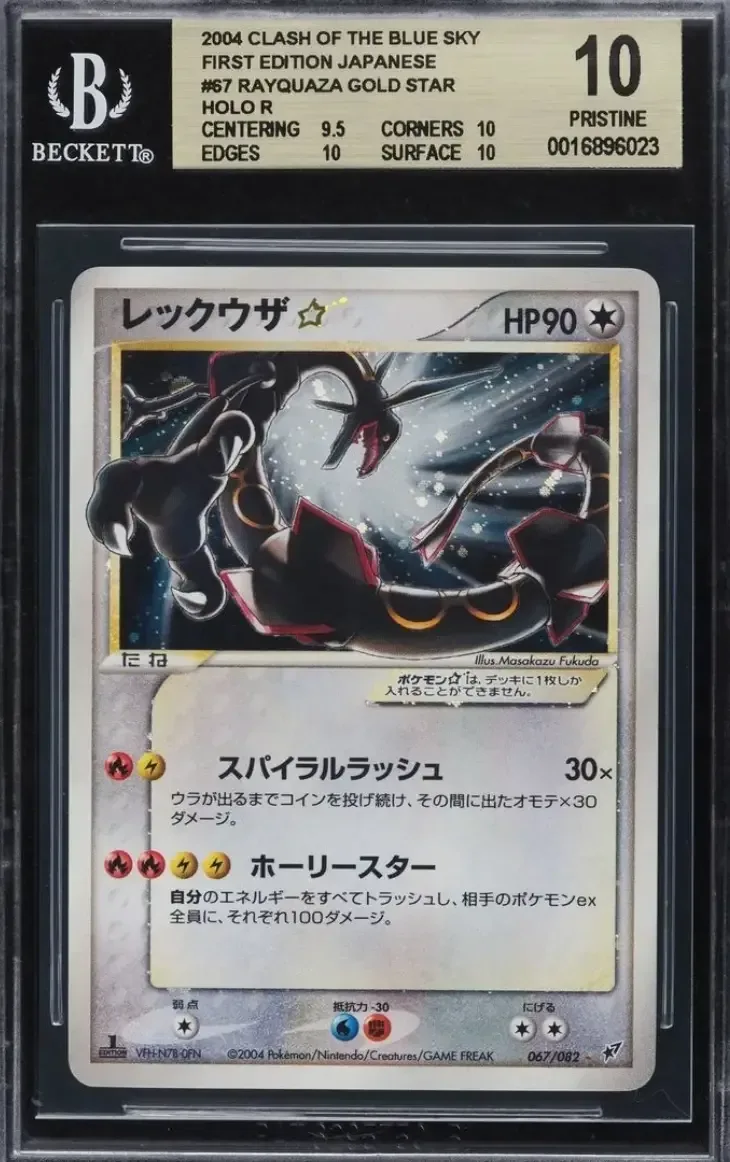
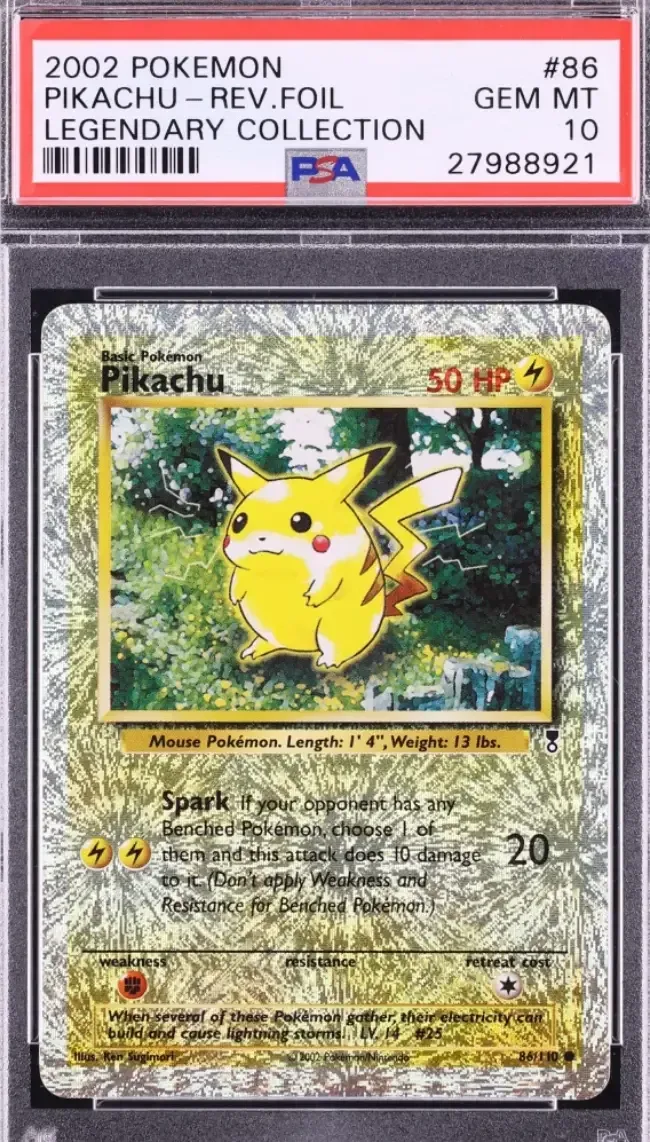
That headline-grabbing result led the top three trading card game sales of the week, with the other two spots also going to major Pokémon pieces: a 2002 Legendary Collection Reverse Holo Pikachu #86 in PSA 10 at $780,000 and a 2004 Japanese Clash of the Blue Sky Rayquaza Gold Star 1st Edition in BGS 10 at $562,650.
Those three sales alone combined for $9,742,650, a striking figure that shows how much strength remains at the very top of the Pokémon market. The cards also represent three very different collecting lanes: ultra-limited modern promo history, iconic early-2000s set collecting, and one of the hobby’s most coveted chase eras in Gold Stars.
Top 3 TCG card sales of the week
3. 2004 Pokémon Japanese Clash of the Blue Sky Rayquaza Gold Star 1st Edition BGS 10: $562,650
Rayquaza continues to be one of the strongest names in the upper tier of Pokémon collecting, and this latest sale reinforces that point. A BGS 10 example of the 2004 Japanese Clash of the Blue Sky Rayquaza Gold Star 1st Edition sold on eBay for $562,650 on Oct. 2.
For more collector background, read Top 3 Sports Card Sales of the Week: Cooper Flagg, Dylan Harper and Shohei Ohtani Lead a Blockbuster Run.
Gold Star cards have built a reputation as some of the most desirable cards from the mid-2000s Pokémon era. They combine scarcity, standout design, and strong character selection, and Rayquaza sits near the top of that demand ladder. When a Gold Star features one of the hobby’s most popular legendary Pokémon and then surfaces in a pristine gem-level grade, the result is the kind of sale that can clear half a million dollars without surprising serious market watchers.
Japanese Gold Stars have also developed their own following among advanced collectors. The combination of era-specific scarcity, strong artwork, and elite-condition sensitivity has helped separate these cards from more routine vintage and modern material. This sale shows that demand for top-end Japanese Pokémon cards remains just as aggressive as ever when the right card comes to market.
2. 2002 Pokémon Legendary Collection Reverse Holo Pikachu #86 PSA 10: $780,000
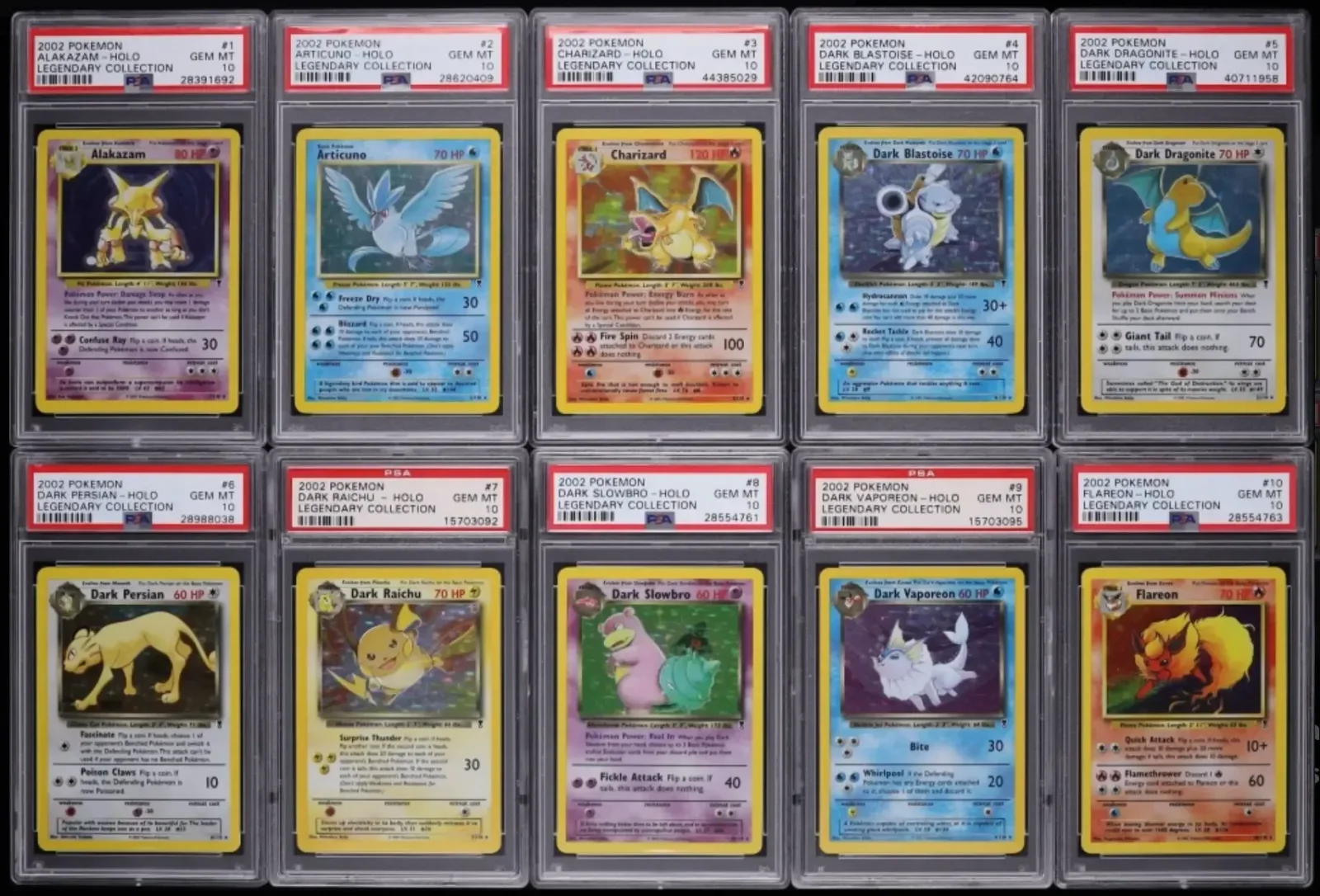
Pikachu claimed the second spot with one of the most visually recognizable cards from the early Wizards-era run. A PSA 10 2002 Pokémon Legendary Collection Reverse Holo Pikachu #86 sold for $780,000 on Sept. 27.
Legendary Collection has long stood out for its distinct reverse holo pattern, a finish that gives the set a look unlike almost anything else from Pokémon’s early years. That visual identity has helped the release maintain a special place with collectors, and when that pattern is paired with Pikachu, the market response can reach extraordinary levels.
This sale says a lot about how the hobby values a combination of nostalgia, condition rarity, and character popularity. Pikachu is the face of Pokémon, and that broad appeal extends well beyond traditional set builders. Cards that merge an iconic character with a beloved foil treatment and top-tier grade often move into trophy-card territory, even when they are not considered the rarest issue on paper.
The $780,000 result would have been the clear story in many other weeks. Instead, it landed at No. 2, which speaks to just how dramatic this particular market snapshot was. Even so, the sale strengthens Legendary Collection’s standing in the premium segment and confirms that elite Pikachu cards continue to command some of the hobby’s biggest prices.
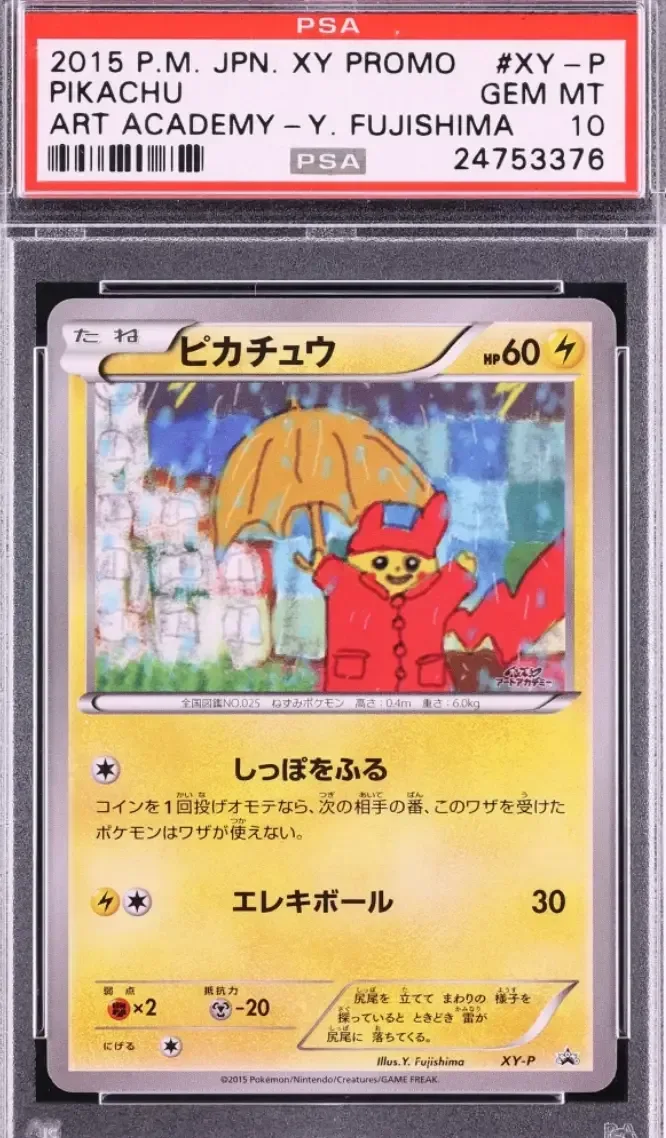
1. 2015 Pokémon Japanese XY Promo Art Academy Y. Fujishima Pikachu #XY-P PSA 10: $8.4 million
The top sale of the week was not just another big number. It was a hobby-defining result. A PSA 10 2015 Pokémon Japanese XY Promo Art Academy Y. Fujishima Pikachu #XY-P sold for an astonishing $8.4 million on Sept. 27.
This card carries an origin story unlike almost any mainstream Pokémon release. The artwork came from the Japanese Pokémon Art Academy competition, which invited participants to create original illustrations using the Pokémon Art Academy game for Nintendo 3DS. Y. Fujishima won the Dress-Up Pikachu category with an illustration showing Pikachu in a red raincoat while carrying an umbrella.
That backstory matters because this was never a standard pack-issued card. The winning artwork was turned into an extremely limited prize card, with each winner receiving only 100 copies featuring their own design. That level of scarcity, combined with the official nature of the promotion and the distinctiveness of the artwork, gives the card crossover appeal far beyond the usual boundaries of set collecting.
The result also highlights how the market increasingly rewards cards with a strong narrative. In the uppermost tier of Pokémon collecting, value is not driven only by age or by a familiar chase designation. Story, provenance, scarcity, and cultural significance can all combine to push a card into a completely different financial stratosphere. This Art Academy Pikachu checks every one of those boxes.
At $8.4 million, the card accounted for the overwhelming majority of the money represented by this week’s top three sales. It also arrived shortly after another Art Academy card generated a multimillion-dollar result, adding even more momentum to interest in this niche but historically important category of Pokémon prizes.
Why these three sales matter
Taken together, the week’s top three results offer a clear picture of where the highest end of the TCG market is concentrating its money. First, trophy-level promos with elite rarity and a compelling backstory can reach heights that place them among the most expensive trading cards in the world. Second, iconic character cards from popular early sets still have major room to perform when top grades are involved. Third, chase-era cards like Gold Stars remain cornerstone pieces for serious Pokémon collectors.
There is also a notable spread in release years and card types here. The Rayquaza sale comes from the mid-2000s Gold Star era, the Legendary Collection Pikachu represents an early-2000s hobby favorite, and the Art Academy Pikachu comes from the 2010s as a special promo. That range shows that high-end demand is not limited to one single generation of Pokémon cards.
It also reinforces just how deep the premium Pokémon market has become. Collectors are not only chasing first-edition base era grails or the same handful of historically famous cards. The buyer pool at the top is active across promos, reverse holos, Japanese issues, and rare specialty categories, especially when the card features a marquee Pokémon or a truly unusual release story.
Market signals from this week’s biggest Pokémon sales
The biggest signal is simple: Pikachu remains one of the strongest forces in the entire card market. Two of the top three sales belonged to Pikachu cards, and the top result was on a completely different scale from the rest of the field. When a card combines Pikachu with elite scarcity and presentation, the ceiling remains exceptionally high.
Rayquaza also continues to prove its staying power. Gold Star Rayquaza has been a benchmark card for years, and this Japanese BGS 10 example adds to that legacy. For collectors watching upper-tier market behavior, Rayquaza remains one of the safest names among non-Pikachu Pokémon at the luxury end of the hobby.
Just as important, this week shows that the appetite for six-figure and seven-figure Pokémon cards has not disappeared. If anything, the right cards still inspire fierce bidding and dramatic closing prices. Trophy promos, iconic reverse holos, and grail-condition Gold Stars each found major support, even at price points that would have seemed almost unthinkable several years ago.
For collectors tracking the very top of the market, these three sales stand as a reminder that the biggest opportunities and the biggest prices continue to center on rarity, condition, character strength, and memorable card stories. That formula pushed one Art Academy Pikachu to $8.4 million, lifted a Legendary Collection Pikachu to $780,000, and carried a Japanese Rayquaza Gold Star past the half-million mark in the same week.
Photo Gallery