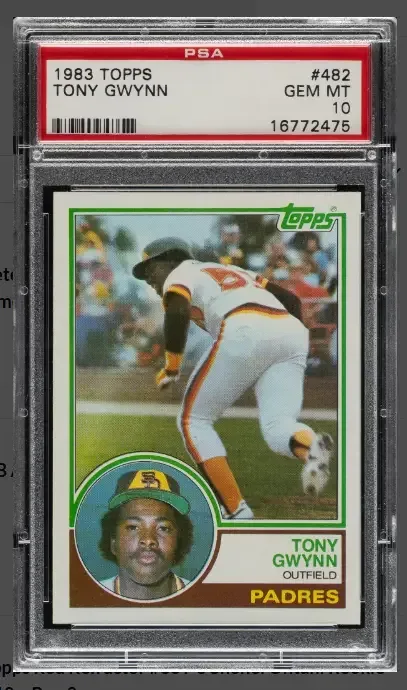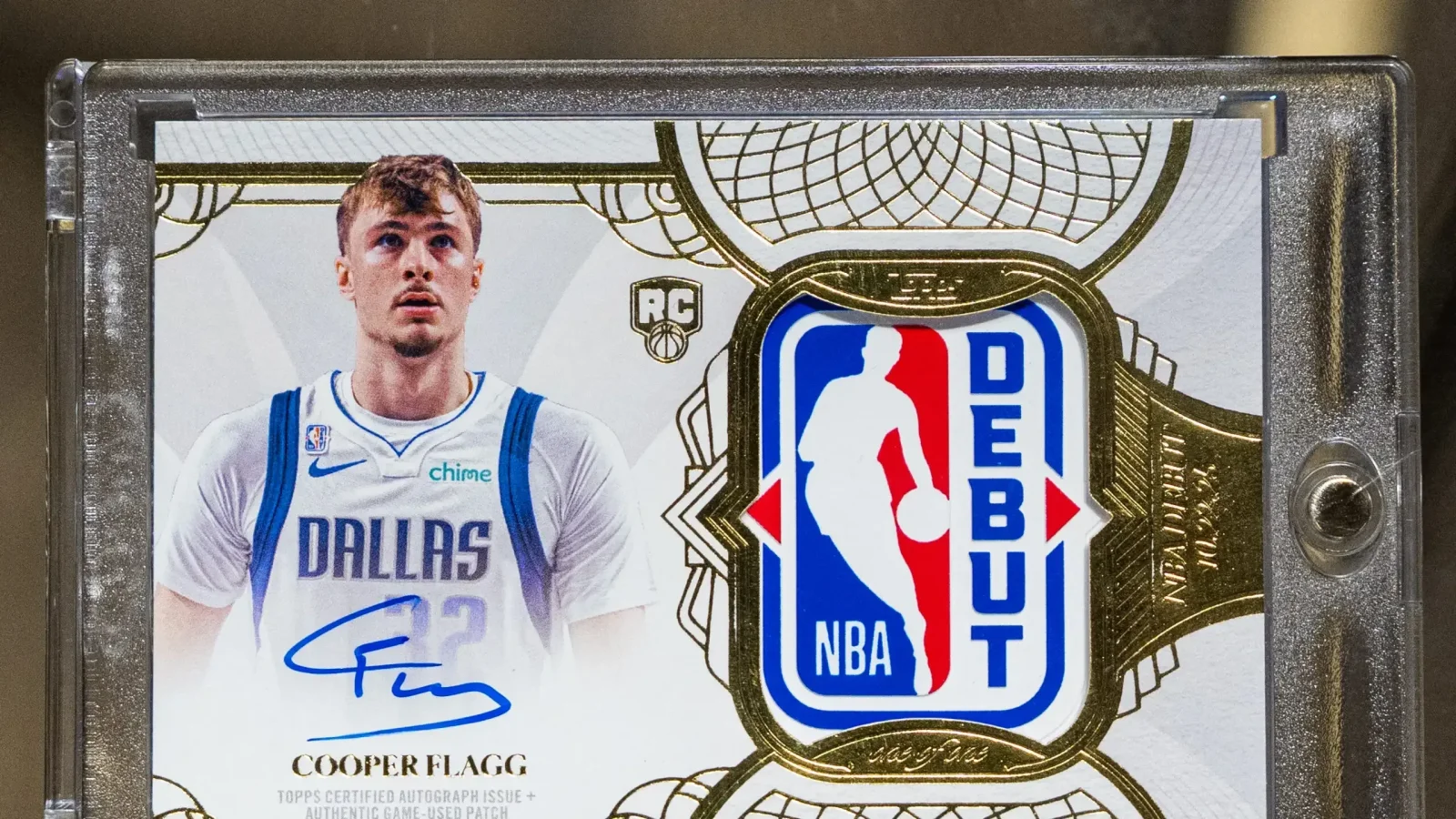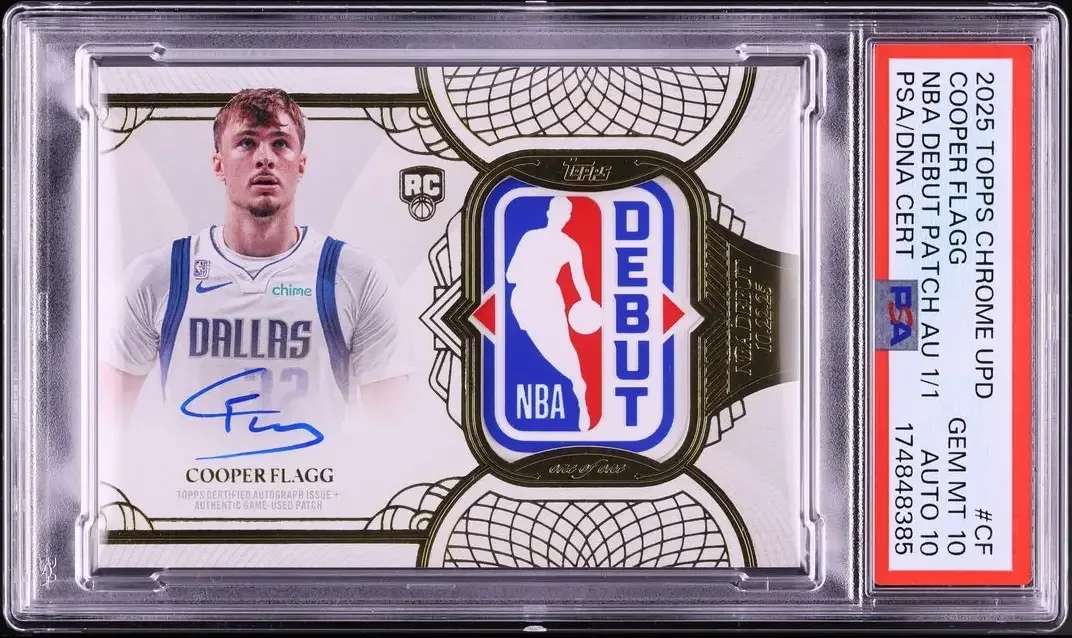
Collectors use rookie terminology loosely all the time, and that is exactly how confusion starts. A card can feature a player in his or her rookie season without actually being the base rookie card. It can be scarce without being a rookie parallel. It can be an early card without being the official rookie at all.
If you want cleaner want lists, clearer listings, and fewer arguments after a sale, the solution is simple: describe the card type first, then the rookie context. That means separating official rookie cards from inserts, parallels, prospect issues, and autograph formats instead of collapsing everything into “rookie.”
The practical payoff is bigger than wording. Accurate labels help you compare cards across products, avoid overpaying for the wrong kind of first-year issue, and explain your collection goals precisely whether you collect baseball prospects, NHL debuts, NFL flagship releases, or new-era NBA product.
Start with the three labels that matter most
The cleanest framework is to treat rookie card, rookie-year insert, and rookie parallel as three different categories, not three interchangeable ways to say the same thing. A rookie card is the official first-season rookie issue within that manufacturer’s licensed card structure. Topps identifies rookie cards with an RC logo in its glossary, and Upper Deck defines a rookie card as a player’s first-year card. Those definitions give collectors a reliable baseline: a rookie card is not just an early appearance, and not every first-year card deserves that label automatically.
A rookie-year insert is different because the card belongs to an insert set rather than the base set. Inserts are defined by Upper Deck as cards with their own design or theme, separate from the base checklist. So if a player appears in an insert during the same season as his official rookie card, that insert is rookie-season content, but it is not the base rookie card unless the manufacturer explicitly structures it that way.
A rookie parallel is different again. Topps describes parallels as cards that share the same core design while changing color, texture, pattern, finish, or material. Upper Deck similarly describes parallels as altered versions of another card, often with different color treatments or limited numbering. In practical terms, a rookie parallel should trace back to a rookie card line. If the design lineage is different, you are probably looking at an insert or an insert parallel instead.
- Use “rookie card” for the official first-season RC-designated card.
- Use “rookie-year insert” for a themed insert issued during the player’s rookie season.
- Use “rookie parallel” only when the card parallels the rookie card’s core design or checklist lineage.
Why the word “rookie” causes so many bad listings
Most mislabeling happens because collectors focus on timing before structure. A card released in a player’s rookie season feels like a rookie card, so sellers shorthand it that way. But season alone does not settle the category. If the card comes from an insert program with a separate design, it should be described as an insert. If it shares the same card framework as the base rookie but uses a different refractor, foil, or color treatment, then it is a parallel. The rookie season matters, but it does not erase the card’s actual type.
This matters most when buyers compare prices across cards that sound similar but behave differently in the market. A base rookie card, a retro-style rookie variation, and a numbered rookie insert autograph may all be desirable, but they are not interchangeable reference points. Even within Topps product pages, base rookie cards are often presented separately from rookie-themed inserts, variations, or autographs. That separation is a clue collectors should follow in their own descriptions.
The term “true rookie” often makes the problem worse because it sounds authoritative while meaning different things to different collectors. Topps’ own editorial content notes that collectors disagree: some treat a 1st Bowman as the true first card, while others reserve that status for the RC-logo card. Because the phrase is not a universal rules term, it is better used sparingly, if at all. In a listing or article, specific language is stronger than hobby shorthand.
- Bad: “true rookie rare insert” when the card is actually an insert from the rookie season.
- Better: “rookie-year insert” or “rookie insert” if the checklist shows it is a separate insert set.
- Best: “base rookie card,” “rookie variation,” “rookie parallel,” or “1st Bowman,” depending on the card’s structure.
A step-by-step method to identify the card correctly before you buy or list it
When you are unsure what to call a card, work through a short sequence instead of guessing from the front design alone. First, ask whether the manufacturer treats the card as part of the base set or as a separate insert set. If the answer is base set and the card carries rookie designation consistent with that product, you are likely looking at a base rookie card or one of its parallels. If the answer is insert set, call it an insert first and add rookie context second.
Second, compare the card to the standard version from that set. If the layout, photo structure, nameplate placement, and general design are the same but the card adds a refractor surface, different border color, serial numbering, or another production change, that points toward a parallel. If the card has its own title, separate branding, or radically different theme, it is more likely an insert. This distinction is especially useful in chrome-era products where shiny surfaces can make inserts and parallels look deceptively similar at a glance.
Third, check whether the card is prospect-era or rookie-era. In baseball, this step is critical because a 1st Bowman can come before the official rookie card. Topps explicitly says a 1st Bowman is a prospect’s first Bowman appearance and usually predates the official rookie card. So if you are cataloging baseball cards, never let “first card I noticed” replace the actual prospect-versus-rookie distinction.
A practical listing format helps. Try: year, brand, product, card number if available, then card type. For example, describe something as a base rookie card, rookie parallel, rookie-year insert, rookie autograph insert, or prospect card. That format tells a buyer what the card is before implying why it matters.
- Question 1: Base set or insert set?
- Question 2: Same core design as another card, or its own design theme?
- Question 3: Prospect-era issue or rookie-era issue?
- Question 4: Is the rookie status shown by the product structure or designation, not assumed from season alone?
Baseball requires the strictest separation between prospect cards and rookie cards
Baseball is where many collectors learn the hard way that an early card and an official rookie card are not the same thing. Topps states that a 1st Bowman is a prospect’s first Bowman appearance and usually comes before the official rookie card. That means a pre-MLB or prospect-focused issue can be extremely important without being the player’s rookie card in the RC-logo sense.
MLB’s rookie eligibility rules also show why “rookie” is a status with boundaries, not just a feeling. As of the research date, MLB defines rookie eligibility by thresholds including 130 at-bats, 50 innings pitched, or 45 active-roster days in a previous season. Card release timing does not always map neatly to fan memory, so using precise card labels matters. A prospect card may represent the player’s earliest licensed momentum, while the rookie card represents a later official step in the hobby’s product structure.
For baseball listings, the safest pattern is blunt and specific. If the card is pre-RC prospect material, call it a prospect card or 1st Bowman. If it is the official rookie-season RC-logo card, call it a rookie card or base rookie card. If it is a themed insert from that same rookie season, call it a rookie-year insert. That language respects the deliberate split Topps makes between prospecting and rookie-card designation, and it prevents the common mistake of treating every first notable baseball card as the same milestone.
The tradeoff is that precise wording can sound less dramatic. “1st Bowman” may draw less casual search attention than “rookie,” and “rookie-year insert” may feel less glamorous than “true rookie.” But accuracy tends to help serious buyers filter faster, and it reduces the chance of disappointment when the buyer expected one class of card and received another.
- If it predates the official RC, describe it as a prospect card or 1st Bowman.
- If it carries the product’s rookie designation, use rookie card or base rookie card.
- If it belongs to a separate insert theme in the rookie season, use rookie-year insert.
Hockey shows why prospect buzz and rookie-card status are not interchangeable
Hockey offers one of the clearest published examples of why collectors should not flatten every early card into “rookie.” Upper Deck has published that under NHL and NHLPA rules, a manufacturer cannot produce a rookie card of a prospect until the player skates in an official league game. Upper Deck also defines rookie cards as a player’s first-year cards. Put those together, and the hobby language becomes clearer: interest in a drafted player can surge long before that player has an NHL rookie card.
That distinction matters because hockey collectors often follow prospects intensely through draft coverage, pre-NHL discussion, and early licensed appearances. A heavily collected prospect can exist in the market before official rookie-card treatment is available under the published game-play requirement. So if you are describing hockey material, “prospect card” and “rookie card” should never be casual substitutes.
This also helps with famous rookie sub-brands and chase cards. A rookie-branded insert, exchange, or autograph may be central to a product, but it still deserves its proper category. If the card is the player’s first-year card within the recognized product framework, call it a rookie card. If it is a separate insert line from that first year, say so. If it is a parallel of the rookie line, use rookie parallel. That clarity is especially valuable in hockey because collectors often care deeply about card lineage, not just player age or draft class.
- In hockey, official NHL game participation matters to rookie-card timing.
- A drafted or hyped prospect can be collectible before an official rookie card exists.
- Use “prospect” for pre-rookie material and reserve “rookie card” for first-year cards within the allowed framework.
Football and basketball now demand more careful licensing language, too
In football and basketball, accurate rookie wording now overlaps with licensing accuracy. As of April 2, 2026, Fanatics Collectibles announced that Topps returned as the NFL and NFLPA’s official exclusive trading card licensee, with rights to use team logos, names, marks, helmet designs, uniforms, and official NFL branding. That does not mean every rookie-season football card is the same thing; it means collectors should be careful when describing what kind of licensed rookie content they are looking at in the current Topps era.
Topps’ 2026 Flagship Football material helps illustrate the difference. The product promotes rookie cards in the base set while also separately identifying 1957 Rookie Variations. That is exactly the kind of product structure that should shape collector terminology. A base rookie card belongs in one bucket. A rookie variation belongs in another. A parallel of the base rookie belongs in yet another.
Basketball presents a similar modern example. Fanatics’ corporate history states that Topps returned as the official licensed trading card partner of the NBA in October 2025. Topps’ basketball pages then distinguish between first official rookie cards in flagship and separate rookie-focused content in other products, including autograph and patch-driven insert programs. So when you list or discuss modern basketball cards, it helps to say “official rookie card,” “rookie insert,” “rookie autograph insert,” or “rookie parallel” rather than just “rookie.”
The practical tradeoff is that more precise licensing language can make a title longer. But that extra specificity is useful when buyers want to know whether a card has league marks, player-group rights, rookie designation, or autograph content. Those are related concepts, not identical ones.
- As of April 2, 2026, Topps returned as the NFL and NFLPA’s official exclusive trading card licensee.
- As of October 2025, Topps returned as the official licensed trading card partner of the NBA.
- Licensed rookie card, rookie variation, rookie insert, and rookie parallel are not interchangeable terms.
Autographs, patches, and variations still need a rookie label that tells the full story
Rookie-season autograph cards are a perfect place for sloppy terminology to spread. Collectors may call a signed first-year card a rookie card even when the autograph appears on a separate insert set, a patch program, or a variation rather than the base rookie line. That is understandable shorthand, but it leaves out the card type that often matters most to buyers.
A clearer habit is to build the description from the card’s structure outward. If the autograph is on the base rookie design, “rookie autograph” may be enough when the product checklist supports that framing. If the autograph belongs to a distinct insert set, “rookie autograph insert” is more accurate. If a memorabilia component defines the concept, “rookie patch autograph insert” or similar wording may be the cleanest choice. Topps product pages that separate base rookie cards from rookie-focused autograph or debut patch content support this kind of layered description.
The same logic applies to variations. A retro-themed rookie variation should be called a variation if the product presents it that way. A differently designed insert parallel should not automatically be collapsed into “rookie parallel” if it does not actually parallel the base rookie line. These distinctions may feel technical, but they help prevent one of the hobby’s most common misunderstandings: assuming every scarce rookie-season card occupies the same place in a player checklist.
For collectors, the upside is sharper buying discipline. For sellers, the upside is fewer returns and fewer messages asking whether the card is the player’s actual RC. You are not making the card less appealing by being precise. You are helping the right buyer understand exactly what is on offer.
- Base rookie with autograph: rookie autograph, if checklist structure supports it.
- Insert with autograph: rookie autograph insert.
- Patch-centered insert autograph: rookie patch autograph insert.
- Different design and separate theme: variation or insert, not automatically a rookie parallel.
A practical wording guide you can use in your own collection, listings, and trade talks
If you want a repeatable style guide, keep it simple and literal. Use “rookie card” only when the card is the official first-season rookie issue within that product structure. Use “base rookie card” when you need to distinguish it from insert cards, variations, and parallels. Use “rookie-year insert” when the card comes from a separate insert set during the rookie season. Use “rookie parallel” only when the card parallels the rookie card’s core design or line. Use “prospect card” or “1st Bowman” for pre-rookie baseball issues. And when autographs are involved, describe the autograph as part of the card type rather than as a replacement for it.
In practice, that might look like this. Instead of saying, “rare true rookie refractor,” say “numbered rookie parallel” if the card is a color or finish variation of the base RC. Instead of saying, “rookie card auto insert,” say “rookie autograph insert” if the autograph appears on a separate insert set. Instead of saying, “Bowman rookie,” say “1st Bowman prospect card” when the player had not yet reached official rookie-card treatment. Each version is less flashy and more useful.
There is room for analysis and personal preference after the label is correct. You may prefer prospect cards because they arrive earlier. You may prefer base rookies because the RC designation feels cleaner. You may prefer rookie parallels because they combine familiar design with lower print runs. Those are collecting preferences, not vocabulary rules. The key is to separate what the card is from why you like it.
That habit will make your collection notes cleaner, your listings more trustworthy, and your conversations easier with advanced collectors who care about exact card lineage. More important, it keeps rookie terminology from doing too much work. Once you identify the card type correctly, the rest of the discussion gets much easier.
- Card first, rookie context second.
- Avoid “true rookie” unless you immediately define what you mean.
- Use product structure, rookie designation, and design lineage to choose the label.
- When in doubt, be more specific, not more dramatic.
Illustration generated for this guide; not a photograph of an actual card, product or event.
Photo Gallery