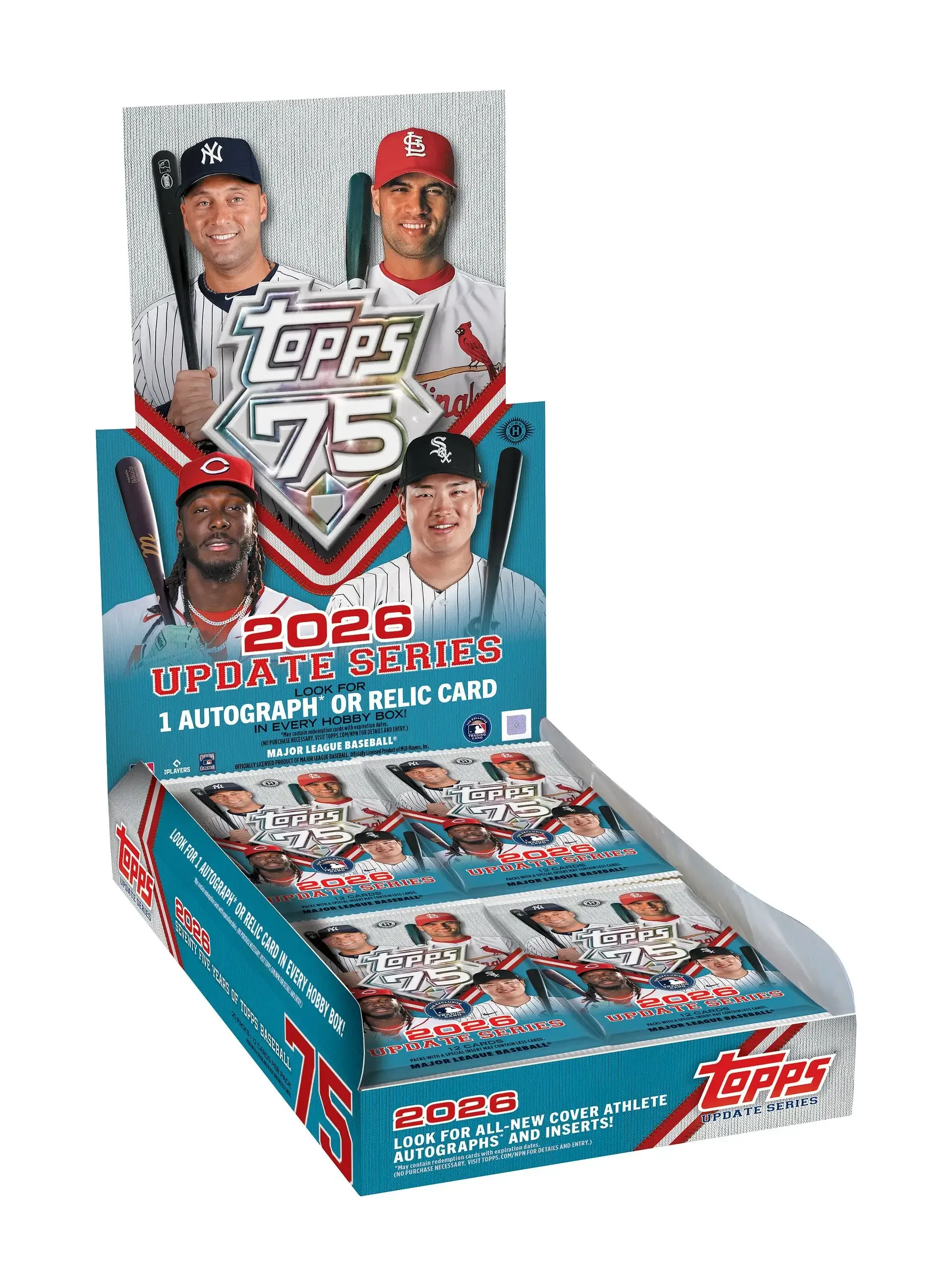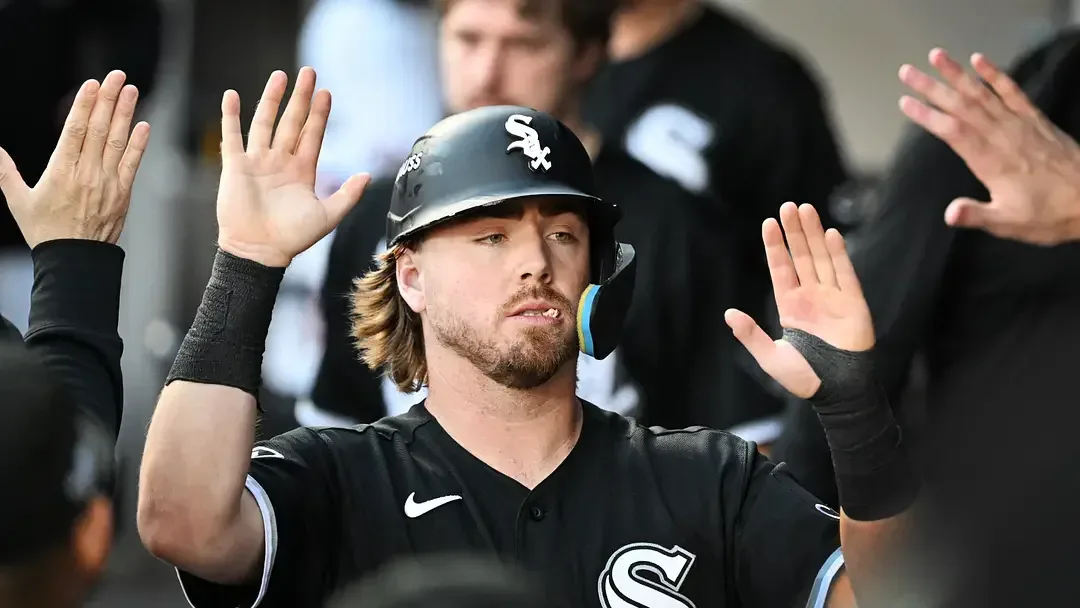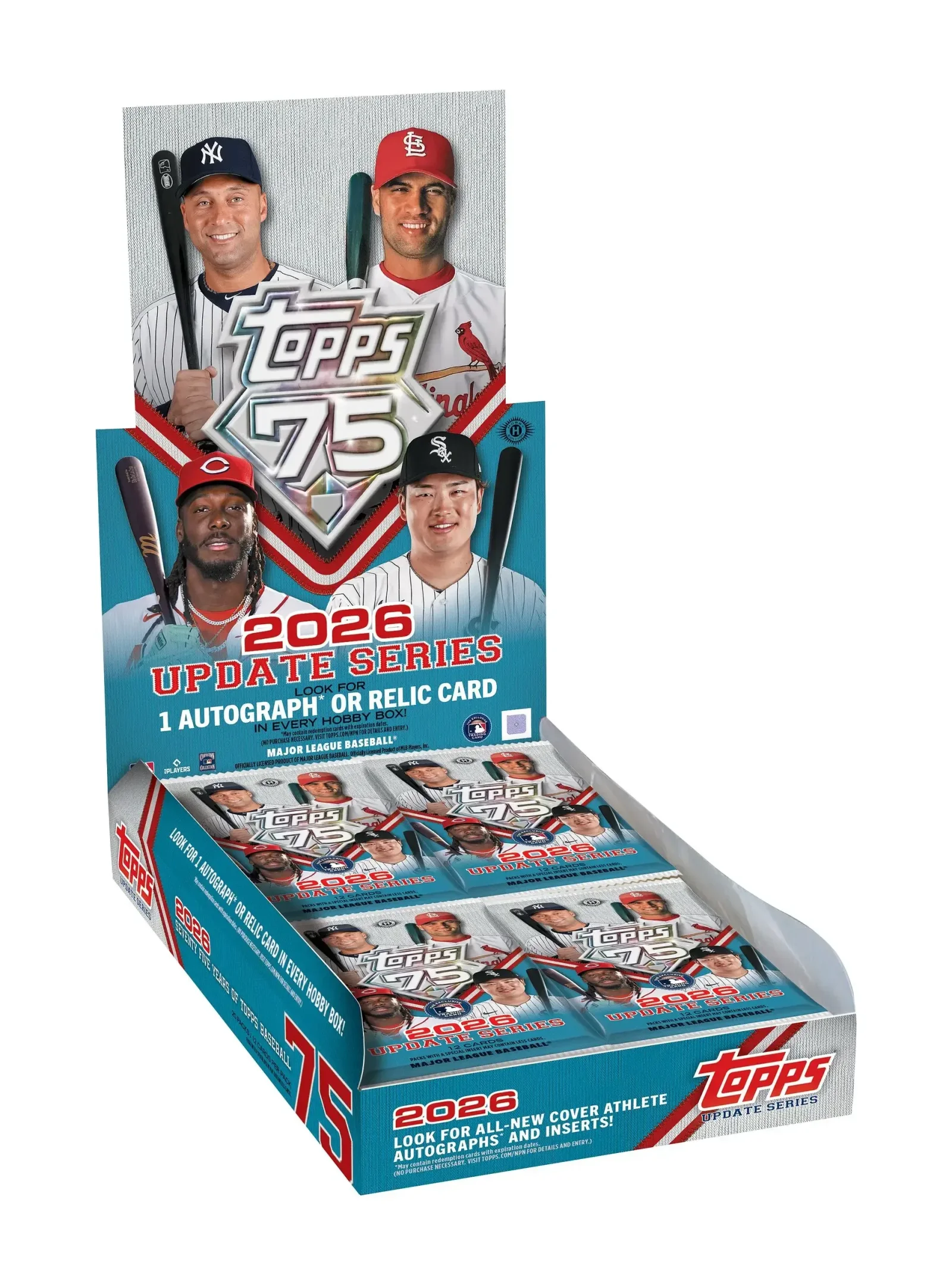
Munetaka Murakami’s first MLB season delivered the kind of momentum that quickly carries over into the card world. After helping the White Sox reach the postseason and establishing himself as one of the American League’s top rookies, Murakami has now earned a major hobby spotlight as a cover athlete for both 2026 Bowman Chrome and 2026 Topps Update Series.
That is a significant nod from Topps, especially for a player still in the early stages of his big league career. Bowman Chrome remains one of the most closely watched annual releases for prospect and rookie collectors, while Update Series has long served as an important late-season product that captures the year’s biggest developments. Appearing on both covers in the same season puts Murakami in rare company and reinforces how quickly he has become one of baseball’s most visible international stars.
For collectors, the cover placement is more than a packaging detail. It is a sign that Murakami has become central to the 2026 baseball card conversation, not just because of his on-field production, but because of his crossover appeal in both the United States and Japan.
Why the Murakami cover selection matters
Topps cover athletes are often tied to the biggest storylines in the sport and the hobby. Murakami fits that profile on several levels. He arrived in MLB with substantial expectations after building a high-profile career in Japan, and the transition to the majors can be difficult even for elite international talent. Instead of taking a slow developmental path, he quickly turned into a high-impact rookie on a playoff team.
For more collector background, read 2026 Topps Allen & Ginter Non-Sports Hits Are Already Turning Heads.
That kind of immediate success tends to create strong demand across multiple parts of the market. Rookie collectors want flagship issue exposure. Prospecting-focused buyers pay attention to Bowman branding. International player collectors look for cards that connect to a broader baseball story. Murakami checks all of those boxes, which helps explain why his name is now attached to two of the most visible products on the 2026 release calendar.
Murakami described the recognition as a major honor, noting the importance baseball cards carry for fans and collectors around the world. He also pointed to the history tied to Bowman Chrome and said he hopes the selection adds even more excitement for baseball in both the United States and Japan.
That last point stands out because Murakami’s hobby appeal is not confined to one market. Few players enter MLB with an established overseas fan base and then expand it immediately through big league success. The Topps cover treatment reflects that wider influence.
For another perspective on this story, read Munetaka Murakami Calls Topps and Bowman Cover Role a ‘Huge Honor’ as 2026 Update Nears.
2026 Bowman Chrome and 2026 Update Series get a timely star
There is a reason these two releases matter so much in this story.
Bowman Chrome remains a cornerstone brand for modern baseball cards. Even as player collectors chase flagship rookies, autographs, refractors, and serial-numbered parallels from Bowman Chrome continue to carry heavyweight status within the hobby. Being chosen for that product’s cover is a public statement that a player is one of the sport’s headline collecting names.
Update Series has a different role, but an equally important one. The product traditionally serves as a final major chapter for the season, capturing trades, breakout performances, rookie developments, and late-year storylines that did not fit earlier flagship releases. Murakami landing on the 2026 Update Series cover ties his rookie campaign directly to that broader season narrative.
The timing also matters. With Update Series arriving at the close of the season, the release gives collectors another reason to revisit one of the year’s biggest rookie performances just as offseason discussions begin to shape next year’s market.
Murakami on seeing himself on a baseball card
For many players, the first baseball card is a small but unforgettable checkpoint in a professional career. Murakami’s path is a little different because, at 26, he entered MLB as an accomplished player rather than a teenage prospect just beginning to build a cardboard footprint. Even so, he described seeing one of his earliest cards as a meaningful personal moment.
He said that as a kid, becoming a professional ballplayer was the dream, and appearing on a card made that dream feel real. He also shared that he was excited to show the card to family and friends and viewed it as something worth keeping as a reminder of how far he had come.
That perspective is part of what keeps collectors connected to the hobby. Even for an established star, a baseball card can function as more than a piece of memorabilia. It can serve as a marker of arrival, family pride, and personal history. When a player communicates that kind of emotional connection, it often deepens collector interest in the cards tied to those milestones.
His favorite cards are tied to the World Baseball Classic
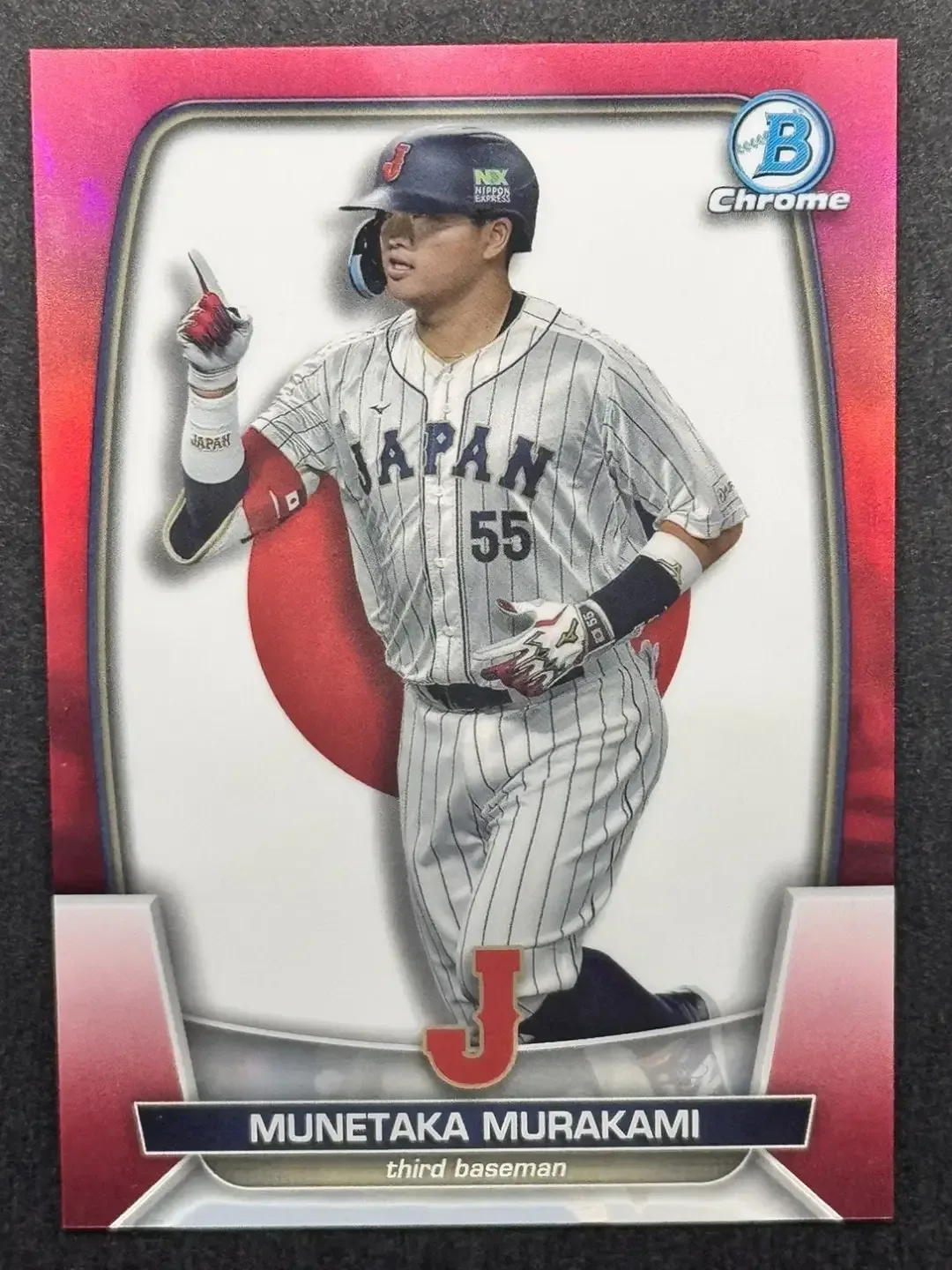
Murakami also offered a revealing answer when discussing his favorite cards. Rather than pointing to a first-year issue, a major rookie release, or a premium autograph, he singled out his 2023 World Baseball Classic cards as especially meaningful.
He explained that the story and memories attached to a card are what make it special, which made it difficult to choose just one favorite. Still, he highlighted the WBC cards because representing Japan and winning during that tournament was such a memorable experience.
That answer will resonate with collectors who value context as much as rarity. Not every important card is defined by being the earliest, most expensive, or hardest to pull. Some cards matter because they are tied to moments that shaped a player’s identity or place in the sport. In Murakami’s case, the 2023 World Baseball Classic remains one of the most important chapters of his baseball story.
It also gives collectors another lane to explore beyond his MLB rookie material. International event cards, especially those connected to championship moments and national team success, often carry long-term appeal because they sit at the intersection of player collecting and baseball history.
What it says about Murakami’s hobby profile
Murakami’s rise as a card-market name has not been driven by just one factor. It is the combination of production, timing, visibility, and existing reputation that has made him such a natural fit for marquee Topps branding.
Several elements stand out:
- Strong MLB debut: A top rookie season gives collectors immediate confidence that the transition to the majors is real.
- Playoff relevance: Contributions on a postseason team tend to amplify player visibility late in the year.
- Established global fan base: Murakami already had recognition before arriving in MLB, giving his cards a wider audience than many rookies.
- Cross-market appeal: Interest from both U.S. and Japanese collectors can create stronger long-term hobby demand.
- Product fit: Bowman Chrome and Update Series are two of the best possible places to highlight a breakout rookie.
That combination helps explain why Murakami has moved so quickly from anticipated newcomer to central hobby figure. It is one thing to enter MLB with expectations. It is another to meet them fast enough to become a face of the year’s biggest wax releases.
Is there a collecting culture in the White Sox clubhouse?
Murakami indicated that there is at least some interest in cards among his White Sox teammates, even if it does not sound like a nonstop box-ripping environment. He said there are players who enjoy cards and collecting, and added that it is fun to see players get excited about the hobby in much the same way fans do.
He also emphasized one of the hobby’s strongest qualities: its ability to connect people across different generations and backgrounds. That is a notable comment at a time when athlete involvement in card collecting continues to grow. Modern players are often more aware of their own card markets, release calendars, and collector communities than stars from previous eras. When a player embraces that relationship, it tends to strengthen the bond between athletes and hobby participants.
For a player like Murakami, whose career already bridges baseball cultures in Japan and the United States, that idea of cards bringing people together carries even more weight.
Japanese talent remains a major hobby storyline
Murakami also pointed to the broader strength of Japanese baseball when asked about emerging stars he might personally collect. Rather than naming a single player, he said there is so much talent in Japan right now that it is difficult to choose only one. He added that fans are seeing just how strong Japanese baseball is, with many players capable of becoming stars on a global stage.
That comment reflects one of the hobby’s clearest modern trends. International scouting, global tournaments, NPB-to-MLB transitions, and rising prospect coverage have all expanded collector attention well beyond traditional domestic pipelines. Japanese stars are no longer niche targets for a small segment of the market. They are central figures in the mainstream baseball card conversation.
Murakami’s own season only reinforces that shift. His success gives collectors another example of how quickly elite talent from Japan can move from international standout to MLB headline name. It also creates more demand for cards that document every stage of that journey, from pre-MLB issues and international tournament releases to flagship rookies and premium chrome cards.
What collectors may watch next
Murakami’s placement on 2026 Bowman Chrome and 2026 Topps Update Series puts extra attention on his full card catalog heading into the offseason. Collectors will likely monitor several areas closely, including his flagship rookie cards, Bowman Chrome releases, numbered parallels, autograph availability, and notable international cards such as WBC issues.
There is also the broader question of how the market treats players who enter MLB with an established global profile. Murakami may continue to be a useful case study. If his rookie-season momentum carries into year two, cards from this period could become especially important reference points for collectors who want the earliest major MLB-era hobby markers tied to his rise.
For now, the headline is straightforward. A standout rookie year has already turned into premium cardboard visibility, and Topps is clearly positioning Munetaka Murakami as one of the defining baseball collecting names of 2026.
Photo Gallery