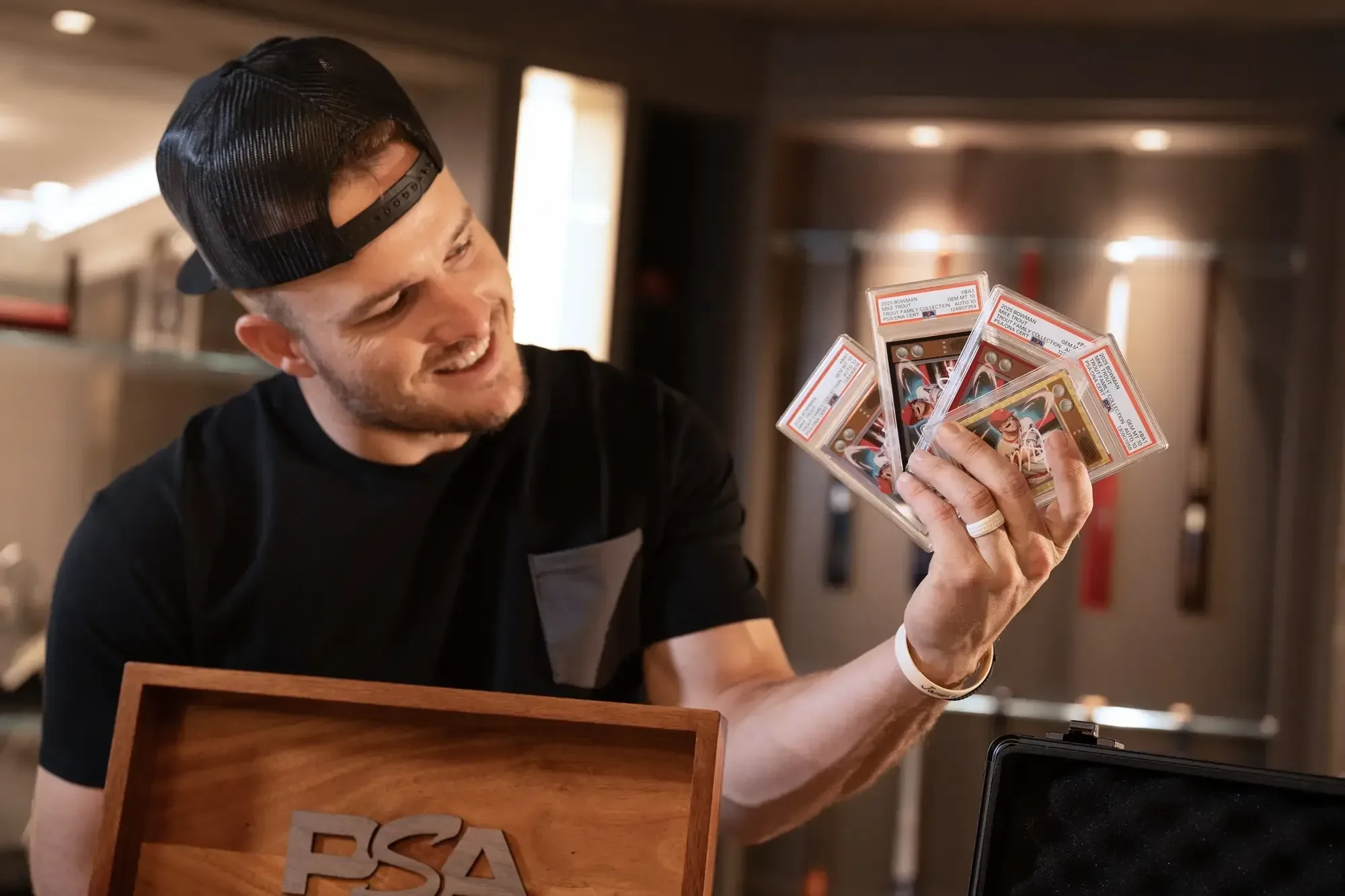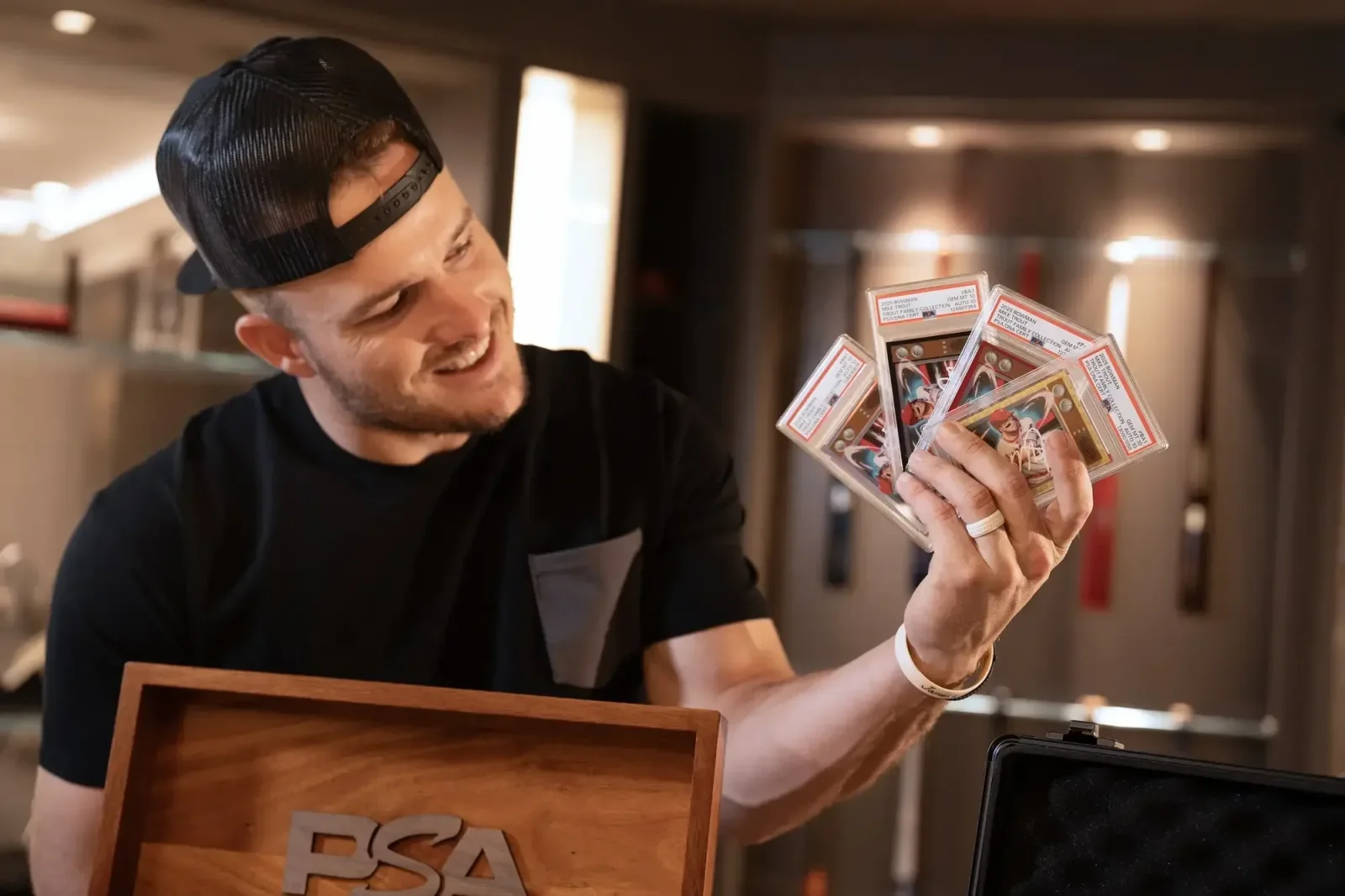
Mike Trout is taking his long-running connection to the sports card hobby into a new lane with the launch of Gen One Collect, a sports collectibles company designed to blend live breaking, athlete access, and collector-focused content.
For many collectors, Trout has long been one of the hobby’s most recognizable names because of the demand for his own cards. But his relationship with the space goes well beyond being a featured player on cardboard. His interest in collecting began when he was young, with trips to flea markets alongside his parents and a collecting mix that included both Pokemon and baseball cards.
That early interest faded into the background as his baseball career accelerated, but it returned in a meaningful way during the COVID period. Trout re-engaged with the hobby and developed a strong interest in Bowman prospects, a corner of the market that remains one of the most active among baseball collectors.
Now that personal enthusiasm is turning into a business venture. Gen One Collect gives Trout a formal entry point into the industry, with a launch built around the parts of the hobby he already enjoys most.
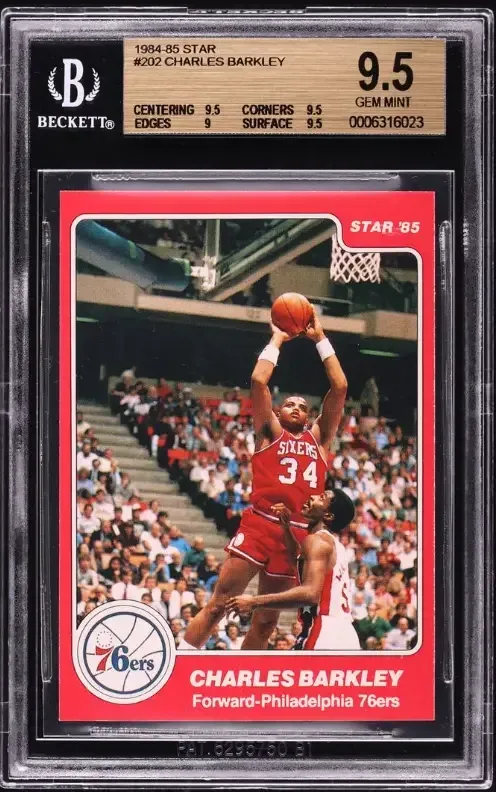
For more collector background, read Charles Barkley’s Most Iconic Cards Still Span One of Basketball’s Wildest Hobby Runs.
What Gen One Collect Is Launching With
Gen One Collect is entering the market first as a live breaking company. The initial focus is on card breaks, but the broader plan reaches beyond opening boxes on camera. The company also intends to build original content and create additional experiences that connect athletes and collectors more directly.
That approach reflects where the hobby has moved in recent years. Breaks are no longer just a transactional way to open product. For many collectors, they function as entertainment, community, and market discovery all at once. A company built around breaks, chat interaction, premium content, and athlete participation is aiming at a part of the hobby that has grown quickly and stayed highly engaged.
Gen One’s structure also suggests that the long-term play is experience-driven rather than product-only. In a crowded collectibles space, companies increasingly need more than sealed wax and a camera feed. They need personality, repeat engagement, and a reason for collectors to keep coming back. Trout’s involvement gives Gen One an immediate identity as it tries to build that kind of audience.
For another perspective on this story, read Mike Trout Enters Collectibles Business With Gen One Collect.
How the Idea Came Together
The concept behind Gen One Collect was not put together overnight. Discussions about entering the collectibles business began in 2024, when Trout started pushing for a way to create something inside the hobby with the right team around him.
That timeline matters because it shows this is not simply a name licensing play. Trout had already spent time in breaks, in chats, and around other collectors. Those experiences appear to have shaped the direction of the company. Rather than arriving from the outside, he is stepping into a part of the market he already knows as a participant.
Eric Mandelkern joined the venture as co-founder and CEO, bringing another collector perspective to the business. Mandelkern is described as a fellow Bowman enthusiast, which fits with Trout’s own collecting interest and gives the company leadership with hobby-specific alignment from the start.
There is also a practical side to that foundation. A live breaking business depends on trust, presentation, operational consistency, and real hobby fluency. Collectors tend to notice quickly when a brand is built by people who understand the culture versus those who are simply trying to capitalize on demand. Gen One is clearly positioning itself in the first group.
Why Trout’s Hobby Background Matters
Trout’s presence in the sports card world has usually been discussed through the lens of his own key cards, including his rookie-era releases and prospect cards. But from a business standpoint, his value to Gen One may come just as much from being an actual hobby participant.
He is not being introduced as someone newly curious about cards. He is someone who has collected since childhood, returned to the hobby as an adult, and spent time in live breaks and hobby chats. That combination gives him a perspective that most athlete-backed collectibles ventures do not have.
It also creates a rare dual role. Trout understands what it is like to be one of the players collectors chase, while also understanding what it feels like to rip packs, watch breaks, and hunt for prospects. In a business where authenticity matters, that crossover is central to Gen One’s early identity.
For collectors, that could be the biggest differentiator. Athlete-driven hobby companies can generate attention immediately, but sustained interest usually depends on whether the athlete is truly involved and actually understands the audience. Gen One is making that part of the pitch from day one.
A Personal Collecting Memory Shapes the Launch
One of the more revealing details around the launch is the kind of collecting moment Trout points to as meaningful. When asked to choose between two of his best-known cards, his 2009 Bowman Chrome prospect card and his 2011 Topps Update rookie, he leaned toward the Bowman 1st.
Part of that preference comes down to scarcity in everyday hobby visibility. The card is not one collectors come across as often. But the bigger reason is personal. Trout connected that card to a memory of pulling it with his son Beckham, with the hit coming out of the first pack in the box.
That story helps explain the emotional tone Gen One appears to be targeting. The company is not just trying to lean into price points, chase cards, or celebrity access. It is also leaning into the family side of collecting, the kind of moment that keeps people attached to the hobby long after the break is over.
In today’s market, where discussions can quickly turn to comps, grading, and resale value, that message stands out. Gen One’s launch language puts a noticeable emphasis on shared excitement and memory-making, which may resonate strongly with both longtime collectors and families introducing kids to the hobby.
Gen One’s Early Focus on Younger Collectors
The launch also includes a clear youth angle. Gen One is debuting with an event called “The First Rip,” tied to Trout’s youth baseball camp. The event gives kids a chance to open packs of Topps baseball cards as part of the company’s introduction.
That detail is significant because it shows Gen One is not limiting its first impression to a purely digital audience. Live breaking is naturally online-first, but the company is choosing to anchor its arrival with an in-person experience for young fans and collectors.
For the hobby at large, that is a smart point of emphasis. One of the healthiest signs for the long-term sports card market is continued entry from younger collectors. Creating memorable first pack-opening experiences can matter more than any branding campaign, especially when the goal is to build long-term enthusiasm instead of one-time attention.
Trout has pointed to the reactions of kids opening cards with their parents and siblings as one of the best parts of the hobby. That idea appears to be built directly into Gen One’s launch strategy. Rather than presenting the company solely as a premium break platform, the rollout also tries to connect with the roots of why many people started collecting in the first place.
What Trout Says His Role Will Be
One of the biggest questions around any athlete-linked hobby company is how active the athlete will actually be once the launch buzz fades. In Trout’s case, the early expectation is meaningful involvement.
He has expressed interest in joining live breaks, interacting with collectors in chat rooms, and sharing in the excitement of major pulls. That is a notable detail because it moves his role beyond branding and into participation. Collectors are not just being offered a company with Trout’s name attached. They are being told to expect Trout as part of the experience.
That kind of access can become a major draw if it is consistent. Break culture is built heavily on familiarity and personality. Collectors often return to the same breakers because they enjoy the environment as much as the cards. If Trout becomes a regular presence, even selectively, Gen One could quickly stand out in a competitive category.
At the same time, expectations will likely remain grounded in the reality of his baseball career and schedule. The key for Gen One will be finding the right balance between authentic athlete participation and a dependable operating model that does not rely entirely on cameo appearances.
What This Means for the Sports Card Business
Trout’s move into the business side of collecting is another sign that the modern hobby continues to expand beyond traditional card makers, shops, and marketplaces. The ecosystem now includes breakers, content brands, athlete-backed ventures, event operators, and community-driven platforms. Gen One is stepping into that broader version of the hobby.
Its success will likely depend on execution more than novelty. Trout’s name can generate interest immediately, but collectors tend to stay loyal only when the product experience is strong. That means clean break operations, trustworthy fulfillment, engaging content, and real interaction with the audience all matter from the start.
Still, there is a clear opportunity here. Few active stars carry Trout’s combination of hobby relevance, card-market importance, and firsthand collecting interest. If Gen One can translate that into a consistent collector experience, it has a chance to carve out a meaningful spot in the space.
Key Details Collectors Should Watch
- Company name: Generation One Collect, branded as Gen One Collect
- Initial focus: Live card breaking
- Planned expansion: Original content and additional athlete-collector experiences
- Leadership note: Eric Mandelkern is part of the venture as co-founder and CEO
- Launch event: “The First Rip” tied to Trout’s youth baseball camp
- Youth component: Kids at the event will open packs of Topps baseball cards
- Trout’s expected involvement: Participation in live breaks and collector chat interaction
- Collecting preference mentioned: 2009 Bowman Chrome prospect card over 2011 Topps Update rookie due in part to a family pull memory
For collectors, the next stage will be watching how Gen One translates its launch vision into a working hobby platform. The concept is built around live breaks, athlete participation, and a collector-first tone, with a strong emphasis on making the hobby feel personal for both seasoned participants and kids opening packs for the first time.
Photo Gallery