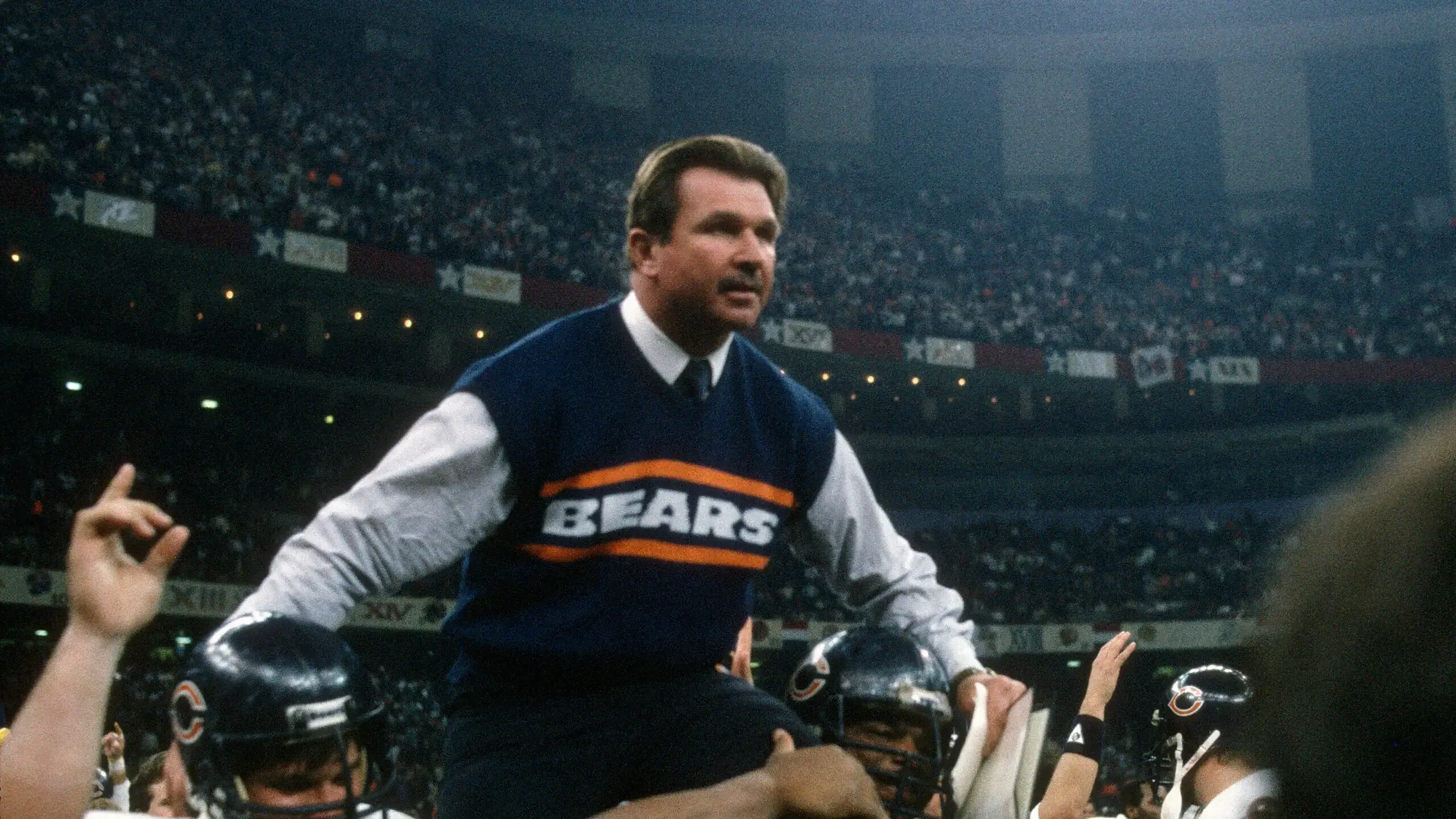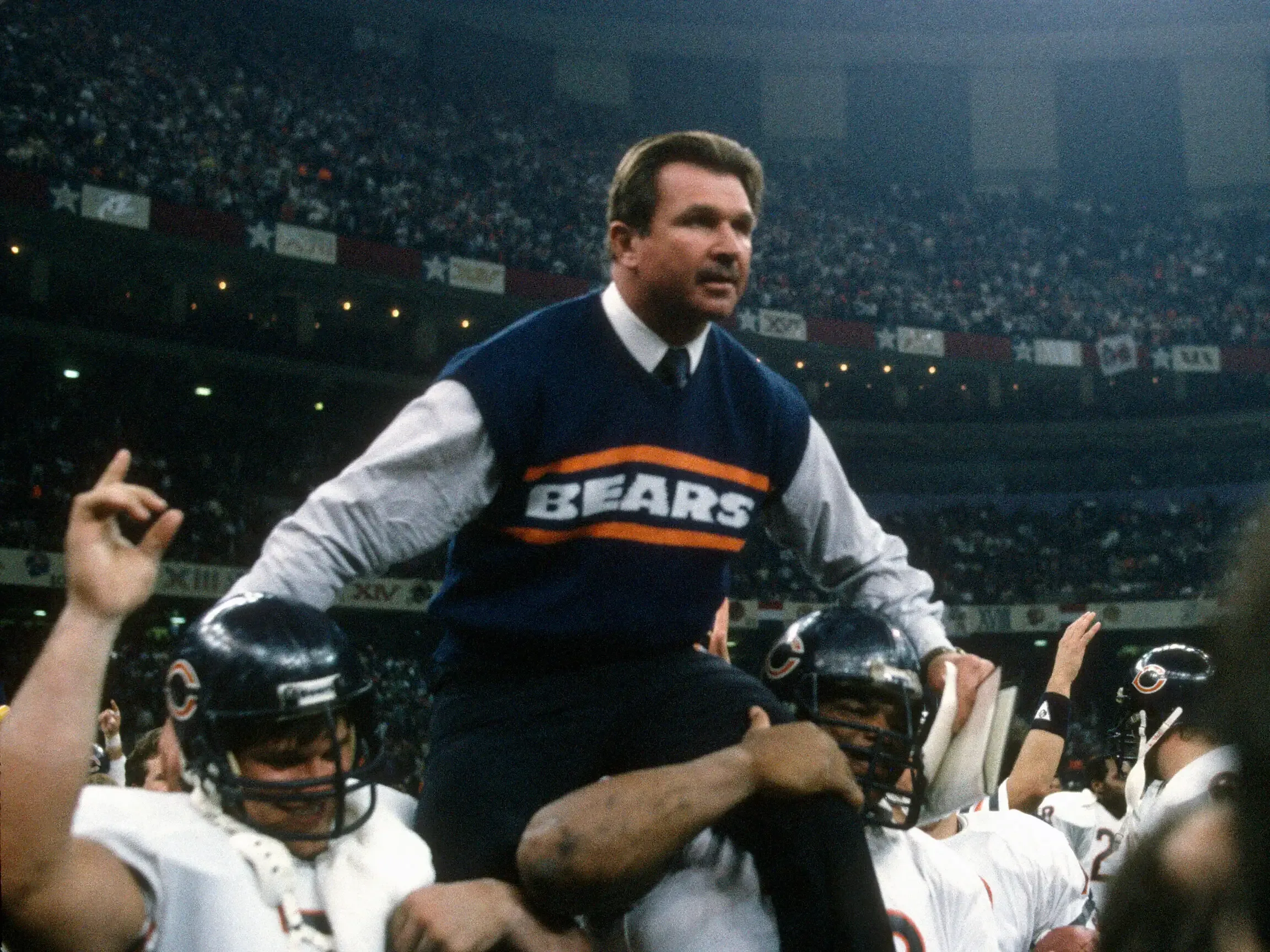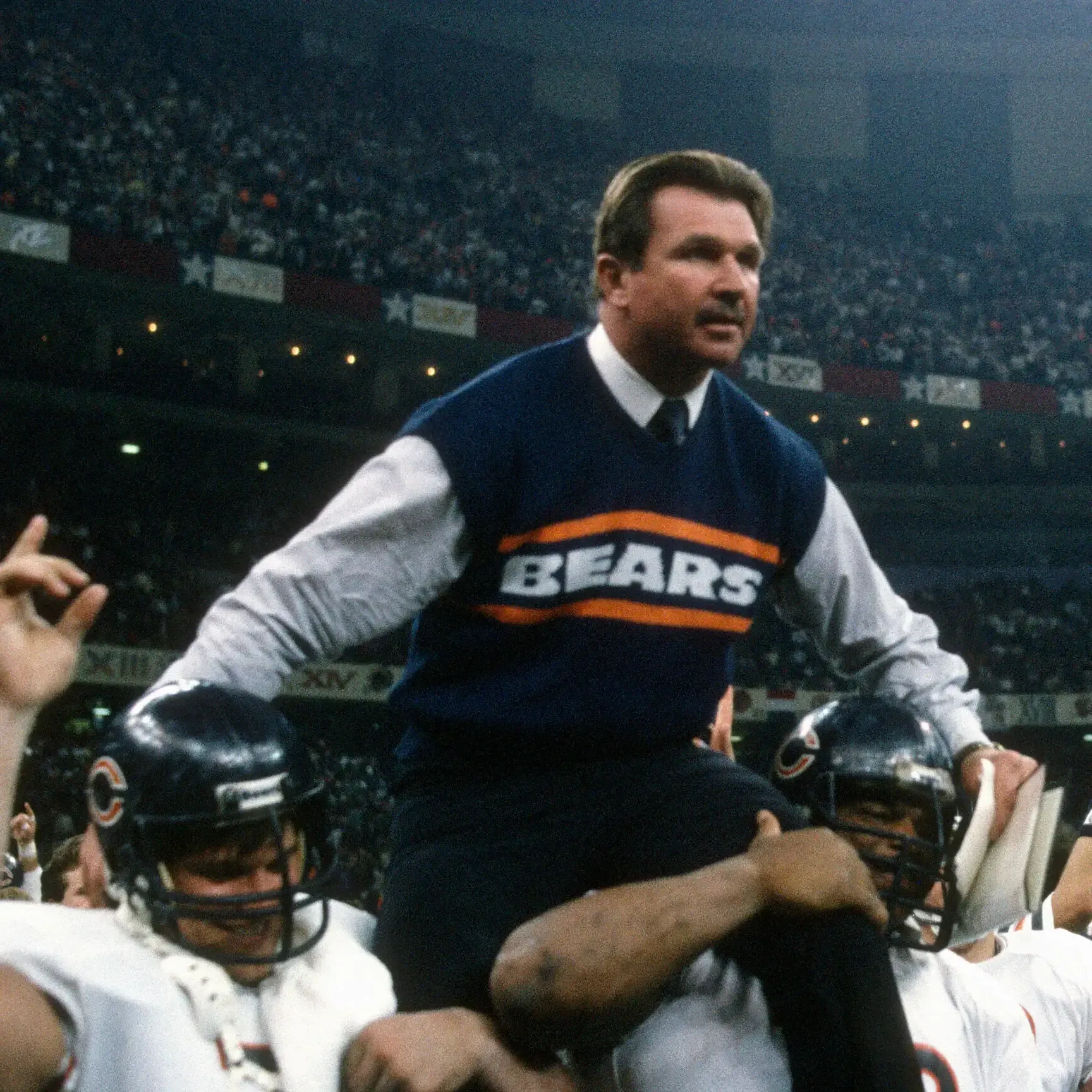
Mike Ditka’s impact on the football memorabilia market was already well established long before his death on Oct. 9. In the days and weeks that followed, that market moved into a higher gear, especially in Chicago, where Ditka’s legacy as both a Bears player and coach remains woven into the city’s sports identity.
Collectors have been chasing a wide range of Ditka items, from signed jerseys and footballs to rookie cards, photos, novelty pieces and even restaurant-related memorabilia. Dealers in the Chicago area have reported strong traffic from buyers looking for anything connected to the Hall of Fame tight end and Super Bowl-winning head coach.
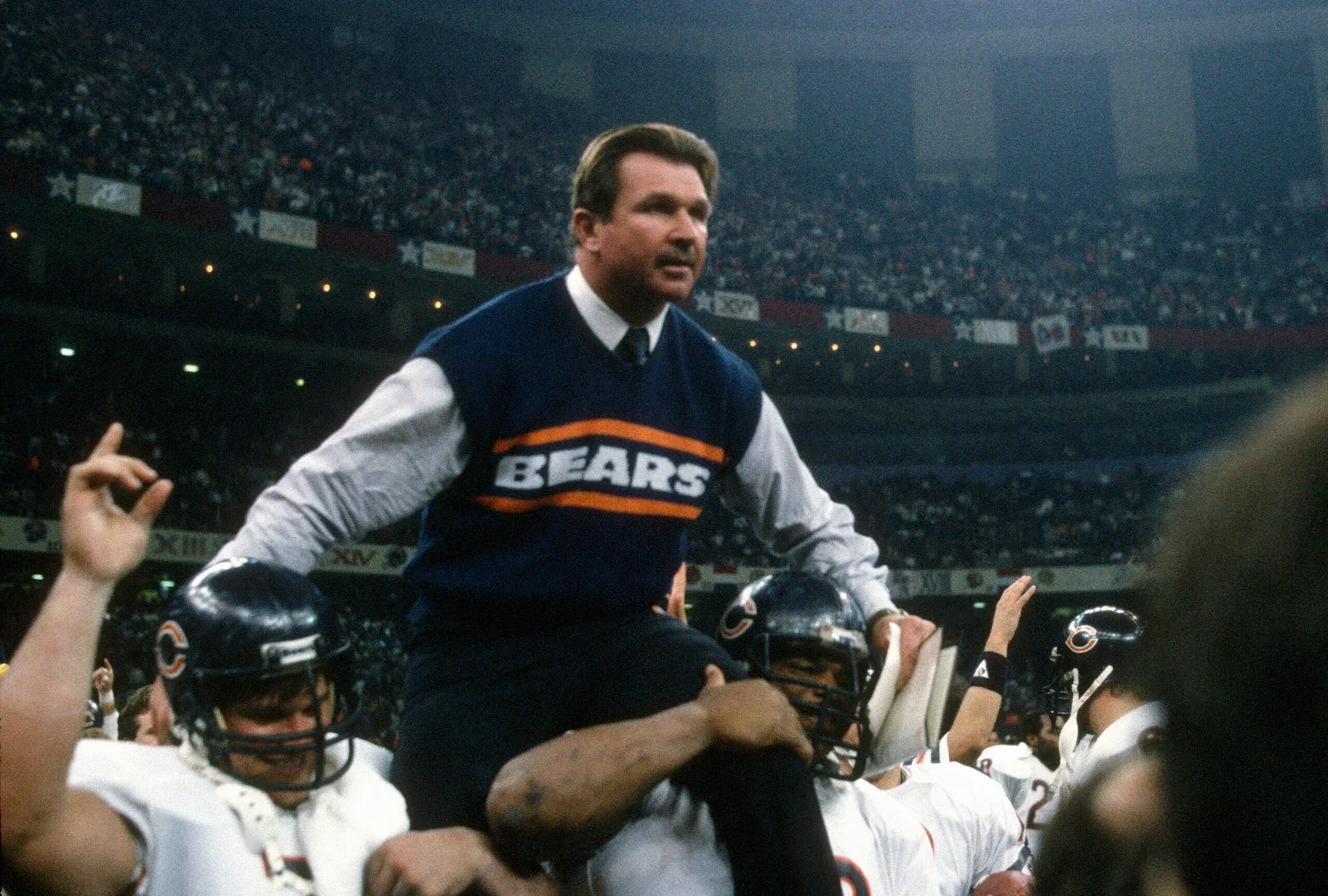
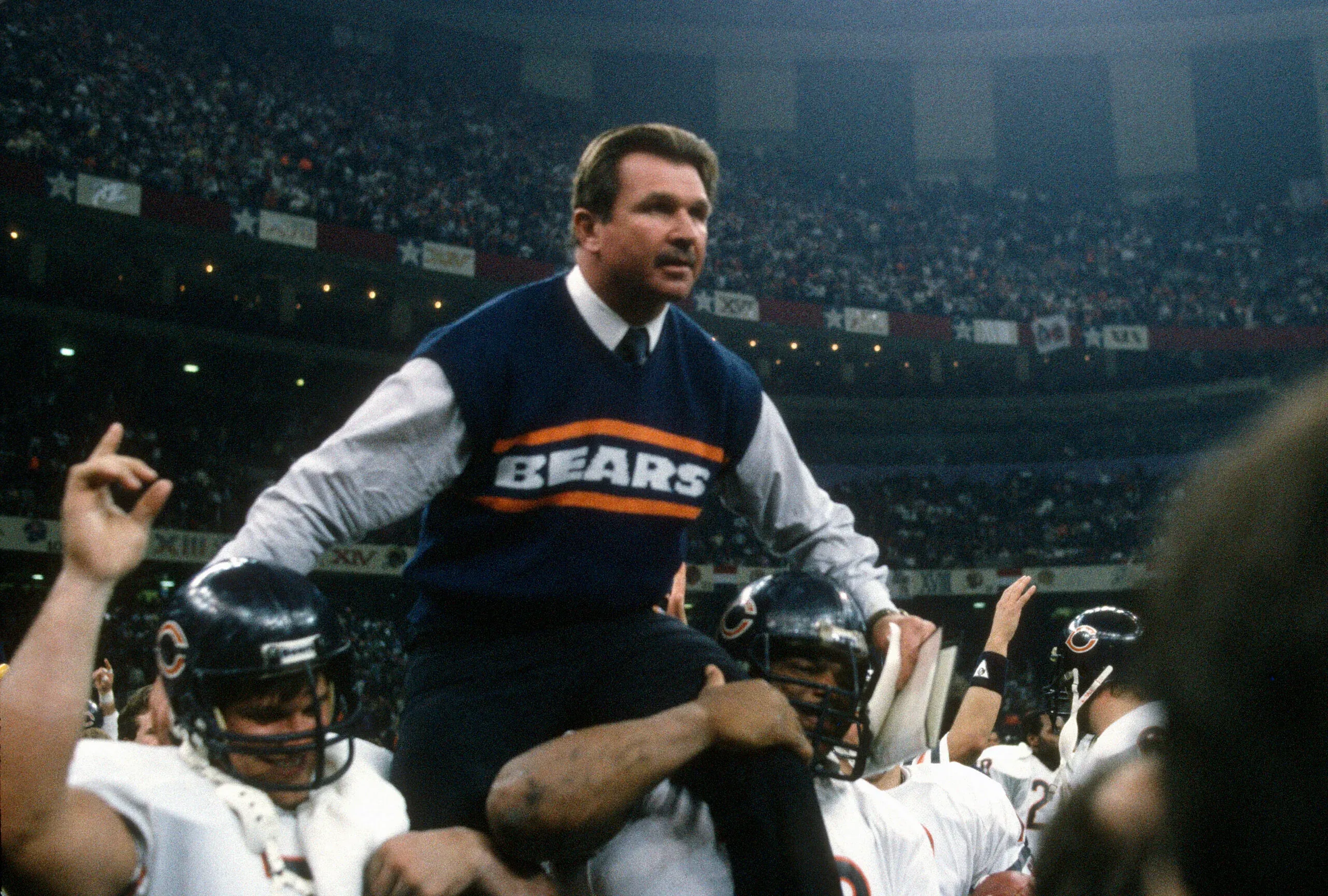
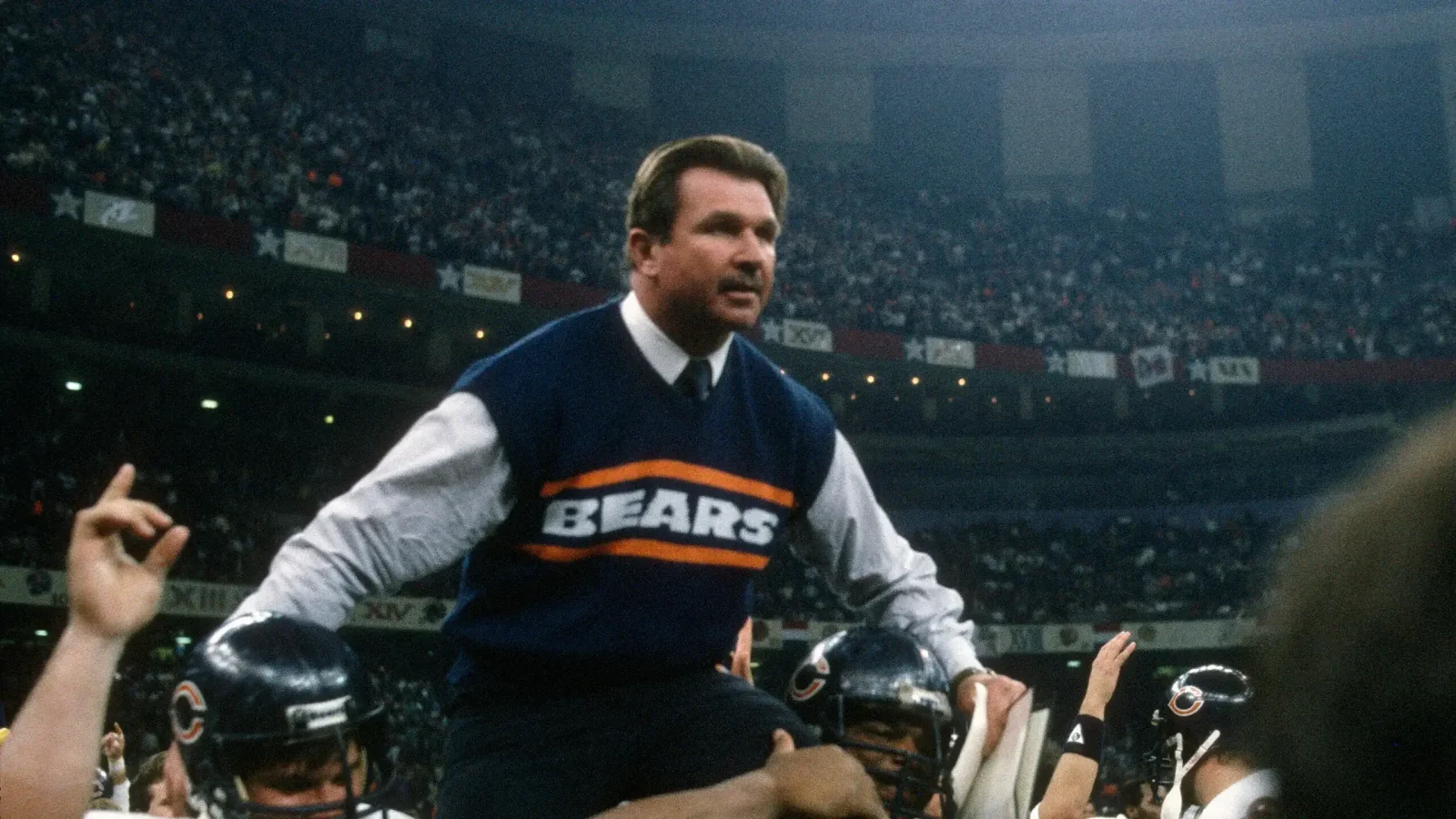
The surge is not surprising given Ditka’s place in Bears history. He played for the franchise from 1961 through 1966, won an NFL title with the team in 1963, and later returned to coach Chicago to its unforgettable Super Bowl XX championship in the 1985 season. Four decades later, that remains the Bears’ only Super Bowl title, which keeps Ditka firmly at the center of one of the most celebrated eras in franchise history.
Chicago shops are seeing immediate demand
The strongest activity has come from the Chicago market, where Ditka memorabilia has moved quickly across multiple categories. Retailers have described a noticeable rush from collectors and fans who want a keepsake tied to one of the most recognizable figures in Bears history.
For more collector background, read Mike Ditka’s Card Market Turns to His Early Topps Issues After Death Reports.
At Wrigleyville Sports, Ditka-themed apparel quickly became a focal point. A lightweight American Needle sweater-shirt featuring the number 89 in Bears colors sold out in all sizes at a $40 price point. A 9-inch Ditka teddy bear dressed in his familiar sideline look was still available for $25, showing that the market response has extended beyond traditional signed memorabilia and into novelty merchandise as well.
That broad interest matters because it suggests this is not just a high-end collector reaction. It also includes casual fans looking for an affordable way to remember Ditka, a pattern that often appears when a sports icon with deep local ties passes away.
Signed pieces are moving, and prices are climbing
Autographed material has been one of the clearest areas of movement. Ronnie Holiday, owner of Elite Sports in Chicago, said traffic picked up sharply as buyers came in looking for anything associated with Ditka. His sales included autographed cards, footballs and 10 jerseys in the immediate wave of demand.
One of the most notable sales involved a signed replica Vince Lombardi Trophy commemorating Super Bowl XX. Holiday had two of the signed replicas available, and one sold for $2,500.
The signed jersey market has also shifted quickly. Holiday noted that before Ditka’s death, collectors could often buy a signed Ditka jersey for around $60. After the news, those same jerseys were bringing roughly $300 to $400 online. Framed examples were listed even higher, with some asking prices reaching $800.
That kind of jump reflects a familiar hobby pattern. A major figure passes away, attention spikes, and collectors who had postponed a purchase suddenly decide they do not want to miss out. In Ditka’s case, the increase has been amplified by the emotional connection many Chicago fans feel toward the 1985 Bears and the broader Bears tradition.
Why the Ditka market may behave differently than some others
Even with the sharp rise in demand, the Ditka autograph market has one important wrinkle: availability. Ditka was known for signing generously over several decades, whether at organized autograph appearances, sports card shows, restaurants or public events. That means there is already a substantial supply of signed material in the market.
Scott Beatty, owner of AU Sports, said Ditka’s death should lift prices, but perhaps not as dramatically as collectors might expect from a figure of his stature because he had been such a visible and active signer. That distinction is important for buyers trying to judge where values may settle after the initial burst.
In other words, Ditka demand is clearly up, but scarcity is not the same across every category. A signed photo, football or jersey may be more obtainable than a rare game-used piece, a premium display item, or a particularly desirable vintage card in high grade. The result is likely to be a tiered market rather than a uniform rise across all Ditka collectibles.
Beatty also described the immediate reaction that often follows the death of a sports legend, with buyers suddenly looking for signed photos and display pieces. That reaction can create a temporary premium, especially in the first wave of listings and in markets where emotional ties run strongest.
Rookie cards remain a key focus for collectors
As always, cards offer one of the clearest ways to track hobby attention. Ditka’s 1962 Topps rookie card has become a central target for buyers revisiting his cardboard legacy. Market listings for the card stretched from about $300 on the low end to as much as $20,000 for a PSA 8 example.
That range says as much about condition sensitivity as it does about demand. Mid-century football cards often carry dramatic price gaps between lower-grade and high-grade copies, and Ditka’s rookie is no exception. Collectors chasing a presentable example can still find entry points well below elite slabbed copies, while registry-minded buyers and high-end investors will continue to compete for stronger grades.
There is also a small historical detail on that rookie card that longtime Bears fans know well: Ditka appears wearing No. 82 before later becoming more closely associated with No. 89. That kind of uniform-number quirk often adds extra appeal for player collectors and vintage specialists.
Signed reprints were also being offered around the $150 range, giving fans another lower-cost route into Ditka card-related memorabilia without entering the vintage rookie-card market.
Unusual memorabilia is part of the story too
One of the more interesting aspects of the current Ditka surge is how varied the merchandise mix has become. Collectors are not just focusing on cards and standard autographs. Interest has spilled into restaurant memorabilia, promotional items, novelty collectibles and display pieces that capture Ditka’s larger-than-life persona.
Holiday said he has accumulated items over the years such as signed tablecloths, menus and napkins tied to Ditka’s restaurant presence in the Chicago area. Those types of pieces may appeal to a different kind of collector, one looking for memorabilia that reflects Ditka as a cultural figure rather than only as a football legend.
There is also demand for visually distinctive items linked to his famous image. A Ditka bobblehead featuring his sweater vest and aviator-style sunglasses has drawn buyer interest, but Holiday said that piece is staying in his personal collection.
For many collectors, that tracks with what made Ditka such a compelling memorabilia subject in the first place. He was not merely a star player or coach. He was a brand, a personality and a Chicago symbol. Items that capture the look and attitude associated with “Da Coach” often resonate just as strongly as pieces tied to box scores and stat lines.
The 1985 Bears effect is still powerful
Any discussion of Ditka collectibles eventually circles back to the 1985 Bears. That team remains one of the most celebrated champions in NFL history, and its nostalgia factor continues to drive the market for players, coaches and team-signed memorabilia connected to that season.
Holiday put it simply when describing what moves in Chicago: anything from the ’85 Bears still sells. Ditka sits at the center of that collecting universe, which gives his market an enduring base of support beyond the posthumous bump now taking place.
That foundation may help explain why demand has spread so quickly across different item categories. Buyers are not trying to learn a new market from scratch. They are stepping into a collecting lane that has been active for years and is now drawing renewed attention.
It also means that related pieces such as Super Bowl XX displays, Lombardi Trophy replicas, team photos, championship footballs and signed jerseys can benefit from crossover demand. Some buyers are not just collecting Ditka in isolation. They are building or upgrading broader 1985 Bears collections, and Ditka is naturally one of the centerpiece names in that effort.
What collectors should watch next
The next phase of the market will likely be defined by how long the current emotional buying window lasts. Short-term spikes after the death of a sports icon are common, but not every price increase holds. In Ditka’s case, there are reasons to expect both a cooling period and a lasting step up from prior levels.
The short-term heat is being fueled by impulse buying, nostalgia and local demand. Over time, some prices could retreat from peak asking levels, especially for more common signed items. But the long-term market may still settle above where it was before Oct. 9 because Ditka can no longer add to the autograph supply.
Collectors should also be selective about authentication, especially as more signed jerseys, photos and footballs come to market during a period of heightened demand. When prices rise quickly, questionable material has a tendency to follow. Provenance, third-party authentication and seller reputation matter even more when a player’s market suddenly accelerates.
For vintage card buyers, grading remains the biggest value separator. A raw or lower-grade 1962 Topps Ditka can serve as a more accessible collector piece, while higher-grade slabs will continue to command a significant premium because truly strong examples are much harder to find.
As the Bears honor Ditka and the city continues to remember one of its defining sports figures, the memorabilia market is reflecting that emotional response in real time. From sold-out apparel to surging jersey prices to renewed attention on his rookie card, Mike Ditka’s presence in the hobby remains as visible as ever.
Photo Gallery