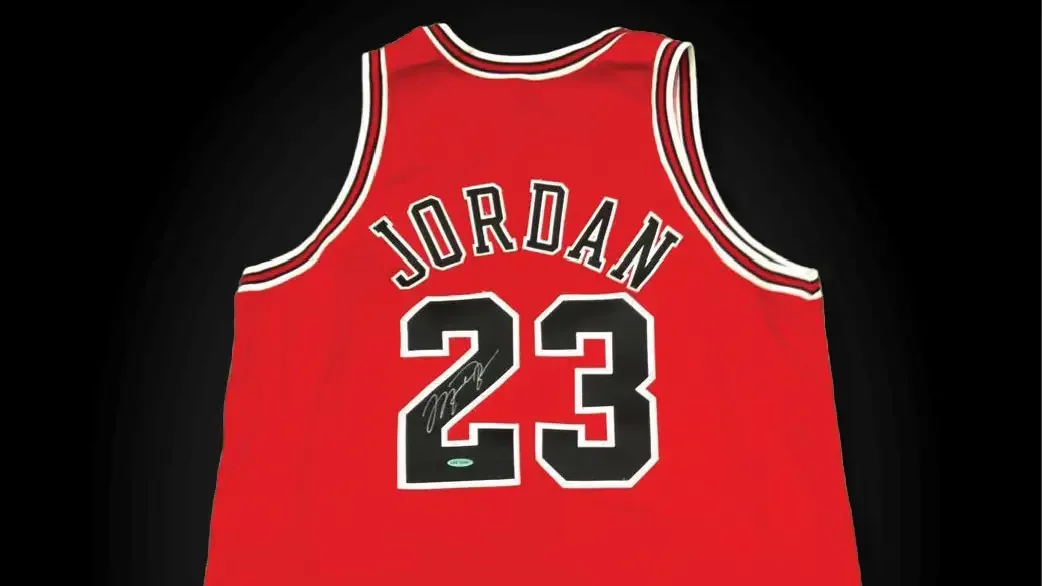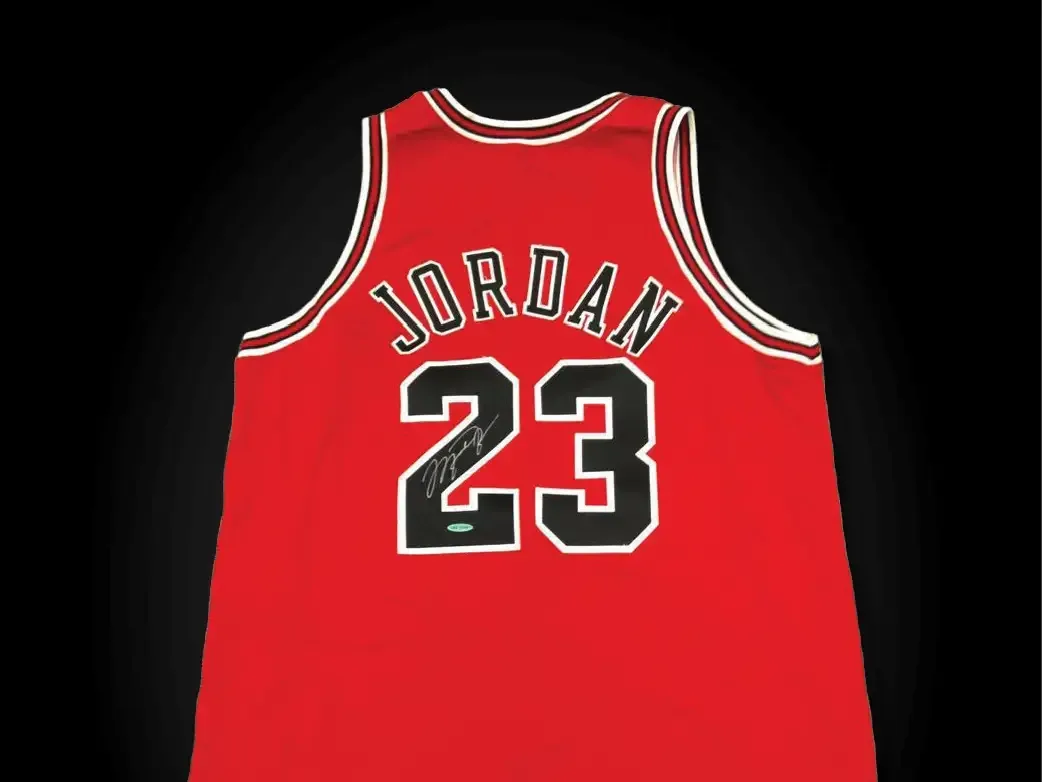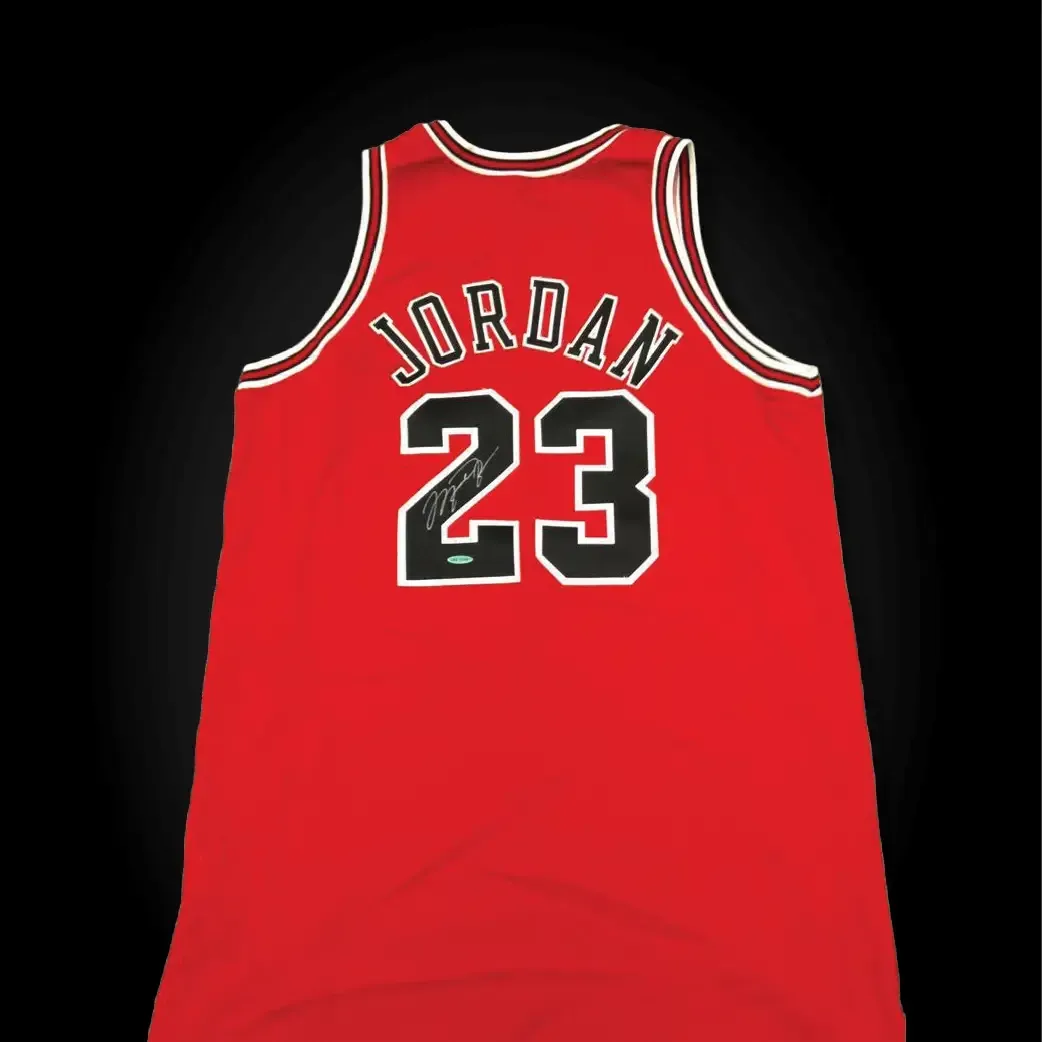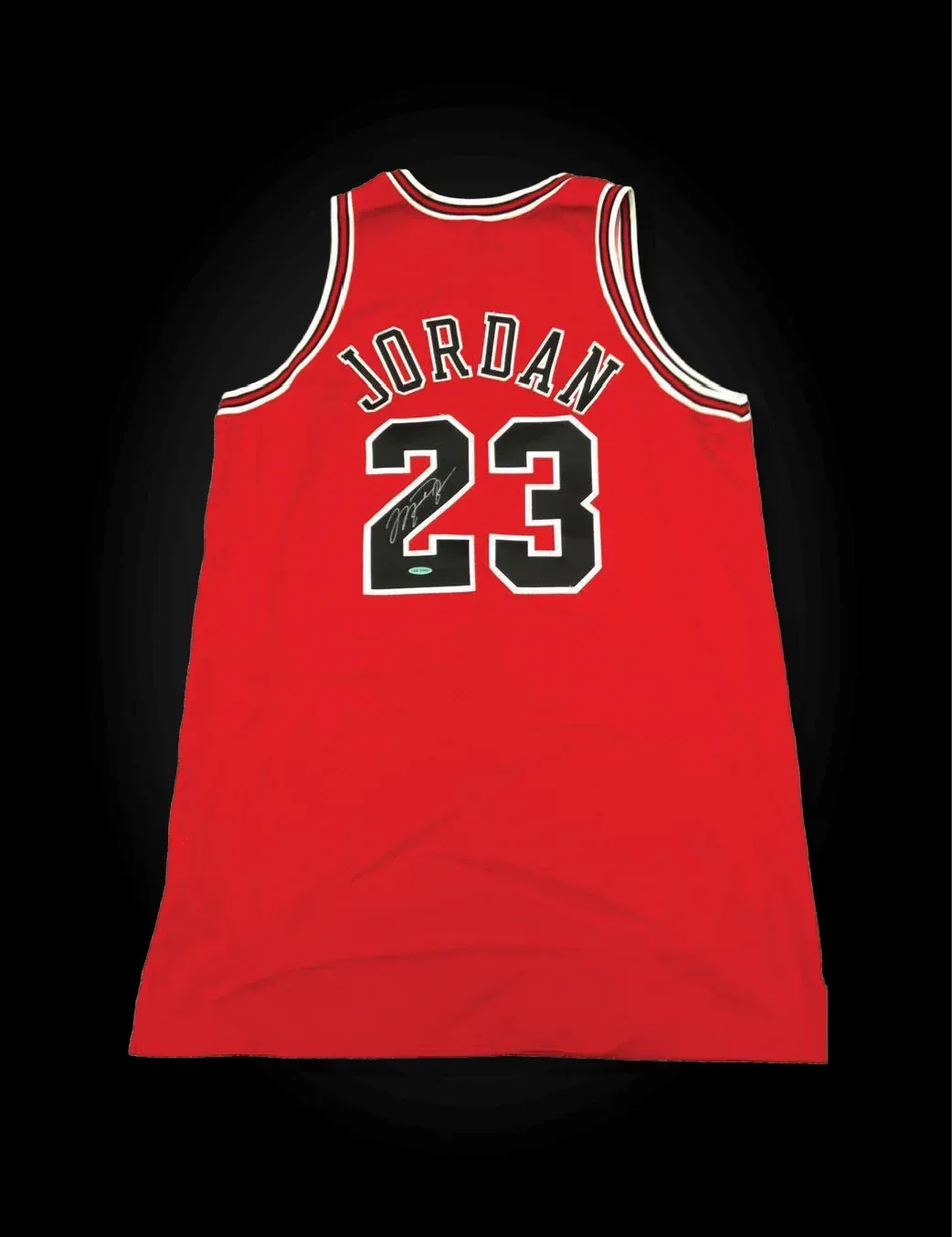
Michael Jordan memorabilia has reached another historic level after a signed, game-worn Chicago Bulls jersey from Game 2 of the 1998 NBA Finals sold for $14 million in a private treaty transaction.
The sale sets a new record for any piece of basketball memorabilia and ranks as the second-highest price ever paid for a game-used jersey from any sport. The buyer was collector Ron Firman of Rye, New York.
The jersey comes from one of the most celebrated stretches of Jordan’s career, the 1998 NBA Finals against the Utah Jazz. That series, forever tied to the Bulls dynasty and Jordan’s “Last Dance” season, remains one of the most important collecting eras in modern sports memorabilia. With this sale, the market once again showed just how valuable authentic, high-level Jordan material has become.
A New Benchmark for Basketball Memorabilia
The $14 million result moved past the previous basketball jersey record, which had been set recently by another Jordan Finals uniform. A home jersey worn by Jordan in Game 3 of the 1998 NBA Finals sold for $12.26 million. Another jersey from Game 1 of the same series also brought $10 million.
For more collector background, read How to Prepare a Sports Card Collection for Sale: Smarter Sorting, More Honest Descriptions, and Photos Buyers Can Actually Trust.
That means multiple jerseys from the same championship matchup now sit among the most expensive basketball collectibles ever sold. For collectors, that is a clear sign that the very best Jordan pieces have moved beyond traditional memorabilia pricing and into a category reserved for rare, museum-level artifacts.
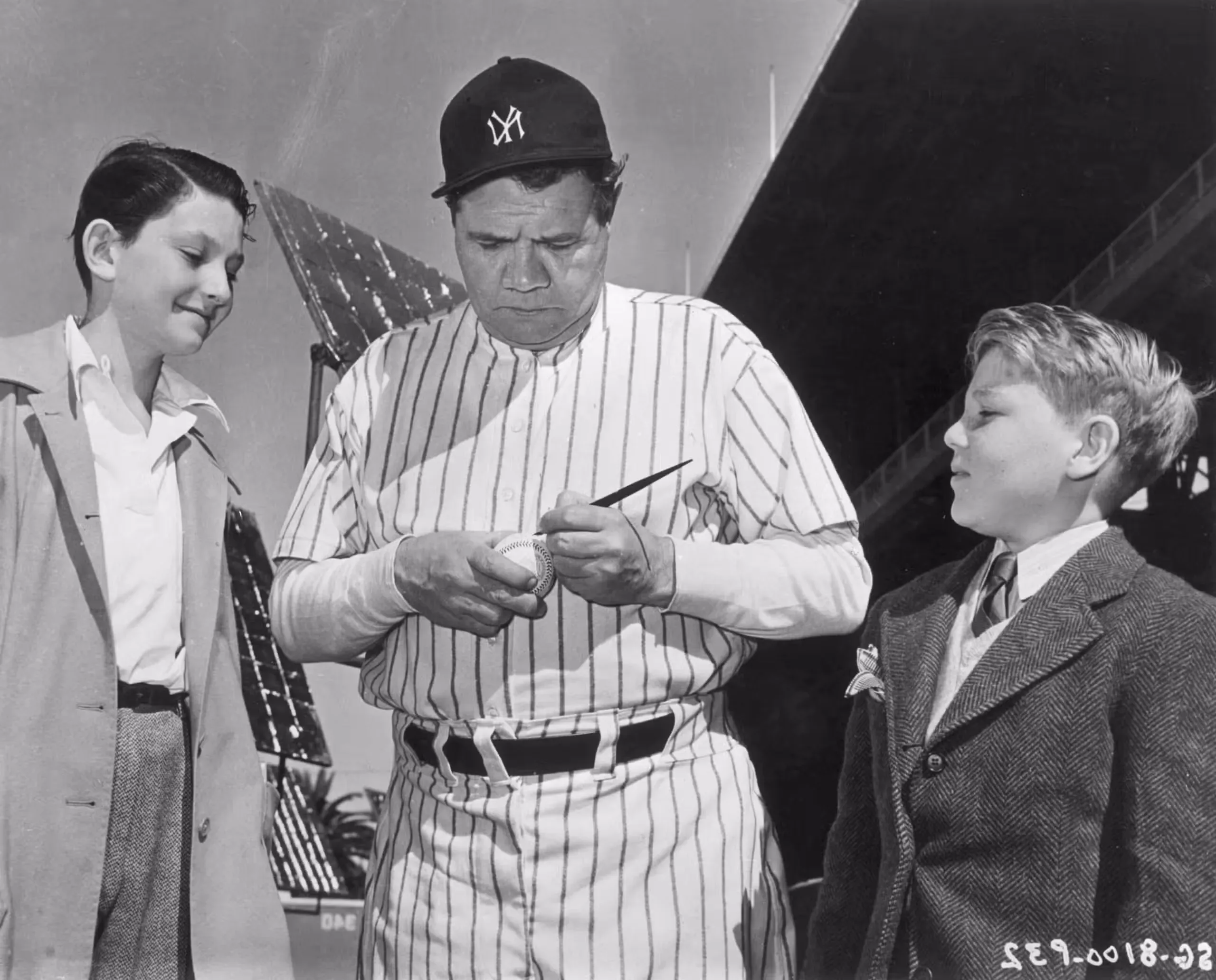
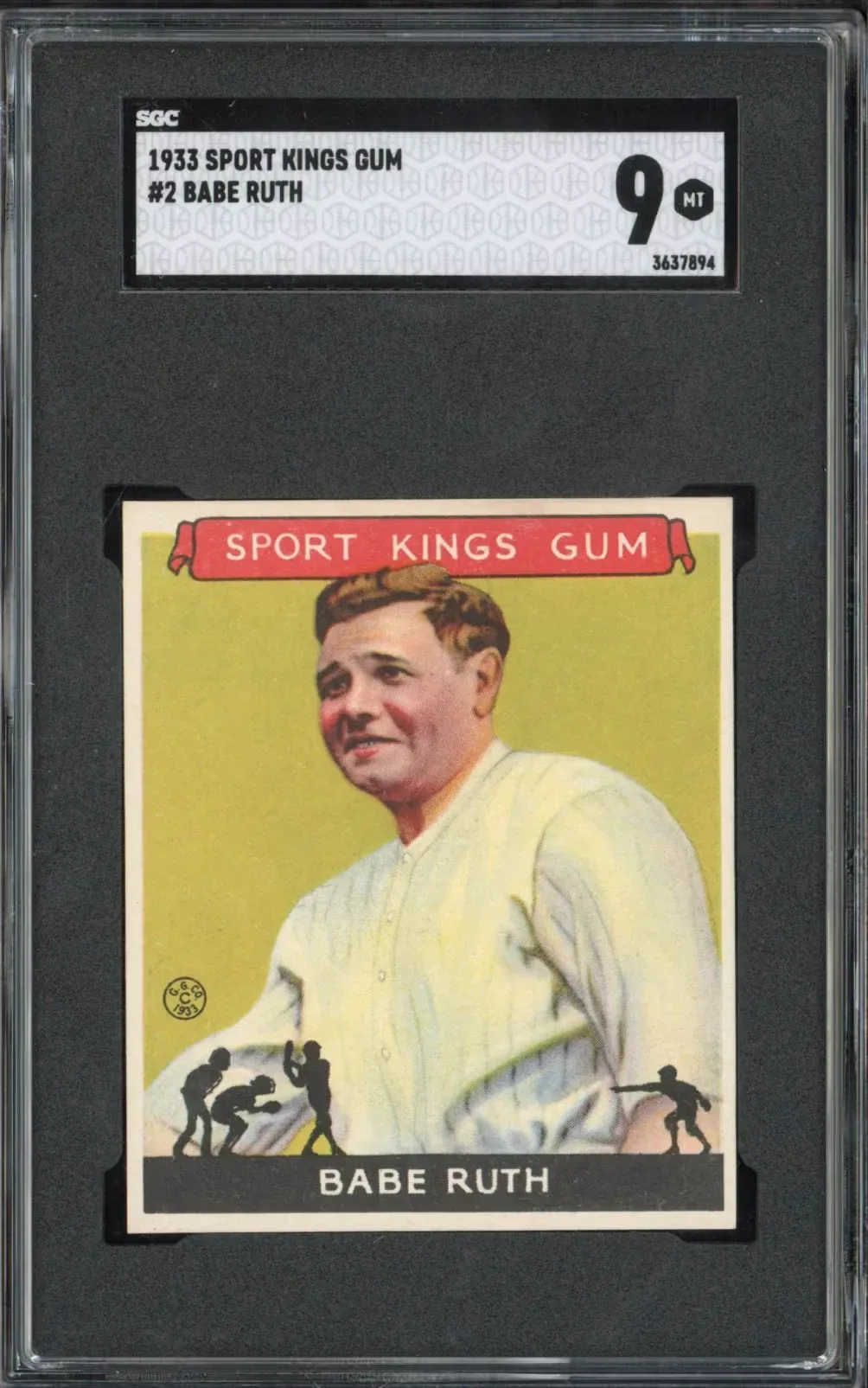
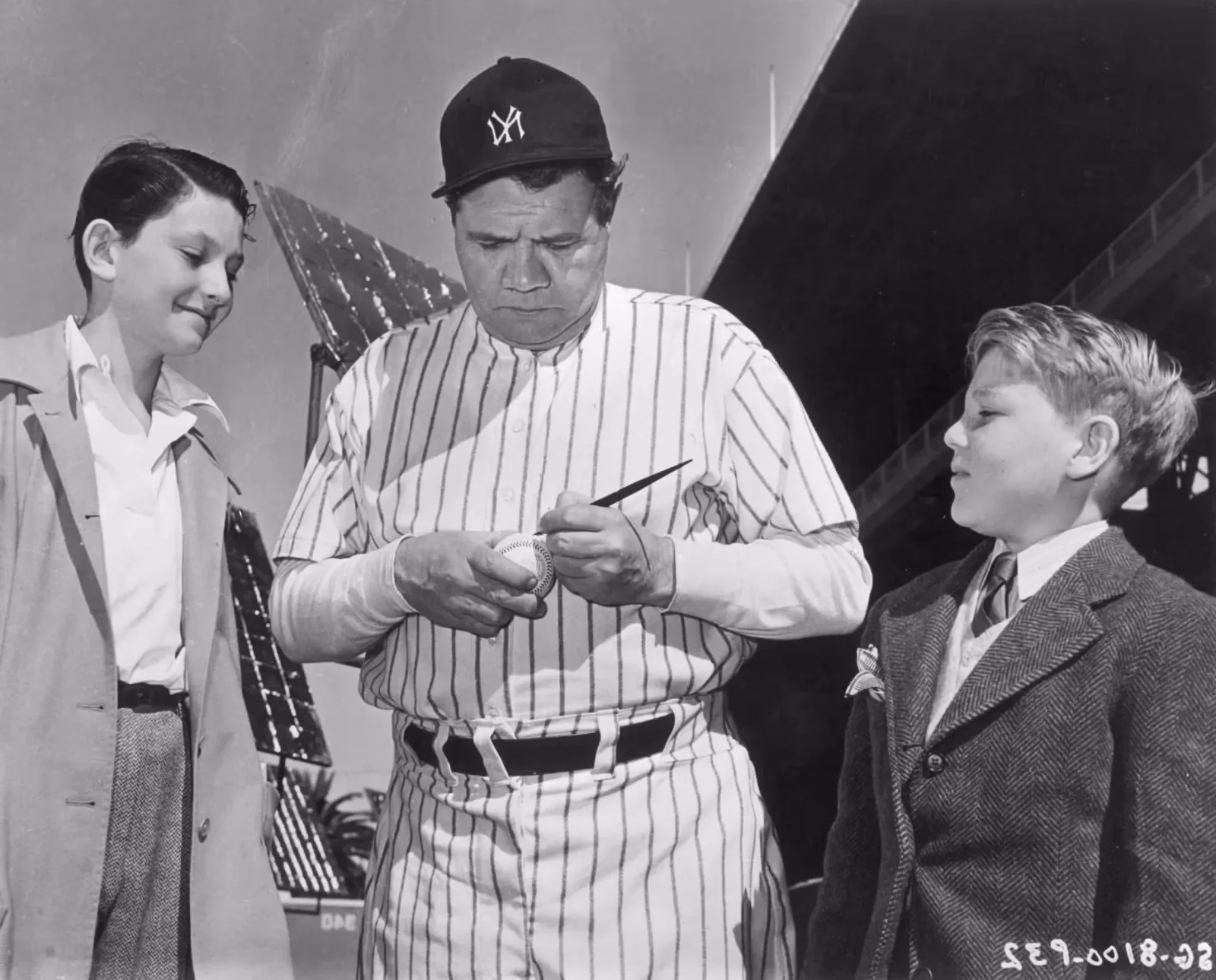
Only one game-worn jersey from any sport has sold for more: Babe Ruth’s famous 1932 “Called Shot” jersey, which realized $24.1 million. Jordan’s latest record places him ahead of many of the most iconic pieces in the hobby, including Diego Maradona’s 1986 World Cup “Hand of God” jersey, which sold for $9.2 million.
The scale of those prices matters. It shows that buyers are not just chasing star power. They are paying premiums for objects tied to defining moments in sports history, especially when the item can be directly linked to an athlete’s legacy, a championship stage, and strong authentication.
Why the 1998 NBA Finals Jerseys Matter So Much
Jordan’s 1998 NBA Finals jerseys carry unusual importance because they come from the last championship run of his Bulls career. The series against Utah marked the closing chapter of the Chicago dynasty, and every jersey from that run is connected to one of the most replayed and discussed moments in basketball history.
Jordan wore red Bulls road jerseys in Games 1, 2 and 6 of the 1998 Finals. Those uniforms are especially prized because they are tied directly to the road portion of a title series that helped cement his standing at the top of the sport. Collectors often treat those pieces as centerpiece artifacts, not just premium memorabilia.
The Game 2 jersey that sold for $14 million was worn on June 5, 1998, in Chicago’s 93-88 win over the Jazz at the Delta Center. Jordan scored 37 points in that game as the Bulls evened the series at 1-1. In the context of the Finals, it was one of the key performances that kept Chicago on track for another title.
That statistical connection adds another layer to the jersey’s appeal. It was not simply worn during the series. It was worn during a major Jordan performance on the game’s biggest stage, which is exactly the kind of detail that tends to separate top-tier memorabilia from the rest of the market.
Game-Worn, Signed, and Well Documented
High prices at this level are usually driven by three things: the player, the moment, and the quality of the item’s documentation. This jersey checks all three boxes.
The uniform was described as a signed game-worn Chicago Bulls road jersey from Game 2 of the 1998 NBA Finals. It was originally purchased directly from the Bulls in 2003 and was accompanied by multiple letters supporting its provenance.
One of those letters came from Bulls Director of Community Relations Jeff Schultz, who described the jersey as one of the finest examples of game-worn Bulls material he had seen during more than 15 years overseeing team memorabilia.
The jersey had reportedly changed hands only one time since that original 2003 purchase, another detail that collectors often view favorably. Limited ownership history can strengthen confidence in an item’s chain of custody, especially when paired with team-origin documentation.
It was also photo-matched by MeiGray Authentication and SIA Authentication, which is critical in the modern game-used market. Photo-matching helps connect visible wear patterns, tagging, and details of a jersey to period images from the exact game in which it was worn. At the highest end of the hobby, that level of verification can be essential.
The autograph was authenticated through Upper Deck, giving the piece yet another layer of support. With team provenance, photo-matching, and autograph authentication all attached to one item, the jersey entered the market with the kind of profile that serious buyers expect when bidding at the very top of the memorabilia ladder.
The Strength of the Jordan Market
Jordan has long been one of the hobby’s most reliable blue-chip names, whether the category is trading cards, signed pieces, game-used equipment, or championship-era memorabilia. This sale reinforces that his market remains one of the strongest in all of sports collecting.
What makes Jordan especially powerful in the current marketplace is that demand spans multiple generations of buyers. Longtime collectors remember his career in real time and view 1990s Bulls material as the gold standard of basketball collecting. Younger collectors, introduced through highlights, documentaries, sneakers, and modern hobby culture, still see Jordan as the ultimate benchmark.
That broad collector base creates unusual depth. Demand is not limited to one age group, one collecting lane, or one region. Signed items, rare inserts, rookie cards, ticket stubs, shoes, and game-worn uniforms all have active followings. When a truly elite piece surfaces, the buyer pool can extend well beyond traditional sports collectors.
The result also reflects a wider shift in the upper tier of the memorabilia market. The best items are increasingly being treated as trophy assets, similar to fine art or historical documents. That does not mean every star jersey will command eight figures, but it does mean the market is placing extraordinary premiums on iconic athletes and unrepeatable moments.
How This Sale Fits Into the All-Time Jersey Market
The all-time jersey market has become much more competitive in recent years as collectors and investors pursue pieces with unmistakable historical significance. Jordan’s $14 million sale now stands near the top of that list.
Among the notable benchmark sales mentioned alongside this result:
- Michael Jordan, 1998 NBA Finals Game 2 jersey: $14 million
- Michael Jordan, 1998 NBA Finals Game 3 jersey: $12.26 million
- Michael Jordan, 1998 NBA Finals Game 1 jersey: $10 million
- Babe Ruth, 1932 “Called Shot” jersey: $24.1 million
- Diego Maradona, 1986 “Hand of God” jersey: $9.2 million
That list shows how rare it is for one athlete to occupy so much space near the top of the market. Jordan now has multiple jerseys from the same Finals series among the hobby’s highest-value game-worn pieces, something few athletes in any sport could match.
It also says something important about the appeal of the 1998 Finals specifically. Collectors are not merely paying for Jordan’s name. They are paying a premium for the exact season and series most closely tied to his enduring mythology.
What Collectors Can Take From the Sale
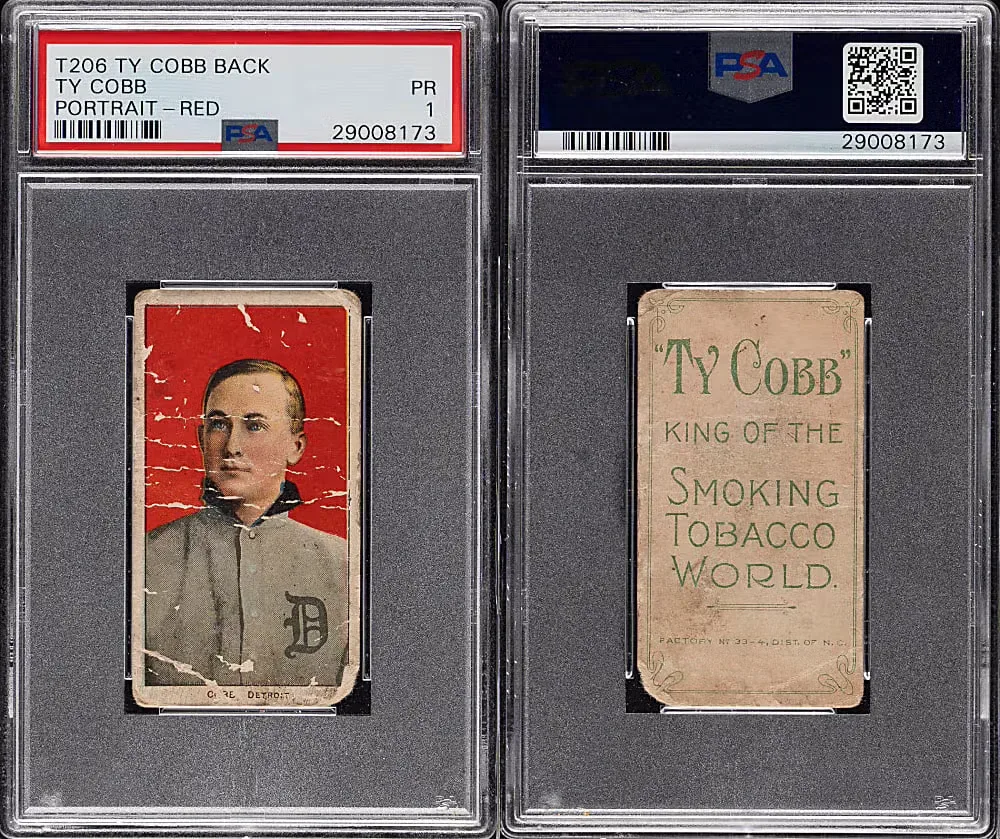
For collectors watching from the trading card side of the hobby, the message is familiar. Provenance, player quality, and historical significance drive the ceiling. The same principles that elevate a grail-level card also apply to memorabilia. Condition matters when it is relevant, but context can matter even more.
A signed jersey from a lesser game is not the same as a photo-matched jersey from a signature Finals performance. An authenticated item with direct team provenance is not the same as a generic signed display piece. At this end of the market, details are not extras. They are the reason a piece reaches record territory.
This sale may also add fuel to the broader Jordan category across the hobby. When major memorabilia records fall, they often bring renewed attention to parallel markets such as rookie cards, championship-era inserts, signed photos, and other authenticated game-used material. A headline price at the top can reshape perception across multiple collecting segments.
For advanced collectors, the result is another reminder that the rarest Jordan pieces remain in a class of their own. Competition for top examples is fierce, supply is extremely limited, and market confidence is strongest when the item has a clean story, a major game connection, and airtight supporting documentation.
The Specifics Behind the Record Sale
The jersey sold in a private treaty transaction handled by Hunt Auctions rather than through an open public auction. Private sales have become an increasingly important part of the high-end memorabilia business, especially for items that may attract a small pool of serious buyers willing to move quickly at record-setting levels.
The buyer, Ron Firman, is a noted sports memorabilia collector. His purchase adds another major chapter to the history of Jordan collecting and to the growing list of museum-quality items changing hands at premium prices.
As more elite game-worn pieces enter the spotlight, this sale sets a new standard for basketball memorabilia. The combination of Jordan, the 1998 Finals, Game 2 performance history, direct Bulls provenance, photo-matching, and autograph authentication made this one of the strongest basketball artifacts to reach the market in years. At $14 million, it now stands as the new measuring stick for the category.
Photo Gallery