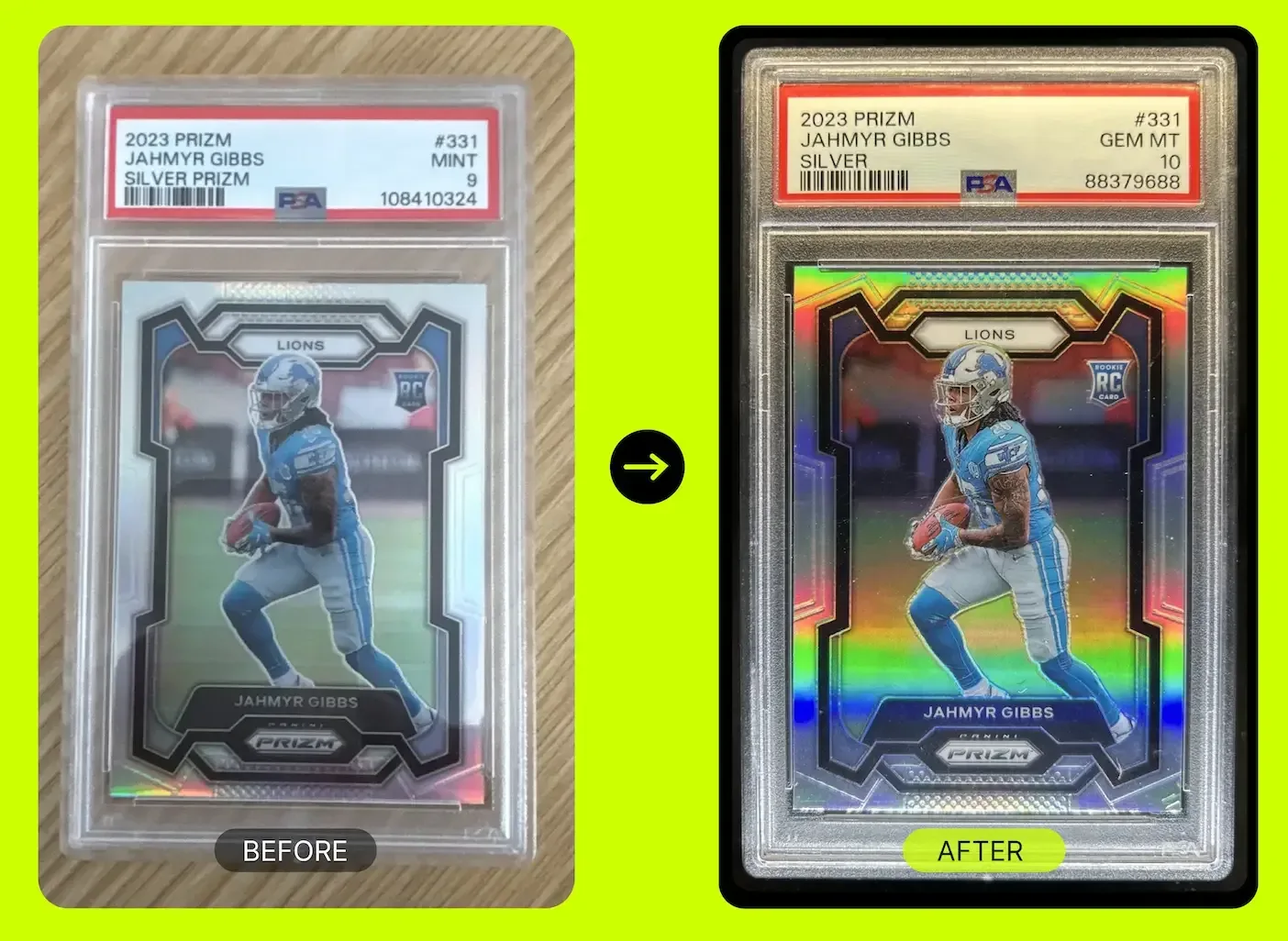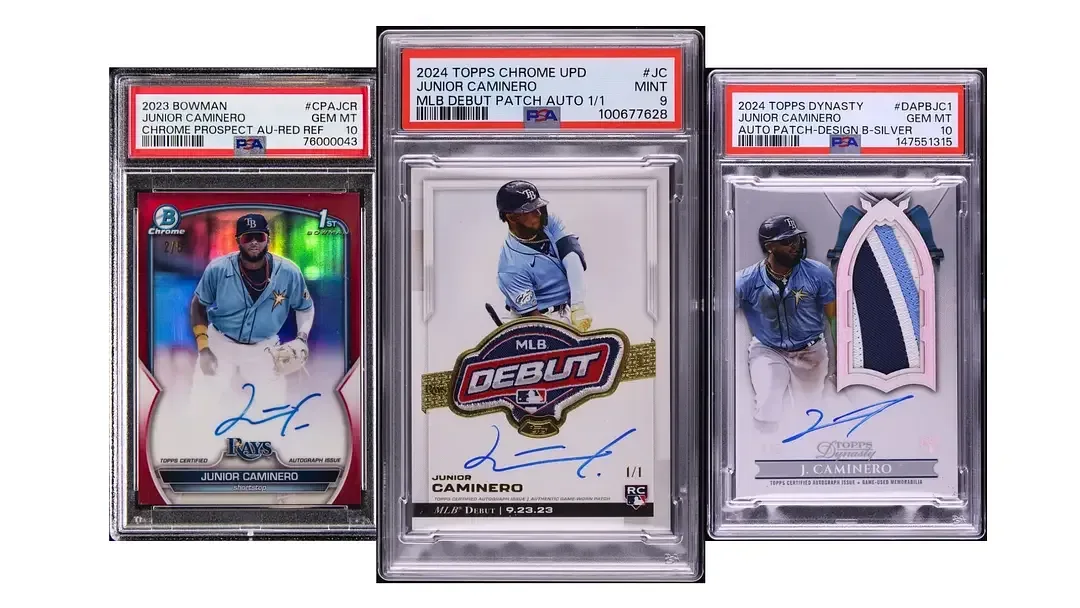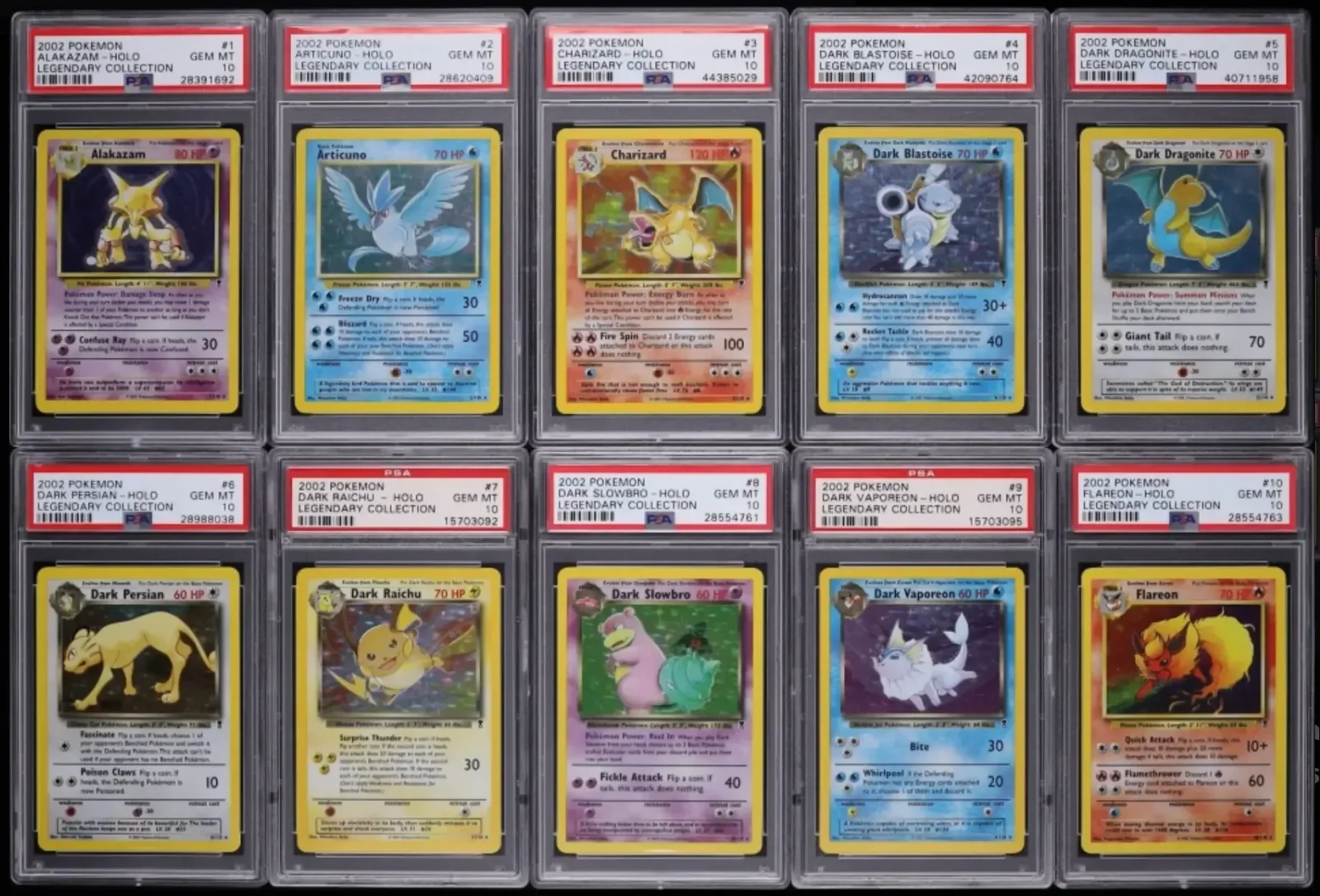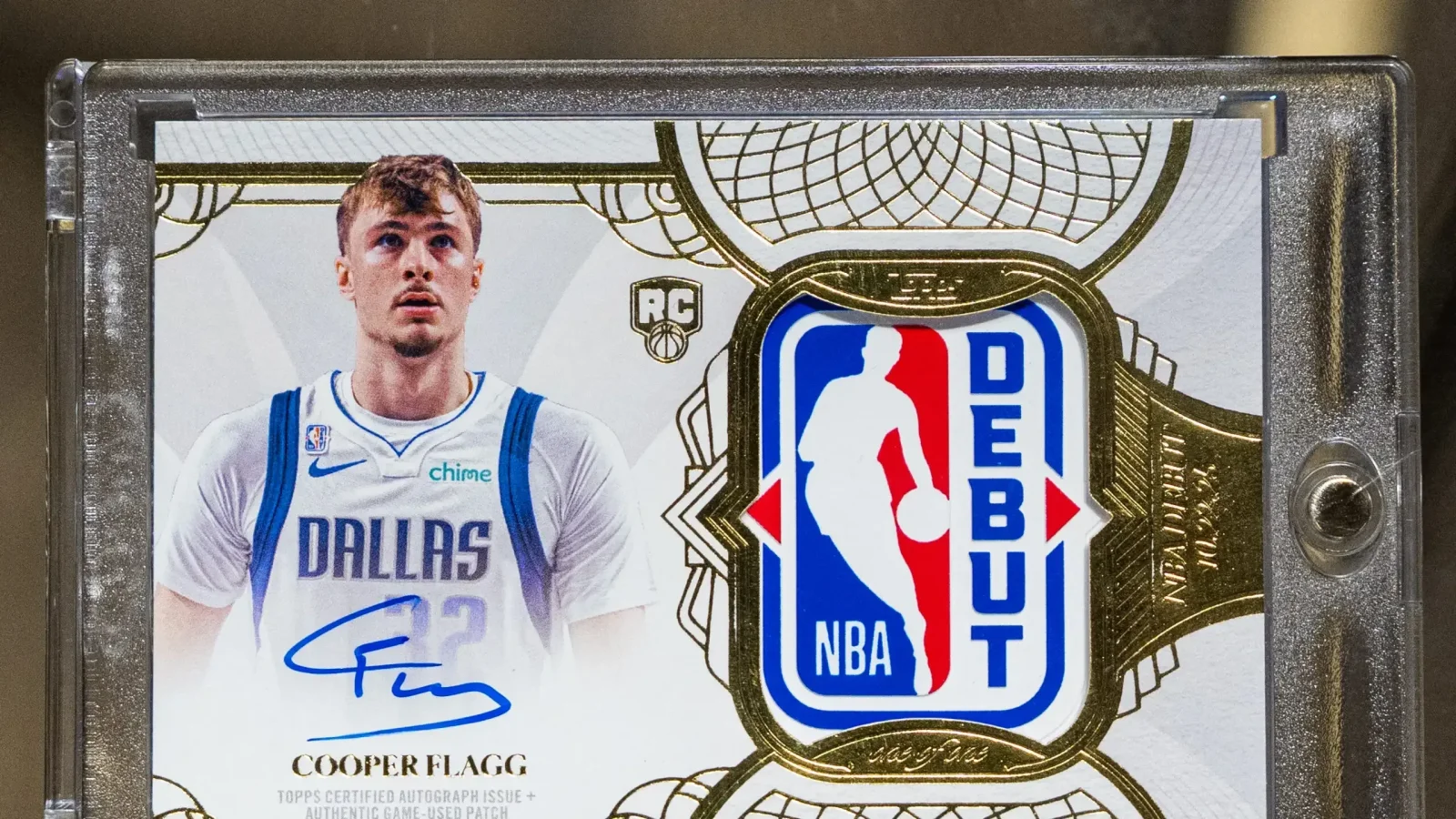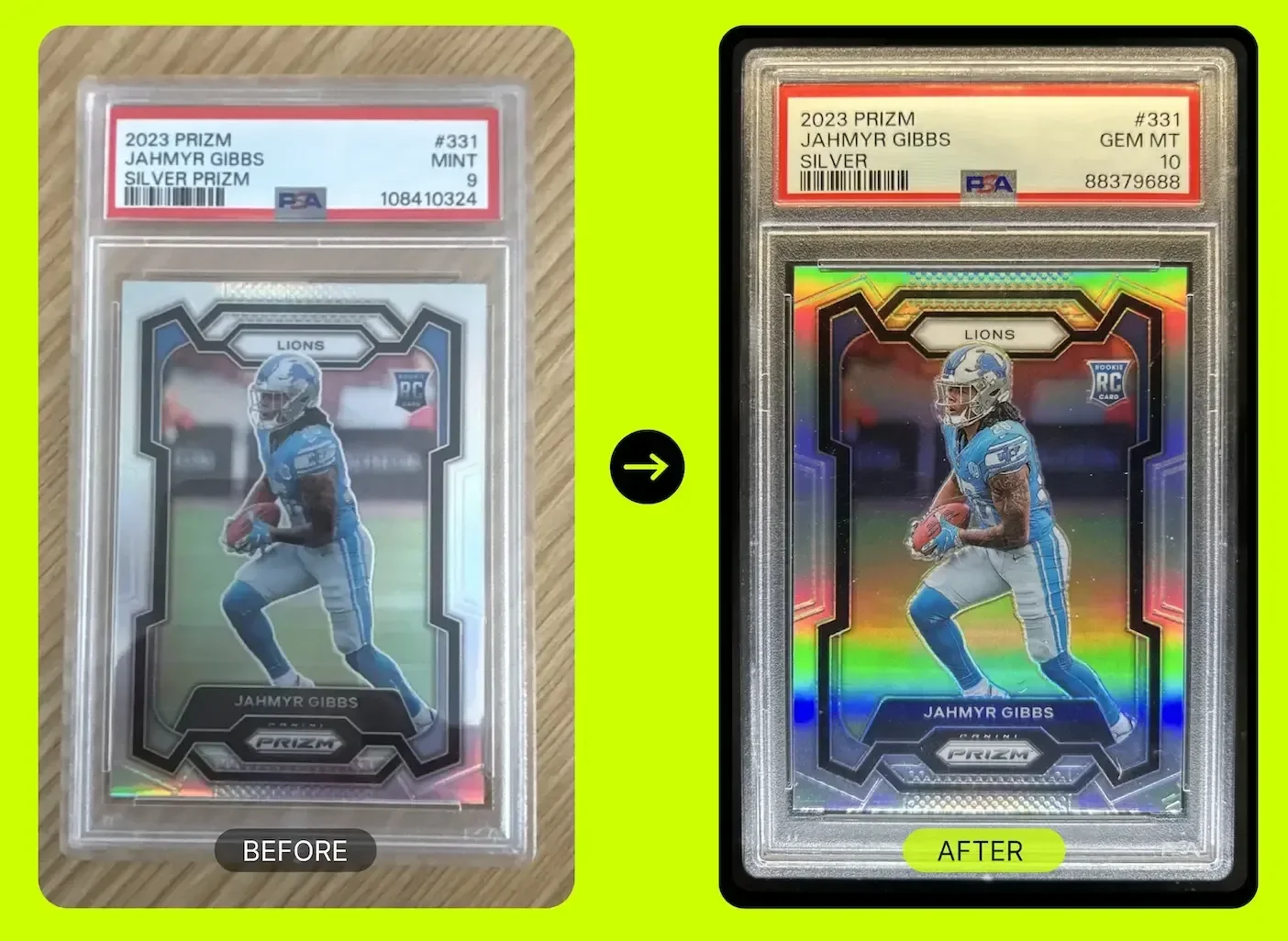
Card sellers know how quickly imaging can turn into a bottleneck. A refractor that looks great in hand can lose its shine under a desk lamp, and foil surfaces often pick up unwanted reflections from a phone or room lighting. Even after a usable photo is captured, there is still the work of cropping, straightening, moving files, and building the actual listing.
Heystack is positioning its Heystack One system as a direct answer to that workflow problem. The setup combines a dedicated imaging device with the Heystack app to streamline card photography and reduce the time it takes to get inventory ready for sale.
The pitch is simple: make card photos more consistent, preserve color and refraction more effectively, and connect those images to software that can prepare listings with less manual work.
Why card imaging has become a major pain point
For individual sellers and larger consignment operations alike, photography is one of the most repetitive parts of the process. Cards with chrome finishes, holo patterns, swirl effects, or highly reflective surfaces can be especially difficult to capture accurately on a phone camera without glare or distracting reflections.
For more collector background, read How to Build a Focused WNBA Card Collection: Sets, Stars, and a Budget You Can Actually Keep.
That problem matters because presentation plays a major role in online sales. Collectors want to see the card clearly, including surface shine, color, and the visual details that separate one parallel from another. If the image looks dull or obscured, the listing can lose impact before a buyer even reads the title.
Traditional setups often require trial and error. Sellers shift lighting, tilt the card, adjust angles, and retake images multiple times just to find one usable shot. Once multiplied across hundreds of cards, those extra minutes add up quickly.
Heystack One is built around reducing that friction. The device is designed to create more reliable lighting conditions so sellers can capture cards with a single tap rather than repeated adjustments.
For another perspective on this story, read Heystack One Targets the Slowest Part of Card Selling: Photos, Identification and Listings.
What Heystack One is designed to do
At the center of the system is an imaging device meant to work in tandem with the Heystack app. The stated goal is to produce photos that better reflect a card’s true color and refraction while avoiding the common issue of a phone reflection appearing on the card’s surface.
That matters most on cards where visual finish is part of the appeal. Swirl patterns, chrome shine, and high-gloss parallels can be difficult to display in standard listing photos. Heystack’s setup is intended to put those cards in more favorable lighting without requiring sellers to improvise their own photo station every time they start a batch.
In practical terms, the appeal is consistency. If a seller is processing dozens, hundreds, or even thousands of cards, repeatable results are more important than getting one perfect photo after several minutes of tinkering. A dedicated imaging workflow can help standardize listings across an entire inventory.
Speed gains are a major part of the value proposition
One of the clearest claims attached to the system is increased listing volume. A representative from MC Sports Cards said the company went from listing about 500 cards per day to roughly 1,500 cards per day after using Heystack. If that kind of jump is sustainable in real workflow conditions, it points to a significant reduction in labor per card.
That kind of increase does not come from photography alone. Faster imaging helps, but the real impact comes when the rest of the listing chain is also shortened. For many sellers, the biggest delays happen after the image is taken, when each file still needs to be edited, named, matched, and uploaded.
Heystack’s broader software approach is built around attacking those next steps as well. By combining capture tools with image handling and listing preparation, the system aims to reduce the number of manual handoffs between devices and platforms.
From imaging to listing in one workflow
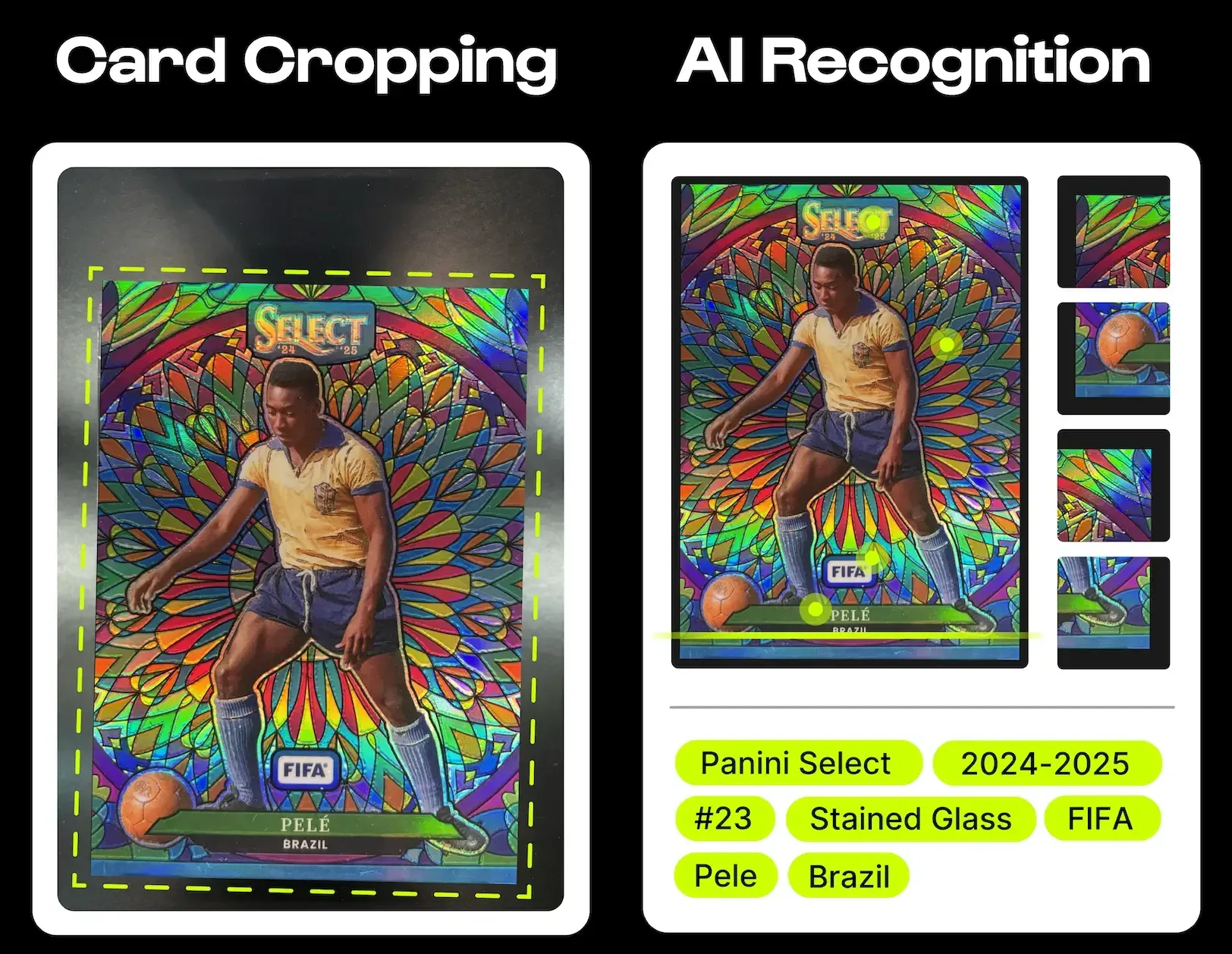
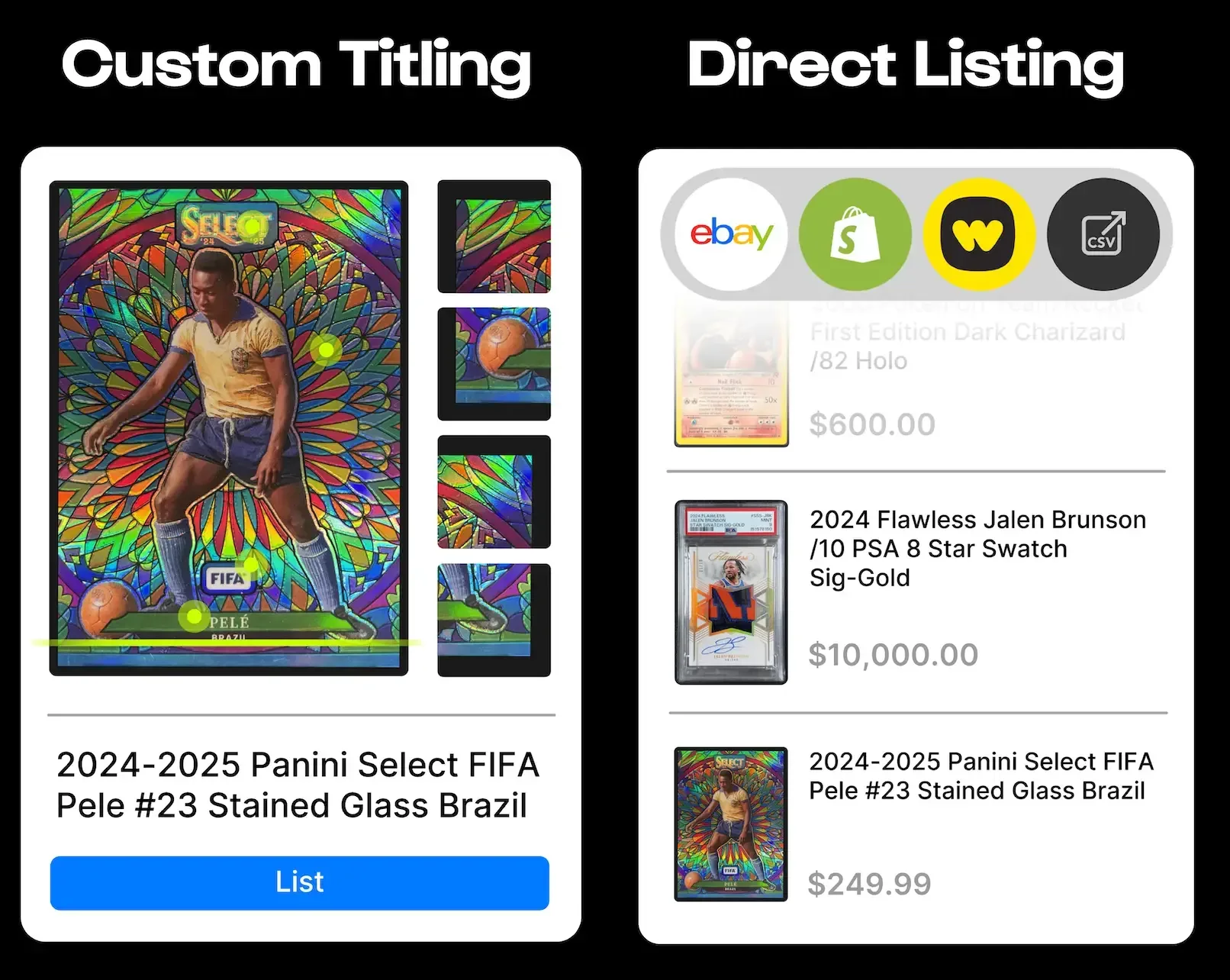
Once a card is photographed, Heystack says its software can automatically crop, rotate, and title the image. That means the card moves from raw photo to listing-ready asset without the seller handling each adjustment manually.
For sellers working at scale, those tasks are often hidden time drains. Cropping every image, making sure each card is aligned correctly, and entering usable titles can consume far more time than the actual photo itself. Automating that portion of the process can be just as valuable as improving the lighting setup.
Heystack also supports one-click listing to eBay and Shopify, two major destinations for card inventory. For sellers using other channels, downloadable CSV files can be used to extend the process to additional marketplaces.
That flexibility is important because card businesses rarely sell in just one place. Some focus on marketplace traffic, others use their own storefronts, and many operate on multiple channels at once. A workflow that can support both direct integrations and exportable listing data offers broader utility than a photo tool alone.
Card identification may be the hidden efficiency boost
Imaging is only half the battle in sports cards and trading cards. Identification and titling can slow down operations just as much, especially when sellers are processing large volumes of inserts, parallels, and modern products with subtle variations.
Blez pointed to Heystack’s card identification tools as a major improvement in its own process. Zach from Blez highlighted the software’s matching percentage as a particularly helpful feature, describing it as a meaningful aid in daily operations.
That speaks to a common issue in the hobby. Sellers are not just taking pictures. They are also trying to determine the right product name, parallel, and title format quickly enough to keep inventory moving. When identification tools can narrow that work down with a strong confidence level, the entire listing pipeline becomes easier to manage.
For businesses built around volume, improved matching can reduce manual research and cut down on listing errors. That can translate into faster turnaround, more consistent titles, and less time spent revisiting mistakes after a listing goes live.
Why reflective and premium cards stand to benefit most
Not every card presents the same imaging challenge. Paper cards with matte finishes are usually easier to photograph than chromium stock, holographic surfaces, or premium parallels. It is the harder-to-shoot cards where a purpose-built setup can make the biggest difference.
Heystack specifically positions the system as useful for cards with swirl effects and flashy parallel treatments, including styles like White Sparkle Prizm that collectors expect to see pop in photos. These are the cards where a flat image can undersell the item, and where poor lighting can make a listing feel incomplete.
For buyers, better photos can improve confidence. A cleaner look at the card’s finish helps communicate what makes the piece desirable. For sellers, that can mean fewer compromises when trying to represent a card accurately online.
In a market where presentation affects click-through and buyer trust, quality imaging is not just cosmetic. It is part of the sales process.
What this means for card sellers and consignors
Tools like Heystack One reflect a broader shift in the hobby toward operational efficiency. As more sellers handle larger submission volumes, break inventory, and consignment flow, the need for systems that reduce repetitive manual work continues to grow.
A dedicated imaging station linked directly to software for editing, identification, and listing fits naturally into that trend. Rather than treating photography as a separate task, the model folds it into a larger inventory pipeline.
That could be especially appealing for:
High-volume consignment businesses
Dealers processing daily show pickups or collection buys
Online sellers building large eBay stores
Shopify-based card businesses looking for faster product creation
Trading card operations handling sports and non-sports inventory with reflective finishes
For smaller sellers, the value depends on how often they list and how much time they currently spend on imaging and post-production. For larger operators, even a modest reduction in handling time per card can have an outsized impact over the course of a week or month.
The bigger picture for hobby tech
The continued growth of the card market has created room for more specialized tools, especially in areas where hobby businesses lose time. Imaging, identification, and listing software are all parts of the stack that can influence how quickly a seller turns raw inventory into active listings.
Heystack’s approach stands out because it ties those pieces together. Instead of solving just the photography issue, it tries to compress the entire path from card capture to marketplace listing. That is where the strongest case for the platform sits.
If the system delivers the kind of daily throughput gains users are describing, it could become a notable option for sellers looking to scale without adding the same amount of manual labor. In a category where speed, consistency, and presentation all matter, shaving hours off the listing process can be just as valuable as improving the final photo itself.
For card businesses focused on volume, the appeal is straightforward: spend less time fighting glare, editing images, and building titles, and spend more time getting inventory live where buyers can actually see it.
Photo Gallery