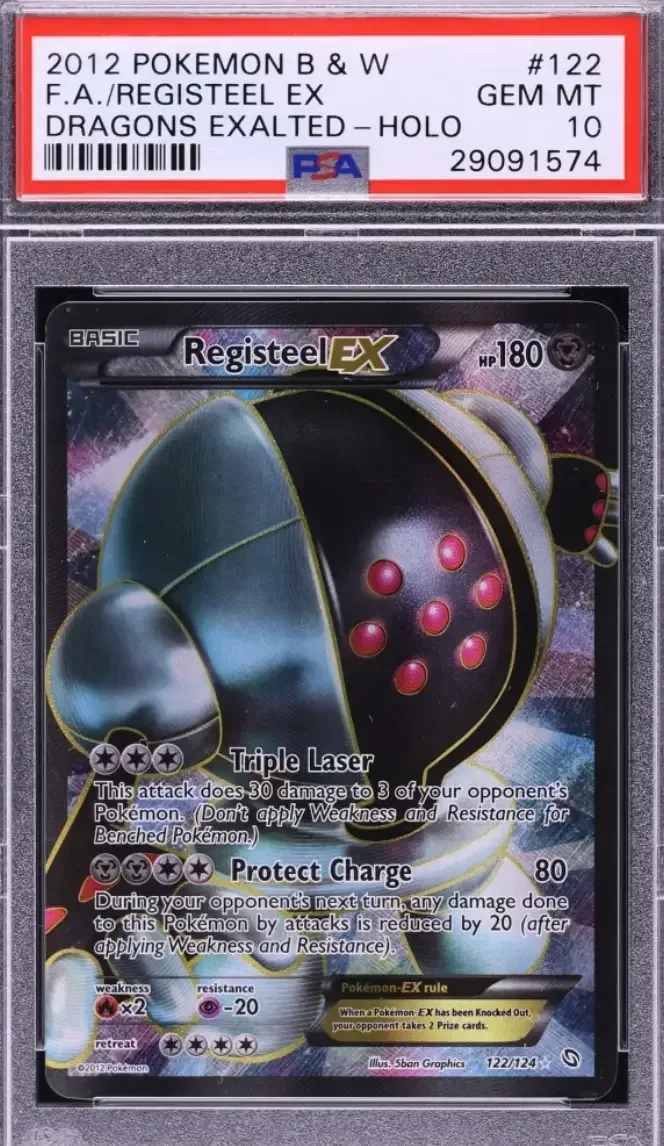
For a collector considering an acquisition, a graded video game is not simply a title inside a plastic case. It is a package of claims: what the item is, which regional or production variant it represents, how complete it is, what condition the grader assigned, and what limitations apply to that service. The shift from Wata branding to PSA Video Games makes those claims worth reading carefully rather than treating the name on the holder as a guarantee of value.
PSA announced in September 2025 that Wata was becoming PSA and that items received after October 15, 2025, were scheduled to receive PSA holders and labels. The current Collectors User Agreement identifies “Wata, Inc. dba PSA Video Games” among the entities providing services. That supports a corporate and service relationship, but it does not by itself prove that every employee, procedure, record, or grade transferred unchanged. A useful overview of the transition is available in this companion feature on Wata and PSA grading.
Start with the object, not the number
Before comparing grades, identify the physical item. Record the platform, title, region, publisher, format, language, and any visible manufacturing or release information. “Super Example” for North America is not automatically the same collectible as “Super Example” for Japan or Europe, even when the title and artwork appear similar. A label may distinguish regional packaging, country of manufacture, publisher changes, or production variants; your acquisition notes should do the same.
Photograph the front, back, spine, top and bottom edges, label, barcode, seal, and holder before purchase. For a slabbed game, include the certification number and a readable image of every line of the label. Save the seller’s original listing photographs separately from your own notes. If the item arrives differently from the listing, you have a dated record of the discrepancy rather than a general impression that something changed.
Loose, CIB, and sealed are different assignments
A loose game is primarily an individual cartridge or disc. A complete-in-box, or CIB, submission adds the box, game, manual, and title-specific inserts where applicable. Do not assume that a visually attractive bundle is a correct original set. PSA’s component guidance discusses non-matching or “incorrectly married” parts: a box, manual, or game can belong to a different regional release, printing, publisher, or production context.
That distinction matters when inspecting an ungraded lot. Photograph the cartridge or disc separately from the box. Note serial markings, rating symbols, language, publisher logos, copyright lines, manual covers, and insert designs. In a hypothetical lot called the “Northstar SNES Set,” a North American box paired with a European manual should be documented as a potential component mismatch, even if the colors and title match. Do not assume a grader will overlook the difference or that the seller’s use of “complete” settles the question.
PSA announced in June 2026 that CIB would include the benefits formerly associated with CIB Plus at no additional cost, including component images, variant details, and Game-Specific Insert information. However, the live service page still displays CIB Plus as a separate add-on. Treat that as a current policy conflict. Verify the terms shown during submission or checkout, and retain a screenshot with the date if the distinction affects your decision.
What a sealed grade can tell you
For a factory-sealed game, separate three questions: what release is represented, whether the package is presented as factory sealed, and how the package and seal were graded. The numerical grade describes condition under the service’s system; a sealed game may also receive a seal-condition letter. Neither mark, by itself, proves rarity, provenance, original ownership, or future resale value.
When viewing a sealed lot, inspect the photographs as general collector evidence rather than assuming every feature is a formal PSA criterion. Look for consistent seal placement, package folds, corner tension, perforations, shrink-wrap texture, stickers, and signs that the plastic or box may have been altered. These observations are title- and platform-sensitive, so record them as questions for verification, not as an independent authentication verdict. Request straight-on and angled images where glare hides the seal or edges.
Read the label as a description
A label can identify a title and assign a condition grade, but it may also carry the most important acquisition information: region, production notation, publisher, country, variant, seal letter, and completeness designation. Compare those words with the object in the photographs. A listing titled “early production” should be supported by the label or by clear item-level evidence, not by a seller’s headline alone.
For a hypothetical “Red Harbor Mega Drive” purchase, write down exactly what is printed on the label, then compare the regional mark, manual language, cartridge design, and box details. If one element cannot be seen, mark it “unverified” rather than filling the gap with an assumption. This simple habit prevents a high numerical grade from obscuring an incorrect variant.
The limits of the holder
PSA’s published guarantee terms expressly exclude physical electronic media, including video games. The existence of a PSA holder therefore should not be described as a video-game guarantee comparable to protections that may apply in other collecting categories. PSA also states that removing an item from its holder voids the guarantee and may affect eligibility for future grading or authentication.
Keep the holder intact, retain the purchase receipt and listing, and document any damage before opening a shipment. Your final acquisition record should include the seller, date, asking or agreed amount, certification number, label transcription, photographs, stated variant, completeness notes, and unresolved questions. Grading can organize evidence; it cannot replace it. The strongest purchase decision is the one that explains not only why the grade appealed, but also what the label did not establish.