The theft of 6,451 PSA-certified trading cards from a FedEx truck has created a new layer of concern for collectors. The immediate question is whether the missing cards will be recovered, but there is also a practical issue for everyday buyers: what happens if some of those cards re-enter the hobby through shows, private sales, social groups, or major marketplaces?
Because the missing items were slabbed, many of them can be identified through PSA certification numbers and descriptions. At the same time, that does not mean every suspicious card will stay easy to spot. A stolen card could remain in its holder, or it could be cracked out and sold raw, making the trail harder to follow.
Collectors do not need to become investigators, but they do need to be more careful. A few extra checks before sending payment can go a long way, especially on higher-dollar cards and familiar rookie issues that exist in large numbers across the market.
Why the theft matters to ordinary buyers
The impact of a theft like this goes beyond the original owners. Once thousands of certified cards are out in the wild, the risk extends to anyone buying singles. If a stolen card is sold to an unsuspecting collector, the buyer could end up with a serious problem tied to title, authenticity history, or future resale.
For more collector background, read PSA Deactivates Stolen Slabs After FedEx Truck Theft Hits Collectors for More Than $100,000.
That risk is especially tricky because some of the cards named in the stolen inventory are not ultra-rare one-of-one pieces. They include recognizable cards with many legitimate examples already circulating. That means a buyer cannot simply avoid a player or a set and assume the problem is solved. The real protection comes from verifying the specific card being offered, not making broad assumptions about the category it belongs to.
Start with the PSA certification number
The most direct safeguard is also the simplest one. Before buying a PSA-graded card, check the certification number against PSA resources tied to the theft. PSA has published a list containing certification numbers and item descriptions for the missing cards, giving buyers a concrete place to start.
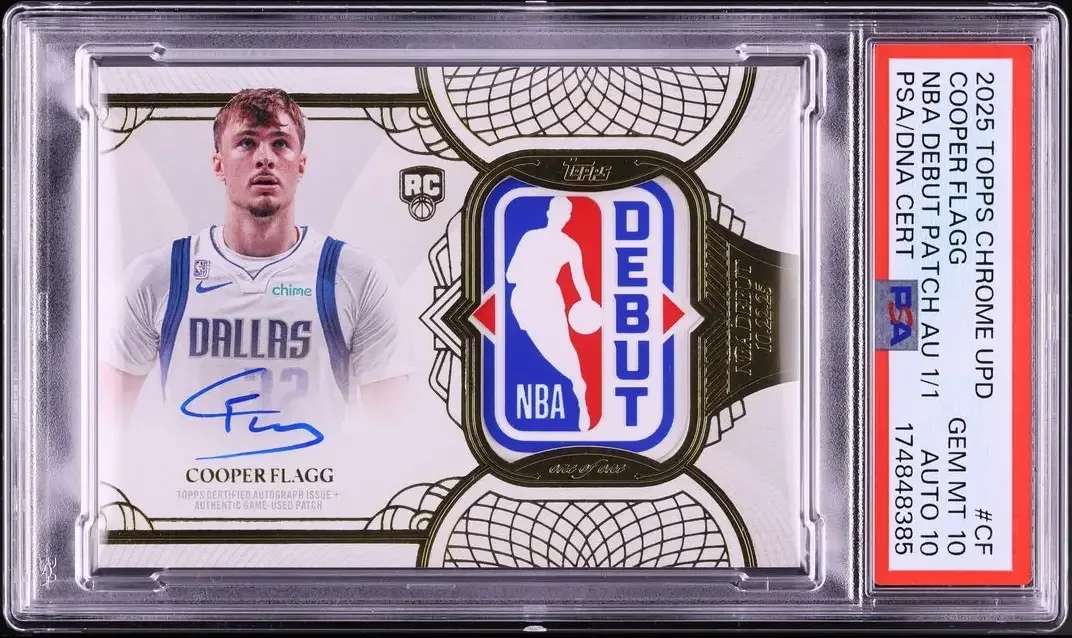
For graded cards, the cert number is the first thing to verify. If the number matches an item on the stolen-card list, that is an obvious stop sign. Buyers can also use PSA's certification verification tool to confirm the card's status. If a cert number has been deactivated, that should be treated as a major red flag.
This step matters most on expensive purchases, but it is smart practice on any PSA card that raises even minor questions. A quick check can prevent a much bigger headache later.
Do not assume raw cards are automatically safe
One of the biggest mistakes a buyer can make right now is believing the danger only applies to slabbed cards. If a card is removed from its holder, the visible certification number disappears with it. At that point, a stolen card can look like any other raw copy in the market.
That is what makes this kind of situation difficult. A card that started in a PSA holder may later appear at a local show, in a peer-to-peer deal, or on an online listing as an ungraded single. The card itself may be legitimate, but its chain of ownership may not be.
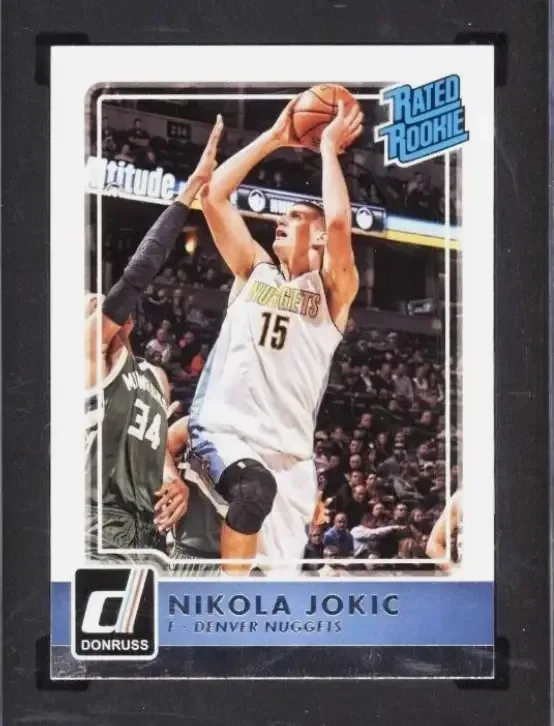
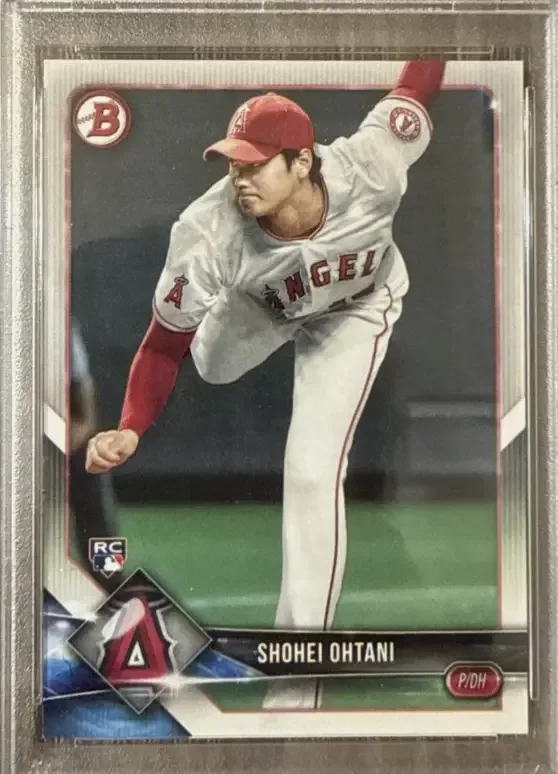
This is especially relevant for popular modern cards with many surviving copies. The stolen inventory includes cards such as 2018 Bowman Shohei Ohtani and 2015 Donruss Nikola Joki. Plenty of authentic and lawfully owned examples of those cards remain available for sale every day. A collector does not need to avoid those cards entirely, but should ask more questions when a raw copy is expensive, unusually underpriced, or offered with little supporting information.
Watch for prices that do not make sense
Collectors love a deal, but a price far below the current market should slow the buying process down. A low ask does not prove a card is stolen, but it does raise the stakes for due diligence. When a seller is asking well under recent comps, buyers should look more closely at every part of the listing and the seller interaction.
That means checking recent sales for the same card, grade, and variation. It also means paying attention to the explanation behind the price. If the story feels thin, rushed, or inconsistent, the safest move is to keep your money in your pocket.
Pressure tactics are another warning sign. If a seller insists that immediate payment is required, dismisses reasonable questions, or tries to create panic around missing out, that should weaken confidence rather than strengthen it.
Buy from sellers with a track record
Trusted sellers are not a perfect shield, but they do provide more protection than anonymous or thinly documented transactions. Established dealers, major auction platforms, and marketplaces with buyer safeguards often have stronger processes in place for resolving disputes and flagging suspect inventory.
That does not mean every established seller will catch every problem. Reputable businesses can also unknowingly handle stolen merchandise. But a seller with a public history, repeat customers, and clear terms is usually easier to evaluate than a brand-new account offering a premium card at a discount with little context.
PSA has shared the stolen-card list with marketplace sellers, auction houses, and digital platforms that are monitoring for the missing items. That makes it even more important for buyers to use channels where there is at least some infrastructure around reporting, review, and buyer protection.
For in-person deals, the same logic applies. At a show table or in a private meetup, ask who the seller is, how long they have handled cards, and whether they can provide any paperwork or history on valuable items.
Ask for provenance on expensive cards
When the dollar amount rises, the standard for comfort should rise with it. Buyers should not hesitate to ask where a card came from, when it was acquired, and whether there is any record of prior sale, consignment, grading, or auction exposure.
Useful provenance can include receipts, old auction listings, marketplace order records, grading history, or archived scans. Even partial documentation can help establish whether a card has a normal collecting history or whether it appeared out of nowhere without a credible paper trail.
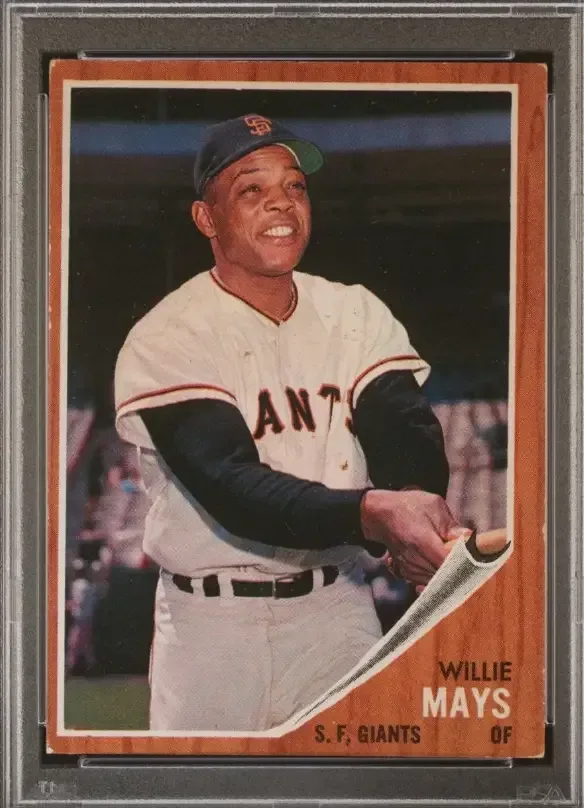
This is particularly important for higher-end vintage cards, where image matching and condition details may help distinguish one copy from another. A card like a 1962 Topps Willie Mays, which appears among the stolen items, may have enough visible characteristics to compare against archived photos or grading records. Not every seller will have a full ownership file ready to send, but a legitimate owner of a major card should at least be willing to discuss where it came from.
How to evaluate a suspicious listing
Collectors do not need to accuse anyone to protect themselves. The better approach is to slow down and gather facts. Start with the photos. Are they clear enough to read the cert number on a slab? If the card is raw, are the front and back shown clearly? Are there signs that the listing uses stock images or borrowed photos?
Next, review the seller profile. Look for account age, prior feedback, selling history, and whether the current listing fits the seller's normal pattern. A one-off high-dollar card from an account with almost no history deserves added caution.
Then ask a few basic questions. Where did the card come from? Has it been graded before? Is there a receipt, invoice, or prior listing? A straightforward seller should be able to answer routine questions without becoming evasive or defensive.
Finally, check whether the sale includes buyer protection. If the seller pushes for payment methods with no recourse, that is often reason enough to walk away.
Examples that show why this is complicated
The stolen inventory includes cards that many collectors would recognize immediately, but that recognition alone is not enough to identify a stolen copy. Shohei Ohtani rookie-era cards, Nikola Joki rookies, and vintage stars such as Willie Mays all have legitimate examples in circulation. That means a buyer cannot simply reject every listing for those players or every copy of those sets.
The challenge is specificity. One card may be lawfully owned and fully documented, while another copy of the same card title may trace back to the theft. That is why cert verification, photos, provenance questions, and seller quality all matter more than broad assumptions.
When to walk away and when to report
Sometimes the best buying strategy is no strategy at all. If the seller refuses basic questions, avoids protected payment methods, or gives answers that do not line up, there is no obligation to keep pursuing the deal. Passing on a questionable card is usually much cheaper than trying to unwind a bad purchase later.
If a listing appears to match a stolen card, save the relevant details and report your concerns through the FBI contact information included in PSA's theft update. That is the appropriate path for potentially useful information. Public accusations, direct confrontations, or social media pile-ons can create complications and do not help verify facts.
Collectors are at their best when they combine enthusiasm with patience. In a situation involving thousands of missing cards, simple habits like checking certs, comparing comps, asking for provenance, and using protected buying channels can make a real difference. A strong deal is only worth making when the seller has the right to sell the card in the first place.
Photo Gallery