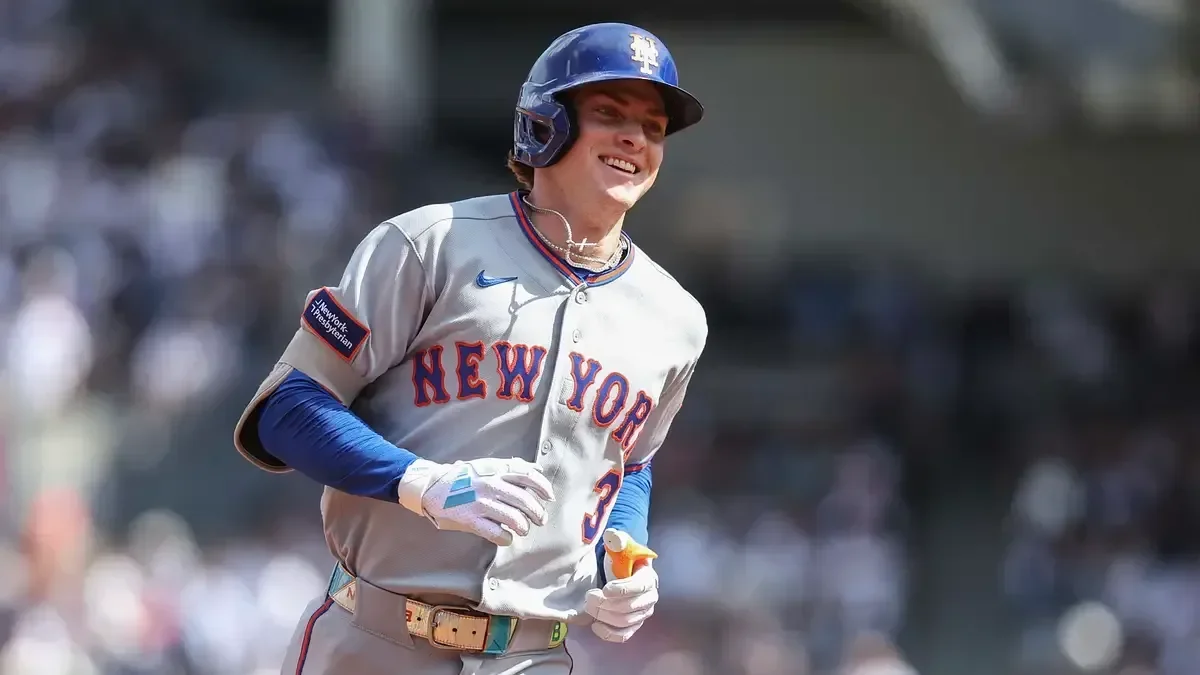
2026 Topps Update Series Baseball is nearly here, giving collectors an early look at one of the hobby’s most familiar late-season flagship releases. As the MLB season moves toward the stretch run, Update once again steps in to extend the annual Topps flagship line with fresh rookie cards, new debut cards, returning inserts, and autograph content that fits the product’s usual mix of accessibility and chase appeal.
While full product specifics and final pricing were not yet available at publishing time, several important details are already out for collectors preparing for the upcoming pre-order window.
2026 Topps Update Series Baseball pre-order details
Pre-orders for 2026 Topps Update Series Baseball are scheduled to open on Monday, September 14 at 12 PM EST through the Topps website. A confirmed pre-order price had not been posted at the time these early details surfaced, but hobby expectations place the standard hobby box in a familiar range, roughly around or below the $130 to $150 mark.
That projected pricing keeps Update in line with its reputation as one of the more approachable flagship-style baseball releases of the year. For many collectors, that balance between cost and recognizable content is a major part of the product’s appeal. Update has traditionally offered an entry point for collectors who want current-year rookies, branded inserts, and a chance at autographs or relics without moving into a much higher price tier.
For more collector background, read 2026 Topps Museum Collection Baseball Preview: Pre-Order Timing and Early Chase Cards.
Hobby boxes are expected to maintain their standard format of one autograph or relic card per box. Jumbo boxes are also set to be part of both the pre-order period and the wider release window, giving collectors another familiar purchasing option depending on how they like to break flagship baseball.
Cover athletes announced for the release
Topps has already revealed the cover athletes tied to 2026 Topps Update Series Baseball, with Derek Jeter, Albert Pujols, Elly De La Cruz, and Munetaka Murakami earning the spotlight. That group gives the release a wide reach across eras and collector interests, blending Hall of Fame-level star power with active international and modern hobby appeal.
Jeter and Pujols bring instantly recognizable name value and deep collector demand, while De La Cruz continues to be one of the most watched current stars in the hobby. Murakami adds another layer of intrigue, especially for collectors following global baseball talent and crossover interest between MLB-adjacent and international collecting audiences.
The cover lineup also helps reinforce the annual importance of Update. Even before a full checklist arrives, a strong cover athlete mix can set expectations for insert themes, autograph subsets, and promotional appeal. In this case, the names attached to the product suggest a release that is leaning into both nostalgia and present-day hobby energy.
Returning flagship elements should anchor the checklist
As a continuation of Topps Series 1 and Series 2, Update generally builds on the same flagship foundation while introducing players, moments, and card types that were not yet part of the earlier releases. That makes it a product collectors often circle for first flagship rookie cards, rookie debut cards, trade and team change updates, and additional insert content tied to the broader Topps Baseball design language.
Collectors should expect familiar structure here. The early preview points to the return of autograph subsets and inserts that fit the annual Update formula rather than a radical redesign of what the product is supposed to be. For longtime flagship collectors, that continuity is often a positive. Update works best when it feels connected to the rest of the Topps Baseball calendar while still offering enough new names and new chase pieces to stand on its own.
One of the most notable returning concepts is the Cover Athletes autograph subset, which appears positioned to be one of the signature attractions in the 2026 release.
Cover Athletes autographs look like a key chase
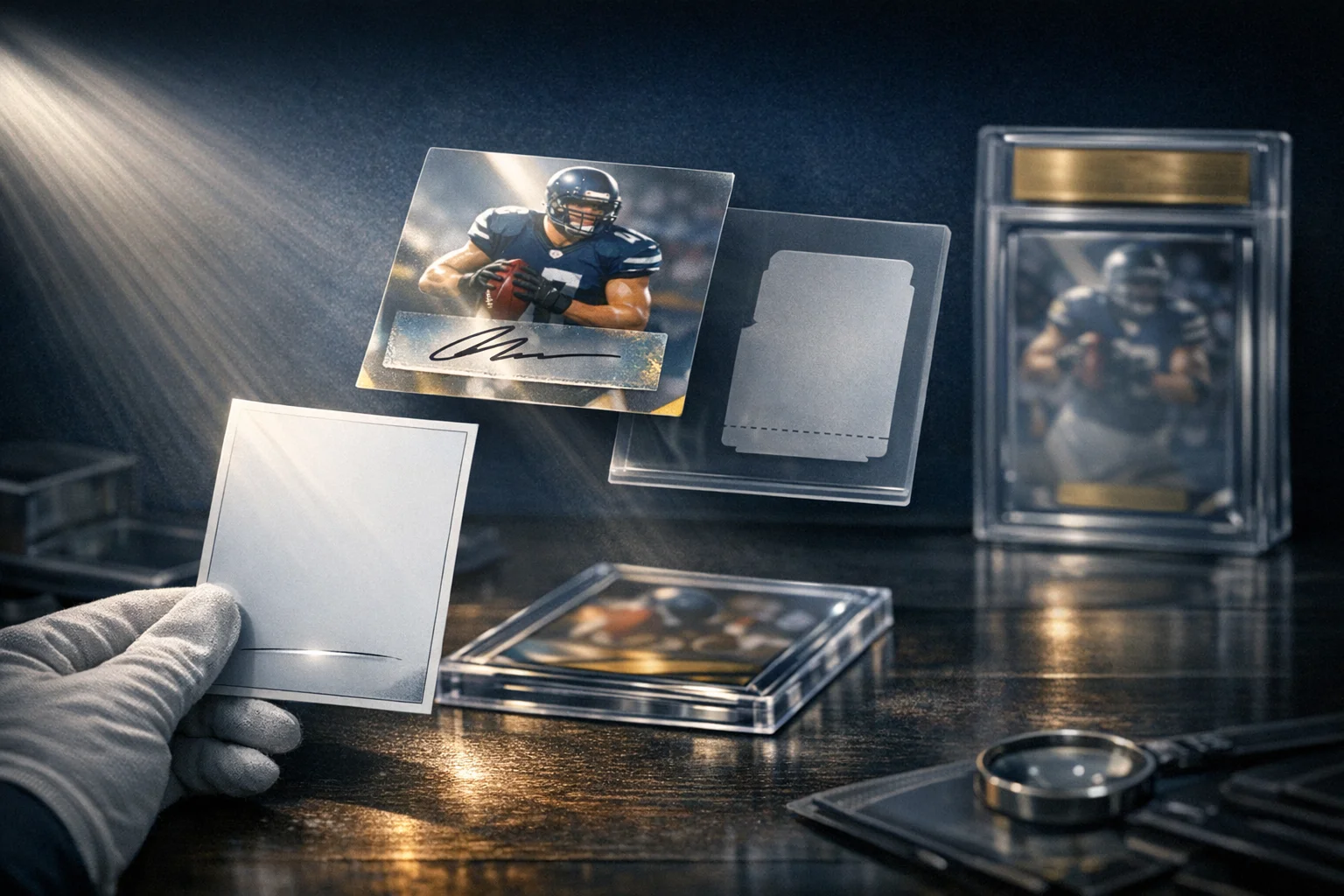
The Cover Athletes autograph subset is back and should rank among the strongest visual chases in the product. These cards use a design built around players posed from prior Update releases, paired with an image of the box and an autograph area that ties the concept together. It is a format that stands out from more standard signed flagship offerings and gives collectors something with stronger display appeal.
Early details also tie this design direction to the 75th anniversary of Topps Baseball, adding another layer of significance to the subset. Anniversary-driven elements can sometimes feel purely decorative, but this one appears to connect more directly with packaging history and visual references that longtime collectors will recognize.
An Aaron Judge example from the preview material helped show how the subset is expected to look in 2026. If the full checklist for Cover Athletes autographs lands with a strong mix of legends, stars, and modern names, it could become one of the release’s headline targets in both hobby and jumbo breaks.
For collectors who prioritize design as much as player selection, this is one part of the product worth watching closely once official pack odds and checklist details are released.
1952 variations return with rookie focus
Another returning element in 2026 Topps Update Series Baseball is the 1952 design variation set. These short-printed inserts continue to tap into one of the most iconic visual templates in the hobby, and this year’s preview points toward a rookie-heavy angle that should keep them relevant for prospect-minded collectors.
Among the rookies named for the 1952 variation lineup are Konnor Griffin, Carson Benge, and Travis Bazzana. That combination gives the insert set immediate attention because all three names carry prospect and rookie card interest. Short-printed rookie content attached to the 1952 Topps look has a reliable place in the market, especially when the featured names are still early in their flagship collecting arc.
The appeal of these cards is straightforward: they combine a classic Topps design with newer players who still have room to grow in the hobby. Even collectors who do not typically chase every variation often make exceptions for 1952-themed cards because of the historical connection and recognizable look.
If Topps expands the rookie selection deeper into the final checklist, this insert could become one of the more active binder, set-build, and parallel chase areas within the product.
Rookies expected to drive early interest
Like most Update releases, the rookie class will likely be the biggest day-to-day driver of collector attention. Early details already identify several players expected to have rookie cards in the set, including Konnor Griffin, Travis Bazzana, Carson Benge, Joe Mack, Owen Cassie, and Trey Gibson.
For many collectors, the most important phrase attached to Update is first flagship rookie card. When a player’s first main Topps flagship rookie lands in Update rather than Series 1 or Series 2, the product gains immediate relevance beyond just seasonal completeness. It becomes a necessary release for anyone tracking that player’s core rookie market.
That matters especially for younger collectors, prospect-focused buyers, and breakers who know hobby boxes can move quickly when a recognizable rookie class is attached. Even before full parallels, autos, and image variations are detailed, flagship rookie inclusion alone can help shape demand.
Travis Bazzana, Carson Benge, and Konnor Griffin stand out early because their names already carry momentum in prospect conversations. Joe Mack, Owen Cassie, and Trey Gibson give the product added depth, helping Update maintain the annual formula of mixing headline names with collectors’ next-tier rookie targets.
Rookie debut cards add another layer
In addition to first flagship rookie cards, 2026 Topps Update Series Baseball is also expected to include rookie debut cards. These cards sit in a slightly different category for collectors. They are technically rookie cards, but they are not a player’s first flagship rookie appearance.
Jac Caglianone and Sal Stewart are two of the players already linked to rookie debut cards in the set. For player collectors and team collectors, these cards can still matter a great deal, especially when tied to a notable first-game date or a memorable debut stretch. But from a flagship hierarchy standpoint, they usually sit behind the first standard rookie card in terms of hobby priority.
That distinction is worth understanding for anyone planning breaks, singles purchases, or early grading submissions. A rookie debut logo alone does not guarantee the same long-term demand profile as a player’s first flagship rookie, though specific player popularity can narrow that gap. Knowing which players are getting base rookie cards and which are getting rookie debut cards will be one of the most important sorting points once the complete checklist is made public.
1991 Topps inserts bring back a familiar nostalgia play
The 1991 Topps insert set is also returning in 2026 Topps Update Series Baseball. This insert line has become a reliable nostalgia feature, drawing on a design that still resonates with collectors who opened packs during the early 1990s and with newer hobby participants who enjoy retro throwback content inside flagship products.
The expected checklist includes legends, rookies, and stars, which is exactly the kind of broad player mix that makes this insert set useful across different collector segments. It may not be the rarest chase in the product, but that is not really the point. 1991 Topps inserts often work as fun, accessible pulls that help make hobby boxes and jumbo breaks feel fuller.
Munetaka Murakami is one of the previewed names associated with the insert set, which should add further appeal to a design that already plays well as a visual callback. For collectors assembling themed insert runs or targeting specific stars in retro-style layouts, the 1991 cards should remain one of the easier and more enjoyable side chases in the release.
What collectors should watch before release day
Even with early product details now circulating, a few major questions still remain. Pricing is still one of the biggest. If hobby boxes land near the anticipated range, 2026 Topps Update Series Baseball should remain competitively positioned for collectors who want flagship content without stretching to a premium-level wax budget.
The complete rookie checklist will be another key factor. The early names are strong enough to create interest, but the final depth of the base set, rookie parallels, autograph roster, and short prints will determine how aggressively collectors pursue sealed product versus waiting for singles.
Collectors should also keep an eye on the final insert and parallel structure once it is formally announced. Update releases can look very different in the market depending on how loaded the checklist is with attractive low-numbered parallels, quality autograph names, and chase-friendly image variations.
For now, the core takeaways are clear: pre-orders open September 14 at 12 PM EST, hobby boxes are expected to include one autograph or relic, jumbo boxes are on the way, and the early rookie and insert lineup gives 2026 Topps Update Series Baseball a strong foundation heading into launch.
Photo Gallery