The 2026 MLB rookie class has delivered plenty of intrigue, but few storylines have hit harder in the hobby than the early power surge from Munetaka Murakami, Kazuma Okamoto and Sal Stewart. All three rookies have cleared the 30-home run mark, and that kind of production has quickly translated into collector demand across flagship rookies, premium inserts and one-of-one chase cards.
For collectors, this group offers a useful cross-section of the current baseball card market. At the top end, rare Superfractors and specialty inserts are commanding serious money. At the more accessible end, there are still cards available in the double-digit to low triple-digit range for anyone looking to get exposure to this rookie class without chasing five-figure grails.
Here is a closer look at the cards drawing the biggest sales and the more realistic pickup options attached to three of baseball's most dangerous rookie bats.
Munetaka Murakami is turning rookie hype into major card sales
Murakami entered the season with a strong international profile and has wasted little time validating the excitement. After first breaking onto many fans' radar during the 2023 World Baseball Classic, the Japanese slugger has carried that momentum into his MLB debut season with the White Sox. He has reached 31 home runs in his rookie campaign, and the hobby response has been immediate.
For more collector background, read 2026 Topps Allen & Ginter Baseball Pre-Order Opens With MLB Stars, Celebrities, and Signature Non-Sport Inserts.
The biggest Murakami sale cited so far is a 2026 Bowman Chrome Anime SuperFractor graded PSA 9, which sold for $92,720 on August 15, 2026. That number places him firmly in the upper tier of rookie-card attention and shows how aggressively collectors are chasing his rarest modern issues.
Anime-themed Bowman cards have already established themselves as standout modern insert targets, and when that format is paired with a SuperFractor finish and a player producing at this level, the ceiling rises quickly. Murakami's sale is not just a reflection of prospecting hype. It is also backed by real rookie-year production and a market that sees long-term upside in his profile.
There is also a practical problem with Murakami collecting right now: many of his notable rookie cards are expensive. For buyers trying to avoid diving straight into the deep end, one of the cleaner alternatives is his Topps Chrome Radiating Rookies insert, which has been selling around $160.
For another perspective on this story, read The 7 Biggest Cards From MLB’s 2026 Rookie Home-Run Surge.
That makes the Radiating Rookies card a useful middle ground. It is not bargain-bin cheap, but compared to four- and five-figure rookie cards, it is still a reachable target for many collectors who want a recognizable Murakami rookie-era card. It also carries legitimate pack appeal. The reported pull odds are 1:480 in hobby packs and 1:192 in jumbo packs, giving the card a meaningful scarcity profile without pushing it into true unicorn territory.
For collectors deciding how to approach Murakami, the split is fairly clear. High-end buyers are chasing elite inserts and one-of-one style trophies. Budget-conscious collectors may find more comfort in eye-catching inserts like Radiating Rookies, especially if they want a card with strong visual identity and broad hobby recognition.
Kazuma Okamoto is leading rookie home run production
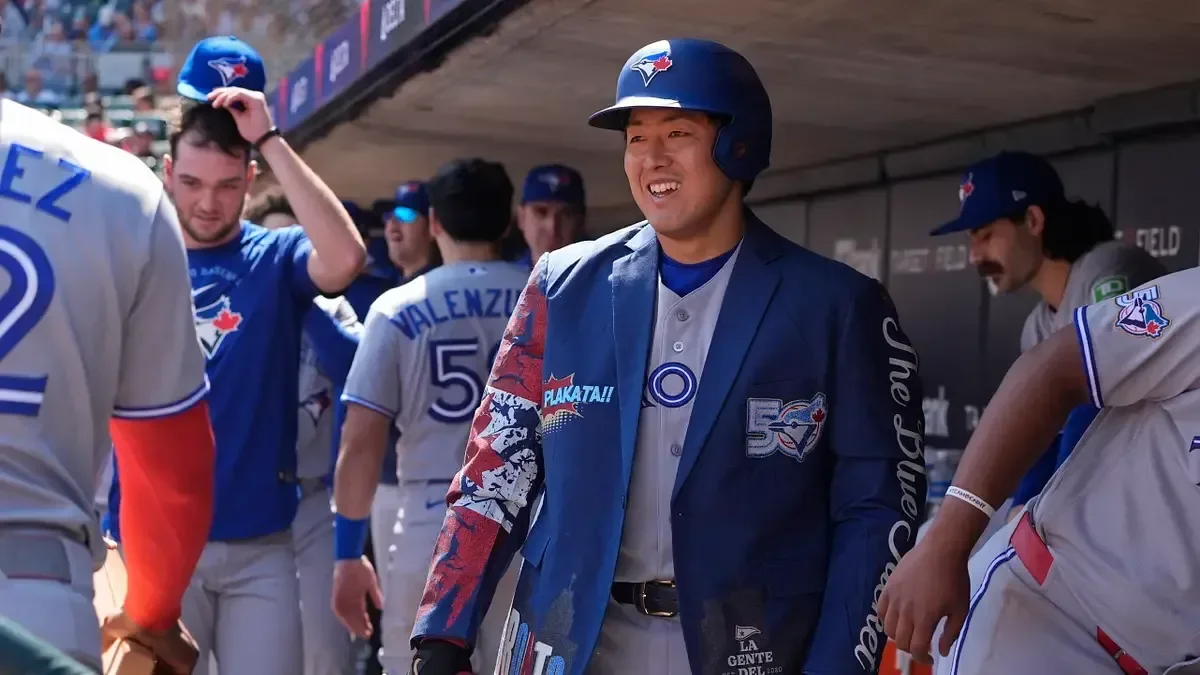
If Murakami has one of the most explosive card markets, Okamoto has a strong statistical argument of his own. He leads all rookies with 32 home runs, and that production has helped elevate his rookie cards as collectors look for hitters whose on-field performance can support future value.
Okamoto and Murakami have also moved past Shohei Ohtani's 22-homer rookie total, setting a new benchmark for home runs by a Japanese-born player in an MLB rookie season. That piece of history matters in the hobby. Milestone-driven narratives often fuel demand, especially when the players involved are already established stars internationally and are now proving they can produce immediately in the majors.
One of Okamoto's standout sales is his 2026 Bowman Rookie Kanji Anime insert, which sold for $7,500 on June 4, 2026. That figure lands well below Murakami's top sale, but it still shows substantial collector confidence. It also highlights the continued strength of character-driven and design-forward inserts that connect directly to player identity.
The Kanji Anime style gives Okamoto a card that feels distinct in a crowded rookie market. Cards with that kind of visual separation often hold collector attention longer because they are memorable beyond the stat line. When a player is also leading his rookie class in home runs, it becomes even easier for the card to stand out.
Collectors looking for a more affordable Okamoto entry point appear to have one in 2026 Panini Prizm Baseball rookie autographs, which have been selling for roughly $50. That pricing is notable because rookie autographs typically carry a built-in premium, yet this card still sits at a relatively accessible level.
One wrinkle in the Okamoto market is that many of his rookie autograph cards are redemptions. That can shape buyer behavior in a few ways. Some collectors prefer in-hand autos rather than waiting on redemption fulfillment, while others view available signed cards from products like Prizm as a simpler way to secure an autograph rookie without added uncertainty.
For collectors who prioritize value over prestige, the Prizm autograph may be one of the more appealing options in this entire rookie power group. It offers a signed card, rookie-year relevance and a price point that remains manageable even as his production keeps rising.
Sal Stewart is pairing power with run production
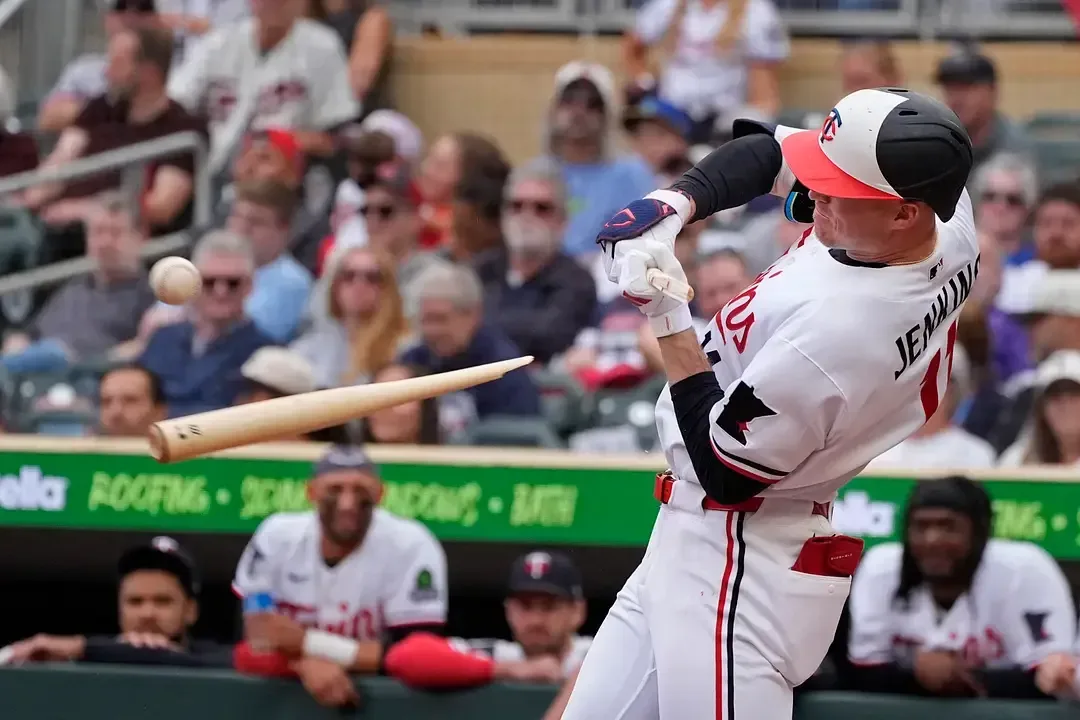
Stewart has become a major part of Cincinnati's lineup, and his rookie-year output has pushed him into the same headline class as Murakami and Okamoto. He has hit 31 home runs and ranks second in all of baseball with 107 RBIs, giving him one of the strongest overall offensive profiles among newcomers.
That blend of home run power and run production tends to play well in the hobby. Sluggers who drive in runs consistently can build a wider collector base, especially when they are doing it for a franchise with a passionate fan following and a history of hobby interest.
One of Stewart's key sales came from his 2022 Bowman Draft Superfractor 1/1, graded PSA 8, which sold for $20,000 on April 15, 2026. That sale is especially interesting because it centers on a pre-rookie 1st Bowman-style cornerstone rather than a 2026 flagship rookie issue. It shows that collectors are not only chasing Stewart's current rookie cards but are also circling back to early career cards that now look more important in hindsight.
Stewart also has a tie at the top of his market. A 2026 Topps Chrome Rookie Autograph Superfractor likewise sold for $20,000 on August 20, 2026. That gives collectors two separate markers for Stewart's ceiling: one tied to prospect-era scarcity and one tied directly to his MLB rookie season.
The split between those two sales is telling. Some collectors still place enormous weight on 1st Bowman lineage and early prospect issues. Others prefer licensed rookie-year autograph cards that connect more directly to a player's major league debut. Stewart has strength in both lanes, which is usually a healthy sign for long-term hobby interest.
For those not shopping at the $20,000 level, there is a more realistic option available in 2026 Topps Tribute Autographs numbered to 199, which have been trading around $100. That card gives collectors an on-card style premium-product feel and serial-numbered scarcity without crossing into the most aggressive tier of the market.
Stewart may be the easiest player in this group to understand from a card-market perspective. He has big power, huge RBI totals, multiple meaningful high-end sales and at least one autograph option that remains relatively accessible. That combination can support continued demand if the production holds.
High-end sales vs. collector-friendly options
One of the clearest takeaways from this rookie class is how sharply the baseball card market can separate trophy cards from practical collector targets. The same player can have a headline sale in the tens of thousands while also offering a card within reach of everyday buyers.
For Murakami, the gap stretches from a $92,720 Bowman Chrome Anime SuperFractor PSA 9 to a Topps Chrome Radiating Rookies card around $160. For Okamoto, it runs from a $7,500 Bowman Kanji Anime sale to a Panini Prizm rookie auto near $50. For Stewart, the market ranges from $20,000 Superfractor-level cards to a Topps Tribute autograph numbered to 199 at roughly $100.
That range matters because it gives different types of collectors ways to participate. Investors chasing flagship trophy pieces can target low-pop, premium-condition rarities. Team collectors and player collectors can focus on affordable inserts or autos that still connect to the same breakout rookie season. Not every collecting strategy needs to start with a grail.
It also reinforces an important hobby reality: performance drives attention, but design, scarcity and product brand still shape pricing. A 30-home run rookie season is a powerful catalyst, yet collectors are not treating every card equally. Cards from Bowman Chrome, Topps Chrome, Topps Tribute and Prizm each occupy their own lane based on brand reputation, scarcity and visual appeal.
Card checklist for the three rookie sluggers
Collectors tracking this power-hitting rookie group can focus on the following notable cards and reported market levels:
- Munetaka Murakami
- 2026 Bowman Chrome Anime SuperFractor PSA 9, sold for $92,720 on August 15, 2026
- Topps Chrome Radiating Rookies, selling around $160
- Radiating Rookies pack odds reported at 1:480 hobby packs and 1:192 jumbo packs
- Kazuma Okamoto
- 2026 Bowman Rookie Kanji Anime, sold for $7,500 on June 4, 2026
- 2026 Panini Prizm Baseball rookie autographs, selling around $50
- Many rookie autograph cards are redemptions, making in-hand alternatives notable
- Sal Stewart
- 2022 Bowman Draft Superfractor 1/1 PSA 8, sold for $20,000 on April 15, 2026
- 2026 Topps Chrome Rookie Autograph Superfractor, sold for $20,000 on August 20, 2026
- 2026 Topps Tribute Autograph /199, selling around $100
What collectors should watch next
The next phase of this market will likely depend on whether these rookie power numbers hold through the rest of the season and how collectors continue to sort short-term heat from long-term hobby anchors. Murakami's premium market is already operating at star level. Okamoto looks positioned for more growth if his home run lead remains intact. Stewart has a compelling mix of rookie-year production and prospect-card credibility that could keep both his early Bowman cards and MLB rookie issues active.
There is also a broader international angle at work here. Murakami and Okamoto have both authored historic rookie power totals for Japanese-born players, and milestone-based collecting tends to have staying power when the accomplishments are clear and easy to track. As long as that race remains part of the conversation, their key rookie cards should stay on hobby radars.
Collectors looking to buy into this class do not need to approach it the same way. Some will chase rarest-known centerpieces. Others will target attractive inserts, numbered cards or entry-level autographs before prices move further. With three rookies already beyond 30 home runs, the 2026 season has given baseball card collectors a power class with real depth and several clear card targets across multiple price tiers.
Photo Gallery