“Who owns the license?” is one of the most useful questions a sports-card collector can ask before buying a lot. It can explain why two cards of the same player look radically different, why one carries league and team marks while another does not, and why a familiar brand name may now sit inside a different corporate structure. For a broader legal and business overview, see the background on Panini, Fanatics and sports-card licensing.
Start with the company, not the logo
Collectors often refer to a “Topps versus Panini” dispute, but that shorthand can obscure the actual parties. Fanatics acquired Topps’ sports-and-entertainment trading-card business in January 2022. Panini’s principal modern antitrust action, filed in 2023, is against Fanatics, not Topps as an independent defendant. Topps remains important as a brand, a historical reference point and part of Fanatics’ card operation, but the legal identity matters when you evaluate a claim about competition.
That distinction is useful when reading a listing. A seller may describe a card as “Topps” even though the relevant business is now part of Fanatics. Record the manufacturer exactly as printed on the card, wrapper or checklist, then separately note the corporate history that may explain the product’s licensing position.
A license is a bundle of rights
There is no single all-purpose sports-card license. League marks, team logos, player names and likenesses, player-association group rights, individual athlete agreements, autographs, memorabilia, stickers, digital products and territorial rights can be separate categories. A product may show an athlete but omit the league logo. That does not automatically make it counterfeit; it may be an officially produced product with a narrower rights package.
Panini’s NBA-era products provide a useful identification example. When inspecting a card such as a 2021 Panini Chronicles Basketball card, look for the NBA and NBPA presentation, the precise product name, player image, copyright line and any stated insert or parallel designation. Do not infer from one visible logo that every possible right was held for every territory or product category.
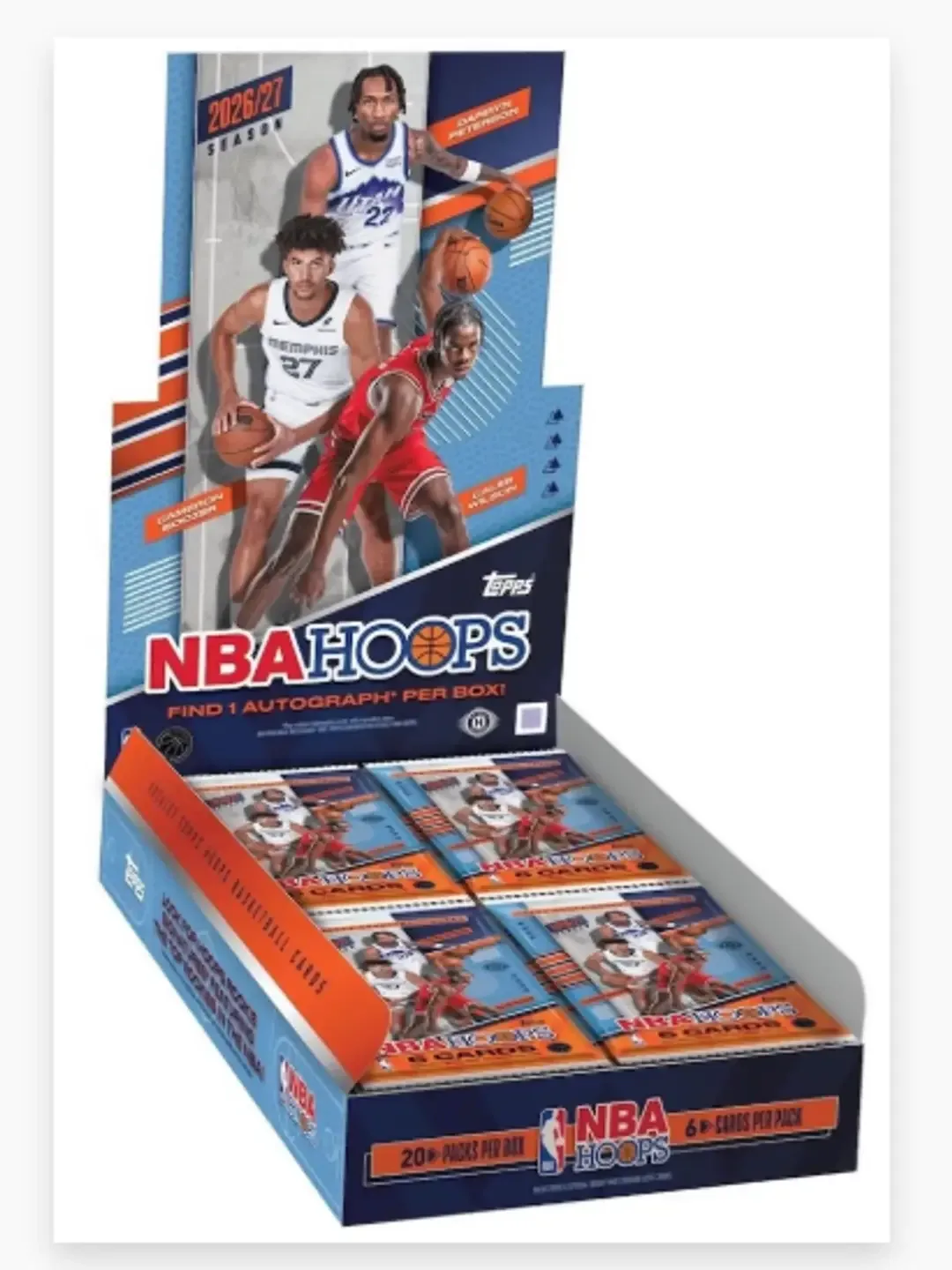
Likewise, the NBA announced that Topps/Fanatics became the official exclusive NBA and NBPA card licensee beginning with 2025–26 products. That date is important: it does not retroactively change the license status of earlier Panini cards, and it does not mean every basketball item made before or after that season shares the same configuration.
How the business history affects an object
Panini entered the U.S. market in 2009 and later announced an exclusive global NBA card and sticker relationship. Upper Deck’s history reaches back to its 1989 launch, while Topps’ baseball-card history is commonly anchored to 1951. These companies did not compete only by printing similar rectangles. They competed for access to marks, athletes, associations, manufacturing capacity, retail distribution and collector attention.
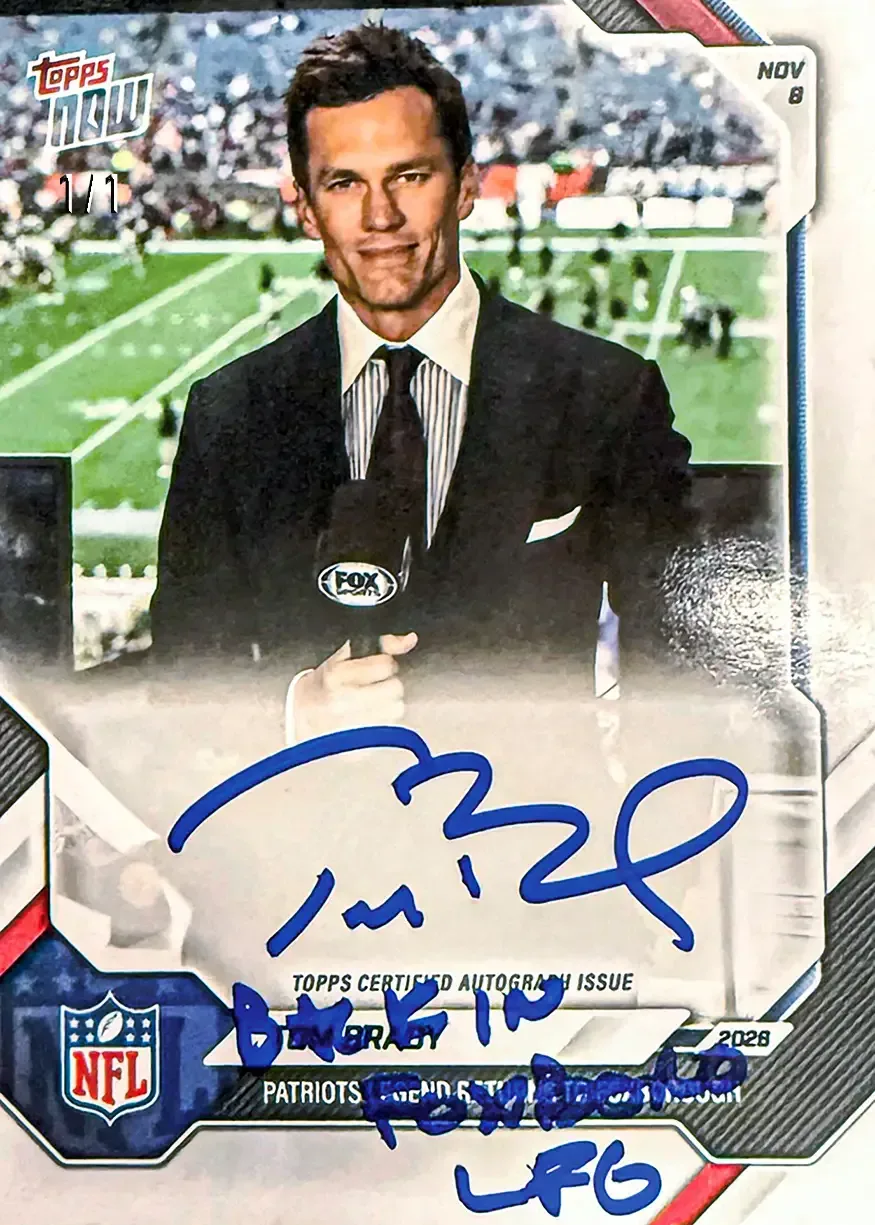
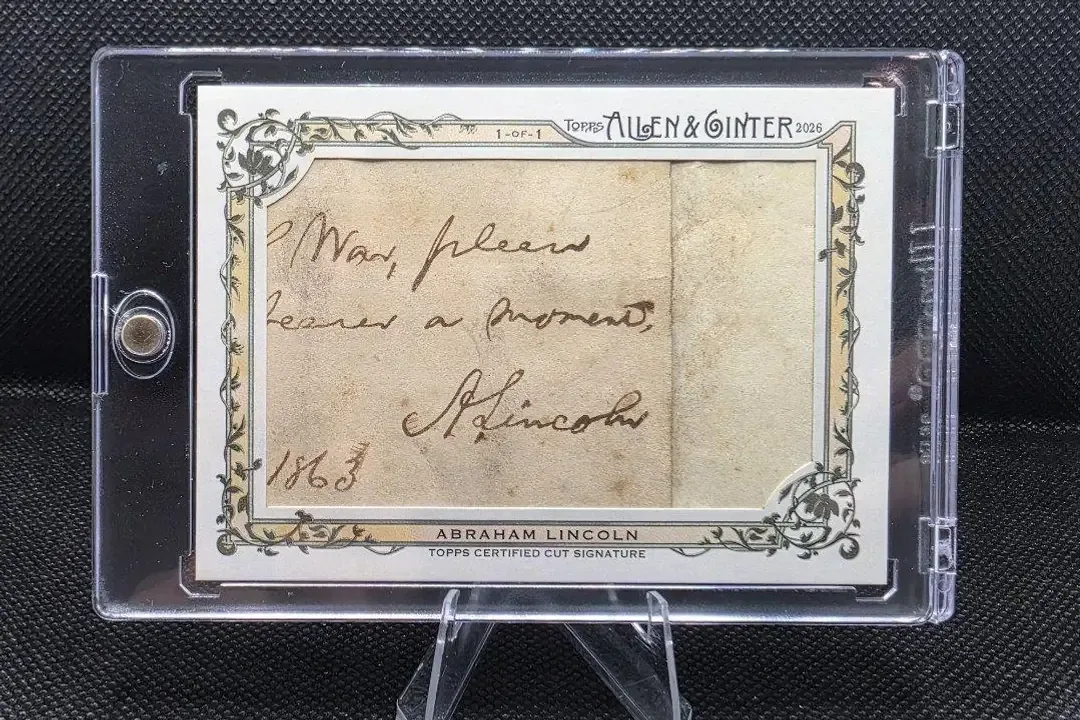
For an acquisition, translate that history into object-level questions. Is the card fully licensed for the league and team, or does it rely on player likeness rights without those marks? Is it a base card, insert, parallel, autograph or memorabilia card? Does the checklist identify it as part of the stated product, or is the seller using a broad brand description for a mixed lot?
What the Panini–Fanatics lawsuit does—and does not—prove
Panini alleges that Fanatics used exclusive licensing, acquisitions, athlete relationships and other conduct to reduce competition. Those are allegations, not established findings. On March 10, 2025, the court dismissed Count V, which challenged Fanatics’ acquisition of Topps, for lack of standing and did not reach that claim’s merits.
A different acquisition theory, Count IV, concerned Fanatics’ controlling interest in GC Packaging. Panini alleged that access to this manufacturing input was important to its U.S. trading-card business. The court allowed that theory to proceed past the pleading stage, meaning only that the allegations were sufficient to continue. It was not a finding that Fanatics unlawfully foreclosed Panini or that Fanatics was a legally determined monopoly.
As of November 14, 2026, the Panini–Fanatics case remained pending, with public docket activity involving discovery, sealing and scheduling. Public filings establish procedure, not the truth of every allegation. Treat any seller, forum post or market commentary that presents the case as a final antitrust victory as a warning sign.
Keep Upper Deck in its own file
Upper Deck belongs in the industry comparison, but not as part of the Panini–Fanatics antitrust action. In The Upper Deck Company v. Panini America, a 2021 order addressed trademark, licensing, publicity and unfair-competition theories. The court granted Panini’s motion in part and denied it in part. That separate dispute was not a judicial finding that either company monopolized the sports-card market.
When a lot contains Upper Deck, Panini and Topps cards together, identify each manufacturer independently. Do not use one company’s litigation history to authenticate or value another company’s card.
A collector’s inspection worksheet
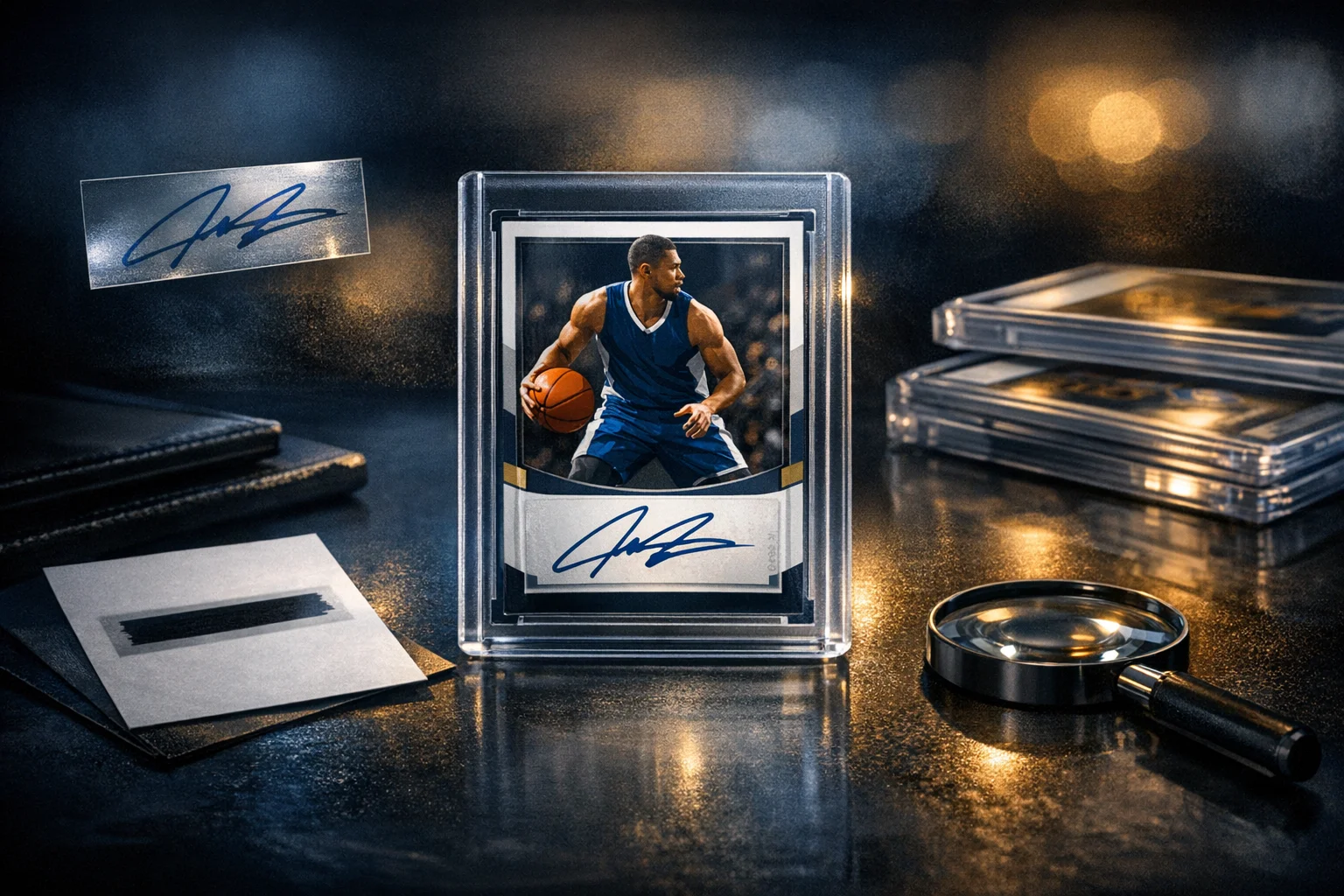
Before purchasing, photograph the front and back of representative cards, including serial numbers, holograms, copyright text and manufacturer marks. Write down the player, year, sport, set, card number, parallel or insert name, and any autograph or memorabilia claim. Compare those details with the manufacturer’s checklist or product information when available.
For a mixed lot, separate cards into categories: fully licensed cards; products with narrower or unlicensed branding; cards needing authentication; and items whose identity remains uncertain. A checklist can confirm that a card belongs to a product, but it does not prove scarcity, market value or actual pull rates. Similarly, stated odds describe the manufacturer’s published configuration, not independently measured results.
Document the purchase decision
Save the listing, seller description, photographs, messages and your inspection notes. Record what you knew, what remained uncertain and why the uncertainty was acceptable. If the seller calls an item a “rare rookie,” verify the exact set and card number rather than relying on the label. If licensing is central to your decision, write down which marks are visible and which rights you are inferring.
The most defensible acquisition is not necessarily the card with the loudest brand name. It is the one whose identity, licensing presentation and condition you can explain from the object and the available documentation.