OTIA Sports magazines have become a bigger part of the collectibles conversation in 2026, especially as more collectors branch out from cards into magazines, programs, and other printed memorabilia. A major driver has been the growing interest in grading, with PSA and CGC helping bring more structure and visibility to the category. As a result, certain issues have seen stronger prices, and collectors are paying closer attention to condition, issue type, and key cover appearances.
For anyone digging through old boxes, scanning online listings, or trying to build a focused OTIA Sports run, a few details matter more than others. The biggest factors usually come down to whether a copy is a newsstand or subscription issue, whether it features a notable athlete's first cover, and whether the book presents well enough to merit grading.
Why OTIA Sports magazines are getting more hobby attention
Magazine collecting fits naturally with the broader memorabilia market. Covers often capture iconic moments, early-career appearances, and culturally important athletes in a format that feels different from a standard trading card. A single issue can work as a collectible, a display piece, and a nostalgia item all at once.
That blend of visual appeal and historical significance has made OTIA Sports a logical target for collectors. Hall of Fame athletes, breakout stars, championship moments, and recognizable cover photography all add to the category's appeal. Once grading entered the picture in a bigger way, it gave collectors another layer to chase, especially for older or tougher high-grade examples.
For more collector background, read Trading Card Sales Topped $1 Billion in October 2026 as Record Activity Pushed the Hobby Higher.
The rise in value has not been uniform across every issue. Instead, the market tends to reward specific traits. Copies with cleaner presentation, scarce surviving condition, or important first appearances usually stand out first. That makes identification especially important before buying, selling, or sending anything in for grading.
How to tell a subscription issue from a newsstand issue
One of the most important distinctions in OTIA Sports collecting is whether the magazine was sold on the newsstand or mailed to a subscriber. Two issues with the same cover date and the same athlete can trade at very different prices depending on that detail.
Subscription issues
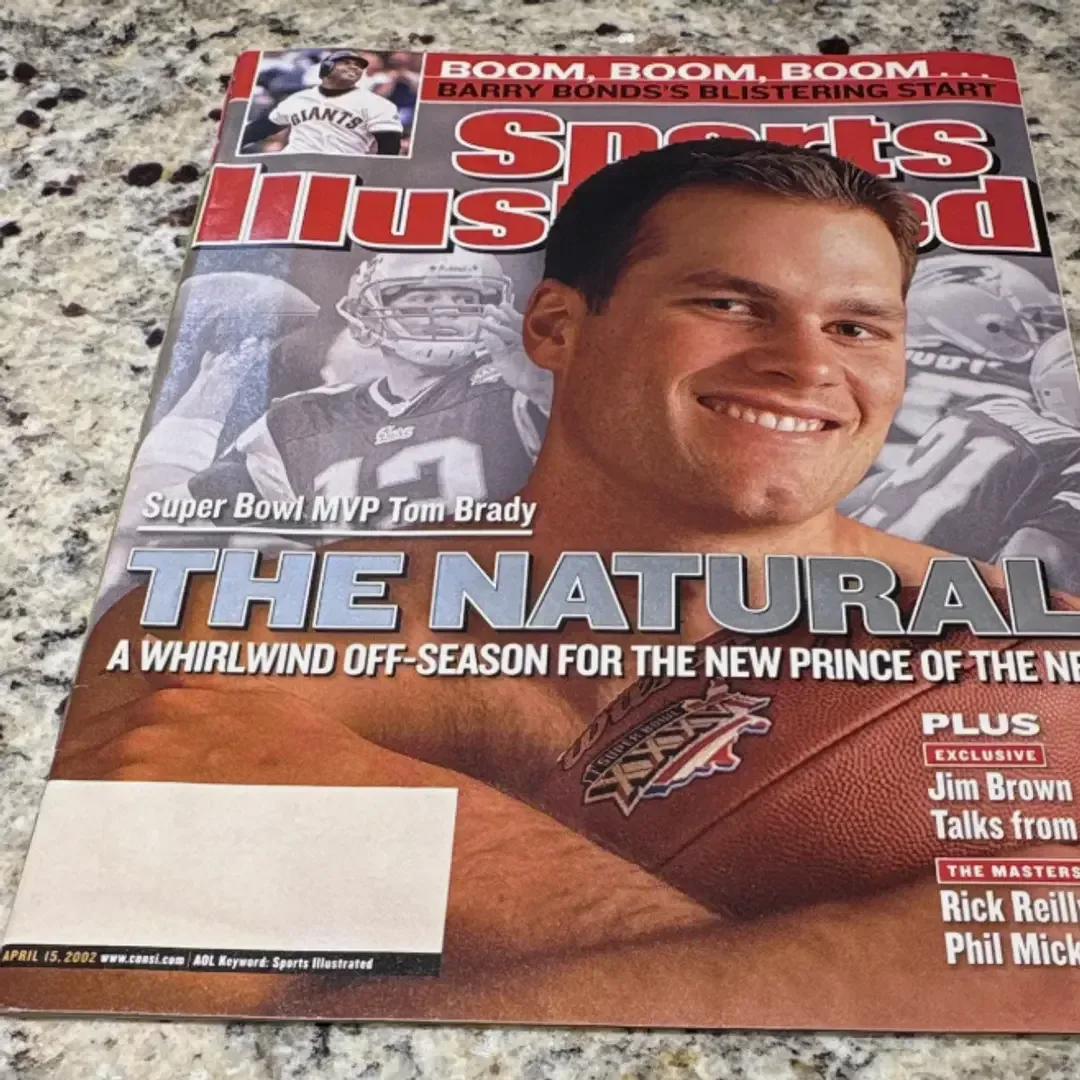
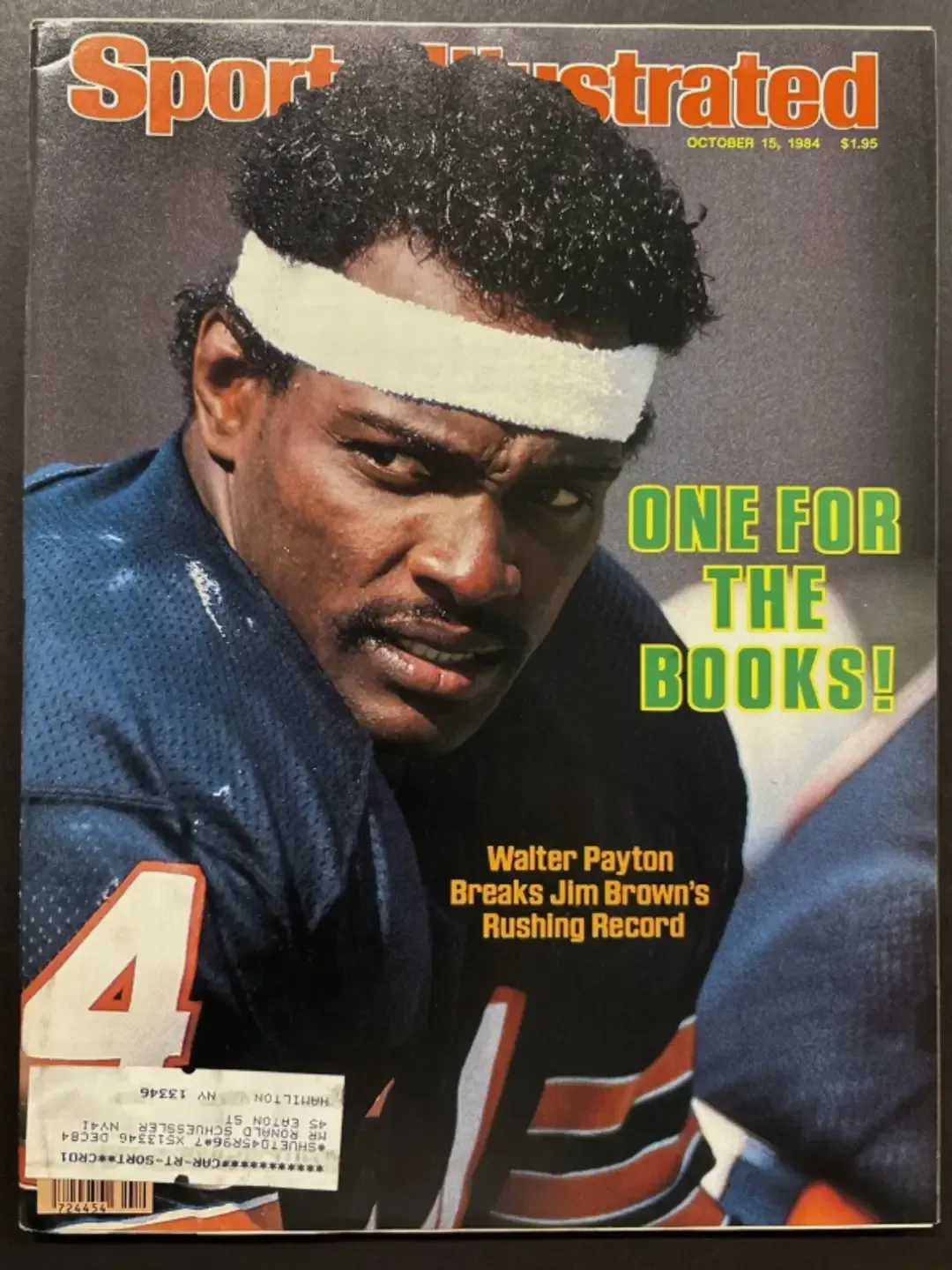
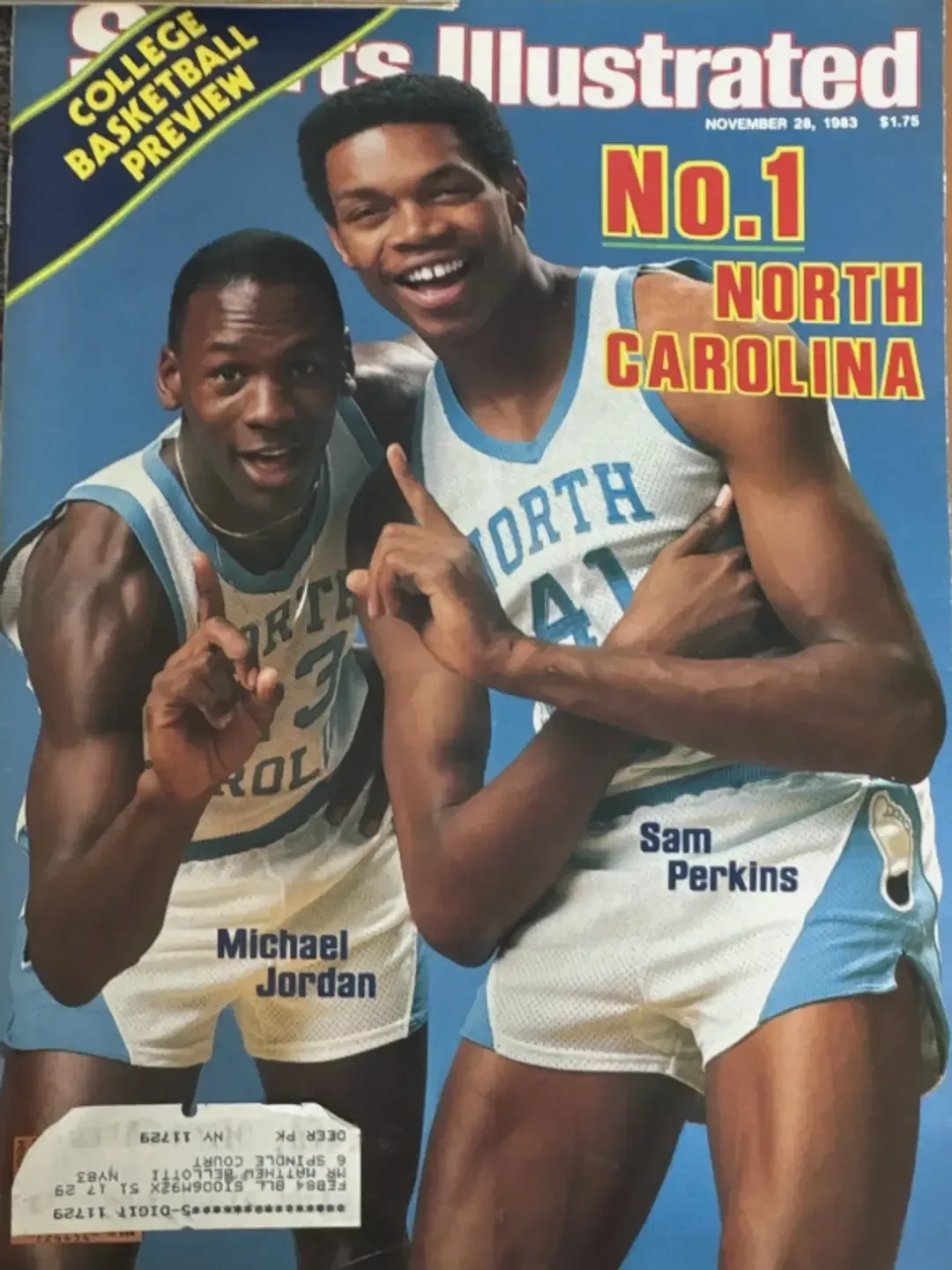
Subscription copies commonly have an address label on the front cover. That label is the easiest giveaway and is often the first thing collectors notice. Even when the label has been removed, there may still be signs that it was once there. In some cases, a blank white box appears where the mailing label would have been placed.
For another perspective on this story, read Sports Illustrated Magazine Collecting: What Drives Value.
There is also a point that can confuse newer collectors. Some mailed copies arrived with an advertisement placed over part of the cover. When that happened, the usual label presentation might not look as expected. That does not create added value by itself, but it can make identification less straightforward if someone assumes the issue is a cleaner newsstand copy.
In the current market, subscription versions usually sell for noticeably less than equivalent newsstand copies. The reason is simple. Many collectors prefer an unobstructed cover image, and the address label reduces eye appeal for display and grading purposes.
Newsstand issues
Newsstand copies are typically identified by a barcode on the cover, often near a bottom corner. The exact placement can vary by issue, but the barcode is the main clue collectors use when checking whether a copy is a retail newsstand version.
These copies generally command stronger demand for two reasons. First, the cover presents better without an address label. Second, truly sharp surviving examples can be difficult to find. Magazines sold on racks were often bent, stacked, handled repeatedly, or transported in less-than-ideal conditions. That means older newsstand issues, especially high-grade ones, can be tougher than they may appear at first glance.
For collectors evaluating a raw copy, simply confirming newsstand status can materially change what the magazine is worth.
Why the price gap matters
The difference between subscription and newsstand issues is not just a technical hobby detail. It can translate directly to market value, even on common or semi-key covers.
A straightforward example comes from the October 15, 1984 OTIA Sports issue featuring Walter Payton. A subscription copy in good shape recently sold for about $5, while a newsstand example of the same issue sold for about $15 in ungraded condition. That is a significant jump for the same cover image and the same publication date, driven primarily by format and presentation.
That kind of spread is exactly why collectors should slow down before purchasing. A seller may list a copy by athlete and date alone, but experienced buyers will want to verify the issue type before deciding what a fair price looks like.
First covers can carry a premium
Another major value driver in OTIA Sports collecting is the athlete's first cover appearance. Much like a rookie card, a first cover can become the preferred issue for player collectors and for hobbyists focused on landmark appearances.
This tends to matter most for Hall of Famers, all-time greats, and stars with enduring fan bases. If the athlete's career becomes historically important, collectors often circle back to the earliest recognizable mainstream magazine cover they can own.
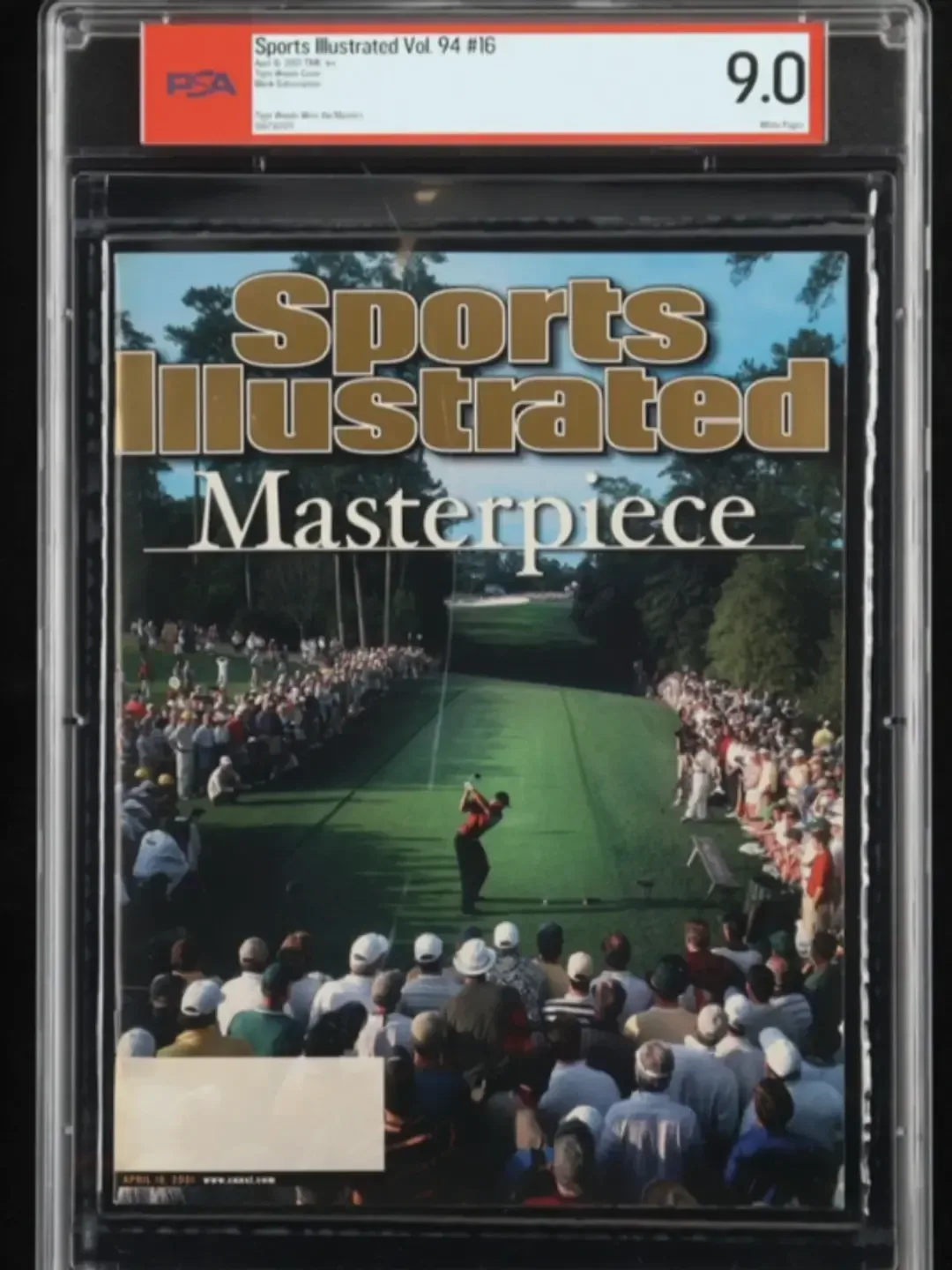
Michael Jordan, Tom Brady, Walter Payton, Ichiro, and Tiger Woods are all examples of athletes whose OTIA Sports covers attract extra hobby attention. The exact value can vary widely based on issue type, condition, and whether the copy has been graded, but star power remains one of the clearest paths to stronger demand.
Ichiro offers a clear example of first-cover demand
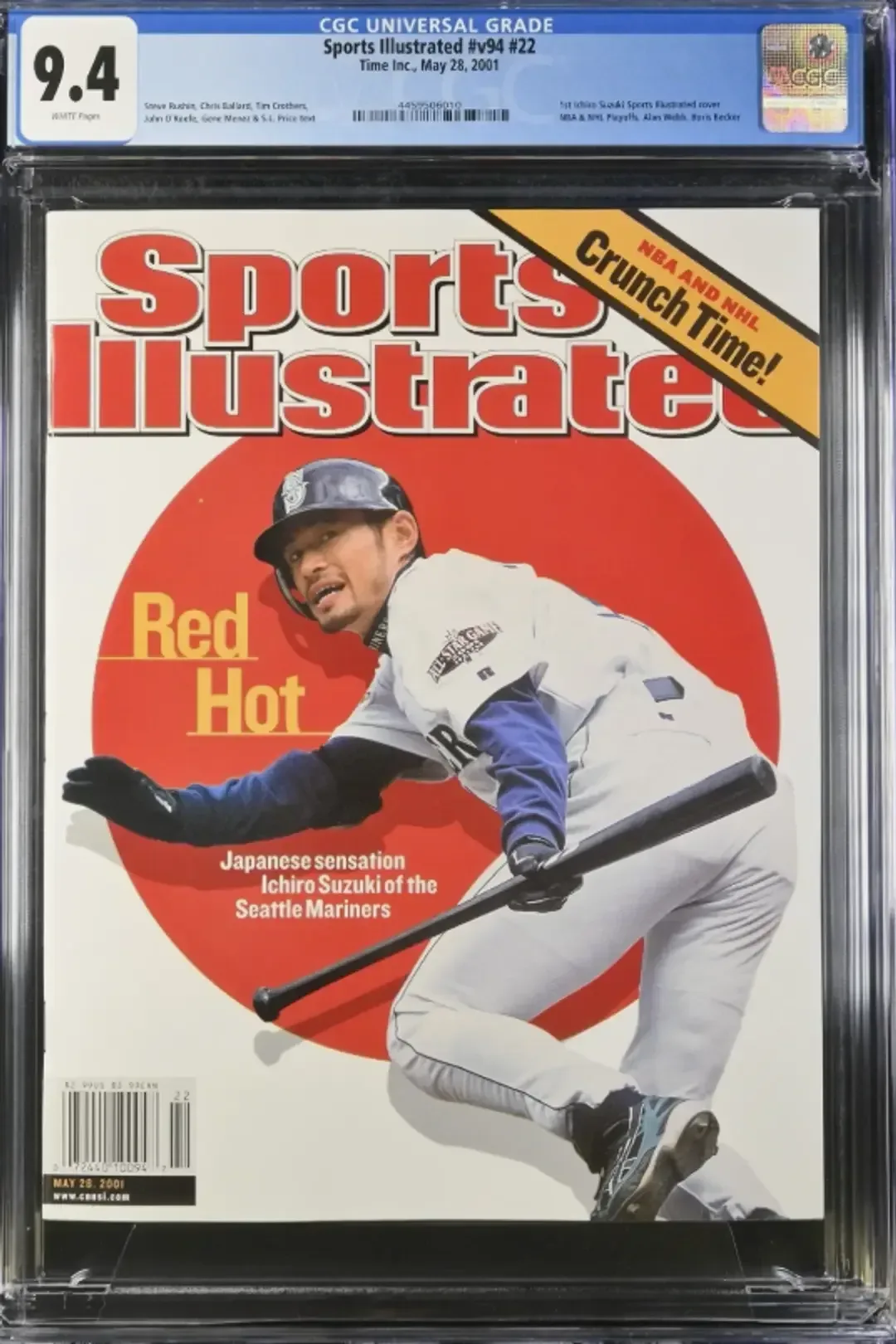
Ichiro's first OTIA Sports cover appearance shows how this market can work in practice. His May 28, 2001 issue has drawn solid collector interest, particularly in newsstand form. In ungraded condition, newsstand copies have sold in roughly the $18 to $25 range, a stronger result than many standard issues from the same era.
Once grade enters the equation, the ceiling can move much higher. A CGC 9.4 copy of Ichiro's first cover sold for $270 last month, showing how presentation, authentication, and scarcity at grade can combine to elevate a magazine well beyond raw pricing.
That does not mean every first cover should be graded automatically. It does show, however, that important player appearances can become much more competitive when a copy is both desirable and high grade.
What grading adds to the OTIA Sports market
Grading has brought more confidence and structure to magazine collecting. For buyers, encapsulation can reduce uncertainty around condition and authenticity. For sellers, it creates a clearer way to market standout copies and compare results across similar issues.
In the OTIA Sports space, grading matters most when a magazine checks multiple boxes:
It features a major athlete or a landmark first cover.
It is a true newsstand copy.
It has strong eye appeal with limited wear.
It comes from an era or title where high-grade survival is difficult.
Collectors should also remember that magazines are condition-sensitive in ways that sometimes differ from cards. Spine stress, edge wear, cover gloss issues, corner blunting, handling wrinkles, label residue, and mailing-related defects can all affect the final grade. Even a visually attractive copy may have subtle flaws that keep it from reaching a premium tier.
That makes pre-screening especially important before submitting anything. If the issue is common, subscription-based, or already showing visible wear, grading fees may not make sense. If it is a key athlete, a first cover, and a crisp newsstand copy, the decision becomes more interesting.
Quick checklist for evaluating a OTIA Sports issue
Check the cover for an address label, blank label box, or barcode.
Confirm whether the copy is subscription or newsstand before comparing prices.
Look up whether the athlete appears on a first OTIA Sports cover.
Inspect spine, corners, edges, and surface for handling wear.
Consider whether the issue has broad collector appeal beyond a single team market.
Review recent raw and graded sales separately, since the gap can be large.
Nostalgia still plays a major role
Not every OTIA Sports magazine needs to be a high-dollar key to matter. Part of the appeal is deeply personal. For many collectors, the magazine is tied to a weekly routine, a favorite athlete, a championship season, or a childhood memory of checking the mailbox to see the latest cover.
That nostalgia factor helps explain why the category has widened beyond only the biggest names. Some collectors want first covers. Others want specific teams, championship issues, hometown stars, or covers that were on their bedroom wall or office shelf years ago. In a hobby that often becomes heavily focused on investment, magazines can still hold onto that personal-connection element in a strong way.
This also means collecting goals can vary widely. One collector may only want graded newsstand keys. Another may be perfectly happy building an inexpensive run of favorite athletes in any format. Both approaches fit the category.
What collectors should watch next
The OTIA Sports market appears active, and there is still room for education as more people enter the space. That usually creates opportunities for informed buyers. Collectors who can identify issue type correctly, understand which covers are truly important, and recognize condition sensitivity are in a better position than those buying by athlete name alone.
As attention on magazines grows, expect continued separation between premium newsstand copies, key first covers, and ordinary subscription issues. That does not mean lower-tier copies have no place in the hobby. It means collectors should match what they are paying to what they are actually getting.
For anyone sorting through old OTIA Sports stacks, the best starting point is simple: look for the barcode, check for label evidence, and flag covers tied to major athletes or first appearances. Those small details often determine whether an issue is a casual keepsake, a solid collector piece, or a grading candidate with much stronger upside.
Photo Gallery