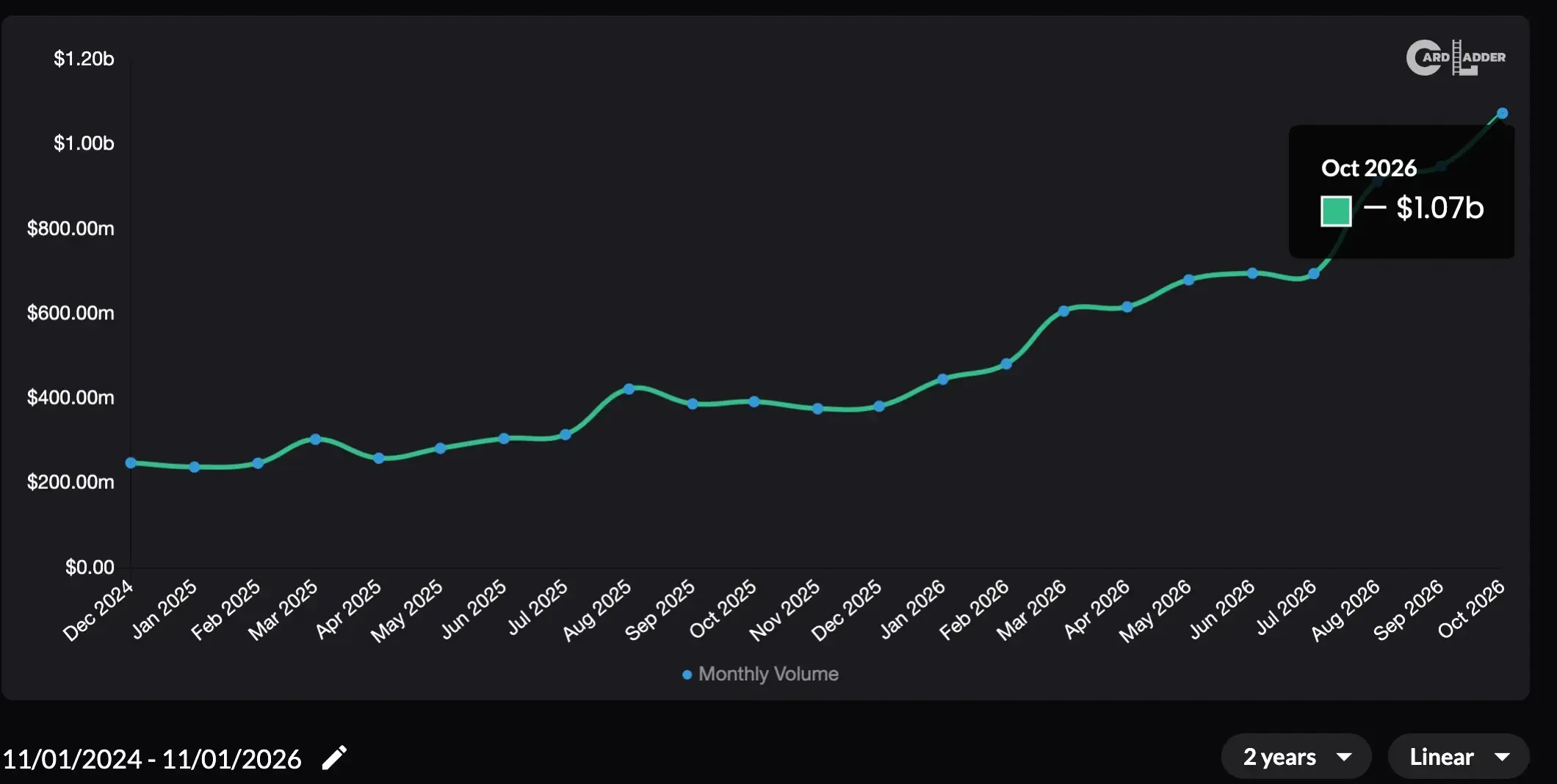
The trading card market reached a new milestone in October 2026, becoming the first month on record to generate more than $1 billion in card sales. Market tracking data pegged the total at roughly $1.07 billion, a level that once felt distant even as the hobby posted wave after wave of growth over the past several years.
This was not a case of one or two headline sales temporarily distorting the numbers. October combined elite high-end transactions with enormous day-to-day marketplace activity, creating a broad-based surge that touched sports cards, Pokémon, and the wider TCG space. The result was a month that stood out not just for its dollar total, but for the depth of participation behind it.
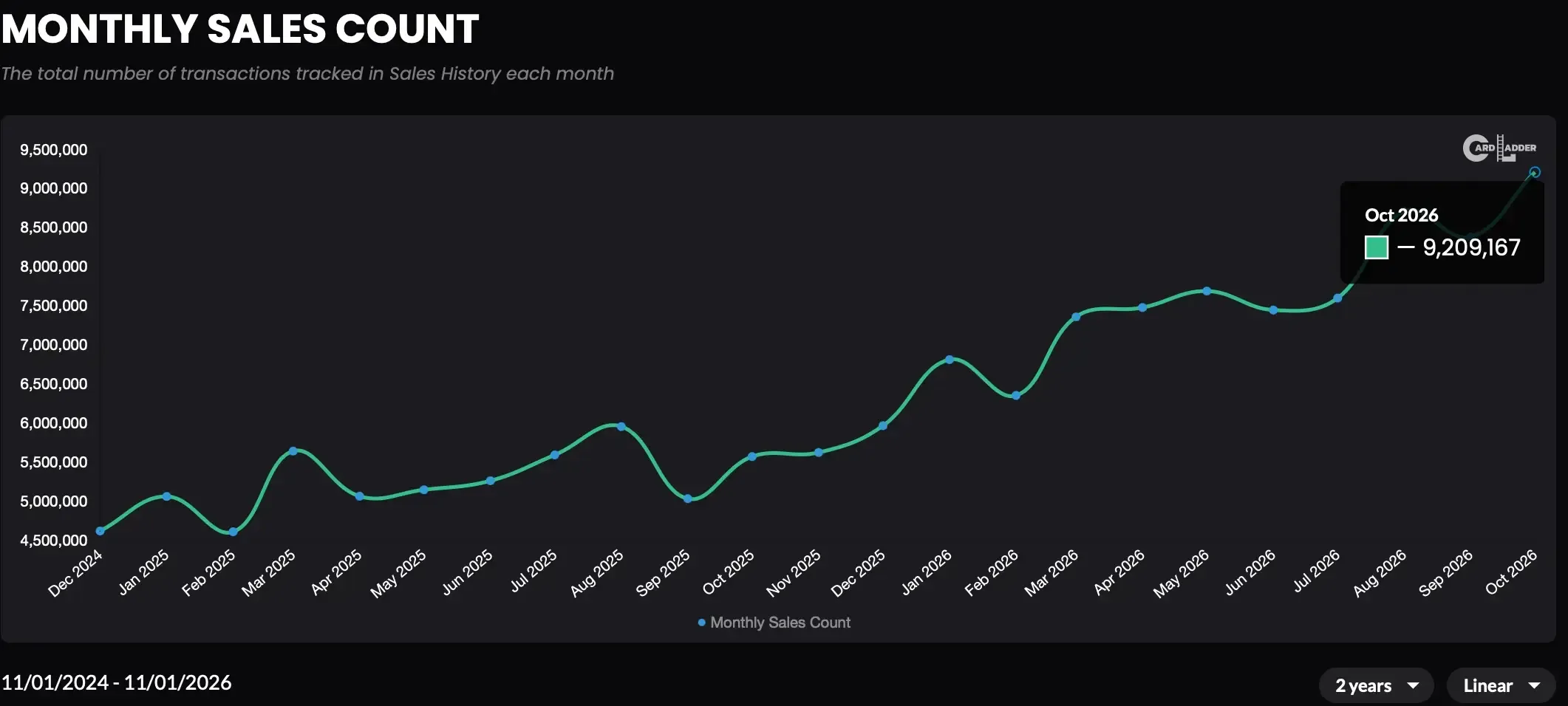
From a steady rise in monthly volume to more than 9.2 million individual transactions, several clear forces pushed the market past the 10-figure barrier. Here is a closer look at what drove October’s historic card sales total and what the month says about the current shape of the hobby.
A long climb finally reached the billion-dollar mark
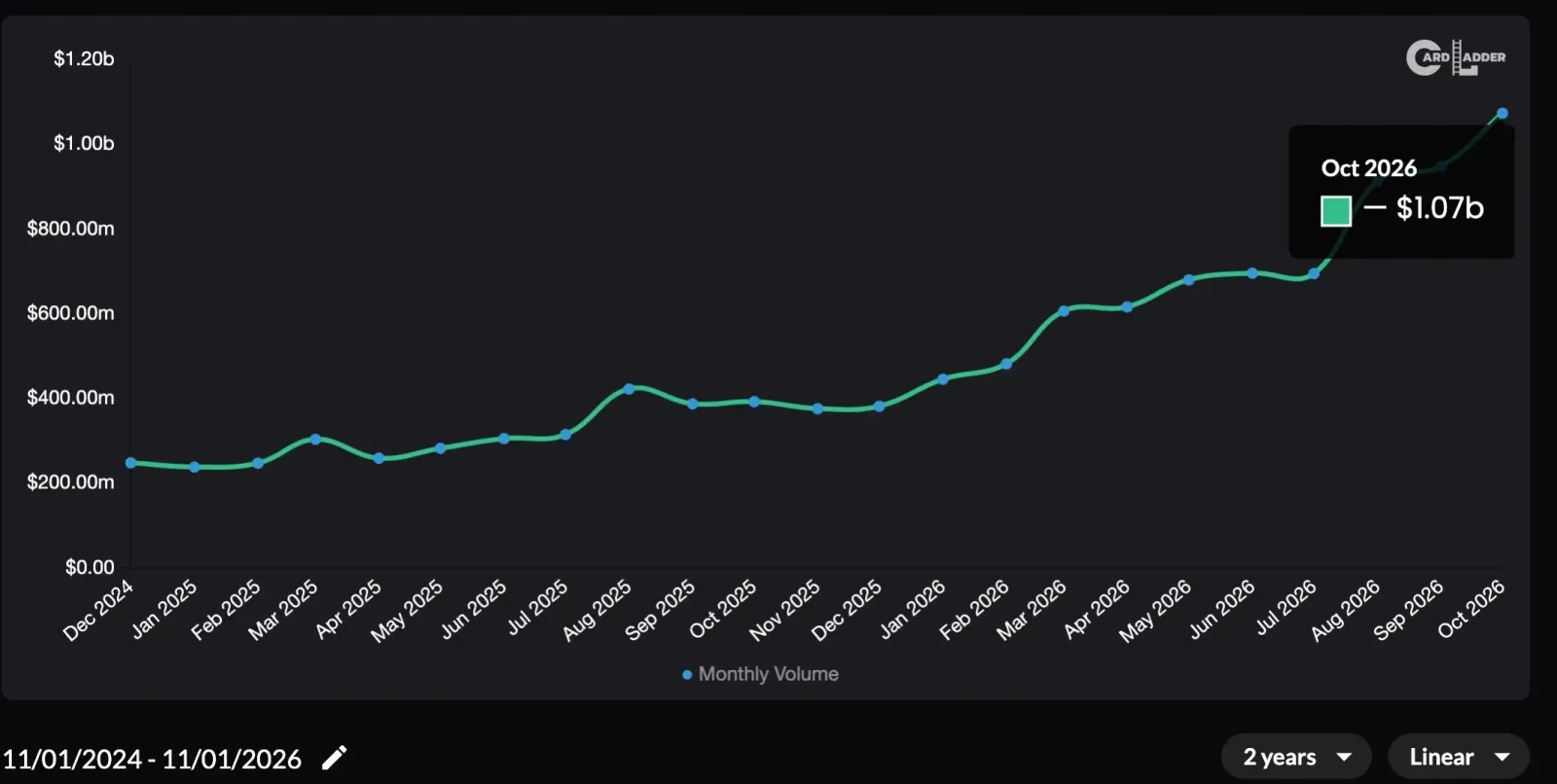
The October breakthrough did not come out of nowhere. Monthly card sales volume has been trending higher over an extended period, with the market showing a consistent upward pattern rather than a single sudden spike. In January 2026, tracked sales sat at $445.06 million. By October, that figure had climbed to about $1.07 billion.
For more collector background, read Francisco Lindor’s Roberto Clemente Award Win Puts Fresh Focus on His Biggest Sports Card Sales.
That jump matters because it shows just how much larger the hobby’s transaction base has become in less than a year. The market was already operating at a high level during the summer, and August 2026 had pushed beyond $912 million in sales. Once that number landed, a billion-dollar month started to feel inevitable. October simply became the month where all the pieces aligned.
The trend line also suggests this was not driven solely by one category. Sports cards remain central to the hobby’s identity, but the broader collectibles market now includes a much larger mix of buyers, sellers, and product types than in earlier growth cycles. That diversity appears to be giving the market more ways to expand at the same time.
More than 9.2 million transactions powered the record
One of the most important details from October is that the market’s record total was built on extraordinary transaction volume. More than 9.2 million card sales were tracked during the month, the highest monthly figure yet recorded.
For another perspective on this story, read Trading Card Sales Top $1 Billion in October 2026.
That kind of activity says far more about hobby health than a handful of multimillion-dollar sales ever could. Massive public auction results grab attention, but a market only reaches $1 billion in monthly volume when buyers and sellers at every price level are participating. October’s average sale price was about $116, which illustrates how much of the total came from steady, everyday movement rather than only trophy cards.
The transaction count was also notable in relation to previous highs. October finished roughly half a million transactions ahead of the next-best month, which had been August 2026. That is a significant gap at this scale and suggests that participation accelerated across the board.
For collectors, this is one of the clearest signs that the hobby’s base remains active. A record total built on millions of completed sales points to strong liquidity, broad engagement, and a marketplace that is functioning far beyond the ultra-premium tier.
Pokémon and TCG categories delivered major momentum
Trading card games played a major role in October’s historic total, with Pokémon once again acting as one of the hobby’s biggest growth engines. The category has consistently generated some of the strongest weekly and monthly sales performances in the market, and October added another major chapter to that run.
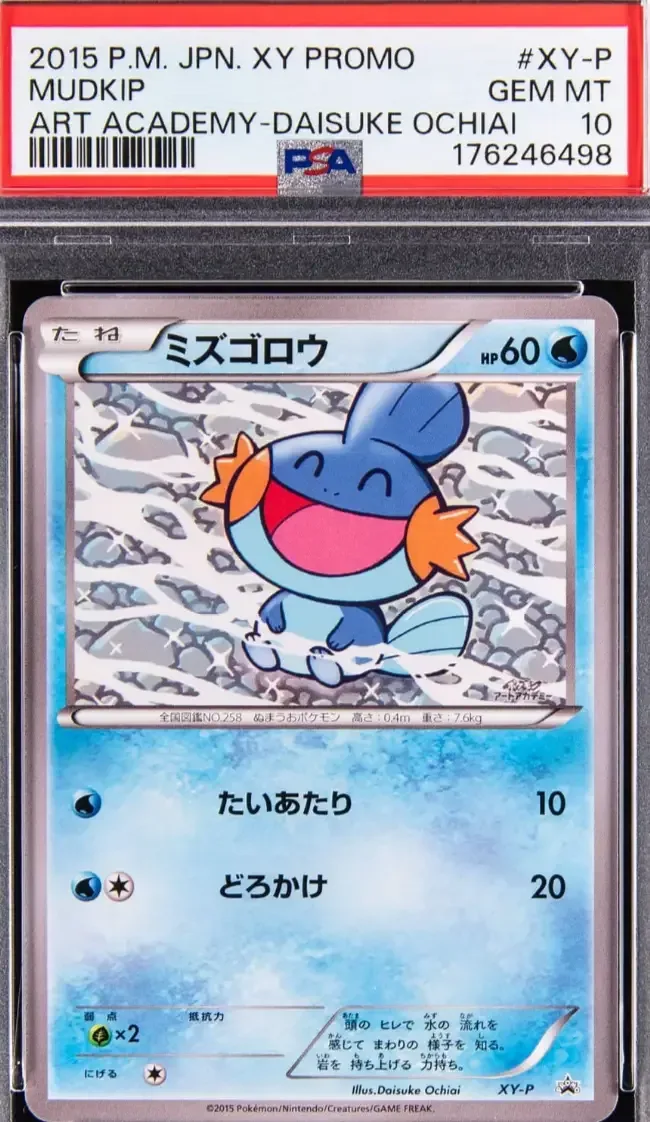
The most eye-catching TCG sale reported during the month was a 2015 P.M. Japanese XY Promo Art Academy Daisuke Ochiai Mudkip PSA 10, which sold for $4.88 million on October 26, 2026. That result stands as one of the most significant Pokémon sales of the year and one of the biggest TCG transactions ever publicly reported.
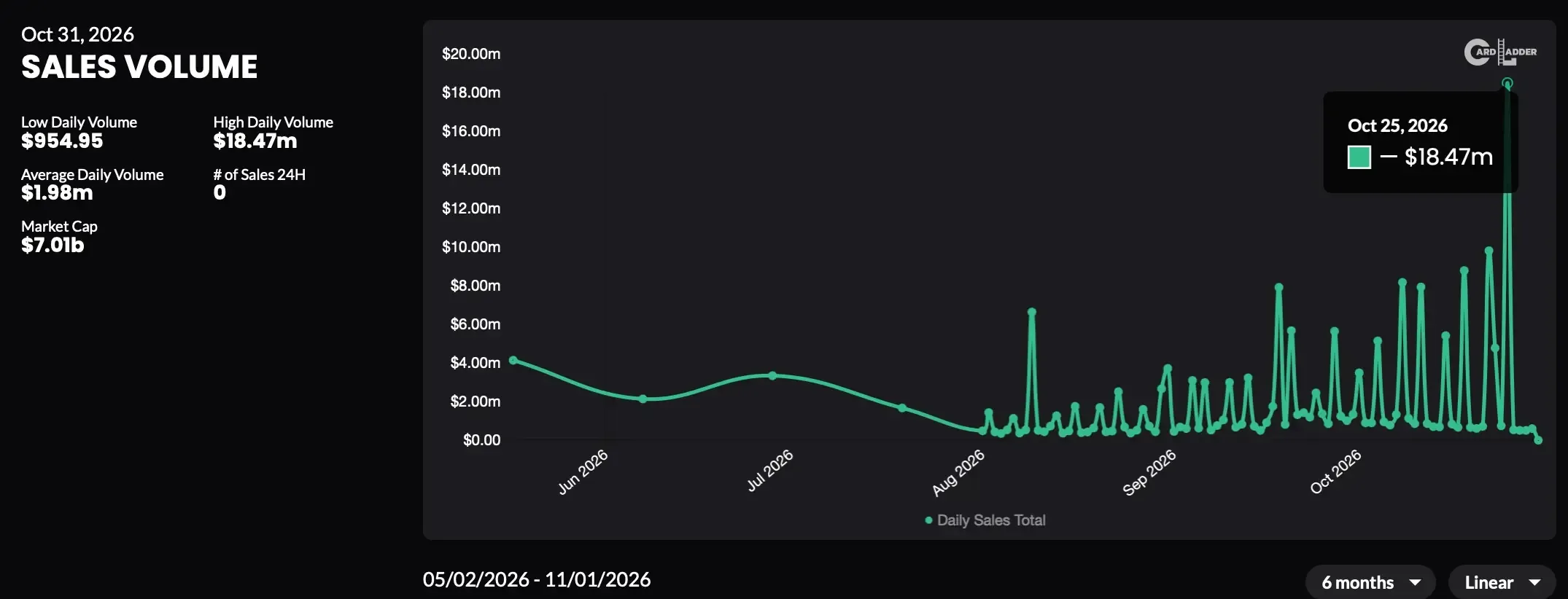
Beyond that single card, Pokémon volume surged on a daily basis. October 25 stood out in particular, with more than $18 million in Pokémon card sales recorded in a single day. That kind of one-day total shows just how much depth exists in the category, from grail-level rarities to more accessible collector targets.
The timing also aligns with elevated attention around Pokémon’s 30th anniversary celebration, which helped keep the franchise firmly in the spotlight. Anniversary-driven demand alone does not produce this level of spending, but added enthusiasm around the brand likely strengthened an already active market.
What matters most is that TCGs were not simply along for the ride. They were one of the reasons October crossed the billion-dollar threshold at all. The trading card market is now broad enough that Pokémon and other TCG segments can materially influence monthly totals at an industry-wide level.
Sports cards remained a major force in the market
While Pokémon was central to October’s story, sports cards still supplied some of the month’s biggest individual sales and reinforced how powerful that side of the hobby remains.
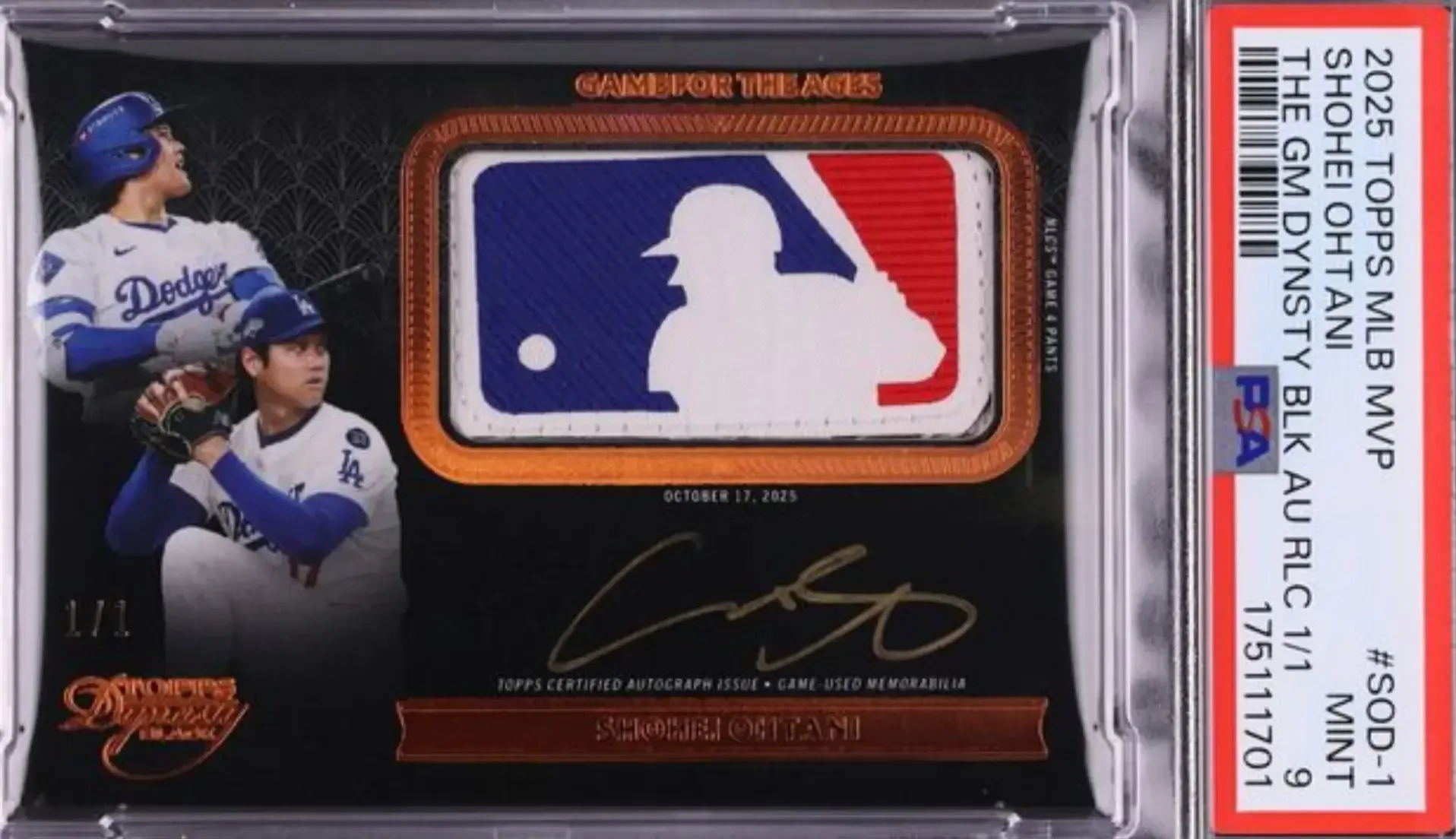
One of the top confirmed sports card sales was a 2025 Topps The Game Dynasty Black Logoman Auto /1 Shohei Ohtani PSA 9, which sold for $3.42 million through Fanatics Premier on October 23, 2026. Ohtani has become one of the defining athletes in the modern card market, and ultra-premium one-of-one releases tied to his global popularity continue to command huge numbers.
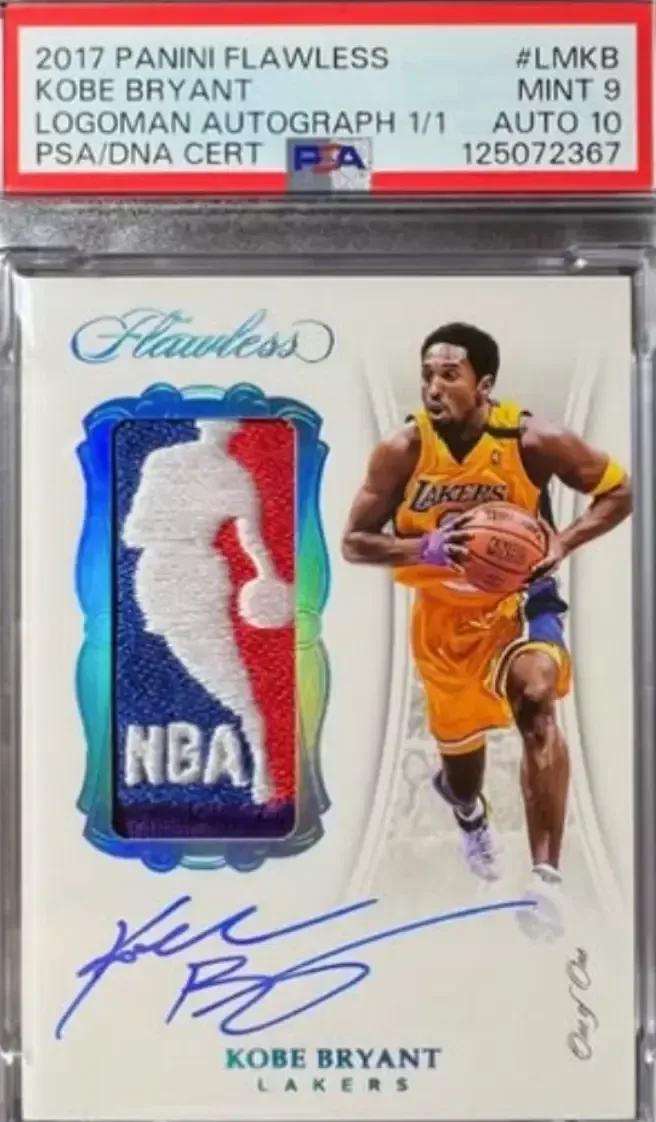
Baseball was not alone. Basketball also added a major headline with a reported private sale of a 2017 Panini Flawless Logoman Auto /1 Kobe Bryant PSA 9/Auto 10 for $4.2 million on October 28, 2026. That figure was publicly reported but had not yet been verified in the same sales database at the time, so it should be viewed accordingly. Even so, the reported number reflects the continued strength of iconic modern-era star cards, especially when they combine rarity, brand prestige, and one of the hobby’s most enduring names.
These sales are important not only because of the dollar amounts involved, but because they show that sports cards are still driving top-end demand even as TCG categories expand. October’s market leadership came from multiple lanes at once, and sports cards remained firmly among the most influential.
The market was strong across more than just a few niches
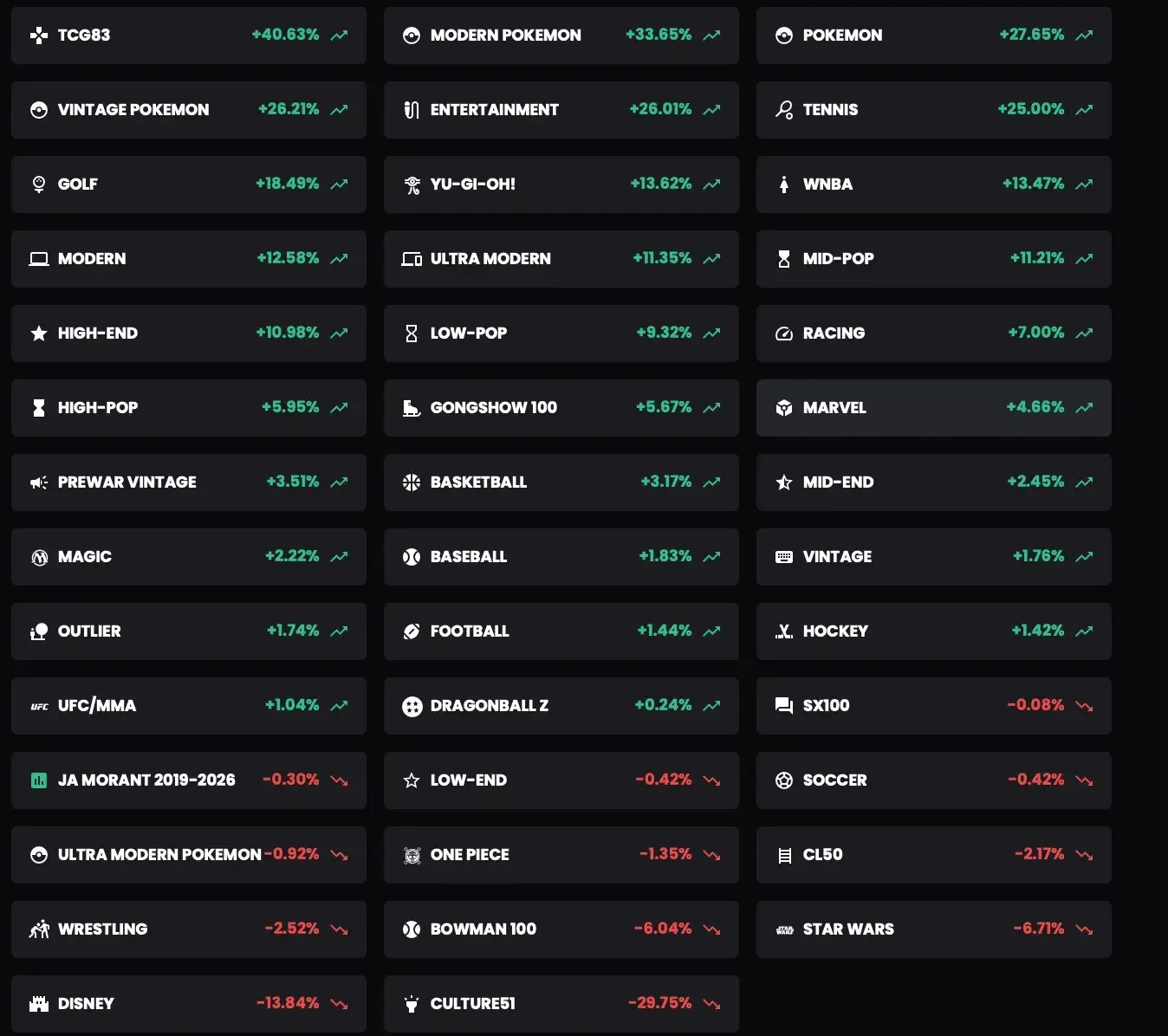
Another notable piece of the October picture was the breadth of positive movement across tracked market segments. Rather than one category carrying the entire hobby, gains appeared across a wide swath of sectors.
Thirty market segments showed positive movement during the month, compared with 12 that moved lower. Even among the segments that declined, only five were down by more than 1% month over month. That balance paints a market that was broadly healthy rather than narrowly concentrated.
This type of spread matters because the hobby has often been judged by its flashiest headlines. When gains show up across many categories, it suggests a stronger foundation. Different collector groups can enter and spend in different ways, whether they are chasing vintage sports cards, modern autograph patches, rare Pokémon promos, or other niche material.
Broad participation also gives the market more resilience. When activity is distributed across numerous segments, the monthly total is less dependent on one superstar athlete, one release calendar window, or one specific buyer class. October’s numbers suggest that the hobby’s current scale is being supported by multiple engines at the same time.
Why the average sale price matters as much as the biggest sales
It is easy to focus on multimillion-dollar cards, but October’s average sale price of about $116 may be one of the most revealing statistics from the month. That figure tells a different story than the blockbuster headlines. It points to a market where huge volume is still being generated by ordinary collectors making ordinary purchases.
For every eight-figure monthly total driven by iconic cards, there are countless lower-dollar transactions involving singles, inserts, graded rookies, vintage commons, set-building pieces, and collector-grade TCG cards. That ecosystem is what keeps marketplaces moving day after day.
If October had crossed $1 billion through a small cluster of extraordinary auction results, the milestone would still have been notable. But it would not have said as much about the market’s true depth. Reaching $1.07 billion while millions of transactions clear at relatively modest price points is a stronger sign of hobby scale and participation.
That matters for dealers, auction houses, marketplace platforms, breakers, grading companies, and collectors alike. A healthy middle and lower tier creates the activity that supports the entire card economy.
What October 2026 says about the hobby right now
The biggest takeaway from October is that the trading card market is no longer being defined by isolated spikes. It now has the size and breadth to produce record-setting months through a combination of mainstream collector behavior and premium-end demand.
The billion-dollar mark may feel symbolic, but symbols matter when they reflect genuine structural change. October showed that the hobby can sustain massive volume across millions of transactions while also producing landmark sales in both sports cards and TCGs.
There are still variables that can change market conditions in the future. Consumer spending trends, broader economic pressure, shifts in discretionary income, and collector confidence all remain relevant. Markets do not move upward forever in a straight line, and trading cards are no exception.
What October demonstrated, though, is that the hobby’s current momentum is supported by more than hype. It is being carried by a very large base of active participants, expanding category strength, and consistent demand across many segments. As long as that combination holds, record-setting months like this one will remain part of the conversation whenever the market takes another step higher.
Photo Gallery