Unopened wax has become one of the strongest corners of the sports card market, and the momentum is reaching far beyond a few headline boxes. Across baseball, basketball, football, hockey and even trading card games, collectors are paying more for sealed product as supply continues to shrink and demand keeps widening.
The appeal is easy to understand. A sealed box can be ripped for entertainment, stored away as a long-term collectible, or displayed as a centerpiece from a favorite era. That flexibility has helped push wax into a different tier of hobby demand, especially as buyers look for assets tied to star-driven singles, low surviving supply and personal nostalgia.
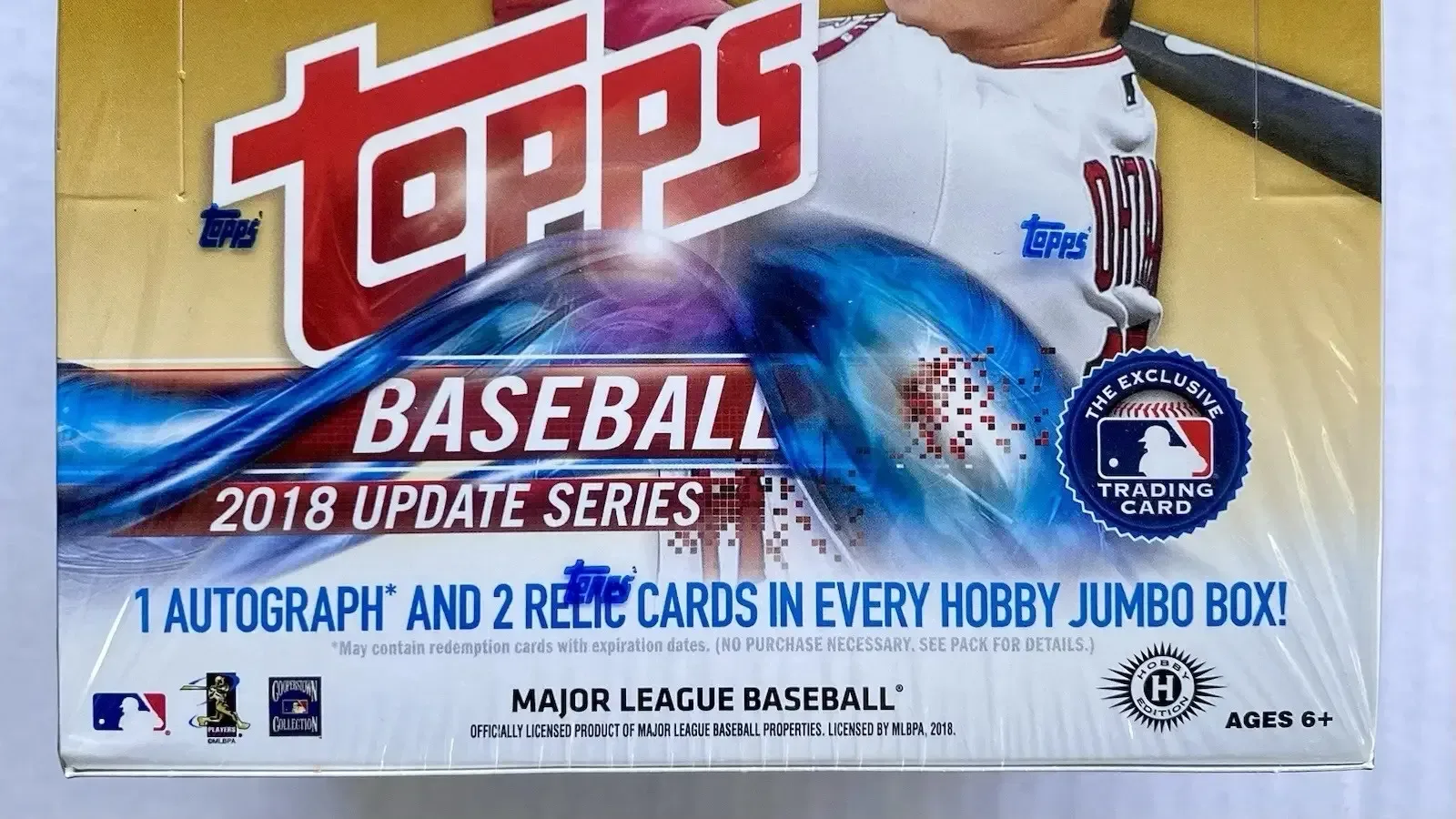
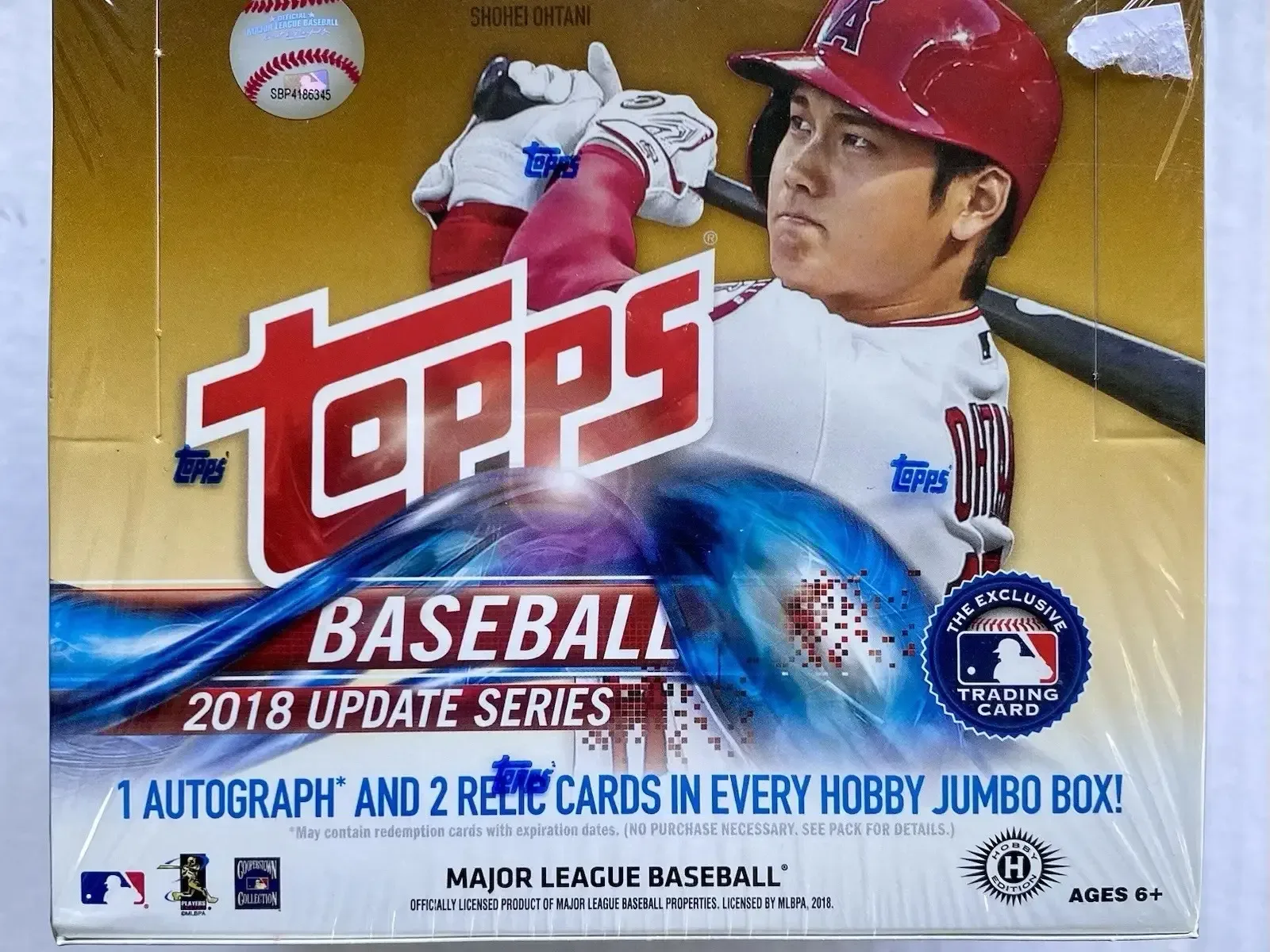
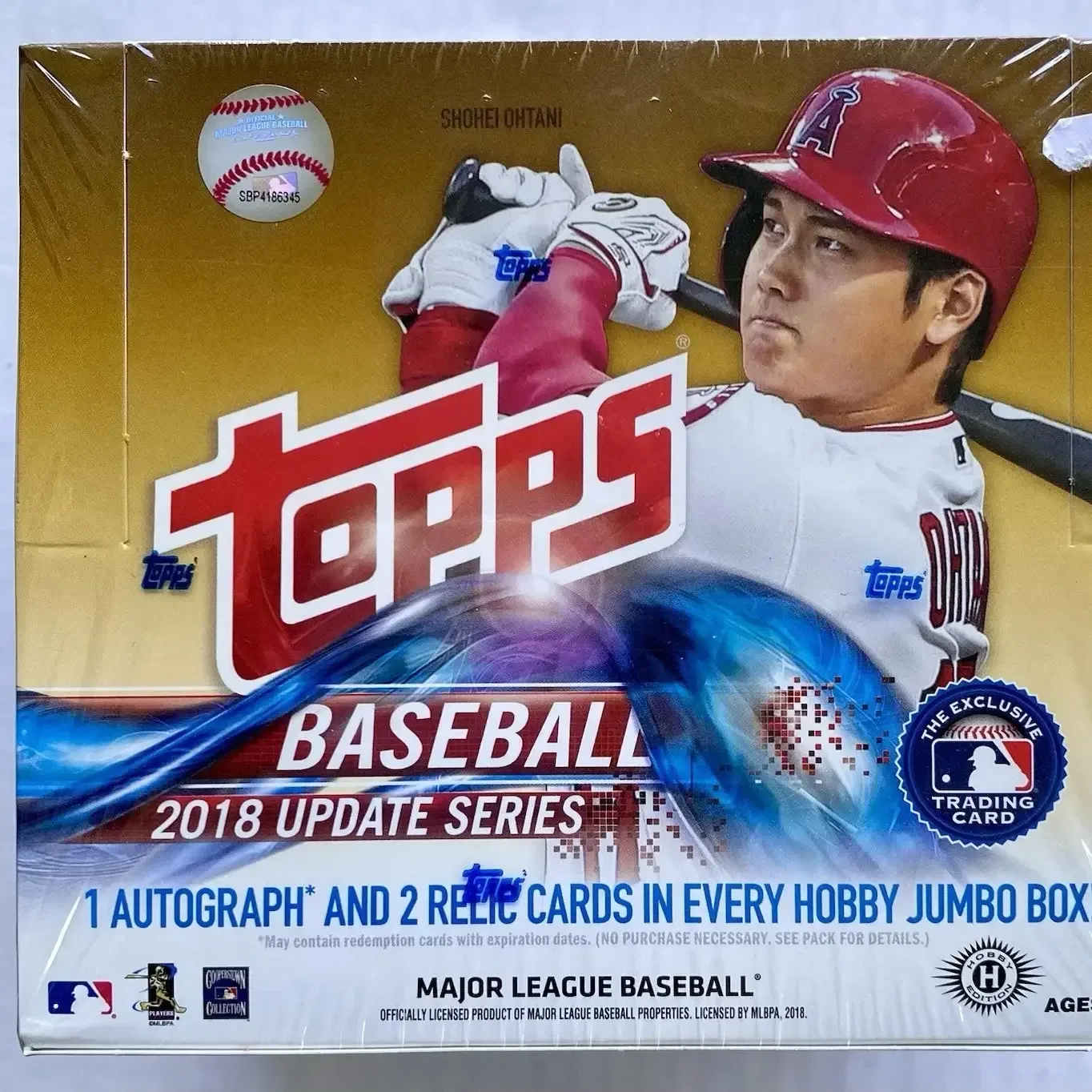
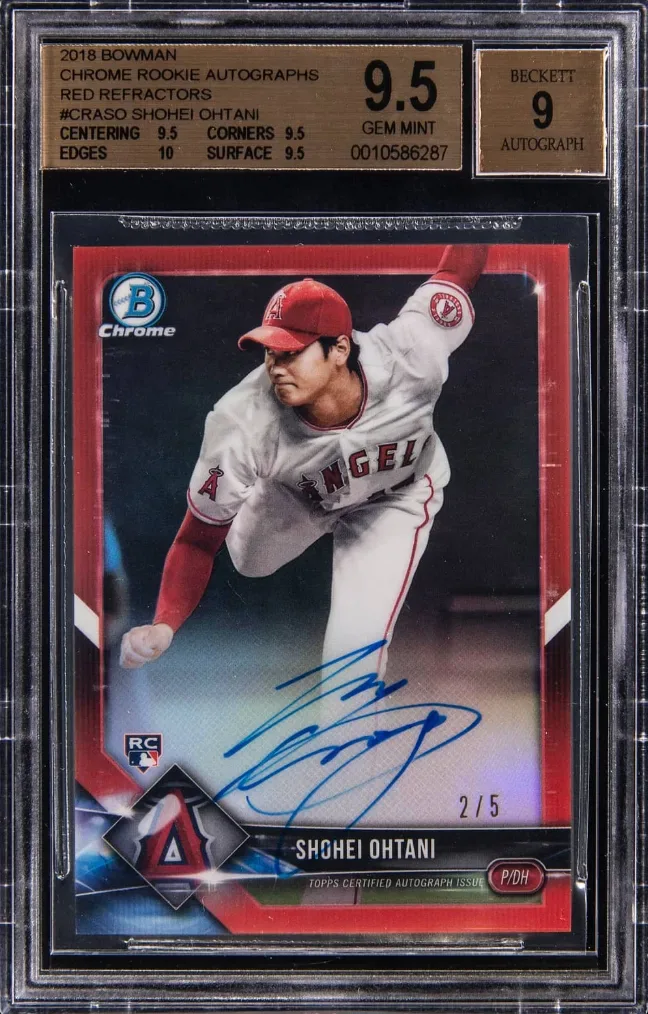
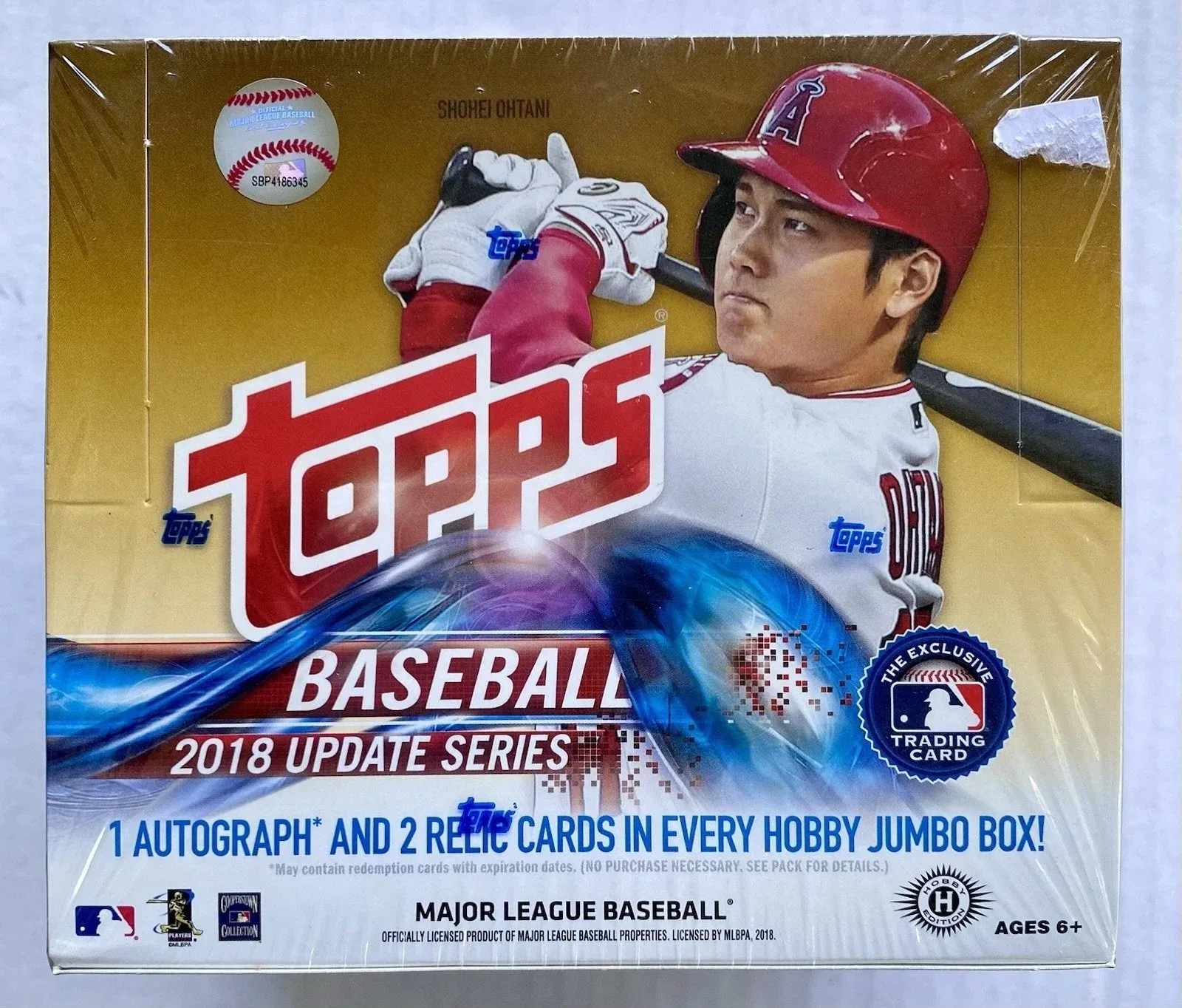
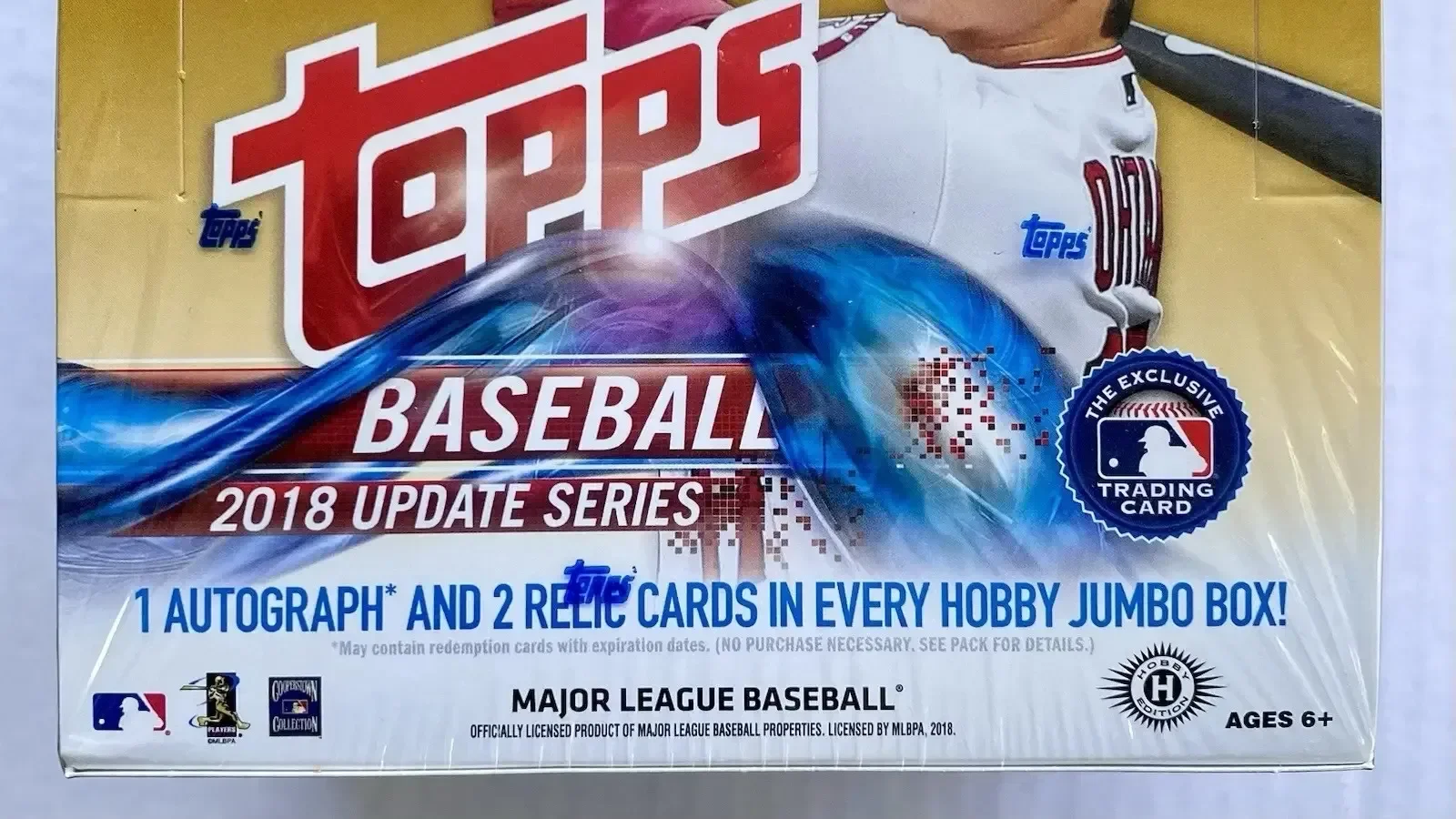
Recent price movement shows how quickly the segment has accelerated. A factory sealed 2018 Topps Update hobby box, a release closely followed because of Shohei Ohtani rookie-card content, was available in mid-June 2025 for $1,299.99 on eBay. Less than a year later, the same product was listed at $3,249.99. Vintage material has also been climbing, and many longtime dealers say the rise now looks more durable than the dramatic swings seen during the pandemic-era boom.
Why sealed wax is getting hotter
Several forces are pushing unopened product higher at the same time.
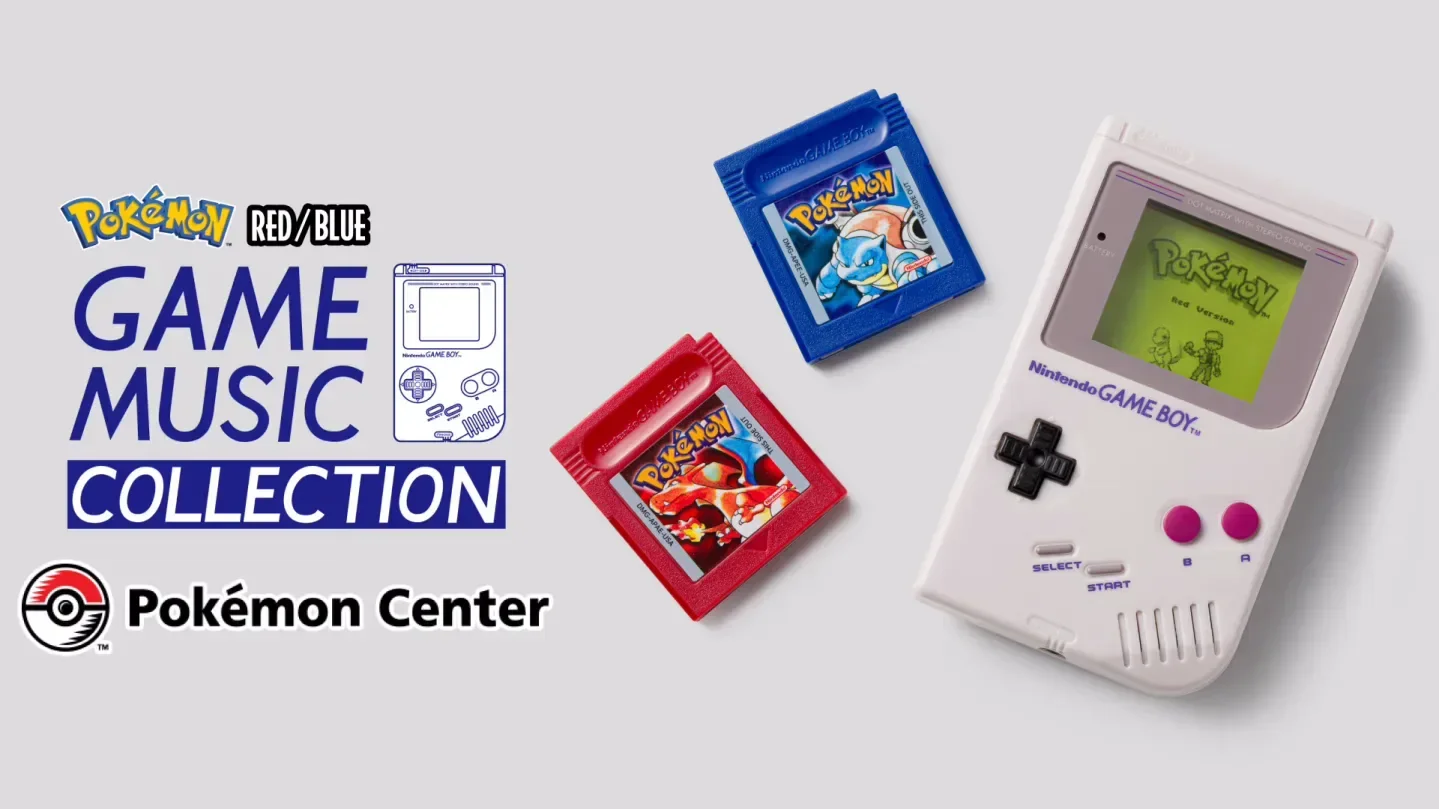
For more collector background, read Pokemon Celebrations 30th Anniversary Opens With Strong Demand and Fast-Moving Resale Prices.
First, sealed boxes have true attrition. Every time a collector, breaker or investor opens a box, the population falls. That gives unopened wax a simple scarcity advantage that becomes more powerful as years pass. Unlike many collectibles where supply is relatively stable, sealed wax naturally disappears from the market over time.
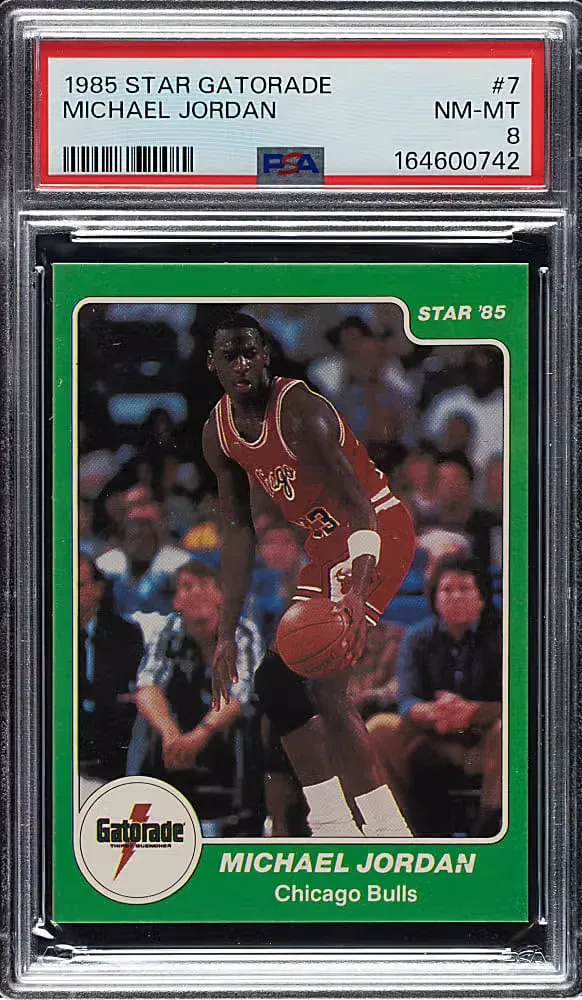
Second, the value of singles is feeding directly into the value of unopened material. When marquee cards rise, buyers become more willing to pay up for the chance to pull one. In basketball, stronger pricing for elite Michael Jordan, LeBron James and Kobe Bryant cards has helped lift key unopened boxes from the same eras. In ultra-premium products, chase cards like Precious Metal Gems Greens have made certain late-1990s boxes especially desirable.
Third, nostalgia is playing a major role. Many collectors who grew up in the 1980s, 1990s and early 2000s are now in their prime spending years. That has created strong demand for the boxes they remember seeing in card shops as kids, even in years once dismissed as overproduced. For a lot of buyers, sealed wax is not just about expected value. It is about reconnecting with a specific time in life.
The strongest eras in the market right now
Interest is broad, but not every era is moving for the same reason.
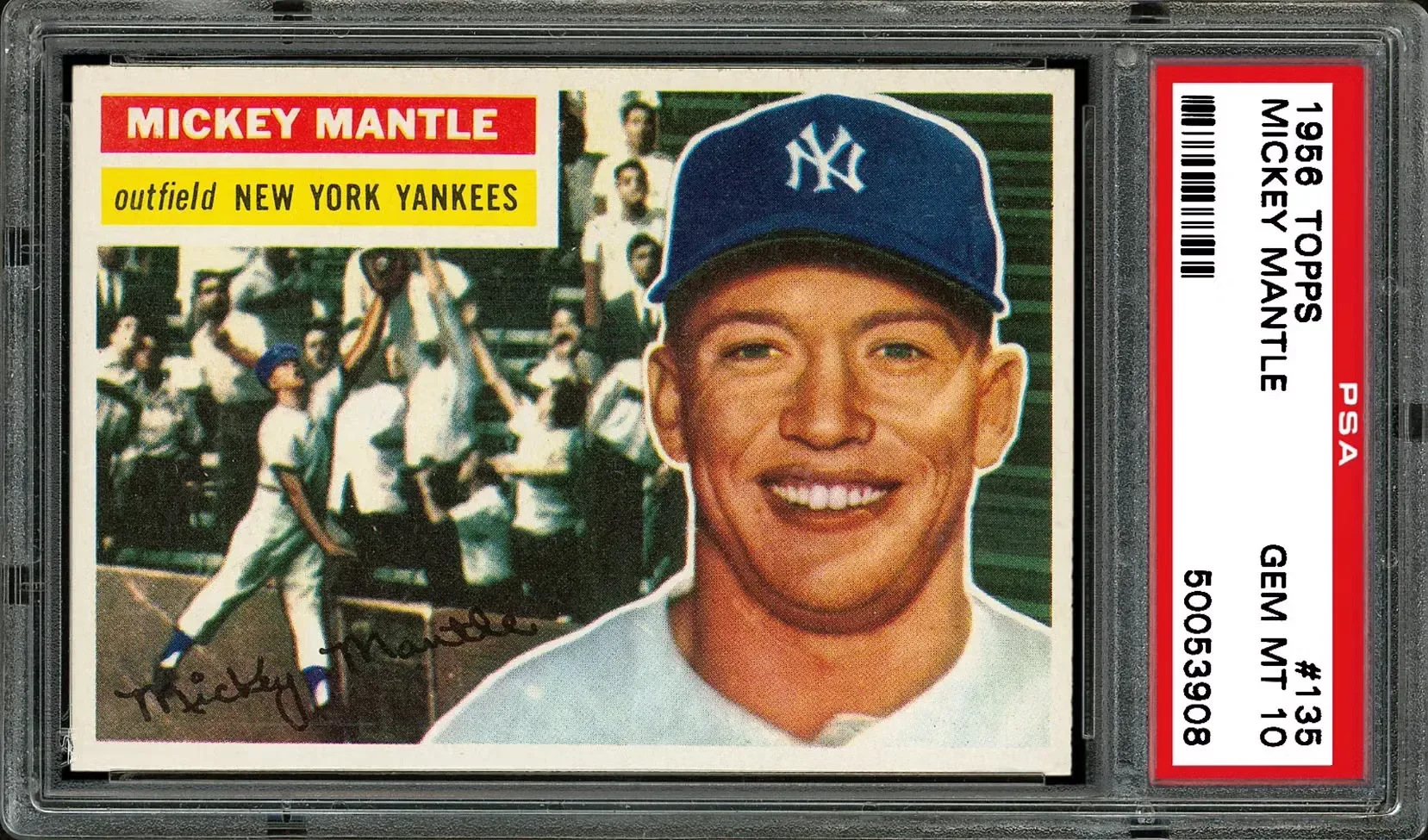
Pre-1985 material remains one of the hottest categories in the hobby, especially across the major sports. These boxes carry vintage appeal, feature Hall of Fame-heavy checklists, and have a supply base that has been thinning for decades. They are difficult to replace once absorbed into long-term collections.
Baseball boxes from 1980 to 1985 are standing out because they still offer nostalgia and star power without always requiring the budget needed for earlier vintage wax. For many collectors, that stretch represents a sweet spot: old enough to feel scarce and meaningful, but still attainable compared with pre-1981 product.
Another standout window is 1995 through 2005. That range is drawing heavy interest from collectors who grew up during the insert boom, the rise of serial-numbered cards and the arrival of high-end brands. Basketball has been especially strong in this area, with late-1990s products and 2003 releases seeing notable attention because of Michael Jordan, Kobe Bryant and LeBron James.
Even the so-called Junk Wax Era is participating. Boxes from roughly 1987 to 1992 are still inexpensive compared with blue-chip vintage, but they are moving higher as nostalgia-driven buyers chase familiar packaging and affordable ripping experiences. A box that once sat at $29 can now be a $59 item, and those percentage gains matter to a market that had been dormant for years.
Why factory-sealed case boxes are commanding premiums
One of the clearest signs of a maturing sealed-wax market is the premium being placed on boxes that come from sealed cases. In hobby shorthand, these are often called FASC boxes, meaning they originated from a factory-sealed case.
Collectors are increasingly willing to pay more for that pedigree because of concerns about searched, cherry-picked or tampered product. Boxes with stronger provenance offer more confidence that no one has already targeted visible top or bottom cards, or otherwise selected around expected contents. In some parts of the market, FASC boxes have seen price increases of 50% to 100% as buyers compete for the cleanest possible examples.
That shift highlights how sophisticated wax buyers have become. It is no longer just about owning a sealed box. It is about owning the best version of that sealed box, with the strongest paper trail and the fewest questions attached to it.
Singles are pulling wax higher
The relationship between singles and sealed product has become one of the biggest drivers of current pricing. When key cards surge, unopened boxes almost always follow.
That connection is especially visible in basketball. As top-end Jordan rookie cards have strengthened again, boxes from 1986 Fleer have drawn renewed attention. Buyers understand that the supply of those boxes is finite, while the upside of the chase remains tied to one of the most important cards in the hobby.
The same logic extends to late-1990s products loaded with rare inserts. The stronger the market for chase cards, the more buyers are willing to spend on sealed wax from those years. In that sense, unopened product functions partly as entertainment and partly as leveraged exposure to elite singles.
There is also an emotional component. Buyers are not just calculating odds on a spreadsheet. They are paying for the experience of opening history, the possibility of uncovering a grail, and the thrill that sealed product still delivers in a way many other collectibles cannot.
The 25-year nostalgia cycle is showing up again
One theory gaining support in the hobby is that products often get especially hot about 25 years after release. By that point, the kids who first encountered those cards are adults with disposable income, and the memories attached to those products start converting into real buying power.
That pattern helps explain why material from the late 1990s and early 2000s has become so active. Boxes from 1999 are drawing attention from basketball collectors because they sit near the end of Jordan's Bulls era and still offer compelling star content. Releases from 2003 are especially important because of LeBron James. For collectors who came of age in that span, unopened wax from those years can feel like the perfect blend of nostalgia, design and star power.
The same idea applies to baseball and football as well. As each generation ages into stronger purchasing power, the boxes of its childhood tend to become more desirable, especially when surviving supply is already limited.
Modern box fatigue is helping older wax
Another factor supporting the category is frustration with the modern sealed market. Many newer hobby boxes now carry premium price tags, and not every collector feels comfortable paying four figures for a current release. That has pushed some buyers toward older boxes that offer a different kind of value.
For these collectors, vintage or semi-vintage wax can deliver more enjoyment per dollar. A box of 1987 Topps baseball, for example, may not offer the financial ceiling of a high-end modern chrome release, but it can provide a fun, recognizable rip at a much more approachable entry point. Familiar designs, memorable rookies and the emotional pull of childhood collecting make those boxes easy sells to buyers in the 40-to-55 age range.
This dynamic has also softened the old stigma around mass-produced product. While individual cards from overprinted years may still be common, sealed boxes and packs from those same years are increasingly being treated as nostalgia pieces with a finite surviving supply. In unopened form, even former junk wax has become more collectible than many people once expected.
Authentication demand is showing how crowded the market has become
The surge in wax demand is not just visible in prices. It is also visible in the strain on authentication services.
Baseball Card Exchange, widely known in the hobby as BBCE, paused sealed-wax authentication submissions in March after a major backlog built up. The volume was so intense that 12 pallets of sealed wax reportedly arrived during a five-day stretch after the pause announcement. Turnaround times that had once measured in weeks had stretched into several months.
That pressure says a lot about where the market stands. As prices rise, more owners want their material authenticated, wrapped and documented before selling or displaying it. Authentication matters because sealed product remains vulnerable to resealing, box manipulation and other forms of tampering. In a stronger market, confidence becomes even more important.
The workload also reflects the increasing complexity of the category. Sealed wax authentication is not something that can be easily scaled with a few new hires. Detecting altered packaging requires deep familiarity with era-specific wrapping methods, display patterns, glue issues, folds, seams and evolving counterfeiting techniques.
What collectors are actually buying
Demand is not limited to one sport or one price point. Basketball appears to be the strongest major sport in unopened material, with baseball close behind, followed by football and hockey. Trading card games, particularly Pokémon, are also attracting major interest and often compete with sports categories for collector dollars.
Within sports, buyers are active at both ends of the market. High-end collectors are chasing blue-chip vintage boxes, premium late-1990s basketball products and key 2003 basketball releases. Meanwhile, nostalgia buyers are snapping up lower-priced wax from the 1980s and early 1990s that still connects directly to their childhood.
Examples mentioned by major hobby voices in the market include:
- 2018 Topps Update hobby boxes tied to Shohei Ohtani rookie-card demand
- 1985 Donruss baseball sealed boxes, which have risen sharply in less than a year
- 1986 Fleer basketball boxes moving higher alongside Jordan rookie-card strength
- 1997 and 1998 Metal Universe basketball because of PMG chase cards
- 1997-98 SkyBox E-X2001 and late-1990s Flair Showcase basketball
- 2003 basketball boxes driven by LeBron James rookie-year interest
That range matters. It shows sealed wax is no longer a niche reserved only for high-end vintage specialists. The market now includes investors, display collectors, nostalgic rippers, breakers hunting standout content, and long-term hobbyists building era-based unopened collections.
Why supply keeps feeling tighter
Sealed wax is one of the few hobby categories where the supply story is easy to understand. No one is making more of these boxes, and many of the surviving examples are effectively off the market. Some are tucked away in private collections. Some are being held as long-term investments. Some are displayed and never intended for resale. Others disappear forever the moment they are opened.
That combination creates a constant grind lower in available inventory, even when prices rise. Dealers say older premium product has become difficult to keep in stock, both in stores and online, because fresh supply is not keeping pace with demand. Owners are often more willing to sell other collectibles before they part with authenticated sealed wax, especially when they believe the category still has room to grow.
Pre-1980 material appears especially scarce. Truly older boxes surface less often, and unusual finds stand out quickly. That helps preserve the premium attached to advanced vintage unopened product, while later years continue to benefit from larger collector familiarity and more accessible price points.
The market's next phase
The current wax market is being driven by more than hype. Scarcity is real, nostalgia is deep, and the link to single-card prices remains powerful. Those fundamentals do not guarantee every box will keep rising at the same pace, but they do explain why unopened product has become such a central part of the hobby conversation.
Collectors looking at sealed wax today are not all buying for the same reason. Some want a rip. Some want a display piece. Some want long-term exposure to iconic rookies and inserts. Others simply want the box they stared at in a card shop decades ago. That wide mix of motivations is one reason the category has been able to strengthen across such a broad range of eras and sports.
As long as boxes keep getting opened, authenticated examples keep getting harder to replace, and the hobby's most important singles stay strong, sealed wax should remain one of the market's most closely watched segments.
Photo Gallery