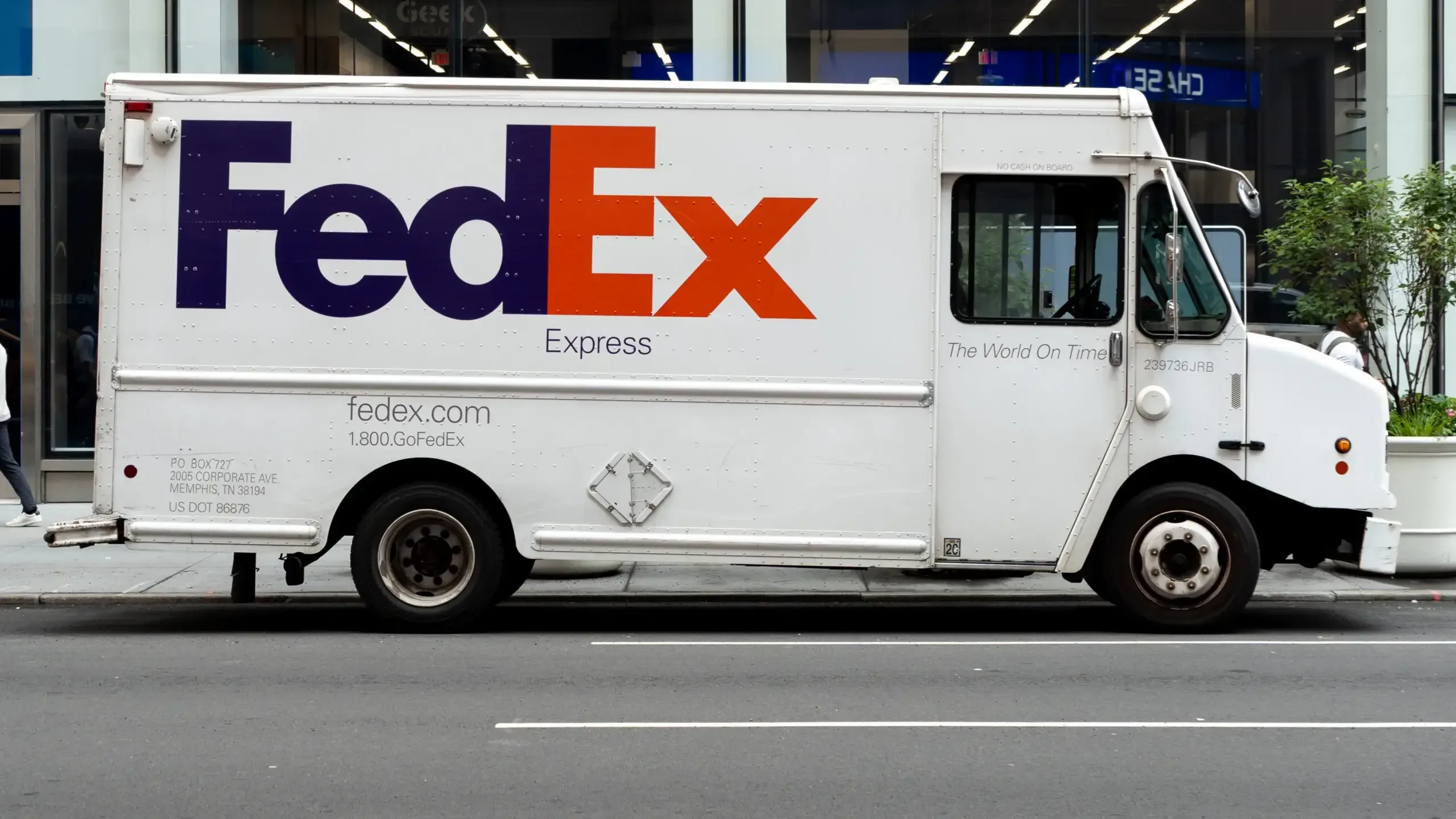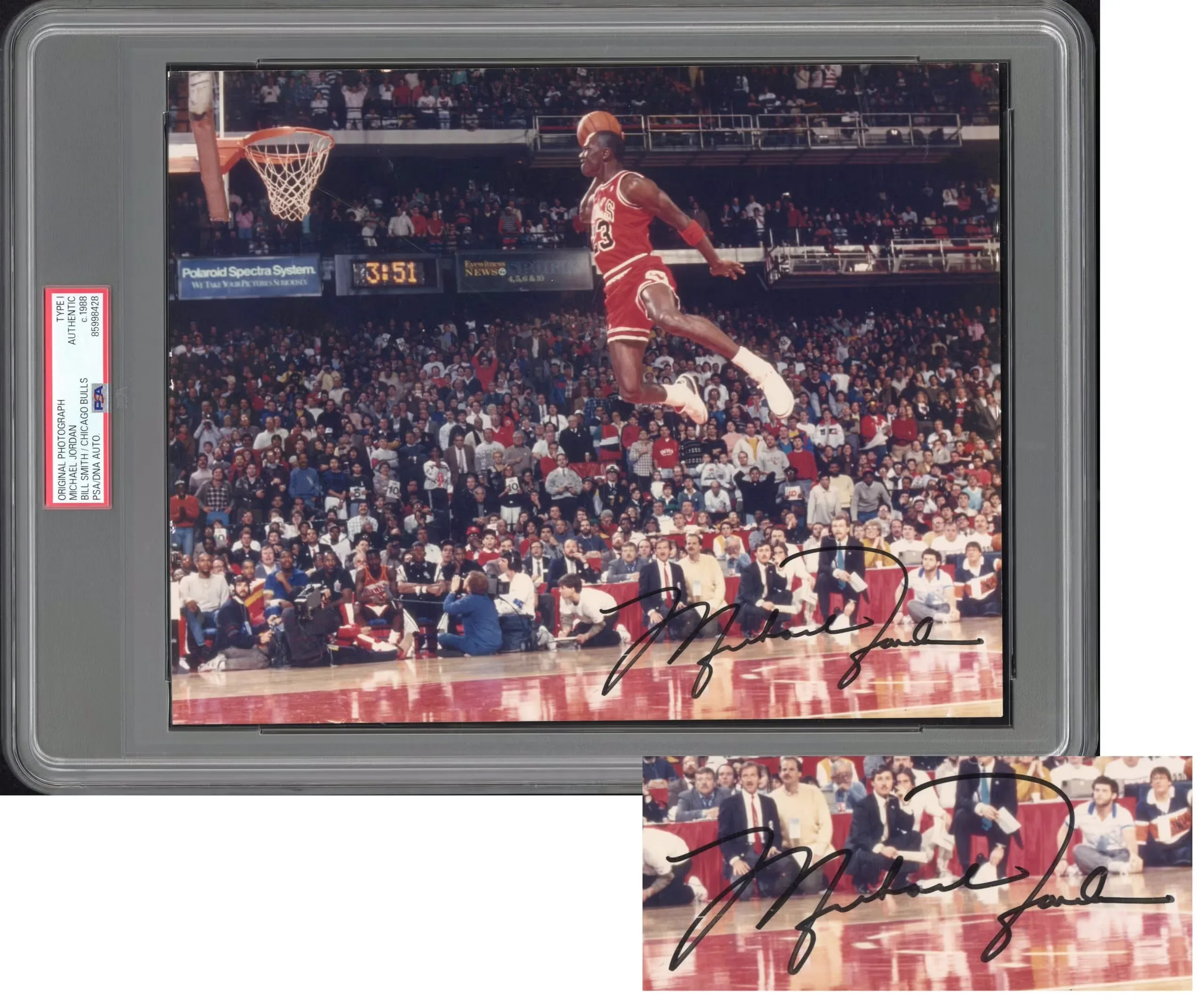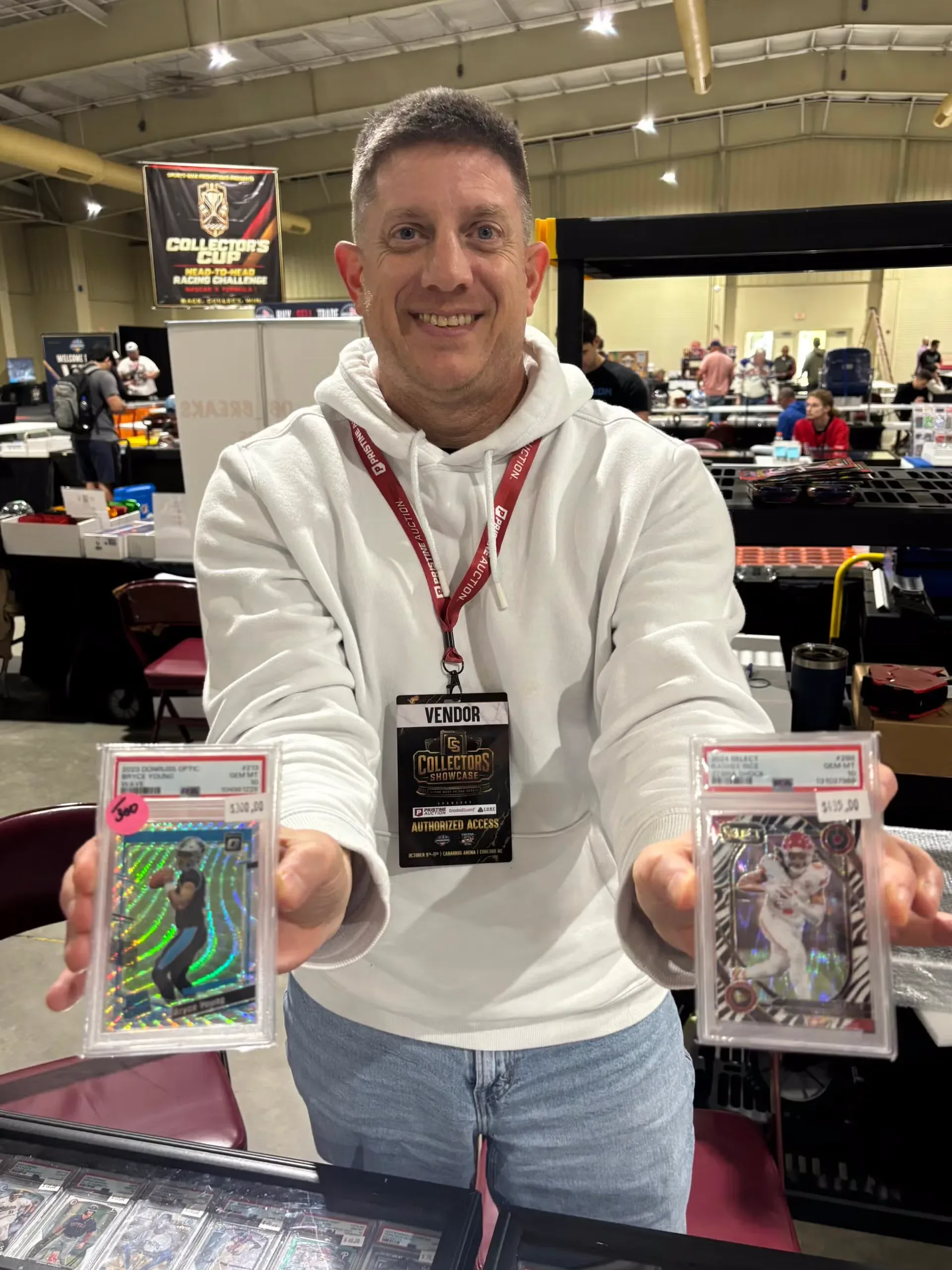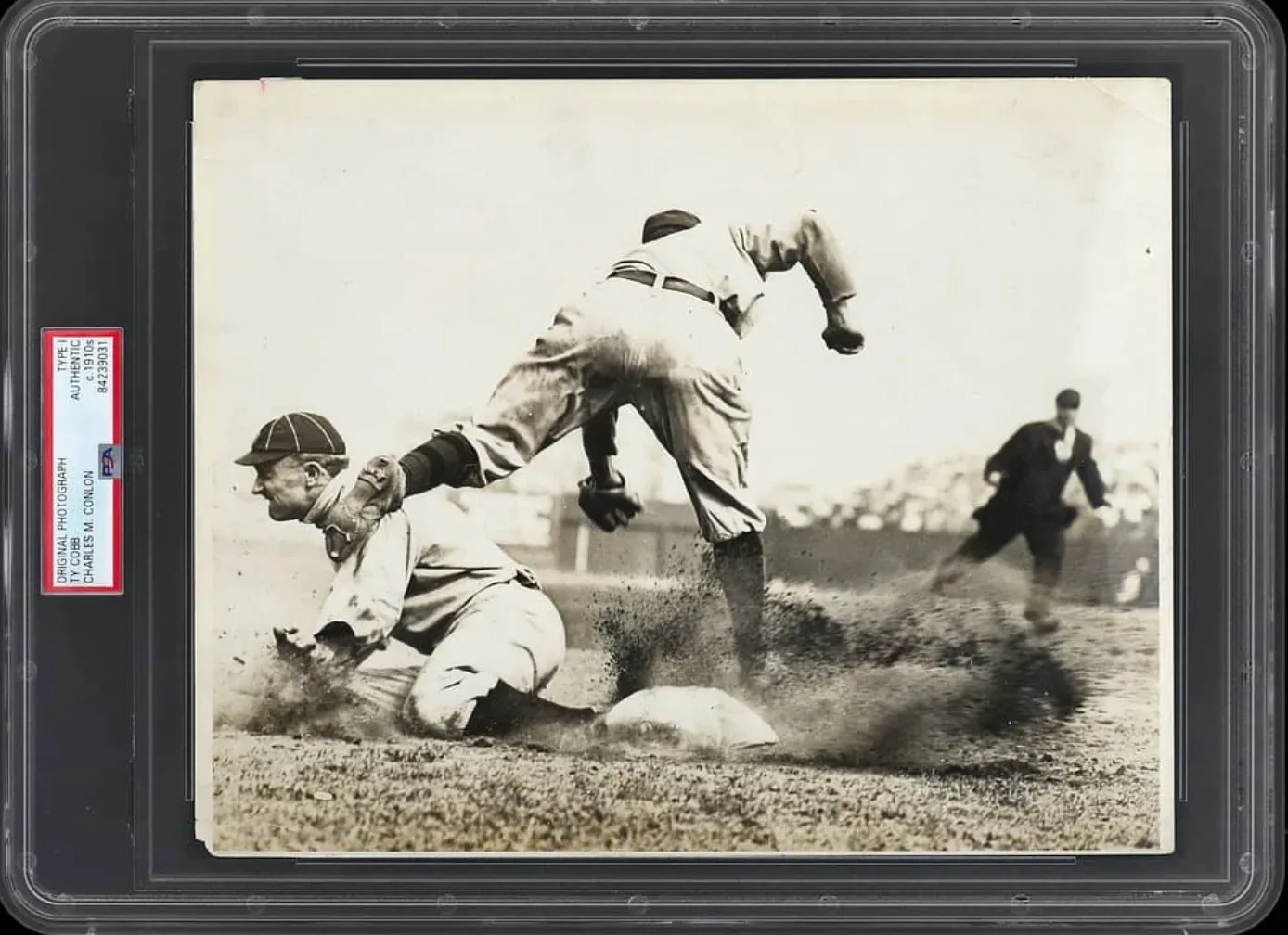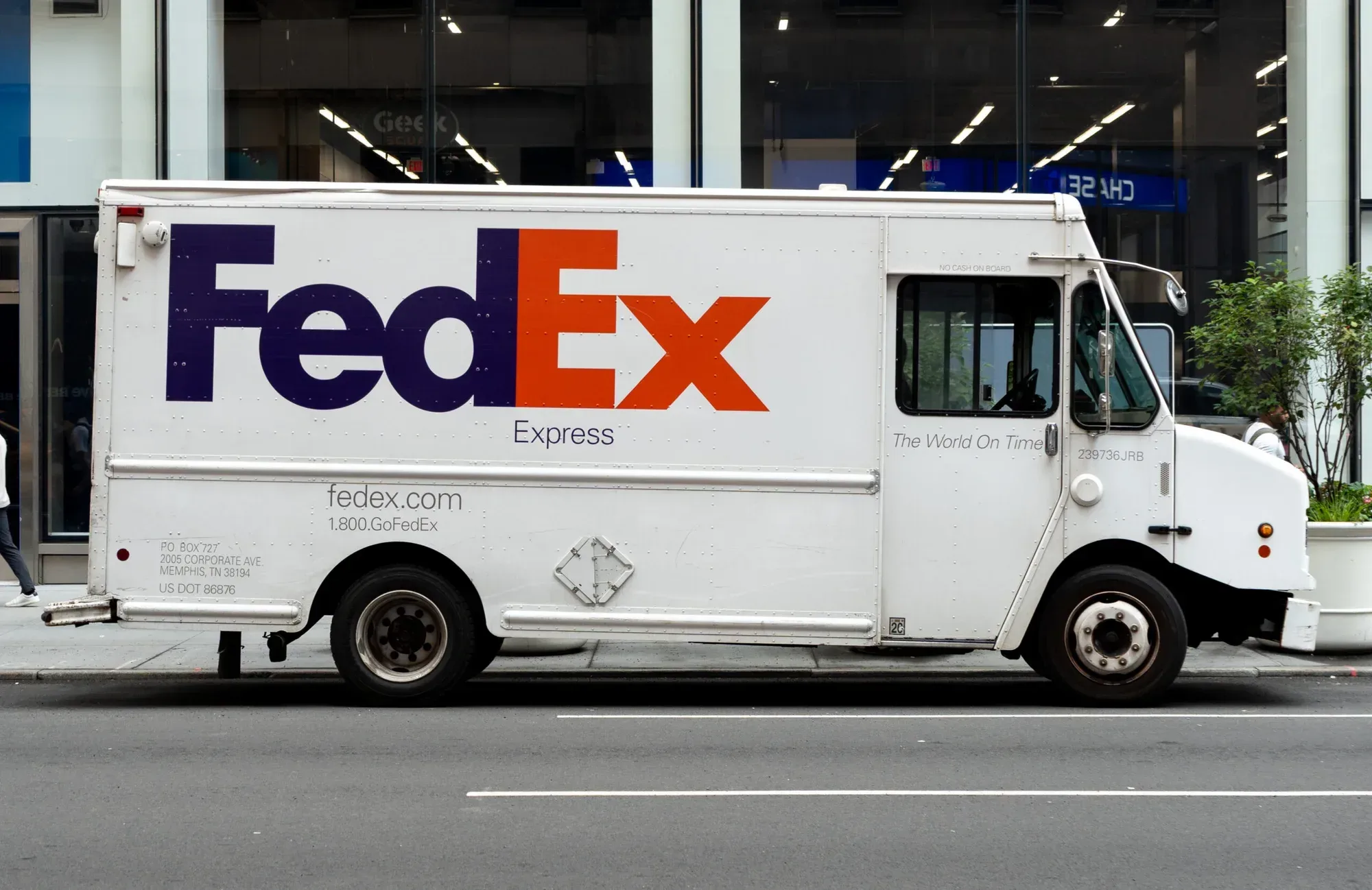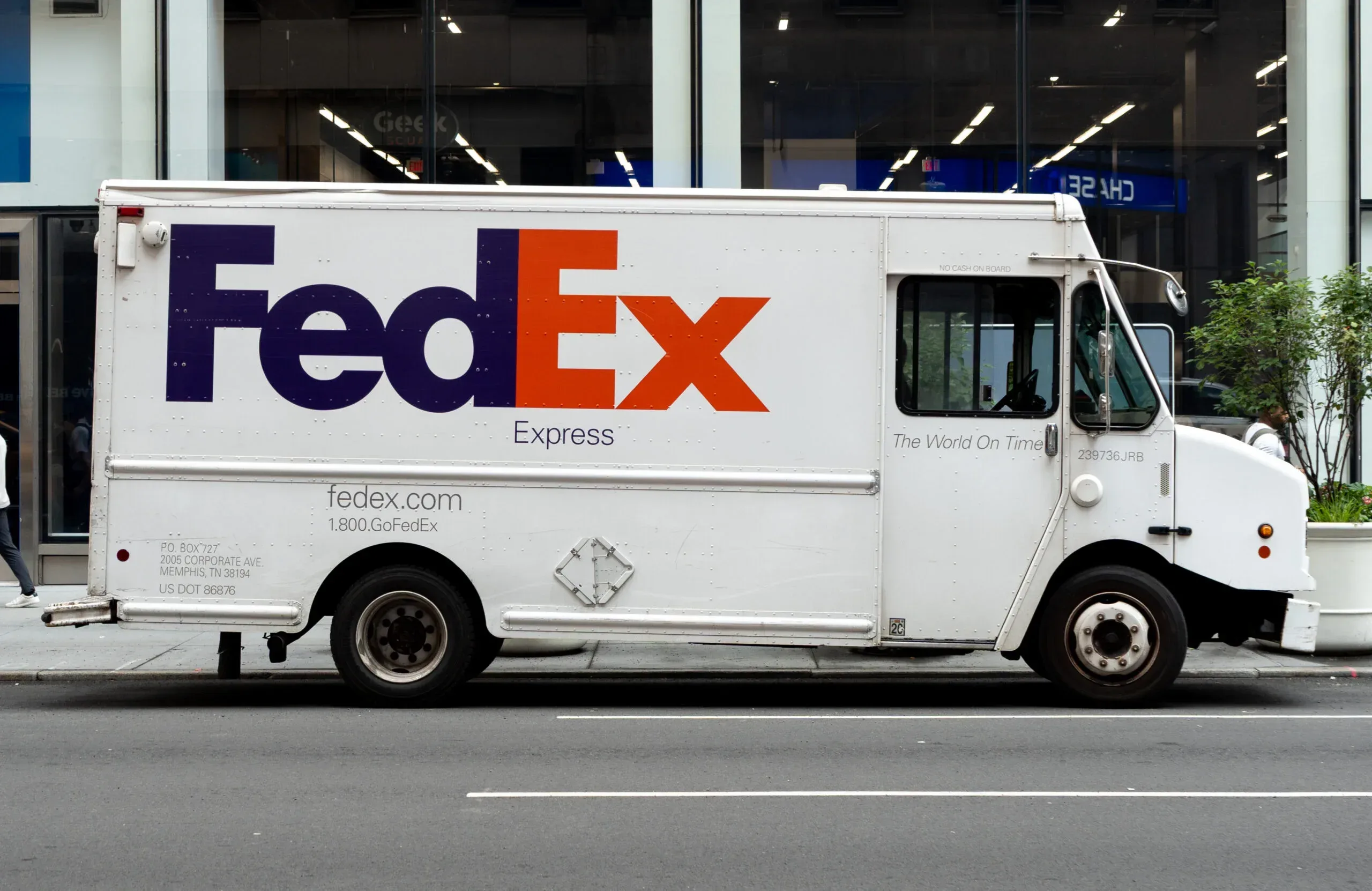
A major theft involving graded trading cards has sent a jolt through the hobby after roughly 250 packages were taken from a FedEx truck parked near PSA headquarters in Santa Ana, California.
Police said the stolen shipment included sports cards and Pokémon cards that had already been graded by PSA and were on the way back to their owners. The estimated value of the missing packages is approximately $963,000, making it one of the most alarming card-related shipping incidents in recent memory.
The theft has triggered widespread concern among collectors, dealers, consignors, and submitters who rely on grading companies and commercial carriers to move high-value inventory safely through the mail stream.
Theft happened near PSA’s shipping area
Authorities said the packages were stolen on Oct. 13 from a FedEx truck that had been parked near PSA’s shipping and receiving facility in Santa Ana. Police said the driver left the vehicle unattended for roughly 60 to 90 minutes during that window.
For more collector background, read PSA Deactivates Stolen Slabs After FedEx Truck Theft Hits Collectors for More Than $100,000.
That detail quickly became a focal point for collectors following the case. High-end graded cards often travel in concentrated shipments that can contain six-figure value in a single run, and a truck positioned outside a major grading hub can represent an especially attractive target.
Because the missing packages had already completed the grading process, many of the cards were encapsulated and tied to specific PSA certification numbers. That creates a paper trail that may help investigators, marketplaces, and buyers identify stolen material if it surfaces for resale.
What PSA and Collectors said
Collectors, the parent company of PSA, confirmed it is aware of the theft involving a third-party shipping vehicle carrying PSA-graded items. The company said it is working with law enforcement and the carrier while the investigation continues.
For another perspective on this story, read Nearly $1 Million in PSA-Graded Sports and Pokémon Cards Stolen From FedEx Truck in Santa Ana.
The company also said PSA has deactivated the certification numbers tied to the stolen items and alerted marketplace partners to watch for any attempts to sell the missing cards. That step is significant because certification numbers are often used by buyers, auction houses, and marketplaces to verify a slabbed card before a transaction is completed.
If a stolen card appears in the market with a deactivated cert number, it may become easier for platforms and potential buyers to flag the item. In practical terms, that does not eliminate the risk of private sales or in-person movement of the cards, but it does create friction for anyone trying to reintroduce the stolen slabs into mainstream hobby channels.
Compensation process for affected customers
Collectors said impacted customers have been contacted and that compensation is being arranged based on fair market value, up to the maximum insured value selected by each customer before grading. That detail is likely to draw close attention from submitters, especially those who declared values below current market levels in order to manage grading costs.
Declared value has long been one of the more sensitive parts of the grading process. It affects service tier eligibility, insurance limits, and sometimes return-shipping considerations. In a case like this, the difference between a card’s current market value and its selected insured amount could become an important issue for customers trying to recover losses.
Collectors also said PSA plans to review its processes and procedures to determine whether shipping-partner education or other operational changes could help prevent a similar incident in the future.
Why this case is hitting the hobby so hard
The scale of the theft is a major reason the reaction has been so intense. Nearly $1 million in cards disappearing from a truck outside one of the hobby’s most visible grading operations touches several of the biggest pressure points in collecting: trust, logistics, insurance, security, and the vulnerability of high-value cards while in transit.
For many collectors, grading submission is already the most nerve-racking stage of ownership. Cards leave the submitter’s hands, move through multiple custody points, spend time at a grading facility, and then travel again before finally arriving home. Even with tracking and insurance, there is an unavoidable period where prized inventory is out of sight and dependent on third-party handling.
This incident also reinforces a concern that has been building as card values rose over the past several years. Sealed shipments, show inventory, and outgoing graded returns are increasingly seen as targets when criminals believe they can intercept concentrated value quickly.
Dealer losses are already surfacing
At least one dealer, SKY-B Cards, publicly identified itself as one of the victims and said it lost more than $100,000 in graded cards in the theft. That disclosure helped put a real-world number on the personal and business fallout behind the headline figure.
For dealers, stolen return shipments can affect far more than raw inventory value. Missing cards can derail consignment timelines, interrupt customer fulfillment, create cash-flow problems, and damage momentum for businesses that rely on regular grading turnover. If any of the stolen packages included time-sensitive cards intended for auctions, show inventory, or immediate resale, the financial ripple effect could extend well beyond the cards themselves.
Collectors face a different kind of loss. Many graded cards are replaceable in theory but not in practice, especially if they carry premium grades, eye appeal advantages, unusual subs, or sentimental ownership value. A fair market payout may cover price, but it cannot always restore a specific card.
How deactivated PSA cert numbers may help
One of the most important developments in the case is PSA’s decision to deactivate the certification numbers connected to the stolen cards. In the slabbed-card market, a cert number is more than an ID. It links a card to an entry in PSA’s system and can be checked by potential buyers before a purchase.
That means dealers, collectors, auction houses, and marketplaces now have a stronger tool for screening suspicious listings. If a cert tied to the theft appears online, it may be recognized more quickly and removed or reported.
There are limits, however. A bad actor could still attempt to move stolen cards through private channels, local transactions, or uninformed buyers who do not verify certs before paying. Some may even crack slabs in an effort to separate a card from its original holder and certification trail. Even so, deactivation raises the difficulty level and may reduce the number of easy exit paths for stolen material.
What collectors should watch for next
The next phase of the story will likely center on three areas: the criminal investigation, visibility of specific stolen cards in the market, and how compensation is handled for affected submitters.
Collectors should expect continued monitoring by marketplaces and increased sharing of suspicious cert numbers across hobby communities. Social media has already become part of the response, with many hobbyists circulating information and urging buyers to be cautious if unusually high-end PSA-graded cards emerge with questionable provenance.
Anyone shopping for PSA slabs in the near term should take extra care to verify certification numbers, compare listing details closely, and ask pointed questions about recent acquisition history when a card seems out of place. Provenance matters even more in moments like this, especially for high-value vintage, star rookie, rare parallel, and premium Pokémon material.
Security concerns extend beyond a single shipment
This theft also revives a larger hobby issue that reaches beyond one grading company or one delivery route. Card security is no longer limited to safes, showcases, and show floors. It now includes shipping lanes, warehouse procedures, transfer points, declared-value decisions, insurance structures, and the visibility of high-value movement around major hobby businesses.
Collectors and dealers routinely send large dollar amounts through the mail, sometimes without fully appreciating how attractive those shipments can be. A concentrated return from a grading company can include months of submissions and years of collector value in one box. When dozens or hundreds of those parcels move together, the risk profile changes dramatically.
Cases like this may increase calls for tighter controls around parked vehicles, shorter unattended windows, stronger handoff protocols, and more proactive shipping safeguards for known high-value routes tied to grading operations and major hobby destinations.
What this means for submitters using grading services
For submitters, the incident is likely to prompt a fresh look at declared value strategy, insurance choices, and return-shipping expectations. Customers may become more conservative about under-declaring value, particularly on cards with strong recent comps or cards that would be difficult to replace in equivalent condition.
It may also encourage some collectors to spread submissions across multiple shipments rather than concentrate too much value in a single return. Others may start documenting their cards more thoroughly before grading, including scans, serial details, and estimated market comps, to make any future claim process easier to support.
The case is also a reminder that grading does not eliminate risk once a card leaves the facility. A slab may improve authentication confidence and resale liquidity, but the physical movement of that card still depends on carrier security and handling discipline from pickup to delivery.
Known facts from the incident
- Date of theft: Oct. 13, 2026
- Location: Near PSA headquarters in Santa Ana, California
- Carrier involved: FedEx
- Estimated number of stolen packages: About 250
- Contents: PSA-graded sports cards and Pokémon cards being returned to customers
- Estimated value: Approximately $963,000
- Vehicle status: Police said the truck was left unattended for about 60 to 90 minutes
- Response from PSA and Collectors: Certification numbers deactivated, marketplace partners notified, impacted customers contacted, compensation process underway
As the investigation continues, the most immediate practical issue for the hobby is identification. Any collector, dealer, or marketplace operator who encounters a suspicious PSA-graded card tied to a deactivated certification number may play a role in preventing stolen property from being quietly absorbed back into the market.
Photo Gallery