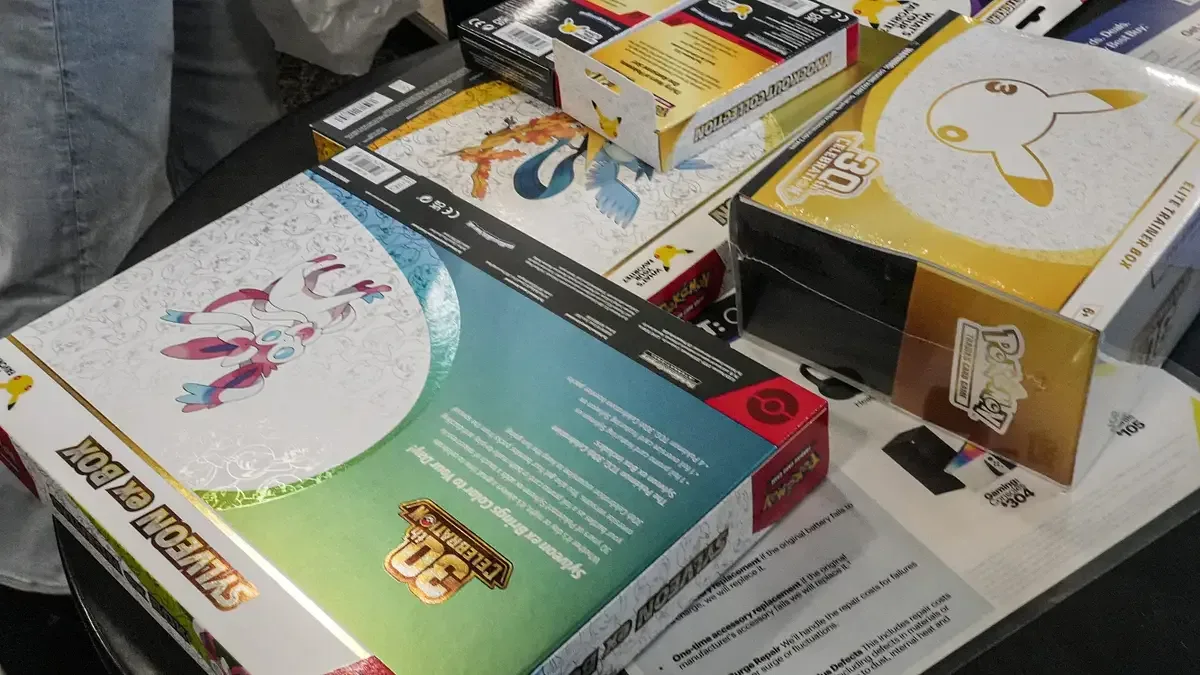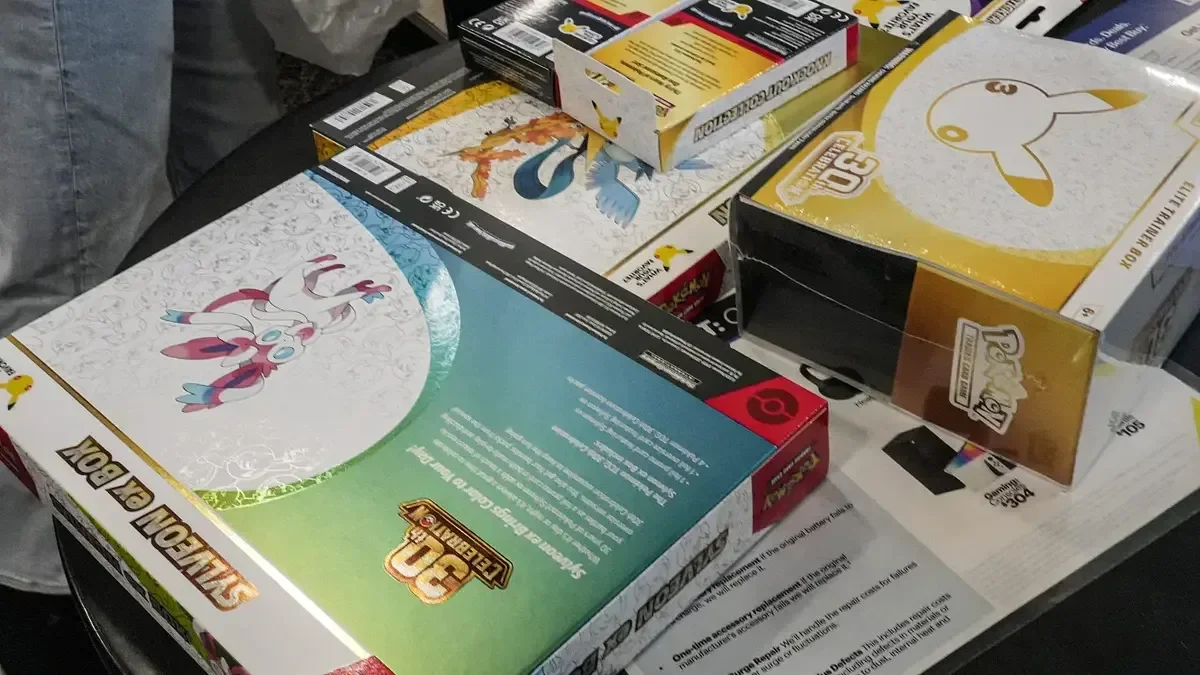
Pokémon 30th Celebration arrived with major expectations, limited early shelf stock, and one of the most talked-about checklists of the year. Now that packs are being opened at scale, the early story is becoming clearer: this anniversary release appears far more generous than many collectors expected, and that is already changing the singles market.
Early pack-opening data points to a product where hits show up often enough to keep ripping fun, while the highest-end rarities still remain difficult enough to preserve a true chase. For collectors, that balance matters. It means more access to desirable cards, lower barriers to building sets, and less pressure to overpay for singles during the first wave of release hype.
At the same time, the top cards in the set are still capable of producing headline sales. The difference is that the broader market is settling quickly as supply expands. That combination of solid pull rates and falling singles prices has made Pokémon 30th Celebration one of the most collector-friendly modern releases in recent memory.
Early pull-rate data shows a hit-heavy release
A widely circulated pull-rate breakdown built from a 6,500-pack sample suggests that Pokémon 30th Celebration offers strong odds across several key rarity tiers. While any individual booster pack can still miss, the overall rate of hitting something notable looks favorable compared to the fear many buyers had heading into launch.
For more collector background, read Pokémon TCG 30th Celebration Expansion Launches Worldwide With Classic Collection and More Than 150 Cards.
The headline number is simple: collectors are effectively seeing a meaningful hit roughly once every five packs. In practical terms, that keeps boxes and loose packs engaging to open, especially in a set built around anniversary appeal and nostalgia-driven inserts.
Here is how the early pull-rate data stacks up:
- ex cards: approximately 1 in 4 packs
- Illustration Rares: approximately 1 in 5 packs
- Classic Collection Rares: approximately 1 in 10 packs
- Special Illustration Rares: approximately 1 in 20 packs
- Futuristic Rares: approximately 1 in 117 packs
- RGB rares: approximately 1 in 3,200 packs
Those odds help explain why the market reacted so quickly after release. When key mid-tier and upper-mid-tier cards are entering circulation at a healthy pace, collectors who want to own them can afford to be patient. That tends to cool speculative pricing in a hurry.
Why these odds matter to collectors
Strong pull rates do not just make openings more exciting. They reshape the entire release cycle of a trading card set. In a product with extremely dry boxes and long-shot hit rates across the board, sealed demand can stay inflated because ripping feels like the only path to a major card. In a product like Pokémon 30th Celebration, the opposite can happen.
Collectors are pulling ex cards frequently enough that those are unlikely to hold oversized premiums unless a specific character, artwork, or grading outcome separates a card from the field. Illustration Rares and Special Illustration Rares also appear attainable enough that buyers do not need to chase panic pricing in the opening days.
The Classic Collection Rare tier may be one of the most important parts of the release. Anniversary-themed sets often live or die on nostalgia, and cards that revisit iconic designs from different eras give this product a broader appeal beyond pure competitive relevance or short-term hype. At roughly 1 in 10 packs, that category looks accessible enough to keep longtime fans engaged.
Meanwhile, the truly difficult pulls still exist. Futuristic Rares and RGB cards provide the scarcity needed for elite chase status, which is important for a modern flagship-style set. Without those hard-to-hit cards, the market can flatten too much. With them, Pokémon 30th Celebration seems to offer something for both casual pack rippers and high-end collectors.
RGB and Futuristic Rares are carrying the premium end
The two newest rarity concepts in the set are where scarcity shows up most clearly. Futuristic Rares, limited to Mew ex and Mewtwo ex, are landing at roughly 1 in 117 packs in the early data. That is rare enough to matter, but still within reach for active breakers and larger-volume openers.
RGB rares are a different story. At an estimated 1 in 3,200 packs, they sit in a category that can support major price swings, sharp early premiums, and a strong grading pipeline once more copies surface. These are the cards that give the set its top-end mystique.
Mew ex has emerged as the card drawing the most attention in that rarest tier. Early buyers were willing to pay a steep premium just to secure one of the first publicly visible copies, but like many launch-window spikes, the earliest sale may prove to be more of a timing marker than a lasting market baseline.
That is often how modern releases behave. The first true trophy-level sale grabs attention, then more copies hit the market, price discovery improves, and the gap between early hype and stable value begins to close.
Early sales already show prices adjusting lower
The first wave of Pokémon 30th Celebration singles hit the market at prices fueled by scarcity, anticipation, and launch-day urgency. That phase did not last long.
As more product started getting opened worldwide, prices for much of the set began to slide. The broad trend appears to be a cooling market, especially outside the rarest chase tiers. This is exactly what collectors would expect when supply rises in a set with favorable hit rates.
The most dramatic early example involves RGB Mew ex. One publicly known early sale reached $20,000, a number that reflected the frenzy around obtaining one of the first copies to market. Since then, comparable versions of the card in other colors have dropped sharply, with current floors sitting around $4,000.
That kind of decline is eye-catching, but not unusual in a newly released product. Early sales often reward speed more than long-term value. Sellers who list first can capture aggressive buyers who want the card immediately, whether for collecting, showcasing, or submitting for grading as fast as possible.
Another telling example is the Pikachu ex Special Illustration Rare “Night” variant. Pre-release and early-release excitement helped push the card as high as $1,250. Recent sales have brought that number down to about $120, a massive correction that reflects how quickly supply can pressure even one of the most popular characters in the hobby.
For collectors who skipped the earliest buying window, that drop is encouraging. For flippers who counted on sustained launch premiums, it is a reminder that this set may be better for selective timing than broad speculation.
Pokémon 30th Celebration market outlook
If current trends hold, singles prices across much of Pokémon 30th Celebration should continue to soften in the near term. That does not mean every card will collapse, and it does not mean the set lacks long-term potential. It simply means the market is still moving through the usual early-release process of finding equilibrium.
Several forces are likely to shape the next phase:
- More pack openings: As additional sealed product gets opened, supply of ex cards, Illustration Rares, Classic Collection Rares, and many Special Illustration Rares should continue growing.
- Graded inventory: Once professionally graded copies start circulating in volume, the market will separate raw-card pricing from high-grade premium pricing.
- Print run visibility: Collectors will watch closely to see how aggressively the product remains in circulation after the initial release window.
- Character demand: Cards featuring franchise pillars like Pikachu, Mew, and Mewtwo should continue receiving the strongest sustained attention.
If printing stays healthy for a while, many raw singles could become even more affordable. That would strengthen the set’s appeal to collectors trying to complete runs without spending at launch-peak levels. If product tightens later, rarer cards and top-graded copies could stabilize and eventually strengthen.
Best case for collectors, tougher environment for short-term speculators
The biggest winner in this release may be the average collector. Pokémon 30th Celebration was built to mark a major franchise milestone, and a set like that works best when fans can realistically chase cards they care about. Early evidence suggests that is happening here.
A collector opening packs has a legitimate shot at landing ex cards, Illustration Rares, and even some stronger pull tiers without needing impossible luck. A singles buyer has a good chance of watching prices come down instead of feeling forced to buy into a runaway market. Both outcomes are healthy for the hobby.
By contrast, short-term speculators may find this to be a more difficult product to navigate. When pull rates are strong and supply grows quickly, profit windows can close fast. The cards most likely to resist that pressure are the genuine scarcity plays, especially RGB cards and top-condition copies of the set’s most iconic characters.
That does not remove investment potential from the product. It simply narrows the lane. Buyers looking for lasting upside may need to focus on the true chase end of the checklist rather than assuming every hot launch card will hold early numbers.
Key cards and rarity tiers to watch
As the market keeps developing, a few names and categories stand out as the most important to track:
- RGB Mew ex: the headline card of the early market, with enough scarcity to remain a benchmark for the set
- Mewtwo ex Futuristic Rare: one of only two cards in that new rarity tier, giving it built-in collector focus
- Mew ex Futuristic Rare: a companion chase with broad character appeal
- Pikachu ex Special Illustration Rare “Night”: a useful measuring stick for how quickly popular-character premiums are normalizing
- Classic Collection Rares: a category that may gain traction as collectors spend more time with the anniversary concept
The next few weeks should reveal which cards were inflated by launch-day urgency and which ones have the kind of artwork, character demand, or rarity profile needed to hold value better than the rest of the field.
What the early data says about the set’s place in 2026
Pokémon 30th Celebration is off to a strong start because it appears to be delivering on two fronts that do not always coexist. It has enough chase appeal to keep collectors engaged, and it has generous enough pack odds to prevent the release from feeling punishing.
That balance is a big reason the set is already being viewed so positively. Collectors are seeing more hits, singles buyers are finding prices that are moving toward accessible territory, and the rarest cards still have enough difficulty to keep the upper end meaningful. If that pattern continues, Pokémon 30th Celebration could end up being remembered less for launch-day hype and more for how well it served the people who actually wanted to collect it.
For anyone watching the market now, the most useful indicators are straightforward: monitor supply growth, track the rarest Mew and Mewtwo cards, and keep an eye on where popular singles like Pikachu ex settle once the first major wave of openings and grading submissions works through the system.
Photo Gallery