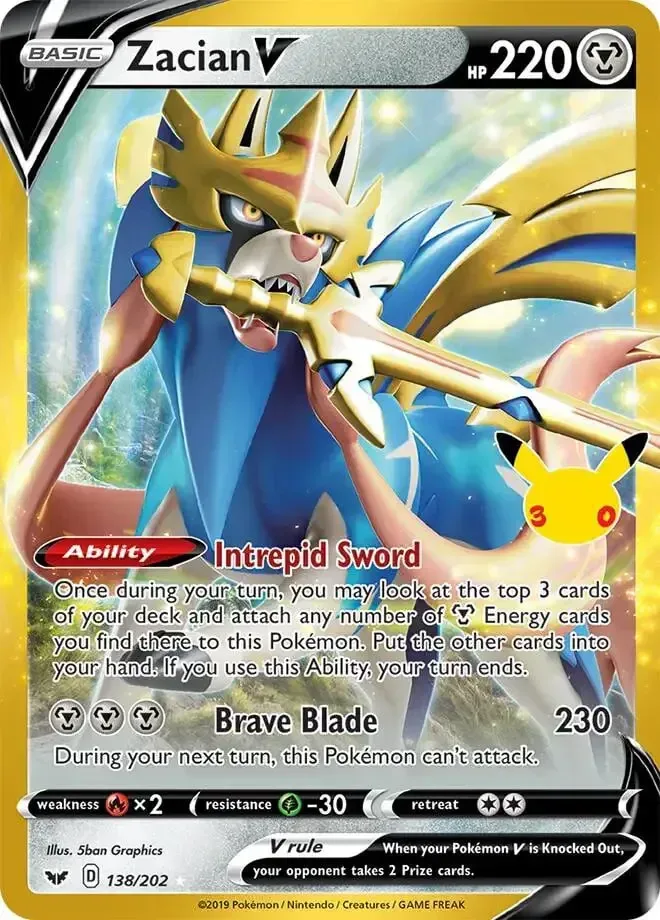
The final ultra-modern group in the Pokémon 30th Celebration Classic Collection brings together five cards that many active collectors and players will recognize immediately. Unlike older nostalgia-driven inclusions, these selections come from a much more recent period of the Pokémon TCG and reflect two clear themes: competitive impact and standout visual appeal.
The mix includes Sword & Shield Zacian V, Vivid Voltage Amazing Raikou, Fusion Strike Mew VMAX, Brilliant Stars Arceus VSTAR, and Paldea Evolved Magikarp. Some earned their place because they were format-defining cards during their Standard runs. One made the cut because its artwork became a modern fan favorite. Together, they offer a useful snapshot of how the market treats reprints versus original versions when the card is still fresh in collectors' minds.
Why these ultra-modern picks stand out
When a celebration-style subset revisits recent cards, the challenge is different than it is with vintage-era material. Older cards usually rely on deep nostalgia and historical significance. Ultra-modern cards still have recent market memory attached to them, so collectors are more likely to compare the reprint directly to the first version instead of viewing it as a distant callback.
That dynamic makes this group especially interesting. Four of the five cards built their reputations through tournament relevance, deck strength, or championship pedigree. The fifth, Magikarp, represents the opposite side of the hobby: a card driven by art, character popularity, and display appeal rather than gameplay. That split helps explain why some 30th Celebration reprints are selling above their originals, while one original remains dramatically more expensive.
For more collector background, read Pokémon 30th Celebration Classic Collection Spotlights Early 2010s Favorites From Darkrai & Cresselia LEGEND to Genesect EX.
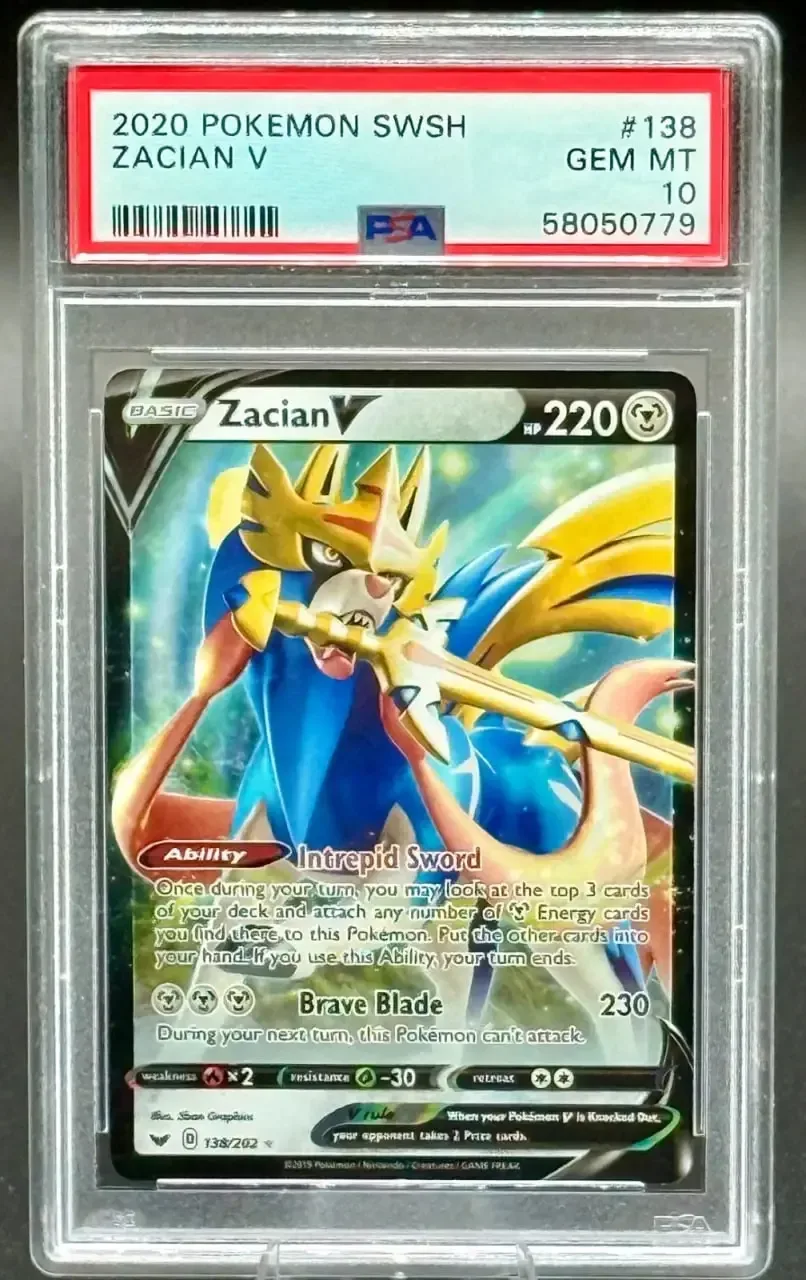
Sword & Shield Zacian V
Zacian V was one of the signature competitive cards of the Sword & Shield era. It did not need an elaborate treatment or a premium visual gimmick to become important in the hobby. Its value came from performance. For a large segment of players, Zacian V was remembered first as a serious tournament card and only second as a collectible.
That kind of reputation often gives a card lasting name recognition even after rotation. A lot of collectors remember what it meant in deck building and in organized play, which makes it a natural choice when a commemorative set wants to represent the V era with a single card.
Current pricing shows an unusual edge for the anniversary version. The 30th Celebration Classic Collection Zacian V sits around $7, while the Sword & Shield Base Set original is closer to $1. That difference suggests the reprint is benefiting from subset demand and commemorative appeal more than the original is benefiting from first-print status.
For collectors, Zacian V is a reminder that original does not always mean more valuable, especially when the original was printed heavily and the reprint carries special set identity. In this case, the celebration branding appears to be doing a lot of the work.
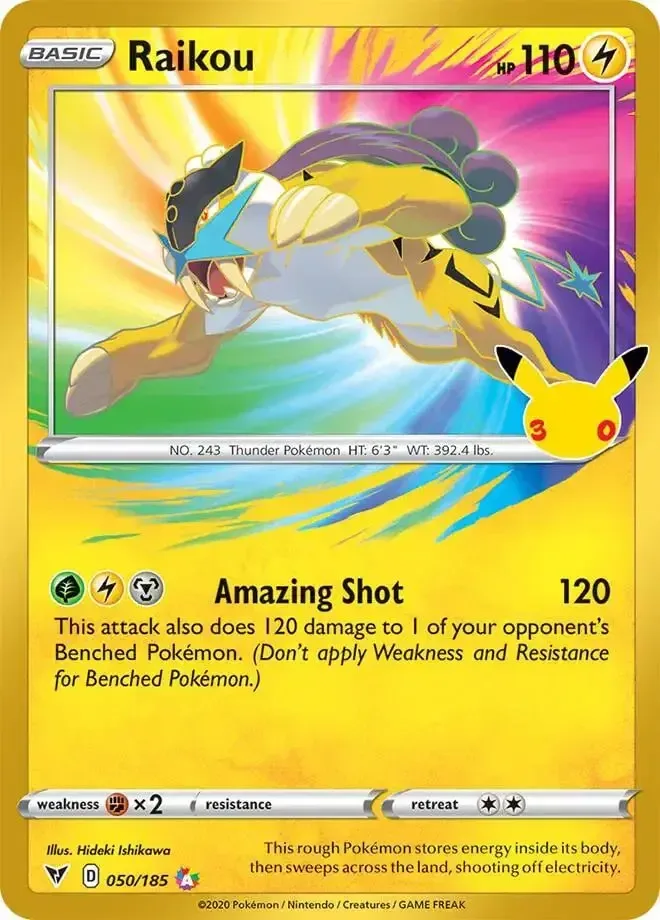
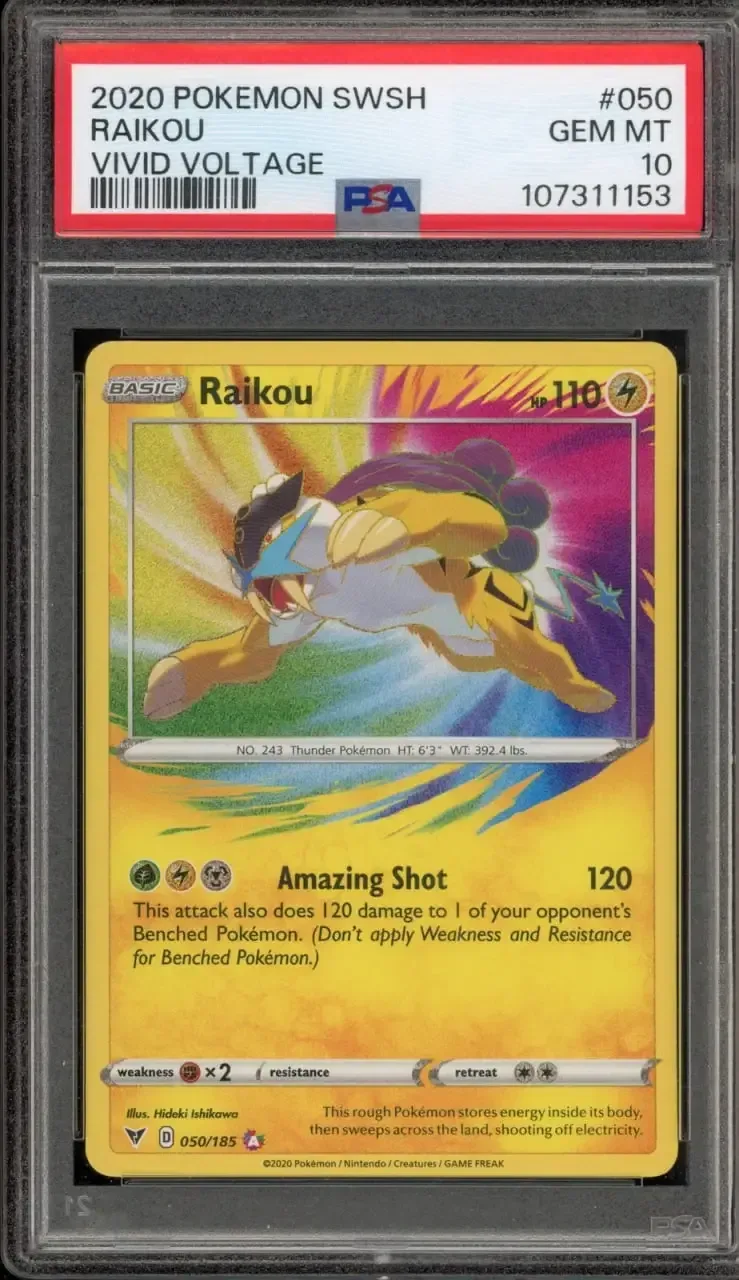
Vivid Voltage Amazing Raikou
Amazing Rare cards brought a distinct visual identity to the Pokémon TCG, but not every card in the style carried lasting competitive relevance. Amazing Raikou separated itself from the rest of that group by offering real utility during its era, giving players a one-Prize attacker that could produce meaningful damage in the right energy-support environment.
That matters because cards with both visual identity and gameplay memory tend to hold interest longer than cards that only offered one or the other. Amazing Raikou is not just remembered as part of an eye-catching subset. It is also remembered as one of the few Amazing Rare cards that translated design novelty into actual play value.
The market comparison reflects healthy demand for the 30th Celebration version. The reprint is around $10, while the original Vivid Voltage copy trends at roughly half that. It is another case where the anniversary printing has overtaken the first release in raw market price.
Collectors looking at this spread may see Amazing Raikou as one of the cleaner examples of recent reprint strength. The original remains affordable, but the celebration copy has carved out its own lane thanks to the combination of subset recognition and the card's positive reputation from the Sword & Shield era.
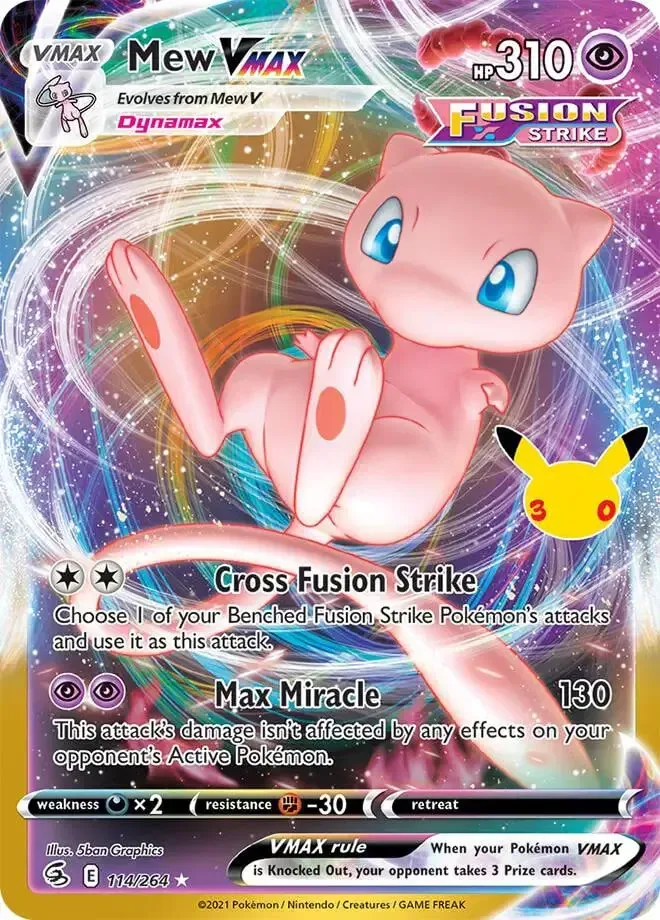
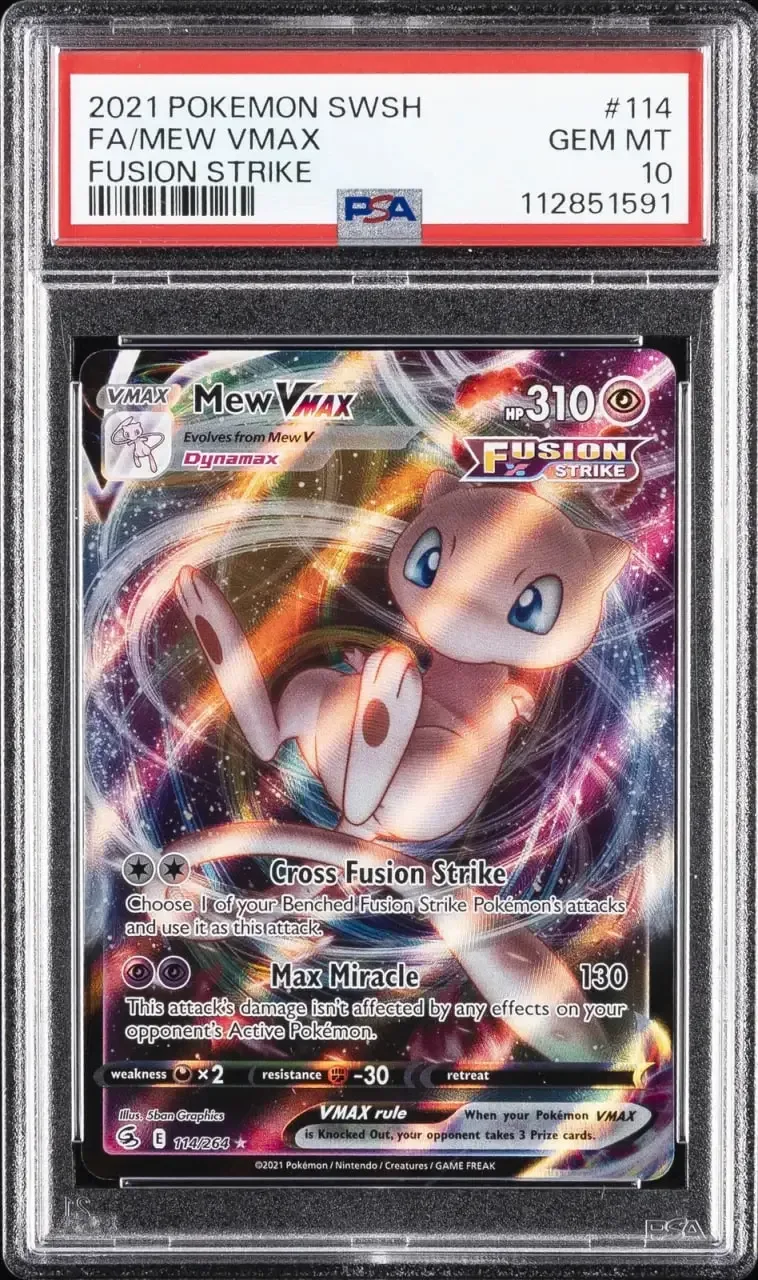
Fusion Strike Mew VMAX
Mew VMAX has one of the strongest cases of any modern card for long-term recognition. It checks nearly every box that helps a card stay relevant after its peak competitive years. It featured a flagship Pokémon, delivered top-tier performance in Standard, and carried a visual presentation that remained accessible rather than being tied to a premium rarity barrier.
Its competitive legacy is difficult to ignore. Mew VMAX became one of the defining cards of its era and earned a level of respect that extends well beyond active tournament players. Even collectors who do not play the game tend to know the card because of how often it appeared in discussions around deck power, consistency, and championship-level success.
That kind of profile makes it an easy fit for a Classic Collection meant to represent milestone cards from across Pokémon TCG history. It is modern, recognizable, and historically important inside the context of competitive play.
Price-wise, the 30th Celebration Mew VMAX sits around $20, while the Fusion Strike original averages roughly $15. The gap is not massive, but it is meaningful. It shows that the reprint has not diluted demand. Instead, it has created a second desirable version of a card that already had a strong collector base.
For buyers who want a notable modern competitive card without chasing a high-end grail, Mew VMAX remains one of the more accessible options in this entire discussion. Both versions are still attainable, which should keep interest broad.
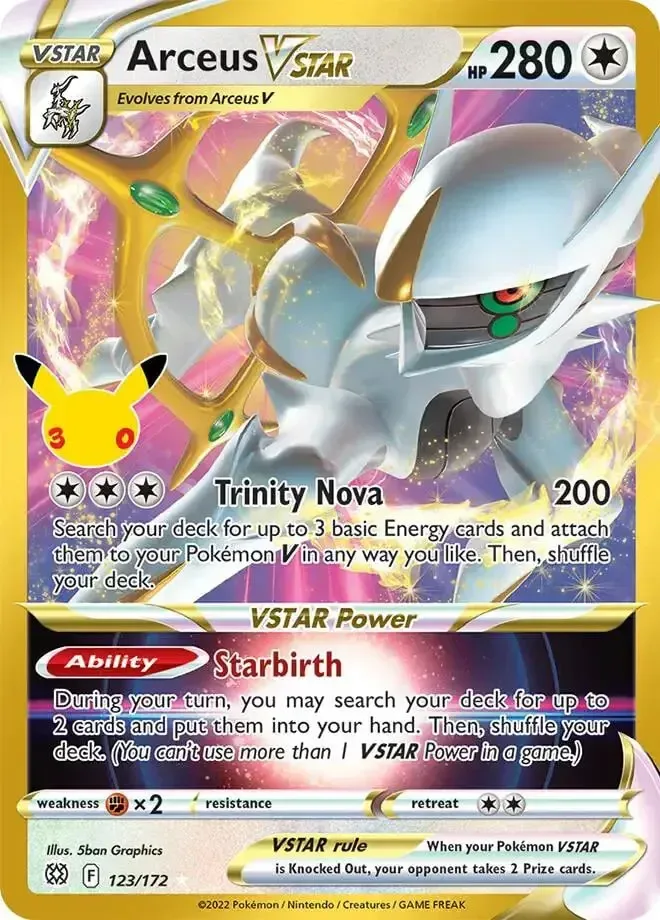
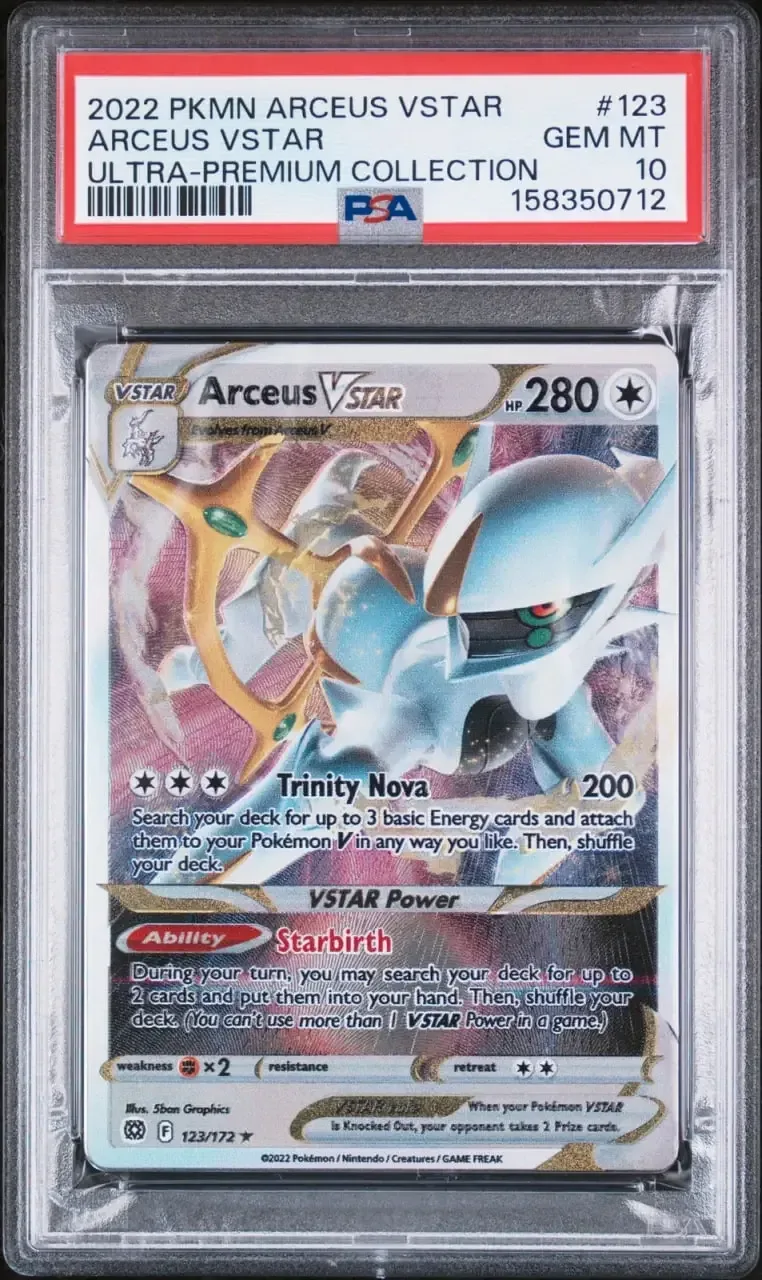
Brilliant Stars Arceus VSTAR
If Mew VMAX is one of the clearest representatives of the VMAX era, Arceus VSTAR fills a similar role for the VSTAR line. The card combined broad character appeal with elite in-game strength, giving it a profile that works equally well for players, collectors, and fans of iconic Pokémon.
Arceus cards tend to carry built-in attention because of the character's place in Pokémon lore. Add proven tournament success to that, and the result is a card with deeper staying power than many of its contemporaries. Arceus VSTAR was more than just playable. It became one of the defining cards of its Standard life cycle and a key piece in a World Championship-winning deck.
That résumé makes its inclusion in the 30th Celebration Classic Collection feel straightforward. When a set wants one VSTAR-era headliner, Arceus VSTAR is an obvious candidate.
The market also shows a clear premium for the anniversary release. The 30th Celebration version is around $10, while the Brilliant Stars original sits closer to $5. Like Zacian V and Amazing Raikou, Arceus VSTAR demonstrates that a commemorative reprint can outperform the initial release when collector attention is concentrated on the subset as a whole.
It also helps that both versions remain affordable. That keeps the card attractive to binder collectors who want recognizable era-defining pieces without stretching into far more expensive chase territory.
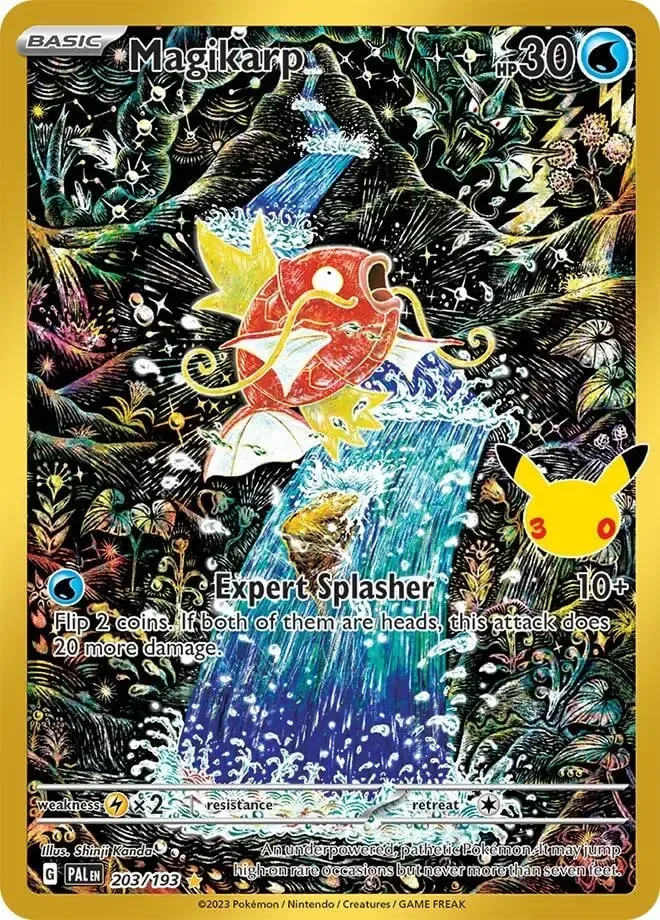
Paldea Evolved Magikarp
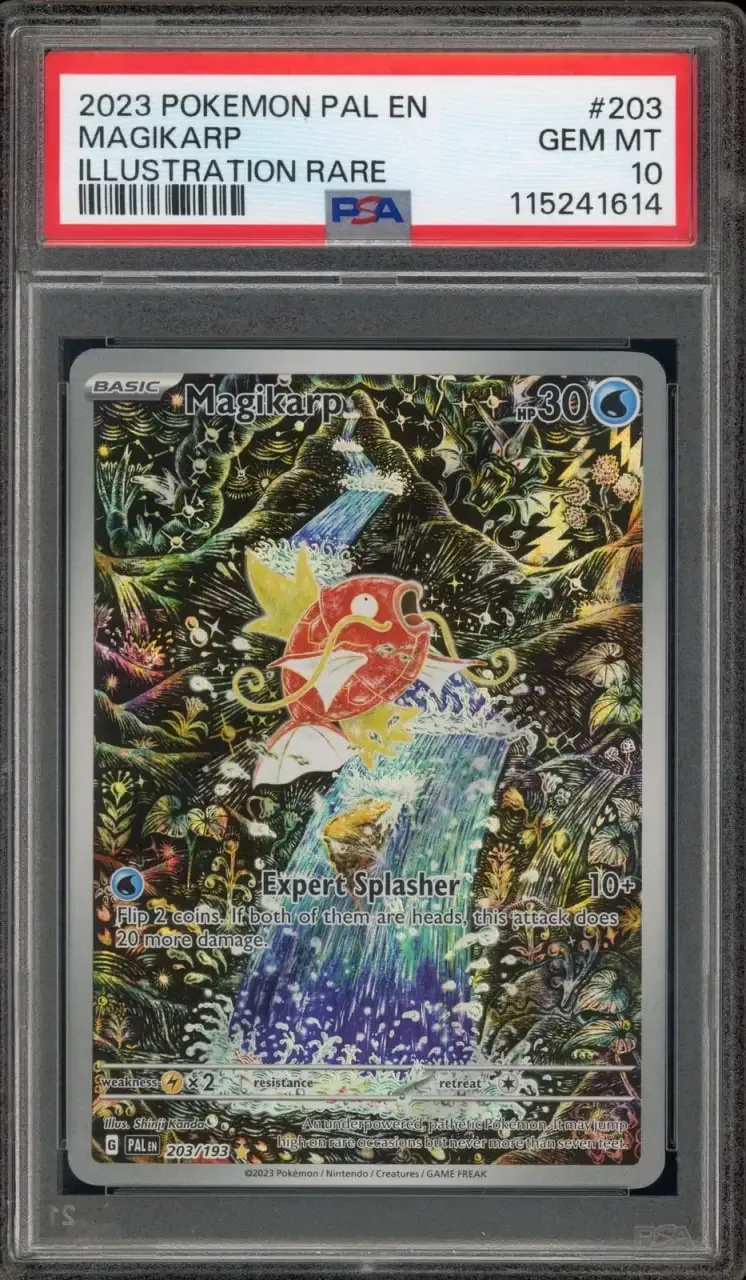
Magikarp is the outlier in this group, and that is exactly why it matters. Unlike the others, its status is not tied to tournament success or format-defining play patterns. The Paldea Evolved Illustration Rare became a hobby favorite because of its artwork, which gave the card a distinct identity that stood apart from the competitively driven selections around it.
Magikarp has always had unusual hobby appeal as a character. It is instantly recognizable, it carries a bit of built-in humor, and it benefits when artists deliver something memorable. This particular card did exactly that, becoming one of the standout visuals of its era and a binder centerpiece for collectors who value art over gameplay.
That difference in demand drivers shows up sharply in the pricing. The 30th Celebration Classic Collection Magikarp is around $88, making it one of the most valuable cards in the 30-card subset. The original Paldea Evolved Illustration Rare, however, towers above it at roughly $355.
This is the biggest split in the group and the clearest sign that not all reprints behave the same way. With Magikarp, the original still holds a substantial premium because the first version has already become a major modern art card in its own right. The anniversary edition is expensive, but it does not replace what made the original special to the market.
Reprint prices versus original prices
Looking at the five cards together reveals two separate pricing patterns.
- 30th Celebration reprint higher than original: Zacian V, Amazing Raikou, Mew VMAX, Arceus VSTAR
- Original higher than 30th Celebration reprint: Magikarp
That split says a lot about why people collect each card. The competitive staples are getting a boost from their place inside a celebratory subset. Their original versions remain accessible, and in some cases quite inexpensive, so the special-set branding gives the reprint a stronger standalone identity.
Magikarp behaves differently because its original version already became a premium art-driven collectible. Collectors are not just buying the card name or the character. They are paying for that specific original release and the status it developed in the market.
Current card-by-card market snapshot
Here is how the five cards compare based on the market figures attached to this group at publication time:
- Zacian V
30th Celebration Classic Collection: about $7
Sword & Shield Base Set original: about $1 - Amazing Raikou
30th Celebration Classic Collection: about $10
Vivid Voltage original: about $5 - Mew VMAX
30th Celebration Classic Collection: about $20
Fusion Strike original: about $15 - Arceus VSTAR
30th Celebration Classic Collection: about $10
Brilliant Stars original: about $5 - Magikarp
30th Celebration Classic Collection: about $88
Paldea Evolved Illustration Rare original: about $355
Even without vintage-era nostalgia, this is a compelling spread. Four cards show the commemorative version taking the lead. One shows the original maintaining elite modern-card status.
What collectors can take from this group
This final ultra-modern wave says as much about collector behavior as it does about card selection. Competitive cards often age into affordability unless a special print gives them a fresh reason to chase. That is what seems to be happening with Zacian V, Amazing Raikou, Mew VMAX, and Arceus VSTAR. Their gameplay legacies matter, but their 30th Celebration versions are getting an extra lift from belonging to a milestone subset.
Magikarp shows the other path. If a modern card breaks through as a true artwork-driven hobby favorite, the original can remain the market standard even after a high-profile reprint arrives. That makes it one of the more important indicators in this group for anyone tracking long-term modern Pokémon demand.
For collectors building the 30th Celebration Classic Collection, this five-card stretch closes the subset with a strong mix of tournament icons and a major modern art card. It also highlights how recent Pokémon history is already developing its own hierarchy, with some cards remembered for what they did in decks and others for how powerfully they landed in a binder.
Photo Gallery