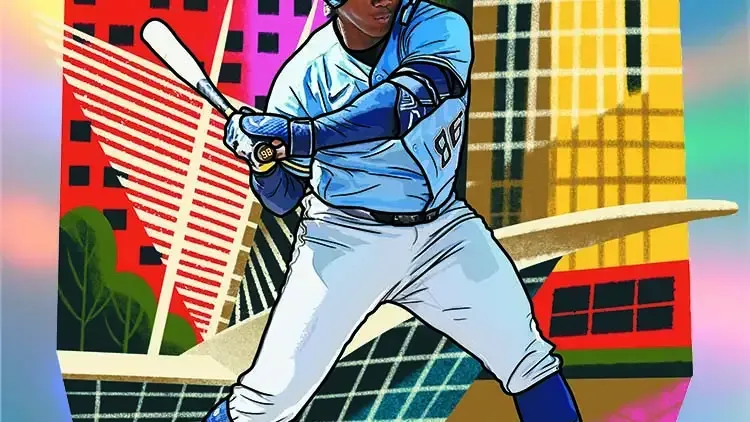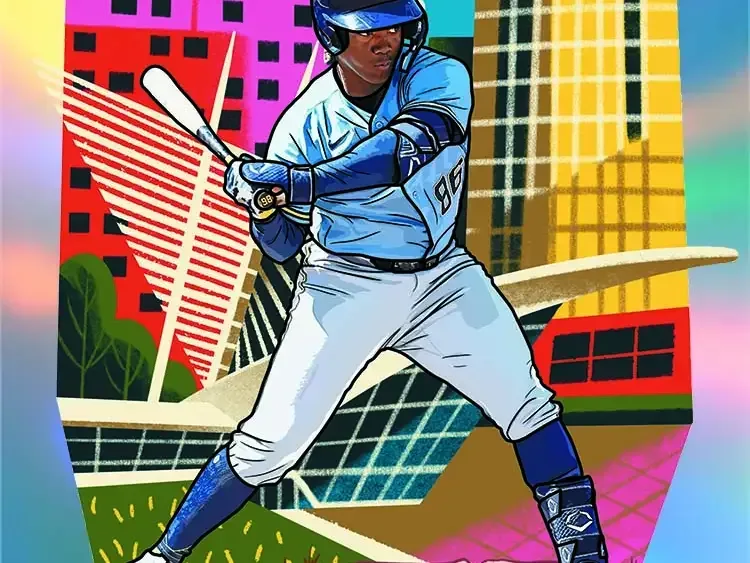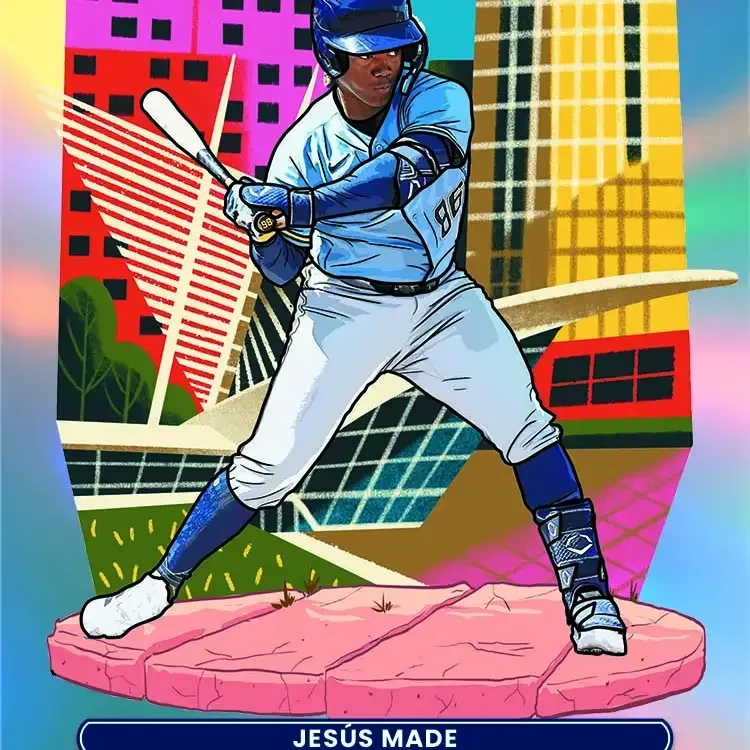
Panini is adding a major new layer to its baseball card business through a multiyear agreement that covers active Minor League Baseball players.
The non-exclusive deal was announced with MLB Players, Inc., the business arm of the Major League Baseball Players Association, and gives Panini the ability to feature MiLB talent across a broader range of baseball products. For collectors, that means more prospect-driven checklists and more early cardboard appearances for players still working their way toward the majors.
The agreement arrives at a time when prospect cards remain one of the strongest segments in the baseball hobby. Interest in future stars has helped make first-card appearances, pre-rookie issues, and minor league inclusions a consistent target for collectors looking to identify the next breakout name before he becomes an established MLB regular.
What the new Panini MiLB agreement covers
The new arrangement covers active Minor League Baseball players and is described as non-exclusive and multiyear. That gives Panini added flexibility to build checklists around developing talent while continuing to operate in a baseball card market where Topps still holds the official MLB trading card license.
For more collector background, read MLB Prospect Card Markets to Watch After the 2026 Minor League Season.
Because the agreement is non-exclusive, it does not shut other companies out of the category. Instead, it expands Panini’s access to one of the most collector-friendly areas of the baseball market: prospects, up-and-coming names, and players whose hobby value can rise quickly with a strong season or a promotion to the big leagues.
For Panini, the practical value is depth. The company can now pull from a larger pool of active players and use that inventory to strengthen release checklists across multiple brands. Rather than leaning only on retired players, college talent, or already established stars where possible, Panini now has a clearer path to building prospect-heavy products that appeal to set builders, autograph chasers, and speculative buyers alike.
Products expected to feature minor leaguers
Panini said the new rights will be used in products such as Donruss Elite Extra Edition and Prizm Baseball, two lines that already have a natural fit for emerging players and prospect content.
Donruss Elite Extra Edition has long been associated with draft picks, prospects, and baseball talent before full MLB rookie-card saturation. Adding active MiLB players should help reinforce that identity and could make future editions more relevant for prospect-focused collectors who want names earlier in their hobby timeline.
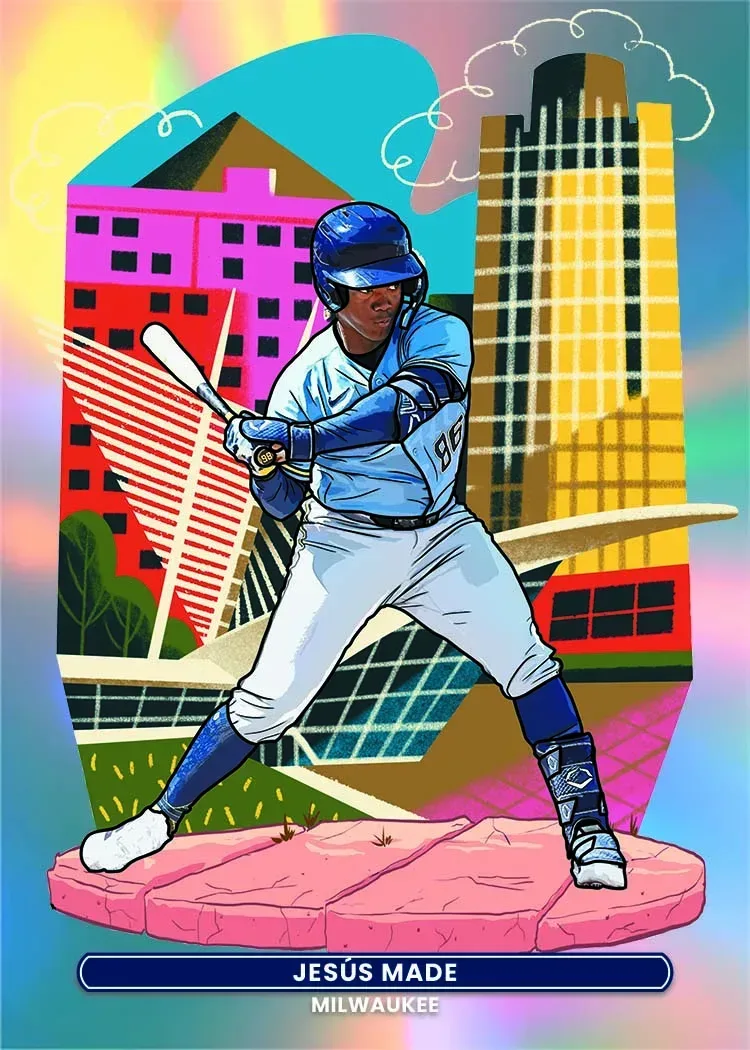
Prizm Baseball stands out for a different reason. The chromium-style brand has strong recognition across the sports card market, and prospect inclusions could bring added intrigue to future baseball releases. Collectors who prefer shiny parallels, color chases, and autograph variations may now see more minor league talent folded into that style of product.
Panini also indicated that MiLB players will appear across a wider release calendar, not just in one or two isolated sets. That opens the door for a more sustained prospect presence within the brand’s baseball portfolio instead of a limited cameo in a single annual product.
Up to 12 releases per year could include MiLB players
One of the biggest details from the announcement is the expected scale. Panini plans to produce up to 12 products per year featuring minor league players alongside collegiate and retired players.
That volume matters. A one-set experiment would have been noteworthy on its own, but a potential dozen releases per year signals something more substantial. It suggests Panini sees long-term value in building out baseball cards around player development, prospect recognition, and early-stage collecting interest.
The approach also gives the company room to differentiate products. Some releases may lean more heavily into autographs and premium content. Others may present broader base checklists, colorful parallels, or prospect subsets that attract more casual buyers. With enough annual volume, Panini can test which formats resonate most with baseball collectors while still keeping MiLB players visible throughout the calendar.
The first release expected to reflect the new agreement is Panini Three and Two Baseball in November. That product has typically aimed for a premium collector audience, so its inclusion as the launch point suggests Panini sees real value in using minor league players within higher-end baseball packaging, not just entry-level or developmental sets.
Why this matters for baseball card collectors
Prospects remain one of the hobby’s most active segments because they combine hope, scarcity, and timing. Collectors often want a player’s earliest notable cards before national attention fully arrives. When a prospect gets called up, lands on a top-100 list, or breaks out with a big season, demand for those earlier cards can move fast.
This new Panini access to active MiLB players creates more opportunities for collectors to find those names in familiar brands. It also broadens the range of cards available for players who might previously have had fewer mainstream cardboard appearances outside certain channels.
There is also a collecting-style angle here. Not every hobby buyer wants the same kind of prospect card. Some prefer clean flagship-style base cards. Others chase autographs, serial-numbered parallels, or premium patch content. Panini’s brand lineup can serve several of those tastes, which could make the company’s minor league strategy especially relevant if checklists are built carefully.
For player collectors, this means more chances to pick up cards of favorite prospects before they become household MLB names. For prospectors, it means another lane for identifying undervalued talent. And for set collectors, it could mean deeper and more varied baseball releases over the next several years.
Panini’s place in the baseball card market
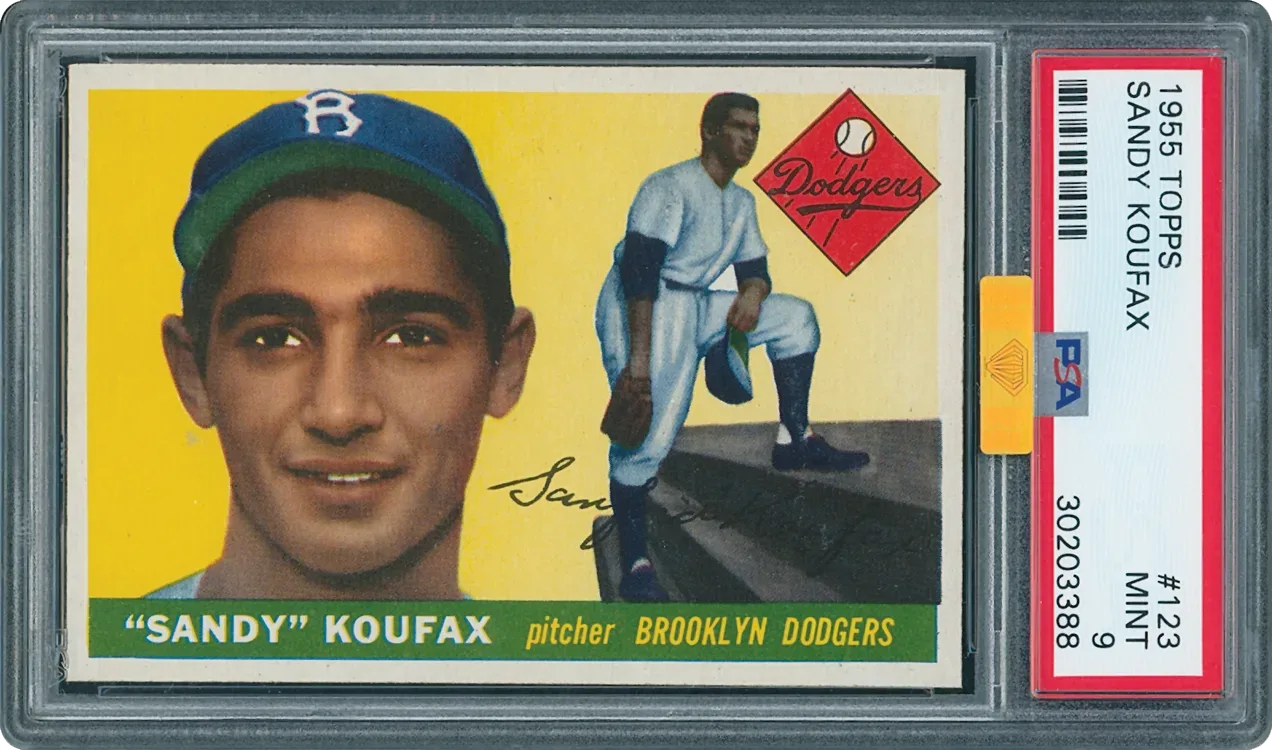
Panini has remained active in baseball despite Topps holding the official MLB trading card license. That has required Panini to build products differently, often leaning on creative brand positioning, prospect content, college players, retired stars, and designs that still carry recognition from other sports card categories.
The new MiLB agreement gives Panini another meaningful asset within that framework. While it does not change the broader MLB licensing landscape, it does give the company a stronger lane to pursue. Prospecting is one of the hobby’s most durable categories, and access to active minor leaguers helps Panini compete where collector interest is already strong.
There is strategic value in that. Rather than trying to mirror a fully licensed MLB flagship model, Panini can emphasize player discovery, early appearances, and development-stage collecting. For many hobby participants, that is not a secondary market segment at all. It is one of the most exciting parts of baseball cards.
What to watch as new checklists arrive
The next step is seeing how Panini executes. The agreement itself creates opportunity, but collector reaction will depend on the players included, the quality of autograph and parallel content, and how frequently top prospect names appear across different product tiers.
Collectors will likely be watching for several things:
- Whether Panini secures strong prospect depth in early checklists
- How often premium autograph content includes sought-after MiLB names
- Whether flagship Panini baseball brands make minor leaguers a central attraction or a secondary feature
- How the company balances MiLB players with collegiate stars and retired legends
- Which releases become the hobby’s preferred home for early prospect cards under the new agreement
Donruss Elite Extra Edition feels like a natural product to monitor first, given its long connection to prospecting. Prizm Baseball could also become more important if collectors respond well to minor league names presented through colorful chromium parallels and autograph formats.
Panini Three and Two Baseball in November should offer the first real indication of how aggressively the company plans to use the rights. If notable MiLB talent appears in meaningful quantities or with premium hits attached, that release could set the tone for the wider rollout.
A stronger prospect lane for Panini
Panini executives described the addition of Minor League players as a way to add significant depth to the company’s baseball portfolio, and that appears to be the central takeaway. This is less about changing the headline MLB licensing structure and more about strengthening Panini’s position in a part of the hobby that already draws heavy collector interest.
MLB Players, Inc. also framed the agreement around fan connection, with trading cards continuing to serve as an entry point between collectors and the sport’s rising talent. That idea fits the current hobby environment, where many collectors track a player’s card market long before he becomes an everyday major leaguer.
If Panini can translate this new access into sharp checklists, desirable autograph content, and consistent inclusion of top MiLB talent, its baseball releases could become more compelling for prospect collectors beginning with Panini Three and Two Baseball this November.
Photo Gallery