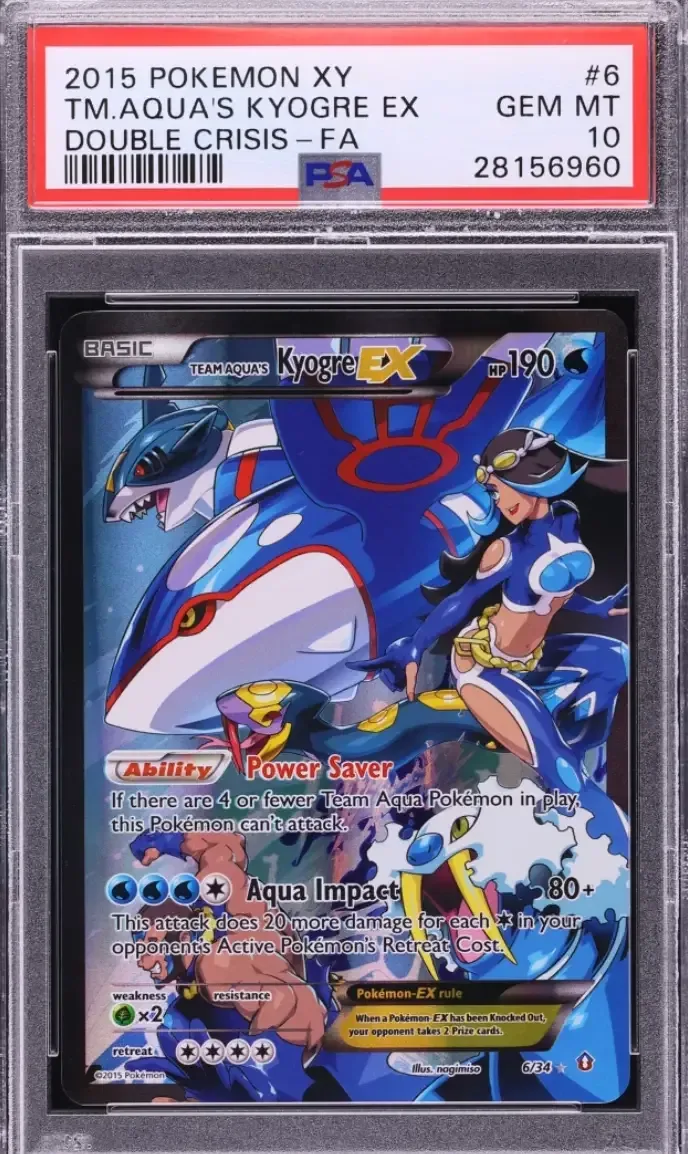
Collectors throw around the word scarce all the time, but hobby scarcity usually means at least three different things. One card may be scarce because it is hard to pull from packs. Another may be scarce because that exact parallel is serial-numbered to a fixed total. A product itself may feel scarce because sealed boxes are hard to find, which is a separate question again.
Those categories overlap, but they are not interchangeable. Published odds can tell you how frequently certain cards are inserted. Serial numbering can tell you the stated maximum supply of one specific version. Product pages and preview materials can tell you how packs, boxes, and cases are structured. None of that automatically reveals how many total boxes or packs were produced unless that broader number is also disclosed.
If you keep those distinctions straight, published numbers become much more useful. They help you decide when ripping wax is a long shot, when a numbered parallel has a clear supply cap, and when a seller is stretching a rarity pitch beyond what the available facts support.
Insertion odds describe distribution, not necessarily total output
Start with the most important distinction: pack odds are usually statements about distribution within a format, not a complete census of production. When a manufacturer publishes odds for an insert, autograph, relic, or parallel, the plain meaning is how often that card type should appear in packs from that product channel.
That makes odds valuable, but limited. If an insert falls one in every few hundred packs, you have learned something real about pull difficulty. You have not automatically learned how many boxes were made, how many cases exist, or how many total packs entered the market. Without those production totals, odds alone cannot give you a full print run.
This matters because collectors often compress two separate ideas into one. They see a tough pull and assume the entire release must have been tiny. Sometimes that may be true. Sometimes the product may be large and the insert rate simply very low. Published odds usually support the second conclusion directly, while the first remains unproven unless more information is available.
If you want a reliable habit, read an odds table as an answer to this question: how often should this card or card type appear in packs? Treat anything broader as a separate claim that needs separate evidence.
- Odds are strongest for comparing pull difficulty.
- Odds do not automatically reveal total boxes or cases produced.
- A hard pull can come from a low insertion rate, low overall production, or both.
What official odds are actually good for when you buy singles or sealed product
Odds are most useful when you compare cards inside the same product or across clearly defined formats. If one unnumbered parallel is listed at a much tougher pack rate than another, that tells you why one version shows up constantly while the other stays elusive. You still may not know exact supply, but you do know the product was designed to distribute them very differently.
That is helpful before you open anything. Imagine you are eyeing a hobby box because you want one specific insert. If the odds say that insert lands far less often than once per box, the product is telling you not to expect a fair shot from one purchase. That does not mean never rip. It means you should rip with realistic expectations instead of treating one box like a targeted shopping method.
For single buyers, odds also help sort out unnumbered cards. Suppose two parallels of the same player are both unnumbered and visually similar. If one is inserted much less frequently, it has a stronger documented scarcity case even without a serial stamp. That may affect how patient you need to be, what premium you are willing to pay, and whether a seller's asking price has at least some factual backbone.
In practice, odds are often the best published tool for discussing pull frequency. They are not a guarantee that every box behaves identically, and they are not a full production ledger. But they are far better than hobby folklore, isolated break videos, or repeated social posts that never trace back to an actual manufacturer disclosure.
- Use odds to compare pull difficulty within a release.
- Use odds to judge whether a target card is a box-level or deeper chase.
- Use odds to evaluate unnumbered parallels more carefully.
Box configuration tells you what you are buying, not how much exists overall
Product pages and preview materials add another layer of clarity: configuration. A box listing may tell you cards per pack, packs per box, and an expected hit structure. A preview post may also give boxes per case. Those details are useful because they tell you how a format is built and what kind of opening experience is being advertised.
But configuration still stops short of total print-run proof. If a hobby box says 12 cards per pack, 20 packs per box, and one autograph or relic card per box, you now understand the structure of that box. You still do not know whether there are 5,000 boxes in circulation or 50,000. The missing production total matters too much to ignore.
Case information works the same way. If a preview says there are 20 boxes per case, you can estimate how many packs sit inside a sealed case and how many average hits that case format should deliver. That is useful for planning a personal rip, a group break, or a sealed-case budget. It is not the same as knowing how many total cases were produced.
A practical example: you may see a product advertised with one autograph per box and think, this release must be loaded. Maybe. But if the run is enormous, that promise may still leave any one autograph version widely available. Conversely, a modest one-hit box in a smaller release might still produce cards that stay genuinely difficult to locate. Configuration tells you structure, not the entire supply picture.
- Configuration explains pack, box, and case structure.
- Per-box or per-case summaries help budgeting and expectation-setting.
- Configuration alone cannot prove a full release print run.
Serial numbering is the clearest evidence of scarcity for one exact card
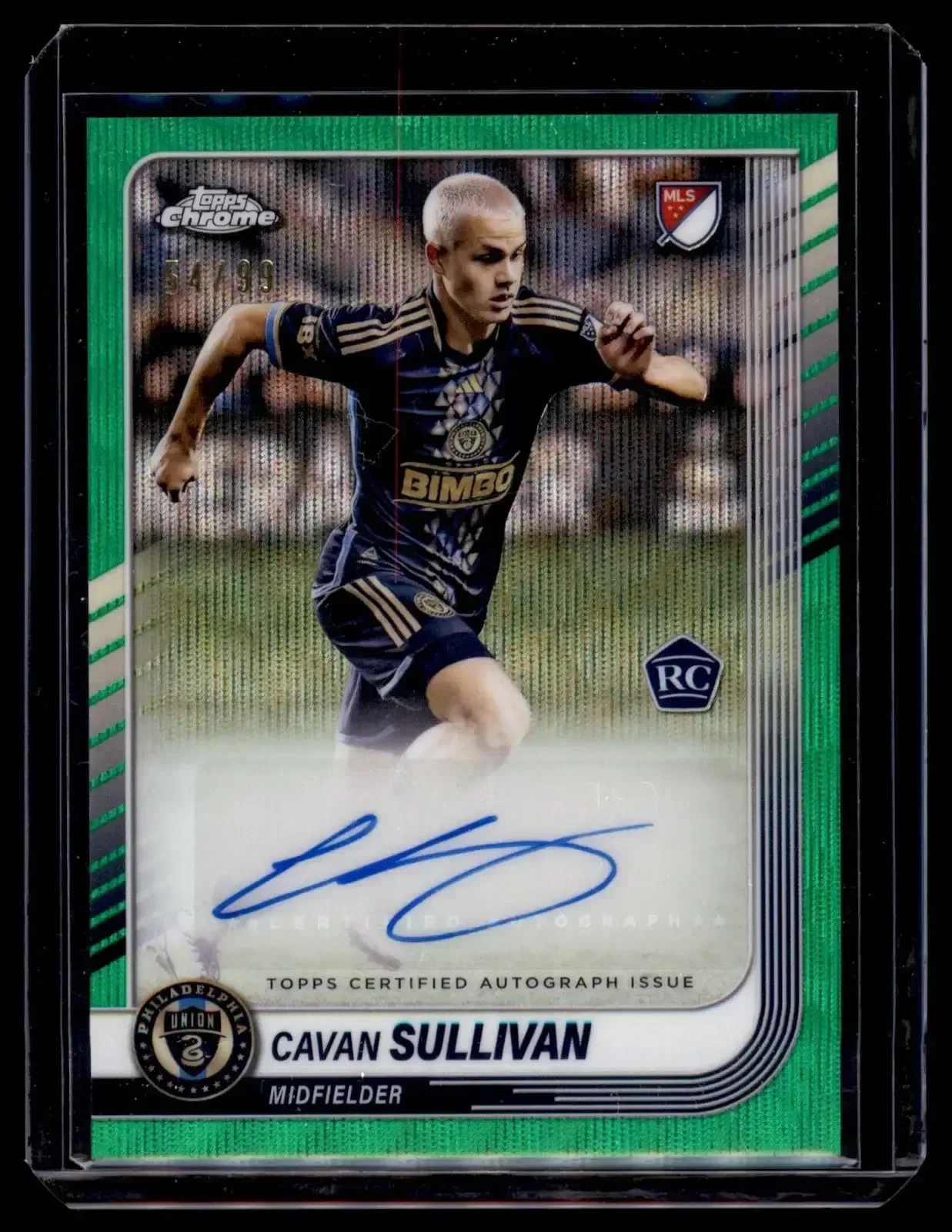
If your question is not how hard is this to pull but how many copies of this exact version can exist, serial numbering is usually the strongest published evidence. A card numbered to 50 gives you a stated ceiling for that specific parallel. Numbered to 25 gives you a lower one. A one-of-one gives you the smallest possible stated cap for that exact card version.
That clarity is why collectors should not collapse serial numbering and odds into the same concept. They answer different questions. A card can be numbered to 50 and still show up at a more approachable rate than you expect if the overall product is large. An unnumbered short print can feel much tougher to pull than a numbered card in the same release. Scarcity has more than one axis.
When odds and serial numbering appear together, they become especially useful. Now you know both the insertion hurdle and the exact-card supply ceiling for that specific parallel. That combination can sharpen your buying decisions because you are not guessing whether a numbered version is simply rare in theory or also difficult to hit in practice.
Still, even the best pairing has limits. A numbered parallel with stated odds tells you a lot about that parallel. It does not, by itself, tell you the full print run for the whole release. It certainly does not tell you the supply of other unnumbered cards unless those are separately disclosed.
- Serial numbering is best for exact-card supply ceilings.
- Odds are best for pull frequency.
- Even together, they do not automatically reveal whole-product production totals.
Why the phrase on average matters when you rip wax
Collectors often talk about advertised box hits as if they are guarantees, but the wording matters. When a product is described with a box break summary that says per hobby box, on average, the key phrase is on average. That language describes expected distribution across the production run, not a promise that every single box will match the headline exactly.
That should make you more careful about anecdotal conclusions. A disappointing box does not automatically prove the product was misrepresented. A hot box does not prove the release was loaded. Individual outcomes can vary around the broader distribution model. If you are making buying decisions from a handful of break clips, you are leaning on stories rather than the manufacturer’s stated framework.
For sealed buyers, the takeaway is simple: treat average language as planning guidance, not insurance. It can help you estimate what a case might roughly produce, how risky a box purchase is, and whether singles are the smarter route for a targeted chase. It cannot eliminate variance.
This is also why buyers who rip primarily for one narrow target often underestimate their risk. The product may honestly advertise one hit per box on average, yet the exact autograph, relic parallel, or insert you want may still sit far down the odds sheet. Average box language and specific chase-card odds must be read together, not as substitutes for each other.
- On average is a distribution statement.
- Anecdotal hot and cold boxes do not define the whole product.
- Box-hit language and specific odds should be read together.
How collectors get into trouble with reverse-engineered print-run math
The most common math mistake is trying to solve for a full print run with missing variables. To make a credible total-production estimate from odds, you would need more than insertion rates. You would also need the total number of packs produced for that same format and confidence that the published odds cleanly cover the relevant insertion pool.
Without that chain, calculations become weaker than they look. Imagine a parallel listed at one in every several hundred hobby packs. If you do not know how many hobby packs were printed, all you truly know is that the card is tough relative to that format. Turning that into a confident whole-release print run claim goes beyond what the published numbers prove.
Even a serial-numbered example can mislead people. If a parallel is numbered and also has published odds, you may be tempted to work backward from those two values to infer total pack count. That can be an interesting thought exercise, but it rests on assumptions about format separation, final checklist completeness, and production consistency. Unless those assumptions are also supported, the conclusion stays tentative.
For collectors, the safer rule is precision of language. Say what the numbers actually support. You can say a card is harder to pull than another. You can say a parallel is capped at a certain number. You can say a hobby box advertises a certain average hit structure. Once you move from those statements to a definitive claim about total product output, you need more than odds sheets usually provide.
- Missing pack totals make print-run math speculative.
- A serial number plus odds still may not be enough for a full production estimate.
- Precise language keeps analysis honest.
How to handle case-hit claims without confusing them for print runs
Case-hit language deserves a more careful reading than collectors sometimes give it. If a seller or product description calls something a case hit, that is a claim about approximate case-level packout. In other words, it points to expected distribution at the case level, not just a generic compliment about rarity.
That can be useful information. If you are deciding whether a sealed case gives you a realistic shot at a certain insert, case-hit language may help set expectations in a way a vague word like rare does not. But it still does not establish total print run, exact-card supply, or the total number of that insert in circulation unless more information is available.
Picture a hypothetical buyer choosing between ripping a case and buying a single. If the target card is described as a case hit, the buyer can reasonably infer that the chase is deeper than a standard box hit. What the buyer cannot fairly conclude from that phrase alone is how many total copies exist across the market or how many cases were produced overall.
The practical lesson is not to dismiss case-hit language, but to keep it in its lane. It can help you discuss case-level difficulty. It is weaker than serial numbering for exact supply and weaker than a full odds table for precise pull-rate analysis. Most importantly, it should not be stretched into a full print-run claim.
- Case hit is a case-level packout claim.
- Case-hit language can help estimate chase difficulty within a case format.
- Case-hit language alone does not prove exact supply or total product print run.
Practical buying scenarios that keep scarcity claims in perspective
Scenario one: you are deciding whether to buy a hobby box or a single relic parallel. The box page advertises one autograph or relic per box. That tells you the format should produce a hit on average, but not whether your exact relic parallel is a realistic target. If the odds show your preferred card is buried deep in the checklist, buying the single may be the more disciplined move.
Scenario two: you are comparing a serial-numbered parallel to an unnumbered short print of the same player. The numbered card gives you a documented supply ceiling. The short print may still be difficult and desirable, but its exact supply may remain unknown. If you prefer the short print because of the image, design, or set prestige, that is completely fair. Just do not treat your preference as proof that its print run is established.
Scenario three: a seller leans heavily on the phrase case hit to justify a premium. That phrase does tell you something about approximate case-level difficulty. What it does not do by itself is settle how many copies exist overall or whether the price being asked already assumes a broader scarcity story than the published facts support. Ask yourself whether the card also has official odds, serial numbering, or both.
Scenario four: you want to estimate whether a sealed case gives you a decent shot at a certain insert. Here, configuration and published odds can work together. If you know the packs per box, boxes per case, and insertion rate, you can form a rough expectation for that case format. That is useful for planning a break budget. Just keep the conclusion at the case-expectation level unless total production is also known.
These habits save money because they stop you from paying certainty prices for uncertain information. In sports cards, a lot of expensive mistakes start when a plausible scarcity story gets treated like a documented fact.
- Use box summaries to understand format risk, not to target a specific card blindly.
- Prefer documented supply ceilings when seller claims get aggressive.
- Keep case-level expectations separate from whole-release production claims.
The collector’s bottom line: let each published number do its own job
Published numbers are powerful when you ask them the right question. Odds are for pull difficulty. Serial numbering is for a stated ceiling on one exact card version. Box and case configuration are for understanding product structure and expected packout. When you keep those tools separated, your buying decisions get sharper and your hobby conversations get cleaner.
Problems start when collectors force one category to do another category’s job. Odds are not automatically print runs. A case-hit label is not a census. A one-per-box summary is not a promise that every box lands the same way. A serial number on one parallel is not a map of the entire product’s supply.
The good news is that you do not need perfect production transparency to collect intelligently. You just need to match the claim to the right kind of evidence. If you want pull difficulty, find the odds. If you want an exact-card supply ceiling, look for serial numbering. If you want to know what you are buying sealed, read the configuration and pay attention to on-average wording.
Sometimes the honest answer will be incomplete. You may be able to say a card is clearly tough, that a parallel is numbered to 25, and that a hobby box averages one hit, while still admitting the full release print run is not publicly established. That is not a failure. It is simply the boundary of what the published numbers actually tell you.
- Use odds for frequency.
- Use serial numbers for exact-card ceilings.
- Use configuration for format structure.
- Do not turn partial disclosures into absolute print-run facts.
Illustration generated for this guide; not a photograph of an actual card, product or event.
Photo Gallery