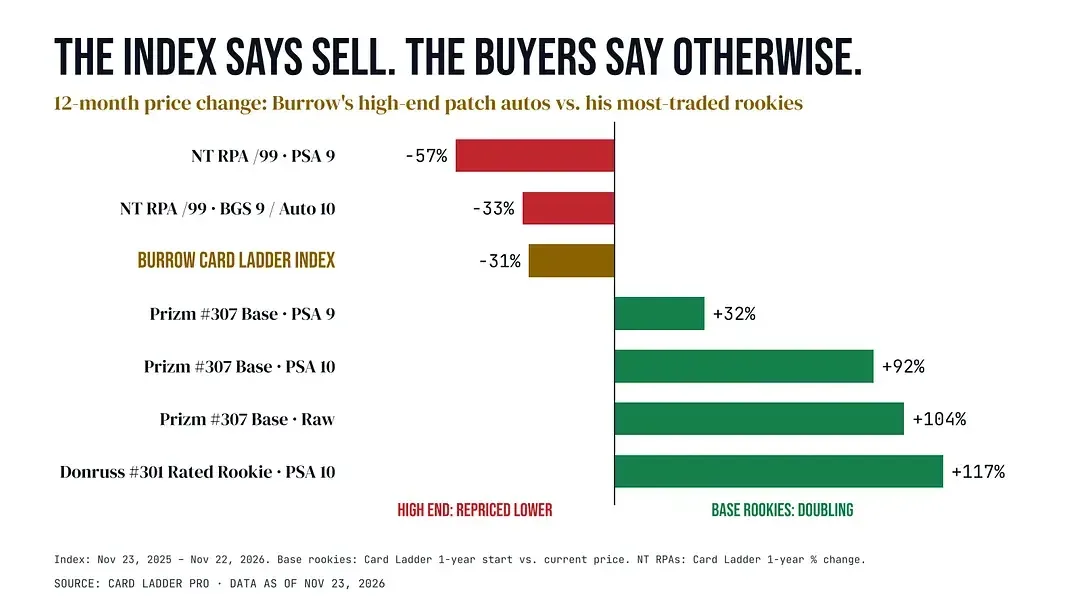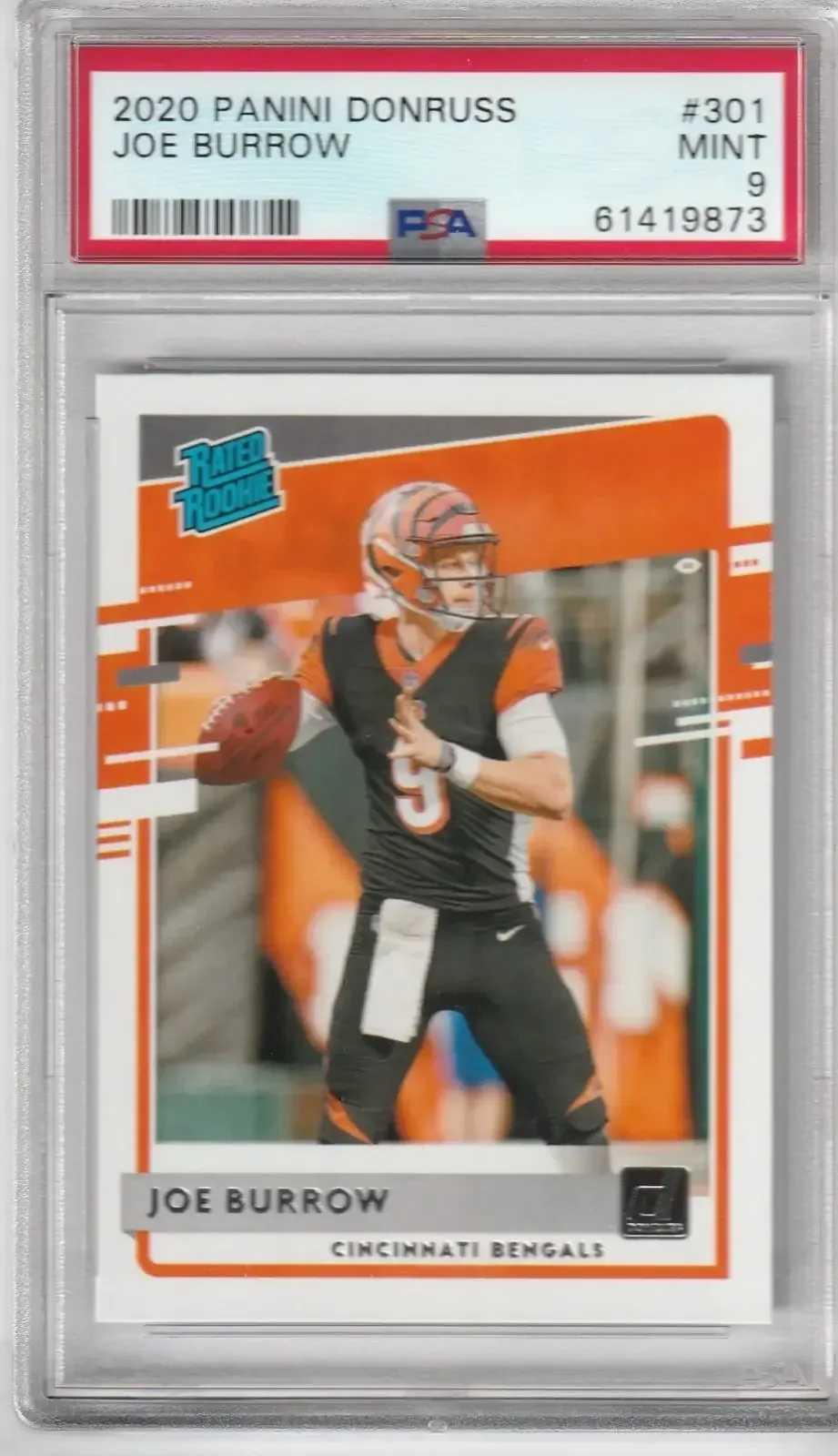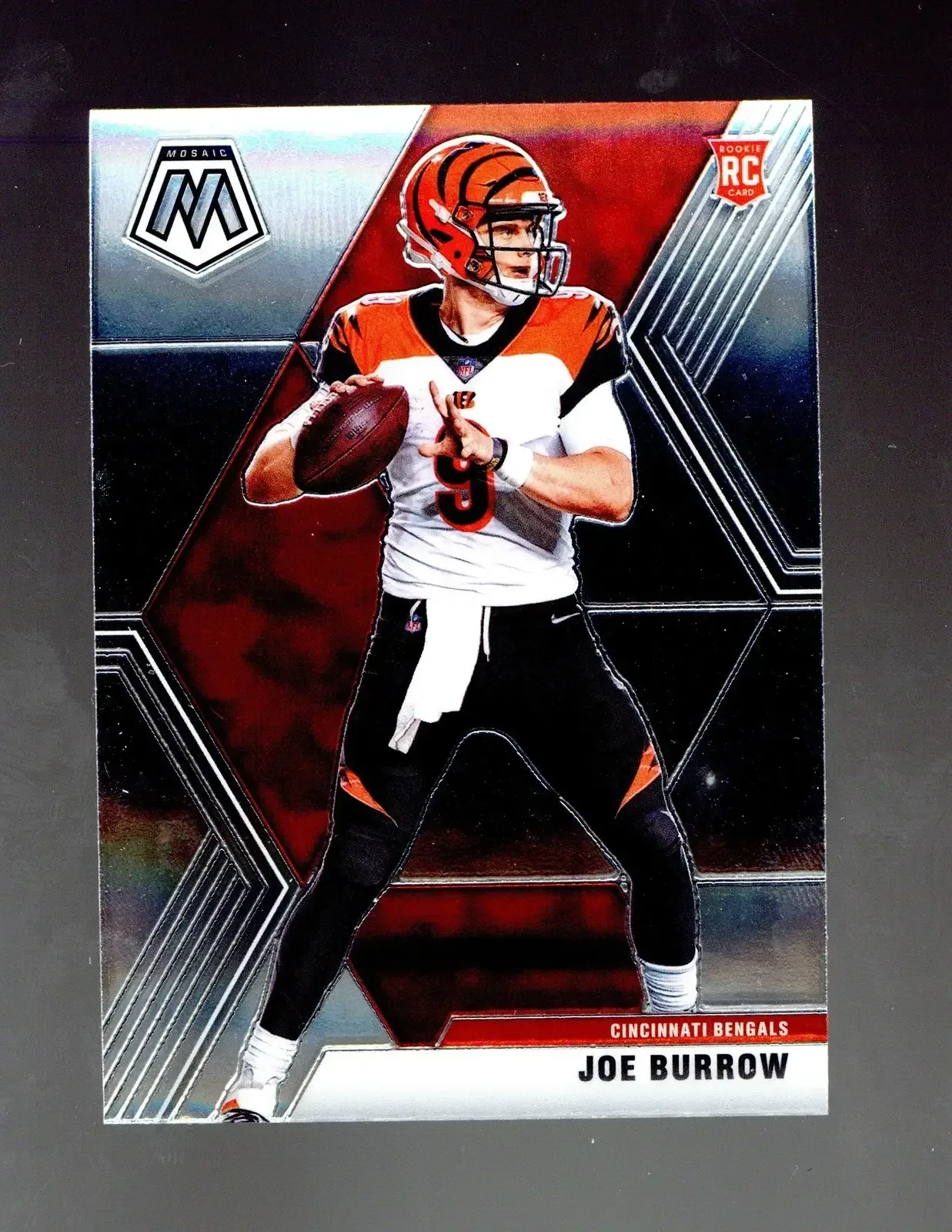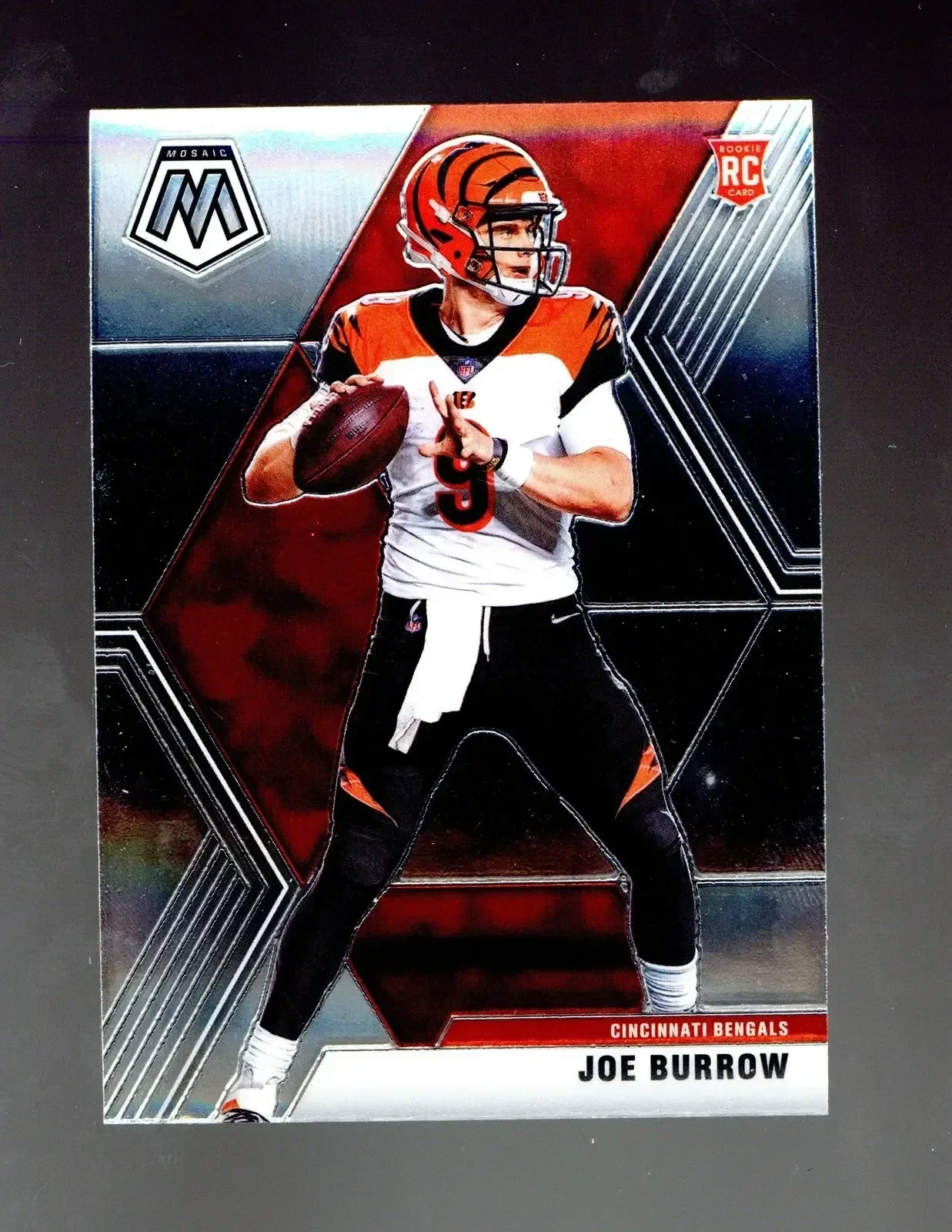
Joe Burrow has the Cincinnati Bengals back atop the AFC North, and collectors are paying more for his most familiar rookie cards. A PSA 10 2020 Prizm #307 climbed from $85 to $163.60 over the past year, while a PSA 10 Donruss Rated Rookie more than doubled to $100. Yet Burrow’s Card Ladder index was down about 31% year over year after touching a two-year low in November.
Those numbers tell two different stories about the same player. Several high-end National Treasures rookie patch autographs have sold for considerably less than they did a year earlier. At the same time, all five of Burrow’s most-traded cards gained value. None of those five is numbered or autographed. They’re all base rookies from 2020, and together they accounted for 1,574 recorded sales from Nov. 23, 2025, through Nov. 23, 2026.
Burrow’s MVP case starts with staying on the field
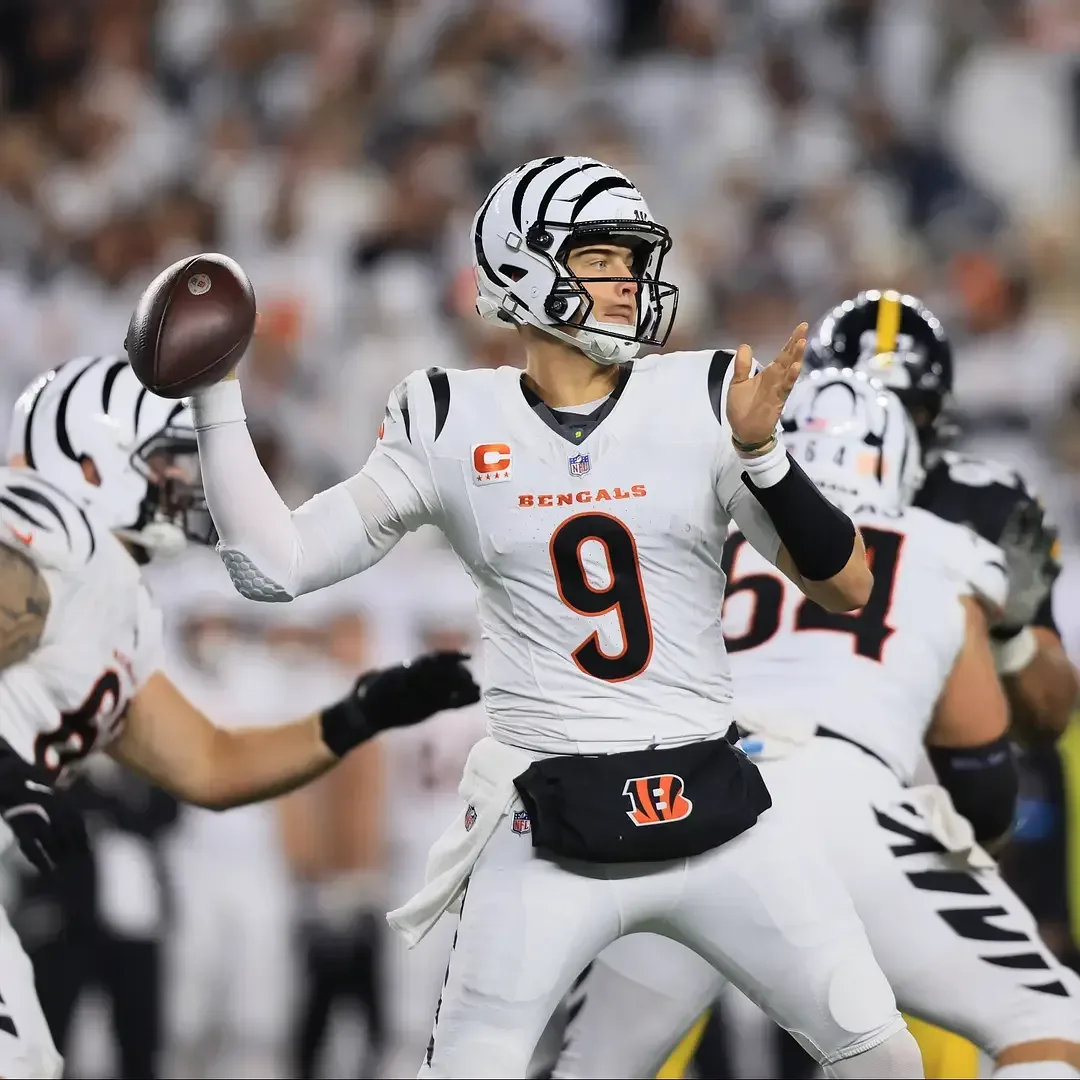
After beating the Pittsburgh Steelers in Week 10, Cincinnati was 7-2, alone atop the AFC North and on a five-game winning streak. It was the Bengals’ best start since 2015. Burrow threw for 400 yards in three of his first nine games and piled up 16 touchdown passes over a four-game stretch. Unlike in 2024, when big passing numbers often came in losses, his production this season has come with wins.
Availability matters as much as the stat line. Turf toe cost Burrow nine games last season, and Cincinnati won just once in that span. It was the third time in six years that an injury cost him a substantial part of the regular season. An early back issue landed him on the injury report this season, but he played through it. With Ja’Marr Chase, Tee Higgins and a healthier offensive line, the Bengals have been able to keep their passing game on track.
For more collector background, read Joe Burrow’s $960,000 NFL Shield Rookie Leads the Week’s Top 3 Football Card Sales.
An MVP award would give collectors another reason to revisit Burrow’s cards, but it wouldn’t erase the differences between them. A widely traded base rookie and a scarce patch autograph can respond very differently to the same stretch of football.
Why Burrow’s Card Ladder index fell
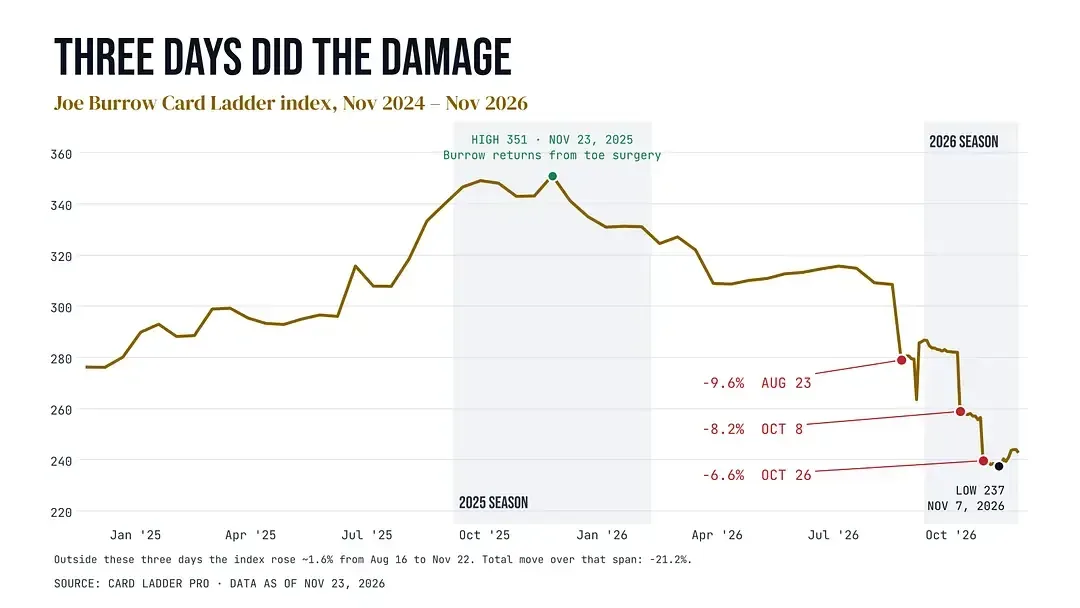
Burrow’s index peaked at 351 on Nov. 23, 2025, and reached 237 on Nov. 7, 2026. Card Ladder Pro data shows how concentrated the slide was: the index fell 9.6% on Aug. 23, 8.2% on Oct. 8 and 6.6% on Oct. 26. Excluding those three sessions, it rose about 1.6% from Aug. 16 to Nov. 22.
Burrow’s National Treasures rookie patch autographs, often called RPAs, were down 33% to 57% year over year. Lower sales on those cards helped pull down the index even as buyers paid more for Prizm, Donruss and Mosaic base rookies. If you’re pricing a specific card, the year, set, card number and grade are more useful starting points than the player index alone.
For another perspective on this story, read Joe Burrow’s MVP-Level Start Has Lifted Base Rookie Cards While His Overall Index Sinks.
Joe Burrow’s five most-traded rookie cards
The rankings below reflect recorded sales volume, not price. The same 2020 Prizm #307 accounts for three spots because Card Ladder tracks PSA 10, PSA 9 and ungraded copies separately.
2020 Panini Prizm #307 Base, PSA 10
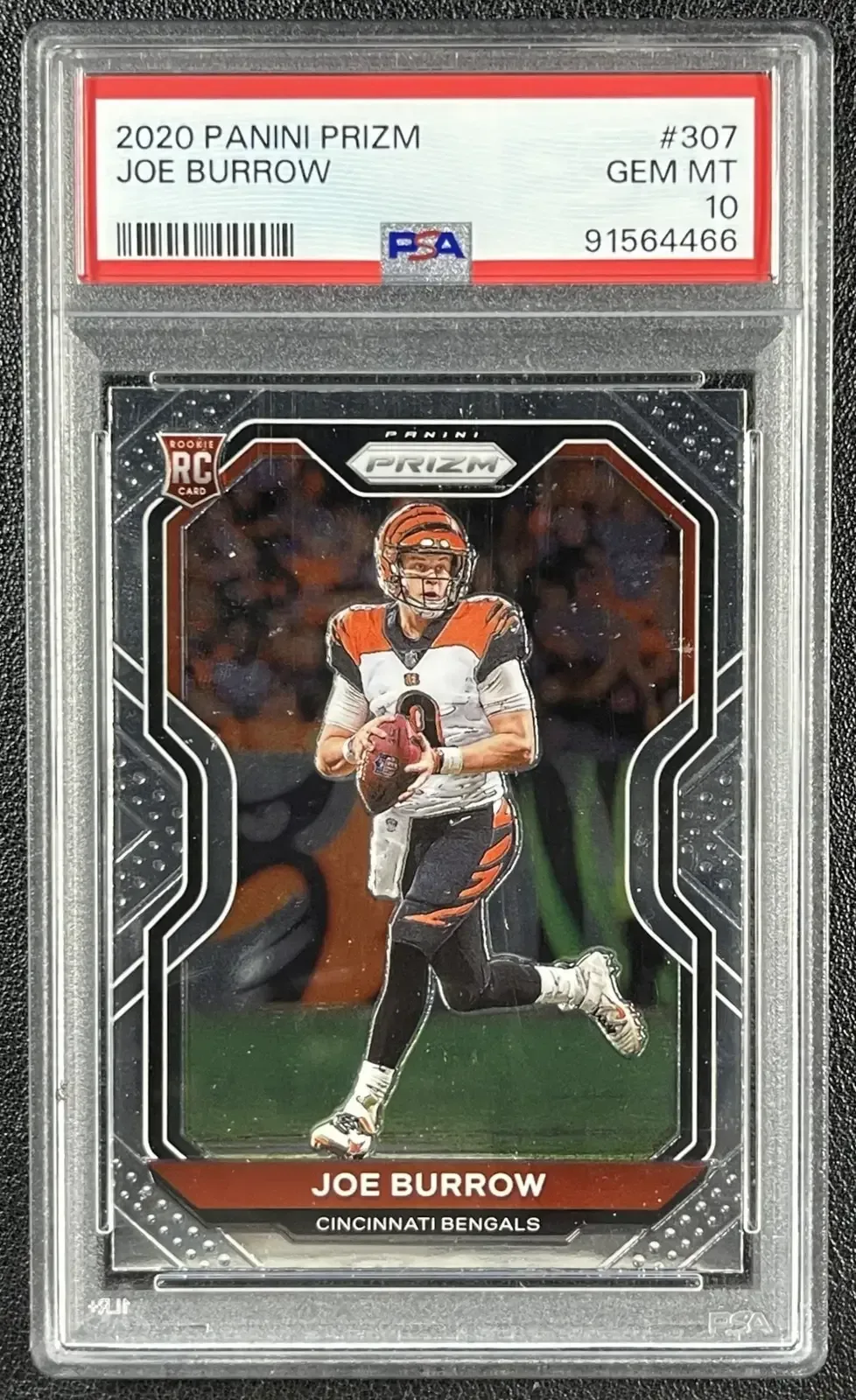
619 sales; up 92% from $85 to $163.60. The gem-mint Prizm accounted for nearly 40% of all sales across the five entries and averaged $100.60 per sale over the period. Its PSA 10 population of 7,820 makes it easy to find, but the steady turnover is an advantage for buyers and sellers who want recent comparable sales.
2020 Donruss #301 Rated Rookie, PSA 10
328 sales; up 117% from $46 to $100. Donruss posted the biggest percentage gain among the graded cards on the list. Even after more than doubling, it finished the period below the PSA 10 Prizm price. Its PSA 10 population was 6,367, so buyers had a widely available alternative if they wanted a gem-mint Burrow rookie without paying the Prizm premium.
2020 Panini Prizm #307 Base, PSA 9
302 sales; up 32% to $41.57. There were 8,049 PSA 9 copies, only slightly more than the number of PSA 10s. Yet the PSA 10 price was roughly 3.9 times as high. For collectors who want the same card and don’t need the top grade, the PSA 9 offers a substantially lower entry price.
2020 Panini Prizm #307 Base, raw
184 sales; up 103% from $11.67 to $23.75. Ungraded Prizm copies more than doubled but still cost less than the PSA 9. That gap is useful for collectors who prefer raw cards. Buyers thinking about grading should compare the purchase price and grading costs with sales across multiple grades rather than assume the card will come back a 10.
2020 Panini Mosaic #201 Base, raw
141 sales; up 228% from $0.99 to $3.25. The largest percentage increase started from the smallest dollar figure. Raw Mosaic averaged $2.82 per sale and remained the least expensive Burrow rookie on this list. In dollar terms, its 228% gain amounted to $2.26.
What to compare before buying a Burrow rookie
For the base cards, the key questions are whether the grade matters to you and how much extra you’re willing to pay for it. At the figures above, a $100 Donruss PSA 10 cost about $64 less than a Prizm PSA 10. Dropping to a PSA 9 kept the Prizm design in play at less than half the Donruss PSA 10 price. The Prizm and Donruss gem-mint populations are both in the thousands, so there’s little reason to treat either as a rare buying opportunity.
National Treasures calls for a different comparison. A year-over-year decline can make an RPA worth another look, but it doesn’t establish that any particular copy is underpriced. Check completed sales for the same version and grade where possible, and account for differences in numbering and patch appearance before using a sale as a benchmark.
Photo Gallery