Sports cards are one of the few collectibles that blend nostalgia, design, history, and real monetary value in a format small enough to fit in your hand. That creates a familiar tension for collectors. The cards you most want to look at are often the same cards you are least comfortable leaving out in the open.
For some hobbyists, the safest solution is simple storage. But locking every important card away in a dark box, vault, or safe-deposit box can take some of the enjoyment out of collecting. A display setup, when done correctly, offers a middle ground. The goal is not to eliminate every possible risk. It is to reduce the biggest risks enough that collectors can enjoy their cards without exposing them carelessly.
That balance starts with understanding what actually threatens a card on display: light exposure, heat, physical instability, dust, accidental damage, and theft. Once those risks are addressed, even high-end cards can be showcased more responsibly.
Why collectors hesitate to display valuable cards
Many collectors still prefer to keep their best pieces stored away. That caution makes sense. Unlike many assets, sports cards are tangible, visible, and vulnerable. A card can fade, warp, crack, shift, fall, or disappear. Even a seemingly harmless display shelf can become a problem if it sits near a bright window or uses harsh lighting.
For more collector background, read How to Evaluate Football Rookie Cards Without Mixing Up Prospect Hype, NFL Licensing, and True Scarcity.
There is also the uncertainty of long-term aging. Vintage cardboard already has decades of hobby experience behind it, but modern cards use a wider mix of foils, chromium surfaces, glossy coatings, refractors, inks, and specialty finishes. No one can say with complete confidence how every modern material will look half a century from now.
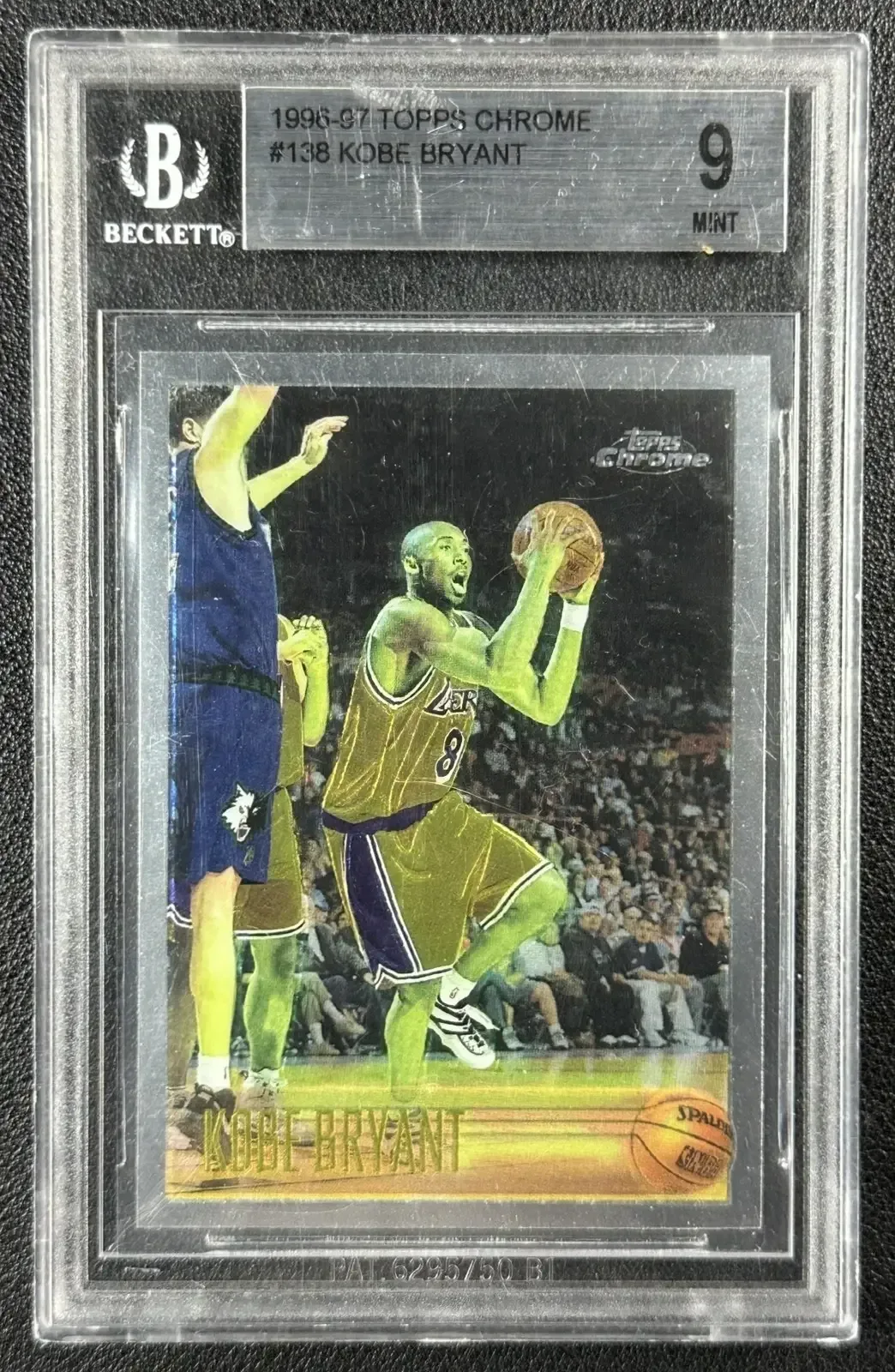
That concern is not theoretical. Early Topps Chrome and Finest basketball cards from the 1990s have shown greenish discoloration in some examples over time, including copies of the 1996-97 Topps Chrome Kobe Bryant rookie card. The exact cause remains debated, but the lesson is clear: card materials can age in ways collectors do not fully predict.
Light is the biggest display risk
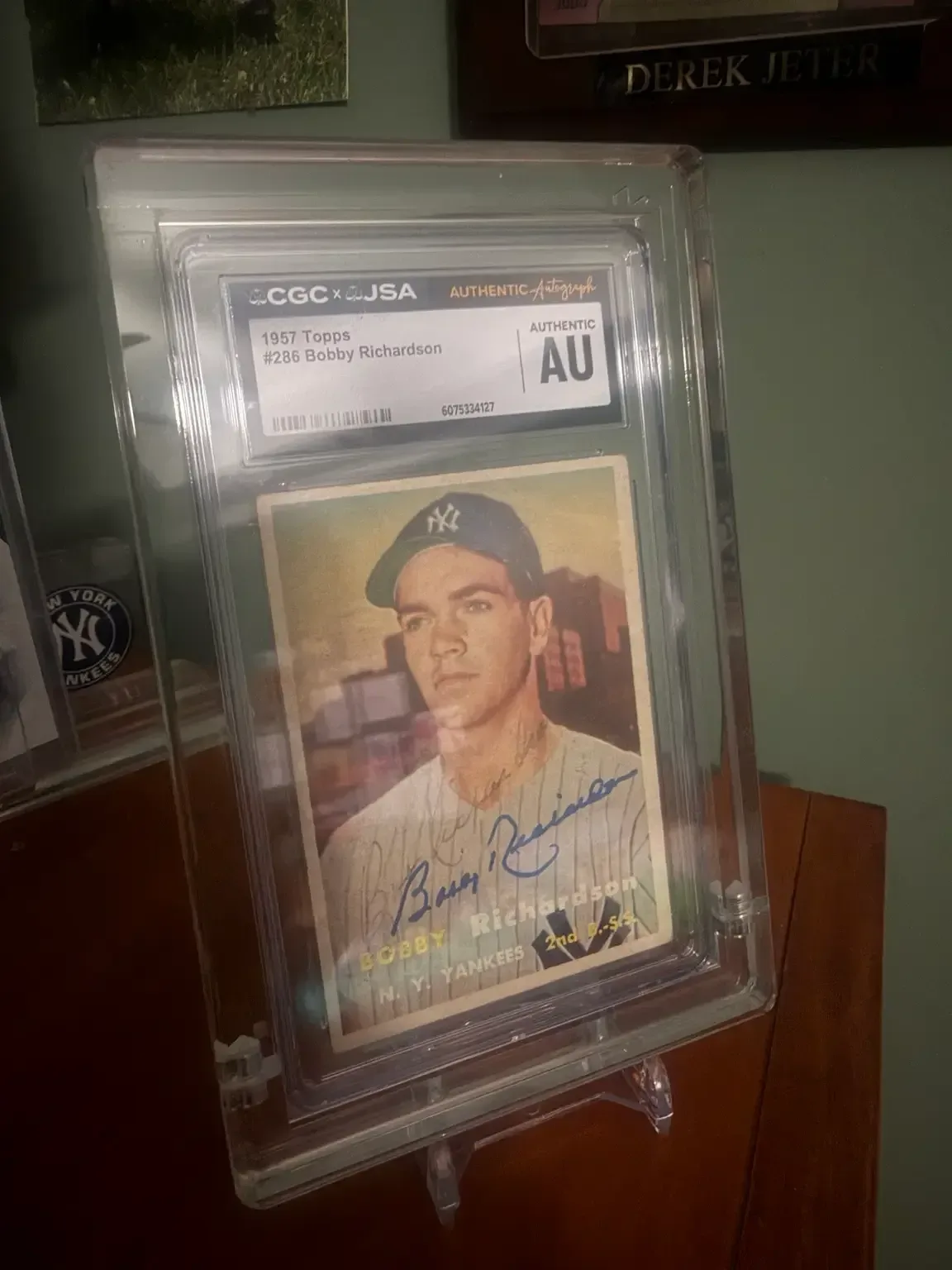
If there is one issue collectors focus on first, it is light. Fading is permanent, cumulative, and irreversible. That matters for card surfaces, colors, and especially autographs. A rare vintage signed card or a premium modern autograph can lose appeal quickly if the ink begins to weaken after years of exposure.
Sunlight is the worst offender. Direct sun can flood a room with intense brightness while also introducing heat. Even if a card looks safe sitting on a shelf, the amount of light hitting it may be far greater than expected at certain times of day. A display across from a window can be much riskier than one on an interior wall, even if the card never sits directly in the window itself.
Indoor lighting matters too. Fluorescent lighting can emit ultraviolet light and has long worried collectors for that reason. LED lighting is generally viewed as a better choice for display rooms because it emits little to no UV compared with fluorescent options. That is one reason museums and collectors alike favor LEDs for spaces where long-term display matters.
What UV protection actually does
Many premium display products advertise UV protection, but collectors should understand what that claim means. UV-resistant acrylic, glass, or polycarbonate is designed to block or filter ultraviolet radiation before it reaches the card. That extra layer can make a major difference, especially for long-term display.
Some display manufacturers cite specific performance figures. Phantom Display, for example, says its acrylic provides up to 99.6% UV resistance. Holme & Hadfield says its display materials offer a minimum of 99.8% UV protection. Those numbers refer to how much ultraviolet radiation the material is intended to block before it reaches the card.
Still, UV protection should not be mistaken for unlimited protection. Blocking the most harmful part of the light spectrum does not mean a card can safely sit in harsh lighting all day. Brightness, heat, and cumulative exposure still matter. A UV-filtering case is a protective layer, not permission to ignore room conditions.
How to evaluate UV claims before buying a display
Collectors shopping for display cases should look beyond a simple sticker or marketing phrase. A product can look premium and still tell you very little about its protective performance.
When comparing display cases, focus on four questions:
- What percentage of UV is blocked? A real figure is more useful than a vague claim of protection.
- What wavelength range is covered? UV protection is more meaningful when the range is clearly identified.
- How was it tested? Reliable manufacturers should be able to explain their testing method.
- Who performed the test? Independent lab verification carries more weight than unsupported marketing language.
Those details matter because UV resistance is not visible to the eye. Two cases can appear identical on day one while offering very different levels of actual protection over time.
Where you place a display is just as important as the case itself
Even an excellent case cannot fix a bad location. Placement is one of the easiest ways to reduce display risk without spending more money.
Collectors should avoid:
- Direct sunlight
- Walls facing large uncovered windows
- Window ledges and bright sunrooms
- High-heat areas near vents or appliances
- Fluorescent-heavy spaces if alternatives are available
Safer display locations include interior walls, rooms with blackout shades or curtains, windowless hobby rooms, and spaces lit primarily by LEDs. For collectors who want a dedicated card room, light control is one of the most valuable design choices. Even one small covered window can make a room more manageable than an open, naturally bright space.
Lux levels illustrate why placement matters. Direct sunlight can reach roughly 30,000 lux, while a living room in the evening may be closer to 50 lux. That difference is enormous. If a collector is serious about displaying expensive cards, cutting down exposure at the room level is every bit as important as choosing the right holder.
Physical protection is more than just a slab
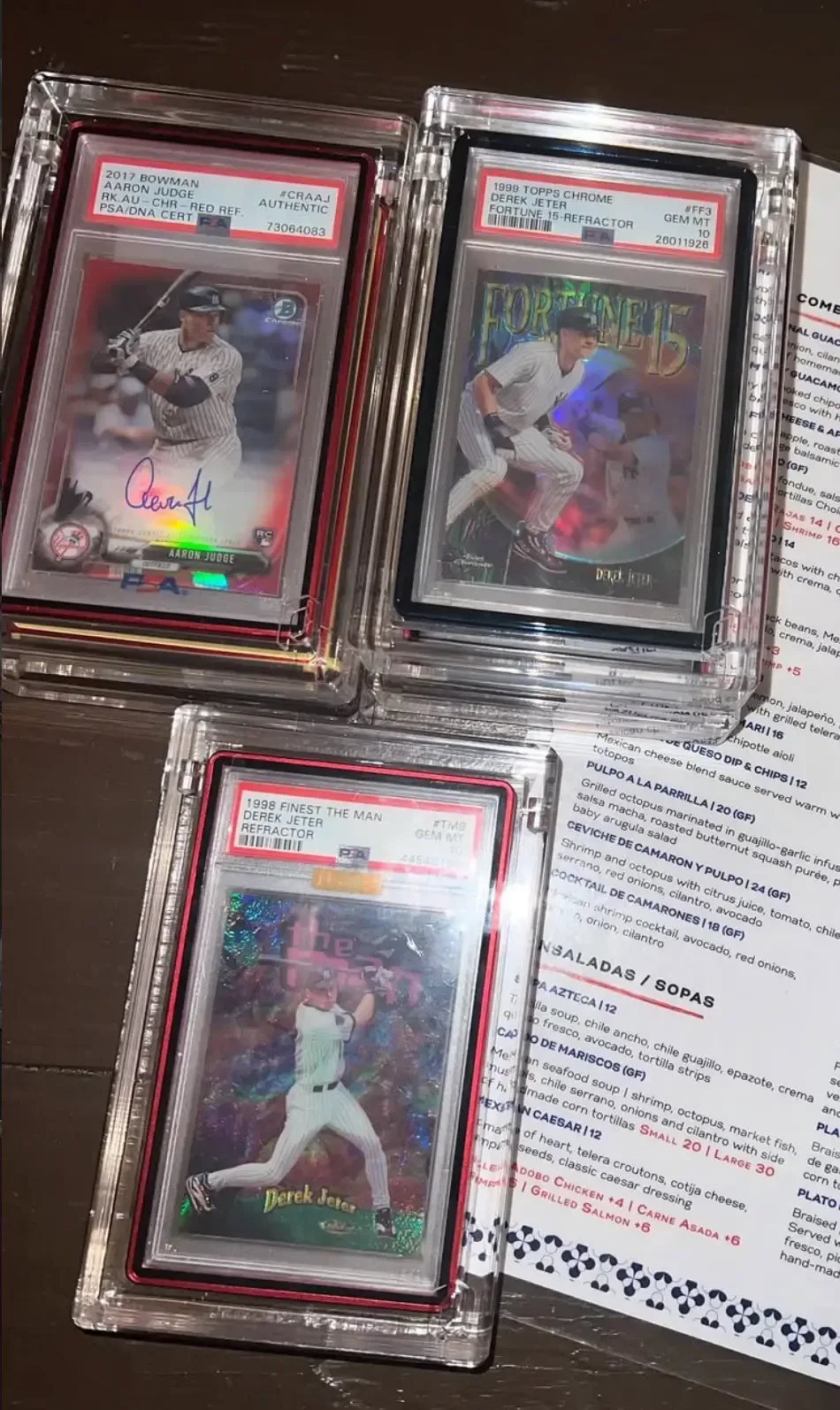
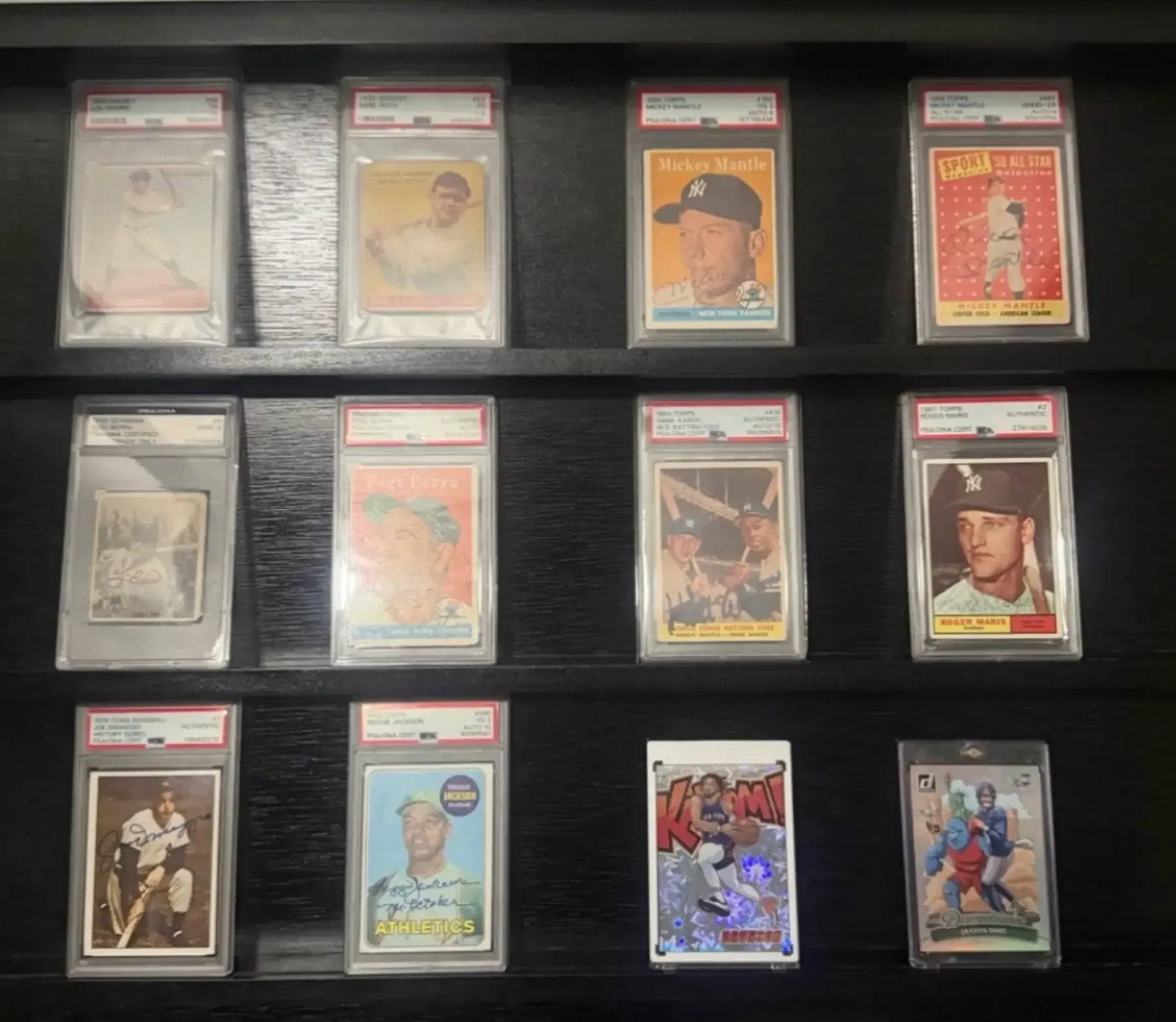
Most valuable cards today are already in graded holders or magnetic cases, but that alone does not make them display-ready. A display case should keep cards stable and upright. If slabs sit loosely on a flat shelf, they can slide when a door opens, when the case is moved, or when the piece gets bumped.
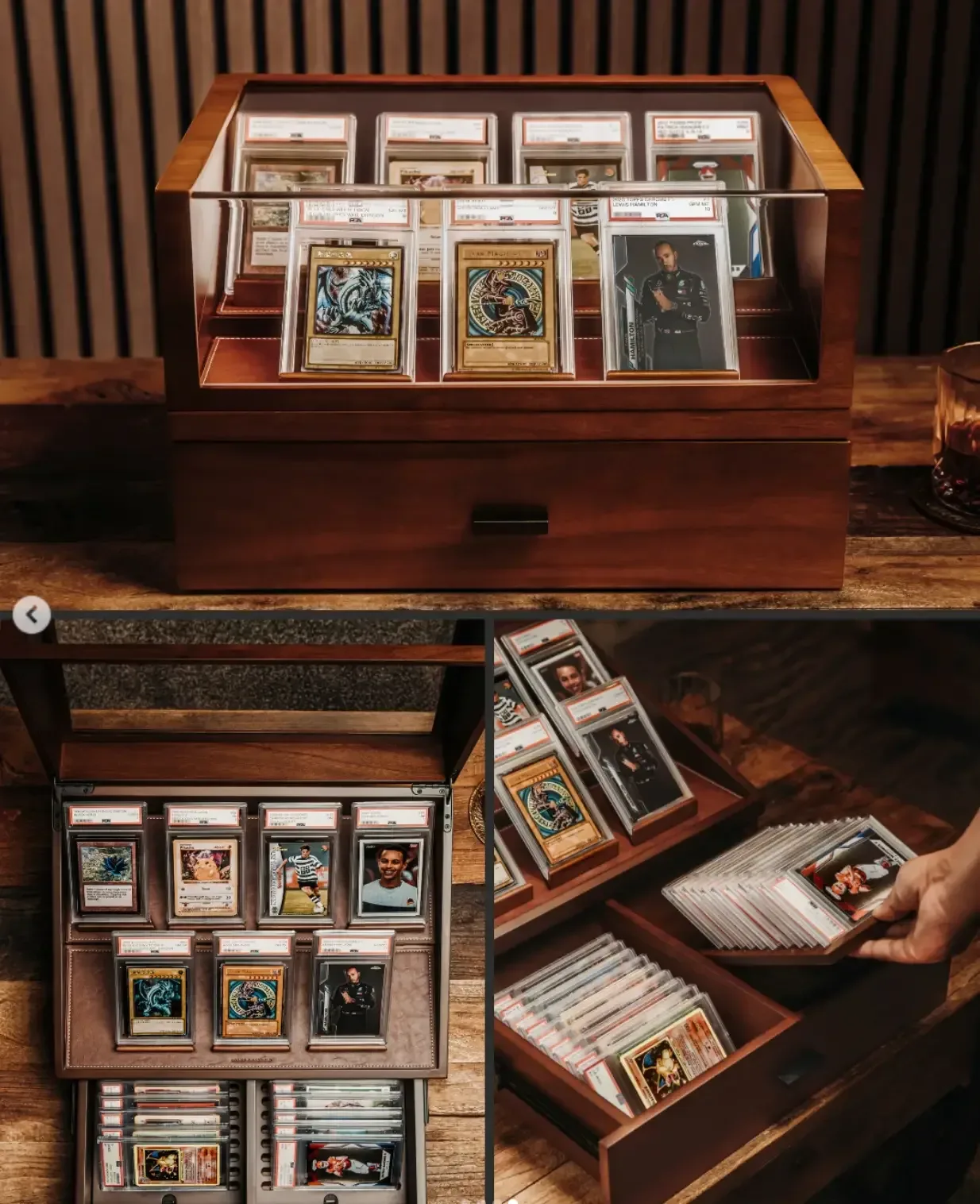
That is why shelf design matters. Display Zone, for example, builds grooves into its shelves so graded cards stay positioned rather than leaning or shifting loosely. That kind of structural detail can help prevent accidental falls and edge knocks, particularly for collectors using wall-mounted or portable display cases.
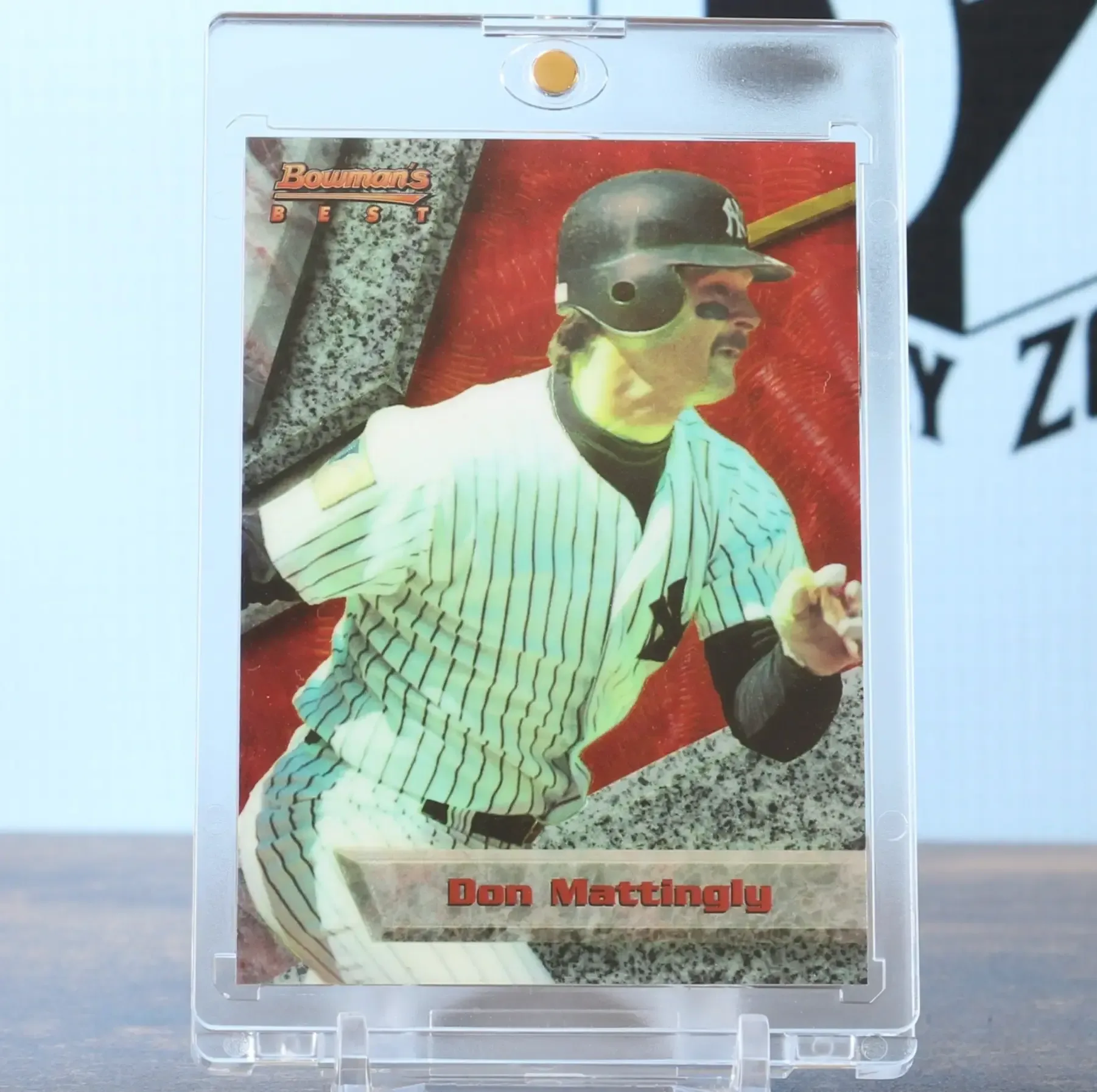
For raw cards, protection becomes even more important. Magnetic holders can add a stronger layer before a card ever goes into a display. Raw cards left exposed in soft sleeves or top loaders are much less suitable for long-term presentation, especially in rooms with traffic, children, pets, or frequent movement.
Dust control also deserves more attention than it gets. Sealed or semi-sealed display cases help keep card surfaces, holders, and shelves cleaner, reducing the need for frequent handling. Less handling usually means less risk.
Security becomes a bigger issue as card values rise
Light and accidental damage are not the only concerns. Valuable cards are easy to carry, easy to conceal, and easy to target. For collectors with especially valuable pieces, security may be the factor that determines whether display is realistic at all.
That does not necessarily mean every card belongs in a traditional safe. Secure display products have expanded in recent years to serve collectors who want both visibility and protection.
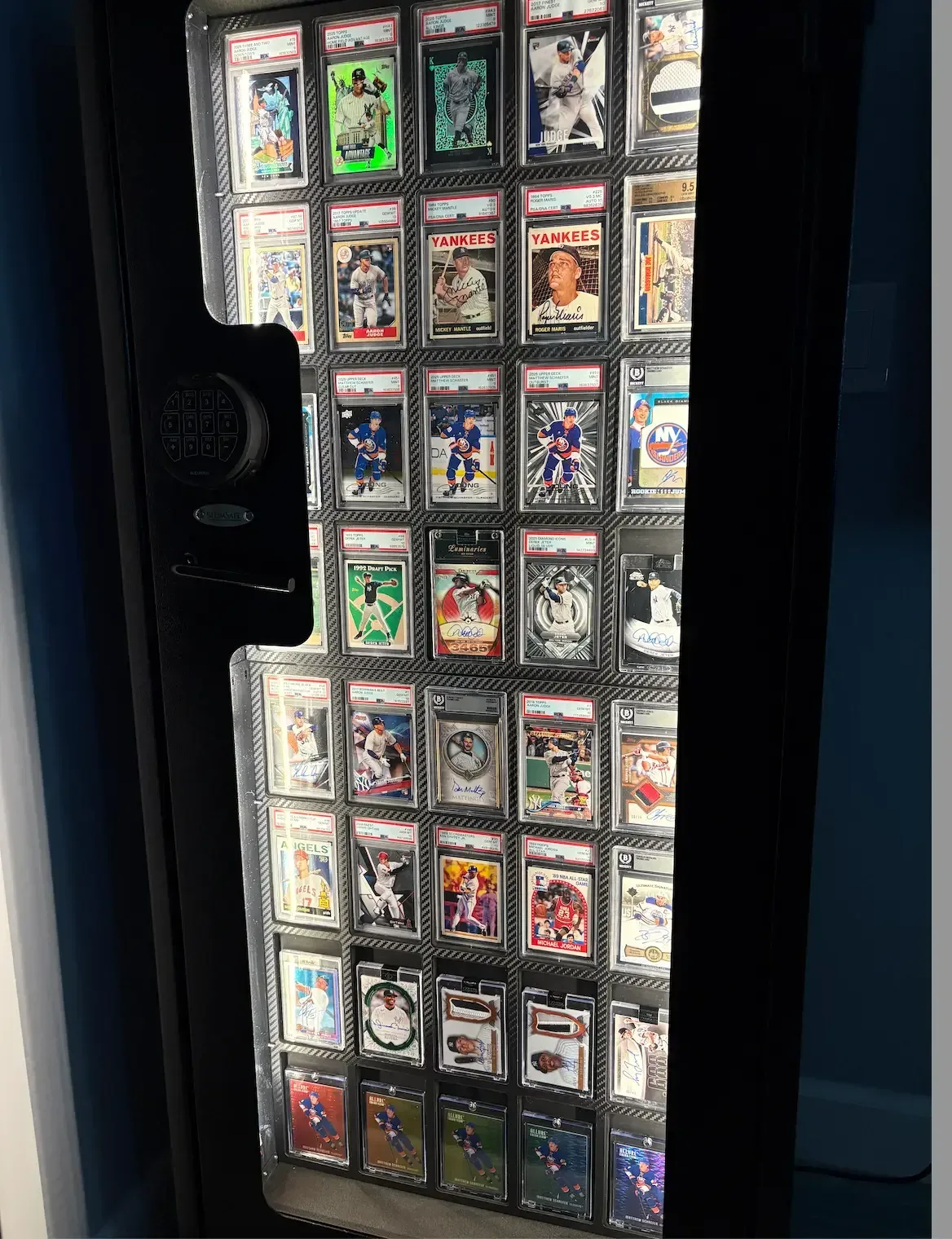
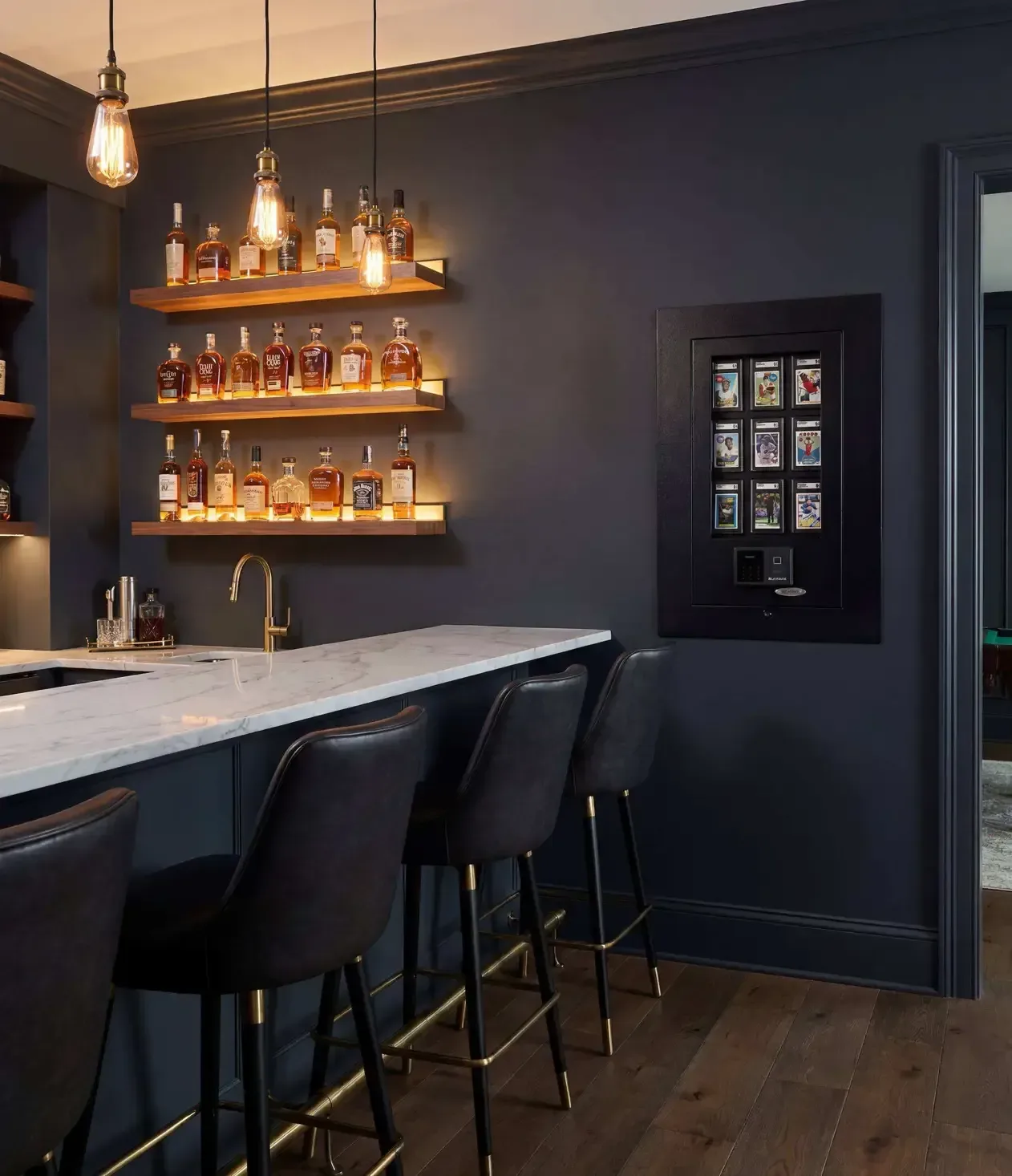
BlumSafe is one example of that approach. Its display safes are built around the idea that cards can function as room decor while remaining secured behind a hardened enclosure, locking mechanisms, UV protection, and a shatter-resistant polycarbonate window. For collectors who own high-value graded cards, that type of setup can bridge the gap between accessibility and protection better than an open shelf ever could.
Basic security measures still matter around the display itself. Collectors with premium cards often add room cameras, alarm coverage, insurance, and discreet placement within the home. Not every collector needs museum-style security, but the higher the dollar amount, the more display should be viewed as part of a larger protection plan.
Display and storage do not have to be an either-or choice
One of the smartest approaches is rotation. Instead of leaving every major card on display all year, collectors can showcase favorites when they are home and move the most expensive items into a safe or vault when traveling or when the home will be unattended for extended periods.
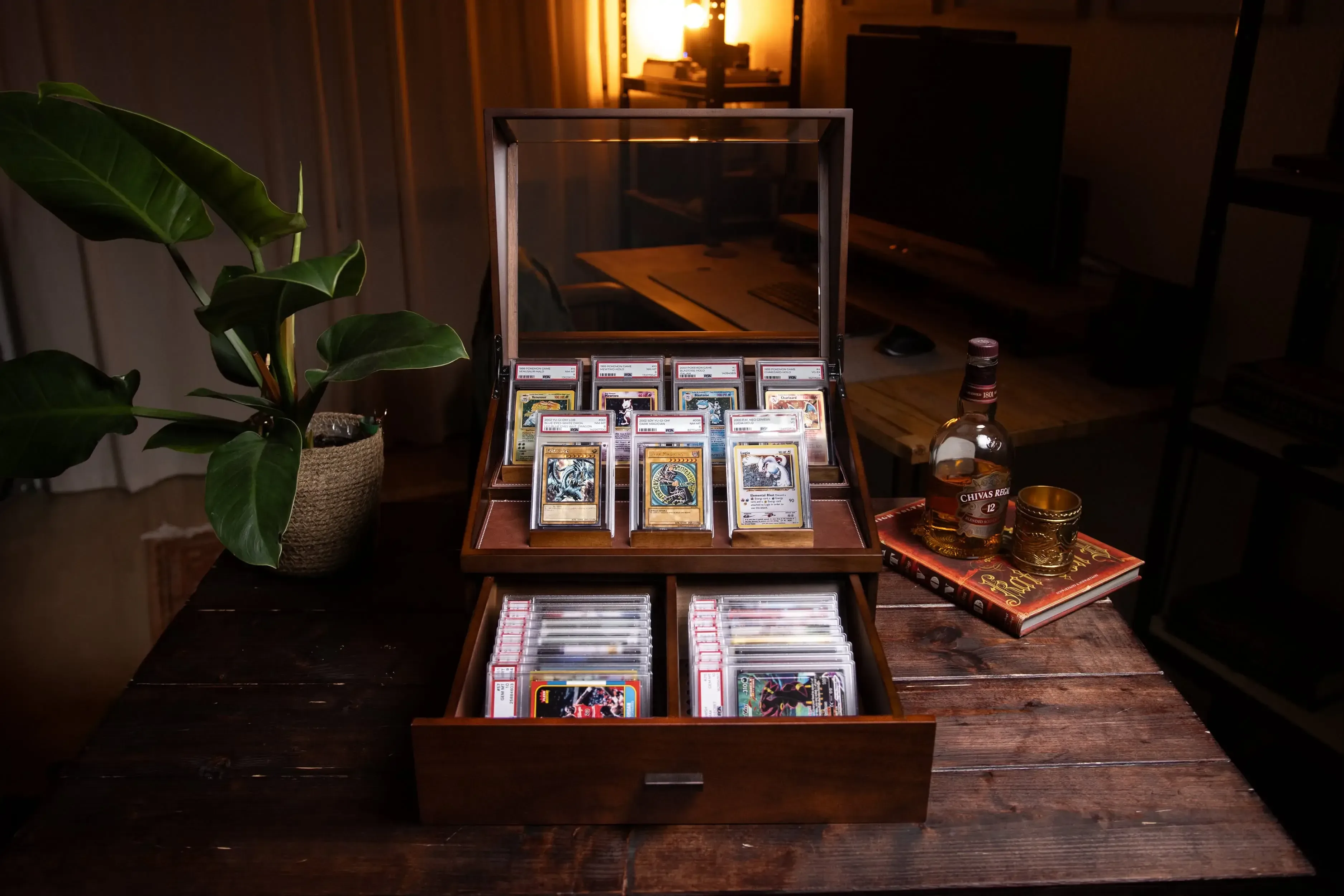
That idea reflects how many modern collectors use display furniture. Holme & Hadfield, for instance, positions display and storage as complementary functions rather than competing ones. Cases that combine organized storage, dust protection, and a visible presentation area give collectors flexibility. Some cards can be front and center while others remain nearby but more protected.
This approach is especially useful for collectors whose personal collection includes cards across very different value tiers. A childhood favorite worth $25 does not need the same level of protection as a five-figure autograph, even if both are emotionally important. Matching the display method to the card’s value and irreplaceability is part of collecting responsibly.
A practical checklist for safer card displays
Collectors putting together a display setup can use a simple framework before committing valuable cards to a shelf or case:
- Choose the room carefully: Favor low-light areas and avoid direct sun.
- Use LED lighting: Reduce UV risk compared with fluorescent lighting.
- Add UV-filtering materials: Look for acrylic, glass, or polycarbonate with documented UV protection.
- Verify the claim: Ask about percentage blocked, wavelength range, testing method, and who tested it.
- Secure the card physically: Use slabs, magnetic holders, shelf grooves, or fitted supports.
- Minimize dust and handling: A more enclosed case helps on both fronts.
- Consider locking features: Especially important for valuable cards or public-facing setups.
- Think beyond the case: Insurance, cameras, and alarms may be part of the solution.
- Rotate premium cards: Display selectively rather than permanently.
Why more collectors are building display-first collections
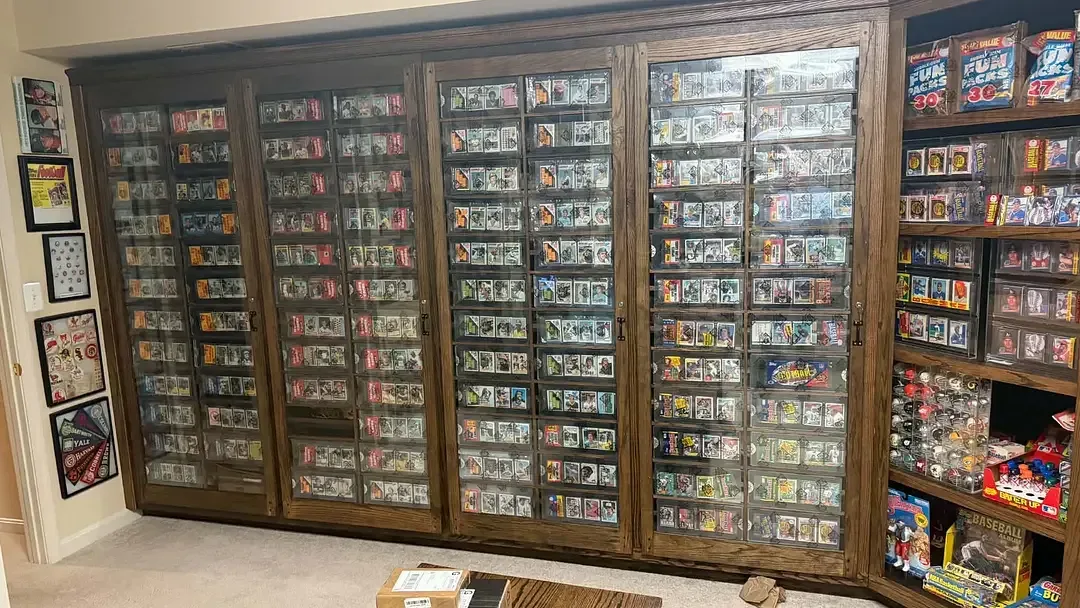
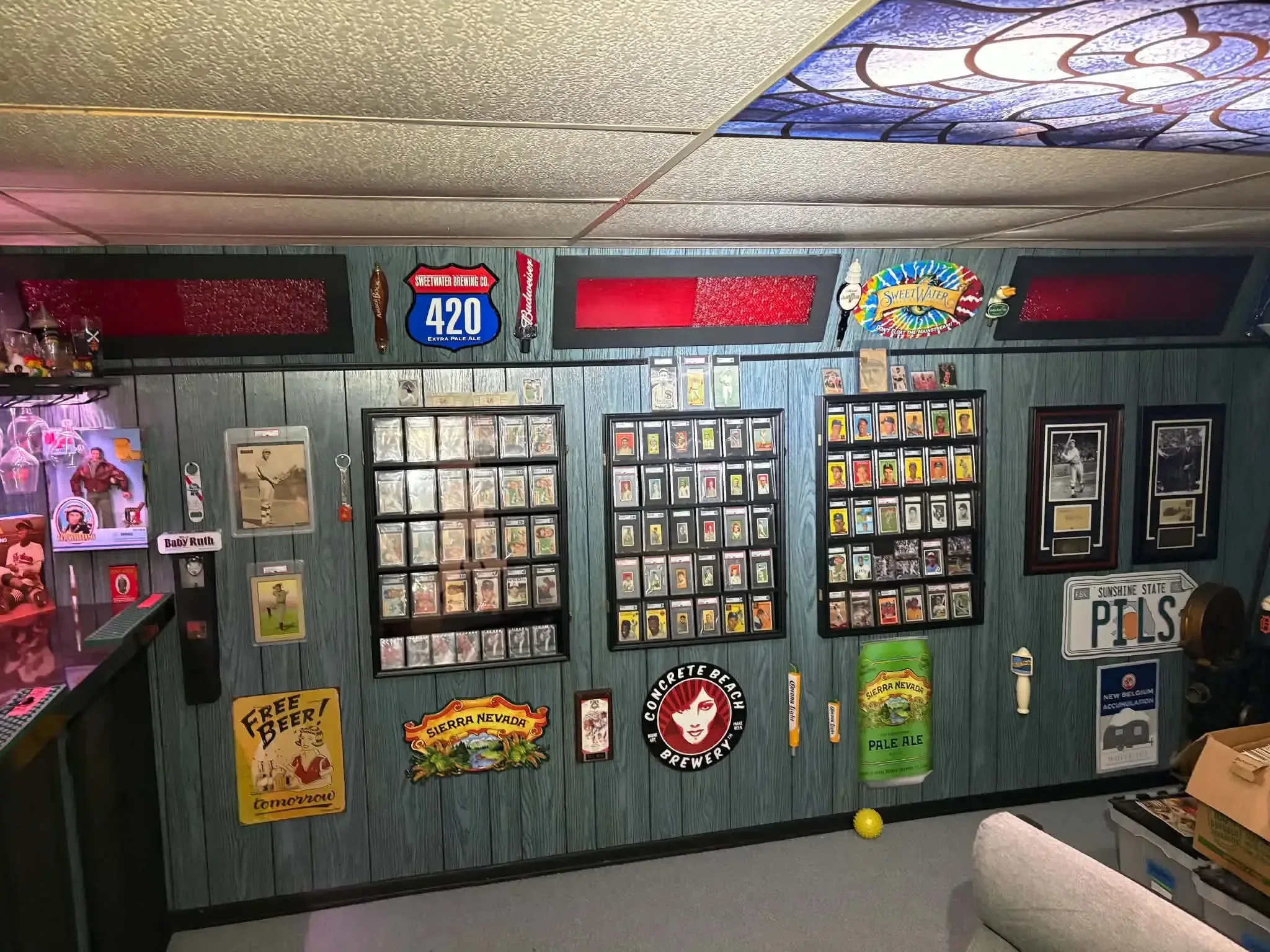
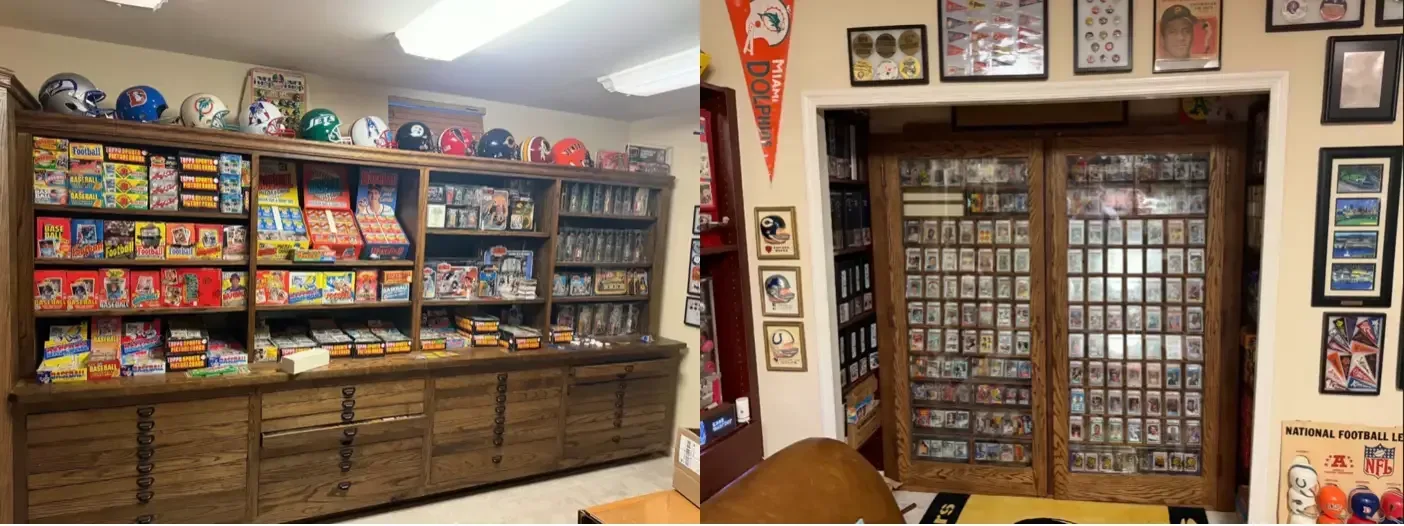
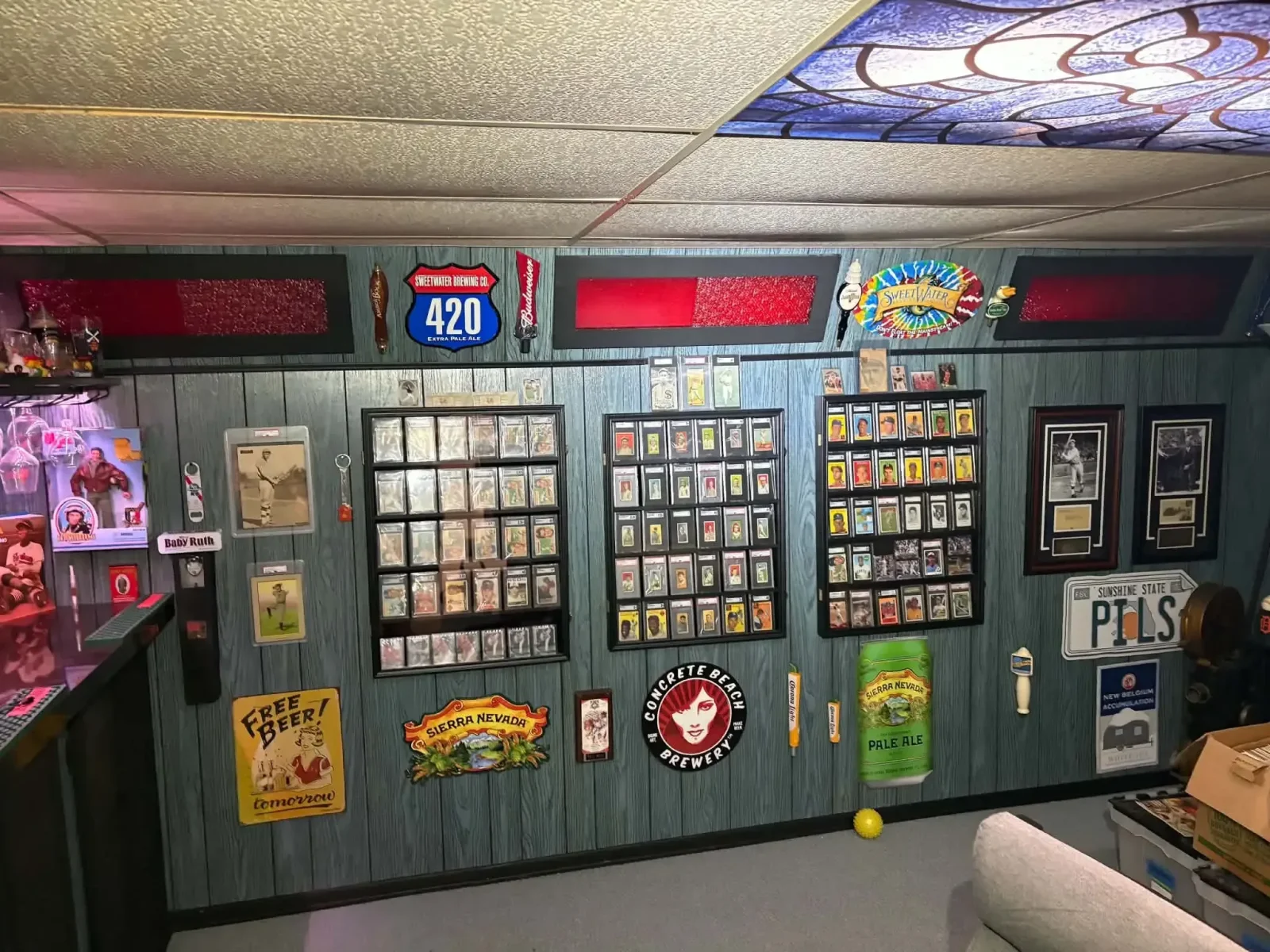
As the hobby matures, more collectors are treating cards like art and memorabilia rather than just inventory. Dedicated display rooms, custom cabinets, wall cases, and mixed memorabilia setups are becoming more common because the experience of seeing the collection matters.
A thoughtfully built room can combine unopened packs, graded cards, helmets, pennants, vintage memorabilia, and lighting in a way that feels more like a personal museum than a storage area. That kind of setup changes the role of the collection. It is no longer just tracked on a spreadsheet or stacked in a closet. It becomes part of the daily enjoyment of the hobby.
That does not mean caution disappears. It means collectors are getting more intentional about balancing protection with visibility. The right display setup will not make a card indestructible, but it can dramatically reduce avoidable risks while letting the collection serve the purpose many hobbyists value most: being seen.
For collectors who have spent years chasing key rookie cards, vintage autographs, or favorite personal collection pieces, a smart display can turn ownership into something more active than storage, especially when the room, lighting, holders, and security are all working together.
Photo Gallery