Topps is giving 2026 Topps Chrome Cosmic an unusual new chase, and it is not something collectors will pull directly from a pack. Ahead of the product’s release, the company unveiled a Black Hole Autograph program built around the set’s Super Nova inserts, creating a race-style redemption that could quickly become one of the most talked-about parts of the release.
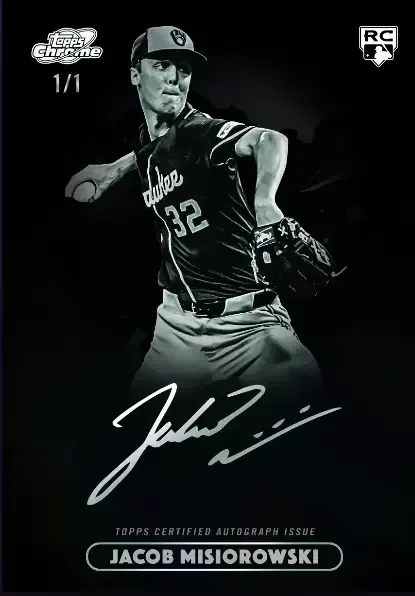
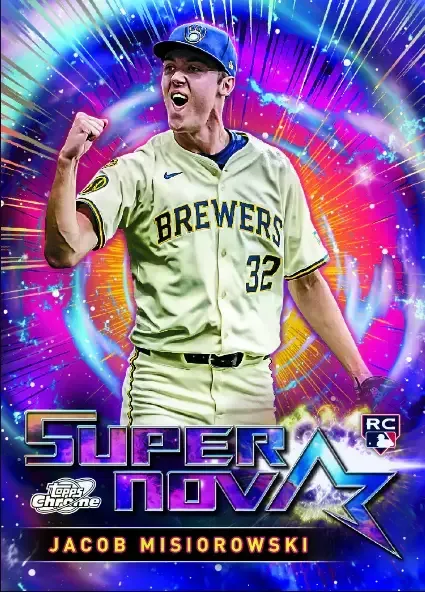
The concept is simple on paper but highly competitive in practice. Collectors who assemble 10 Super Nova inserts of the same player can redeem them for a matching 1-of-1 Black Hole Autograph of that player. Because the reward is a one-of-one and only the first eligible collector to complete the process will get it, the promotion turns selected inserts into a real-time chase with direct competition built in.
That setup gives 2026 Topps Chrome Cosmic something different from a standard short-print hunt. Instead of just hoping to land the biggest card, collectors can track progress, watch a leaderboard, and try to beat other buyers to the finish line for a specific player.
How the Black Hole Autograph Chase Works
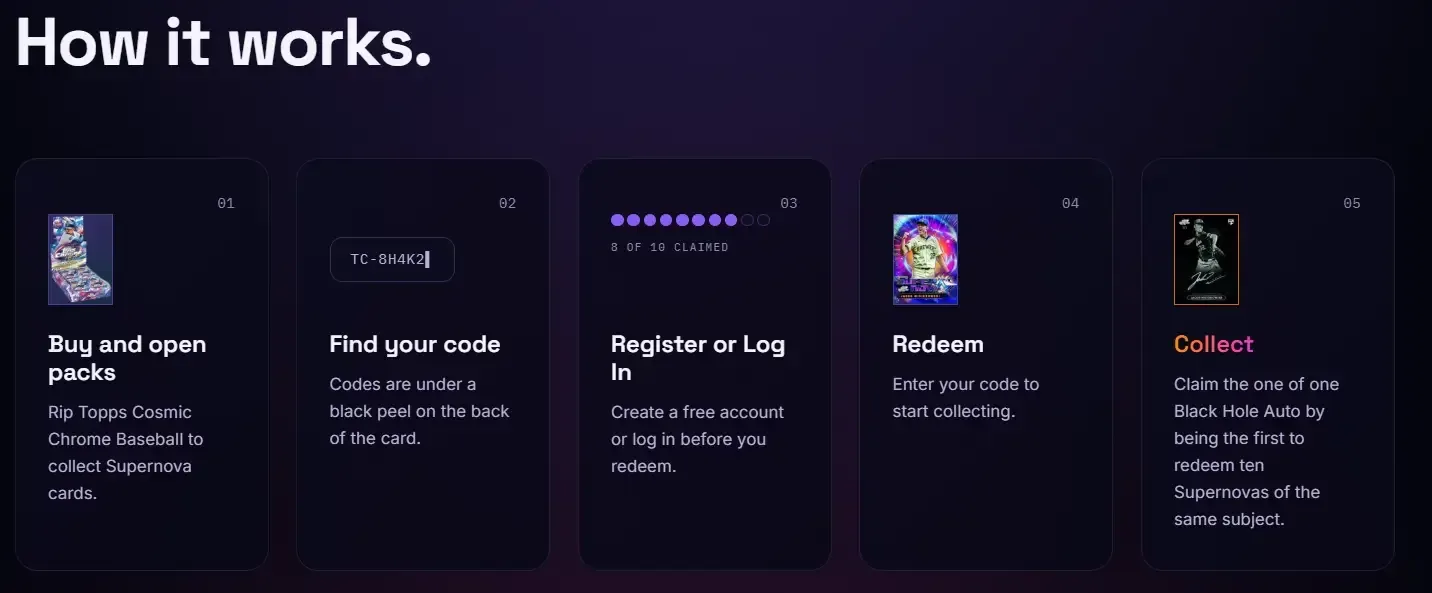
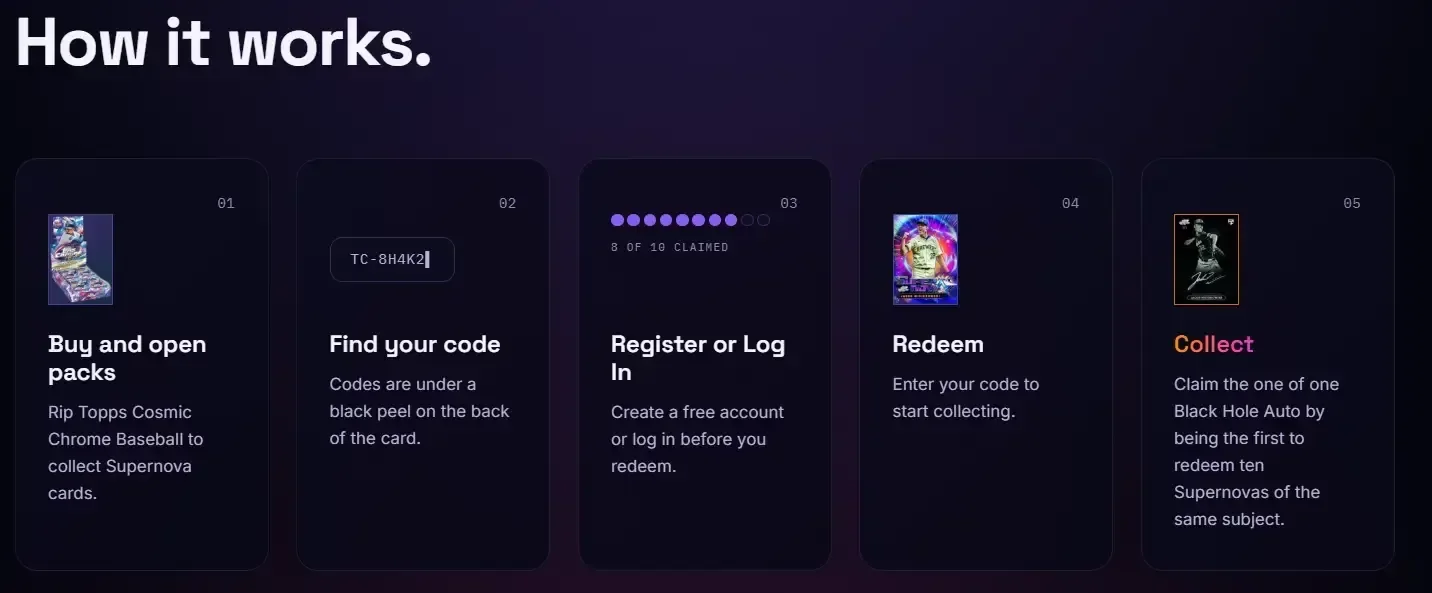
The Black Hole Autograph promotion is tied to Super Nova inserts featuring a designated list of 25 players. For each of those players, the goal is to collect 10 copies of that player’s Super Nova card. Once a collector reaches 10, those cards can be redeemed for a 1-of-1 Black Hole Autograph of the same player.
For more collector background, read Fanatics Unveils LeBron James 24th Season Patch With One-of-One Card Chase Ahead.
Topps has added another layer to the process by using a hidden code system. Each qualifying Super Nova insert carries a black peel area. Once that layer is removed, the collector can reveal the code and log the card through Topps’ tracking page. That creates a live registration process instead of a private stash-and-submit approach.
The promotion is not just about owning the cards. The collector must also log the cards to their account, and the first person to reach 10 for a player will then need to verify physical ownership. Additional verification details are expected to be communicated directly during the process.
In practical terms, that means speed matters twice. A collector has to find enough copies on the market or pull them from packs, and then make sure those copies are properly registered before someone else gets there first.
For another perspective on this story, read Topps Chrome Cosmic Super Nova Chase Turns 10 Inserts Into a Black Hole 1-of-1 Autograph Race.
A True First-to-Finish Race
The biggest twist in the program is that it is structured like a race rather than a traditional redemption. Only one Black Hole Autograph exists for each listed player, and the first collector to successfully log 10 matching Super Nova inserts and complete verification wins the prize.
That type of format could dramatically change the market for specific inserts right away. Collectors are not just valuing the Super Nova cards as rare case hits or visually desirable insert pieces. They are valuing them as building blocks toward a unique autograph card that cannot be acquired any other way.
Topps has indicated that a leaderboard will track progress by player. That introduces a public competitive element that is rarely this direct in pack-issued products. If a collector sees a player’s count begin to rise, it could trigger a rush to buy every available copy that hits the secondary market.
Because the reward sits behind a 10-card threshold, the promotion also creates different levels of pressure depending on the player. Established superstars could inspire immediate bidding wars, while rookies and prospects may draw aggressive speculation from collectors hoping to get ahead before wider demand catches up.
Reported Print Run Adds More Pressure
While the Super Nova cards are not numbered, the reported supply is especially important here. The stated figure is 50 copies per player. If that number holds, collectors are working from a very limited pool.
With only 50 copies available for each eligible player, securing 10 means cornering 20 percent of that player’s total known supply. That is a massive share for a single collector to control, especially when others are chasing the same goal.
The math explains why this promotion could affect prices quickly:
- Only 50 reported copies exist for each player’s Super Nova insert.
- A successful redemption requires 10 copies.
- Only one collector can win the 1-of-1 Black Hole Autograph for that player.
- Any copies logged by competitors immediately shrink the practical supply available to everyone else.
Even for deep-pocketed buyers, completing a set of 10 will not be easy. Some copies may remain sealed in unopened product, some may sit in personal collections, and some may be pulled by collectors who have no interest in selling. That scarcity is likely to make the chase feel very different from a normal insert run.
Players Included in the Super Nova to Black Hole Autograph Program
Topps released a 25-player lineup for the promotion, spanning established stars, high-interest rookies, and notable prospects. That broad mix gives the chase appeal across different parts of the baseball card market.
- Aaron Judge
- Juan Soto
- Vladimir Guerrero Jr.
- Freddie Freeman
- Bobby Witt Jr.
- Mike Trout
- Shohei Ohtani
- Ronald Acuna Jr.
- Francisco Lindor
- Paul Skenes
- Bryce Harper
- Elly De La Cruz
- Julio Rodriguez
- Gunnar Henderson
- Junior Caminero
- Yoshinobu Yamamoto
- Nick Kurtz
- Trey Yesavage
- Chase Burns
- Nolan McLean
- Jacob Misiorowski
- Samuel Basallo
- Roman Anthony
- Jac Caglianone
- Munetaka Murakami
That checklist gives collectors several possible lanes. Some will inevitably focus on the biggest names such as Ohtani, Judge, Soto, and Trout. Others may prefer to target emerging stars and prospects where competition could be less obvious in the early going. The presence of names like Skenes, De La Cruz, Anthony, Caglianone, and Basallo should keep prospectors heavily engaged as well.
Deadline and Redemption Window
Topps has set July 31, 2026 as a key deadline for the promotion. At the same time, the company has indicated that the program is designed to run for nearly 10 years, or until all of the one-of-one Black Hole Autographs have been redeemed.
That timeline creates an interesting split in collector behavior. Some buyers will likely attack the market immediately, aiming to finish a player run before prices rise or supply dries up. Others may take a longer view, hoping copies surface over time through breaks, auctions, and private sales.
Still, the first-to-redeem structure makes this far more urgent than a typical long-term redemption. If a collector waits too long on a player drawing major hobby attention, the opportunity could disappear before enough copies become available at a reasonable price.
Why This Could Reshape the Secondary Market
Programs like this do more than add a promotional wrinkle. They can alter how an entire insert set is valued. A collector chasing 10 copies of a single player is not bidding based solely on aesthetics, rarity, or player popularity. They are bidding for position in a winner-take-all contest.
That could create a number of market effects around 2026 Topps Chrome Cosmic:
- Super Nova inserts may trade at a premium far above what unnumbered inserts usually command.
- Player prices may separate dramatically based on who appears closest to a completed run.
- Collectors may hold copies off the market while deciding whether to build a set or sell into the rush.
- Single-card auctions could become strategic battlegrounds, especially once leaderboards begin to move.
It also gives breakers and wax buyers another reason to rip product early. A collector who pulls even one or two copies of a desirable player could suddenly own cards with outsized leverage if another buyer is already halfway to 10.
Another Example of Gamified Collecting
The Black Hole Autograph promotion continues a trend toward more interactive hobby programs tied to pack-issued products. Rather than limiting value to what is inside the pack at the moment of opening, companies are increasingly adding layers that extend the chase beyond the initial rip.
That approach has shown up in other notable programs in recent years. The Bowman Red Rookie Redemption turned selected rookie cards into longer-term hold-or-redeem decisions linked to player performance and career milestones. Rookie Debut Patch Autographed cards brought game-used significance and first-game provenance into the ultra-premium space.
This new Cosmic mechanic pushes in a different direction. Instead of asking collectors to wait on a player’s career arc, it asks them to compete against each other immediately. It is part scavenger hunt, part redemption program, and part live marketplace contest.
For Topps Chrome Cosmic, that fits the product’s identity well. Cosmic has built a reputation around bold visuals, space-themed inserts, and release-week hobby buzz. Adding a Black Hole Autograph chase tied to Super Nova inserts gives the product an extra headline feature that could influence how cases are broken, how singles are priced, and which players become the center of collector attention during launch.
What Collectors Should Watch at Release
When 2026 Topps Chrome Cosmic starts getting ripped, several details will matter right away. The first is simple availability. If Super Nova inserts prove difficult to pull in volume, the race for 10 copies of any major player could become steep almost instantly. The second is leaderboard movement. Once collectors begin logging cards, even partial totals could shape market behavior in real time.
Buyers should also pay attention to how quickly verification is handled after a collector reaches 10 logged copies. Since physical possession still must be confirmed, ownership procedures could become a key part of the chase. In a race format, any delay could be meaningful if multiple collectors are close on the same player.
The third variable is player selection strategy. Chasing an Ohtani or Judge may bring maximum prestige, but it could also mean the fiercest competition. Going after a prospect or a less obvious star may offer a clearer lane if enough copies can be tracked down before broader demand forms.
For anyone opening 2026 Topps Chrome Cosmic, the Super Nova inserts now carry much more than standard insert appeal. Every copy from an eligible player could be a direct piece of a one-of-one pursuit, and with only one winner per name, the race may start as soon as the first boxes are opened.
Photo Gallery