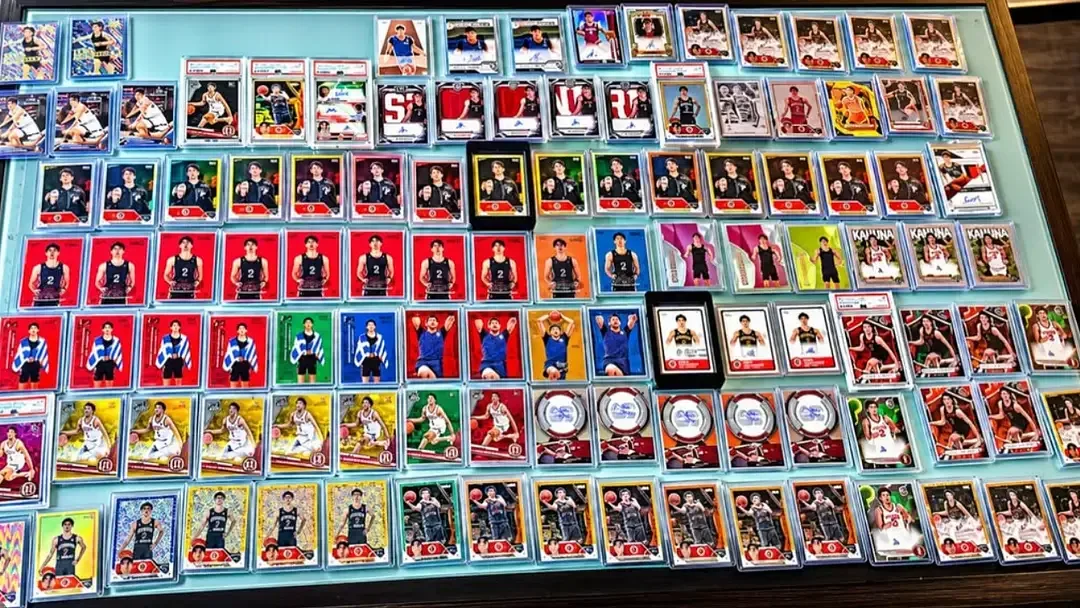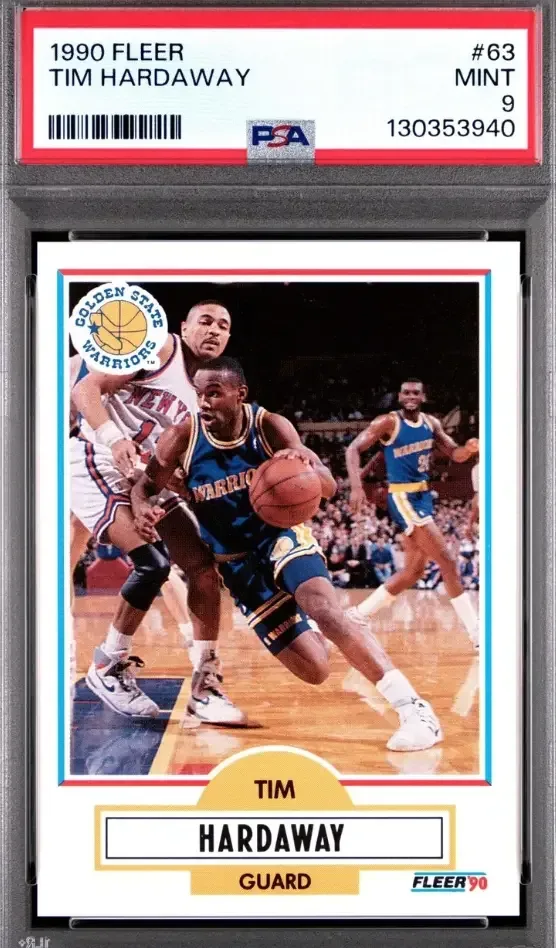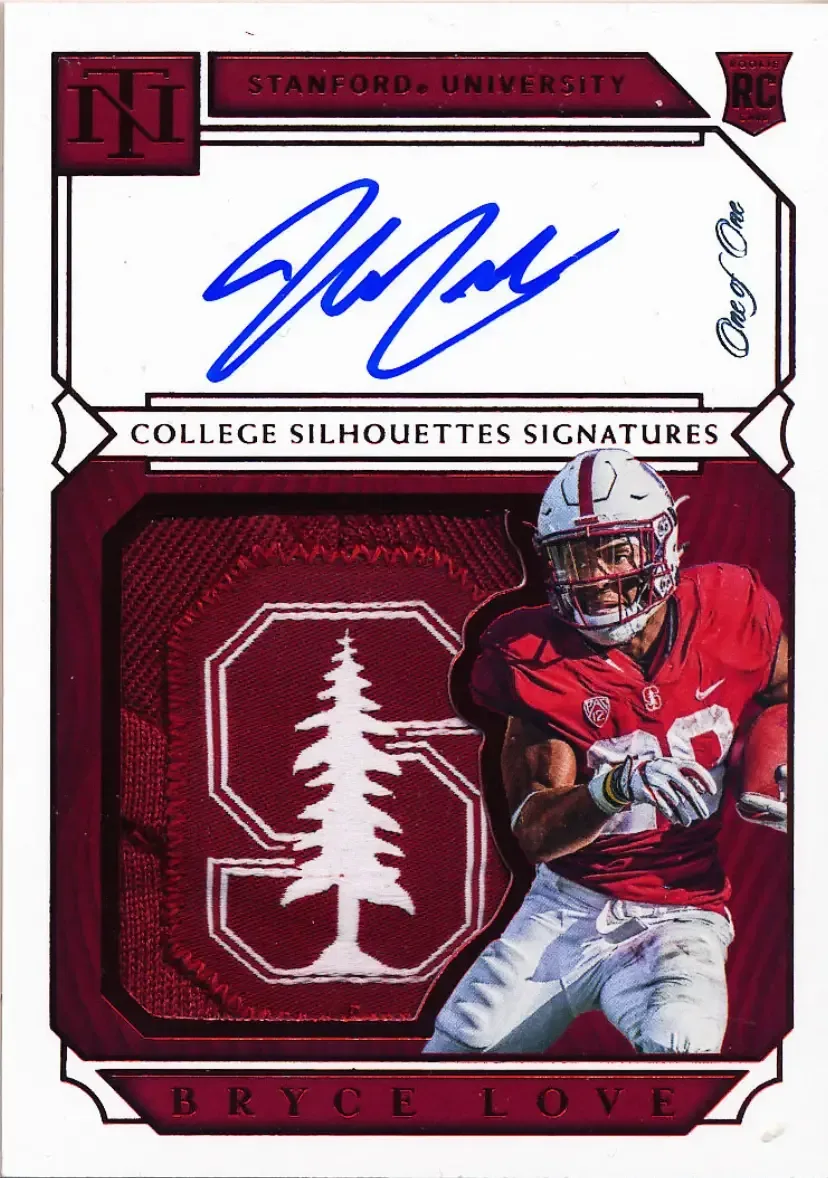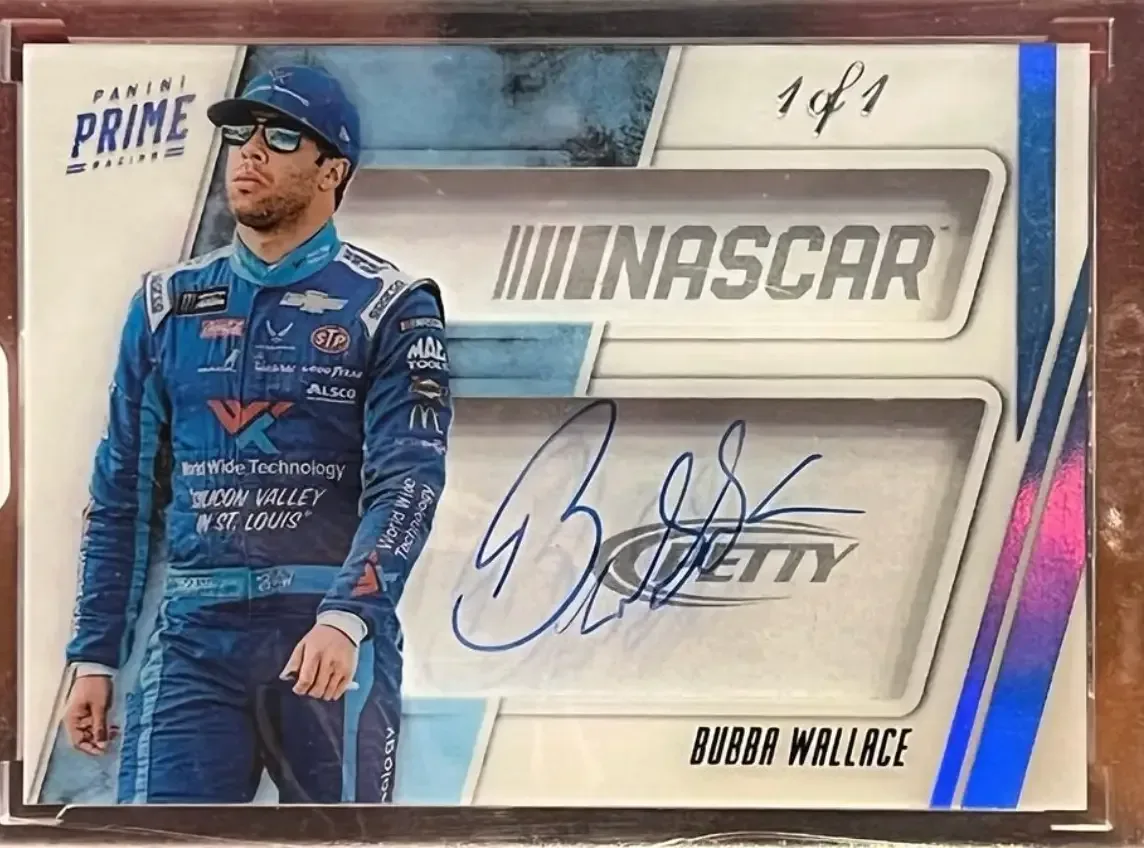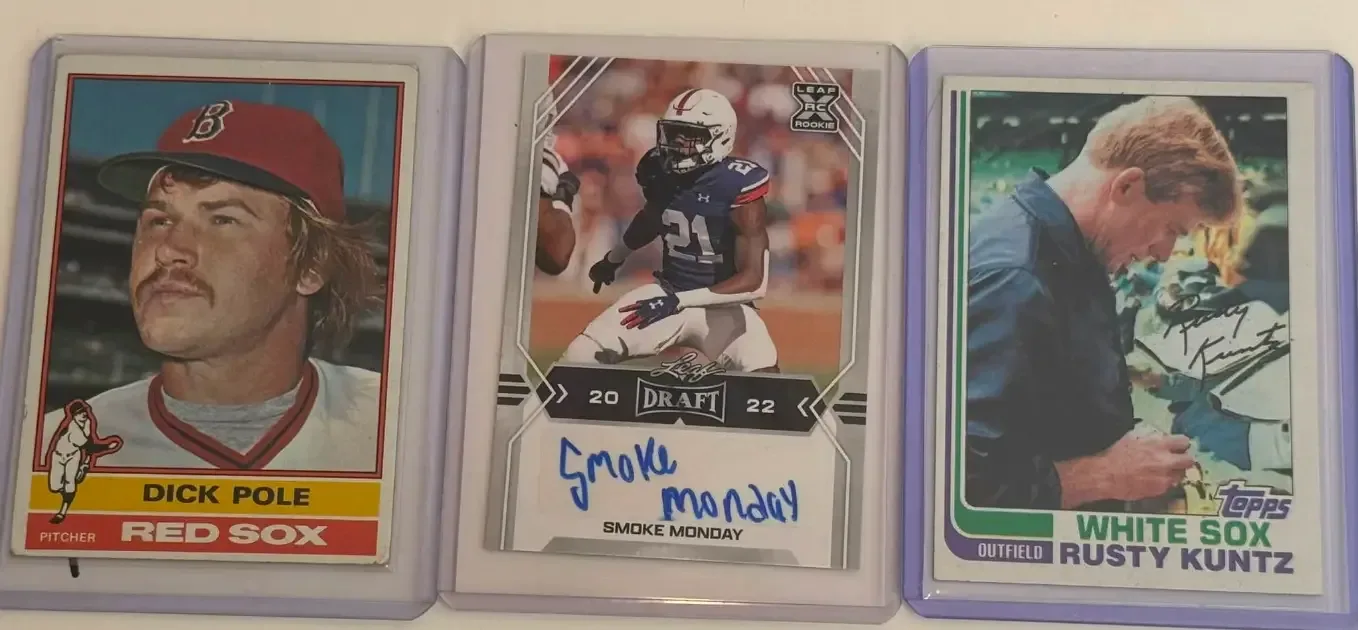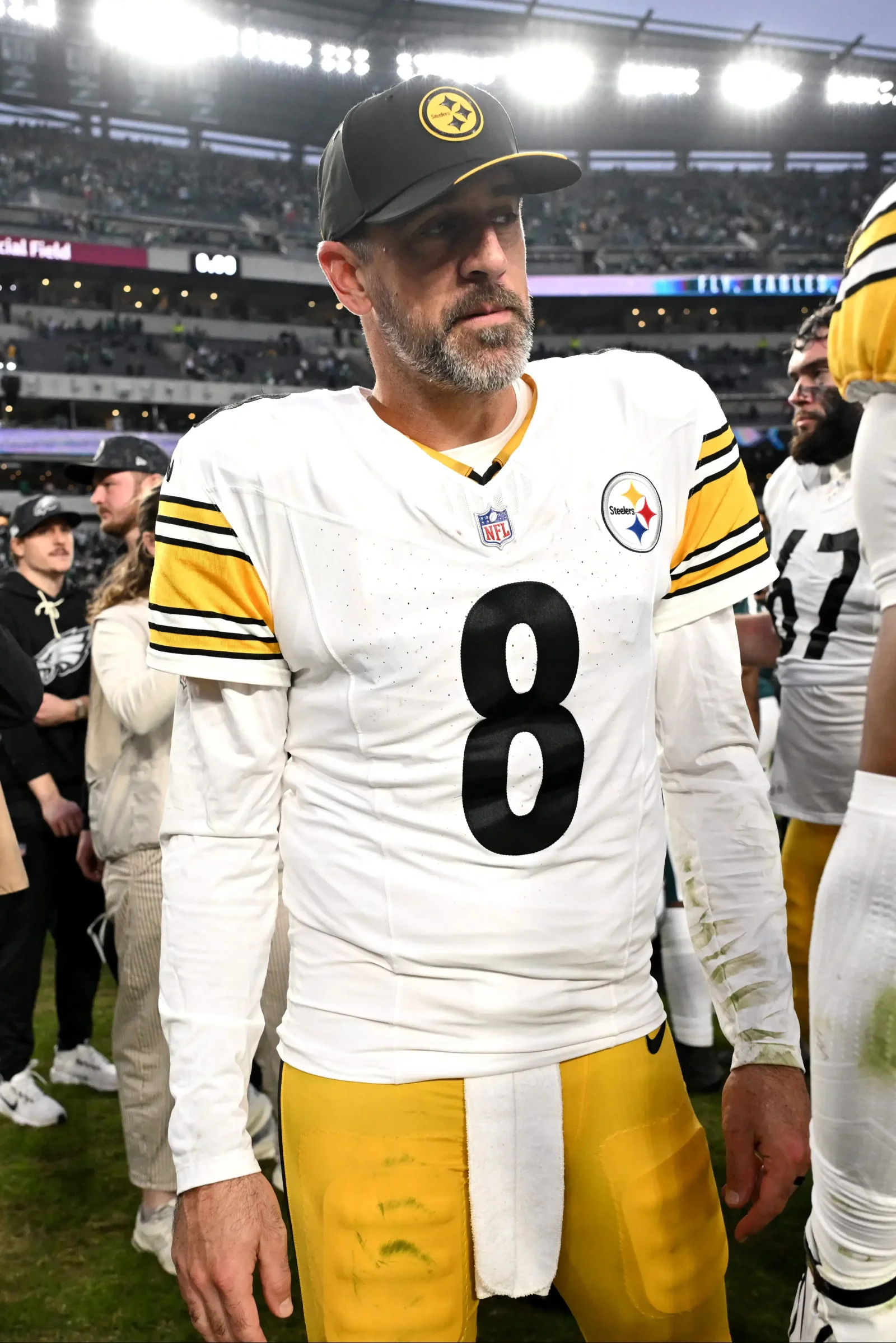
A card doesn’t need to be a big hit to be the best thing you bring home from a show. It might feature the backup who became a fan favorite, a player you watched in the minors, or a college uniform you rarely see on cardboard. Those are the finds that give a personal collection a character no price guide can capture.
Collectors call it a personal collection, or PC: the cards and memorabilia you seek out because you want to keep them. A PC can include premium autographs and one-of-ones, but it can just as easily grow through inexpensive singles. The key is deciding what makes a card worth owning to you. These six approaches offer different ways to make that decision.
1. Collect the Team You Actually Watch
A favorite team is an easy starting point, but it doesn’t have to mean buying its biggest stars. A Bay Area collection might include Stephen Curry, Joe Montana, and Barry Bonds alongside the Warriors, 49ers, and Giants role players who made particular seasons memorable. You don’t need to stick to championship years, either. Sometimes the roster you remember best is simply the one you watched every week.
To make a team collection manageable, start with a season, an era, or a handful of players you remember rooting for. One collector might want a card of every starter from a favorite lineup. Another might look for players pictured in the uniforms they wore when that collector first became a fan. Both approaches give you a reason to look beyond the showcase and spend some time sorting through singles.
For more collector background, read Build a UFC Card Collection You Can Finish: One Set, Three Fighters and a $100 Ceiling.
Former fan favorites and role players often cost less than current superstars, even when they bring back just as many memories. It can also be worth browsing shows and shops outside your home market. A player who gets plenty of attention in your city may not draw the same interest a few states away.
2. Follow Your School Across Sports
A college collection lets you connect athletes who might never share space in a conventional sports card binder. A Stanford PC could bring together football stars Andrew Luck and John Elway, basketball standout Cameron Brink, and Olympic swimmers Katie Ledecky and Torri Huske. Christian McCaffrey fits a Stanford collection and a 49ers collection, a useful overlap if you follow both teams.
Decide whether you’re collecting people who went to the school or cards that actually show them representing it. The first approach leaves room for pro uniforms and gives you more options. The second makes the uniform part of the hunt. For a Bryce Love collector, a card picturing him in Stanford gear might be more appealing than a professional card, and a Pac-12 patch gives the collection a more specific target.
You can also look beyond pack-issued signatures. Former Stanford baseball players Mike Mussina and Jack McDowell are examples of how a school theme can extend into major league autographs. Through-the-mail autograph collecting can be a relatively inexpensive option, though a response isn’t guaranteed. If the school connection matters more than the format, you don’t have to limit yourself to signed cards.
3. Pick One Athlete and See How Deep the Collection Goes
You don’t need to follow every rookie class to stay interested in the hobby. Pick one athlete whose career you enjoy watching and see how many different cards you can find. NASCAR driver Bubba Wallace offers a good example. His move to 23XI Racing, the team founded by Michael Jordan and Denny Hamlin, gives a collector a distinct chapter to focus on without having to chase every card he has.
A single-player PC can hold ordinary base cards, autographs, race-used patch cards, and one-of-ones without treating them as equally urgent purchases. If the rarest cards are out of reach, filling a gap with a common you’ve never seen can still feel like progress. A collection with a deep run of affordable cards can show more of an athlete’s career than a binder built around a few expensive hits.
Keep a simple record of what you already own, especially once you start looking at cards with similar photos or designs. It helps to give yourself one attainable target, such as filling out a run of base cards, and a separate watch list for tougher pieces. That way, a long wait for a scarce autograph doesn’t put the rest of the collection on hold.
4. Look for Hometown, Family, and Personal Connections
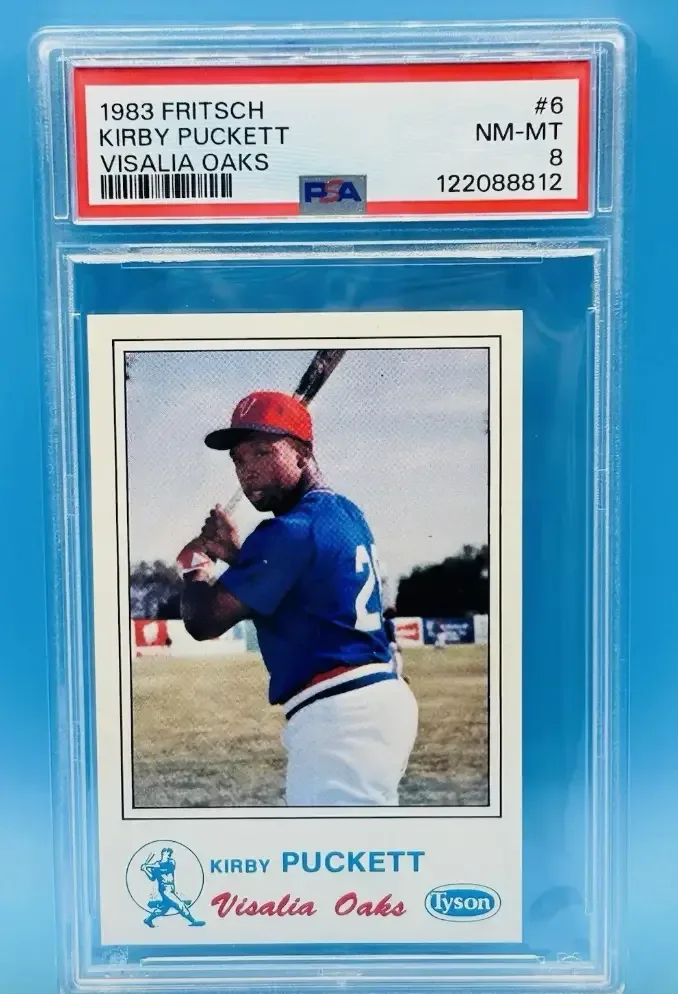
A local connection can make an otherwise overlooked card the centerpiece of a collection. David McCarty played at Stanford and for the Visalia Oaks, the minor league club now known as the Visalia Rawhide. Kirby Puckett also played for the Oaks. If that’s the team you grew up watching, those names belong together in a collection even if they occupy very different places in baseball history.
Start with the places you know. Your high school may have produced a player with cards. Your hometown might be where a longtime major leaguer grew up. Or an athlete you remember seeing at the local ballpark might have cards from a later stop in the minors or a stint in the majors. The card doesn’t have to depict the local connection to remind you of it, though finding one that does can give you a more specific hunt.
Family collections offer another head start. If a parent or grandparent left behind a partly finished set, check what’s missing before deciding whether to complete it. You could also pull out their favorite players and collect a few more cards of each. For memorabilia with a personal story, such as a signed minor league bat, write down where and when the piece was acquired while those details are still fresh.
5. Build a Theme That Makes You Look at Cards Differently
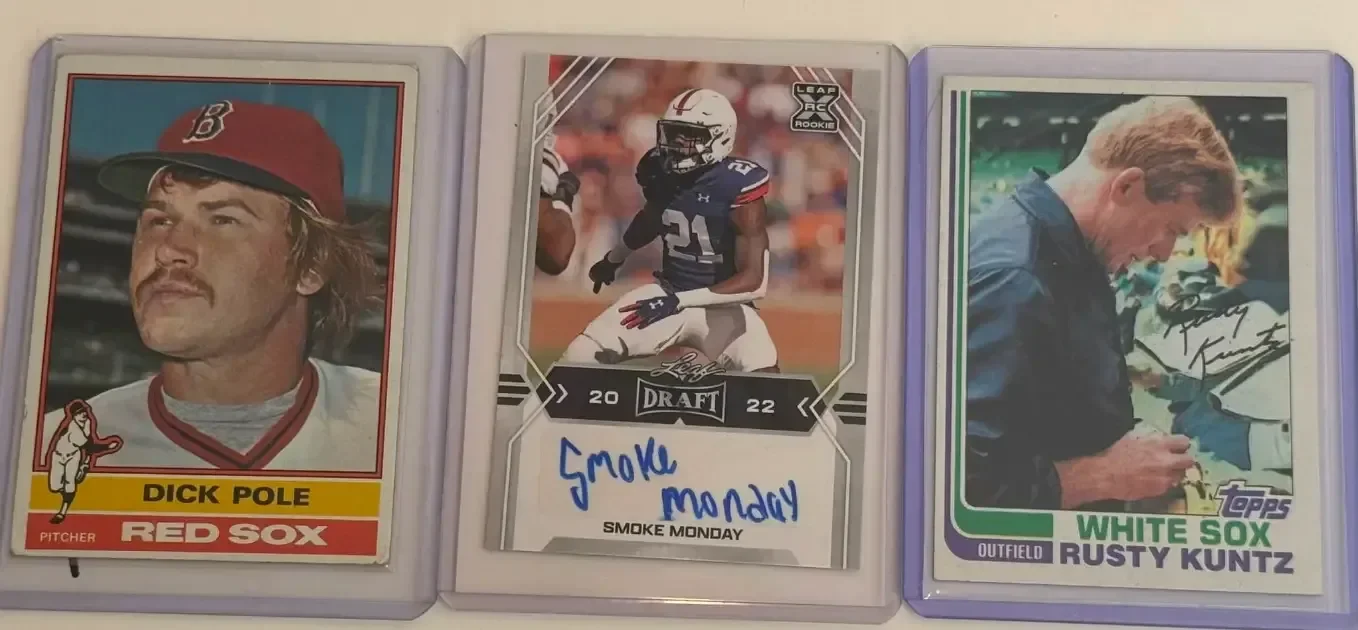
A theme can tie together cards from different teams, sports, and decades. Look for unusual uniforms, oddball photography, funny player names, or athletes who share your birthday. The appeal is that a card you’d ordinarily pass over might turn out to be exactly what you need. A common with the right photo can be harder to replace in a themed binder than a star card with nothing to do with the rest of it.
If you prefer a defined finish line, pick an insert or autograph series. One example is a collection of Topps Five Star autographs featuring members of baseball’s 500 Home Run Club. That’s narrower than collecting any signed card of a big home run hitter: both the player and the product have to fit. Another option is to seek one autograph from each member of a favorite championship roster.
Set the boundaries before you buy the expensive pieces. If you’re working on a championship roster, decide whether a signature counts when the player is pictured with another franchise. If you’re collecting unusual uniforms, decide whether the card has to show the full uniform or whether a recognizable detail is enough. Clear rules make it easier to skip a tempting card that doesn’t really belong.
6. Explore Entertainment Cards and Other Non-Sports Collectibles
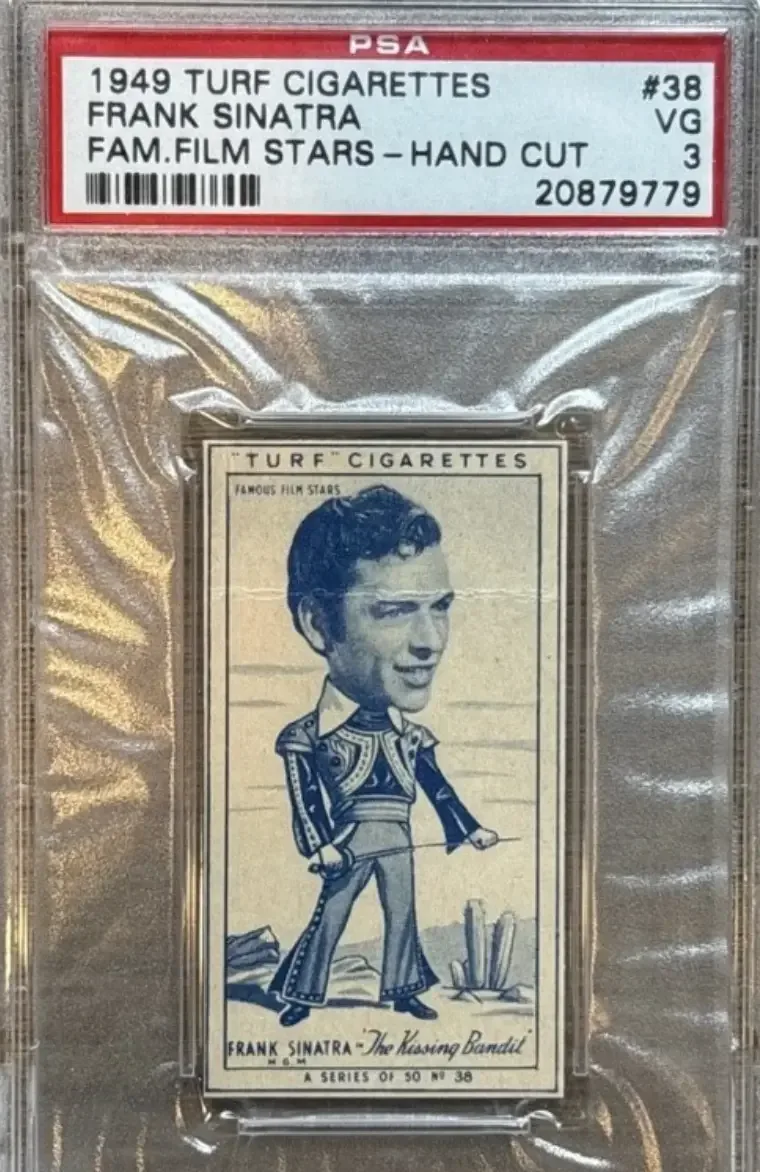
Some of the same instincts that make sports cards appealing can lead you into other parts of the hobby. An interest in Palm Springs entertainment history, for instance, can bring Frank Sinatra, Dean Martin, and Jayne Mansfield into the same collection. A Sinatra card from the 1949 Turf Cigarettes issue is one example of a vintage piece that wouldn’t turn up in a modern sports box.
Music, movies, television, and politics all offer possible themes, and the items don’t need to be standard trading cards. Old postcards, international cigarette cards, and gum cards can sit alongside one another if they tell the story you’re interested in. A postcard might capture a place tied to a performer, while a period card gives you a portrait from the era you’re collecting.
When browsing online, start with the performer’s name and vary the format in your search. Try postcards, cigarette cards, and gum cards separately. Once you identify an issue you like, search for the year and issuer together, such as 1949 Turf Cigarettes Frank Sinatra. That gives you a way to look for a specific piece without relying on broad celebrity memorabilia listings.
Photo Gallery