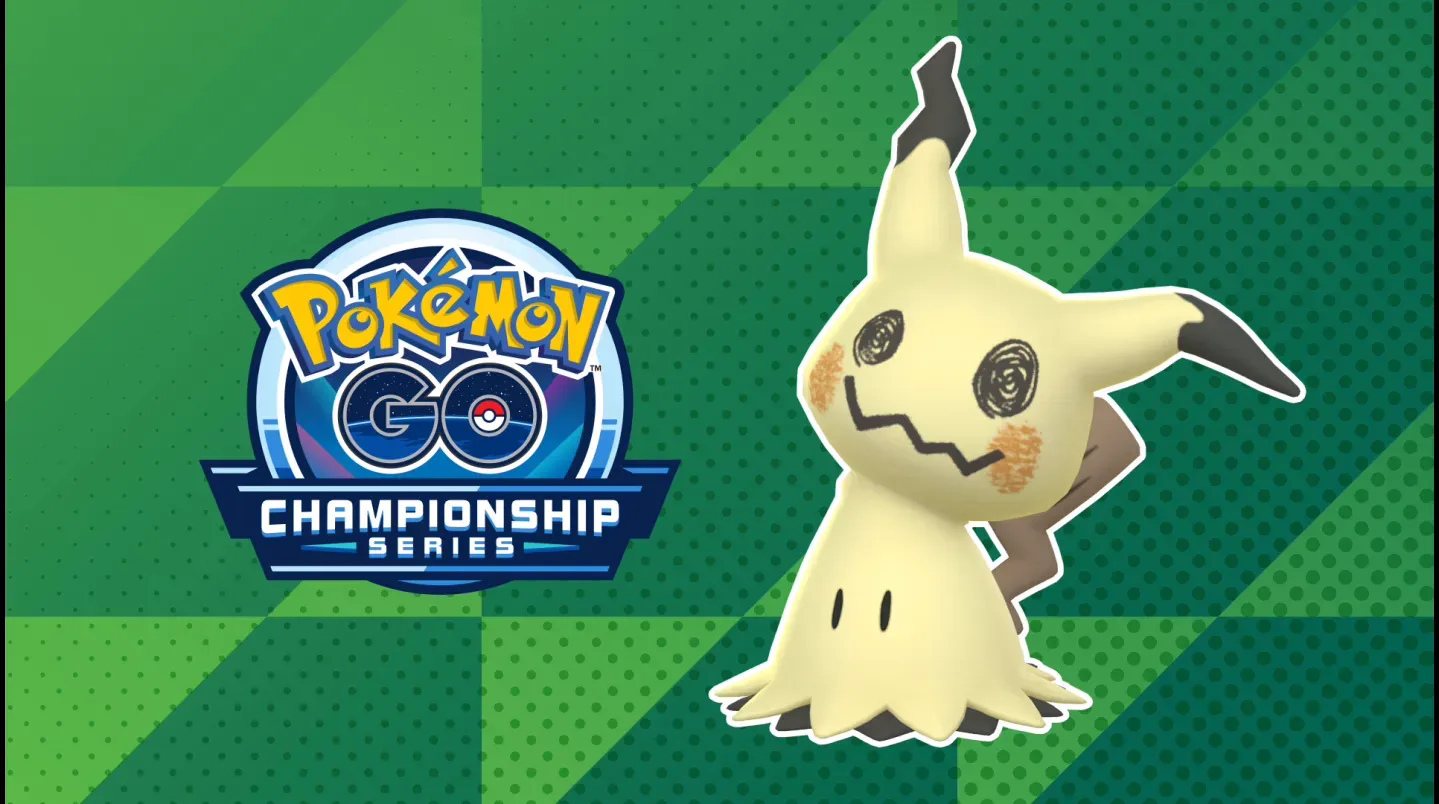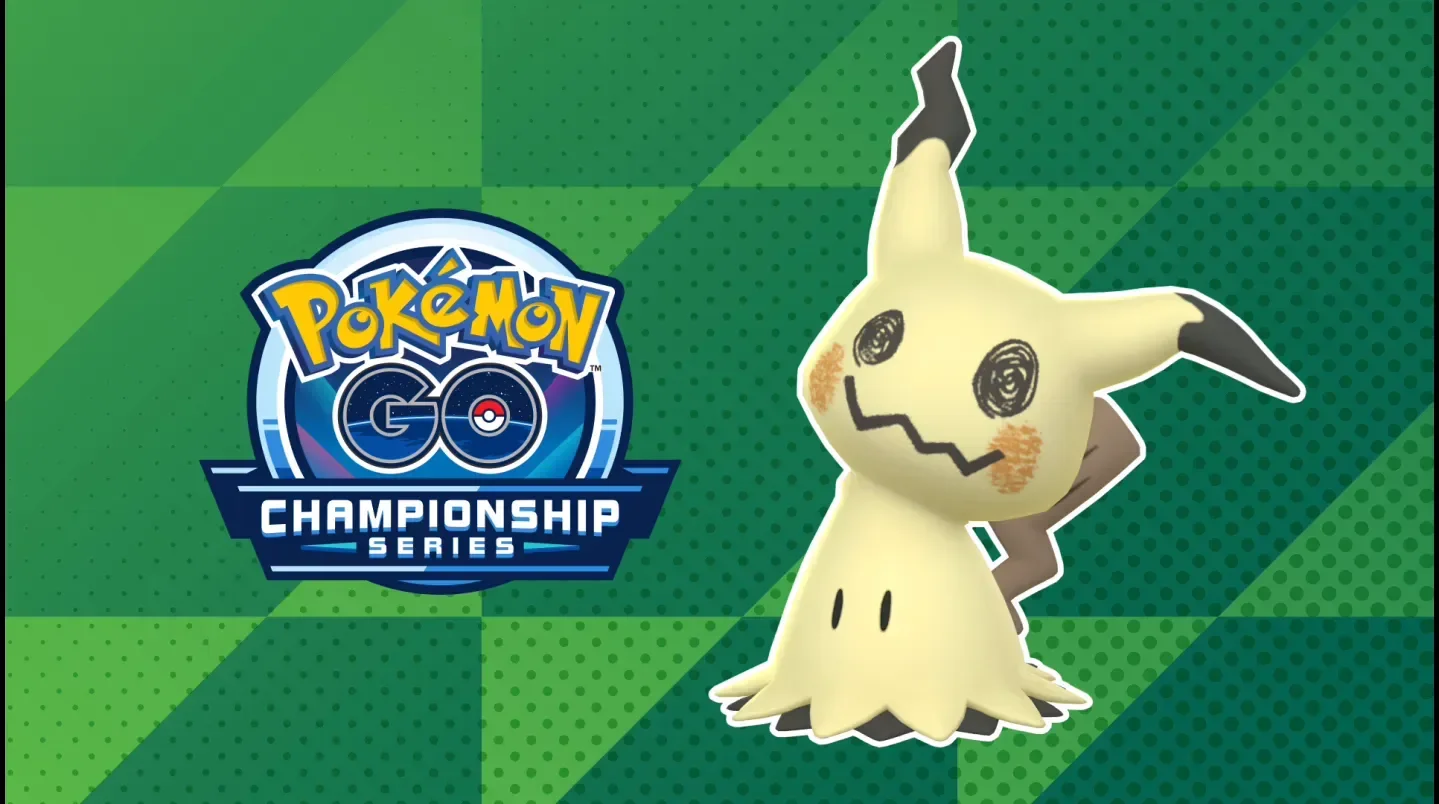
Mimikyu is about to become a new factor in the Play! Pokémon GO Championship Series. Beginning November 16, 2026, the Ghost- and Fairy-type Pokémon will no longer be banned from competitive Pokémon GO play, opening the door for players to use one of the game’s more unusual battle tools in sanctioned competition.
The rules change gives competitors access to a Pokémon that stands out because of its Disguise ability. In battle, that effect lets Mimikyu block the first unshielded Charged Attack it takes, a mechanic that could create important swing moments in a format where Protect Shields are often the difference between winning and losing.
Mimikyu’s status changes on November 16
The key update is straightforward: Mimikyu will be removed from the banned list for competitive Pokémon GO play effective November 16, 2026. Once that date arrives, players will be able to include it on teams used in Play! Pokémon competition, provided their lineups follow the rest of the current rules and event regulations.
That timing matters for players preparing for official events, local tournaments, and broader Championship Series competition. Any team-building plans that previously had to leave Mimikyu out can now start accounting for its place in the metagame.
For more collector background, read Pokémon Champions Ranked Battles Season M-8 Battle Pass Dates and Rewards.
Why Mimikyu could matter right away
Mimikyu’s competitive intrigue starts with its typing and the way its signature battle effect interacts with Pokémon GO’s shield economy. As a Ghost- and Fairy-type, it already brings a combination that attracts attention from players looking for flexible coverage and awkward matchup pressure. The bigger headline, though, is Disguise.
In competitive Pokémon GO, the ability to absorb an unshielded Charged Attack without spending a Protect Shield can be a major advantage. Shields are limited, and every decision around when to spend or save them shapes the flow of a match. A Pokémon that can effectively preserve shield resources while still surviving a key exchange could alter how players sequence attacks, bait shields, and manage endgame scenarios.
That does not automatically make Mimikyu dominant, but it does make it highly relevant. Any legal Pokémon with a mechanic that can deny one major attack is likely to draw immediate testing from competitive players.
For another perspective on this story, read Mimikyu Joins Play! Pokémon Pokémon GO Championship Series.
What the Disguise effect means in battle
The most important trait to understand is that Mimikyu can block the first unshielded Charged Attack it faces in battle. In practical terms, that gives it a layer of protection that can mimic the value of a saved shield in the right matchup.
For team builders, that creates several possible benefits:
- Shield preservation: Players may be able to hold Protect Shields for other Pokémon if Mimikyu can absorb a major hit on its own.
- Safer pressure situations: Opponents may need to rethink when they throw Charged Attacks if their first unshielded attempt can be neutralized.
- Match pacing: A blocked attack can shift momentum, extend Mimikyu’s time on the field, and force different switching or energy management decisions.
Because high-level Pokémon GO play often comes down to resource control, small shifts like these can have outsized impact. A single negated Charged Attack may be enough to change an entire battle line.
How competitors may respond
Whenever a previously banned Pokémon becomes legal, the first wave of competitive reaction usually centers on testing. Players will want to find out where Mimikyu fits best, what partners support it, and which common matchups improve or worsen with its inclusion.
Some competitors may look at Mimikyu as a lead option that can absorb early pressure. Others may prefer it as a pivot that can force awkward attack timing from opponents. It may also become a late-game piece if its Disguise effect helps it survive one crucial Charged Attack at the exact moment a match is decided.
At the same time, legal status does not guarantee universal adoption. Competitive players tend to evaluate not only a Pokémon’s standout mechanic, but also how consistently it performs across a tournament setting. Mimikyu’s true value will depend on how well it fits into existing team structures and whether its unique defensive edge outweighs any weaknesses exposed by the metagame.
What players should watch before using it
For anyone planning to add Mimikyu as soon as it becomes tournament legal, the most important step is to monitor the current Championship Series rules and banned Pokémon list before entering an event. Competitive legality is date-specific, and team submission rules still apply even when a major ban list change has already been announced.
Players should also expect opponents to prepare for Mimikyu quickly. Once a Pokémon with a high-profile mechanic enters the legal pool, counterplay starts developing fast. Smart competitors will test not only how to use Mimikyu, but also how to attack into it without giving away too much value.
That means the early period after November 16 could be especially important. Players who understand when Disguise creates a real advantage and when it is merely a threat on paper may gain the biggest edge.
Key details for the rules update
- Pokémon: Mimikyu
- Format: Play! Pokémon Pokémon GO Championship Series
- Status change: Removed from the banned list
- Effective date: November 16, 2026
- Typing: Ghost/Fairy
- Notable mechanic: Disguise blocks the first unshielded Charged Attack it faces in battle
Pokémon GO platform details
Pokémon GO remains available on iOS and Android. The game originally launched on July 6, 2016, and its real-world adventure format continues to support organized competitive play through Play! Pokémon events.
With Mimikyu set to become legal on November 16, 2026, players preparing for upcoming competition now have a new name to evaluate, test, and potentially build around as the Championship Series field adjusts to a fresh strategic option.
Photo Gallery