Jim McIlvaine spent seven seasons in the NBA as a defense-first 7-footer, but his connection to the hobby did not end when his playing days did. The former Marquette star and 1994 second-round pick has remained deeply engaged as a collector, and his story stands out because he approaches sports cards and memorabilia from both sides of the table: as a former player whose name appeared on dozens of issues and as a longtime hobbyist still chasing pieces for his own collection.
McIlvaine finished his college career as Marquette's all-time leader in blocks and went on to play for the Washington Bullets, Seattle SuperSonics and New Jersey Nets. Today, while working in the private sector and serving as radio color commentator for Marquette basketball, he continues to collect cards, track down unusual memorabilia and hold onto items that might seem small to others but carry major personal meaning.
That combination of player history and collector mindset has led to a personal archive that includes uncut college card sheets, signed rookie cards, custom jerseys, team-issued apparel and even discarded event credentials rescued before they disappeared for good.
A former NBA player who still buys his own cards
One of the more relatable details in McIlvaine's hobby life is that he still has to acquire his own cards the same way many collectors do. Despite appearing on dozens of issues during the 1990s boom, he said card companies did not simply send him a supply of his own releases. That left him scanning the secondary market and trying to win auctions when group lots of Jim McIlvaine cards surfaced.
For more collector background, read Shohei Ohtani’s First Gold MLB Logoman Game-Worn Jersey Draws Seven-Figure Bidding With 1% Fan Contest in Play.
For collectors, that detail says a lot about how licensing and production worked during the era. Players often signed away group rights, appeared across multiple brands and insert runs, and then had little direct access to the finished cards once they hit packs and stores. McIlvaine's experience reflects that disconnect. Even for the athlete pictured on the cardboard, building a personal player collection could require the same effort as anyone else putting together a niche run.
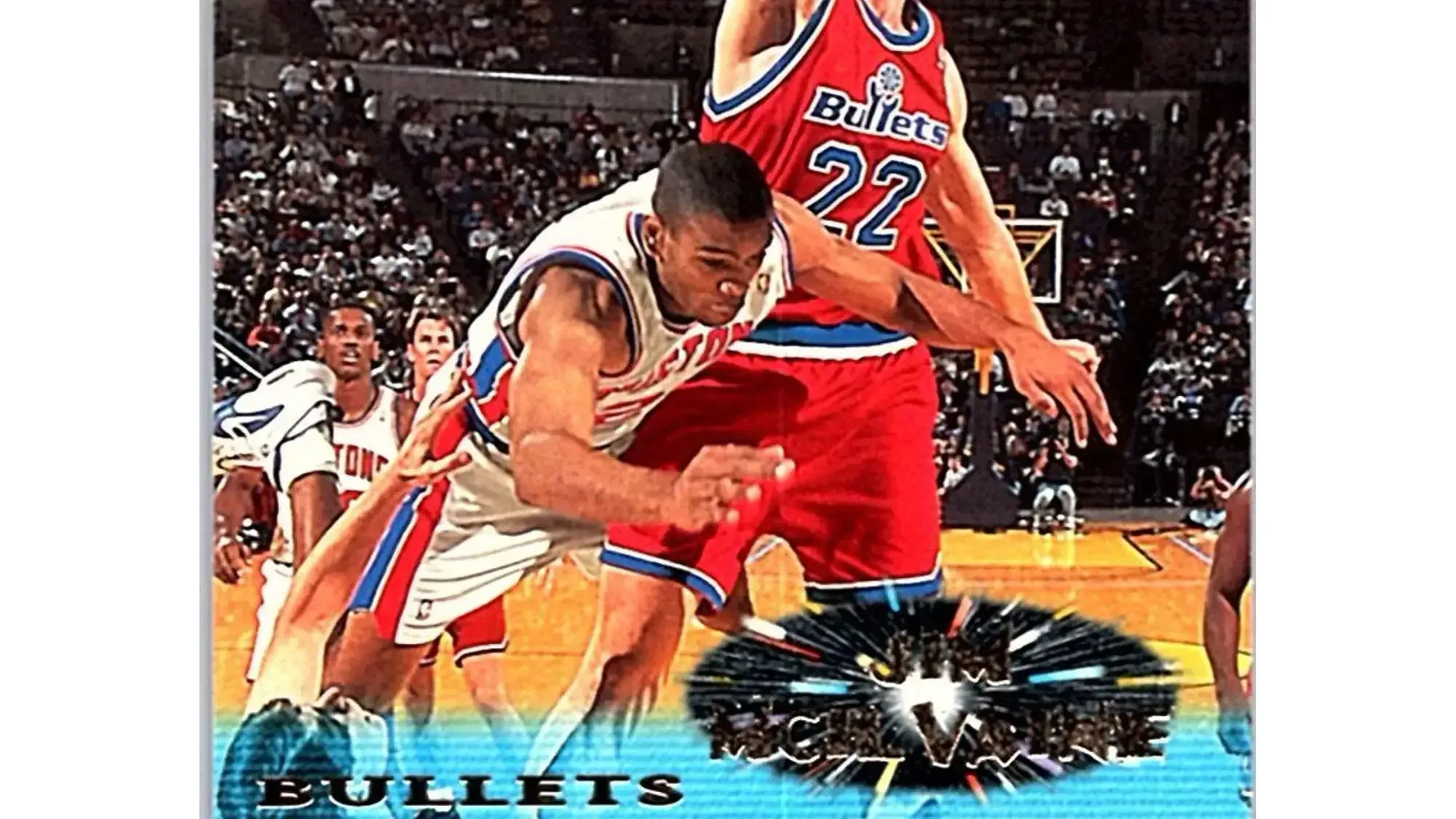
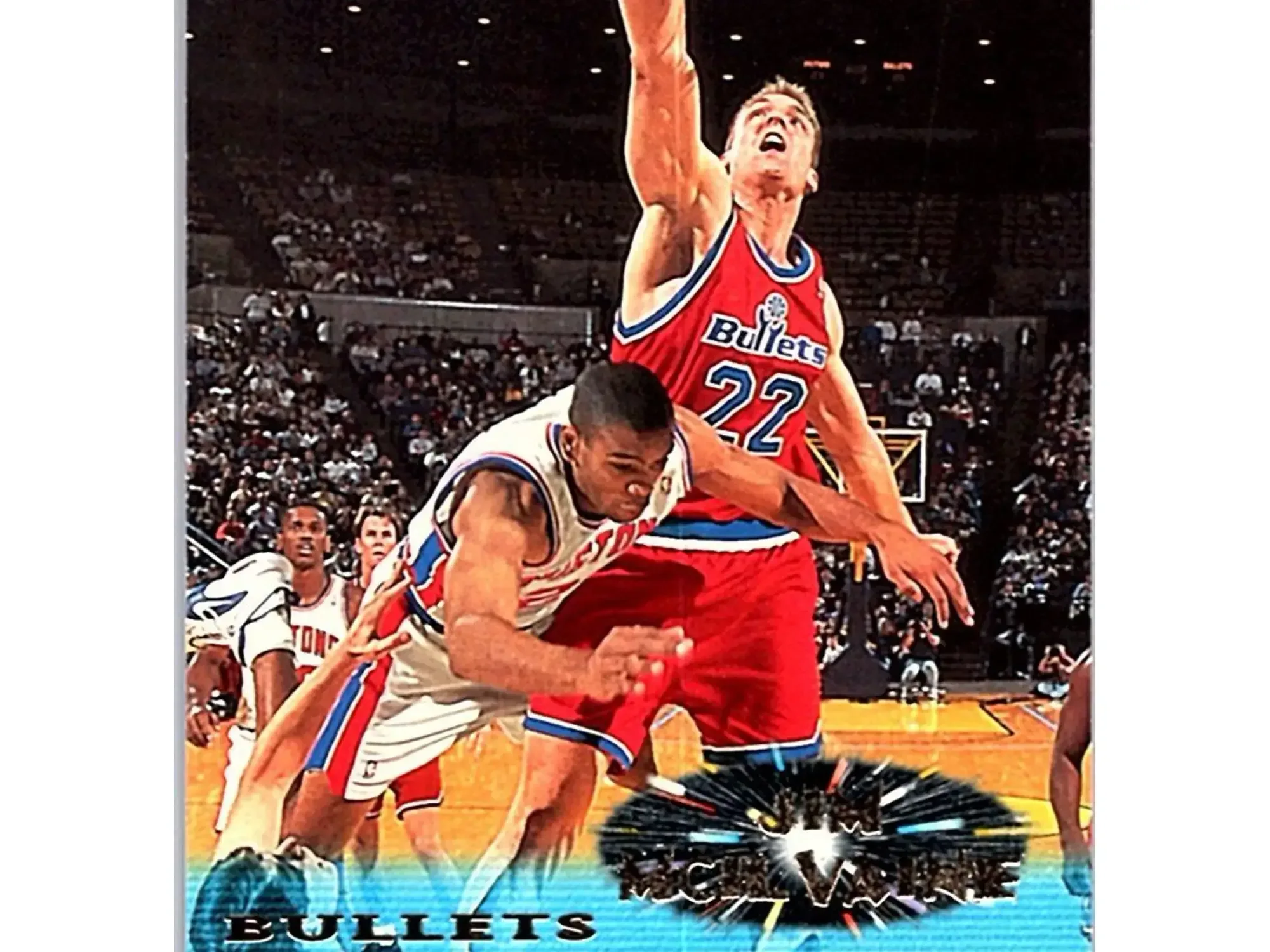
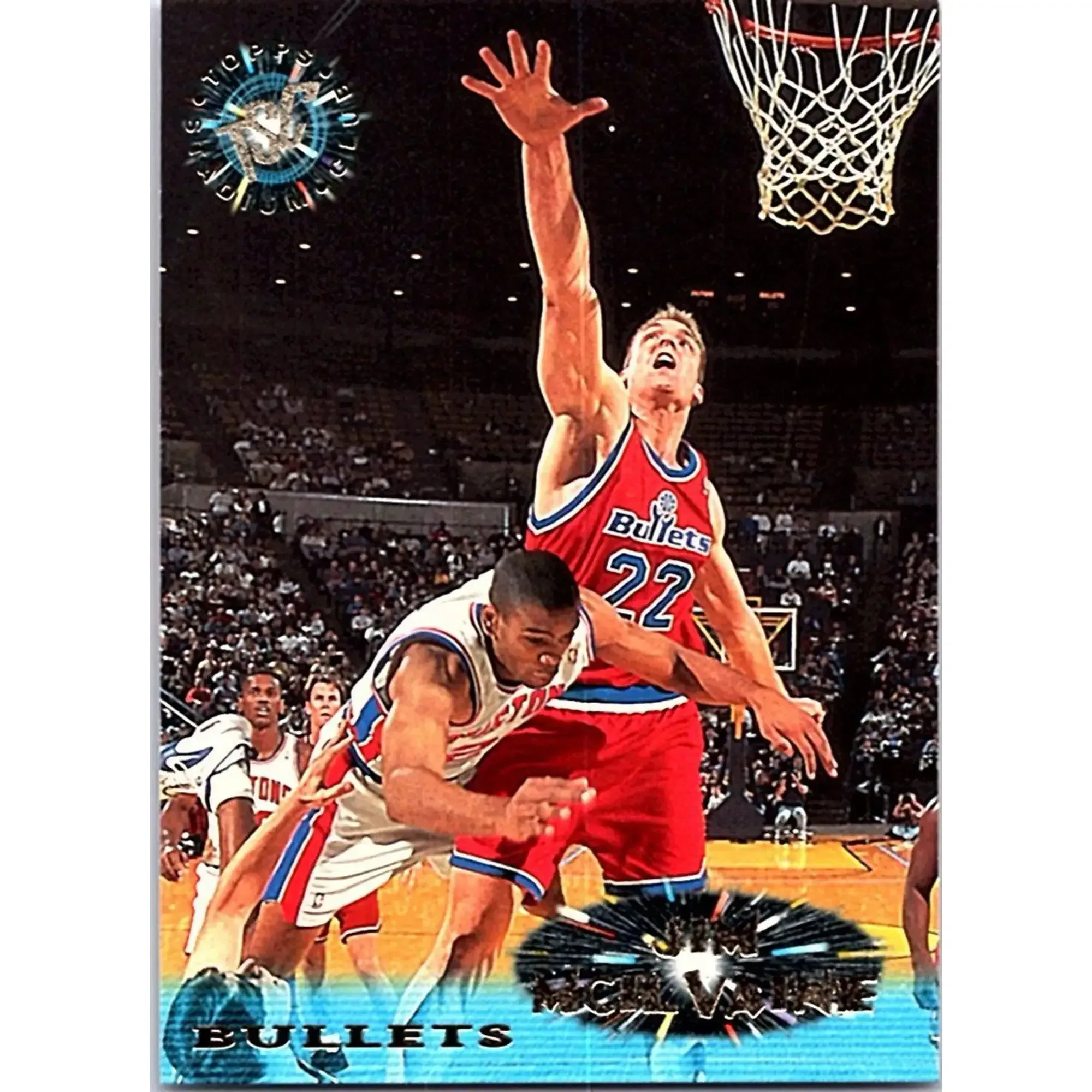
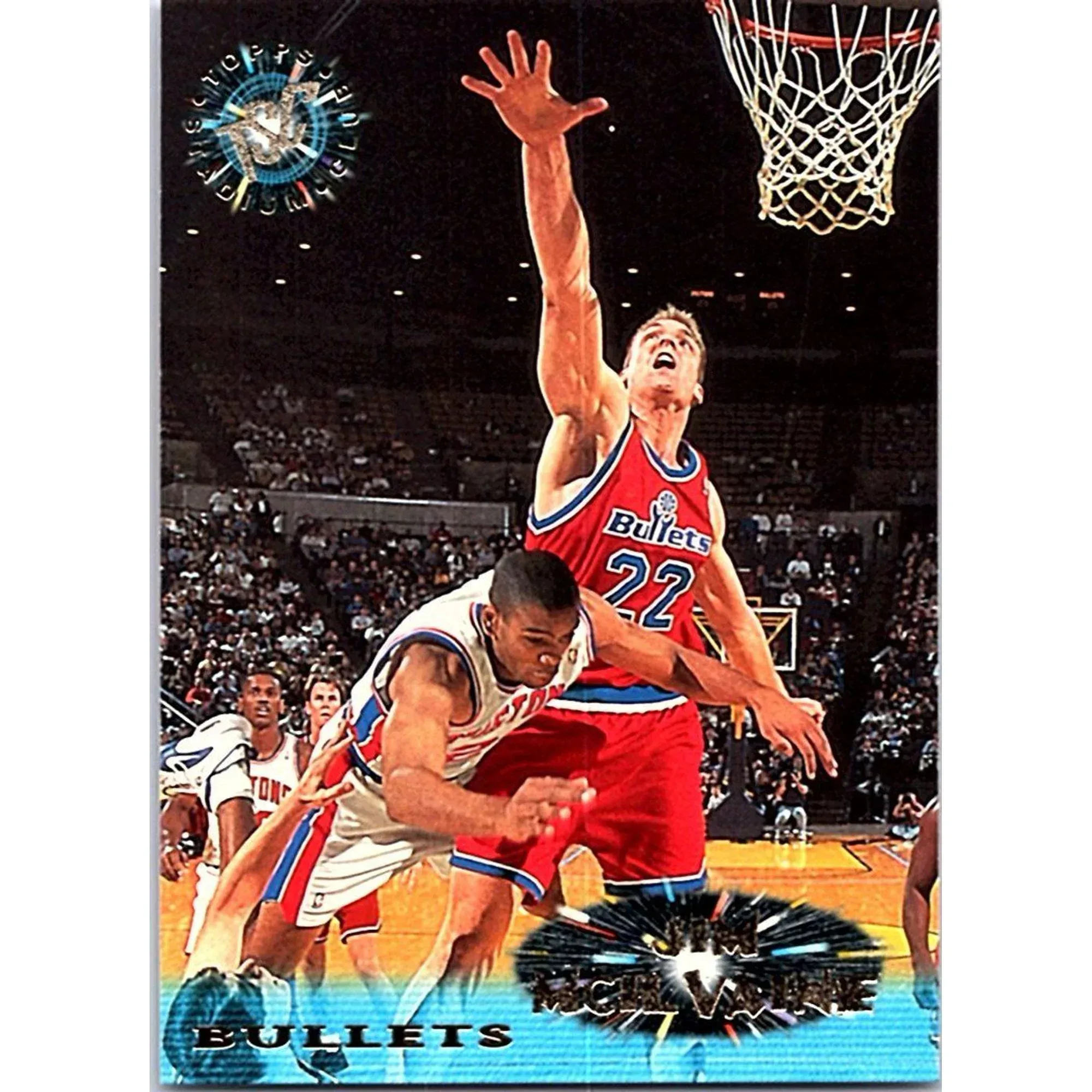
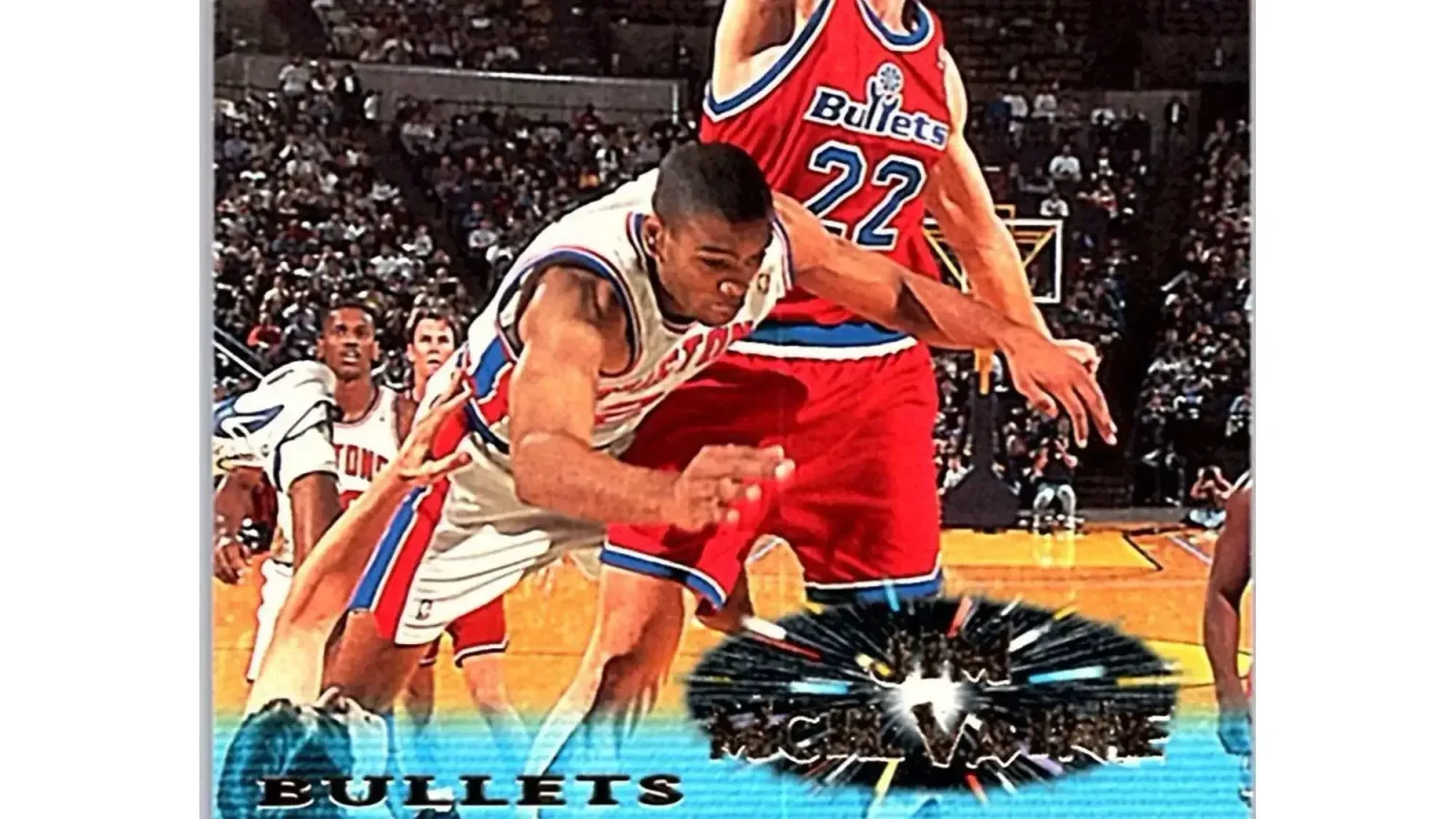
His card output was substantial for the time. McIlvaine said he has had 84 different cards over the years, a total that spans both his college and pro appearances. His rookie-year presence covered much of the major 1994 product landscape, including Flair, Fleer, Hoops, Stadium Club, Topps and Upper Deck, along with draft-oriented releases and autograph issues.
His memory of seeing one of his NBA cards for the first time is especially telling. Before he had one in hand himself, a fan already had one ready for an autograph at a hotel in Orlando. For many retired players, stories like that underscore how fast the card market moved in the 1990s and how quickly a player could become part of hobby circulation.
Why one unusual college-era card still stands above the rest
Asked to single out a favorite card from his own run, McIlvaine pointed to an unusual Signature Rookies issue from his college years because it includes Marquette coach Kevin O'Neill alongside him. That is a rare detail on a player card and one that immediately makes the piece more distinctive than a standard solo portrait or action shot.
McIlvaine said he also owns an uncut sheet from that series and has it framed so both sides can be viewed. For collectors who appreciate production history, uncut sheets can be just as compelling as the finished singles, especially when they preserve the design, card backs and printing context in one display piece.
The coach inclusion matters too. A college card that captures player and coach together works almost like a miniature time capsule. It ties McIlvaine not only to his own early development, but also to the program context that helped shape his career. In an era when collectors increasingly value storytelling and originality, that kind of issue carries more personality than a generic base card.
Uncut Marquette giveaway cards remain personal treasures
Long before his NBA rookie cards arrived, McIlvaine was already finding ways to save the cardboard tied to his basketball life. During his Marquette years, local sponsors produced giveaway cards for games, and he made it a point to gather as many as he could. Those issues had a simpler, regional feel compared with nationally distributed products, but they clearly left a lasting impression.
He still has stacks of them, and many remain uncut in sheets of four or five cards. Their market value may be difficult to pin down, yet their hobby importance goes beyond price. Regional college issues are often overlooked until years later, when collectors realize how small the print runs were and how rarely intact examples survived.
McIlvaine also carried that instinct with him well after graduation. Even during his years around the Marquette program as a broadcaster, he continued trying to save team-issued cards when they were produced. That habit fits a certain kind of collector perfectly: someone who understands that the most meaningful items are not always the most famous ones.
Signing thousands of autographs, including on his honeymoon
The autograph side of McIlvaine's hobby history offers another memorable glimpse into the 1990s card business. He said he signed 7,750 cards for Signature Rookies and another 1,000 to 1,500 for Classic. He also had the option to go as high as 10,000 signatures, but stopped well short of that total.
Those numbers help explain why so many autograph issues from the decade remain accessible today. The card boom rewarded volume, and players were often asked to sign massive runs. McIlvaine said he earned one dollar per signature on one of those deals, a payout structure that also shows how differently autograph contracts could scale depending on draft position and star power.
His most unforgettable signing story came during his honeymoon in Key West. With rain keeping him indoors, he spread cards around the hotel room and worked through the stack with his wife nearby, joking that the signatures were paying for the trip. It is one of those stories that sounds almost too good to be true, but it captures the reality of the era: autograph obligations were real work, and players often completed them wherever they could.
McIlvaine also recalled a story involving Chris Webber and an attempted shortcut on autograph signing that did not hold up under scrutiny. The lesson was simple. Card companies checked signatures carefully, and the genuine article still mattered.
Collecting started with wax packs in Wisconsin
McIlvaine's collector roots go back to Racine, Wisconsin, where he bought wax packs at Nelson's Dime Store. Ironically, the store did not carry basketball cards, so his early accumulation leaned heavily toward football and baseball. That left him building large stacks of sports he did not necessarily follow as closely, simply because those were the packs available.
Like many Midwestern collectors of his generation, he was pulled in by strong local teams. The Brewers' run in the early 1980s helped fuel his interest, and he still has laminated McDonald's placemat collectibles tied to those American League championship-era clubs. Those pieces are not standard trading cards, but they sit comfortably within the broader world of sports paper and promo collectibles that many longtime hobbyists enjoy.
His mention of Wisconsin artist George Pollard adds another layer to the story. Collecting does not always stop at pack-issued cards or licensed memorabilia. Posters, local art, food promotions and oddball regional items often become just as important in a personal collection, especially when they connect to a time and place.
Game-worn jerseys, customs and unusual keepsakes fill his collection
McIlvaine's collection extends far beyond his own cards. He said memorabilia is spread between homes in Wisconsin and Florida, with part of it living in what he calls his Basketball Basement. The contents appear to lean toward the unusual rather than the obvious.
One example came after his retirement, when the Milwaukee Bucks held a clear-out sale of team-issued apparel at the Bradley Center. McIlvaine found sweatsuits in his size, a rare opportunity for someone with a 7-foot frame, and bought heavily. Some of the haul was for him, some for family members, and all of it fit the collector profile of someone who values authentic team-issued material even when it is not a headline-worthy display item.
Another story dates to the 1991 Olympic Festival, where McIlvaine roomed with Dan Hurley and crossed paths with a field that included Glenn Robinson. As the event wrapped up, he spotted Robinson's laminated athlete credential sitting in a trash can and saved it. That kind of item would never make a standard want list, but it is the exact sort of ephemeral piece that becomes fascinating years later because so few people think to keep it.
He also described buying autographed NBA jerseys at a charity golf outing hosted by referee Mike Mathis in Cincinnati. Because the auction had so many available pieces, some sold for minimal bids. McIlvaine picked up several and even offered to return them to former players if they wanted them back, asking only to be reimbursed for what he paid. It is an unusually player-centric approach to memorabilia collecting and another sign that he sees these items as personal artifacts rather than simple flip opportunities.
The custom jerseys that meant the most
Among the more colorful parts of McIlvaine's collection are custom jerseys tied to his music interests and personal relationships. During his Seattle days, he arranged to have jerseys made with his number but Jimmy Buffett's name on the back. Buffett was a major favorite of McIlvaine's, to the point that the center chose Buffett's high school number as his own NBA number.
He eventually gave one of those jerseys to Buffett backstage at a Tacoma show. The gift landed well, though there was one practical issue: the jersey had been made to fit McIlvaine, not Buffett, so it was far too long to wear on stage.
He also had a custom Nets jersey made for blues legend Buddy Guy, featuring Guy on the nameplate and number 30 in recognition of their shared birthday. That anecdote may sit outside the normal sports card lane, but it fits modern collecting culture, where crossover pieces tied to music, celebrity and personal narrative often generate as much interest as mainstream game-used material.
The fan memory that stayed with him
When McIlvaine reflected on memorable fan interactions from his NBA years, he highlighted Seattle superfan Lorin Sandretzky, widely known as Big Lo. McIlvaine credited him as the creator of the Sonics' famous defense chant prop featuring the letter D and a fence, a visual that became closely associated with the team's home-court identity.
What stood out even more was the dedication. McIlvaine remembered Sandretzky and his group meeting players at the airport after road trips and even shoveling paths to their cars in winter. For collectors, superfans like that are part of the ecosystem that keeps memorabilia culture alive. They buy tickets, save programs, chase autographs, preserve stories and help shape the atmosphere around teams in ways that eventually feed hobby nostalgia.
What collectors can take from McIlvaine's hobby life
McIlvaine's collecting story is a reminder that the most interesting hobby journeys are not always built around the biggest names or the highest auction results. Here is a former NBA center with a run of 1990s cards, a stash of uncut college sheets, a framed oddball favorite featuring his coach, custom music-themed jerseys, rescued credentials and game-worn pieces acquired through personal relationships and chance encounters.
There is also a useful lesson in how he values material. Not everything has to be expensive. Not every item needs a population report, serial number or public comp. Some pieces matter because they are rare. Others matter because they are weird. Others matter because they connect a player to a memory the wider market never noticed.
For collectors chasing overlooked 1990s basketball names, McIlvaine's own card history offers several lanes worth exploring, from regional Marquette giveaways to major 1994 rookie releases and high-volume autograph issues. For collectors focused on the stories behind the items, his archive may be even more compelling than the checklist itself.
And in a hobby that often celebrates star-driven scarcity, there is something refreshing about a former player still browsing for his own cards, still setting aside the oddball pieces, and still treating memorabilia as a collection of memories first and a marketplace second.
Photo Gallery