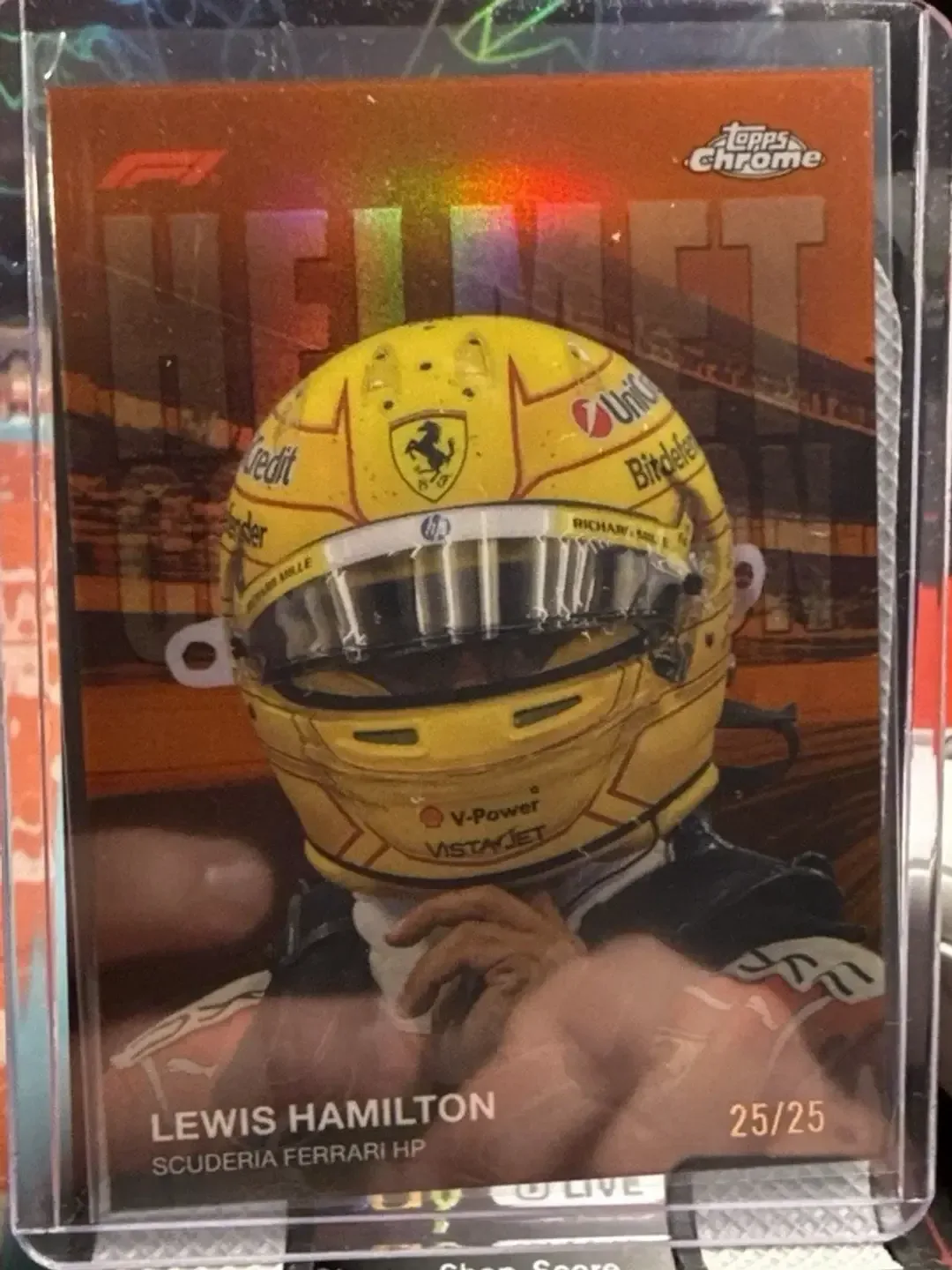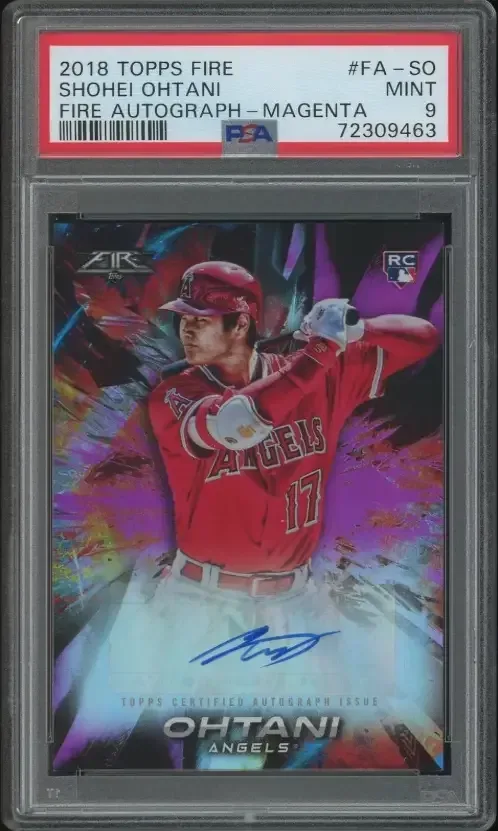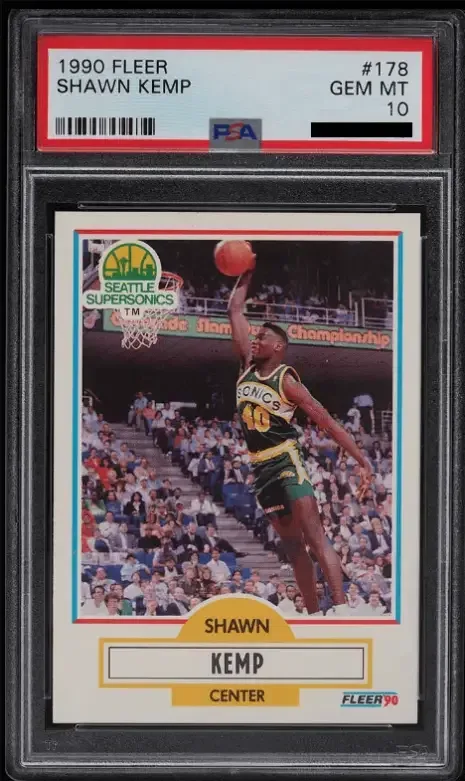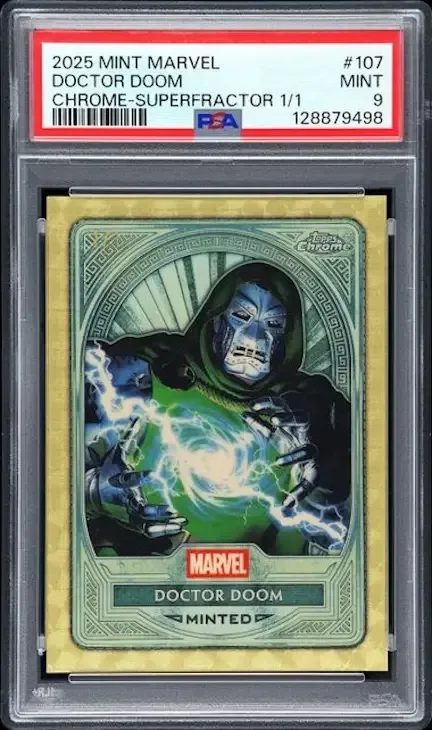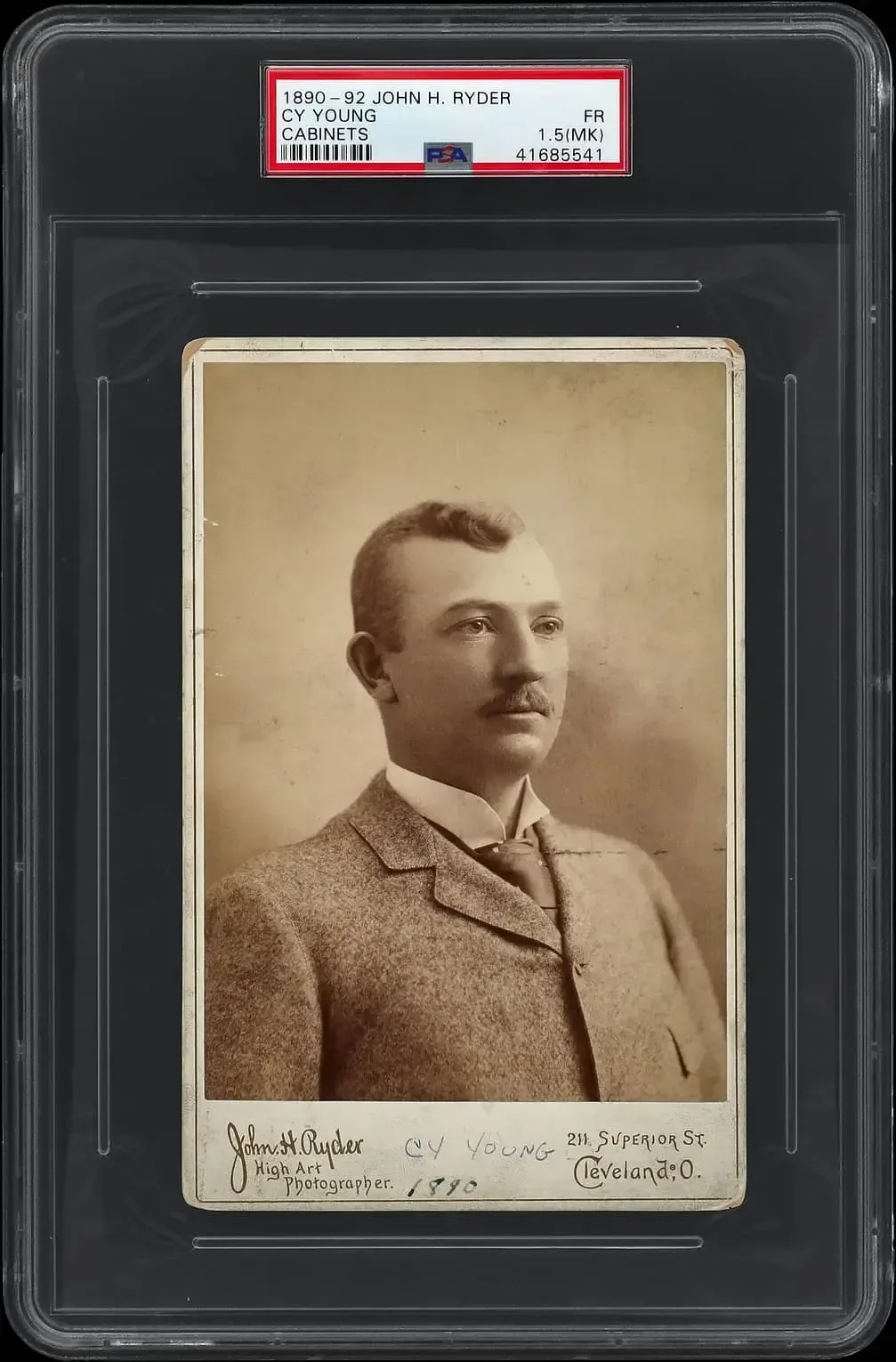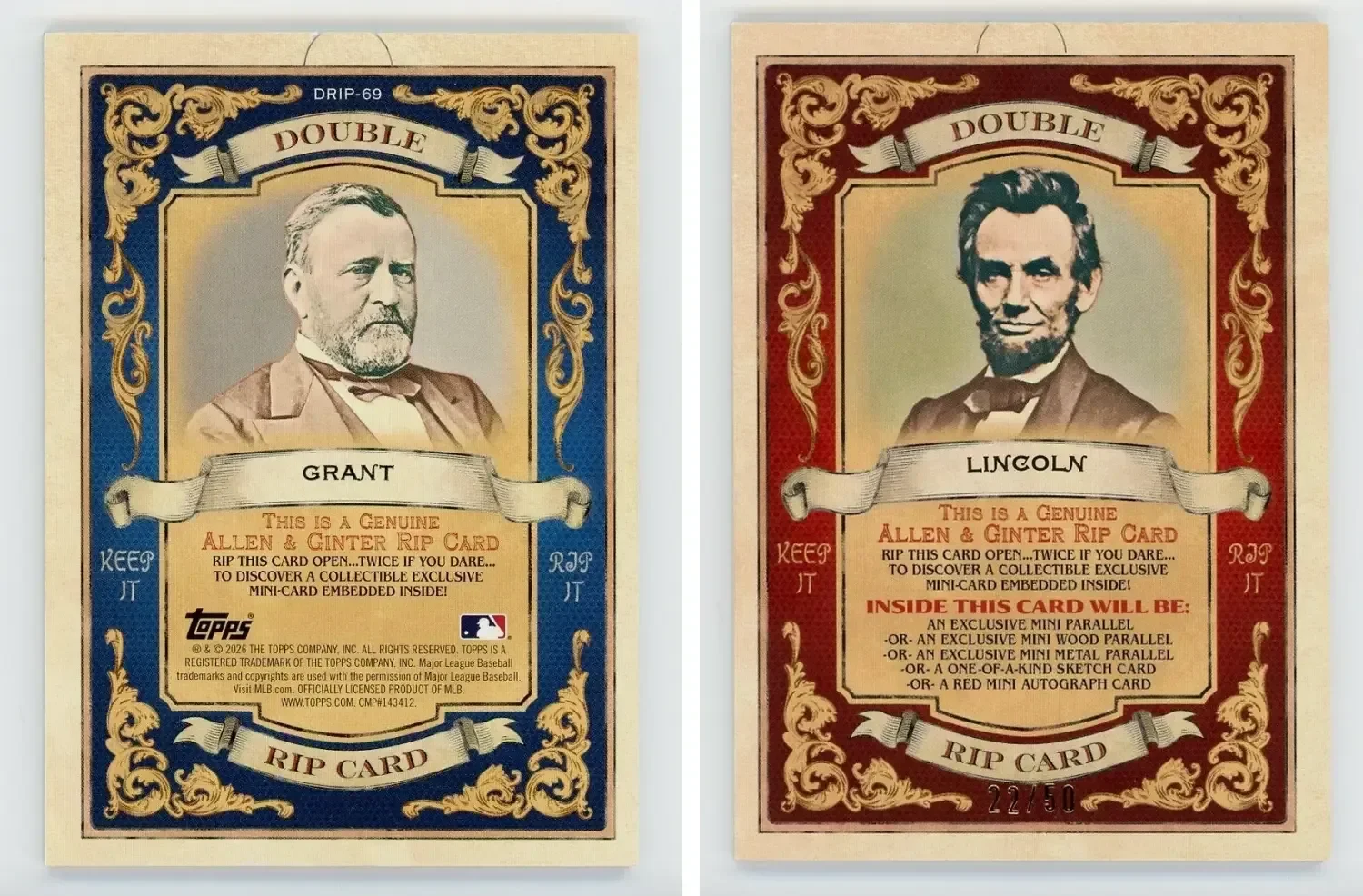
Sports fans know that the same moment can live in several forms. A game-winning shot may be a memory, a recording, a ticket stub, a program, or a card. None of those objects is the event itself, but each gives a fan a different way to return to it. Video games now face a similar question: what do we actually keep when our favorite sports title becomes an icon in a digital library?
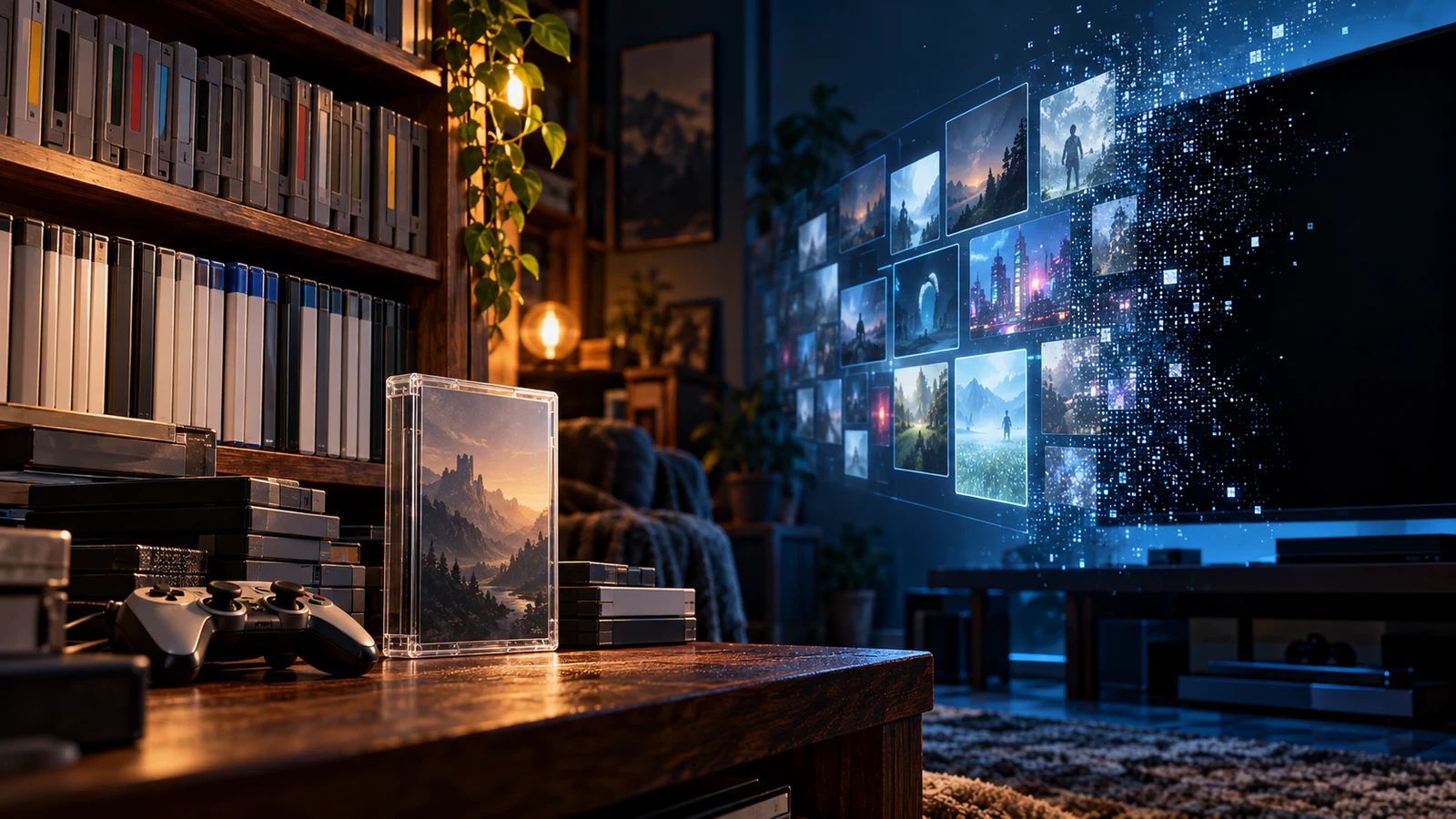
Downloads are hard to argue with on convenience. They arrive immediately, save shelf space, and make it easier to try a release without finding a local copy. For people who move often, have limited storage, or simply want to jump into a game, that is a genuine benefit. Yet the box, disc, manual, and artwork of a physical edition can record a season in a way an account entry cannot. They can be passed along, displayed, or found years later in a shop. That does not guarantee the software inside will run forever: updates, accounts, and servers can still be essential.
The point is not to turn every sports-game purchase into a collectible. Most players want a good game, not an archive. But fans who keep old cards and programs understand why a tangible release can matter beyond its first week. A sealed copy might document condition and packaging; an opened complete copy can reveal inserts and design choices; neither proves that online features will remain available. Those are different kinds of value, and they should not be collapsed into a simple price tag.
Joking Joystick's longer discussion of physical game ownership makes a careful case for keeping meaningful boxed editions alongside digital options. The most persuasive part is its refusal to pretend that plastic defeats every technical problem. A disc cannot recreate a retired server, just as a digital purchase is not automatically lost when new storefront sales stop. For sports fans, the useful takeaway is familiar: keep the formats that let you enjoy the moment now, but understand what each one can carry into the future.